



Non-surgical buttock enhancement continues to grow in popularity across the UK. If you are considering this type of treatment, safety is likely your main concern. With several injectable options available, understanding which approach carries the lowest risk is essential.
In 2026, three primary non-surgical techniques dominate the discussion. These include dermal filler-based augmentation, Sculptra collagen stimulation, and Lanluma biostimulatory treatments. Each option differs significantly in mechanism, longevity, and complication profile.
In this guide, we compare these treatments in detail. We focus on safety data, regulatory considerations, and realistic long-term outcomes. Most importantly, we help you understand which option may be safest for you.
Understanding Non-Surgical Butt Lifts
A non-surgical butt lift uses injectable products to enhance your volume and shape without the need for a traditional surgical BBL. That means no fat transfer, no general anaesthetic, and generally a shorter recovery period, which can be appealing if you want results without major surgery.
But just because it’s non-surgical doesn’t mean it’s risk-free. Injecting large volumes into the buttock area requires a detailed understanding of anatomy. Choosing the safest approach depends not only on the product itself but also on the skill and experience of your practitioner.
It’s also important to understand the differences between product types. Some injectables give you instant volume, while others work by stimulating your body’s collagen gradually. The safety profile can vary a lot depending on which method you choose, so knowing the options is key for you.
Dermal Filler Butt Lifts Explained
Dermal filler butt lifts rely on hyaluronic acid-based gels to give your buttocks instant projection. The filler works by physically occupying space beneath your skin, so you can see results immediately after treatment.
Using large volumes of filler in the buttocks has raised safety concerns here in the UK. Risks such as migration, vascular compromise, and asymmetry have been documented, which is why regulation around body fillers continues to evolve. Being aware of these potential complications is important for you before making any decisions.
Another consideration is longevity. While fillers give quick results, they are temporary. Most hyaluronic acid products dissolve over 9 to 18 months, meaning the enhanced shape won’t be permanent.
Maintaining the results usually requires repeat high-volume injections. Each session can add to cumulative risk, so it’s worth weighing the convenience of immediate results against the need for ongoing treatments and potential safety concerns for you.
What Is Sculptra?
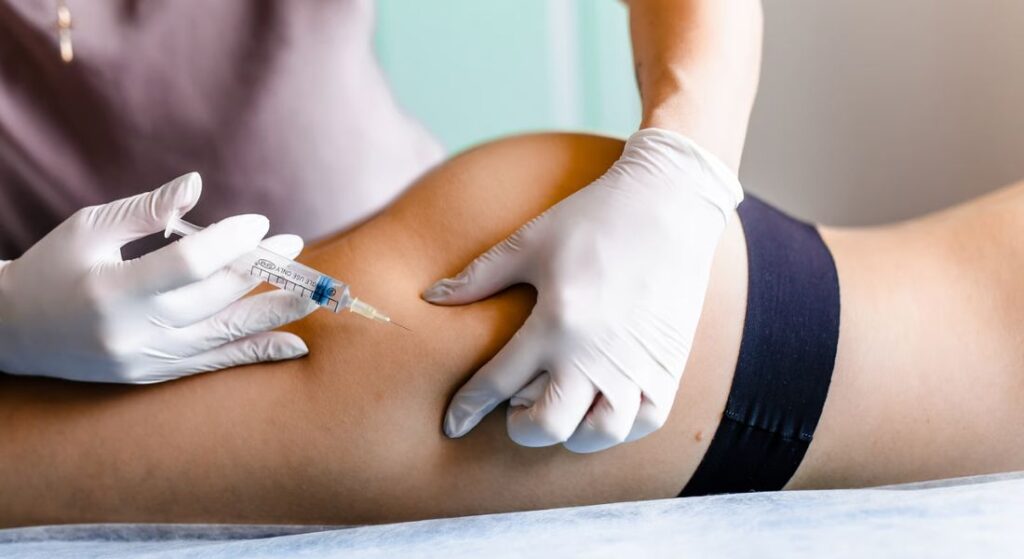
Sculptra is an injectable made from poly-L-lactic acid that works by stimulating your body to produce collagen rather than adding volume directly. This means results develop gradually, giving your buttocks a natural-looking lift over several months instead of an immediate change.
Because it doesn’t rely on large gel deposits, some vascular risks may be lower compared with traditional fillers. However, technique is still crucial improper injection can lead to nodules or uneven results, so choosing an experienced practitioner is key for you.
What Is Lanluma?
Lanluma is a poly-L-lactic acid collagen stimulator, much like Sculptra, but it’s specifically formulated for body contouring. Instead of adding instant bulk, it works by encouraging your body to produce collagen, gradually enhancing shape and volume.
Treatments with Lanluma usually involve multiple sessions. As your collagen develops over time, the results appear natural and progressive rather than sudden. This gradual approach can give a more subtle, harmonious lift to your buttocks.
Its safety profile is similar to other PLLA products. Most potential complications are technique-related, so proper dilution and precise placement by an experienced practitioner are key to reducing risk and achieving the best outcome for you.
Immediate Volume vs Gradual Enhancement
If you’re considering dermal fillers, you’ve probably noticed the appeal of instant results. Seeing immediate change can be exciting, especially if you want a quick transformation. However, just because the volume appears quickly doesn’t mean it’s always the safest approach.
1. Instant fillers create rapid bulk: Traditional fillers provide immediate lift or contour, but sudden tissue expansion can stress surrounding structures. For you, this might increase the chance of swelling, uneven results, or other complications.
2. Gradual enhancement with Sculptra or Lanluma: These collagen-stimulating treatments build volume slowly over weeks or months. For you, this means the tissue adapts more naturally, giving a smoother, more controlled outcome. Gradual progression allows you and your practitioner to assess results and adjust as needed.
3. Why slower can be safer: When safety is your priority, incremental enhancement reduces the risk of overcorrection or migration. Patience allows your body to integrate the filler naturally, producing a refined, harmonious look. Rapid dramatic change might be tempting, but slower progression often aligns better with long-term safety and natural results.
In the end, choosing gradual enhancement isn’t about settling for less it’s about giving your tissue time to adapt, ensuring your results are both beautiful and safe.
Longevity Compared
Dermal filler BBL treatments need regular top-ups because the volume gradually fades as the product dissolves. That means if you want to maintain the look, you’ll need repeat sessions, which can add both cost and risk over time.
Sculptra and Lanluma, on the other hand, tend to last longer because they work by stimulating your own collagen. Once the collagen has formed and stabilised, the results are more durable and maintenance sessions are needed less frequently.
This difference in longevity also affects safety. Fewer repeat procedures mean you’re exposed to less cumulative injection risk, which is an important factor to consider when deciding which approach is right for you.
Vascular Complication Risk
The buttock area has major blood vessels running through it, so injecting large volumes of filler can be risky if not done correctly. Vascular compromise is a serious concern and can lead to significant complications, which is why precision is so important for you.
Biostimulatory injectables like Sculptra or Lanluma work differently. They use smaller, dispersed particles rather than a large gel bolus, which changes the risk profile. While this can reduce certain vascular risks, it doesn’t eliminate them entirely.
Safe injection technique remains absolutely critical. Even with lower-risk products, mistakes in depth, angle, or placement can cause issues.
Ultimately, your safety depends more on the practitioner’s anatomical knowledge and experience than the product itself. Choosing the right clinician is the most important step in minimising risk, and product selection supports that careful planning.
Migration and Product Movement
Hyaluronic acid fillers can sometimes move from where they were initially placed. Over time, gravity and everyday movement may cause the product to shift, which can change the contour and symmetry of your buttocks. This is something to be aware of if you’re considering a traditional filler approach.
Collagen stimulators like Sculptra or Lanluma work differently. They don’t sit as a free-flowing gel; instead, they encourage your own tissue to grow locally. Because the volume develops within your own collagen, the risk of migration is much lower.
This stability plays an important role in long-term safety. When the product stays where it’s intended, complications related to unevenness or asymmetry are far less likely.
Understanding the physical behaviour of each product helps you make a safer choice. Predictable results mean fewer surprises and a smoother overall outcome for you.
Risk of Nodules
PLLA-based treatments like Sculptra and Lanluma can sometimes lead to nodules forming under the skin. This risk is higher if the product isn’t properly diluted or massaged after injection, which makes technique and aftercare crucial for you.
Traditional dermal fillers can also create lumps, especially if too much product is injected at once. Overfilling increases tissue pressure and can cause irregularity, so even distribution is essential to maintain a smooth result.
The good news is that most nodules can be managed effectively if detected early. Choosing an experienced practitioner greatly reduces the likelihood of occurrence, and being informed about aftercare helps protect your results.
Regulatory Considerations in the UK
If you’re thinking about body filler treatments, it’s important to understand the UK’s regulatory landscape. Scrutiny has increased in recent years, especially around unregulated practitioners, and this has heightened public awareness about safety. For you, knowing the rules helps you make informed choices.
1. PLLA products and medical frameworks: Polylactic acid (PLLA) fillers often fall under stricter medical regulations, but licensing can vary depending on the treatment indication. For you, this means that not every clinic or practitioner may be authorised to perform all procedures using these products.
2. Verifying product approval: Before proceeding, you should always check that the product you’re receiving is approved for use in the UK. Responsible clinics will prioritise regulatory compliance and make sure you understand what you’re receiving.
3. Transparency and consent: Even with approved products, informed consent is essential. You have the right to know the risks, benefits, and alternatives before any procedure. Clear communication is part of safe, responsible care.
In the end, safety starts with legal clarity. By choosing a clinic that follows UK regulations, you reduce risk and ensure your treatment is performed responsibly, giving you peace of mind while achieving the results you want.
Infection and Sterility
Any time you have an injectable procedure, there’s a risk of infection. Using sterile techniques can reduce this risk significantly. That’s why you want to make sure the clinic is clean and follows strict hygiene standards.
When you’re having large-volume filler sessions, the injections take longer. This means your tissues are exposed for a bit more time, which can slightly increase the risk. Proper preparation and careful technique go a long way in keeping you safe.
Biostimulatory treatments work the same way they’re very technique-sensitive. By sticking to strict hygiene practices, your safety is much better protected. Choosing a clinic that maintains high clinical standards really matters when you’re having these procedures.
Recovery and Downtime

After getting dermal fillers, you might notice some swelling right away because of the added volume. Bruising can also happen, but for most people, downtime is minimal and usually manageable. It’s normal to see a little change in your appearance for a short while, so planning around that helps.
If you’re having treatments like Sculptra or Lanluma, you’ll need to do post-treatment massages. Mild swelling is common with these products, but following the instructions can make your recovery smoother. Keeping on top of aftercare really helps you get the best results.
Non-surgical procedures generally have a much shorter downtime compared with surgery. You can usually get back to your daily routine quickly, which is a big advantage. Still, it’s important to have realistic expectations about recovery and know that some temporary discomfort is normal.
Everyone reacts differently, so listen to your body and give yourself time to heal. Minor swelling, tenderness, or bruising may appear, but these effects typically fade within a few days to a couple of weeks. Being prepared helps you feel more comfortable during the recovery process.
Suitability by Body Type
If you have thin tissue coverage, your body might not handle large filler volumes safely. That’s why a proper risk assessment is so important how much tissue you have can really affect what’s safe and effective for you.
Collagen stimulators can be a good option if you’re aiming for moderate enhancement or subtle contouring. They won’t give dramatic projection, but they’re often safer and still give nice results. Ultimately, what’s right for you depends on your body and a personal consultation. Not every treatment suits everyone, so it’s best to get professional advice before deciding.
Long-Term Structural Benefits
If you’re looking for results that last, it helps to understand the difference between traditional dermal fillers and collagen-stimulating treatments like Sculptra or Lanluma. These products don’t just fill they actively encourage your body to produce collagen, which can improve skin firmness and support over time. For you, this means a gradual, natural enhancement that builds structural strength rather than disappearing quickly.
1. How collagen stimulation adds durability: Unlike standard fillers, which lose volume once dissolved, biostimulatory treatments create long-term tissue changes. For you, this means improvements that persist beyond the initial procedure and provide ongoing support to your facial or body contours.
2. Why dermal fillers offer limited structural benefit: Traditional gel fillers provide immediate volume but do not significantly trigger collagen production. Once the material breaks down, the effect fades, leaving your skin without lasting structural reinforcement.
3. Long-term advantages of biostimulation: If longevity and tissue integrity are important to you, collagen-stimulating treatments may be the safer, more effective choice. Gradual integration into your own tissue enhances stability, supports natural contours, and provides structural improvements that can last well beyond the initial sessions.
In the end, choosing a regenerative approach isn’t just about how you look immediately it’s about building lasting support and natural results that age gracefully with you.
Cost Versus Risk
Filler treatments might seem more affordable at first, but if you need repeat sessions, the overall cost can add up quickly. Thinking about the long-term financial commitment is important before you start.
Treatments like Sculptra and Lanluma usually require an initial investment spread over multiple sessions. Because the results last longer, this can help balance out the cost over time. Plus, fewer sessions may mean less risk exposure each year.
When it comes to your choices, cost should never come before safety. You want to make sure what you’re paying aligns with how long the results last and the potential for complications. Taking a balanced approach helps you make the best decision for both your body and your budget.
Psychological Expectations
Non-surgical enhancement should enhance your body, not completely change it in ways that feel unrealistic. What you expect from the procedure can really affect how satisfied you feel afterward. Being honest with your practitioner during consultation helps prevent disappointment.
When you see instant volume, it can feel like a dramatic change, which can be exciting but sometimes overwhelming. Gradual enhancement usually feels more natural and lets you adjust to the results over time. Your emotional readiness plays a big role in how comfortable you feel with the changes.
Keeping your goals realistic often keeps you safer too. Conservative approaches reduce the chance of complications and make it easier to achieve outcomes that feel right for you.
Ultimately, confidence comes from clarity. When you understand what’s possible, what your body can handle, and what the procedure involves, you’re far more likely to feel happy with the results and enjoy the process.
Which Option Is Generally Considered Safest?
If your main concern is safety, collagen stimulators like Sculptra and Lanluma are generally considered safer than high-volume fillers. Because they don’t rely on large gel deposits, the risk to your blood vessels is lower. Gradual enhancement also puts less stress on your tissues, which can make the process feel safer.
That said, no injectable procedure is completely risk-free. The skill and experience of your practitioner matter more than anything else. Choosing the right product helps, but it can’t replace proper technique and careful planning.
The safest option for you is the one chosen after a thorough assessment. Your individual anatomy, goals, and expectations all determine what will work best. A personalised approach is the key to keeping you safe while getting results you’re happy with.
The Role of Practitioner Experience
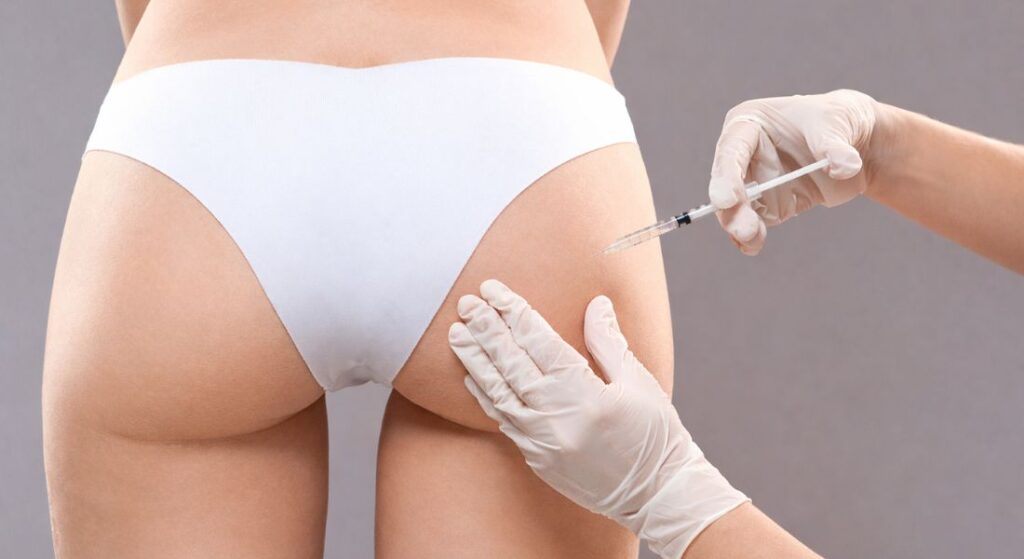
Experience with buttock anatomy is really important when you’re considering injections in this area. Your practitioner needs an advanced understanding of how the tissues and structures work, so training and proper credentials matter a lot.
You should feel comfortable asking about how they manage complications. A responsible practitioner will discuss the risks openly and honestly. Transparency like this is a good sign of professionalism and care.
Ultimately, safety depends more on your provider than the product itself. A skilled technique can minimise complications, while inexperience can increase risk. Choosing someone with real expertise is non-negotiable if you want the best results and peace of mind.
Making an Informed Decision
Making the safest choice for a non-surgical butt lift means looking at everything carefully. You need to consider how long the results last, the risks involved, the cost, and what you want to achieve aesthetically. There’s no one-size-fits-all option, so it’s all about what works best for you.
If safety is your top priority, collagen stimulators can give you some reassurance. That said, your anatomy will also influence what’s suitable. Seeing a professional for a personal consultation helps you make the right decision. When you’re informed, you feel more confident, less anxious, and ready to get the best possible outcome.
FAQs:
1. Which non-surgical butt lift option is the safest?
If safety is your top priority, collagen stimulators like Sculptra and Lanluma are generally considered safer than large-volume dermal fillers. They work gradually, stimulate your own collagen, and put less stress on tissues and blood vessels. That said, your practitioner’s experience is equally important.
2. How long do results last with Sculptra or Lanluma?
These treatments build your own collagen over several months. Once your collagen forms and stabilises, results can last for a couple of years, with fewer maintenance sessions compared with traditional dermal fillers.
3. Are there any serious risks with these procedures?
While major complications are rare, they can occur if injections aren’t done correctly. Risks include nodules, asymmetry, or, very rarely, vascular issues. Gradual enhancement and choosing a qualified, experienced practitioner significantly reduce these risks.
4. How is recovery different between fillers and collagen stimulators?
Dermal fillers may cause immediate swelling or bruising, but downtime is usually short. With Sculptra or Lanluma, mild swelling and tenderness are common, and post-treatment massage may be required. Overall, non-surgical procedures tend to have minimal downtime compared with surgery.
5. Can I get dramatic results in one session?
Dermal fillers give instant volume, but this can increase risk if large amounts are injected. Collagen stimulators like Sculptra or Lanluma work gradually over multiple sessions, which is safer and usually looks more natural.
6. How do I know which treatment is right for me?
Your anatomy, tissue thickness, aesthetic goals, and risk tolerance all matter. A personalised consultation with a qualified practitioner is essential to choose the safest and most effective approach for you.
7. Are these treatments suitable for everyone?
Not every procedure suits every body type. Thin tissue coverage, previous surgeries, or medical conditions may affect suitability. Collagen stimulators are often preferred for subtle enhancement, while dermal fillers may be limited to smaller volume corrections.
8. Do I need to worry about cost?
Initial cost may be higher for collagen stimulators because multiple sessions are needed, but results are longer-lasting. Filler top-ups add up over time, so considering long-term safety and durability alongside cost is important for you.
9. How important is practitioner experience?
Extremely important. Anatomy knowledge, proper technique, and experience with large-volume buttock injections are critical for minimising complications and achieving safe, natural-looking results.
10. Can I combine these treatments with other cosmetic procedures?
Yes, but timing and treatment planning are key. Your practitioner will advise the safest way to combine procedures without compromising safety or recovery.
Final Thoughts: Choosing the Safest Non-Surgical Butt Lift
When it comes to non-surgical buttock enhancement, safety should always be your top priority. Collagen-stimulating treatments like Sculptra and Lanluma generally offer a lower-risk approach compared with high-volume dermal fillers, thanks to their gradual enhancement and stimulation of your own tissue. That said, no procedure is completely risk-free, and the skill and experience of your practitioner remain the most important factor in achieving safe, natural-looking results.
Understanding the differences between instant fillers and collagen stimulators can help you make an informed choice. Gradual enhancement not only reduces potential complications but also allows your body to adapt naturally, producing a refined, long-lasting lift. By weighing factors like longevity, recovery, and anatomical suitability, you can select the approach that best fits your goals and lifestyle.
If you’re considering a liquid BBL in London, you can contact us at the London Medical & Aesthetic Clinic to book a consultation. Our specialists will guide you through the safest options, provide personalised advice, and ensure your treatment plan prioritises both results and safety.
Reference:
1. Pazzini, R., Viana, R. & Petrone, G. (2024) Long Term Follow‑Up in Gluteal Augmentation Using Cross‑Linked Hyaluronic Acid: Up to 20 Months Ultrasound Follow‑Up, Cosmetics, 11(6), 194. https://www.mdpi.com/2079-9284/11/6/194
2. Issa, M.C.A. et al. (2025) Analysis of Morphologic and Rheological Properties of Hyaluronic Acid Gel Fillers to Body Contouring and Its Clinical Correlation, Gels, 11(1), 65. https://www.mdpi.com/2310-2861/11/1/65
3. Faria, G. et al. (2025) Assessment of Hyaluronic Acid Filler in Gluteal Augmentation and Contouring: A 1‑Year Prospective Study, Journal of Cosmetic Dermatology. https://pubmed.ncbi.nlm.nih.gov/41423732/
4. Hsieh, M.K.H. et al. (2022) Gluteal Augmentation with Hyaluronic Acid Filler: A Retrospective Analysis Using the BODY‑Q Scale, Aesthetic Plastic Surgery. https://pubmed.ncbi.nlm.nih.gov/36385435/
5. DeLorenzi, C. (2013) Complications of Injectable Fillers, Part I, Aesthetic Surgery Journal https://academic.oup.com/asj/article-abstract/33/4/561/2801405