



Non-surgical body contouring has become increasingly popular, and you may be considering buttock enhancement with dermal fillers. This approach can add shape and volume without surgery, giving you a less invasive option to achieve your goals.
While dermal fillers are widely used for facial treatments, using them on your buttocks is quite different. The area is much larger, and achieving noticeable volume requires significantly more product. This means there are extra safety and planning considerations you need to be aware of.
It’s important that you understand these differences before going ahead. Large-volume filler procedures need specialised expertise and careful assessment. Knowing the potential benefits, limitations, and risks helps you make a confident decision that’s right for you.
What Are Large-Volume Dermal Fillers?
Large-volume dermal fillers are injectable products used in significant amounts to enhance body contours. When it comes to buttock treatments, you’ll need much more filler than you would for facial procedures. The goal is to give your buttocks subtle lifting, shaping, and added volume.
These fillers are usually made from hyaluronic acid-based gels. They are designed to blend naturally with your existing tissue while creating immediate results. You’ll often notice the change right after treatment.
Unlike surgical augmentation, these treatments don’t involve implants or fat transfer. The injectable gel temporarily increases volume, offering a non-surgical alternative if you want enhancement without going under the knife.
How Buttock Fillers Differ From Facial Fillers
Large-volume dermal fillers are injectable products used in substantial amounts to enhance body contours. If you’re considering buttock treatments, you’ll need significantly more filler than for facial procedures. The aim is to create subtle lifting, improved shape, and added volume.
These fillers are usually made from hyaluronic acid-based gels. They’re designed to blend naturally with your surrounding tissue while giving you immediate results. You’ll often notice the change right after the treatment.
Unlike surgical augmentation, this approach doesn’t use implants or fat transfer. The injectable gel temporarily increases volume, making it an appealing option if you want enhancement without surgery.
Treatment Goals

The main aim of filler-based buttock enhancement is to improve contour and shape. You might be looking for subtle lifting, better symmetry, or a bit more projection. The focus is on reshaping your buttocks rather than achieving dramatic enlargement.
Results are usually more modest compared with surgical options like a Brazilian butt lift. Many patients, however, value the non-surgical approach because it is less invasive and has a shorter recovery time.
It’s important that you communicate your goals clearly with your practitioner. Understanding what’s realistically achievable helps prevent disappointment. A personalised treatment plan ensures the results align with your expectations.
Volume Requirements
Buttock filler procedures need much larger volumes of product compared with facial treatments. While a facial procedure might use one or two millilitres of filler, your buttocks could require several times that amount to achieve noticeable contouring.
The size of the treatment area explains this difference. To create visible shaping or lifting, sufficient volume is essential. Using too little filler would not produce the results you’re aiming for.
Planning the volume carefully is crucial. Adding excessive filler can increase risk without improving the outcome. An experienced practitioner will balance the amount needed with safety to give you the best and safest results.
Safety Considerations
Injecting large volumes of filler into your buttocks requires strict safety measures. This area contains major blood vessels and important anatomical structures, so incorrect technique can lead to serious complications.
Safety starts with a thorough understanding of anatomy. Your practitioner must know the safest injection planes and techniques, often using conservative approaches to minimise risk. Careful planning is essential for a successful outcome.
It’s important that you choose a qualified medical professional for this procedure. Safety should always come before speed or dramatic results. Proper assessment and technique significantly reduce potential risks and keep your treatment safe.
Practitioner Experience
Experience is crucial when it comes to large-volume body filler treatments. Injecting your buttocks requires different skills than facial filler procedures, so your practitioner should have specific training in body contouring.
An experienced clinician knows how to distribute filler safely and evenly. They can also recognise early signs of complications, which helps protect your safety and ensures a smoother recovery.
It’s essential that you choose a reputable clinic. You should ask about your practitioner’s training and experience. Their expertise can make a significant difference in both the safety and quality of your results.
Treatment Planning
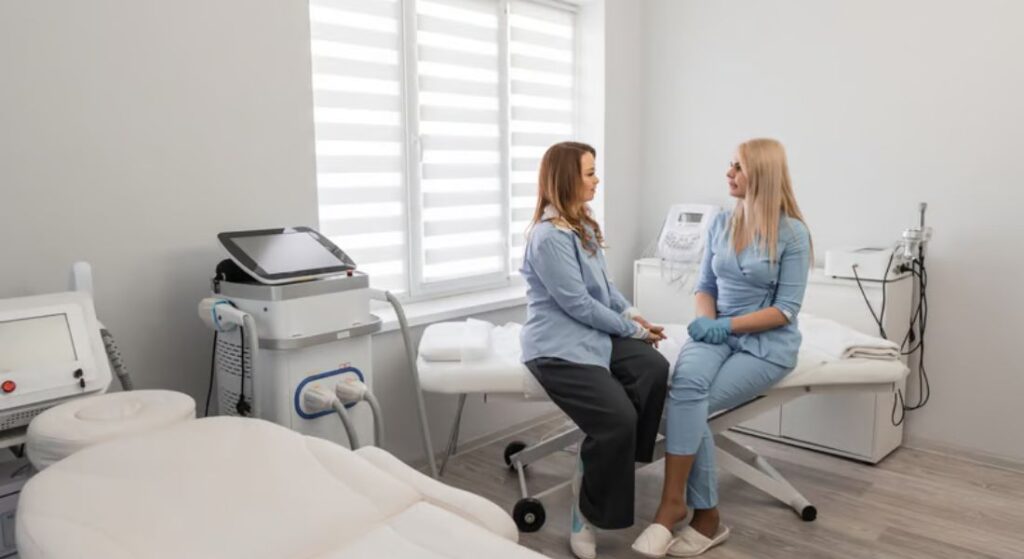
Before any filler procedure, careful planning is essential to achieve safe and natural-looking results. Your practitioner will assess factors such as your body or facial shape, skin quality, and what you hope to achieve. This evaluation forms the foundation of a personalised treatment strategy.
1. Assessment guides the approach: During your consultation, your practitioner will examine your features and consider how fillers can best enhance your appearance. Understanding your anatomy and skin characteristics helps ensure the treatment is both safe and effective.
2. Photographs and measurements track progress: Photos and precise measurements may be taken to document your baseline appearance. These records help guide injection placement and allow progress to be monitored over time, ensuring balanced and symmetrical results.
3. Clear communication of goals is vital: Discussing your aesthetic goals openly allows your practitioner to tailor the treatment to your expectations. Collaboration ensures that your results align closely with what you hope to achieve.
Thorough treatment planning helps you feel confident and informed before any procedure. It allows your practitioner to deliver results that are harmonious and personalised. Clear communication and careful evaluation reduce the risk of complications. Overall, a well-planned approach maximises satisfaction and long-term outcomes.
Injection Techniques
The way a filler is injected can have a big impact on both the results and your comfort during treatment. Different techniques are used depending on the area being treated and the effect you want to achieve. Understanding these methods helps you feel more informed and confident about the procedure.
1. Needles vs cannulas: Some practitioners use a cannula rather than a traditional needle. Cannulas are flexible and blunt, which can reduce trauma to the tissue, minimise bruising, and allow smoother distribution of the filler.
2. Correct injection depth is crucial: Fillers need to be placed in the appropriate tissue layer to achieve the desired contour. Placing them too shallow or too deep can affect the look and longevity of the results, and may increase the risk of complications.
3. Precise technique ensures natural results: Skilled practitioners often use multiple injection points to create even volume and natural contours. This careful approach helps the filler settle harmoniously and reduces the chance of unevenness.
Using the right injection technique improves both the appearance and safety of the procedure. It allows your practitioner to sculpt natural-looking results that complement your features. Proper placement and careful handling reduce the risk of bruising or irregularities. Overall, technique plays a key role in achieving results that look both beautiful and balanced.
Immediate Results
One of the main benefits of dermal filler treatments is that you can see visible changes immediately. You’ll often notice improved contours right after the procedure. Swelling may make the results look slightly exaggerated at first.
Final results become clearer as the swelling gradually settles. This process can take a few weeks, during which your body adjusts to the added volume. The treated area slowly stabilises to its intended shape.
Follow-up appointments allow your practitioner to check the results and ensure everything is progressing well. Minor adjustments may be recommended if needed. Regular monitoring helps you achieve the best and safest outcome.
Longevity of Results
Dermal fillers are temporary, so the results won’t last indefinitely. Over time, your body naturally breaks down the hyaluronic acid in the filler, which means the effects gradually fade. This is a normal part of how your body metabolises the product.
The longevity of results can vary depending on the type of filler used, the total volume injected, and your individual metabolism. For buttock enhancement, results often last between one and two years, though some patients may see effects persist a little longer. Your lifestyle, activity level, and how your body processes the filler can all influence this timeline.
It’s important to think about long-term planning if you want to maintain your results. Repeat treatments may be necessary to preserve the shape and volume you’ve achieved. Understanding this helps you set realistic expectations and make informed decisions about future maintenance.
Recovery and Downtime
Most patients experience minimal downtime after buttock filler treatments. You may notice mild swelling, bruising, or tenderness in the treated area, which typically improves within a few days. Some patients also experience slight firmness or sensitivity, but these effects usually resolve naturally as your body adjusts.
During the early healing period, you’ll likely be advised to avoid strenuous exercise and limit pressure on your buttocks. This includes sitting for long periods or engaging in high-impact activities. Following your practitioner’s aftercare instructions carefully is crucial to support proper healing and achieve the best results.
Recovery from large-volume filler procedures is generally quicker and less invasive than surgical options like a Brazilian butt lift. Many patients can return to their normal routines within a few days, though full settling of the filler may take a few weeks. Individual recovery experiences can vary, so it’s important to listen to your body and communicate with your practitioner throughout the process.
Potential Side Effects
As with any injectable treatment, dermal fillers can cause side effects. Most are mild and temporary, such as swelling, bruising, or slight discomfort at the injection site. Knowing what to expect helps you feel prepared and reassured.
1. Common, short-term effects: Swelling, redness, tenderness, and minor bruising are the most frequent reactions. These usually resolve within a few days to a week and rarely affect daily activities.
2. Rare but serious complications: In very rare cases, fillers can affect blood vessels, which may require immediate medical attention. This highlights the importance of choosing a highly experienced and qualified practitioner for your treatment.
3. Informed decisions rely on transparency: Discussing potential side effects openly allows you to make educated choices about your treatment. Clear communication also builds trust and ensures your expectations are realistic.
Being aware of potential side effects helps you approach treatment with confidence. Most patients experience only minor, temporary reactions. Choosing an experienced clinician minimises the risk of serious complications. Overall, understanding the possibilities ensures your safety and satisfaction throughout the process.
Comparing Fillers to Surgical Options
When it comes to enhancing the buttocks, both surgical and non-surgical options are available. Understanding the differences can help you choose the approach that best fits your goals, lifestyle, and comfort level.
1. Surgical augmentation offers dramatic results: Procedures such as fat transfer or implants can significantly increase volume and reshape the buttocks. While the results are often more noticeable, surgery involves longer recovery times, potential scarring, and higher risks.
2. Non-surgical fillers provide a less invasive alternative: Dermal fillers can add volume and improve contour without the need for incisions or general anaesthesia. The results are usually more subtle but can still create a natural, lifted appearance with minimal downtime.
3. Each approach has its pros and cons: Surgery may be preferable if you want a significant transformation, while fillers suit those seeking moderate enhancement or temporary results. Your priorities, lifestyle, and risk tolerance should guide the decision.
Choosing between fillers and surgery depends on what matters most to you. Discussing your goals openly with your practitioner ensures the treatment plan is tailored to your needs. Both options can be effective when carefully planned. Ultimately, the best choice balances safety, recovery, and the results you hope to achieve.
Cost Considerations
Large-volume buttock filler treatments can be costly. The price reflects the amount of product needed and the complexity of the procedure. It’s important that you understand the financial commitment before going ahead.
Since fillers are temporary, you may need maintenance treatments over time, which adds to the long-term cost. Surgical options might seem more expensive upfront, but they often provide longer-lasting results. Comparing both options carefully helps you make an informed decision.
Cost should never take priority over safety. Choosing an experienced, qualified practitioner is far more important than finding the lowest price. High-quality care not only improves results but also reduces your risk of complications.
Patient Suitability
Not everyone is an ideal candidate for filler-based buttock enhancement. Factors such as skin quality, body shape, and medical history all play a role in determining whether this treatment is appropriate for you. A thorough assessment helps ensure both safety and realistic results.
1. Skin and body characteristics influence outcomes: The elasticity of your skin and the natural contours of your body affect how fillers settle and the final appearance. Patients with less skin laxity or uneven fat distribution may achieve more subtle results.
2. Desired volume may guide the choice of treatment: If you’re looking for a dramatic increase in size, fillers alone may not provide the transformation you want. In such cases, surgical options like fat transfer or implants could be a better fit.
3. Consultation is key to determining suitability: During your consultation, the practitioner evaluates your anatomy, discusses your expectations, and reviews any health considerations. This personalised assessment ensures that the treatment plan is safe and achievable.
Understanding your suitability helps set realistic expectations and improves satisfaction. Open, honest discussion with your practitioner is essential to identify the best approach. With proper evaluation, you can choose a treatment that complements your body and goals. Safety, effectiveness, and personalised planning are always the priorities.
Importance of Realistic Expectations

It’s essential that you have realistic expectations before undergoing buttock filler treatment. Fillers can improve shape, lift, and contour, but they won’t achieve the same dramatic results as surgical procedures. The goal is usually subtle, natural enhancement rather than a major transformation.
If you expect a dramatic change, you might feel disappointed with the outcome. Clear communication during your consultation helps prevent misunderstandings, and visual simulations can be useful in showing what you can realistically achieve.
When your expectations are aligned with what the treatment can deliver, satisfaction tends to be much higher. The procedure can provide meaningful aesthetic improvement, and being clear about your goals benefits both you and your practitioner.
Monitoring Results Over Time
After your treatment, follow-up appointments are an essential part of the process. These visits allow your practitioner to check how your body is responding, evaluate the results, and discuss any adjustments if needed. Regular monitoring helps ensure you achieve the best possible outcome.
1. Early follow-ups support optimal healing: In the weeks following treatment, your practitioner can assess recovery and address any minor concerns. Early detection of changes or issues allows prompt management and helps avoid complications.
2. Ongoing monitoring enhances safety: Regular check-ins give your practitioner the opportunity to ensure that everything remains on track. This continual oversight prioritises your safety and overall satisfaction with the treatment.
3. Long-term assessments guide maintenance: For treatments that may require top-ups or periodic adjustments, monitoring helps determine the right timing. Your practitioner can recommend when follow-up or maintenance treatments are needed to keep results consistent.
By attending scheduled appointments, you help ensure your results are both safe and lasting. Monitoring allows minor issues to be addressed quickly before they become problems. It also supports personalised advice on maintenance and future treatments. Overall, ongoing follow-up is key to achieving the best long-term outcomes.
Advances in Body Filler Technology
Body contouring technology has progressed significantly in recent years. Newer fillers are being designed specifically for larger treatment areas, with improvements in durability, safety, and overall performance. These innovations are helping practitioners achieve more natural, long-lasting results.
1. Fillers tailored for larger areas: Advances in formulation mean that some products are better suited for adding volume to areas like the buttocks or thighs. These fillers provide more consistent results while maintaining safety and comfort during treatment.
2. Improved injection techniques and tools: Research continues to refine how fillers are delivered. New instruments and enhanced training programmes help practitioners inject more precisely, reducing the risk of complications and improving overall outcomes.
3. Ongoing innovation enhances results: Advances in both product development and procedural techniques are expanding what can be achieved with non-surgical body contouring. This means treatments can be safer, more effective, and customised to individual patients.
While technology continues to improve, careful patient selection and clinical expertise remain essential. Even the most advanced tools cannot replace a skilled practitioner’s judgement. Understanding your anatomy, goals, and health status is still the key to safe, effective, and satisfying results. Ultimately, technology supports your treatment but does not replace the need for expert care.
Regulatory Considerations
The use of dermal fillers for body contouring has come under increasing regulatory scrutiny. Authorities stress the need for proper medical oversight and specialist training, with patient safety being the top priority.
Guidelines and regulations can vary depending on your region. Clinics are required to follow national medical standards, which are designed to minimise unsafe practices and ensure consistent quality of care.
It’s important that you choose a clinic that operates within recognised medical regulations. Adhering to professional standards protects your safety and ensures high-quality treatment. Responsible practice should always be a key factor in your decision.
Making an Informed Decision
Choosing a cosmetic procedure like buttock filler treatment requires careful consideration. You should understand the potential benefits, limitations, and risks, and a thorough consultation helps clarify what you can realistically expect.
It’s also important to research the clinic and practitioner. Ask about their experience, qualifications, and safety protocols. Feeling confident in your provider is essential for both your safety and peace of mind.
Making an informed decision leads to better outcomes. When your expectations are realistic and safety is prioritised, non-surgical buttock enhancement can provide satisfying, natural-looking results. Careful planning is key to achieving success.
FAQs:
1. What’s the difference between facial fillers and large‑volume buttock fillers?
Facial fillers are typically used in small amounts to smooth lines or restore volume in delicate facial areas, whereas large‑volume buttock fillers involve significantly more product to shape and contour a larger area. The anatomy, depth of injection and tissue structure differ greatly between face and body, so techniques and safety considerations are not interchangeable.
2. Is non‑surgical buttock enhancement with fillers safe?
Non‑surgical buttock enhancement can be safe when performed by a highly trained and experienced practitioner, but it carries more risk than facial filler treatments. The large treatment area and deeper tissue planes require specialist knowledge of anatomy and injection techniques to avoid complications, so patient safety depends on careful assessment and expert execution.
3. How long do results from large‑volume buttock fillers last?
Buttock filler results are temporary because the body gradually metabolises the hyaluronic acid gel over time. Most patients can expect the contour changes to last around one to two years, with individual variation based on metabolism, lifestyle and the specific product used. Maintenance treatments may be needed to sustain the effect.
4. What are the most common side effects after buttock filler treatment?
Mild swelling, bruising and tenderness are common immediately after treatment and are part of the normal healing process. These effects usually settle within a few days to a couple of weeks. Rarely, more serious side effects can occur, especially if injections affect blood vessels, which is why practitioner expertise is essential.
5. Can everyone have large‑volume buttock filler treatments?
Not everyone is an ideal candidate. Factors such as skin quality, body proportions, overall health and aesthetic goals influence suitability. Some people seeking dramatic volume increases may be better served with surgical options instead of fillers. A thorough consultation helps determine whether the procedure is right for you.
6. Do large‑volume fillers look natural?
When administered by an experienced clinician who understands the anatomy and how to distribute filler safely, results can appear smooth and natural. However, the outcome also depends on your starting anatomy and realistic expectations. Overfilling or inappropriate placement can lead to unnatural contours.
7. How long is the recovery after large‑volume buttock filler injections?
Recovery is generally quicker and less invasive compared with surgical augmentation. Most patients experience minimal downtime, with swelling and mild discomfort resolving in the first few days. You may be advised to avoid strenuous activities initially and follow aftercare recommendations to support optimal healing.
8. Are complications common with large‑volume buttock fillers?
Serious complications are uncommon but can occur, particularly if treatment is performed by someone without specialised training. Because the buttock area contains major blood vessels and complex anatomy, incorrect technique can increase risk. Ensuring your practitioner has body contouring expertise significantly reduces these risks.
9. How should you choose a practitioner for buttock filler treatments?
Practitioner experience and training are among the most important factors. You should choose a clinician who specialises in body contouring and has a strong track record with large‑volume filler procedures. During consultation, discuss their qualifications, injection techniques and how they manage safety to feel confident in your choice.
10. Can you compare non‑surgical fillers to surgical buttock augmentation?
Non‑surgical fillers offer a less invasive option with immediate results and shorter recovery, but they produce more modest volume increases than surgical fat transfer procedures. Surgical augmentation typically achieves more dramatic enhancement, but with longer recovery and higher risk. The best choice depends on your goals, risk tolerance and anatomical suitability.
Final Thoughts: Large-Volume Buttock Fillers
Large-volume dermal fillers for buttock enhancement offer a non-surgical alternative for those seeking subtle lifting, improved shape, and enhanced projection. While the results are temporary, they can provide meaningful aesthetic improvement when administered by a skilled and experienced practitioner. Understanding the differences from facial fillers, the appropriate volume requirements, and potential risks is essential to ensure safe and satisfactory outcomes.
Careful treatment planning, realistic expectations, and ongoing monitoring are crucial to achieving balanced and natural-looking results. The expertise of your clinician, knowledge of anatomy, and proper injection technique all play a central role in minimising complications and maximising patient satisfaction.
If you’re thinking about liquid BBL in London, you can get in touch with us at the London Medical & Aesthetic Clinic. Our team specialises in large-volume body contouring treatments and will guide you through every step to ensure safe and effective results.
References:
1. Toledo LS. Gluteal augmentation with fat grafting. The Brazilian buttock technique: 30 years’ experience. Clin Plast Surg. 2015;42(2):253–261. https://pubmed.ncbi.nlm.nih.gov/25827567/
2. Sola, C.A. & Fabi, S.G., 2020. Poly-L-Lactic Acid for Minimally Invasive Gluteal Augmentation. Dermatologic Surgery, 46(9), pp.1257-1258. Available at: https://pubmed.ncbi.nlm.nih.gov/31188150/
3. Del Vecchio, D.A., 2020. A Changing Paradigm: The Brazilian Butt Lift Is Neither. Plastic and Reconstructive Surgery, 146(1), e9-e11. Available at: https://journals.lww.com/plasreconsurg/fulltext/2020/01000/a_changing_paradigm__the_brazilian_butt_lift_is.58.aspx
4. Pazmiño, P., 2022. Brazilian Butt Lift–Associated Mortality: The South Florida Experience. Available at: https://pmc.ncbi.nlm.nih.gov/articles/PMC9896146/
5. Güzey, S., 2024. Brazilian Butt Lift: An Experience Over 3000 Patients. Journal (unnamed) results: 86% of patients satisfied; 70% fat survival. Available at: https://pubmed.ncbi.nlm.nih.gov/38580866/