

CO₂ laser resurfacing focuses on improving the skin after acne rather than treating active breakouts. It works by targeting deeper structural changes in the skin, including collagen loss and scar formation. By stimulating new collagen, the treatment helps smooth and refine the skin’s surface over time. This makes it a powerful option if your concerns lie beneath the surface.
Understanding how this treatment works can help you set realistic expectations. It is not an instant fix, and results develop gradually as your skin heals and regenerates. However, many people notice meaningful and long-lasting improvements in texture. The key is choosing a treatment plan that suits your specific skin type and the severity of your acne-related changes.
Why Acne Leaves Lasting Texture Changes
Acne inflammation can affect more than just the surface of your skin. When breakouts become inflamed, they can damage the deeper layers where collagen is produced. Collagen is essential for keeping your skin smooth, firm, and even. When it breaks down, your skin can lose its natural structure.
As your skin begins to heal, it does not always repair itself in a perfectly even way. This uneven healing process can lead to small dips, rough patches, or irregular texture. You may notice that some areas feel different to the touch or look slightly uneven in certain lighting. Even mild acne can sometimes leave behind these subtle changes.
The extent of these texture changes can vary from person to person. It often depends on factors such as your skin type, how severe the acne was, and how your skin heals. Some people may see only minimal effects, while others develop more noticeable texture concerns. This is why treatment approaches are usually tailored to suit your individual skin.
What Is CO₂ Laser Resurfacing?
CO₂ laser resurfacing is an advanced skin treatment that uses focused light energy to improve the appearance and texture of your skin. It works by carefully removing damaged outer layers while also stimulating deeper repair within the skin. This dual action makes it particularly effective for treating uneven texture, fine lines, and acne-related changes. During the treatment, the laser creates tiny, controlled micro-injuries in your skin.
1. Controlled skin renewal process: The laser targets the outer layer of damaged skin with precision. This encourages your skin to shed old, uneven layers and replace them with fresh, healthier skin.
2. Stimulation of collagen production: These micro-injuries trigger your body’s natural healing response. As part of this process, your skin produces more collagen, which is essential for firmness and smoothness.
3. Improvement in both surface and deeper layers: While the outer skin becomes smoother, the deeper layers are also strengthened. This helps improve overall skin structure, not just surface appearance.
4. Gradual and continued results: Even after the treatment is complete, your skin continues to heal and regenerate. Over time, you will notice smoother texture, improved tone, and a more refined look.
Because it works at multiple levels of the skin, CO₂ laser resurfacing offers long-lasting improvements. With proper aftercare and patience during healing, you can achieve clearer, healthier-looking skin that continues to improve over time.
How CO₂ Laser Targets Skin Texture
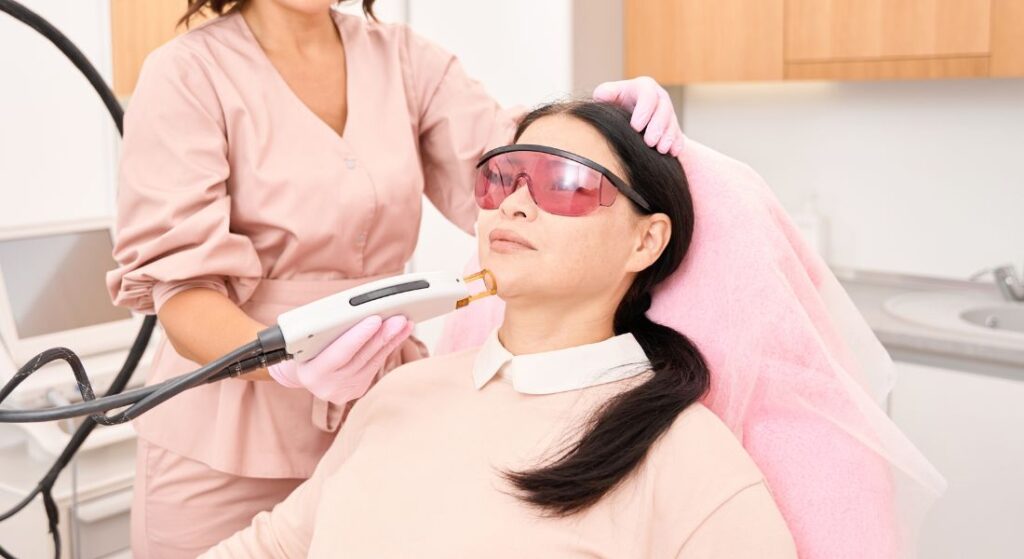
CO₂ laser resurfacing improves your skin texture by working on both the surface and deeper layers at the same time. It carefully removes uneven outer skin while delivering controlled heat beneath the surface. This combined approach helps treat visible roughness as well as the underlying causes of uneven texture. During the treatment, the laser creates precise, microscopic zones within your skin.
1. Removal of uneven surface layers: The laser gently removes damaged and irregular outer skin. This allows new, smoother skin to replace it, helping your complexion look more even and refined.
2. Stimulation of deeper skin repair: At the same time, the laser heats the deeper layers of your skin. This stimulates the production of collagen, which improves firmness and supports long-term texture improvement.
3. Microscopic treatment zones for faster healing: The laser creates tiny, controlled treatment areas rather than affecting the entire skin surface at once. The surrounding healthy skin helps speed up recovery and reduces downtime.
4. Gradual smoothing of skin irregularities: As collagen rebuilds over time, your skin becomes smoother and softer. Uneven areas begin to level out, and the overall texture continues to improve gradually.
Because the treatment works beneath the surface as well as on top, the results develop over time rather than appearing instantly. With proper care and healing, you will notice your skin becoming clearer, smoother, and more balanced.
Types of Texture Issues It Can Improve
CO₂ laser treatment can help improve several types of acne-related texture concerns. If your skin feels uneven or looks rough after acne, this treatment is often designed to target those changes. It is commonly used for shallow scars, rough patches, and enlarged pores. These concerns usually sit closer to the surface but still involve deeper structural changes.
Rolling and boxcar scars tend to respond particularly well to CO₂ laser resurfacing. These types of scars are often linked to collagen loss beneath the skin. The laser helps stimulate new collagen production, which gradually fills and smooths these areas. As your skin rebuilds itself, the surface can appear more even and refined.
However, not all scars respond in the same way. Deeper or more complex scars, such as very deep depressions, may need a combination of treatments for the best results. Your skin specialist will assess the type and depth of your scars before recommending a plan. This personalised approach helps ensure you get the most effective outcome for your skin.
Understanding Shallow vs Deep Acne Scars
Shallow acne scars sit closer to the surface of your skin. These are usually the easiest to improve with CO₂ laser resurfacing. The treatment works by gently removing damaged layers and stimulating collagen, which helps smooth the skin over time. You may notice gradual improvement as your skin heals and renews itself.
Deep scars, on the other hand, extend further into the skin’s structure. Because they involve more significant tissue loss, they may not respond fully to resurfacing alone. In some cases, you may need additional treatments such as microneedling, fillers, or other procedures to achieve better results. Your specialist will guide you based on the depth and type of scarring.
Understanding the difference between shallow and deep scars helps you set realistic expectations. It also allows your treatment plan to be more targeted and effective. A personalised approach ensures that your skin receives the right combination of treatments. This can lead to more noticeable and long-lasting improvements in texture.
Why CO₂ Laser Is Not for Active Acne
CO₂ laser treatment is designed to improve skin texture after acne has settled, rather than treat active breakouts. If you still have inflamed spots or ongoing acne, it is usually best to control this first. Treating skin that is already irritated can increase the risk of side effects. Your skin needs to be in a stable condition before undergoing laser resurfacing.
Active acne can interfere with how your skin heals after the procedure. It may also increase the chances of irritation, infection, or further inflammation. This can affect your overall results and make recovery more uncomfortable. For this reason, timing plays an important role in achieving safe and effective outcomes.
Once your acne is under control, CO₂ laser treatment becomes much more suitable. Your skin can then respond better to the procedure and heal more predictably. This approach helps improve both safety and results. Preparing your skin properly beforehand is a key part of a successful treatment plan.
The Role of Collagen in Skin Repair
Your skin relies on collagen to maintain its strength, structure, and smooth appearance. When acne damages the deeper layers of your skin, this support system can break down. As a result, your skin may heal unevenly, leading to visible texture changes such as dips, rough patches, or irregular surfaces. CO₂ laser treatment helps restart this repair process from within.
1. Collagen as the skin’s support system: Collagen acts like a framework beneath the surface of your skin. It keeps your skin firm, smooth, and evenly structured. When collagen is reduced or damaged, the skin can lose its uniform appearance.
2. Stimulation of new collagen production: During CO₂ laser treatment, controlled heat triggers your body’s natural healing response. This encourages your skin to produce new collagen, helping rebuild the internal structure that supports a smoother surface.
3. Repair of uneven skin texture: As new collagen forms, it gradually fills in areas where the skin has become uneven. This process helps reduce the appearance of roughness and improves overall skin texture.
4. Gradual and long-lasting improvement: Collagen regeneration does not happen overnight. It continues for several months after treatment, which is why your results improve slowly but steadily over time.
Because this process works deep within your skin, the improvements tend to be long-lasting. With patience and proper care, you can achieve smoother, more even-looking skin as collagen continues to rebuild.
What Happens During the Treatment
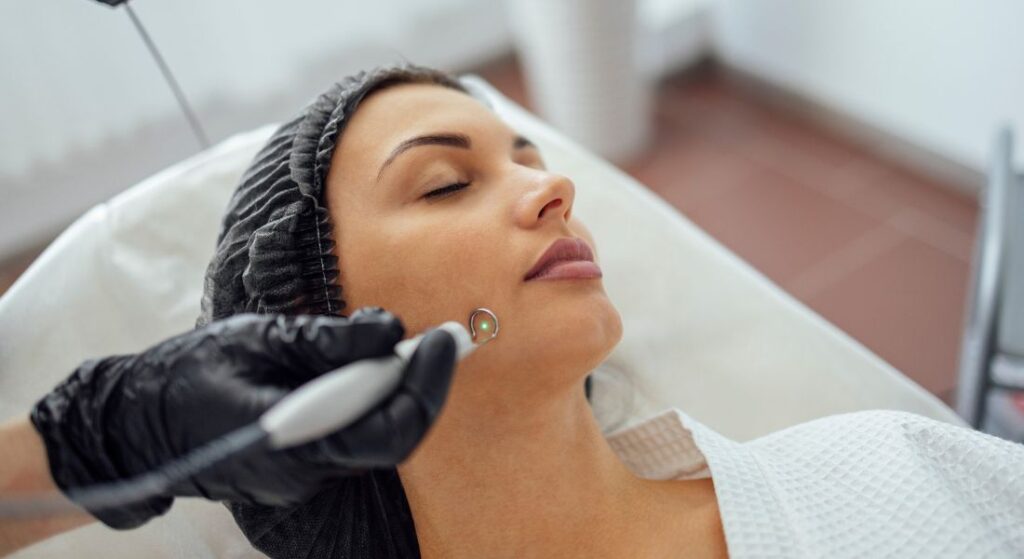
During CO₂ laser treatment, the laser is applied to specific areas of your skin that need improvement. It creates controlled micro-injuries in the surface and deeper layers, which trigger your skin’s natural healing response. This process encourages new collagen production and gradual skin renewal. Your practitioner carefully monitors the treatment to ensure it is both safe and precise.
You may feel a sensation of warmth or mild discomfort while the laser is being used. To keep you comfortable, a topical anaesthetic is usually applied before the procedure begins. This helps reduce sensitivity and makes the experience more manageable. Most people find the treatment tolerable with this preparation.
The length of the procedure depends on the size of the area being treated. Smaller areas can be completed relatively quickly, while larger areas may take longer. Your practitioner will explain each step as you go along so you know what to expect. Clear guidance throughout the process can help you feel more at ease during the treatment.
What to Expect Immediately After Treatment
After your CO₂ laser treatment, your skin will usually appear red and slightly swollen. This is a normal response and part of the natural healing process. It shows that your skin is reacting to the treatment and beginning to repair itself. The intensity of these effects can vary depending on how deeply the laser was used.
You may also notice some peeling or flaking over the following days. This happens as the outer layer of treated skin sheds, allowing fresh, new skin to come through. It is important to follow your aftercare instructions carefully during this stage. Keeping your skin moisturised and protected helps support proper healing.
These early changes are temporary and should gradually settle as your skin recovers. Redness and sensitivity usually improve over time, although the exact timeline can differ from person to person. As your skin continues to heal, you may start to notice smoother texture and a more even appearance. The improvement often continues well beyond the initial recovery phase.
The Healing and Recovery Process
After CO₂ laser resurfacing, your skin begins a structured healing process that restores both its surface and deeper layers. In the first one to two weeks, the outer layer renews itself as damaged skin is replaced with fresh, new cells. This stage is essential for revealing smoother and healthier-looking skin. As your skin heals, you may notice some temporary changes.
1. Surface recovery and skin renewal: The top layer of your skin gradually sheds and regenerates. New skin cells replace the damaged ones, helping improve texture and overall appearance.
2. Redness as part of deeper healing: It is normal for your skin to appear red for a longer period, especially if your skin is more sensitive.
3. Importance of consistent aftercare: Following your aftercare plan is essential for proper healing. This usually includes gentle skincare, moisturisation, and strict sun protection to support recovery.
4. Supporting long-term results: Good aftercare not only helps your skin heal comfortably but also enhances your final results. Consistency with your routine plays a key role in achieving smoother, more even skin.
Although recovery requires patience, each stage brings visible improvement. By taking proper care of your skin and following professional advice, you support both healing and long-term skin quality.
When You Will See Results
You may start to notice some initial improvements within a few weeks after your CO₂ laser treatment. Your skin can begin to look slightly smoother as the surface heals. However, the most noticeable changes take longer to develop. This is because your body needs time to produce new collagen.
Collagen regeneration is a gradual process that continues for several months. You may see ongoing improvement in your skin texture for up to six months or even longer. As collagen builds, your skin can appear firmer, smoother, and more even. This slow progression helps create natural-looking results rather than sudden changes.
If you have more than one session, each treatment builds on the results of the previous one. This layered approach can enhance the overall outcome over time. It is important to be patient and allow your skin to respond at its own pace. The results are progressive, but they can be long-lasting.
How Many Sessions You May Need
The number of CO₂ laser sessions you may need depends on the condition of your skin. If your texture concerns are mild, you might see good improvement with fewer treatments. However, more noticeable or deeper texture changes often require multiple sessions. This allows your skin to improve gradually and more effectively.
Your practitioner will assess your skin carefully before recommending a treatment plan. This personalised approach ensures that the treatment matches your specific concerns and goals. Factors such as scar depth, skin type, and healing response all play a role. A tailored plan helps you achieve more consistent and balanced results.
Sessions are usually spaced out to give your skin enough time to heal properly. This recovery period is important for collagen regeneration and overall skin repair. Rushing treatments too close together can reduce effectiveness and increase the risk of irritation. A gradual approach is both safer and more beneficial for long-term improvement.
Longevity of CO₂ Laser Results
CO₂ laser resurfacing can deliver long-lasting improvements in your skin texture. Because the treatment stimulates collagen production, the structural changes within your skin can remain for years. Many patients continue to see smoother and more refined skin well after the initial treatment has healed. However, it’s important to understand that your skin will continue to age naturally.
1. Long-lasting collagen improvements: The new collagen formed after treatment helps maintain smoother and firmer skin over time. These structural changes do not disappear quickly, which is why results can last for years.
2. Natural ageing still continues: Even with great results, your skin will gradually change as part of the ageing process. Factors such as sun exposure, lifestyle, and genetics can influence how your skin evolves.
3. Maintenance treatments may be helpful: Some patients choose occasional maintenance sessions to preserve their results. These treatments can help refresh collagen production and maintain skin quality.
4. The role of consistent skincare: Daily skincare plays a major part in extending your results. Using sun protection, gentle products, and a consistent routine helps protect your skin and support long-term benefits.
With the right approach, you can maintain your results for a long time. A combination of professional care and good skincare habits helps keep your skin looking smoother, healthier, and more even.
Risks and Side Effects to Consider
CO₂ laser treatment is generally safe when carried out by an experienced professional. However, like any skin procedure, it can involve some side effects. You may notice redness, swelling, or increased sensitivity after treatment. These reactions are usually temporary and part of the normal healing process.
In some cases, changes in skin pigmentation can occur. You might experience temporary darkening or lightening of the treated area, particularly if your skin is more prone to pigmentation changes. This is why a proper skin assessment is important before treatment. Your practitioner will consider your skin type and adjust the approach to reduce this risk.
Following your aftercare instructions carefully plays a key role in recovery. Protecting your skin from sun exposure and using recommended skincare products can help minimise complications. Good aftercare supports smoother healing and better results. With the right management, most side effects can be kept under control.
Who Is a Suitable Candidate
You may be a good candidate for CO₂ laser treatment if your acne is no longer active. When your skin is stable, it tends to respond more predictably to the procedure. This reduces the risk of complications and supports better overall results. Treating calm, settled skin also allows the laser to focus on texture rather than inflammation.
People with mild to moderate texture concerns often see the most noticeable improvements. If your scarring is more severe or deeper, you may still benefit from treatment, but it could require a combination of procedures. Your practitioner will assess your skin in detail to determine what approach is most suitable. This helps ensure realistic expectations from the start.
Your overall skin health also plays an important role in how well you respond to treatment. Skin that is well cared for and in good condition tends to heal more efficiently. This can improve both the speed of recovery and the final outcome. A personalised consultation will help confirm whether this treatment is right for you.
Combining CO₂ Laser with Other Treatments
CO₂ laser resurfacing is often combined with other procedures to enhance your overall results. While the laser works effectively on both the surface and deeper layers of your skin, additional treatments can target specific concerns more precisely. This combined approach allows for a more comprehensive improvement in skin texture and appearance. By using multiple techniques, your treatment plan can address different layers of the skin.
1. Targeting multiple skin layers: CO₂ laser focuses on resurfacing and stimulating deeper repair, while treatments like microneedling work by creating tiny channels that further boost healing. Together, they enhance overall skin renewal.
2. Improved results for acne-related texture: Combining therapies can help address stubborn or deeper texture changes more effectively. Targeted scar treatments can focus on specific areas, while the laser improves the surrounding skin.
3. Customised treatment approach: Your skin is unique, so your treatment plan should be tailored to your specific concerns. A personalised combination ensures that each aspect of your skin texture is addressed properly.
4. Enhanced and balanced outcomes: When treatments complement each other, the results tend to look more natural and even. This balanced approach improves both surface smoothness and deeper skin structure.
A combined strategy often delivers better and more consistent results than a single treatment alone. With expert guidance and a personalised plan, you can achieve smoother, clearer skin that continues to improve over time.
How Skin Type Affects Results
Your skin type plays an important role in how you respond to CO₂ laser treatment. Some skin types are more prone to pigmentation changes after the procedure. You may be more likely to notice temporary darkening or lightening in certain areas. This is why your practitioner will assess your skin carefully before treatment.
If you have a darker skin tone, a more cautious approach is usually recommended. Your practitioner may use lower energy settings or adjust the treatment technique to suit your skin. This helps reduce the risk of unwanted pigmentation changes. A gradual approach is often safer while still delivering visible improvement.
A thorough consultation ensures that your treatment is tailored to your individual skin type. Personalisation is key to achieving safe and effective results. By adjusting the treatment plan, your practitioner can protect your skin while still improving texture. This careful approach helps you achieve smoother, more even-looking skin over time.
The Importance of Aftercare
Aftercare is a vital part of your CO₂ laser treatment journey. Once the procedure is complete, your skin needs the right support to heal properly. This usually includes keeping your skin well hydrated and using gentle, recommended skincare products. Giving your skin the care it needs at this stage helps protect the results.
Sun protection is especially important during recovery. Your skin will be more sensitive to UV exposure, which can affect healing and lead to unwanted pigmentation changes. Using a broad-spectrum sunscreen and avoiding direct sun exposure where possible can make a big difference. Consistent protection helps maintain the improvements you achieve.
Following your practitioner’s aftercare advice closely can improve both safety and results. It also reduces the risk of complications such as irritation or uneven healing. Small steps, such as avoiding harsh products and not picking at peeling skin, can support smoother recovery. Good aftercare plays a key role in long-term success.
Managing Expectations Realistically
CO₂ laser treatment can make a noticeable difference to your skin texture. You may see smoother, more even skin over time as collagen rebuilds. However, it is important to understand that it does not create perfectly flawless skin. Some minor irregularities or deeper scars may still remain after treatment.
Keeping this in mind can help you feel more satisfied with your results. The goal is improvement rather than perfection. When you focus on gradual, natural-looking changes, the outcome often feels more realistic and rewarding. This perspective can make the overall experience more positive.
Clear communication with your practitioner is also essential. You should feel comfortable discussing your concerns, goals, and expected outcomes before starting treatment. This helps ensure that you both have the same understanding of what can be achieved. A well-informed approach builds confidence and supports better results.
FAQs:
1. Can CO₂ laser completely remove acne texture?
CO₂ laser can significantly improve uneven skin texture, but it does not completely remove all imperfections. You’ll usually notice smoother and more refined skin rather than perfectly flawless results. The level of improvement depends on the depth of your scars and how your skin responds. Multiple sessions may be needed for optimal results.
2. Is CO₂ laser treatment painful?
You may feel some discomfort during the procedure, often described as a warming or tingling sensation. A topical anaesthetic is usually applied to keep you comfortable. After treatment, your skin might feel sensitive or tight for a few days. Most people find the discomfort manageable with proper care.
3. How long does it take to recover from CO₂ laser?
Initial recovery typically takes around 7 to 14 days, during which your skin may appear red and peel. Deeper healing continues for several weeks after this. You might notice some lingering redness, especially if your skin is sensitive. Following aftercare advice helps speed up recovery.
4. Are the results of CO₂ laser permanent?
The improvements in skin texture can last for many years because of collagen regeneration. However, your skin will continue to age naturally over time. Lifestyle factors like sun exposure can also affect how long results last. Maintenance treatments may help preserve your results.
5. Can CO₂ laser treat deep acne scars?
CO₂ laser works best on shallow to moderate scars. Deep scars may improve but are less likely to disappear completely with laser treatment alone. In such cases, your practitioner may recommend combining treatments. A personalised plan gives better overall results.
6. Is CO₂ laser safe for all skin types?
CO₂ laser can be used on different skin types, but it requires careful adjustment. Darker skin tones have a higher risk of pigmentation changes. Your practitioner will tailor the settings to reduce this risk. A thorough consultation ensures safe treatment.
7. How many sessions will you need?
The number of sessions depends on how severe your skin texture is. Mild concerns may improve after one session, while deeper issues often need multiple treatments. Sessions are spaced out to allow proper healing. Your practitioner will guide you based on your skin.
8. Can you wear makeup after treatment?
You should avoid makeup during the initial healing phase while your skin is peeling. Once your skin has recovered, you can gradually return to your normal routine. Using gentle, non-irritating products is important. Always follow your practitioner’s advice.
9. What are the risks of CO₂ laser treatment?
Common side effects include redness, swelling, and temporary sensitivity. In some cases, pigmentation changes may occur, especially without proper aftercare. Choosing an experienced practitioner reduces these risks. Following instructions carefully is key to safe results.
10. When will you see the final results?
You may notice early improvements within a few weeks, but the best results develop over time. Collagen production continues for several months after treatment. Your skin gradually becomes smoother and more even. Patience is important, as results are progressive rather than instant.
Final Thought: Your Path to Improved Skin Texture After Acne
CO₂ laser resurfacing offers a structured and effective way to improve uneven skin texture after acne, particularly when the concern lies beneath the surface. While it may not create perfectly flawless skin, it can deliver meaningful, long-lasting improvements by stimulating collagen and refining the skin over time. The key is to approach treatment with realistic expectations and a personalised plan that suits your skin type and the depth of your scars.
Consistency also plays an important role in maintaining results. Good skincare, sun protection, and professional follow-up help preserve the improvements achieved through treatment. In some cases, combining therapies may provide even better outcomes, especially for more complex texture concerns. If you’re thinking about C02 laser treatment London, you can get in touch with us at the London Medical & Aesthetic Clinic to arrange a consultation and discuss a tailored plan for your needs.
References:
1. Pan, Z., Tang, Y., Hua, H., Hou, Z. and Zhou, B. (2023), Multiple mode procedures of ultra-pulse fractional CO₂ laser for facial atrophic acne scars, Journal of Clinical Medicine, 12(13), 4388. https://www.mdpi.com/2077-0383/12/13/4388
2. Batory, P. and Ciesielska, M. (2025), The use of a fractional laser in acne scar treatment: A systematic review, Life, 15(6), 915. https://www.mdpi.com/2075-1729/15/6/915
3. Batory, P. and Ciesielska, M. (2025), The use of a fractional laser in acne scar treatment: A systematic review, Life, [online] Available via PubMed. https://pubmed.ncbi.nlm.nih.gov/40566567/
4. Cho, S.B., Lee, J.H., Choi, M.J. and Lee, S.J. (2010), Clinical and histological changes after fractional CO₂ laser treatment of acne scars, Dermatologic Surgery, [online] Available via PMC. https://pmc.ncbi.nlm.nih.gov/articles/PMC2921758/
5. Batory, P., Szymczak, A. and Ciesielska, M. (2024), The use of a fractional laser in acne scar treatment: A systematic review, Life, [online] Available via PMC. https://pmc.ncbi.nlm.nih.gov/articles/PMC12194615/