



If you are living with Ulcerative colitis and considering aesthetic treatments, it is natural to question whether Sculptra is suitable for you. Ulcerative colitis is a chronic inflammatory condition that can influence how your body heals and responds to procedures. Understanding this relationship helps you make safe and informed decisions.
Sculptra works differently from traditional fillers. It stimulates your body to gradually produce collagen over time, rather than providing immediate volume. Because of this, your immune system plays a central role in how effective the treatment will be. Any condition that affects immune function, including ulcerative colitis, needs to be considered carefully.
With ulcerative colitis, factors such as current inflammation levels, disease stability, and medication use are important. Treatments like immunosuppressants or biologics may influence healing and your body’s response to injections. A personalised assessment ensures these factors are taken into account before proceeding. A tailored approach allows your practitioner to balance your aesthetic goals with your overall health. Careful planning, open communication, and timing treatment appropriately all help prioritise safety while achieving the best possible outcome.
Understanding Ulcerative Colitis
Ulcerative colitis is a form of inflammatory bowel disease that affects the lining of your large intestine. It causes inflammation and small ulcers, which can lead to symptoms such as abdominal pain, diarrhoea, and fatigue. These symptoms can vary in intensity and may come and go over time. Understanding how the condition behaves helps you manage it more effectively.
1. Inflammation in the large intestine: Ulcerative colitis mainly affects the inner lining of your colon. The inflammation can cause discomfort and disrupt normal digestion. This is why symptoms often involve the digestive system.
2. Pattern of flare-ups and remission: The condition usually follows cycles. During flare-ups, inflammation becomes more active and symptoms may worsen. In remission, symptoms reduce or may disappear for a period.
3. Impact on overall wellbeing: Symptoms such as fatigue and discomfort can affect your daily life. You may notice changes in energy levels or routine activities. Managing the condition helps support your overall wellbeing.
4. Effects beyond the digestive system: Although it starts in the gut, ulcerative colitis can influence other parts of your body. This includes how your skin heals and responds to treatments. These wider effects are important to consider.
By understanding ulcerative colitis, you can better recognise patterns and triggers. This awareness supports more informed decisions about your care. With the right approach, you can manage symptoms and maintain a better quality of life.
What Is Sculptra and How Does It Work?
Sculptra is an injectable treatment designed to stimulate your body’s natural collagen production. It contains poly-L-lactic acid, a biocompatible substance that works beneath the surface of the skin to rebuild structure over time. Rather than changing your appearance instantly, it encourages gradual improvement.
Unlike traditional dermal fillers, Sculptra does not provide immediate volume. Instead, it strengthens the skin’s underlying framework, helping to improve firmness and texture progressively. This gradual process leads to subtle, natural-looking enhancement rather than a sudden change.
Because Sculptra relies on your body’s own response, your immune system plays a central role in the outcome. Any underlying condition that affects healing or inflammation needs to be taken into account. A personalised assessment helps ensure the treatment is both safe and effective for you.
Why Immune Response Matters
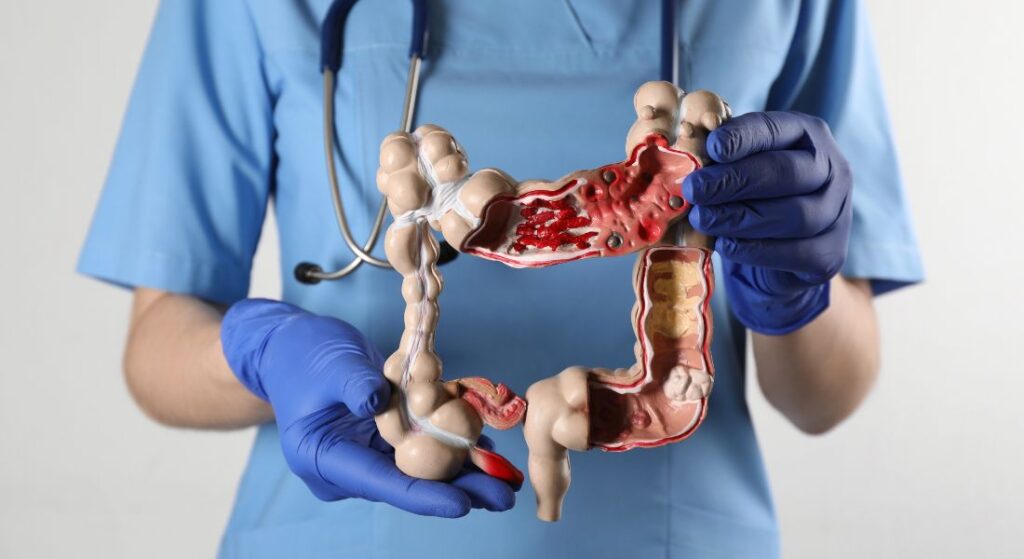
With Ulcerative colitis, your immune system plays a central role in how your body manages inflammation and healing. In this condition, the immune response is often overactive, which can affect how your body reacts to treatments. This means your healing process may not always follow the usual pattern. Understanding this helps you approach treatment more carefully and confidently.
1. Control of inflammation and healing: Your immune system regulates how your body responds to injury and repair. In ulcerative colitis, this response can become heightened. As a result, inflammation may be more intense or prolonged.
2. Impact on collagen stimulation: Treatments that rely on collagen production may be influenced by your immune response. An overactive system can alter how effectively collagen is formed. This may affect the outcome of certain aesthetic procedures.
3. Effect on healing after treatment: Healing after injections or other procedures may be slower or less predictable. You might experience increased sensitivity or prolonged recovery. This is why careful planning is important.
4. Need for careful assessment: Your practitioner will consider your immune health before recommending treatment. Balancing treatment with your condition helps reduce potential risks. Personalised planning ensures a safer approach.
By understanding how your immune system affects treatment, you can make more informed decisions. This awareness helps set realistic expectations and supports better outcomes. With the right guidance, you can manage both your condition and treatment safely.
Healing and Inflammation
Healing after treatments like Sculptra involves a controlled inflammatory response followed by tissue repair. This process is essential for collagen stimulation and gradual improvement in skin structure. Your body’s ability to regulate inflammation plays a key role in how well you heal.
With Ulcerative colitis, inflammation can sometimes be unpredictable. If your condition is active, your body may already be dealing with higher levels of inflammation. This can affect how your skin responds after injections, potentially slowing healing or increasing sensitivity.
When inflammation levels are higher, results may take longer to develop and can be less predictable. You may also experience more noticeable post-treatment reactions. This is why careful timing is important.
Ensuring your condition is stable before treatment helps support better healing outcomes. Planning your procedure during a period of remission allows your body to respond more effectively. A personalised approach helps reduce risks and improve overall results.
Is Sculptra Safe with Ulcerative Colitis?
Sculptra is not automatically unsuitable for people living with Ulcerative colitis. However, whether it is appropriate for you depends on your current health status. A personalised assessment is essential to ensure safety.
If your condition is well controlled and stable, treatment may be possible. Your practitioner will carefully review your medical history, including recent flare-ups, medications, and overall immune health. This helps them decide whether it is the right time to proceed and how to plan your treatment safely.
Open communication is key throughout the process. You should feel comfortable discussing all aspects of your condition, including any concerns or recent changes in symptoms. This allows your practitioner to tailor the approach to your needs and prioritise both safety and results.
Importance of Disease Stability
When you are living with Ulcerative colitis, timing your treatment carefully is essential. It is generally best to consider procedures during remission, when your symptoms are well controlled. At this stage, your body is in a more stable state, which supports safer healing. Planning around your condition helps reduce unnecessary risks.
1. Choosing treatment during remission: When your symptoms are under control, your body is better prepared to respond to treatment. Healing is usually more predictable during this phase. This can improve both safety and results.
2. Avoiding treatment during flare-ups: During a flare-up, inflammation levels are higher. This can interfere with how your body heals and increase the chance of complications. It may also affect the final outcome of your treatment.
3. Impact on healing and recovery: Stable disease allows your immune system to function more consistently. This supports smoother recovery and reduces the likelihood of prolonged healing. Your overall experience is often more comfortable.
4. Planning for the best outcomes: Working with your practitioner to choose the right time for treatment is important. Careful planning ensures your condition is considered at every step. This leads to safer and more reliable results.
By focusing on disease stability, you give your body the best chance to respond well to treatment. Timing plays a key role in both safety and effectiveness. With the right approach, you can move forward with greater confidence.
Medications and Their Impact
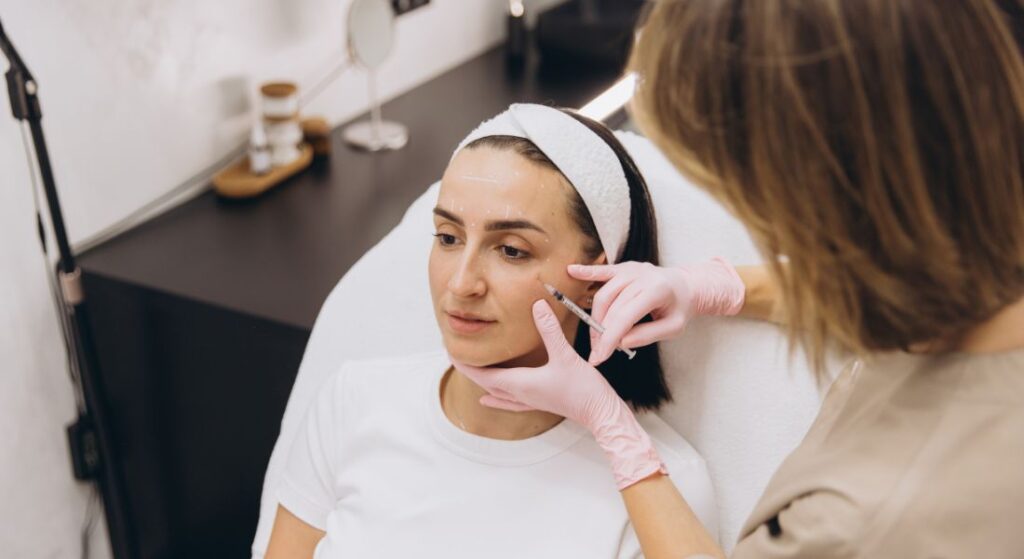
Many people living with Ulcerative colitis take medications to control inflammation and maintain remission. These may include immunosuppressants or biologic therapies, which work by modifying how your immune system responds. While these treatments are important for managing your condition, they can also influence how your body reacts to procedures.
When considering Sculptra, it is important to understand that these medications may affect healing. They can slow tissue repair or alter the way your body responds to injections. This may influence both recovery time and how effectively collagen stimulation occurs.
Your practitioner should carefully review your current medication list before planning treatment. This includes understanding dosages, timing, and any recent changes. Taking these factors into account helps create a safer, more personalised treatment plan that supports both your aesthetic goals and overall health.
Risk of Infection
Injectable treatments such as Sculptra carry a small risk of infection. If you are living with Ulcerative colitis, this risk may be slightly higher, particularly if you are taking immunosuppressive or biologic medications. These treatments can reduce your body’s ability to fight infection effectively.
Strict hygiene protocols play a key role in reducing this risk. Your practitioner should use a sterile technique, appropriate skin preparation, and high-quality equipment. Choosing an experienced professional helps ensure that these standards are consistently followed.
Monitoring after treatment is equally important. You should watch for early signs such as increasing redness, swelling, pain, or discharge at the injection site. If anything feels unusual, it is important to seek advice promptly. Early attention helps prevent complications and supports a smoother recovery.
Collagen Production Considerations
Sculptra works by stimulating your body’s natural collagen production, rather than providing instant volume. Because of this, your body’s healing response plays a key role in the final result. If you have ongoing inflammation, such as with Ulcerative colitis, this process may be influenced. Understanding this helps you set realistic expectations before treatment.
1. Dependence on natural collagen production: Sculptra encourages your body to gradually rebuild collagen over time. This means results develop slowly rather than immediately. Your individual response will shape how noticeable the changes are.
2. Effect of chronic inflammation: Ongoing inflammation can affect how efficiently your body produces collagen. In some cases, the response may be reduced or less predictable. This can influence how your results develop.
3. Slower development of results: You may find that improvements take longer to appear compared to someone without underlying inflammation. Gradual change is still expected, but patience is important. Your practitioner will guide you on realistic timelines.
4. Personalised treatment adjustments: Your practitioner may adapt your treatment plan based on your condition and response. This could include spacing sessions or adjusting dosage. Personalisation helps ensure safer and more satisfying outcomes.
By understanding how collagen production may be affected, you can approach treatment with greater clarity. A tailored plan helps align expectations with your body’s response. With the right guidance, you can achieve gradual and natural-looking results safely.
Gradual Treatment Approach
Sculptra is usually delivered over a series of sessions rather than in a single treatment. This gradual approach allows your body to respond step by step, supporting controlled collagen production and more natural-looking results. It also gives your practitioner time to assess how your skin is reacting between sessions.
For people living with Ulcerative colitis, this staged approach can be particularly beneficial. It reduces overall stress on your system and allows treatment to be timed around periods of stability. If needed, sessions can be spaced out or postponed to prioritise your health.
This flexibility means adjustments can be made based on your individual response. Your practitioner can refine the treatment plan as you progress, ensuring it remains safe, comfortable, and aligned with your goals.
The Role of Nutrition
Nutrition plays an important role in healing, especially if you are living with Ulcerative colitis. This condition can sometimes affect how well your body absorbs nutrients, which may influence skin health and recovery after procedures.
A balanced diet supports your body’s ability to heal effectively. Nutrients such as protein, vitamins (particularly A, C, and E), and minerals like zinc are essential for tissue repair and collagen production. These elements help your skin recover and respond more consistently to treatments like Sculptra.
Discussing your nutrition with your healthcare provider can be very helpful. They may suggest dietary adjustments or supplements if needed. Supporting your body from within can improve both healing and overall treatment outcomes.
Managing Stress and Recovery
Stress can influence both your general health and how your body heals. If you are living with Ulcerative colitis, stress may trigger flare-ups or increase inflammation. This can, in turn, affect how your skin recovers after treatments such as Sculptra.
Managing stress before and after treatment is therefore important. Simple approaches like relaxation techniques, gentle exercise, and ensuring adequate rest can support your overall wellbeing. These habits help your body maintain balance, which is beneficial for recovery.
Taking care of your mental health is just as essential as physical preparation. Feeling calm and supported can improve your overall treatment experience. A positive mindset, combined with good self-care, contributes to smoother healing and more consistent results.
Importance of Aftercare

Aftercare is a crucial part of your recovery following Sculptra treatment. Once your procedure is complete, you will receive specific instructions to help protect your skin and support healing. Following these guidelines carefully can make a noticeable difference to your results. Taking a consistent approach helps you feel more confident during recovery.
1. Following your aftercare instructions: Your practitioner will provide clear guidance tailored to your treatment. This may include massage techniques, skincare advice, or activity restrictions. Sticking to these instructions supports optimal healing.
2. Avoiding pressure on treated areas: It is important to avoid pressing or irritating the treated areas. Excess pressure can affect how the product settles beneath your skin. Gentle handling helps maintain smooth, even results.
3. Supporting healing with gentle care: Using mild skincare products and avoiding harsh treatments can aid recovery. Keeping your skin calm and protected allows it to respond naturally. Consistency in your routine is key.
4. Attending follow-up appointments: Follow-up visits allow your practitioner to monitor your progress. They can assess how your skin is responding and make any necessary adjustments. This ensures your results develop as expected.
By prioritising aftercare, you give your skin the best chance to heal properly and achieve the desired outcome. Small, consistent steps can have a lasting impact on your results. With the right care, you can support a smooth and successful recovery.
When Treatment Should Be Delayed
There are times when it is safer to postpone treatments like Sculptra. If you are experiencing a flare-up of Ulcerative colitis or dealing with another illness, your body may not be in the best condition to heal effectively. In these situations, your health should always come first.
Delaying treatment is not a setback. In fact, it often leads to safer and more predictable results later on. When your condition is stable, your body is better able to respond to treatment and recover smoothly. Timing plays a crucial role in achieving the best possible outcome.
Your practitioner will help guide this decision based on your current health and medical history. This professional input allows you to move forward with confidence, knowing that your wellbeing is being prioritised at every step.
Alternative Aesthetic Options
If Sculptra is not suitable for you, there are other aesthetic approaches that may be considered. Many non-invasive or less intensive treatments can still provide noticeable improvements while placing less demand on your body’s healing response. This can be particularly helpful if you are managing Ulcerative colitis.
Your practitioner will talk you through the available options based on your skin concerns, medical history, and current health status. These might include treatments that focus on skin quality, hydration, or surface-level rejuvenation rather than deeper collagen stimulation. The goal is to find an approach that aligns with both your expectations and your safety.
Exploring alternatives ensures your wellbeing remains the priority. A personalised plan allows you to make informed decisions with confidence, knowing that your treatment is tailored to your individual needs and circumstances.
Psychological and Emotional Considerations
Living with a chronic condition such as Ulcerative colitis can influence how you feel about your appearance and overall confidence. It is completely valid to consider aesthetic treatments if they help improve your self-image. These decisions are personal and should reflect what feels right for you. Taking time to understand your motivations can support a more positive experience.
1. Impact on confidence: Changes in your health or appearance can affect how you see yourself. You may feel less confident at times, especially during periods of active symptoms. Acknowledging these feelings is an important first step.
2. Role of aesthetic treatments: Treatments can help enhance your appearance and boost self-esteem. For some people, this can have a meaningful emotional benefit. It is a valid part of your overall wellbeing.
3. Setting realistic expectations: It is important to understand what treatments can and cannot achieve. Results may vary depending on your condition and response. Clear expectations help prevent disappointment.
4. Value of open communication: Speaking openly with your practitioner helps create a supportive environment. You can discuss your goals, concerns, and any uncertainties. This ensures you feel comfortable and informed throughout the process.
By considering both emotional and physical factors, you can make balanced decisions about treatment. Feeling supported and informed helps you approach the process with confidence. With the right expectations, you can achieve outcomes that align with your goals.
Collaboration with Your Healthcare Team
When you are considering treatment alongside Ulcerative colitis, your healthcare team plays a central role in guiding safe decisions. They understand your medical history, current condition, and ongoing treatment plan. Their input helps ensure that any aesthetic procedure is appropriate for you. Working together creates a more informed and balanced approach.
1. Expert guidance from your team: Your gastroenterologist and practitioner can provide insights based on your health status. They understand how your condition may influence treatment and recovery. This helps you make safer choices.
2. Sharing information between professionals: Communication between your healthcare providers ensures nothing is overlooked. Details about medications, disease activity, and past treatments are all considered. This reduces the chance of complications.
3. Reducing risks through collaboration: A coordinated approach allows potential risks to be identified early. Your team can adjust plans to suit your individual needs. This improves both safety and confidence in the process.
4. Providing reassurance and support: Knowing that your care is being managed collaboratively can give you peace of mind. You can feel reassured that decisions are made with your overall wellbeing in mind. This support makes the experience more comfortable.
By involving your healthcare team, you create a strong foundation for safe and effective treatment. Collaboration ensures that every aspect of your health is considered. With the right support, you can move forward with greater confidence.
Long-Term Treatment Planning
Sculptra works gradually, with results developing over several months as collagen builds beneath the skin. Maintenance sessions may be needed to sustain these results, depending on your individual goals and how your body responds.
If you are living with Ulcerative colitis, long-term planning becomes especially important. Your condition may fluctuate over time, with periods of stability and flare-ups. This means your treatment plan should remain flexible and adaptable to your current health status.
Regular reviews with your practitioner help ensure your plan stays safe and effective. These check-ins allow adjustments to be made based on changes in your health, medications, or treatment response. A thoughtful, ongoing approach helps you maintain results while keeping your wellbeing at the centre.
Common Misconceptions
There are several misconceptions about having aesthetic treatments while living with Ulcerative colitis. One common belief is that procedures such as Sculptra are never suitable. In reality, this is not always the case. Suitability depends on your individual health, disease stability, and medical history.
Another misconception is that the risks are always too high. While there are important considerations, careful planning can significantly reduce potential risks. Factors such as timing, medication review, and practitioner experience all play a role in improving safety.
Understanding the facts allows you to approach treatment decisions with clarity. With the right guidance and a personalised plan, many people can explore options safely. This knowledge helps build confidence and ensures your wellbeing remains the priority.
Practical Tips Before Treatment
Before considering Sculptra, it is important to ensure your Ulcerative colitis is stable. Planning treatment during a period of remission helps your body respond more effectively and reduces the risk of complications. Be open about your full medical history when speaking with your practitioner. This includes medications, recent flare-ups, and any concerns you may have. Transparency allows for a safer, more personalised approach tailored to your needs.
Following your healthcare provider’s advice is key to preparing your body for the procedure. Simple steps such as maintaining good nutrition, staying hydrated, and managing stress can support better outcomes. Choosing an experienced practitioner is one of the most important decisions you can make. Their expertise ensures proper technique, careful planning, and ongoing support throughout your treatment journey.
FAQs:
1. Can you have Sculptra if you have ulcerative colitis?
Yes, you may be able to have Sculptra if your ulcerative colitis is well controlled. The key factor is whether your condition is stable and in remission. A personalised medical assessment is essential before proceeding. Your practitioner will evaluate your health and treatment history carefully.
2. Is Sculptra safe during a flare-up of ulcerative colitis?
It is generally not recommended to have Sculptra during a flare-up. Increased inflammation can affect healing and your body’s response to treatment. This may also raise the risk of complications. It is best to wait until your condition is stable.
3. How does ulcerative colitis affect healing after Sculptra?
Ulcerative colitis can influence how your body heals due to underlying inflammation. Healing may be slower or less predictable, especially if your immune system is active. This can affect how your skin responds to injections. Proper timing and medical guidance are important.
4. Do medications for ulcerative colitis impact Sculptra results?
Yes, medications such as immunosuppressants and biologics can affect healing and collagen production. These treatments alter how your immune system functions. This may influence how well Sculptra works for you. Your practitioner should review your medication before treatment.
5. Is there a higher risk of infection with Sculptra in ulcerative colitis patients?
There may be a slightly higher risk of infection, particularly if you are taking immunosuppressive medication. Your immune system may not respond as quickly to bacteria. However, proper sterile techniques significantly reduce this risk. Following aftercare advice is also important.
6. Does ulcerative colitis affect collagen production after Sculptra?
Chronic inflammation associated with ulcerative colitis may influence collagen production. This means results can vary between individuals. In some cases, you may notice slower or more gradual improvements. Your practitioner may adjust your treatment plan accordingly.
7. How should you prepare for Sculptra with ulcerative colitis?
You should ensure your condition is stable before considering treatment. It is important to share your full medical history, including medications. Following your healthcare provider’s advice helps prepare your body. Good preparation can improve your overall results and safety.
8. Are there safer alternatives to Sculptra for people with ulcerative colitis?
Yes, there may be alternative treatments depending on your condition and goals. Non-invasive options or treatments with less reliance on immune response may be considered. Your practitioner will recommend suitable alternatives if needed. Personalisation is key to safe results.
9. How important is aftercare following Sculptra treatment?
Aftercare is essential to support proper healing and reduce complications. You will be given specific instructions to follow, such as avoiding pressure on treated areas. Consistency helps improve results and recovery. Attending follow-up appointments is also important.
10. Should you consult your gastroenterologist before Sculptra?
Yes, it is a good idea to involve your gastroenterologist in the decision. They understand your condition and can advise on timing and safety. Collaboration between your healthcare providers ensures a well-informed approach. This helps reduce risks and improves outcomes.
Final Thoughts: Making a Safe and Informed Decision
Choosing to have Sculptra when you have ulcerative colitis requires a thoughtful and personalised approach. While the treatment can be suitable in many cases, your overall health, disease stability, and medication use all play an important role in determining safety and results. Taking the time to understand these factors helps you make confident and informed decisions about your care.
Working closely with an experienced practitioner and your healthcare team ensures that every aspect of your condition is considered. From timing your treatment during remission to following proper aftercare, each step contributes to a smoother experience and better outcomes. Open communication and careful planning can significantly reduce risks. If you’re thinking about sculptra in London, you can get in touch with us at the London Medical & Aesthetic Clinic.
References:
1. Signori, R. et al. (2024) ‘Efficacy and safety of poly-L-lactic acid in facial aesthetics: A systematic review’, Polymers, 16(18), p. 2564. https://www.mdpi.com/2073-4360/16/18/2564
2. Fabi, S. et al. (2024) ‘Effectiveness and safety of Sculptra poly-L-lactic acid injectable implant in the correction of cheek wrinkles’, Journal of Drugs in Dermatology, 23(1), pp. 1297–1305. https://pubmed.ncbi.nlm.nih.gov/38206151/
3. Ray, S. and Ta, H.T. (2020) ‘Investigating the effect of poly-L-lactic acid particles on collagen synthesis’, Journal of Functional Biomaterials, 11(3), p. 51. https://pubmed.ncbi.nlm.nih.gov/32722074/
4. Fabi, S. et al. (2025) ‘Poly-L-lactic acid in facial rejuvenation: Volumetric data supporting regenerative outcomes’, Clinical, Cosmetic and Investigational Dermatology. https://pmc.ncbi.nlm.nih.gov/articles/PMC12764296/
5. Ray, S. and Ta, H.T. (2020) ‘Poly-L-lactic acid and collagen stimulation mechanisms’, Journal of Functional Biomaterials, 11(3), p. 51. https://pmc.ncbi.nlm.nih.gov/articles/PMC7564527/