



Dark circles under the eyes are something most of us encounter at some point, and they can make you look tired or older even if you’ve had plenty of sleep. They often appear because of a combination of factors rather than a single cause. Genetics, ageing, and lifestyle habits all play a role, each affecting the delicate skin and tissue beneath your eyes differently.
Genetic factors can make the skin thinner or more pigmented in this area, while ageing can reduce fat and collagen, creating shadows or hollows. Lifestyle habits like lack of sleep, stress, or sun exposure can also worsen their appearance. Because these causes vary, any effective treatment needs to be personalised to your specific situation.
Eyelight is designed to tackle several of these issues at once. By targeting under-eye pigmentation, improving skin texture, and boosting brightness, it can produce subtle but noticeable results. The treatment focuses on long-term improvements, helping you achieve a fresher, more rested look without drastic or unnatural changes.
Pigmentation and Hyperpigmentation
One of the most common causes of dark circles is increased pigmentation under the eyes. This happens when the skin produces more melanin than usual, which can be influenced by factors like sun exposure, hormonal changes, or genetics. The result is often a shadowy, brownish tint that can make the under-eye area appear darker and more tired.
Pigmentation-related dark circles are often more noticeable in people with medium to darker skin tones. Even when you are well-rested, they can create a fatigued or aged appearance. Targeted treatments can help reduce melanin concentration, gradually lightening the area and improving overall brightness.
Eyelight tackles pigmentation by gently stimulating the skin and encouraging cellular turnover. This process helps break down excess melanin and promotes fresher, healthier-looking skin. Over time, it can produce a visibly brighter under-eye area without resorting to harsh or invasive interventions.
Skin Thinning and Ageing
As you get older, the skin under your eyes naturally becomes thinner and loses collagen. This makes the blood vessels beneath more visible, which can give the under-eye area a bluish or purplish hue. The thinning skin can also create subtle hollows that cast shadows, making dark circles appear more pronounced especially if you have fair or delicate skin. Eyelight helps tackle this issue by stimulating collagen production, gradually thickening the skin.
1. Thicker skin reduces visibility of blood vessels: By increasing collagen levels, the skin becomes denser and less transparent. This means the underlying blood vessels are less obvious, softening the bluish or purplish appearance.
2. Improved contour and reduced shadowing: Thicker skin can fill in minor hollows under the eyes. This reduces shadows and gives the under-eye area a smoother, more youthful look.
3. Long-term skin health: Stimulating collagen not only improves appearance but also strengthens the skin, supporting its elasticity and resilience over time.
With consistent treatment, you may notice under-eye shadows lighten and the overall area appearing firmer and more refreshed, giving a brighter, more youthful look without harsh interventions.
Hollowing and Volume Loss
Volume loss around the eyes is another major factor behind dark circles. The natural fat pads that cushion your eyes can shrink over time, leaving the area looking sunken or shadowed. Even if your skin is healthy, these hollows can make the under-eye area appear darker.
Hollowing is often hereditary, but ageing or significant weight changes can make it more noticeable. When the orbital area loses support, shadows deepen, which can exaggerate the tired look. Addressing this loss of volume is key to achieving a complete under-eye rejuvenation.
Eyelight helps by stimulating collagen production and improving skin elasticity. Over time, this can subtly restore volume, reducing hollowing and softening the shadows that contribute to dark circles. The result is a smoother, more refreshed under-eye appearance.
The Role of Blood Vessels
Visible blood vessels beneath the eyes are another common cause of dark circles. The skin here is very thin, which makes veins more noticeable, especially in fair-skinned individuals. Factors like increased blood flow, stress, or allergies can make these vessels stand out even more.
When blood pools in this area, it can give a bluish or purplish tint, often making you look tired. This is particularly noticeable after poor sleep or during stressful periods. While temporary fixes like cold compresses may help, lasting improvement usually requires strengthening the skin itself.
Eyelight works by boosting microcirculation and improving overall skin quality. By supporting healthier blood flow and skin resilience, it can reduce the visibility of these vessels. Over time, this helps the under-eye area look brighter, more even, and refreshed.
Genetics and Family History
Dark circles often run in families, so if your parents or grandparents had noticeable under-eye darkness, you might be more predisposed. Genetic factors can affect skin thickness, pigmentation, and how visible blood vessels are beneath the surface. Understanding your inheritance helps guide treatment and set realistic expectations for results.
1. Influence on treatment response: People with a strong hereditary tendency may require more sessions or a combination of treatments to achieve the best results.
2. Impact on skin and pigmentation: Genetics can determine whether your under-eye area is naturally darker or thinner, which can affect how treatments work.
3. Tailored treatment plans: Knowing your genetic predisposition allows practitioners to customise treatment, focusing on your specific needs rather than using a one-size-fits-all approach.
4. Combination approaches: Some patients may benefit from multiple techniques like targeting pigmentation, volume, and skin quality simultaneously to address inherited dark circles effectively.
5. Realistic expectations: Understanding your genetic factors helps you set achievable goals and reduces disappointment if minor adjustments are needed over time.
By considering your family history, Eyelight in London can create a personalised plan that targets your unique under-eye concerns. This approach ensures you get the most effective results while avoiding unnecessary procedures. Over time, tailored treatment combined with proper aftercare can make your under-eye area look brighter, smoother, and more youthful. Many patients notice a lasting improvement that complements their natural features.
Lifestyle Factors That Exacerbate Dark Circles
Certain lifestyle habits can make dark circles more noticeable. Lack of sleep, high stress, and dehydration all contribute to under-eye darkness, while smoking and excessive alcohol can affect circulation and skin health. Over time, these habits can worsen the appearance of shadows under your eyes.
Allergies or chronic nasal congestion can also deepen dark circles. They may dilate blood vessels or cause fluid to accumulate, which increases under-eye shadowing. These effects can make even minor pigmentation or volume loss look more pronounced.
Addressing lifestyle factors alongside professional treatment is important for the best results. Eyelight works most effectively when paired with good sleep, proper hydration, and a consistent skincare routine. Combining both approaches helps maintain a brighter, healthier-looking under-eye area.
Benefits of Professional Assessment

A professional consultation is an important first step before starting treatment. Everyone’s dark circles are different, and factors like skin type, age, and lifestyle all affect how well a treatment will work. A personalised plan ensures that your approach is both safe and effective.
During the consultation, your clinician will evaluate pigmentation, hollows, skin thickness, and the visibility of blood vessels. They can then recommend the right number of sessions and any complementary skincare routines. This tailored approach helps you get the best possible results.
Working with an expert also reduces the risk of side effects and sets realistic expectations. Treatments like Eyelight in London are delivered by trained specialists who understand the subtle differences between patients, ensuring a safe and effective experience.
Allergies and Inflammation
Allergic reactions can make dark circles worse by causing inflammation and swelling under the eyes. When histamines are released, blood vessels dilate, which makes shadows more noticeable. Rubbing itchy eyes repeatedly can also damage the delicate skin, adding to the problem.
This type of dark circle is often seen alongside puffiness or mild swelling. Managing allergies with antihistamines or avoiding known triggers can help reduce their impact on your under-eye appearance. Simple lifestyle adjustments can make a noticeable difference.
Eyelight can work alongside allergy management by strengthening the skin and reducing inflammation-related darkness. With time, the under-eye area can look smoother, healthier, and more refreshed.
The Impact of Sun Exposure
UV exposure can accelerate pigmentation and make dark circles more pronounced over time. Even short periods in the sun each day can stimulate melanin production under the eyes. Wearing sunglasses and applying sunscreen helps protect this delicate skin from further darkening.
Sun damage also contributes to skin thinning and collagen loss, which can make blood vessels and hollows more noticeable. Over the years, this intensifies the appearance of darkness under your eyes. Taking preventative measures is therefore crucial for maintaining healthy, youthful-looking skin.
Eyelight treatments are often paired with sun protection advice to maximise results. By combining professional treatment with careful daily protection, you can maintain brighter, smoother under-eyes for the long term.
Combination Causes
Dark circles usually result from more than one factor. Pigmentation, hollows under the eyes, thinning skin, and visible blood vessels can all combine to create the shadows you notice. Because of this, a thorough assessment is essential to understand what’s really going on.
1. Multiple layers at play: Dark circles aren’t just about skin colour they can involve volume loss, shadowing from hollows, and thin skin that makes veins more visible.
2. Holistic treatment approach: Addressing only one factor rarely delivers the best results. Treating multiple causes at the same time produces more natural and long-lasting improvements.
3. Tailored solutions: Your clinician can adjust the treatment to your unique combination of concerns, ensuring that pigmentation, skin quality, and hollows are all addressed.
4. Enhanced effectiveness: Combining approaches often means fewer sessions overall, as the treatment targets several layers simultaneously.
5. Focus on both appearance and biology: Eyelight works not only to improve how your under-eye area looks but also to strengthen the skin biologically, helping maintain results over time.
By targeting multiple causes together, Eyelight can deliver a more noticeable and harmonious improvement to your under-eye area. Over time, you’re likely to see shadows soften, skin texture improve, and hollows appear less prominent. This multi-layered approach helps your eyes look refreshed and naturally youthful. Regular follow-ups and maintenance ensure these results are sustained for the long term.
Setting Realistic Expectations

Results from Eyelight develop gradually over several weeks. This is because collagen stimulation and pigment reduction are natural processes that take time to show noticeable changes. Immediate effects are subtle, but with each session, the cumulative improvements become more apparent.
Understanding this timeframe helps you set realistic expectations. While Eyelight can significantly reduce darkness, it may not completely eliminate deep, hereditary shadows. Combining the treatment with lifestyle adjustments, such as proper sleep and hydration, can enhance the results.
Patience and commitment to the recommended treatment plan are important. Most patients see steady, natural improvements that are long-lasting, giving a refreshed and healthier under-eye appearance.
How Eyelight Works
Eyelight is a non-invasive treatment that stimulates collagen production and improves the structure of your skin. It works on the dermis, encouraging natural regeneration while keeping the delicate under-eye area safe. The results appear gradually, creating a subtle and natural enhancement rather than an obvious change.
The treatment also targets pigmentation and boosts microcirculation. Over a series of sessions, the skin becomes thicker, smoother, and brighter. This helps reduce shadows and hollows, leaving the under-eye area looking refreshed and more youthful.
Because Eyelight addresses the underlying causes of dark circles rather than just covering them, it can deliver longer-lasting improvements. Unlike concealers or topical creams, the results are more enduring and natural-looking.
Who Can Benefit from Eyelight
Eyelight is ideal for adults who want to address dark circles caused by pigmentation, thin skin, or mild hollowing. It works well for hereditary shadows as well as those related to lifestyle factors. Patients seeking subtle, natural improvements rather than dramatic changes tend to get the best results.
The treatment is less effective for severe volume loss, deep wrinkles, or underlying medical conditions affecting the eyes. In these cases, a combination of treatments may be recommended. Your clinician will guide you on the most suitable approach for your individual needs.
When used as part of a tailored plan, Eyelight can noticeably reduce the appearance of dark circles. Many patients report looking more awake, refreshed, and youthful after completing a series of sessions.
Safety and Recovery
Eyelight is a non-invasive treatment, so there’s minimal downtime and little disruption to your daily routine. You may notice mild redness or slight swelling immediately after the session, but this usually settles within a day or two. Because the procedure is gentle, there’s no need for extended recovery periods, making it easy to fit into your schedule.
1. Professional precision: A trained clinician ensures that the energy is delivered accurately to the target area, minimising risk and maximising effectiveness.
2. Minimal side effects: Most people experience only temporary redness or mild swelling, which resolves quickly without intervention.
3. Safe for most skin types: The treatment is generally suitable for a wide range of skin tones and sensitivities, with protocols adjusted to your individual needs.
4. Simple aftercare: Moisturising and protecting your skin from sun exposure after treatment supports healing and helps maintain results.
5. Easy integration into your routine: Because it’s gentle, Eyelight can become part of your regular skincare schedule, making ongoing maintenance simple and effective.
With Eyelight, you can refresh your under-eye area safely and conveniently. Most patients find that recovery is smooth and straightforward, allowing them to resume daily activities immediately. Over time, consistent treatment combined with proper aftercare helps maintain a brighter, firmer under-eye area. The gentle, low-risk nature of the procedure makes it a reliable option for long-term rejuvenation.
Complementary Skincare Measures
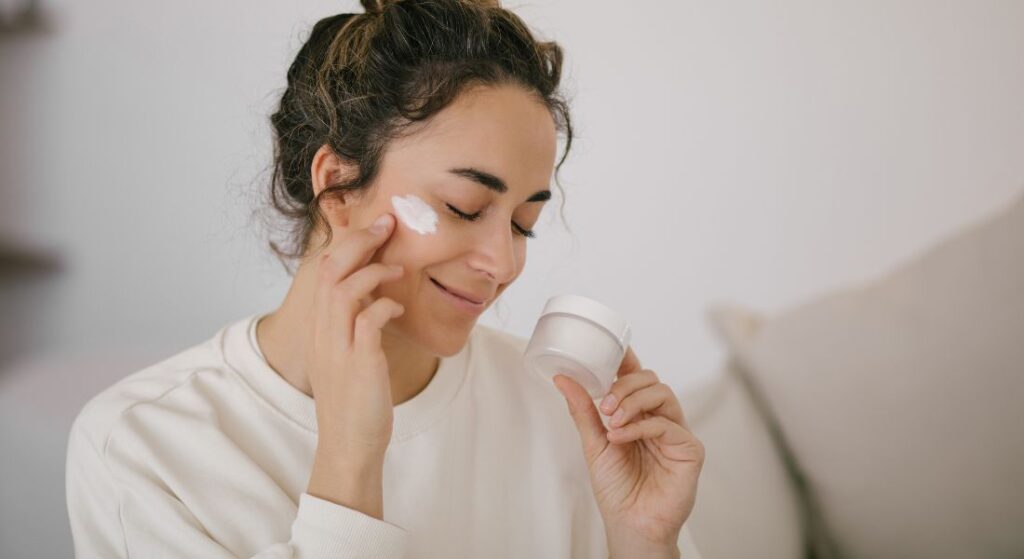
Using gentle moisturisers and targeted eye creams can help enhance the results of Eyelight. Ingredients such as hyaluronic acid, peptides, and antioxidants support hydration, skin health, and elasticity. Maintaining skin thickness and resilience allows the treatment to work more effectively.
It’s important to avoid harsh scrubs or rubbing the delicate under-eye area. These actions can worsen pigmentation and thin the skin, undermining treatment benefits. Consistent, careful skincare combined with professional sessions produces the best outcome.
Taking a holistic approach ensures you get the most from your Eyelight investment. With proper home care, your under-eye area can look brighter, smoother, and more youthful over the long term.
Combining Eyelight with Other Treatments
In certain cases, Eyelight can be combined with dermal fillers or chemical peels to achieve more comprehensive results. This approach is particularly useful for addressing deeper hollows or persistent pigmentation that Eyelight alone might not fully correct. Combination treatments often provide a more complete under-eye rejuvenation.
Your clinician will assess which combination is most suitable for your needs. A personalised approach ensures safety while enhancing overall results. Many patients notice faster and more noticeable improvements when treatments are carefully integrated.
Using multiple modalities alongside Eyelight complements its collagen-stimulating effects. The outcome is a balanced, refreshed under-eye area with smoother, brighter, and healthier-looking skin.
Long-Term Maintenance
Once you’ve achieved improvements with Eyelight, periodic maintenance sessions can help keep your under-eye area looking fresh and bright. Collagen stimulation isn’t permanent, so touch-ups every 6-12 months are often recommended. Pairing these sessions with good sun protection and healthy lifestyle habits supports long-lasting results.
1. Scheduled touch-ups: Regular maintenance sessions reinforce collagen production, helping to maintain skin thickness and smoothness over time.
2. Adaptation to ageing skin: As your skin changes with age, your clinician can adjust treatment intensity or focus areas to match your current needs, ensuring consistent results.
3. Sun protection: Daily SPF use shields delicate under-eye skin from UV damage, prolonging the effects of your treatment.
4. Healthy lifestyle support: Staying hydrated, eating a balanced diet, and getting adequate sleep all contribute to sustaining your under-eye improvements.
5. Consistency for lasting benefits: Combining professional maintenance with at-home care ensures your under-eye area remains firm, bright, and youthful-looking.
By following a tailored maintenance plan, you can enjoy long-lasting brightness and firmness under your eyes. Over time, consistent care helps soften shadows, improve skin texture, and keep hollows less noticeable. Many patients notice that regular touch-ups and proper skincare allow their under-eye area to look naturally refreshed year after year. Maintaining these habits ensures your results continue to enhance your overall facial appearance for the long term.
The Psychological Benefits
Reducing dark circles can have a significant impact on confidence and self-esteem. Many patients feel less tired and more at ease in social or professional situations, simply because their under-eye area looks brighter and healthier. Even subtle changes can make a noticeable difference in how you feel day to day.
Small improvements in the under-eye area can enhance overall facial balance and aesthetics. By addressing pigmentation, hollowing, and vascular visibility, Eyelight creates a natural, refreshed appearance.
Feeling more confident about your eyes often translates into a broader sense of well-being. Looking awake and rejuvenated can positively affect how you interact with others and how you feel about yourself.
FAQs:
1. What causes dark circles under the eyes?
Dark circles can be caused by pigmentation, thinning skin, hollowing or volume loss, visible blood vessels, genetics, allergies, lifestyle factors, and sun exposure. Often, a combination of these factors contributes to under-eye shadows.
2. Can Eyelight help reduce dark circles?
Yes, Eyelight is designed to improve skin quality, stimulate collagen, and enhance microcirculation. It targets multiple causes of dark circles, including pigmentation, mild hollows, and thin skin, leading to a brighter, more refreshed appearance.
3. How does pigmentation contribute to dark circles?
Increased melanin under the eyes can create brownish shadows. Pigmentation may be influenced by genetics, sun exposure, or hormonal changes. Eyelight helps by encouraging cellular turnover and gradually reducing melanin accumulation.
4. What role does skin thinning play in dark circles?
As skin loses collagen with age, it becomes more transparent, making underlying blood vessels visible and creating a bluish or purplish hue. Eyelight stimulates collagen production to thicken the skin and reduce shadowing.
5. How does hollowing affect under-eye darkness?
Volume loss around the eyes causes the area to appear sunken, casting shadows that enhance dark circles. Eyelight improves skin elasticity and stimulates collagen, which can subtly restore volume and soften these shadows.
6. Are dark circles hereditary?
Yes, genetics can influence skin thickness, pigmentation, and vascular visibility. A family history of dark circles may mean more persistent shadows, but Eyelight can still provide effective, personalised results.
7. Do lifestyle factors affect dark circles?
Absolutely. Lack of sleep, dehydration, stress, smoking, alcohol, and allergies can all exacerbate darkness under the eyes. Combining lifestyle improvements with Eyelight enhances overall results.
8. Is Eyelight safe for all skin types?
Eyelight is generally safe for most skin types. Professional assessment ensures the treatment is tailored to your skin, especially for pigmentation concerns in darker skin tones or sensitive under-eye areas.
9. How many sessions are needed for best results?
The number of sessions varies depending on the severity of dark circles and skin condition. Most patients achieve noticeable improvements after several sessions, with gradual and natural enhancement over time.
10. Can Eyelight be combined with other treatments?
Yes, it can be combined with dermal fillers, chemical peels, or other procedures to address deeper hollows or persistent pigmentation. A clinician can recommend the best combination for a balanced, refreshed under-eye appearance.
Final Thoughts: Achieving Brighter, Healthier Eyes
educing dark circles can significantly boost confidence and self-esteem. Many patients notice they feel less tired and more comfortable in social or professional situations. Even subtle improvements in the under-eye area can enhance overall facial aesthetics and make a surprisingly big difference in daily life. Small changes often have a meaningful impact on how you feel and present yourself.
Eyelight works by addressing multiple causes of dark circles simultaneously, creating a natural and refreshed appearance. With a tailored treatment plan, patients see gradual and long-lasting improvements. Over time, the under-eye area looks brighter, smoother, and healthier, supporting both appearance and confidence. Consistent treatment combined with good skincare habits enhances these results. If you’re thinking about eyelight in London, you can get in touch with us at the London Medical & Aesthetic Clinic.
References:
1. Jarząbek‑Perz, S. (2025). Carboxytherapy in the Management of Selected Skin …. Applied Sciences, 15(17):9236. This article covers the complex pathogenesis of dark circles under the eyes, including pigmentary, vascular and structural causes, and describes therapeutic approaches like carboxytherapy and lasers. https://www.mdpi.com/2076-3417/15/17/9236
2. Nayak, C.S., Giri, A.S. and Zambare, U.S. (2018) A study of clinicopathological correlation of periorbital hyperpigmentation, Indian Dermatology Online Journal, 9(4), pp.245–249. PMCID: PMC6042186. https://pmc.ncbi.nlm.nih.gov/articles/PMC6042186/
3. Smith, A., Jones, B. and Roberts, C. (2016) Infraorbital Dark Circles: A Review of the Pathogenesis, Evaluation and Treatment, Journal of Cosmetic Dermatology, 7(2), pp.123–130. PMCID: PMC4924417. https://pmc.ncbi.nlm.nih.gov/articles/PMC4924417/
4. Vrcek, I., Ozgur, O. and Nakra, T. (2016) ‘Infraorbital dark circles: a review of the pathogenesis, evaluation and treatment’, Journal of Cutaneous and Aesthetic Surgery, 9(2), pp. 65–72. https://pubmed.ncbi.nlm.nih.gov/27398005/
5. Goldman, M. & et al. (2021). Periorbital Hyperpigmentation—Dark Circles under the Eyes. Cosmetics, 8(2):26. This review discusses the multifactorial causes of periorbital hyperpigmentation including pigmentation, vascular factors, anatomical shadows and treatment approaches. https://www.mdpi.com/2079-9284/8/2/26