



If you’re looking to refresh tired-looking eyes, both Eyelight and under-eye fillers can be tempting options. However, they work in very different ways. Eyelight uses non-invasive light and energy to improve skin quality and boost collagen, while under-eye fillers involve injecting hyaluronic acid to physically plump hollows or reduce shadows. Knowing these differences helps you choose the treatment that suits you best.
Eyelight is ideal if your main concern is fine lines, mild sagging, or dull under-eye skin. It gradually improves texture, tone, and brightness over multiple sessions, giving natural-looking results without injections. Fillers, on the other hand, offer instant volume restoration and can tackle deeper hollows, but they carry risks like bruising or swelling and usually need touch-ups every 6-12 months.
Choosing between the two depends on your skin type, concerns, and long-term goals. Many people combine treatments for the best effect, but a personalised consultation ensures the right plan. Understanding how each works and what results to expect gives you confidence in making a choice that enhances your under-eye area safely.
How Eyelight Works
Eyelight is a non-invasive treatment that combines radiofrequency and light therapy to target the delicate skin under your eyes. It works by stimulating collagen production and improving skin texture, helping to reduce darkness, fine lines, and mild hollowness over time. This gradual approach focuses on restoring your natural under-eye glow rather than creating instant changes.
The procedure is gentle and requires very little downtime. You might notice subtle improvements after your first session, with more noticeable results developing over several weeks. Because the effects build gradually, the treatment supports long-term skin health and resilience.
One of the key benefits of Eyelight is that it uses your body’s own collagen to rejuvenate the skin. This means you get natural-looking results without the need for fillers or any foreign substances, keeping your under-eye area refreshed and revitalised.
How Under-Eye Fillers Work
Under-eye fillers, often called tear trough fillers, are designed to restore lost volume beneath your eyes. As we age or lose fat in the under-eye area, hollows can form, creating shadows that make dark circles more noticeable. Fillers help lift and smooth these areas, giving you a refreshed, less tired appearance. The effects are usually visible right away, though it’s important to know what fillers can and cannot do.
1. Volume restoration: The gel-like substance is injected into the hollows beneath your eyes, filling in depressions and reducing the shadowing effect. This creates a more youthful contour and less prominent under-eye circles.
2. Immediate visual improvement: Most patients notice a difference as soon as the procedure is complete. The area looks fuller and smoother, giving a refreshed appearance.
3. Limitations: While fillers restore volume, they don’t improve the quality of the overlying skin or address pigmentation. They also do not stimulate collagen significantly, so texture and skin tone remain largely unchanged.
4. Technique matters: Achieving a natural, smooth result requires precise technique. Experienced practitioners carefully place the filler to avoid lumps, unevenness, or overfilling, ensuring a subtle and balanced look.
Under-eye fillers can give you a noticeable boost in appearance with minimal downtime, but choosing a skilled clinician is key to getting results that look natural and harmonious with the rest of your face.
Comparing Approach
The main difference between Eyelight and under-eye fillers lies in how they tackle your concerns. Eyelight works by enhancing your skin’s natural structure, stimulating collagen to improve texture, firmness, and brightness. Fillers, in contrast, physically add volume to fill hollows and reduce deeper shadows.
Eyelight is particularly suited for mild under-eye issues or if you prefer a non-invasive option. Fillers tend to be more effective for pronounced hollowness or darker, deeper shadows. In some cases, combining both treatments can give optimal results.
Knowing the underlying cause of your under-eye concerns is essential when choosing the right approach. A personalised assessment ensures you get the treatment that will deliver the most natural and lasting results.
Duration of Results
Eyelight works gradually, with improvements building over time. You might notice subtle changes after a few sessions, while the full benefits usually appear over several weeks to months. The results focus on long-term skin health rather than instant volume. With consistent care, these effects can last over a year.
Under-eye fillers give almost immediate results, instantly filling hollows and smoothing shadows. The effects typically last between 9 and 18 months, depending on the type of filler and your metabolism. Top-up treatments are often needed to maintain the volume. This makes fillers a more temporary but noticeable solution.
When deciding between the two, consider how long you want your results to last. Eyelight offers gradual, longer-lasting rejuvenation, while fillers provide immediate but temporary volume. Your comfort with maintenance and follow-up treatments can guide the best choice for you.
Downtime and Recovery
One of the benefits of treatments like Eyelight is how little downtime they involve. Most people notice only mild redness or warmth in the treated area for a few hours, and you can usually get back to your normal routine right away. This makes it convenient if you have a busy schedule or need quick results. Dermal fillers, on the other hand, may require a slightly longer recovery period. You might experience minor swelling, tenderness, or bruising for a few days. While recovery is generally short, some patients prefer to schedule around special events or social occasions.
1. Quick return to activities: Most patients can resume work, exercise, and social activities immediately after Eyelight or within a day for fillers, depending on your personal reaction.
2. Mild temporary effects: Redness, warmth, or slight tenderness is common but usually resolves quickly. Using gentle care and following aftercare instructions can help speed up recovery.
3. Professional supervision: Both treatments are performed in a clinical setting under trained supervision. This ensures your safety, comfort, and proper technique throughout the procedure.
Overall, whether you choose Eyelight or fillers, you can expect minimal interruption to your daily life. Being aware of what’s normal during recovery helps you plan and feel confident about the process.
Safety and Side Effects
Eyelight is considered low-risk because it is non-invasive and doesn’t involve injections. You may notice mild, temporary side effects such as redness or slight swelling, but these usually settle quickly on their own. The treatment is generally well-tolerated and safe for most patients. Careful adherence to post-treatment instructions can help ensure smooth recovery.
Fillers carry a slightly higher risk, which can include bruising, swelling, or, in rare cases, uneven results or vascular complications. Choosing an experienced practitioner is essential to minimise these risks and achieve the best results. Following proper technique and aftercare reduces the likelihood of complications. With the right expertise, fillers remain a safe and effective option.
Both treatments are generally safe when performed by qualified professionals in a controlled clinical environment. Post-treatment care and regular check-ins further support patient safety. Understanding potential side effects beforehand helps you feel confident and prepared.
Natural vs Instant Results

Eyelight focuses on subtle, natural improvements that develop over time. The treatment enhances your skin’s health, so the results look organic and effortless. This approach is ideal if you prefer understated changes rather than dramatic transformations. Over time, the skin gradually becomes firmer and more radiant.
Fillers, on the other hand, provide instant results by filling hollows and adding volume immediately. They’re perfect if you want a quick boost for an upcoming event or photos. However, the effect mainly adds volume rather than improving the skin’s underlying health. The results are visible right away but may require maintenance.
Deciding between gradual, natural improvement and instant enhancement depends on your personal preference and the look you’re aiming for. Both options can be effective when used correctly. Your choice may also be influenced by lifestyle, budget, and desired longevity. Consulting a practitioner can help determine the best approach.
Suitability for Different Ages
Choosing the right under-eye treatment often depends on your age, skin type, and the changes you’re hoping to address. Eyelight and dermal fillers each work best in different situations.
1. Eyelight for early intervention: If you’re in your late twenties to forties, Eyelight can help prevent or subtly reduce the first signs of ageing. It’s particularly good for those with thin under-eye skin who prefer a gentle, less invasive option.
2. Fillers for more pronounced hollows: Dermal fillers are often better suited to people in their thirties and older who have deeper under-eye hollows. They restore lost volume effectively and help smooth shadows that become more noticeable with age.
3. Other considerations: Your skin type, the depth of under-eye hollows, and overall facial structure also influence which treatment will give the most natural and lasting results.
4. Personalised consultation: A professional consultation ensures the treatment you choose aligns with your age, skin characteristics, and cosmetic goals. Your practitioner can guide you to the option that will enhance your appearance most naturally.
By looking at both age and individual concerns, you can make a choice that feels right for you and delivers subtle, refreshed results.
Combining Treatments
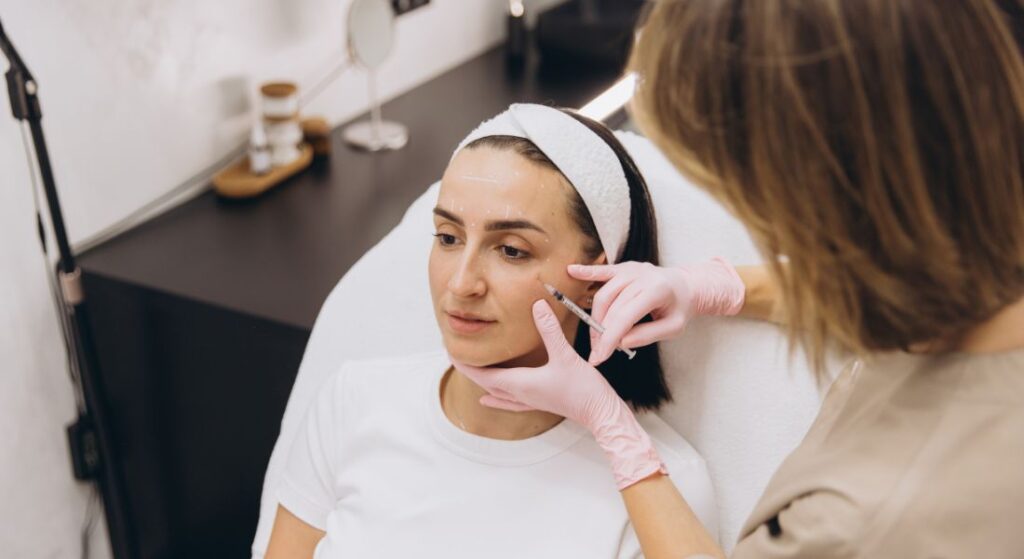
In some cases, combining Eyelight with fillers can provide the best overall results. Eyelight works to improve skin quality and firmness, while fillers restore lost volume under the eyes. Together, they create a more complete and balanced approach to rejuvenation. This combination can address both surface texture and underlying hollows effectively.
Your practitioner may suggest a specific sequence, often starting with Eyelight sessions to enhance the skin, followed by fillers for deeper hollows. This method helps achieve smoother, more natural-looking results. It also reduces the risk of uneven texture or overcorrection. Following a structured plan ensures each treatment complements the other.
Combination therapy is always personalised, taking into account your anatomy and aesthetic goals. Your practitioner will design a plan that suits your needs and lifestyle. Personalised guidance ensures the results are harmonious and long-lasting. Regular follow-ups help maintain the improvements over time.
Longevity and Maintenance
Eyelight focuses on improving long-term skin health, helping to maintain firmness and reduce pigmentation naturally. Regular sessions can keep your under-eye area looking fresh and may delay the need for more invasive treatments. This gradual approach emphasises subtle, lasting improvements. Over time, the skin becomes healthier and more resilient.
Fillers provide immediate volume but require periodic top-ups to maintain the effect. While highly effective, repeated treatments should be factored into your planning. Considering budget, time, and commitment is important when deciding if fillers are right for you. Proper scheduling helps you maintain consistent results.
Discussing a personalised maintenance plan during your consultation ensures realistic expectations. Your practitioner can recommend the best schedule based on your goals and lifestyle. Following a structured plan helps you achieve consistent, harmonious results over time. Regular check-ins also allow any adjustments to be made safely.
Cost Considerations
Eyelight sessions may appear more expensive at first, but the long-term skin benefits and cumulative effects can make it cost-effective over time. The number of sessions you need will depend on the severity of your concerns and your individual response to treatment. Investing in gradual improvement can reduce the need for more invasive procedures later.
Fillers provide immediate results with a one-time cost, but maintenance top-ups over time increase overall expenditure. How cost-effective they are depends on how long you want the results to last and how frequently you plan to maintain them. Considering these factors helps you make an informed choice about your treatment.
Understanding the financial aspect of each option allows you to plan your treatment journey realistically. Your practitioner can outline expected costs and session schedules. This ensures there are no surprises and helps you stay on track with your aesthetic goals.
Pain and Comfort
Eyelight is generally painless, with some mild warmth or tingling during treatment. There’s no need for needles or anaesthetic, making the experience comfortable for most people. Many patients find the procedure relaxing and easy to tolerate. The non-invasive nature also reduces recovery discomfort.
Fillers involve injections, which may cause mild discomfort or pressure. Topical numbing cream is usually applied to improve comfort during the procedure. Your pain tolerance and preference for non-invasive treatments may influence your choice. Understanding what to expect can help you feel more at ease before treatment.
Your personal comfort should always be a priority when selecting a treatment. Discussing your preferences with your practitioner ensures the approach suits your needs. Feeling confident and relaxed can also improve the overall experience and results.
Effect on Dark Circles
Not all dark circles are the same, and understanding their cause is key to choosing the right treatment. Eyelight and dermal fillers work differently, so their effectiveness depends on whether your shadows are caused by pigmentation, thinning skin, or volume loss.
1. Eyelight for pigmentation and texture: Eyelight works on both skin pigmentation and surface texture. It can gradually lighten mild dark circles, especially when they’re caused by thinning skin or minor pigment changes. Over time, the under-eye area can appear brighter and more refreshed.
2. Fillers for hollowness: Dermal fillers are designed to restore lost volume under the eyes. They are most effective when shadows are caused by hollows rather than pigmentation. If your dark circles are primarily pigment-based, fillers alone may not give the desired improvement.
3. Tailored approach: Identifying whether your dark circles are due to pigmentation, volume loss, or a combination of both is crucial. This ensures that the treatment you choose targets the underlying cause for the most natural and noticeable results.
By understanding the root cause of your under-eye shadows, you can select the treatment that will give you a brighter, more even-looking under-eye area.
Skin Type Considerations
Eyelight is suitable for all skin types, including sensitive or thin under-eye skin. Its non-invasive nature reduces the risk of irritation, bruising, or other complications. Most patients can safely undergo treatment without significant downtime. This makes it a gentle option for delicate areas.
Fillers may be less suitable for very thin skin, as injections require precision to avoid lumps or uneven results. However, experienced injectors can safely manage most skin types with proper technique. Discussing your skin characteristics beforehand ensures the procedure is both safe and effective. Careful planning helps prevent complications and achieves better results.
Your practitioner will assess your unique skin concerns before recommending a treatment. Factors such as elasticity, thickness, and sensitivity are considered to personalise the approach. Understanding these details ensures the results look natural and harmonious. Personalised guidance supports long-term satisfaction and safety.
Expectations and Realistic Results
Managing expectations is key when considering under-eye treatments. Eyelight provides gradual, natural rejuvenation rather than dramatic changes overnight. Patience is required to see the full effect of skin improvement. Over time, results become subtle, lasting, and harmonious with your natural features.
Fillers deliver instant volume and contour enhancement, making them ideal for those seeking immediate results. However, it’s important to understand their limitations, including the need for maintenance. Knowing what each treatment can achieve helps prevent disappointment. Immediate results may look impressive, but ongoing care is necessary to sustain them.
A clear discussion with your practitioner ensures realistic goals are set for your treatment. They can guide you on which approach or combination best suits your anatomy and aesthetic desires. Personalised advice increases the likelihood of satisfaction. Understanding the process and timeline supports a confident and positive experience.
Post-Treatment Care
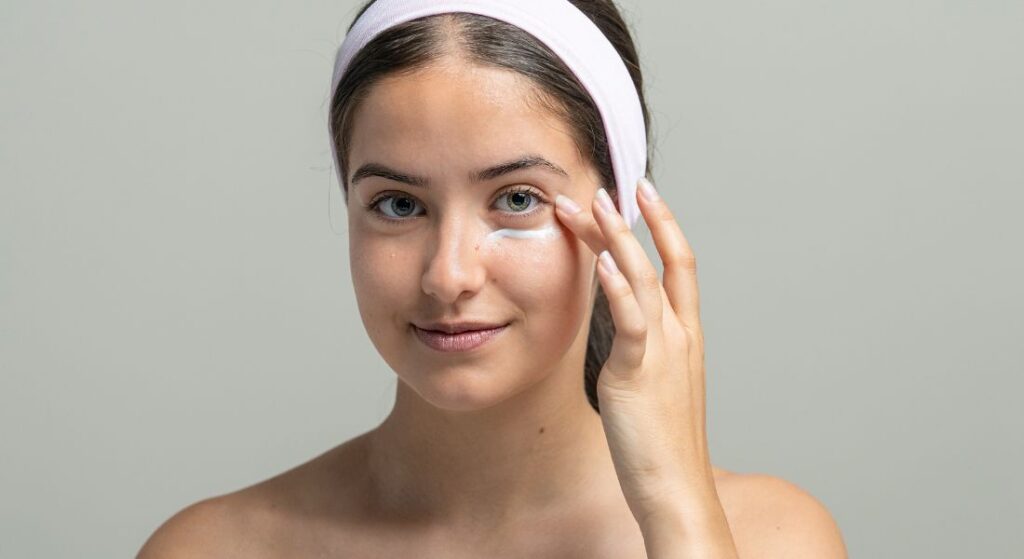
After your procedure, taking proper care of the treated area helps you get the best results and maintain long-term benefits. While the level of aftercare depends on the treatment, following a few simple steps can make a big difference.
1. Eyelight aftercare: Eyelight treatments are usually low-maintenance. Gentle moisturisers help keep the delicate skin hydrated, and applying sun protection shields the area from UV damage. Attending follow-up sessions allows your practitioner to check progress and ensure optimal results.
2. Filler aftercare: Fillers may require a little more caution. Avoid rubbing or pressing the area, and steer clear of strenuous activity for a short period. These steps help the filler settle smoothly and maintain its shape and effect for longer.
3. Consistency is important: Sticking to all aftercare instructions ensures your results are as smooth and long-lasting as possible. Small habits, like applying recommended products and attending check-ups, play a big role in overall success.
By caring for your eyes or treated areas properly, you support healing, prolong results, and enjoy the full benefits of your procedure.
Timing Considerations
Eyelight can be scheduled around your lifestyle with minimal disruption. Sessions are short, non-invasive, and require little to no downtime. Most people can continue their daily activities immediately after treatment. This flexibility makes it easy to fit into a busy routine.
Fillers may require a bit more planning, especially if you have upcoming events. Temporary swelling, redness, or bruising can occur, so timing treatments carefully helps ensure the best appearance when it matters most. Proper scheduling allows for recovery and maximises comfort. Awareness of potential side effects ensures your results look their best.
Overall, treatment timing should align with your personal and social plans. Discussing your schedule with your practitioner helps determine the optimal session dates. Planning in advance ensures convenience and reduces stress. This approach makes the overall experience smoother and more enjoyable.
Psychological Impact
Both Eyelight and fillers can boost confidence by addressing signs of tiredness or ageing under the eyes. Eyelight provides subtle, gradual improvements that enhance your natural appearance. Over time, these small changes can make you feel more refreshed and rejuvenated. The non-invasive approach often appeals to those who prefer understated results.
Fillers deliver instant enhancement, which can be psychologically satisfying for those seeking immediate improvement. Seeing quick results can lift confidence and provide reassurance about your appearance. However, understanding that maintenance may be needed helps set realistic expectations. Knowing the limits of each treatment prevents disappointment and supports long-term satisfaction.
Feeling informed and involved in your treatment plan reduces anxiety and stress. Discussing options openly with your practitioner ensures you make choices that match your goals. This collaboration helps you feel confident and prepared. Being proactive about decisions enhances both the experience and overall results.
Professional Expertise
Getting the best results from treatments like Eyelight or fillers depends heavily on the skill of your practitioner. Both procedures involve delicate areas, so experience and training are key to achieving natural, safe, and effective outcomes.
1. Eyelight expertise: Eyelight works on the under-eye area, which is sensitive and requires precision. Certified clinicians who understand the anatomy of this area can deliver treatments that improve pigmentation and texture without causing harm.
2. Filler experience: Fillers need careful handling to avoid issues like lumps, uneven results, or overcorrection. Experienced practitioners know how to sculpt and place the product to enhance natural contours safely.
3. Choosing a reputable clinic: Your choice of clinic and practitioner has a big impact on both safety and results. Look for professionals with verifiable credentials, positive reviews, and a track record of successful treatments.
By trusting skilled practitioners, you increase the likelihood of smooth, long-lasting results and a comfortable treatment experience.
Choosing the Right Option
The decision between Eyelight and fillers depends on your specific concerns, desired speed of results, skin type, and comfort with invasive procedures. Mild skin laxity or early signs of ageing may respond best to Eyelight’s gradual, non-invasive approach. This treatment focuses on improving skin health and firmness over time. It’s ideal if you prefer subtle, natural enhancement.
Deeper under-eye hollows or volume loss may be better addressed with fillers, which provide immediate improvement. Fillers can restore contour and fullness quickly, but maintenance may be required. Understanding the strengths and limitations of each option helps you make an informed choice. Discussing expectations with your practitioner ensures clarity and realistic outcomes.
Sometimes, combining Eyelight and fillers offers the most comprehensive rejuvenation. A personalised assessment ensures the chosen approach matches your anatomy and aesthetic goals. Planning treatment with professional guidance increases satisfaction and long-term results. Tailored solutions help you achieve a balanced, refreshed appearance.
FAQs:
1. What is the main difference between Eyelight and under-eye fillers?
Eyelight is non-invasive and stimulates collagen to improve skin texture, firmness, and mild hollowness. Fillers add volume instantly to fill deeper hollows and shadows. Your choice depends on whether you prefer gradual skin rejuvenation or immediate contour improvement.
2. How soon can I see results with Eyelight?
Results are gradual with Eyelight. Subtle improvements may appear after the first session, with full benefits visible over several weeks or months. The treatment focuses on long-term skin health rather than instant changes.
3. How long do under-eye filler results last?
Under-eye fillers provide immediate results, typically lasting 9-18 months depending on the product and your metabolism. Maintenance sessions are needed to keep the volume consistent over time.
4. Is there downtime with either treatment?
Eyelight has minimal downtime, usually just slight redness or warmth that settles quickly. Fillers can cause mild swelling, bruising, or tenderness for a few days. Both treatments allow you to return to daily activities shortly after.
5. Can Eyelight and fillers be combined?
Yes, they can be combined for optimal results. Eyelight enhances skin quality and firmness, while fillers restore volume in deeper hollows. This dual approach provides a comprehensive under-eye rejuvenation plan.
6. Which treatment is better for dark circles?
Eyelight works well for mild dark circles caused by pigmentation or thin skin. Fillers mainly address shadows due to volume loss. Understanding the cause of your dark circles helps determine the most suitable treatment.
7. Are these treatments suitable for all ages?
Eyelight is ideal for people in their late twenties to forties looking to prevent or reduce early signs of ageing. Fillers are better suited for more pronounced hollows, usually in the thirties and older. Skin type and under-eye concerns also influence suitability.
8. Is Eyelight painful?
Eyelight is generally comfortable, producing only mild warming or tingling sensations. Fillers involve injections, which may cause slight discomfort, though numbing creams are applied. Most people tolerate both treatments well under professional supervision.
9. Do I need maintenance for either treatment?
Eyelight may require periodic sessions to maintain skin firmness and long-term benefits. Fillers require top-ups every 9-18 months to preserve volume. Proper aftercare and follow-ups help ensure the best results.
10. How do I know which treatment is right for me?
The best option depends on your age, skin type, under-eye concerns, and preference for gradual or immediate results. A consultation with a qualified practitioner helps assess your needs. Sometimes a combination of Eyelight and fillers offers the most balanced outcome.
Final Thoughts: Choosing the Right Under-Eye Solution
Eyelight and under-eye fillers both offer effective ways to rejuvenate the under-eye area, but they work differently. Eyelight is non-invasive and stimulates collagen to improve skin texture and firmness gradually, making it ideal for mild hollowness or early signs of ageing. Fillers, on the other hand, provide instant volume to deeper hollows, creating a quick visual improvement. Understanding these differences helps you choose the treatment that best suits your individual needs.
Many patients benefit from combining Eyelight with fillers for a more complete rejuvenation. Eyelight enhances skin quality and addresses minor pigmentation, while fillers restore volume where needed, creating a smoother, natural look. Age, skin type, and the cause of dark circles play a key role in selecting the right approach. This combination approach can reduce risks of uneven results and optimise long-term outcomes. If you’re thinking about eyelight treatment in London, you can get in touch with us at the London Medical & Aesthetic Clinic.
References:
1. Antwi, A., Nti, A. N. & Ritchey, E. R. (2024) Thermal effect on eyelid and tear film after low‑level light therapy and warm compress. Clinical and Experimental Optometry, 107(3), pp. 267–273. https://pubmed.ncbi.nlm.nih.gov/37156225/
2. Bhojani‑Lynch, T., Shah‑Desai, S., Bichet, J.‑C., Magalhães, B. & Poupard, K. (2025) ‘Real‑world evidence on the routine use, efficacy, and safety of a hyaluronic acid‑based dermal filler in the periorbital region’, Aesthetic Plastic Surgery, 49(15), pp. 4392–4402. https://pmc.ncbi.nlm.nih.gov/articles/PMC12423213/
3. Bhojani‑Lynch, T., Shah‑Desai, S., Bichet, J.‑C. et al. (2025) Real‑World evidence on the routine use, efficacy, and safety of a hyaluronic acid‑based dermal filler in the periorbital region. Aesthetic Plastic Surgery, 49, pp. 4392–4402. https://pubmed.ncbi.nlm.nih.gov/40442496/
4. Biesman, B. S., Green, J. B. et al. (2024) A Multicenter, Randomized, Evaluator‑Blinded Study to Examine the Safety and Effectiveness of Hyaluronic Acid Filler in the Correction of Infraorbital Hollows. Aesthetic Surgery Journal, 44(1). https://pubmed.ncbi.nlm.nih.gov/38573527/
5. El Shami, M., Maroun, A., Hoyek, S. & Antoun, J. (2022) Optimized combined low level light therapy and intense pulsed light therapy for the treatment of dry eye syndrome caused by Meibomian gland dysfunction. Journal Français d’Ophtalmologie, 45(10), pp. 1126–1136. https://www.sciencedirect.com/science/article/abs/pii/S0181551222002479