


If you’ve started to notice changes around your under-eye area, you’re definitely not alone. It’s often one of the first places where signs of ageing, fatigue, or stress show up. You might see dark circles, slight hollowness, fine lines, or thinner-looking skin that makes you appear more tired than you actually feel. With so many treatments available now, it’s completely understandable if you’re not sure where to start.
You may have come across Eyelight as a targeted option for the tear trough area, but it’s not the only choice you have. Treatments like traditional fillers, skin boosters, and laser therapies can also help improve the under-eye area. Each one works in a different way, depending on what concern you’re trying to address. That’s why what works well for someone else might not be the best fit for you.
In this article, you’ll get a clearer comparison of Eyelight and other under-eye treatments so you can understand your options better. By knowing how each treatment works and what it’s best suited for, you’ll be in a stronger position to decide what’s right for you. It’s all about finding an approach that matches your needs and gives you natural-looking results.
Understanding Under-Eye Concerns
Before you choose any under-eye treatment, it helps to understand what’s actually causing the concern. Dark circles, for example, can come from pigmentation, visible blood vessels, or even shadows created by the shape of your eyes. If you’re noticing hollowness, it’s often linked to a loss of volume in that area. Knowing the cause makes a big difference in choosing the right solution.
You might also see fine lines or crepey skin developing over time, which is usually down to reduced collagen and skin elasticity. Puffiness, on the other hand, can be related to fat pads under the eyes or fluid retention. These concerns may look similar at first glance, but they don’t all respond to the same treatment. That’s why a targeted approach is so important.
When you have a consultation, your dermatologist will assess these factors carefully. You’ll get a better understanding of what’s happening beneath the surface of your skin. This helps ensure the treatment you choose is actually effective for your specific concern. In the end, personalised care gives you much more natural and satisfying results.
What Is Eyelight Treatment?
If you’re looking into under-eye treatments, you might come across Eyelight as a targeted option for the tear trough area. It’s an injectable treatment designed to restore lost volume and smooth the transition between your lower eyelid and cheek. By doing this, it helps reduce shadowing and makes the under-eye area appear brighter. You’ll notice a fresher, more awake look rather than a dramatic change.
The treatment uses specially designed dermal fillers that are suitable for the delicate skin under your eyes. These fillers are made to blend smoothly into the area, reducing the risk of lumps or unevenness. Because the under-eye region is so sensitive, precision plays a huge role in achieving good results. That’s why it’s important that the procedure is carried out by an experienced practitioner.
With Eyelight, the aim is to keep things subtle and natural. You’re not trying to completely alter your appearance, but rather enhance what’s already there. It’s about looking more refreshed, as if you’ve had a good rest. This natural approach is what makes it such a popular choice for under-eye rejuvenation.
Traditional Dermal Fillers
You’ve probably heard of traditional dermal fillers being used to restore volume in different parts of the face. They can also be used under your eyes to improve hollowness and tired-looking areas. However, not all fillers are specifically designed for the delicate under-eye region. This can make a difference to how natural and smooth your results look.
While fillers can help reduce hollowness, the under-eye area is quite sensitive and needs a careful approach. If the filler isn’t placed correctly, you might notice uneven texture or slight puffiness. This is because the skin here is thinner and more prone to showing irregularities. That’s why it’s not just about using filler, but using the right technique.
You’ll find that treating this area properly requires specialised products and a high level of precision. Practitioners need to consider factors like skin thickness, existing volume, and how the filler will settle over time. It’s a more refined process compared to other areas of the face. Small details can make a noticeable difference.
This is one reason why treatments like Eyelight are often preferred for the tear trough area. They’re designed specifically with this delicate region in mind. You’re more likely to achieve a smooth, natural-looking result when the treatment is tailored to the area. In the end, precision and the right approach go a long way in getting the outcome you want.
Eyelight vs Standard Fillers
When you’re comparing Eyelight with standard fillers, the main difference comes down to how they’re designed and used. Eyelight uses fillers that are specifically created for the delicate under-eye area, so they tend to be softer and blend more naturally into your skin. This helps create a smooth transition between your lower eyelid and cheek. The result is usually subtle, giving you a refreshed look rather than something obviously “done”.
Standard fillers, on the other hand, are typically thicker and designed for areas like your cheeks, jawline, or lips. If they’re used under the eyes, they need to be handled very carefully because the skin there is much thinner. You may be more likely to notice unevenness or visible filler if the product isn’t suited to that area. This is why technique and product choice matter so much.
Choosing between the two really depends on your concerns and the kind of result you want. If you’re aiming to reduce hollows or dark circles under your eyes, Eyelight is often the more suitable option. If you’re looking for more volume or contouring elsewhere in your face, standard fillers may be more appropriate. A personalised consultation can help you decide what will work best for you.
Skin Boosters for Under-Eye Area
If you’re looking to improve the quality of your under-eye skin without adding volume, skin boosters can be a great option. These treatments focus on hydration and overall skin health rather than changing the shape of your face. They’re especially useful if you’re dealing with fine lines or a slightly crepey texture. Instead of dramatic changes, you’ll notice gradual, natural-looking improvements over time.
1. They focus on hydration, not volume: Skin boosters work by deeply hydrating your skin rather than filling or lifting it. This makes them ideal if you don’t want a “filled” look. For example, if your main concern is dull or tired-looking skin, boosters can help restore a fresher appearance.
2. They use a more fluid form of hyaluronic acid: Unlike traditional fillers, the hyaluronic acid used here is lighter and spreads more evenly under your skin. This helps improve smoothness and elasticity without creating bulk. You may notice your skin feels softer and looks more radiant after treatment.
3. Results develop gradually and naturally: You won’t see an instant transformation, but that’s part of the appeal. Improvements build over time as your skin becomes better hydrated. This means you’ll look refreshed without it being obvious that you’ve had a treatment.
4. They’re best suited for specific concerns: If you have thin, delicate, or crepey under-eye skin, skin boosters can be particularly effective. However, they won’t fix hollowness or volume loss. In those cases, you might need a different treatment approach.
Understanding what skin boosters can and can’t do helps you make the right choice for your under-eye concerns. When used appropriately, they can give you smoother, more hydrated skin without changing your natural features. It’s all about choosing a treatment that works with your needs rather than against them.
Eyelight vs Skin Boosters
When you’re comparing Eyelight with skin boosters, it helps to know that they’re designed for different purposes. Eyelight focuses on structural concerns, such as hollowness and shadowing under your eyes. Skin boosters, on the other hand, are more about improving the overall quality of your skin. They work to hydrate, smooth, and enhance the texture rather than add volume.
If your main concern is volume loss or a sunken appearance, you’ll usually find Eyelight to be the more effective option. If you’re dealing with fine lines, dryness, or crepey skin, skin boosters might be better suited to your needs. In some cases, you don’t have to choose just one. You might benefit from a combination of both, depending on what your under-eye area requires.
Your dermatologist will often recommend a tailored approach based on your specific concerns. You’ll get a plan that looks at the bigger picture rather than treating just one issue in isolation. Combining treatments can sometimes give you more balanced and natural-looking results. In the end, a personalised approach helps you achieve the best outcome.
Laser Treatments for Under-Eye Skin
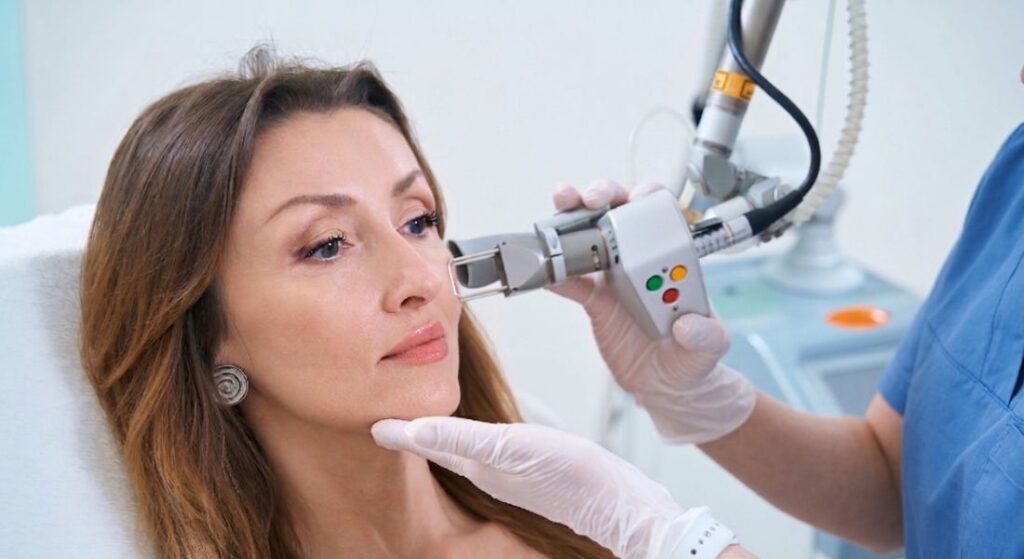
If you’re considering laser treatments for your under-eye area, they’re mainly used to improve skin texture, pigmentation, and collagen production. These treatments work by stimulating your skin’s natural repair processes, helping it renew itself over time. You might notice smoother skin and a more even tone as a result. They’re particularly useful if your concern is fine lines or dull-looking skin.
Lasers can also help reduce pigmentation and improve the overall quality of your skin. However, they don’t address volume loss, so they won’t fix hollowness under the eyes. Their effect is more on the surface rather than changing the structure beneath. That’s why they’re often combined with other treatments if you have multiple concerns.
Recovery time can vary depending on the type of laser used. Some treatments are quite gentle with little to no downtime, while others may require a few days for your skin to settle. You’ll want to factor this into your decision, especially if you have a busy schedule. Understanding what to expect helps you choose a treatment that fits your lifestyle and goals.
Eyelight vs Laser Treatments
When you’re comparing Eyelight with laser treatments, it’s helpful to understand that they target different aspects of under-eye concerns. Eyelight focuses on restoring volume and improving the structure of the area. Laser treatments, on the other hand, work on the surface of your skin to improve texture and tone. So, they’re designed to solve different problems.
If your dark circles are mainly caused by shadowing or hollowness, you’ll likely see better results with Eyelight. If the issue is more about pigmentation or uneven skin tone, laser treatments may be the more suitable option. You’ll get the best outcome when the treatment matches the underlying cause. That’s why identifying what’s really going on is so important.
In some cases, you don’t have to choose just one approach. You might benefit from combining both treatments to address multiple concerns at the same time. For example, one can improve structure while the other enhances skin quality. This can lead to a more balanced and natural-looking result.
Your practitioner will usually guide you towards the right plan based on your individual needs. You’ll get a tailored approach rather than a standard solution. By combining the right treatments, you’re more likely to achieve a refreshed and well-rested appearance. It’s all about choosing what works best for you.
Chemical Peels and Their Role
If you’re looking to improve the texture or pigmentation under your eyes, chemical peels can be a helpful option. They work by gently exfoliating the outer layer of your skin, allowing fresh, new skin to come through. This process can help brighten the area and create a more even skin tone. You may notice a subtle improvement, particularly if your concern is mild discolouration.
However, chemical peels are not usually the first choice for deeper under-eye concerns such as hollowness or more pronounced dark circles. The skin around your eyes is very delicate, so stronger treatments are not always suitable. Using the wrong type of peel can lead to irritation or sensitivity. This is why careful selection is important.
In most cases, a dermatologist will guide you on the most appropriate type and strength of peel for your skin. They will assess your concerns and recommend a treatment plan that is both safe and effective. With the right approach, chemical peels can complement other treatments and help you achieve a fresher, more refreshed appearance.
Eyelight vs Chemical Peels
When you’re comparing Eyelight with chemical peels, it helps to understand that they treat different layers of the skin. Eyelight works deeper beneath the surface to address structural concerns such as under-eye hollowness and shadowing. Chemical peels focus on the outer layers of the skin, improving texture, tone, and mild pigmentation. Knowing this difference makes it easier for you to choose the treatment that matches your specific concern. Each option offers its own benefits depending on what you’d like to improve.
1. Eyelight targets volume loss and shadowing: Eyelight is designed to restore subtle volume under the eyes. If you have hollow areas or a tired appearance caused by shadowing, this treatment can smooth the transition between your lower eyelid and cheek, creating a more refreshed look.
2. Chemical peels improve surface texture and tone: Chemical peels work by gently exfoliating the top layer of skin. They can help reduce uneven pigmentation, fine lines, and dullness, giving your skin a brighter and more even appearance.
3. Limitations of each treatment: While chemical peels can improve surface concerns, they won’t correct deeper structural issues such as volume loss. Similarly, Eyelight does not directly treat pigmentation or skin texture. Understanding these limits helps set realistic expectations.
4. Combining treatments for balanced results: In many cases, you don’t need to choose just one approach. Combining Eyelight with a chemical peel can address both deeper and surface-level concerns at the same time. This personalised strategy often leads to more natural and balanced results.
By understanding how these treatments differ, you can make a more informed decision about what’s right for you. A tailored plan that considers both structure and skin quality will usually deliver the most effective and natural-looking outcome.
Microneedling for Under-Eye Skin
If you’re exploring ways to improve the under-eye area, microneedling is often suggested for boosting collagen production. The treatment works by creating tiny micro-injuries in your skin, which then trigger your body’s natural healing response. As your skin repairs itself, it becomes firmer and smoother over time.
You may notice improvements in skin texture and fine lines, especially if your under-eye area looks a bit crepey or tired. It’s commonly used for overall skin rejuvenation rather than targeting one specific issue. The results aren’t instant, though you’ll usually see gradual changes as your skin continues to regenerate.
It’s important to know that microneedling doesn’t restore lost volume. So, if your main concern is hollowness or deep shadowing, this treatment alone may not give you the result you’re hoping for. Its benefits are more about enhancing the quality of your skin rather than changing its structure.
Understanding this difference helps you set realistic expectations. You can then decide whether microneedling suits your needs or if you might benefit from combining it with other treatments. A tailored approach often gives you the best overall outcome.
Eyelight vs Microneedling
If you’re trying to decide between Eyelight and microneedling, it really comes down to what you want to improve. Both treatments work differently and target specific concerns around your under-eye area. One focuses more on structure, while the other improves the surface of your skin. Understanding the difference helps you choose what’s right for you.
1. Eyelight focuses on volume and structure: Eyelight is designed to treat hollowness under your eyes by restoring lost volume. If you’ve noticed a sunken or tired appearance, this approach can help smooth that area. For example, adding subtle volume can make your eyes look brighter and more refreshed.
2. Microneedling improves texture and collagen: Microneedling works by stimulating your skin’s natural collagen production. This helps improve fine lines, skin texture, and overall firmness. If your main concern is crepey skin or small wrinkles, you may see better results with this treatment.
3. Your concern determines the right choice: If you’re dealing with hollow under-eyes, Eyelight is usually the better option. On the other hand, if fine lines or uneven texture bother you more, microneedling might suit you better. It’s all about matching the treatment to what you want to fix.
4. You may benefit from combining both: In some cases, using both treatments together can give you more balanced results. For instance, Eyelight can address volume while microneedling improves the skin quality on top. This combined approach can leave your under-eye area looking smoother and more refreshed overall.
Choosing between Eyelight and microneedling doesn’t have to be complicated when you focus on your goals. With the right plan, you can target exactly what’s bothering you and achieve natural-looking results. A personalised approach will always give you the best outcome.
Tear Trough Surgery (Blepharoplasty)
If you’re dealing with more pronounced under-eye concerns, you might be advised to consider surgical options like blepharoplasty, often referred to as tear trough surgery. This procedure works by removing or repositioning fat and excess skin under your eyes. It’s designed to address deeper hollows or sagging that non-surgical treatments may not fully correct. You’ll usually get longer-lasting results compared to temporary options.
That said, surgery is a more involved step, so it’s important you know what to expect. You’ll need some downtime to recover, and there are higher risks compared to non-surgical treatments. Swelling and bruising are common in the initial healing phase. However, for the right candidate, the results can be significant and worth the recovery period.
If you have more advanced or structural concerns, this type of procedure might be a good fit for you. The best way to know is through a proper consultation where your individual case is assessed. You’ll be guided on whether surgery is the most suitable option or if alternatives could work. Professional advice will help you make a confident and informed decision.
Importance of Expert Assessment

When it comes to treating your under-eye area, it’s not something you want to guess your way through. This part of your face is delicate and complex, so even small decisions can have a big impact on your results. If the wrong treatment is chosen, you could end up with outcomes that don’t look or feel right. That’s why getting a proper expert assessment is so important before moving forward.
1. The under-eye area needs a precise approach: Your under-eye skin is thinner and more sensitive than other areas, which means it reacts differently to treatments. What works for someone else may not work for you. For example, a treatment that adds volume might not suit you if your main concern is skin texture.
2. A professional evaluates your unique features: An experienced practitioner will look at factors like your skin quality, facial structure, and specific concerns. This helps them recommend a treatment that’s tailored to you. Instead of a generic solution, you get a plan designed around your needs.
3. Expert planning leads to better results: When your treatment is based on a thorough assessment, the outcome is more likely to look natural and balanced. You’re less likely to experience complications or dissatisfaction. Careful planning makes a noticeable difference in how your results turn out.
4. Choosing the right practitioner matters: Skill and experience play a big role in both safety and effectiveness. A qualified professional knows how to handle the under-eye area with care and precision. This gives you confidence that you’re in safe hands throughout the process.
In the end, expert assessment isn’t just a step in the process it’s the foundation of good results. When you rely on professional guidance, you’re far more likely to achieve a natural, refreshed look that suits your features. Taking the time to get the right advice can save you from unnecessary risks and help you get the outcome you’re really looking for.
Eyelight vs Surgery
If you’re trying to decide between Eyelight treatment and surgery, it really comes down to the kind of results you’re looking for. Eyelight is a non-surgical option that offers subtle, natural-looking improvement. Surgery, on the other hand, can deliver more dramatic and long-lasting changes. You’ll want to think about how noticeable you’d like the results to be.
If your concerns are mild to moderate, you might find that Eyelight gives you the boost you’re after without going down the surgical route. It’s often chosen by people who want a fresher look without major changes. However, if you’re dealing with more significant skin laxity or deeper structural issues, surgery may be the better option. Your individual needs will guide what’s most suitable for you.
One of the biggest differences you’ll notice is the recovery time. With non-surgical treatments like Eyelight, you can usually get back to your routine quite quickly. Surgery, however, requires more downtime and a bit more patience while you heal. It’s something to consider if you have a busy schedule or prefer minimal disruption.
Understanding these differences can make your decision much easier. You don’t have to figure it out on your own your practitioner will help assess your concerns and recommend the best approach. You’ll be guided towards what suits your goals and comfort level. In the end, it’s about choosing what feels right for you.
Combining Treatments for Best Results
In many cases, you’ll get the best results by combining treatments rather than relying on just one. For example, Eyelight treatment can help restore volume under your eyes, while laser treatments can improve skin texture and tone. This way, you’re addressing more than one concern at the same time. It often leads to a more balanced and noticeable improvement.
Your treatment plan will be tailored to suit your individual needs. A dermatologist will assess your skin, your concerns, and the kind of results you’re hoping for. You won’t be given a generic solution everything is customised to you. This personalised approach helps ensure the results look natural rather than overdone.
When you take a more holistic approach, you’re likely to achieve a softer and more natural appearance. By treating multiple factors together, the overall outcome tends to look more refined. You’ll notice that each treatment supports the other rather than working in isolation. In the end, it’s this combination that often delivers the most effective and long-lasting results.
Choosing Based on Your Concern
When you’re choosing a treatment, it really comes down to your specific concern. If you’re dealing with under-eye hollowness, Eyelight treatment is often one of the most effective options. If pigmentation is your main issue, you might be better suited to laser treatments or topical solutions. The key is matching the treatment to what’s actually causing the concern.
If you’ve got fine lines or thin, delicate skin under your eyes, you may be advised to consider options like microneedling or skin boosters. Each treatment has a different purpose, so it’s not about picking what’s popular it’s about what works for you. Once you understand your concern properly, the choice becomes much clearer. That’s when you start seeing more meaningful results.
A proper consultation can make all the difference in getting this right. You’ll have your concerns assessed in detail, and a plan will be created just for you. This personalised approach helps ensure you’re not wasting time on treatments that won’t deliver. In the end, tailored care leads to better results and a much higher level of satisfaction.
Managing Expectations
When you’re exploring under-eye treatments, it’s important to keep in mind that no single option can fix everything at once. You’ll get the best experience when you set realistic expectations from the start. Understanding what each treatment can and can’t do helps you avoid disappointment later on. It’s all about knowing what kind of improvement is actually achievable.
For example, Eyelight treatment is designed to give you a subtle, natural-looking improvement rather than a dramatic change. You might notice a fresher, more rested appearance, but it won’t completely transform the area overnight. Other treatments may require a series of sessions before you see full results. You’ll often find that progress happens gradually.
Because of this, patience plays a big role in your results. You might not see the final outcome straight away, but that doesn’t mean the treatment isn’t working. Your skin and tissues need time to respond and improve. When you understand this, it becomes easier to trust the process.
Having open and clear communication with your doctor can really help align your expectations. You’ll be able to discuss your goals and get a realistic idea of what’s possible. This way, you’re not left guessing or hoping for something unrealistic. In the end, when your expectations match the outcome, you’re far more likely to feel satisfied with your results.
Advances in Under-Eye Treatments
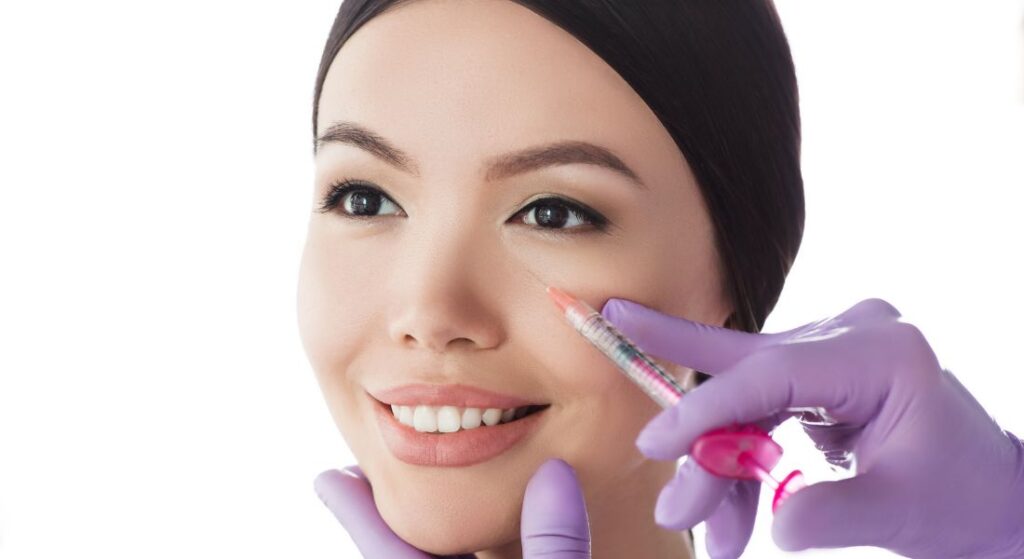
Aesthetic treatments for the under-eye area are constantly evolving, and you’ll likely notice that newer options feel more precise, effective, and natural than ever before. Modern approaches focus on enhancing your appearance subtly, rather than creating obvious changes. With improved technology and refined techniques, treatments are now designed to work more harmoniously with your skin’s natural structure. These developments are helping to improve both safety and results.
1. More advanced filler technology: Today’s dermal fillers are formulated to blend smoothly with the delicate under-eye area. This allows for softer, more natural-looking correction of hollowness, with a reduced risk of unevenness or puffiness.
2. Targeted laser and skin treatments: Newer laser systems and energy-based devices can treat concerns like pigmentation and fine lines with greater precision. This means better results with less disruption to surrounding tissue and often a quicker recovery.
3. Greater accuracy in treatment techniques: As techniques continue to improve, practitioners can deliver treatments more precisely. This allows them to address specific concerns such as dark circles, volume loss, or skin texture while maintaining a balanced and natural look.
4. Shift towards subtle, refined outcomes: Modern treatments prioritise results that look refreshed rather than altered. The aim is for you to appear well-rested and natural, without visible signs that a procedure has been performed.
Looking ahead, under-eye treatments are becoming increasingly personalised. Future innovations are focused on tailoring treatments to your unique skin type, anatomy, and goals. This approach helps improve not only the final result but also your overall experience. With continuous progress in this field, you can feel reassured that treatments will keep advancing offering safer options, more predictable outcomes, and solutions that are better suited to your individual needs.
Why Understanding Your Options Matters
When you take the time to understand the different treatment options available, you’re putting yourself in a much stronger position to make the right choice. Each option comes with its own benefits and limitations, and knowing these helps you avoid unrealistic expectations. You’re not just following a recommendation you’re actively involved in the decision. That kind of awareness can make the whole process feel more reassuring.
You’ll also find that dermatologists often combine treatments to get the best possible results. Rather than focusing on just one concern, they look at the bigger picture and address multiple factors at once. This approach tends to create more balanced and natural-looking outcomes. It’s all about tailoring the plan to suit your specific needs.
When you understand your options clearly, you can choose a treatment that genuinely aligns with your goals. You’re more likely to feel satisfied because you know what to expect from the start. Informed decisions tend to lead to better overall results. In the end, that confidence in your choices makes a real difference to your experience.
FAQs:
1. What is Eyelight treatment and how does it work for under-eye concerns?
Eyelight is a targeted injectable treatment designed specifically for the under-eye area, particularly the tear trough. You’ll notice that instead of dramatically changing your appearance, it subtly brightens the area so you look more refreshed and awake. The focus is on natural-looking improvement rather than anything obvious.
2. How is Eyelight different from traditional dermal fillers?
The main difference is that Eyelight uses fillers specially designed for the delicate under-eye area, whereas traditional dermal fillers are often thicker and used in other parts of the face. Eyelight tends to blend more smoothly, giving you a softer and more natural result that suits this sensitive area.
3. Are skin boosters better than Eyelight for under-eye treatment?
It really depends on what you’re trying to improve. Skin boosters are ideal if your main concern is dryness, fine lines, or crepey skin, as they focus on hydration and skin quality rather than adding volume. If you’re dealing with hollowness or shadowing, you’ll likely find Eyelight more effective. In some cases, you may benefit from combining both treatments to address different concerns at the same time.
4. Can laser treatments replace Eyelight for dark circles?
Laser treatments can help with certain types of dark circles, particularly those caused by pigmentation or uneven skin tone. However, if your dark circles are due to hollowness or shadowing, lasers won’t correct that structural issue. You might find that Eyelight is more suitable in that situation. In many cases, combining both approaches can give you more balanced results by targeting both structure and skin quality.
5. Is Eyelight better than microneedling for under-eye rejuvenation?
Eyelight and microneedling serve different purposes, so one isn’t necessarily better than the other. If you’re more focused on improving fine lines, skin texture, or collagen production, microneedling may suit you better. You’ll get the best outcome when the treatment matches your specific concern.
6. How do chemical peels compare to Eyelight for under-eye concerns?
Chemical peels work on the surface of your skin to improve texture and mild pigmentation, so they can help if your under-eye area looks dull or uneven. Eyelight works at a structural level, which is why it’s often more effective for hollowness. You might find that peels are better suited as a complementary treatment rather than a replacement.
7. Can you combine Eyelight with other under-eye treatments?
Yes, combining treatments is often the best way to achieve more comprehensive results. For example, you might use Eyelight to restore volume while also having laser treatments or skin boosters to improve skin texture and tone. This approach allows you to address multiple concerns at once rather than focusing on just one issue.
8. How do you know which under-eye treatment is right for you?
The right treatment really depends on what’s causing your under-eye concern. If you have hollowness, Eyelight may be the best option, whereas pigmentation might respond better to lasers or peels. Fine lines and thin skin could be improved with skin boosters or microneedling. You’ll find that a proper consultation helps identify the root cause, making it much easier to choose the most effective treatment.
9. Is surgery a better option than Eyelight for under-eye issues?
Surgery, such as blepharoplasty, can be more effective if you have more advanced concerns like significant sagging or deeper structural changes. If your concerns are mild to moderate, you might find that Eyelight gives you the improvement you’re looking for without the need for surgery. It really comes down to how noticeable you want the results to be and how much downtime you’re comfortable with.
10. What kind of results can you expect from Eyelight compared to other treatments?
With Eyelight, you can expect subtle, natural-looking results that make you look more refreshed rather than dramatically different. You might notice that the best results often come from a combination of treatments rather than relying on just one. Setting realistic expectations will help you feel more satisfied with the outcome.
Final Thoughts: Choosing the Right Under-Eye Treatment for You
When it comes to improving your under-eye area, there isn’t a one-size-fits-all solution and that’s actually a good thing. You’ve got a range of treatments available, each designed to target different concerns, whether that’s hollowness, pigmentation, fine lines, or overall skin quality. The key is understanding what’s really causing the issue so you can choose an approach that works with your skin, not against it.
You’ll often find that the most natural-looking results come from a personalised plan rather than relying on a single treatment. Whether it’s Eyelight, skin boosters, lasers, or a combination of options, the goal is always to enhance your features in a subtle and balanced way. For you, this means looking fresher and more well-rested without anything feeling overdone. If you’re thinking about eyelight treatment in London, you can get in touch with us at the London Medical & Aesthetic Clinic.
References:
1. Patel, A. et al., 2024. Advances in periorbital rejuvenation using dermal fillers. Clinical, Cosmetic and Investigational Dermatology. https://pmc.ncbi.nlm.nih.gov/articles/PMC10745246/
2. Nestor, M.S., Ablon, G., Gade, A. and Han, H. (2022) ‘Safety and efficacy of intense pulsed light for skin rejuvenation and pigmentation’, Journal of Cosmetic Dermatology. https://pubmed.ncbi.nlm.nih.gov/36319526/
3. Biesman, B.S. et al., 2024. Safety and effectiveness of hyaluronic acid filler in infraorbital hollow correction (full text). Aesthetic Surgery Journal. https://pmc.ncbi.nlm.nih.gov/articles/PMC11334209/
4. Martínez, R. et al., 2022. Injectable treatments for infraorbital rejuvenation: Techniques and outcomes. Cirugía y Cirujanos. https://www.sciencedirect.com/science/article/abs/pii/S0181551222002479
5. Antwi, A., Nti, A.N. and Ritchey, E.R. (2024) Thermal effect on eyelid and tear film after low-level light therapy and warm compress. Clinical and Experimental Optometry, 107(3), pp. 267–273. https://pubmed.ncbi.nlm.nih.gov/37156225/