


Exosome treatment is an advanced regenerative therapy that uses extracellular vesicles to communicate with skin cells. These tiny messengers carry signals that may help support repair, renewal, and healthier skin function. This makes exosome therapy a useful option if you want gradual skin improvement without a surgical approach.
The signals delivered by exosomes may support cellular repair and collagen-related skin renewal processes. Collagen is important for keeping the skin firm, smooth and elastic. As your skin responds to treatment, it may gradually appear fresher, healthier and more refined.
Exosome treatment may help support overall skin quality over time. You may notice improvements in texture, hydration, firmness, and radiance as the skin responds to regenerative signals. These changes usually build gradually, which helps the results look softer and more natural.
Rather than creating a sudden or obvious change, exosome therapy supports the skin’s own rejuvenation process. The aim is to refresh your appearance while keeping the result balanced and natural-looking. Your practitioner can explain whether this treatment is suitable for your skin concerns and goals.
Understanding PRP
Platelet-rich plasma, or PRP, uses a concentration of your own platelets taken from a small blood sample. These platelets contain growth factors that can support healing, repair, and regeneration in the skin. Because PRP comes from your own body, it is often considered a natural regenerative treatment.
During the treatment process, a small amount of blood is drawn and processed to separate the platelet-rich plasma. This concentrated plasma is then injected or applied to targeted areas, depending on your treatment plan. The aim is to encourage the skin’s natural repair response and improve overall skin quality.
PRP has been used for many years in both aesthetic and medical treatments. In skin treatments, it may help improve texture, tone, hydration, and overall radiance over time. It is also commonly used to support hair growth by stimulating the scalp and encouraging healthier follicles.
The results usually develop gradually as the growth factors released by the platelets support tissue repair. You may notice subtle improvements in freshness, firmness, or skin texture as the skin responds. Your practitioner can explain whether PRP is suitable for your concerns and what results you can realistically expect.
Research Insight:
PRP has been studied for facial rejuvenation in several clinical studies and reviews. A 2023 systematic review in Plastic and Reconstructive Surgery examined PRP use for facial rejuvenation, while a 2024 overview of systematic reviews noted that PRP is increasingly used as a non-surgical aesthetic treatment but that evidence quality and treatment protocols still vary. For patients, this means PRP may support skin quality, but outcomes are not guaranteed and depend on preparation method, treatment course and individual response.
How Exosomes Differ from PRP
While both exosomes and PRP are regenerative therapies, they work in different ways to support skin repair and rejuvenation. Each treatment aims to improve skin quality, but the process behind the results is not the same. Understanding these differences can help you choose the option that best suits your needs.
Exosomes deliver concentrated signalling molecules that communicate directly with skin cells. These regenerative signals may support collagen-related repair processes, support cellular repair, and improve overall skin health. The goal is to promote gradual improvements in texture, hydration, firmness, and radiance.
PRP works differently because it relies on platelets taken from your own blood. Once processed and applied or injected into the skin, the platelets release growth factors as part of the body’s natural healing process. Your practitioner can explain how each treatment works and recommend the most suitable option based on your skin concerns and goals.
Exosomes vs PRP – Key Treatment Comparison
| Feature | Exosomes | PRP (Platelet-Rich Plasma) |
| Mechanism | Delivers extracellular vesicles to support cellular signalling and collagen repair | Uses concentrated platelets from patient’s blood to release growth factors and stimulate healing |
| Regenerative Potential | Targeted regenerative signalling; more predictable cellular communication | Supports repair via platelet activity; response may vary between individuals |
| Procedure | Injected or applied topically; can be combined with microneedling or other procedures | Blood drawn, processed to isolate PRP, injected or applied to target area |
| Recovery / Downtime | Minimal; mild redness or tenderness; gradual visible results over weeks | Minimal; mild redness, swelling, or bruising; some early glow possible |
| Areas of Application | Skin rejuvenation, hydration, texture, radiance, hair restoration | Skin rejuvenation, hair restoration, tone and texture improvement |
| Onset of Results | Gradual and cumulative; subtle improvements over several weeks to months | Slightly faster initial improvements due to platelet response; deeper changes still gradual |
| Longevity of Results | Several months; improved over a recommended course of sessions | Several months; duration varies with individual response and skin condition |
| Combination Therapy | Can be paired with PRP, microneedling, laser, or collagen stimulators | Can be combined with exosomes or other aesthetic procedures |
| Suitability | Suitable for most skin types; no blood draw required | Suitable for most skin types; efficacy depends on platelet levels and preparation |
| Key Considerations | Product quality and preparation are important; newer therapy | Longer clinical history; outcomes depend on preparation method and treatment course |
Evidence Note:
A 2025 investigator-blinded split-face study compared adipose mesenchymal stem cell-derived exosomes with PRP for photoaged facial skin. The study found that both treatments improved wrinkling, dyschromia, redness, texture and overall skin appearance, with histology showing increased collagen I and glycosaminoglycans in both groups. Importantly, there were no significant differences between the treatment sides, suggesting that exosomes may be a promising alternative to PRP rather than automatically a superior option. For you, this means the choice should depend on your skin goals, treatment preference, safety considerations and clinical assessment rather than marketing claims alone.
Combination with Other Treatments
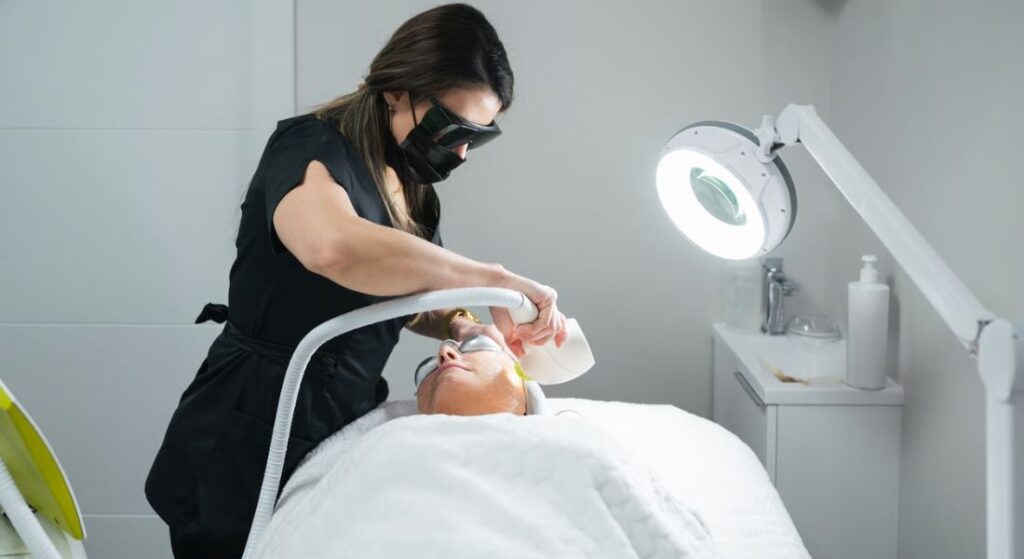
Both exosomes and PRP can be combined with treatments such as microneedling, laser therapy, or collagen stimulators. This combination therapy may help support skin repair, collagen-related renewal processes and overall rejuvenation. This can be useful if you want to address more than one skin concern at the same time.
Combination therapy can also help target specific concerns more effectively. For example, microneedling may improve product absorption, laser treatments may support resurfacing, and collagen stimulators may improve firmness. When paired with exosomes or PRP, these treatments may work together to enhance skin texture, hydration, and radiance.
The right combination should always be planned carefully by an experienced practitioner. Your skin type, concerns, treatment goals, and recovery needs should all be considered before choosing a combined approach. This helps maximise results while keeping the treatment safe, balanced, and natural-looking.
Regenerative Potential
Exosomes may offer a more targeted form of regenerative signalling because they support cellular communication between skin cells. They carry regenerative signals that may help guide skin repair, renewal and collagen-related skin processes. This can make them useful for improving overall skin quality in a more targeted way.
PRP also provides beneficial growth factors that support the body’s natural healing process. However, the concentration and activity of these growth factors can vary from person to person. This means the response may not always be as predictable as exosome therapy.
Compared with PRP, exosome therapy may offer more focused signalling for skin rejuvenation. It may help improve texture, firmness, hydration, and radiance gradually over time. Your practitioner can explain which option is better suited to your skin concerns and treatment goals.
Treatment Process
Exosome treatment involves injecting or applying purified exosomes to the skin. In some cases, it may be combined with treatments such as microneedling or other procedures to improve absorption and enhance results. The aim is to support skin repair, hydration, texture, and overall rejuvenation.
PRP treatment follows a different process because it uses a small sample of your own blood. The blood is processed to isolate the platelet-rich plasma, which contains growth factors that support natural repair. This plasma is then injected or applied to targeted areas of the skin.
Both treatments are designed to support regeneration, but the steps involved are slightly different. Exosomes use purified regenerative signals, while PRP relies on your body’s own platelets. Your practitioner can explain which process is more suitable based on your skin concerns, goals, and treatment plan.
Recovery and Downtime
Both treatments are minimally invasive and usually involve very little downtime. This means you can often fit them into your routine without needing a long recovery period. They are suitable for many patients who want skin rejuvenation without a more intensive procedure.
After treatment, you may notice slight redness, tenderness, mild swelling, or sensitivity in the treated area. These effects are usually temporary and tend to settle naturally within a short time. Your practitioner will give you aftercare advice to help support a smooth recovery.
Most patients are able to resume normal activities quite quickly after treatment. However, you may be advised to avoid intense exercise, heat exposure, or certain skincare products for a short period. This helps protect the skin while it recovers and supports the best possible result.
Areas of Application
Exosomes and PRP can both be used across a range of aesthetic and regenerative treatments, depending on your skin concerns and treatment goals. Whether you are looking to improve skin quality, enhance hydration, reduce fine lines, or support hair restoration, your clinician will assess which approach is most suitable for you. The choice often depends on your skin condition, expectations, and the level of regenerative support your treatment requires.
Both treatments may be used to support facial rejuvenation by improving skin texture, tone, and overall radiance. If your skin appears dull, uneven, or tired, you may benefit from regenerative therapies that encourage repair and collagen production. Over time, you may notice healthier-looking skin, improved hydration, and a smoother appearance, although results typically develop gradually rather than immediately.
Exosomes and PRP can also play a role in hair restoration by supporting scalp health and hair follicle function. In addition, exosomes may offer broader regenerative potential through their cellular signalling capabilities, which can help support repair and recovery processes. Ultimately, your clinician will recommend the option that best aligns with your individual needs, helping you achieve realistic and personalised results.
Gradual, Natural Results

Both exosome and PRP therapies provide subtle improvements that develop over time rather than creating sudden, dramatic changes. These treatments are ideal if you want your skin to look naturally fresher and healthier while still maintaining your own appearance. Improvements generally occur gradually, supporting long-term skin quality.
1. Exosome Effects: Results tend to be cumulative, with gradual improvements in texture, hydration, firmness, and radiance over several weeks or months.
2. PRP Effects: Platelet-rich plasma may show slightly faster initial freshness or mild glow, but deeper skin improvements also develop over time.
3. Natural Appearance: Both therapies aim to enhance skin without making changes look artificial or overdone.
4. Individual Timelines: Your practitioner will explain how your skin may respond and the expected timeline based on your specific treatment plan.
Overall, these regenerative therapies support natural, balanced results that improve gradually. By working with the body’s own repair processes, they enhance skin quality over time while keeping your appearance authentically you.
Longevity of Results
Results from exosome treatment often last for several months, especially when you complete a recommended series of sessions. The improvements usually develop gradually as the skin responds to regenerative signals. This can help support smoother texture, better hydration, and a fresher overall appearance.
PRP results can also last for several months, but the duration may vary depending on your individual response. Since PRP relies on your own platelet activity, some patients may notice longer-lasting results than others. Your skin condition, age, lifestyle, and aftercare can also influence how long the benefits remain visible.
Maintenance sessions may be recommended to help preserve and enhance the results over time. Some people may need follow-up treatments more frequently, while others may only need occasional top-ups. Your practitioner can advise the best schedule based on your skin goals and how your skin responds.
Safety Considerations
Both treatments are generally well tolerated when performed by qualified and experienced practitioners. Proper assessment, sterile technique, and the right treatment plan are important for reducing risks. This is why it is always best to choose a trusted clinic with experience in regenerative skin treatments.
Exosomes are usually derived from cultured cells or purified sources and are prepared for use in aesthetic treatments. PRP, on the other hand, uses a small sample of your own blood, which is processed to concentrate the platelets. Because PRP comes from your own body, it can help reduce the risk of allergic reactions or rejection.
Mild side effects may still occur with either treatment, such as redness, swelling, tenderness, or temporary bruising at the treatment site. These effects are usually short-lived and settle naturally. Your practitioner should explain the safety measures, aftercare, and what to expect before treatment begins.
Clinical Tip: Ask About Product Source and Preparation
If you are considering exosome treatment, ask your practitioner where the exosomes come from, how they are processed, whether they are intended for aesthetic use, and how sterility and quality are checked. PRP uses your own blood, but preparation methods can still vary between clinics. With both treatments, safe results depend on proper assessment, sterile technique, realistic expectations and treatment by a qualified practitioner.
This is important because recent reviews describe exosomes as promising in cosmetic dermatology, but also highlight challenges around product quality, standardisation, safety and clinical evidence.
Subtle Enhancement
Both options are designed to support natural-looking rejuvenation rather than dramatic or obvious changes. They aim to improve the skin gradually while helping you maintain your own features and expression. This makes them suitable if you want a refreshed appearance without looking overtreated.
Exosomes may provide more controlled signalling, which can support more even and uniform improvements in skin quality. They work by encouraging better cellular communication and repair within the skin. This may help improve texture, hydration, firmness, and overall radiance over time.
PRP also supports natural rejuvenation, but it relies on the body’s own platelet response. Because platelet levels and activity can vary from person to person, results may also differ. A consultation can help determine which option is more suitable for your skin goals and expected outcome.
Suitability for Different Skin Types
Exosomes are versatile and can be tailored to suit a wide range of skin types and concerns. They may be used to support skin repair, hydration, texture, and overall rejuvenation. This makes them a flexible option if you want a treatment plan that can be adapted to your individual skin needs.
PRP is also suitable for most skin types and is often chosen because it uses components from your own blood. However, its potency can vary depending on your individual platelet levels and overall health. This means results may differ from person to person, even when the same treatment approach is used.
A consultation can help determine which treatment is more suitable for your skin type, concerns, and goals. Your practitioner can assess your skin condition and explain how exosomes or PRP may work for you. This helps create a safer, more personalised plan with realistic expectations.
Personalised Treatment Plans

A personalised treatment plan helps ensure that your skin treatment is tailored to your goals, skin condition, and desired outcomes. Before recommending exosomes, PRP, or a combination approach, your clinician will carefully assess your concerns and discuss what you hope to achieve. This allows your treatment to be designed around your individual needs rather than a one-size-fits-all approach.
Your treatment choice may depend on factors such as skin texture, uneven tone, dullness, fine lines, or overall skin quality. If you are seeking enhanced regenerative support and skin repair, exosomes may be considered as part of your treatment plan. Alternatively, if you prefer a therapy that uses your own blood-derived growth factors, PRP may offer a more natural and autologous approach to skin rejuvenation.
Your current skin health, sensitivity, ageing changes, and previous treatment history all play an important role in treatment planning. By taking these factors into account, your clinician can create a customised strategy that supports both safety and effectiveness. Ultimately, a personalised approach helps you achieve natural-looking results that are aligned with your expectations and skin needs.
Patient Experience
Both treatments are usually minimally uncomfortable and well tolerated by most patients. You may feel mild pressure, tingling, or small pinprick sensations during the procedure. If needed, numbing cream or topical anaesthesia can be used to make the treatment more comfortable.
After treatment, you may notice mild redness, tenderness, or swelling in the treated area. These effects are usually temporary and tend to settle naturally. Your practitioner will guide you on aftercare so your skin can recover smoothly.
Most patients appreciate the subtle yet noticeable improvements these treatments can provide. Over time, your skin may appear smoother, more hydrated, and more radiant. The aim is to refresh your appearance naturally without making the results look obvious or overdone.
Supporting Skin Health
Beyond cosmetic improvements, exosomes and PRP can also support long-term skin health. These treatments work by encouraging the skin’s natural repair and renewal processes. This can help your skin look healthier while also improving how it functions over time.
Both treatments may support cellular repair and collagen-related skin renewal. Collagen is important for keeping the skin firm, smooth, and elastic. As collagen levels improve, the skin may gradually feel stronger, fresher, and more resilient.
Exosomes and PRP may also help the skin respond better to environmental stressors. Factors such as sun exposure, pollution, and ageing can affect skin quality over time. By supporting repair and regeneration, these treatments may help maintain healthier, more balanced skin.
Maintenance Sessions
Periodic follow-up sessions are often recommended to maintain and enhance your results. Regenerative treatments usually work gradually, so ongoing care can help support continued improvement in skin quality. This can be especially helpful if you want your results to look fresh, natural, and long-lasting.
The right maintenance schedule can vary depending on the treatment type and your individual skin response. Some patients may need sessions more regularly, while others may only require occasional top-up treatments. Your clinician will assess how your skin is responding before recommending the best plan.
Maintenance sessions also allow your practitioner to adjust your treatment approach over time. As your skin changes, your needs and goals may also change. A personalised schedule can help you maintain healthier, smoother, and more refreshed-looking skin.
Gradual vs Immediate Response
PRP may show slight improvement more quickly because it uses platelet activity to support the skin’s natural repair process. Some patients may notice early freshness, mild glow, or improved texture after treatment. However, the results still continue to develop gradually as the skin heals and responds.
Exosome therapy usually works more gradually by supporting cellular communication over several weeks to months. This process may help improve skin quality, hydration, firmness, and overall rejuvenation over time. The changes are often subtle, which can make the results look more natural.
This makes exosomes a good option if you are looking for gradual and natural enhancement rather than a sudden change. The aim is to refresh the skin while keeping your appearance balanced and authentic. Your practitioner can guide you on the expected timeline based on your skin condition and treatment goals.
Choosing the Right Treatment
The decision between exosomes and PRP depends on your personal goals, skin condition, and how quickly you would like to see results. Each treatment works in a different way, so the right choice can vary from person to person. What suits one patient may not always be the best option for another.
Exosomes may be suitable if you are looking for advanced regenerative support and overall skin quality improvement. PRP may be preferred if you want a natural treatment using components from your own blood. Your practitioner can explain the differences clearly and help you understand what each option may achieve.
A consultation with an experienced clinic can help determine whether exosomes treatment in London, PRP, or a combined approach is most suitable for your needs. During this assessment, your skin concerns, medical history, and treatment expectations can all be reviewed. This helps create a safer, more personalised plan with realistic and natural-looking results.
Combining Therapies Safely
In some cases, combining exosomes with PRP can be considered for more comprehensive skin rejuvenation. This approach brings together the regenerative support of exosomes with the natural growth factors found in PRP. Together, they may help improve skin quality, texture, hydration, and overall freshness.
The main benefit of combining these therapies is that they can support the skin in different but complementary ways. PRP uses components from your own blood to encourage repair, while exosomes provide regenerative signals that may enhance cellular communication. This can make the treatment plan more complete when suitable for your skin concerns.
This approach should always be carefully tailored by a skilled practitioner. Your skin condition, treatment goals, medical history, and sensitivity should all be considered before combining therapies. With the right plan, the aim is to maximise safety while achieving natural-looking and balanced results.
Realistic Expectations
Both exosomes and PRP improve skin health and appearance in a subtle, gradual way. These treatments are not designed to create instant or dramatic changes. Instead, they support your skin’s natural repair process so the results develop more naturally over time.
It is important to understand that the timeline can vary from person to person. Some patients may notice early improvements in freshness or texture, while deeper changes in firmness and skin quality may take longer. Your results will depend on your skin condition, treatment plan, and how your skin responds.
Knowing how many sessions may be needed can also help set realistic expectations. Some people may benefit from a single treatment, while others may need a course of sessions for the best outcome. When you understand the gradual nature of the process, you are more likely to feel satisfied with the final results.
Supporting Confidence
Patients often notice a fresher and more rested appearance after regenerative treatments such as exosomes or PRP. These treatments are designed to support your skin’s natural repair process rather than create sudden or dramatic changes. This can make the results feel softer, more balanced, and easier to maintain.
The improvements are usually subtle, which helps enhance your natural beauty without making it obvious that you have had cosmetic treatment. Your skin may look healthier, smoother, and more refreshed over time. This can be especially appealing if you want to look better while still looking like yourself.
Feeling more comfortable with your appearance can also support your confidence. When the results look natural, you may feel more refreshed without worrying about an overtreated look. The aim is to help you feel confident, renewed, and comfortable in your own skin.
Safety and Recovery Considerations
When performed by a qualified and experienced practitioner, both exosome therapy and PRP are generally well tolerated. These treatments are increasingly used to support skin repair, rejuvenation, and overall skin health. By assessing your individual concerns and goals, your practitioner can recommend the approach that is most suitable for you.
Side effects are usually mild and temporary. You may experience slight redness, swelling, tenderness, or sensitivity around the treatment area shortly after the procedure. In most cases, these effects settle quickly and form part of the normal healing process.
One of the reasons these treatments are so popular is that they can provide noticeable improvements without the need for a more invasive procedure. This means you may achieve healthier, more refreshed-looking skin while keeping downtime to a minimum. Your practitioner can guide you through the recovery process and help you get the best possible results from your treatment.
Myth vs Fact:
| Myth | Fact |
| Exosomes are always better than PRP. | Current evidence suggests exosomes may be a promising alternative, but not automatically superior for every patient. |
| PRP works the same for everyone. | PRP results can vary because platelet concentration and growth factor activity differ between individuals. |
| Exosome treatment gives instant results. | Exosome results usually develop gradually as the skin responds over weeks to months. |
| PRP is outdated. | PRP remains widely used and has a longer history in regenerative aesthetics. |
| Both treatments are risk-free. | Both can cause redness, swelling, tenderness or bruising, and safety depends on practitioner skill and preparation standards. |
Key Takeaways:
1. Exosomes and PRP are both regenerative treatments, but they work through different biological mechanisms.
2. PRP uses your own platelets and growth factors, while exosomes use extracellular vesicles that support cell signalling.
3. Exosome treatment does not require a blood draw, while PRP does.
4. Both treatments usually produce gradual, natural-looking improvements rather than instant changes.
5. PRP has a longer history of use, while exosome therapy is newer and still developing in aesthetic medicine.
6. Current evidence suggests exosomes may be a promising alternative to PRP, but not automatically better for every patient.
7. The safest choice depends on your skin condition, goals, medical history, product quality and practitioner experience.
FAQs:
1. What is the main difference between exosome treatment and PRP?
The main difference is how each treatment supports skin regeneration. PRP uses platelets taken from your own blood to release growth factors, while exosomes deliver signalling molecules that encourage communication between skin cells. Both treatments aim to improve skin quality, but they work through different biological mechanisms.
2. Which treatment is better for skin rejuvenation?
Neither treatment is universally better, as the right choice depends on your skin concerns and treatment goals. Exosome therapy may be suitable if you are looking for advanced regenerative support, while PRP has a long history of use in aesthetic medicine. A consultation with an experienced practitioner can help determine the most appropriate option for you.
3. Does PRP require a blood sample?
Yes, PRP treatment begins with a small blood sample taken from your arm. The blood is processed to separate the platelet-rich plasma before it is injected or applied to the treatment area. Exosome therapy does not require a blood draw, making the treatment process different.
4. Which treatment produces results more quickly?
Some people notice early improvements with PRP because platelets begin releasing growth factors soon after treatment. Exosome therapy generally works more gradually by supporting your skin’s natural repair and regeneration processes over several weeks or months. Both treatments provide progressive, natural-looking improvements rather than instant changes.
5. Can exosome treatment and PRP be combined?
Yes, in some cases, practitioners may recommend combining exosome therapy with PRP to support more comprehensive skin rejuvenation. The treatments may complement each other by promoting healing and collagen-related repair processes through different mechanisms. Whether this approach is suitable depends on your skin condition and treatment objectives.
6. Is there any difference in recovery time?
Both exosome treatment and PRP involve minimal downtime. You may experience mild redness, swelling, or tenderness for a short period after either procedure, but most people return to their normal activities quickly. Your practitioner will provide aftercare advice to support the healing process.
7. Which treatment lasts longer?
Results from both treatments can last for several months, although the exact duration varies from person to person. Factors such as your age, skin condition, lifestyle, and maintenance schedule all influence longevity. Regular follow-up treatments may help maintain your results over time.
8. Are exosome treatment and PRP suitable for all skin types?
Both treatments are generally suitable for a wide range of skin types when performed by a qualified practitioner. A consultation allows your clinician to assess your skin, medical history, and treatment goals before recommending the most appropriate option. Personalised treatment planning helps achieve the safest and most effective outcome.
9. Can both treatments be used for hair restoration?
Yes, both exosome therapy and PRP are being used to support hair restoration in suitable patients. They aim to improve the environment around hair follicles and encourage healthier hair growth, although individual results vary. Your practitioner can advise which treatment may be more appropriate for your specific type of hair loss.
10. How do you decide whether exosome treatment or PRP is right for you?
The best choice depends on your skin concerns, expectations, medical history, and preferred treatment approach. Some people prefer PRP because it uses their own blood, while others choose exosome therapy for its regenerative signalling properties. A detailed consultation with an experienced practitioner is the best way to determine which treatment is most suitable for your needs.
Final Thoughts: Choosing the Right Regenerative Treatment for Your Skin
Both exosome therapy and PRP offer effective, minimally invasive ways to support healthier, more youthful-looking skin by encouraging your body’s natural repair processes. While they share similar goals, they work through different mechanisms, and the most suitable option depends on your individual skin concerns, treatment preferences, and desired outcomes. A personalised consultation with an experienced practitioner is the best way to determine which approach aligns with your needs and expectations.
If you are considering exosomes treatment in London, you can contact us at the London Medical & Aesthetic Clinic to discuss your suitability and treatment options. With expert guidance and a tailored treatment plan, you can make an informed decision that supports both your immediate aesthetic goals and your long-term skin health.
References:
1. Estupiñan, B., Ly, K. and Goldberg, D.J. (2025) Adipose mesenchymal stem cell-derived exosomes versus platelet-rich plasma treatment for photoaged facial skin: an investigator-blinded, split-face, non-inferiority trial, Journal of Cosmetic Dermatology, 24, e70208. Available at: https://pubmed.ncbi.nlm.nih.gov/40414798/
2. Gentile, P. and Garcovich, S. (2023) Systematic review: platelet-rich plasma use in facial rejuvenation, Plastic and Reconstructive Surgery, 152(1), pp. 72e–82e. Available at: https://pubmed.ncbi.nlm.nih.gov/36728559/
3. Thakur, A., Shah, D., Rai, D., Parra, D.C., Pathikonda, S., Kurilova, S. and Cili, A. (2023) Therapeutic values of exosomes in cosmetics, skin care, tissue regeneration, and dermatological diseases, Cosmetics, 10(2), 65. Available at: https://www.mdpi.com/2079-9284/10/2/65
4. Cruciani, M. et al. (2024) Platelet-rich plasma for facial rejuvenation: an overview of systematic reviews, Journal of Clinical Medicine, 13(15), 4529. Available at: https://pmc.ncbi.nlm.nih.gov/articles/PMC11390617/
5. Haykal, D., Wyles, S., Garibyan, L., Cartier, H. and Gold, M. (2025) Exosomes in cosmetic dermatology: a review of benefits and challenges, Journal of Drugs in Dermatology, 24(1), pp. 12–18. Available at: https://pubmed.ncbi.nlm.nih.gov/39761139/