

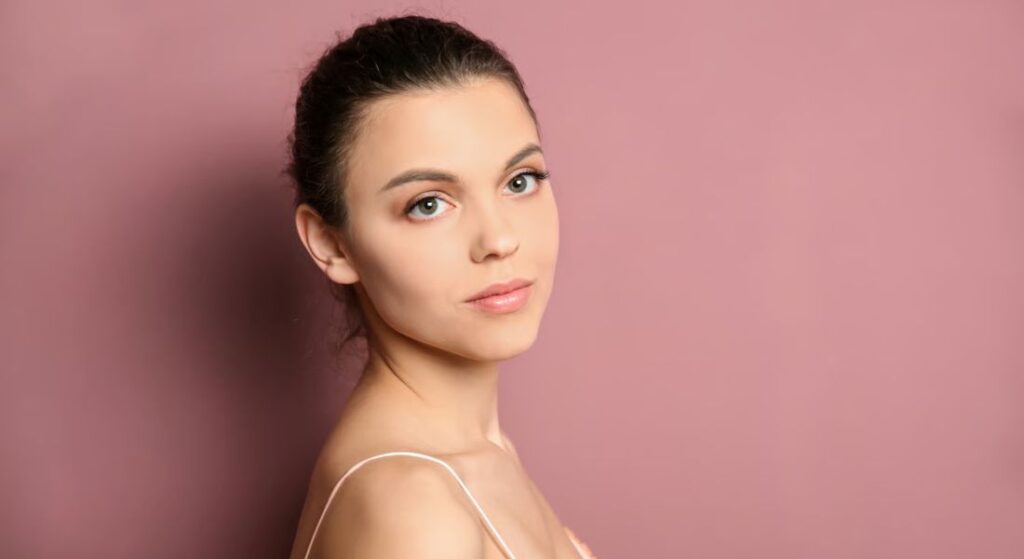
Quiet beauty is a growing aesthetic trend that reflects increasing interest in subtle, natural-looking results. It describes a move away from obvious cosmetic changes and towards refined, understated enhancements that help you look fresher without appearing heavily treated. Rather than changing your features, the aim is to enhance them in a way that feels natural, balanced and authentic.
This trend reflects a growing interest among some patients in subtle, natural-looking aesthetic results and personalised treatment approaches. Many people no longer seek dramatic volume, frozen expressions or changes that are immediately noticeable to others. Instead, they often prefer smoother skin, improved facial harmony, healthier texture and subtle definition that allows you to look like the best version of yourself.
Many aesthetic practitioners describe increasing patient interest in personalised treatment plans and natural-looking outcomes. These treatments can often be tailored to your individual goals, helping achieve natural-looking improvements without an overtreated appearance. Quiet beauty is not about doing less; it is about making thoughtful choices that help you look refreshed, confident and well, while still looking like you.
What Does Quiet Beauty Mean?
Quiet beauty is an aesthetic approach that focuses on subtle enhancement rather than dramatic transformation. The goal is to help you look healthy, balanced and naturally refreshed while preserving the features that make you look like yourself.
You can think of quiet beauty as the aesthetic equivalent of quiet luxury, where the result is polished, refined and understated rather than bold or attention-seeking. It avoids exaggerated changes that can dominate your appearance or make cosmetic treatment obvious to others.
In practical terms, quiet beauty often involves small, carefully planned improvements that work together to create a natural-looking result. These may include enhancing skin quality, supporting collagen production, refining facial contours or softening wrinkles in a way that complements your existing features.
Why Natural Results Are Becoming the Standard
Natural results have become increasingly popular because many patients are moving away from overdone aesthetics. Trends that once focused on exaggerated lips, sharp contours and overly smooth faces often feel less appealing to people who want a softer and more balanced appearance.
Patients are also more informed about aesthetic treatments than ever before. You may now recognise that good aesthetic work should respect facial anatomy, natural movement and overall proportion, which has encouraged greater demand for subtle enhancements.
The focus has gradually shifted from visible cosmetic changes to results that look effortless and authentic. Instead of asking whether people can tell you have had treatment, many patients now want to look like the best version of themselves, which sits at the heart of the quiet beauty movement.
Quiet Beauty vs Traditional Aesthetic Trends
| Aspect | Traditional Visible Aesthetic Trends | Quiet Beauty Approach |
| Main goal | Noticeable cosmetic change | Subtle enhancement while preserving your natural appearance |
| Treatment style | More dramatic transformations | Personalised, refined and conservative treatment plans |
| Facial changes | May focus on changing specific features | Focuses on improving overall facial harmony |
| Fillers | Often used for added volume or contouring | Used carefully for support, balance and natural definition |
| Skin focus | May prioritise facial shape changes | Prioritises skin quality, texture and healthy appearance |
| Expression | Can sometimes reduce natural movement if overtreated | Aims to preserve natural facial expressions |
| Results | More obvious to others | Designed to look refreshed rather than “treated” |
| Treatment planning | May follow popular trends or styles | Based on your individual anatomy and goals |
| Ageing approach | Focuses on reversing visible signs of ageing | Focuses on looking healthy, balanced and refreshed |
| Long-term approach | May involve repeated adjustments to maintain a specific look | Uses gradual, thoughtful improvements that age naturally |
Evidence Note
Research in facial aesthetics highlights the importance of understanding facial anatomy, ageing patterns and patient expectations when planning rejuvenation treatments. A personalised approach may help achieve balanced results while maintaining natural expression and proportion.
The Move Away from Obvious Cosmetic Work
For many years, certain aesthetic trends were easy to recognise. Overfilled cheeks, very large lips and expressionless foreheads became strongly associated with cosmetic treatment, even though they did not reflect the results of carefully planned medical aesthetics.
Many patients now want to avoid an overtreated appearance and instead choose treatments that blend naturally with their existing features. If you are considering aesthetic treatment, you may be looking for subtle improvements that enhance your face without making the changes obvious.
Quiet beauty does not reject cosmetic treatment altogether. Instead, it moves away from excessive interventions that can overwhelm your natural features and focuses on results that look balanced, refined and authentic.
Why “Less Obvious” Does Not Mean “Less Effective”
A subtle result can still deliver a noticeable improvement in your overall appearance. In many cases, the most sophisticated aesthetic treatments are the ones that are difficult to detect because they enhance your features without drawing attention to the treatment itself.
Small changes in facial support, skin texture or under-eye appearance can have a significant impact on how refreshed you look. A gentle softening of movement lines may help you appear less tired or tense while still allowing your natural expressions to shine through.
Quiet beauty works by improving several areas in a balanced and harmonious way. Rather than relying on one dramatic change, it creates a meaningful overall result through a series of discreet enhancements that complement your natural features.
Skin Quality Is at the Centre of Quiet Beauty
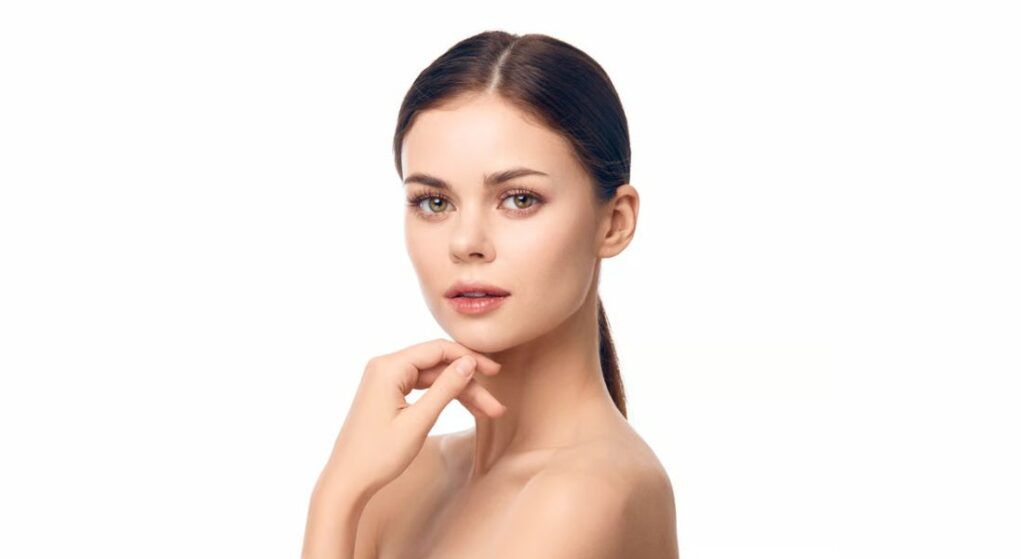
Quiet beauty places a strong emphasis on skin quality because healthy-looking skin is often the foundation of a refreshed appearance. When you have smooth texture, even tone, good hydration and natural radiance, you can look healthier and more refreshed without obvious signs of aesthetic treatment.
This is why treatments such as laser resurfacing, microneedling, chemical peels, skin boosters and medical-grade skincare have become increasingly popular. Rather than focusing solely on volume or facial shape, these treatments aim to improve the overall quality of your skin and help you achieve natural-looking results.
Industry trends reflect this growing interest in skin-focused treatments. If you are seeking subtle aesthetic improvements, enhancing your skin quality may provide noticeable benefits without dramatically changing your facial features. This approach aligns closely with the principles of quiet beauty, where you look refreshed and confident while still looking like yourself.
Subtle Injectables Are Replacing Heavy Filling
Injectable techniques have evolved, with many practitioners focusing on conservative treatment approaches that aim to preserve facial movement and balance. Many people now prefer fillers and wrinkle-relaxing injections to be used conservatively, helping you achieve natural-looking improvements rather than dramatic changes.
This approach focuses on restoring support, softening harsh features and improving facial balance without creating unnecessary fullness. The aim is not to give you a different face, but to maintain harmony between your features while preserving your natural appearance.
For example, carefully placed filler may provide subtle support to the cheeks or jawline without making the treatment obvious. If you are seeking a quiet beauty approach, the skill often lies in using the right amount of product in the right areas, while knowing where treatment is not needed.
Facial Balance Matters More Than Individual Features
Quiet beauty places greater importance on overall facial balance than on any single feature. Rather than focusing only on the lips, cheeks, chin or jawline, this approach considers how each area works together to create a harmonious appearance. When you enhance one feature without considering the rest of the face, the result can sometimes look less natural.
Facial proportions vary from person to person, which is why a treatment that suits one individual may not suit another. You may see celebrity or social media results that appear attractive, but copying the same look does not always complement your own facial structure. Effective aesthetic treatment should be tailored to your unique anatomy rather than following a trend.
A balanced result respects the features you already have. Instead of trying to reshape your face to match a particular style, quiet beauty focuses on enhancing your natural proportions in a subtle and thoughtful way. This helps you achieve a refreshed appearance while still looking like yourself.
The Role of Collagen-Led Rejuvenation
Collagen-led rejuvenation fits naturally within the quiet beauty movement because it focuses on supporting the skin’s own renewal processes. Rather than creating an immediate and dramatic transformation, these treatments often produce gradual improvements that develop over time. This approach can help you achieve a refreshed appearance while maintaining a natural look.
Many people are drawn to collagen-stimulating treatments because the results tend to emerge subtly. If you prefer changes that develop progressively rather than appearing overnight, this type of rejuvenation may be particularly appealing. Some patients may notice improvements in firmness and texture as collagen remodelling occurs.
Interest in regenerative and biostimulatory aesthetics has increased in recent years. Industry discussions increasingly focus on collagen-stimulating technologies and combination treatment plans that support long-term rejuvenation. These approaches align closely with quiet beauty by helping you achieve natural-looking improvements that enhance your features without dramatically altering them.
Research Insight
Research into collagen-stimulating treatments is developing rapidly. Some treatments, such as certain injectable biostimulators, have shown potential for improving skin quality and firmness, but outcomes vary depending on the product, technique and individual patient factors. These treatments should be considered as part of a personalised aesthetic plan rather than a guaranteed solution for ageing.
Why Patients Prefer Gradual Change
Gradual change often feels more comfortable because the improvements develop naturally over time. If you prefer subtle enhancement, you may appreciate results that emerge progressively rather than appearing suddenly after a single treatment session.
This is one reason why treatments such as collagen stimulators, skin boosters and staged rejuvenation plans have become increasingly popular. They allow your results to develop over weeks or months, helping you look refreshed while avoiding dramatic or obvious changes to your appearance.
A gradual approach can also reduce the risk of overcorrection. Your practitioner can monitor how your face responds to treatment and make adjustments if needed, ensuring that you achieve balanced results that continue to look natural and proportionate.
Combination Treatments Support Natural Results
A natural-looking approach to aesthetics often involves combining carefully selected treatments rather than relying on one procedure alone. The aim is not to have multiple treatments unnecessarily, but to choose options that work together to create balanced results.
1. Addresses different ageing concerns: Combining treatments can target wrinkles, skin quality and volume changes at the same time.
2. Creates a balanced appearance: Options such as wrinkle softening, skin resurfacing and gentle volume support may complement each other.
3. Avoids over-treatment: A personalised approach focuses on subtle improvements rather than making dramatic changes.
4. Supports facial harmony: Different treatments can work together to address the various layers affected by facial ageing.
5. Requires careful planning: Treatment combinations should be selected and timed by an experienced aesthetic professional.
Combination treatments are not suitable for everyone, and the right approach depends on your skin, concerns and goals. A personalised treatment plan can help you achieve refreshed results while maintaining a natural appearance.
Why Single Treatments Can Look Less Natural
A single treatment can be effective, but it may look less natural if you expect it to address every concern. For example, using excessive filler to compensate for skin laxity or poor texture can sometimes create a heavier appearance that does not look balanced.
Similarly, you may find that wrinkle-relaxing injections soften expression lines without improving skin quality or restoring lost facial support. Laser treatments can enhance texture and tone, but they cannot replace volume or address deeper structural changes on their own.
Quiet beauty avoids relying too heavily on one treatment to achieve multiple goals. Instead, your practitioner can create a tailored plan for you, matching each concern with the most appropriate treatment to achieve a natural and harmonious result.
The Influence of Social Media Fatigue
Social media has played a major role in making cosmetic treatments more visible and widely discussed. However, many people have become tired of heavily filtered images, edited content and overtreated appearances, leading them to seek a more natural approach to aesthetics.
Quiet beauty has emerged partly as a response to this shift in attitudes. If you are looking for aesthetic improvements, you may be more interested in authenticity, individuality and subtle refinement than dramatic changes designed to attract attention online.
This does not mean social media no longer influences beauty standards. Instead, many patients are becoming more aware of unrealistic results, helping you make more informed decisions about treatments that suit your own features rather than following a standardised trend.
Men Are Also Embracing Quiet Beauty
Quiet beauty is not limited to women, and increasing numbers of men are choosing subtle aesthetic treatments. Many male patients want to look rested, healthy and well-groomed without appearing obviously treated or dramatically different.
Common goals include improving skin texture, enhancing facial definition, reducing signs of tiredness and softening certain lines. If you are considering treatment, the aim is often to achieve these improvements while preserving masculine features and natural facial expression.
This approach aligns closely with the principles of quiet beauty. The most successful results are often understated and balanced, helping you look more refreshed and confident without drawing attention to the treatment itself.
Quiet Beauty and Professional Confidence

Many people consider aesthetic treatment because they want their appearance to reflect how they feel. This can be particularly relevant in professional settings, where some people choose aesthetic treatment because they want their appearance to better reflect how they feel.
Quiet beauty supports this goal by focusing on subtle and natural-looking improvements. You may look fresher in meetings, photographs or video calls, while ensuring that your treatment does not become the centre of attention.
The aim is not to create an artificially youthful appearance. Instead, quiet beauty helps you look well, composed and confident in a way that feels authentic and appropriate for your personal and professional life.
Understatement Requires More Skill
Subtle treatment may sound straightforward, but it often requires more skill than creating dramatic change. To achieve natural-looking results, your practitioner needs a detailed understanding of facial anatomy, proportions, movement and the way the face changes over time.
Successful treatment is not simply about using less product. The type of treatment, placement, depth, timing and overall treatment plan all need careful consideration to ensure the result looks balanced and appropriate for you.
Quiet beauty relies heavily on clinical judgement and experience. Your practitioner must know when to treat, when to wait and when a different approach may be more suitable, helping you achieve results that look refined rather than obvious.
Why Restraint Is a Modern Aesthetic Skill
Restraint is one of the most important principles behind quiet beauty. It helps protect your appearance from becoming overfilled, over-smoothed or overcorrected, ensuring that treatments enhance rather than overpower your natural features.
A skilled practitioner should not recommend additional treatment simply because it is available. In some cases, you may achieve better results by focusing on one concern at a time and reviewing the outcome before making further changes.
This measured approach can help you maintain a natural and balanced appearance over the long term. It also reduces the risk of pursuing every small imperfection too aggressively, allowing your treatment plan to remain thoughtful and proportionate.
Quiet Beauty Is Not the Same as Anti-Ageing
Quiet beauty is not focused on eliminating every sign of ageing. Instead, it encourages a balanced approach that supports skin quality, facial harmony and a healthy appearance while allowing you to age naturally.
Lines, facial movement and natural expression are not automatically flaws that need correcting. In many cases, preserving some of these features helps you maintain a more authentic and individual appearance rather than creating an overly polished look.
The goal of quiet beauty is refinement rather than erasure. You should still look like yourself, with natural expression, character and life experience, while benefiting from subtle enhancements that help you look refreshed and confident.
Realistic Expectations Are Essential
Quiet beauty delivers the best results when expectations are realistic and achievable. While treatment can help you look fresher and more balanced, it will not create perfect skin or completely reverse the natural ageing process.
If you have concerns involving skin texture, laxity, volume loss or pigmentation, you may benefit from a staged treatment plan. Some improvements can appear relatively quickly, while others develop gradually over weeks or months as your skin responds to treatment.
Before proceeding, it is important that you understand the likely benefits, limitations, downtime and ongoing maintenance involved. A natural-looking result still requires careful planning, realistic goals and informed decision-making to ensure the outcome meets your expectations.
Why Quiet Beauty Is Likely to Last
Some beauty trends come and go, but quiet beauty is likely to remain relevant because it is based on timeless principles rather than a specific fashion. Balance, proportion and healthy-looking skin continue to appeal because they help you look refreshed without dramatically changing your appearance.
The trend also reflects a more considered approach to aesthetic treatment. Increasingly, patients want results that suit their individual features, lifestyle and long-term goals rather than following short-lived trends or copying someone else’s look.
This shift towards natural-looking outcomes can be seen across the wider aesthetics industry. If you are considering treatment, you may find that personalised and realistic results are becoming the standard, supporting the growing demand for refined enhancements that age well over time.
Choosing a Clinic for Quiet Beauty Treatments

Quiet beauty begins with a personalised assessment rather than a one-size-fits-all treatment plan. Your practitioner should evaluate your skin, facial structure, movement, proportions, treatment history and expectations to understand what will help you achieve the most natural-looking result.
The right approach may include skincare, injectables, laser treatments, collagen-stimulating procedures, skin boosters or a carefully staged combination of treatments. What works best for you will depend on your individual concerns and facial characteristics rather than the latest aesthetic trend.
A successful quiet beauty treatment should help you look refreshed, confident and well without changing the features that make you unique. If you would like personalised advice, you can speak with the team at London Medical and Aesthetic Clinic to explore treatment options tailored to your goals and designed to achieve subtle, balanced and refined results.
UK Guidance Note
In the UK, aesthetic treatments should be provided by appropriately trained healthcare professionals who can assess suitability, explain risks and provide appropriate aftercare. Regulations and professional standards continue to evolve, so choosing an experienced practitioner and registered clinic is an important part of making an informed decision.
Clinical Tip
Before having any aesthetic treatment, make sure your practitioner discusses expected benefits, possible risks, alternatives and aftercare. A good consultation should focus on whether treatment is appropriate for you, not simply which procedure you can have.
Myth vs Fact
| Myth | Fact |
| Natural-looking treatment means no visible improvement | Subtle treatments can create noticeable improvements while maintaining facial harmony |
| More filler creates better results | Excessive volume can sometimes affect facial balance; appropriate placement is more important |
| Anti-ageing means removing every line | Modern aesthetics often focuses on looking refreshed while preserving expression |
| Everyone needs multiple treatments | Treatment plans should be personalised and based on individual concerns |
| Cosmetic treatments always look obvious | Well-planned treatments may produce results that appear natural and understated |
| Natural results mean treatments are completely risk-free | All aesthetic procedures have potential risks and require informed consent |
| More expensive treatments always produce better results | The most suitable treatment depends on your individual needs, not price alone |
Key Takeaways
1. Quiet beauty focuses on subtle enhancement rather than dramatic transformation.
2. Natural-looking results depend on personalised assessment and careful treatment planning.
3. Skin quality, facial balance and realistic expectations are central to modern aesthetic approaches.
4. Treatments should be selected based on your concerns rather than following trends.
5. Qualified practitioners should discuss benefits, risks, alternatives and expected outcomes before treatment.
Frequently Asked Questions
1. What is the quiet beauty trend?
Quiet beauty is an aesthetic approach that focuses on subtle, natural-looking improvements rather than dramatic cosmetic changes. The goal is to help you look refreshed, healthy and confident without making treatment obvious. It prioritises balance, skin quality and facial harmony while preserving your unique features. Many people choose this approach because they want to look like the best version of themselves rather than a different person.
2. How is quiet beauty different from traditional cosmetic trends?
Traditional cosmetic trends have sometimes focused on noticeable volume, sharp contouring or highly visible transformations. Quiet beauty takes a more restrained approach by enhancing your natural appearance instead of changing it dramatically. Treatments are usually tailored to your facial structure and personal goals rather than following a popular trend. The result is often more refined and timeless.
3. Can aesthetic treatments still be effective if the results are subtle?
Yes, subtle treatments can still produce meaningful improvements. Small changes in skin texture, facial support or wrinkle reduction can work together to create a fresher overall appearance. In many cases, the most successful aesthetic results are those that are difficult for others to identify. People may notice that you look well-rested or healthier without knowing why.
4. Which treatments are commonly used in quiet beauty?
Quiet beauty may involve treatments such as wrinkle-relaxing injections, dermal fillers, skin boosters, microneedling, laser resurfacing and medical-grade skincare. These treatments are often used conservatively to improve specific concerns without creating an over-treated look. In some cases, a combination of treatments may be recommended to address different aspects of ageing. The right plan depends on your individual needs and goals.
5. Is quiet beauty only suitable for younger patients?
No, quiet beauty can be suitable for adults of all ages. Younger patients may focus on prevention and skin quality, while older patients may seek subtle rejuvenation and facial support. Treatment plans are customised according to your skin condition, facial anatomy and concerns. The aim is always to achieve natural-looking results that complement your age and features.
6. Why is skin quality so important in quiet beauty?
Healthy-looking skin plays a major role in how youthful and refreshed you appear. Improvements in texture, tone, hydration and firmness can often make a noticeable difference without changing facial shape. This is why many quiet beauty treatment plans include skincare, resurfacing procedures or collagen-stimulating treatments. Better skin quality can help create a naturally radiant appearance.
7. Do quiet beauty treatments make you look younger?
The main goal is not necessarily to make you look much younger but to help you look fresher and more rested. Subtle treatments can soften signs of ageing while maintaining natural expression and facial character. Many people prefer this approach because it avoids an artificial or overly smooth appearance. The result is often a healthier and more confident-looking version of yourself.
8. How long does it take to see results from quiet beauty treatments?
The timeline depends on the type of treatment you choose. Some procedures, such as wrinkle-relaxing injections or certain skin treatments, may show visible improvements within days or weeks. Collagen-stimulating treatments often develop more gradually as your skin produces new collagen over time. Your practitioner can explain what to expect during your consultation.
9. Are quiet beauty treatments suitable for men?
Yes, quiet beauty treatments are increasingly popular among men. Many male patients want to reduce signs of tiredness, improve skin quality or enhance facial definition without obvious cosmetic changes. Treatments are planned to maintain masculine facial characteristics and natural expression. The focus remains on subtle improvement rather than dramatic transformation.
10. How can you choose the right clinic for quiet beauty treatments?
Choosing an experienced and qualified practitioner is one of the most important steps. A good clinic should provide a detailed consultation, assess your facial anatomy and discuss realistic expectations before recommending treatment. Practitioners who prioritise natural-looking results are often more aligned with the quiet beauty philosophy. You should also feel comfortable asking questions about treatment options, risks and long-term planning.
Final Thoughts: Why Quiet Beauty Is Shaping the Future of Aesthetics
The rise of quiet beauty reflects a growing preference for natural-looking results that enhance rather than transform. Instead of focusing on dramatic changes, this approach prioritises healthy skin, balanced facial proportions, subtle rejuvenation and treatments that work in harmony with your natural features. For many people, the most successful aesthetic outcome is one that helps them look refreshed, confident and well-rested without drawing attention to the treatment itself.
As aesthetic medicine continues to evolve, personalised treatment plans and a more measured approach are becoming increasingly important. Quiet beauty is not about avoiding cosmetic treatments; it is about using them thoughtfully and responsibly to achieve refined, long-lasting results. If you are interested in a tailored approach to facial rejuvenation, the team at London Medical and Aesthetic Clinic can provide expert guidance and treatment recommendations designed to support natural, balanced and elegant aesthetic outcomes.
References:
1. Carruthers, A. et al. (2007) ‘Facial aesthetics: achieving the natural, relaxed look’, Journal of Cosmetic and Laser Therapy, 9(Suppl. 1), pp. 6–10. Available at: https://pubmed.ncbi.nlm.nih.gov/17885880/
2. General Medical Council (GMC) (2025) ‘Cosmetic interventions: professional standards’. Available at: https://www.gmc-uk.org/professional-standards/the-professional-standards/cosmetic-interventions
3. Funt, D. and Pavicic, T. (2013) ‘Dermal fillers in aesthetics: an overview of adverse events and treatment approaches’, Clinical, Cosmetic and Investigational Dermatology, 6, pp. 295–316. Available at: https://pmc.ncbi.nlm.nih.gov/articles/PMC3865975/
4. Cuerda-Galindo, E., Palomar-Gallego, M.A. and Linares-Garcíavaldecasas, R. (2015) ‘Are combined same-day treatments the future for photorejuvenation? Review of the literature on combined treatments with lasers, intense pulsed light, radiofrequency, botulinum toxin, and fillers for rejuvenation’, Journal of Cosmetic and Laser Therapy, 17(1), pp. 49–54. Available at: https://pubmed.ncbi.nlm.nih.gov/25260050/ 5. Mironica, A., Popescu, C.A., George, D., Tegzeșiu, A.M. and Gherman, C.D. (2024) ‘Social media influence on body image and cosmetic surgery considerations: a systematic review’, Cureus, 16(7), article e65626. Available at: https://pmc.ncbi.nlm.nih.gov/articles/PMC11350482/