

SmartLipo uses laser energy to assist with fat removal, while mini liposuction usually means removing a small amount of localised fat. Both may be used to contour small areas rather than as treatments for weight loss.
The more appropriate option for you depends on the treatment area, fat volume and skin firmness. Your clinician can help you understand which approach may be more suitable for your anatomy and treatment goals.
What Is the Main Difference Between SmartLipo and Mini Liposuction?
SmartLipo uses laser energy to assist fat removal, while mini liposuction simply refers to a smaller, targeted liposuction procedure. You can have mini liposuction without using laser technology.
The right option for you depends on the area being treated, the amount of fat and your skin quality. Your clinician can assess whether laser assistance is likely to offer a meaningful benefit based on your anatomy, skin quality and treatment goals.
Importantly, the two terms are not necessarily mutually exclusive. A small-area or low-volume procedure described as “mini liposuction” could potentially be performed using laser-assisted technology such as SmartLipo. You should therefore ask both how much liposuction is planned and which technique will be used.
SmartLipo vs Mini Liposuction at a Glance
| Factor | SmartLipo | Mini Liposuction |
| What it means | Laser-assisted liposuction technology | Small-area/low-volume liposuction |
| Fat removal | Laser assistance plus suction | Depends on the technique used; commonly cannula and suction |
| Skin contraction | May provide some additional contraction | Depends on your skin elasticity and the technique used |
| Typical use | Selected localised areas | Small localised fat pockets |
| Recovery | Depends on treatment extent | Depends on treatment extent |
| Extra risk | Thermal injury/burns | Depends on the technique used; no laser-specific thermal risk if laser energy is not used |
What Exactly Is SmartLipo?
SmartLipo is a laser-assisted liposuction procedure that uses a small laser fibre beneath your skin to heat and disrupt fatty tissue. It is still an invasive treatment, although it uses small incisions.
The treated fat can then be removed with suction. Some studies suggest that laser-assisted liposuction may be associated with additional tissue contraction, although the amount of change varies. Whether this extra laser step benefits you depends on your treatment area, skin quality and desired result.
Evidence Note
SmartLipo is still an invasive form of liposuction. Laser energy changes how the fatty tissue is treated, but fat is still removed through small incisions using suction.
What Does Mini Liposuction Mean?
“Mini liposuction” usually means a small-area or low-volume liposuction procedure rather than a specific technique or device. You may see it used for areas such as the chin, abdomen or waist.
The exact procedure can vary between clinics, including the anaesthetic and cannula technique used. You should ask your clinician what the term means for you and how much fat is expected to be removed.
How Do the Two Procedures Remove Fat?
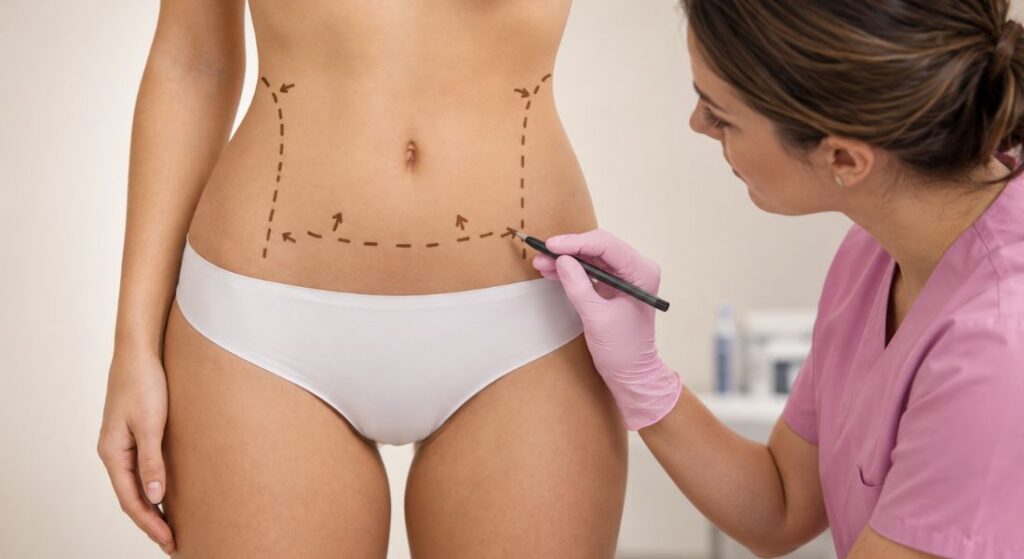
Both SmartLipo and mini liposuction target subcutaneous fat beneath your skin. A conventional mini liposuction procedure usually uses a cannula and suction to remove fat, while SmartLipo adds laser energy to help disrupt the fatty tissue before or alongside suction. Because “mini liposuction” describes the treatment extent rather than one specific technology, laser-assisted treatment could also be used for a small-area procedure.
The extra laser step does not necessarily mean you will have more fat removed. Your treatment should focus on creating a smooth, natural-looking contour rather than removing as much fat as possible.
Which Small Areas Can Be Treated?
You may consider small-volume liposuction for stubborn fat beneath your chin, abdomen, waist, arms or thighs. SmartLipo may also be considered for selected small areas if your clinician believes laser assistance may be appropriate for your anatomy and treatment goals.
Before treatment, you should confirm that the fullness is mainly caused by removable fat. You should also discuss whether loose skin, muscle structure or deeper fat could affect the result you want.
Which Is Better for Very Small and Precise Areas?
Neither treatment name automatically means greater precision. When only a small amount of fat needs to be removed, the result depends on factors such as your anatomy, cannula size, treatment planning and the technique used.
SmartLipo may also be considered for a small treatment area if your clinician believes laser assistance is appropriate for your anatomy and treatment goals. Your clinician should focus on conservative fat removal for you, as removing too much can cause uneven contours or dents.
Does SmartLipo Provide More Skin Tightening?
Some studies have reported greater skin contraction following laser-assisted liposuction than conventional liposuction. However, the available research varies in technique, device settings and study quality, so you should not assume that SmartLipo will provide greater skin tightening in every case.
If your skin is already firm, you may see little extra benefit from tightening. If you have significant loose skin, you should know that SmartLipo may not provide enough tightening to achieve the result you want.
Research Insight
Research comparing laser-assisted and traditional liposuction has reported possible benefits in skin retraction, but studies vary in technique and quality, so a fixed skin-tightening result cannot be promised.
Is Mini Liposuction Suitable If Your Skin Is Slightly Loose?
Mini liposuction may still be considered if you have mild skin laxity and reasonably good skin elasticity. However, how smoothly your skin adapts after fat removal varies between individuals.
If you have more noticeable loose or hanging skin, you should not expect liposuction alone to tighten it significantly. Your clinician should assess your skin quality and fat separately to help you choose the right treatment.
Can Both Treatments Be Performed Under Local Anaesthesia?
Yes, you may be able to have both mini liposuction and SmartLipo under local anaesthesia when treating a small area. Your anaesthetic plan depends on the treatment area, amount of fat being removed and your individual needs.
You should not assume local anaesthesia is always the best choice simply because the procedure is smaller. Your anaesthetic plan should be based on your health, treatment area, expected procedure length and amount of fat being removed, with the dose and monitoring tailored appropriately.
Clinical Tip
Ask exactly what your clinic means by “mini liposuction”, including the treatment area, anaesthetic, expected fat volume and technique being used, because the term does not describe one standardised procedure.
Which Procedure Leaves Smaller Scars?
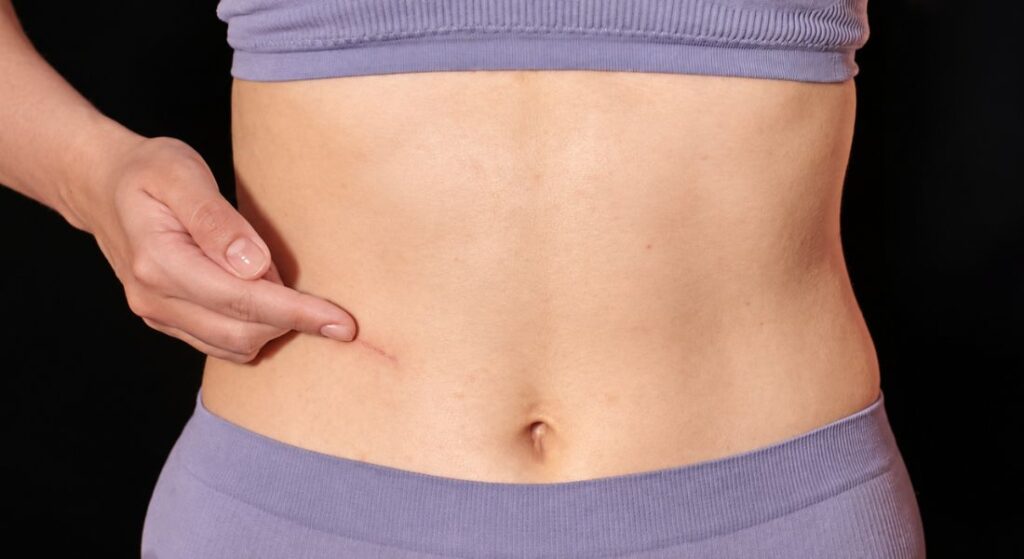
Both SmartLipo and mini liposuction use small incisions, so you can expect relatively small scars when treating a limited area. You may have more than one incision depending on the treatment area and technique used.
The final appearance of your scars depends on the instruments, incision placement and how your skin heals. You should tell your clinician if you tend to develop dark, raised or noticeable scars so they can plan your treatment carefully.
Which Treatment Has the Shorter Recovery?
Recovery may be more limited when only a small area and a relatively low volume of fat are treated, whether you have SmartLipo or another liposuction technique. Your actual recovery will depend more on the treatment extent, amount of fat removed and how your body heals than on the procedure name alone.
1. Swelling: You may experience temporary swelling around the treated area after either procedure.
2. Bruising: Some bruising can occur and may take time to settle as your tissues recover.
3. Tenderness: The treated area may feel sore, sensitive or firm during the early healing period.
4. Treatment Extent: A smaller treatment area and lower fat-removal volume may generally make recovery easier to manage.
SmartLipo does not automatically guarantee a faster recovery than mini liposuction. Your clinician can explain the expected downtime based on your specific treatment area, technique and planned amount of fat removal.
When Will You See the Final Result?
You may notice some improvement early because fat has been removed, but swelling can hide your final shape. You can expect the treated area to feel swollen, firm or tender during the initial recovery.
Your final result may take several weeks or months to settle fully. With SmartLipo, some patients may notice gradual changes in skin firmness as healing continues, although the degree of contraction varies.
What Are the Risks of SmartLipo?
Temporary swelling, bruising and tenderness are expected after many liposuction procedures. Possible complications of SmartLipo include infection, persistent changes in sensation, fluid collections and contour irregularities. You may also have a risk of bleeding or, rarely, blood clots.
Because SmartLipo uses laser energy, you also have a risk of burns or blistering if too much heat reaches your skin. You should ensure your procedure is performed by an appropriately qualified and experienced clinician in a suitable clinical setting, with careful control of both the fat removal and laser energy.
What Are the Risks of Mini Liposuction?
Mini liposuction may involve a smaller treatment area, but you should not assume it is risk-free. Temporary bruising, swelling and tenderness are common after liposuction, while possible complications include bleeding, infection, persistent changes in sensation, fluid collections, contour irregularities or asymmetry.
If you have tumescent local anaesthesia, your clinician must also carefully manage the anaesthetic dose and fluids. Your risks depend on your treatment plan, medical history and the clinical setting, rather than simply being described as “mini” liposuction.
When Should You Seek Urgent Medical Advice After Liposuction?
Follow the aftercare instructions provided by your clinical team and contact them if you develop worsening redness, increasing swelling, discharge from an incision, fever or pain that is becoming more severe rather than gradually improving.
Seek urgent medical attention if you develop sudden shortness of breath, chest pain, coughing up blood, fainting, severe breathing difficulty, or new pain or swelling in one leg. These symptoms can have several causes but require prompt assessment after surgery.
UK Guidance Note
UK expert guidance emphasises careful patient selection, appropriate technique and peri-operative management for aesthetic liposuction. No single liposuction technique is considered suitable for every patient, so your treatment plan should reflect your health, anatomy and individual risk factors.
Who May Be Better Suited to SmartLipo?
SmartLipo may be considered if you have a small or moderate pocket of localised fat and mild skin laxity where possible additional tissue contraction is relevant to your treatment goals. You may also consider it when your clinician believes laser assistance may be appropriate for the treatment area and your skin characteristics.
You should still have realistic expectations because SmartLipo is not a weight-loss treatment and cannot remove deeper visceral fat. If you have significant loose skin, you may need a different approach, while you are more likely to suit SmartLipo when your weight is stable, your unwanted fat is localised and your expected result is realistic.
How Can You Decide Between SmartLipo and Mini Liposuction?
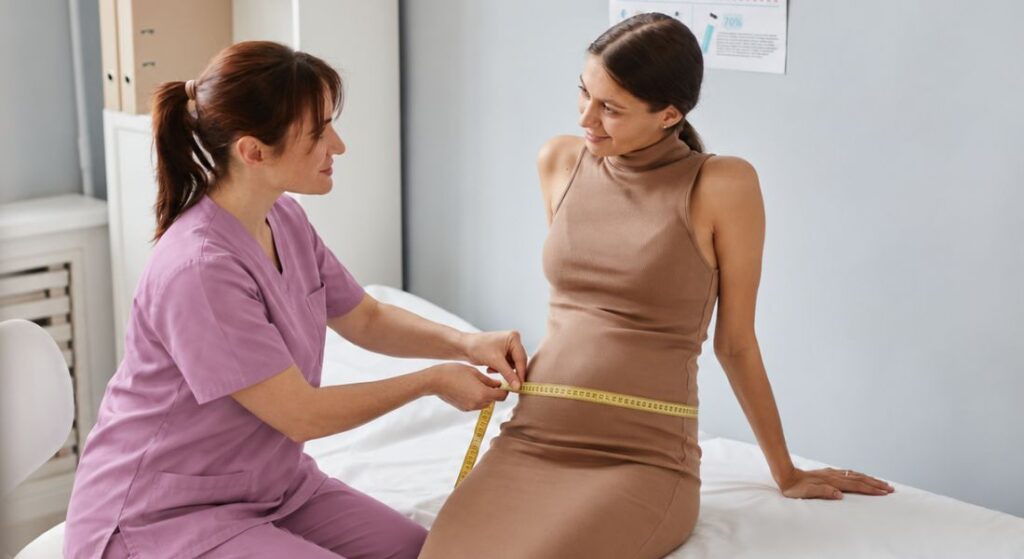
Start by looking at what is causing the contour you want to change. If you have a small pocket of pinchable fat, you may suit either treatment, but loose skin, deeper fat or muscle shape may mean you need a different approach.
You should also consider whether skin tightening matters to you. If your skin is firm, a small-volume liposuction procedure may be sufficient, while SmartLipo may be considered when mild skin laxity makes possible additional tissue contraction relevant to your goals. You should ask your clinician exactly what “mini liposuction” involves and discuss the risks, so you can make an informed decision about which approach may be most appropriate for your anatomy and goals.
Your clinician should also review your medical history, medicines, smoking status, previous surgery and any factors that could increase your risk of bleeding, infection or blood clots before recommending treatment.
Myth vs Fact
| Myth | Fact |
| Mini liposuction is a completely different technology. | It generally describes smaller-volume liposuction. |
| SmartLipo always removes more fat. | Laser assistance does not determine safe fat-removal volume. |
| SmartLipo guarantees tight skin. | Some contraction may occur, but significant laxity can remain. |
| Mini liposuction has no surgical risks. | It is still an invasive liposuction procedure. |
| SmartLipo always means faster recovery. | Recovery depends largely on treatment extent and individual healing. |
| Either treatment removes visceral fat. | Both target subcutaneous fat beneath the skin. |
Key Takeaways
1. SmartLipo is a laser-assisted liposuction technology.
2. Mini liposuction generally means small-area or low-volume liposuction.
3. Both are intended for body contouring rather than weight loss.
4. SmartLipo may provide some tissue contraction, but tightening is not guaranteed.
5. Neither option is automatically safer or faster to recover from.
6. Your treatment area, skin elasticity, fat distribution and overall health should guide the choice.
Frequently Asked Questions
1. What is the difference between SmartLipo and mini liposuction?
SmartLipo uses laser energy to assist with fat removal, while mini liposuction simply describes a smaller, targeted liposuction procedure. You can have mini liposuction without using laser technology.
2. Can SmartLipo treat small areas of stubborn fat?
SmartLipo may be used for selected small areas of localised subcutaneous fat. You may consider it for areas such as your chin, abdomen, waist or arms, depending on your anatomy and treatment goals.
3. Is mini liposuction better for very small areas?
Mini liposuction may be suitable when you only have a small amount of fat that needs removing. Your clinician can assess whether a simple targeted procedure may be appropriate or whether laser assistance should be considered for your treatment area and skin characteristics.
4. Does SmartLipo tighten the skin more than mini liposuction?
Some studies suggest that laser-assisted liposuction may be associated with additional tissue contraction, but the amount of tightening varies and should not be guaranteed. However, you should not expect it to correct significant loose or hanging skin.
5. Can you have SmartLipo or mini liposuction under local anaesthesia?
You may be able to have either procedure under local anaesthesia when treating a small area. Your clinician will recommend an anaesthetic approach based on the treatment area, procedure extent, your health and your individual circumstances.
6. Which procedure has the shorter recovery?
Both procedures can have relatively short recovery periods when you are treating a small area. You may still experience swelling, bruising, tenderness and temporary changes in sensation, while your individual recovery depends on the procedure and amount of fat removed.
7. Will SmartLipo remove more fat than mini liposuction?
Not necessarily. SmartLipo adds laser energy to the procedure, but the amount of fat removed depends on your treatment plan and the amount of localised fat that can be safely removed.
8. Does SmartLipo leave smaller scars?
Both procedures generally use small incisions, particularly when you are treating a limited area. Your final scars depend on incision placement, the technique used and how your skin heals.
9. Is SmartLipo safer than mini liposuction?
Neither option should automatically be considered safer simply because it is smaller or uses laser technology. You can experience risks such as bruising, infection, uneven contours and altered sensation with either procedure, while SmartLipo also carries risks related to laser heat, including burns.
10. How can you choose between SmartLipo and mini liposuction?
Your choice should depend on the amount and location of your fat, your skin elasticity and whether additional skin tightening is important to you. Your clinician can assess your anatomy and explain whether conventional mini liposuction or laser-assisted treatment is more appropriate for your goals.
Final Thoughts: SmartLipo vs Mini Liposuction for Small Areas of Fat
SmartLipo and mini liposuction can both help you address small pockets of stubborn, localised fat, but the terms describe different aspects of treatment. SmartLipo refers to laser-assisted liposuction technology, while mini liposuction generally describes a small-area or low-volume procedure. Either approach may be considered depending on the amount of fat you have, the area being treated, your skin elasticity and whether possible additional tissue contraction is relevant to your treatment goals.
If you’re thinking about Smartlipo in London, you can get in touch with our team at the London Medical & Aesthetic Clinic.
References:
1. Lee, K.W.A. et al. (2024) ‘Laser-Assisted Lipolysis Versus Surgical Fat Removal: A Review of Efficacy, Safety, and Patient Satisfaction’, Cosmetics, 11(5), article 164. Available at: https://www.mdpi.com/2079-9284/11/5/164
2. Aljerian, A. et al. (2024) ‘Complications of Aesthetic Liposuction Performed in Isolation: A Systematic Literature Review and Meta-Analysis’, Plastic Surgery, 32(1), pp. 19–32. Available at: https://pmc.ncbi.nlm.nih.gov/articles/PMC10902471/
3. Comerci, A.J. et al. (2024) ‘Risks and Complications Rate in Liposuction: A Systematic Review and Meta-Analysis’, Aesthetic Surgery Journal, 44(7), pp. NP454–NP463. Available at: https://pubmed.ncbi.nlm.nih.gov/38563572/
4. Pereira-Netto, D. et al. (2018) ‘Laser-Assisted Liposuction (LAL) Versus Traditional Liposuction: Systematic Review’, Aesthetic Plastic Surgery, 42(2), pp. 376–383. Available at: https://pubmed.ncbi.nlm.nih.gov/29362943/
5. Pacifico, M. et al. (2022) ‘Summary document on safety and recommendations for aesthetic liposuction: Joint British Association of Aesthetic Plastic Surgeons (BAAPS)/British Association of Plastic Reconstructive and Aesthetic Surgeons (BAPRAS) expert liposuction group’, Journal of Plastic, Reconstructive & Aesthetic Surgery, 75(3), pp. 941–947. Available at: https://www.sciencedirect.com/science/article/pii/S174868152100499X