


Cellulaze may be considered after pregnancy, but the right timing depends on your postpartum recovery, breastfeeding, weight stability and the changes you are seeing in your body. Your thighs, hips and buttocks can continue changing for several months after childbirth, so you may want to allow your body time to settle first.
Breastfeeding also needs consideration because Cellulaze-specific safety data during lactation are limited. You should discuss your individual timing with your practitioner and consider treatment once you have recovered well and your weight and cellulite pattern are reasonably stable.
Can You Have Cellulaze After Having a Baby?
You may consider Cellulaze after pregnancy once you have recovered sufficiently from childbirth and your practitioner confirms you are suitable for treatment. You should not treat it as part of your immediate postnatal recovery, as your weight, fluid levels, hormones and body shape can continue changing for months after delivery.
Your practitioner should consider how long it has been since you gave birth, whether your weight and cellulite pattern have stabilised and whether you are breastfeeding. You should wait until your body has had enough time to settle so your treatment plan reflects changes that are likely to persist.
Why Can Cellulite Change During Pregnancy?
Cellulite can become more noticeable during pregnancy as hormones, fat distribution, skin and connective tissues change. You may notice existing cellulite becoming more visible on your thighs or buttocks, although pregnancy does not affect everyone in the same way.
Your new dimpling may also be linked to changes in skin laxity, weight or body shape rather than cellulite alone. You should therefore have your practitioner assess what is causing the change before deciding whether Cellulaze is suitable for you.
What Happens to Your Skin After Pregnancy?
Your skin can continue changing after pregnancy as your hormones, weight, swelling and connective tissues gradually settle. You may notice changes in firmness, elasticity or texture, and your skin may not immediately return to how it looked before pregnancy.
Your cellulite can also look different while your skin is adapting, so you may want to give your body time to recover before considering Cellulaze. Your practitioner can then assess your skin quality and decide whether the changes you are concerned about are likely to benefit from treatment.
How Long Should You Wait After Pregnancy Before Cellulaze?
You should not follow one fixed waiting period for Cellulaze after pregnancy, as there is no high-quality evidence establishing a specific number of weeks or months for everyone. Waiting several months can give your body time to recover and allow your weight, skin and cellulite pattern to become more stable.
Your timing may need to be longer if you are still losing weight, breastfeeding, recovering from complications or noticing ongoing body changes. You should discuss your individual recovery with your practitioner rather than treating six months as a guaranteed Cellulaze-specific rule.
When Might Cellulaze Be Considered After Pregnancy?
| Situation | What to consider |
| Early postnatal recovery | Allow recovery from pregnancy and delivery before elective cosmetic treatment |
| Ongoing major weight change | Waiting may make the treatment area easier to assess |
| Breastfeeding | Cellulaze-specific lactation evidence is limited; discuss the procedure and medicines individually |
| Ongoing birth-related complications | Address these before elective treatment |
| Stable body changes | Persistent cellulite can be assessed more reliably |
| Another pregnancy planned soon | Consider whether another pregnancy could alter the cosmetic result |
Can You Have Cellulaze While Breastfeeding?

You should discuss Cellulaze carefully with your practitioner if you are breastfeeding, as there is not enough Cellulaze-specific evidence to confirm its safety during lactation. Your body may also still be undergoing postpartum hormonal and body-composition changes, which can make the timing and cosmetic outcome of treatment harder to assess.
Your practitioner may therefore suggest waiting until you have finished breastfeeding before having this elective cosmetic treatment. You should also discuss any local anaesthetic or other medicines used during your procedure separately to make sure they are appropriate for you.
There is also no Cellulaze-specific research establishing whether the procedure affects milk production or breastfed infants. This lack of evidence is one reason treatment timing should be considered individually rather than assuming that Cellulaze is either proven safe or proven harmful during breastfeeding.
Evidence Note
Published Cellulaze studies have evaluated the procedure in adult women with cellulite, but they have not established its safety specifically during breastfeeding. This means there is an evidence gap rather than evidence that the procedure is known to be harmful during lactation.
Medicines used around the procedure require their own assessment. For example, available evidence indicates that lidocaine used as a local anaesthetic is generally compatible with breastfeeding because infant exposure through breast milk is low.
Does Your Weight Need to Be Stable Before Cellulaze?
You do not need to reach a specific weight before Cellulaze, but having a relatively stable weight can make your treatment plan more reliable. Your body shape and cellulite can continue changing after pregnancy, particularly if you are still losing or gaining significant weight.
Your Cellulaze treatment is designed to target cellulite, not weight loss, so you may want to wait if you are planning a major change in your weight. You should discuss your timing with your practitioner and focus on treating a body contour that is reasonably stable rather than waiting for a “perfect” number on the scales.
How Can Pregnancy Affect Cellulite on the Thighs and Buttocks?
Your thighs, hips and buttocks are common areas for cellulite, and pregnancy may make dimpling more noticeable as your fat distribution, skin quality and connective tissues change. You may notice deeper dimples on your thighs or buttocks even if your overall weight later returns close to its previous level.
Your skin can also change in areas beyond your abdomen, including your thighs. You should therefore have your practitioner assess your actual cellulite pattern and skin quality before deciding which areas may benefit from Cellulaze.
How Do You Know Whether It Is Cellulite or Loose Skin?
Your skin can look different after pregnancy because of cellulite, skin laxity or a combination of both. Identifying what is causing the change is important because Cellulaze is designed primarily to treat cellulite.
1. Visible dimpling: Cellulite commonly creates depressions, dimples or an uneven surface where fibrous bands pull on the skin.
2. Loose or lax skin: Skin laxity may look softer, less firm or folded rather than producing distinct cellulite dimples.
3. Both concerns together: You can have cellulite and loose skin in the same area, particularly after changes in weight, pregnancy and skin elasticity.
4. Assessment before treatment: Your practitioner can assess your thighs, hips or buttocks while you are standing and at rest to identify which changes are most relevant.
Cellulaze may improve cellulite dimpling, but it may not fully correct significant loose skin. Understanding the main cause of your concern can help you set more realistic expectations before treatment.
Can Cellulaze Treat Stretch Marks After Pregnancy?
Your stretch marks and cellulite are different concerns, even though they can appear in the same area after pregnancy. Cellulaze is designed to target cellulite and should not be considered a dedicated stretch-mark treatment.
Your practitioner can assess whether your main concern is dimpling, stretch marks or both. If your stretch marks are the main issue, you may need to discuss other treatments such as laser or microneedling that are specifically used for stretch-mark concerns.
Does It Matter Whether You Had a Caesarean or Vaginal Delivery?

Your delivery method does not automatically determine whether Cellulaze is suitable for you. Your overall postpartum recovery matters more, including how well you have healed and whether you had any complications.
Your caesarean scar or vaginal-delivery recovery may need additional time before you consider an elective procedure. You should tell your practitioner about your delivery and any ongoing concerns so they can assess whether you are medically ready for Cellulaze.
What If You Are Planning Another Pregnancy?
Your Cellulaze treatment does not mean you cannot have another pregnancy, but your future pregnancy may change your cosmetic results. Your hormones, weight, fat distribution, skin and connective tissues can change again, which may make cellulite more noticeable or alter the treated area.
Small Cellulaze studies have reported improvements lasting for one to two years, but there is limited evidence on how a subsequent pregnancy affects those results specifically. If you are planning another pregnancy soon, you may want to postpone treatment, while your decision can be different if another pregnancy is several years away.
What Results Can You Expect from Cellulaze After Pregnancy?
You should expect your Cellulaze treatment to improve the appearance of your cellulite rather than remove every dimple. Clinical studies have found improvements in cellulite appearance, skin thickness and elasticity after treatment, although these studies were not focused specifically on postpartum patients.
Your results can therefore vary depending on your cellulite severity, skin quality and tissue structure. You should discuss your individual expectations with your practitioner and understand that your postpartum status does not guarantee a better or worse response.
Research Insight
Published studies have reported improvements in cellulite dimpling, contour, dermal thickness and skin elasticity after a single 1440 nm laser treatment, with outcomes assessed from several months to one or two years.
However, these studies were not designed specifically for women after pregnancy. There is therefore no good evidence that having previously been pregnant makes Cellulaze work better or worse; current anatomy and cellulite pattern are more useful considerations.
Will Your Results Be Different Because You Have Had a Baby?
Your Cellulaze results may differ after pregnancy, but having had a baby does not automatically determine how well you respond to treatment. Your skin elasticity, cellulite pattern, body composition and tissue structure can all influence your results.
Your practitioner should assess how your body looks now rather than focusing only on your pregnancy history. You may want to allow your postpartum changes to settle first, so your practitioner can distinguish persistent cellulite from changes that are still evolving.
What Is Recovery Like When You Are Caring for a Baby?
Your Cellulaze recovery may be relatively short, but you can still have swelling, bruising and soreness that make bending, climbing stairs or lifting uncomfortable. Your usual childcare routine may involve more physical effort than you expect, especially if your thighs or buttocks have been treated.
Your lifting, carrying and getting up from the floor may therefore need to be limited during your early recovery. You should arrange help with physically demanding childcare tasks beforehand so you can give your body enough time to heal.
Clinical Tip
Your usual childcare may involve lifting, carrying, bending, stairs and repeated getting up from the floor, even when you do not think of these activities as exercise. Ask your practitioner which activities should be limited after treatment and arrange practical help in advance if needed.
Being able to return to light daily activity does not necessarily mean you will immediately feel comfortable performing every physically demanding childcare task.
How Should You Prepare for a Post-Pregnancy Cellulaze Consultation?
Your consultation should focus on how your body has changed since pregnancy and whether Cellulaze is actually suitable for you. You should tell your practitioner when you gave birth, whether you are breastfeeding, whether your weight is stable and if you had any pregnancy or delivery complications.
Your practitioner can then assess whether your concerns are mainly cellulite, loose skin, stretch marks, fat distribution or a combination. You should also discuss your childcare routine, including lifting and carrying, so your recovery plan fits realistically around your everyday responsibilities.
UK Guidance Note
Before having an elective cosmetic procedure, you should have a consultation with the practitioner who will perform your treatment and ask about their relevant training, experience and insurance. You should also understand the expected recovery, possible complications and who will provide aftercare if you have concerns.
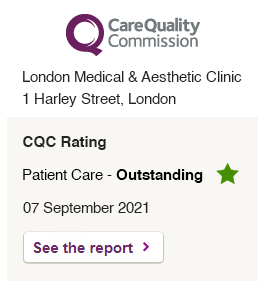
Because Cellulaze involves inserting a laser fibre beneath the skin, a cosmetic procedure of this type carried out by a healthcare professional in England falls within the CQC’s regulated activity of surgical procedures. Check that the clinic is appropriately registered with the CQC.
You should have time after the consultation to decide whether treatment is right for you and should not feel pressured to proceed because of an offer or package. This can be particularly important after pregnancy, when your body and everyday routine may still be changing.
How Do You Know When You Are Ready for Cellulaze?

You may be ready for Cellulaze when you have recovered well from pregnancy and delivery, any pregnancy- or delivery-related concerns that could affect treatment have been addressed, and your weight and cellulite pattern are reasonably stable. If you are breastfeeding, you should discuss whether waiting until after breastfeeding is more appropriate because Cellulaze-specific evidence during lactation is limited.
Your expectations and daily routine also matter, as Cellulaze is intended to improve cellulite rather than treat stretch marks or significant loose skin. You should choose a time when you can manage your recovery and childcare responsibilities comfortably, and when treatment is something you genuinely want for yourself.
Myth vs Fact
| Myth | Fact |
| Everyone should wait exactly six months after giving birth. | There is no Cellulaze-specific evidence establishing one universal postpartum waiting period. |
| Breastfeeding automatically makes local anaesthetic unsafe. | Lidocaine used as a local anaesthetic is generally considered compatible with breastfeeding, although all medicines used for your procedure should be assessed individually. |
| Pregnancy-related cellulite always needs treatment. | Some body changes continue evolving after childbirth and may settle with time. |
| Cellulaze treats loose skin and stretch marks in the same way as cellulite. | These are different concerns and may require different management. |
| Having had a baby means Cellulaze will work less well. | Postpartum-specific studies are lacking, so there is no evidence that previous pregnancy alone determines treatment response. |
Key Takeaways
1. There is no evidence-based fixed waiting period for Cellulaze after pregnancy.
2. You should recover sufficiently from childbirth, and major ongoing body changes should be reasonably stable before elective treatment is considered.
3. Cellulaze-specific breastfeeding evidence is limited, although lidocaine used as a local anaesthetic is generally considered compatible with breastfeeding.
4. Stable weight can make persistent cellulite and contour changes easier to assess.
5. Cellulaze treats cellulite rather than stretch marks, major skin laxity or postpartum weight change.
6. Published Cellulaze results are not specific to postpartum patients, so expectations should be based on your current anatomy and cellulite pattern.
Frequently Asked Questions
1. Can you have Cellulaze after pregnancy?
Yes, Cellulaze may be considered once you have recovered sufficiently from childbirth. Your practitioner should assess your health, weight stability, breastfeeding status and cellulite pattern first.
2. How long should you wait after pregnancy before Cellulaze?
There is no fixed Cellulaze-specific waiting period supported by clinical evidence. Waiting several months can allow your body, weight and skin to stabilise before treatment.
3. Can you have Cellulaze while breastfeeding?
There is limited Cellulaze-specific safety evidence during breastfeeding. Your practitioner may recommend waiting until breastfeeding has finished before having this elective cosmetic treatment.
4. Does your weight need to be stable before Cellulaze?
Your weight does not need to be at a particular number, but relative stability can make treatment planning more predictable. Significant weight changes may alter the appearance of cellulite.
5. Can pregnancy make cellulite worse?
Pregnancy may make cellulite more noticeable as hormones, fat distribution, skin and connective tissues change. Some changes may settle naturally during the postpartum period.
6. How can you tell cellulite from loose skin after pregnancy?
Cellulite usually causes dimpling or depressions, while loose skin causes laxity, folds or a softer drape. You can have both, so an assessment can help identify what is causing the change.
7. Can Cellulaze treat stretch marks after pregnancy?
Cellulaze is primarily designed to treat cellulite rather than stretch marks. If stretch marks are your main concern, your practitioner can discuss treatments specifically aimed at them.
8. Does having a caesarean or vaginal birth affect Cellulaze?
The type of delivery does not automatically determine whether Cellulaze is suitable. Your overall postpartum recovery and any complications are more important when deciding on timing.
9. What results can you expect from Cellulaze after pregnancy?
You should expect an improvement in cellulite rather than complete removal. Results develop gradually as the treated tissues remodel over several months.
10. How do you know when you are ready for Cellulaze after pregnancy?
You should have recovered well from childbirth, have reasonably stable weight and understand what is causing your current concerns. If you are breastfeeding or still experiencing significant body changes, postponing treatment may be discussed with your practitioner.
Final Thoughts: Cellulaze After Pregnancy
After pregnancy, your body can continue changing for months, so there is no need to rush into Cellulaze. Allowing time for recovery, weight stabilisation and postpartum changes to settle can help you and your practitioner understand whether persistent cellulite is the main concern and whether treatment is appropriate.
If you are considering Cellulaze treatment in London, a consultation can help you understand your options, expected results and recovery needs, including how treatment may fit around breastfeeding, pregnancy plans or childcare.
References:
1. Trivedi, M.K., Kroumpouzos, G. and Murase, J.E. (2017) ‘A review of the safety of cosmetic procedures during pregnancy and lactation’, International Journal of Women’s Dermatology, 3(1), pp. 6–10. Available at: https://pmc.ncbi.nlm.nih.gov/articles/PMC5418954/
2. Sasaki, G.H. (2013) ‘Single treatment of grades II and III cellulite using a minimally invasive 1,440-nm pulsed Nd:YAG laser and side-firing fiber: an institutional review board-approved study with a 24-month follow-up period’, Aesthetic Plastic Surgery, 37(6), pp. 1073–1089. Available at: https://pubmed.ncbi.nlm.nih.gov/24114294/
3. Kumarasinghe, M., Hills, A.P. and Ahuja, K.D.K. (2026) ‘Body composition changes in the postpartum: a systematic review on measurements and predictors’, BMC Pregnancy and Childbirth, 26, 877. Available at: https://pmc.ncbi.nlm.nih.gov/articles/PMC13459293/
4. Yaghi, M. et al. (2024) ‘Safety of dermatologic medications in pregnancy and lactation: An update—Part II: Lactation’, Journal of the American Academy of Dermatology, 91(4), pp. 651–668. Available at: https://www.sciencedirect.com/science/article/pii/S0190962224001105 5. Gabriel, A., Chan, V., Caldarella, M., Wayne, T. and O’Rorke, E. (2023) ‘Cellulite: Current Understanding and Treatment’, Aesthetic Surgery Journal Open Forum, 5, ojad050. Available at: https://pubmed.ncbi.nlm.nih.gov/37424836/