


Gentle walking can usually start soon after Cellulaze, and most patients can return to normal daily activities within around one to two days. Strenuous exercise is commonly delayed for around one to two weeks in clinical aftercare, although Cellulaze studies have not established one universal research-based exercise deadline. Your exact timing should depend on your swelling, bruising, treated area, healing and your practitioner’s aftercare advice.
Your running, heavy squats and intense workouts should be restarted gradually rather than all at once. You should follow your practitioner’s advice, as your recovery may take longer if you have treated a larger area or develop more swelling or tenderness.
When Can You Usually Exercise After Cellulaze?
You may be able to return to light daily movement within around one to two days after Cellulaze, but this does not mean you are ready for strenuous exercise. Swelling, bruising or tenderness may still be present, so your recovery should guide when you restart workouts.
Strenuous exercise is commonly delayed for around one to two weeks in clinical aftercare, but this is not a universal research-based deadline. Wait until your early swelling, tenderness and discomfort have settled sufficiently, and follow your practitioner’s specific advice based on the area treated and how you are healing.
Why Do You Need to Limit Exercise After Cellulaze?
Cellulaze creates controlled changes beneath the skin, so the treated tissues need time to heal. You may have swelling, bruising, soreness or tenderness afterwards, and intense movement can make these symptoms more noticeable while you recover.
Gentle movement can usually return first, while running, heavy lifting and intense workouts should wait until your tissues have settled. You should increase your exercise gradually and follow your practitioner’s advice rather than returning to full intensity as soon as you feel comfortable.
What Should You Do During the First 24 to 48 Hours?
During the first 24 to 48 hours after Cellulaze, your activity will usually focus on gentle movement and recovery rather than strenuous exercise, according to your practitioner’s aftercare advice. You can take short, easy walks and move around normally, but you should avoid heavy lifting, intense workouts or movements that increase your pain, swelling or bleeding.
Your treated thighs or buttocks may feel sore when you sit, bend or climb stairs, especially after a larger treatment area. You should listen to your body and keep your activity comfortable while following your practitioner’s specific aftercare advice.
How Soon Can You Start Walking After Cellulaze?
Gentle walking can usually start soon after Cellulaze, although you may walk more slowly while your treated area feels numb, swollen or tender. You can begin with short, comfortable walks around your home and gradually increase your activity.
Your walking should feel manageable rather than like a workout, especially after treating your thighs or buttocks. You should reduce your activity if walking noticeably increases your pain or swelling, and follow your practitioner’s advice before progressing to running or leg training.
When Can You Return to Light Daily Activity?
Your light daily activities may resume relatively early after Cellulaze, depending on your comfort, treatment area and aftercare advice. You may be able to work at a computer, prepare meals, move around your home and manage simple errands while still having some bruising or swelling.
Your return to normal activity does not mean your treated tissues have fully healed. You should allow more time if your work or routine involves heavy lifting, repeated stairs or physical labour, and follow your practitioner’s advice based on your daily activities.
Returning to Exercise After Cellulaze
| Activity | General approach |
| Gentle walking | Usually introduced early as comfort allows |
| Normal daily activity | May resume relatively early, depending on comfort and aftercare advice |
| Light gym activity | Restart only when early discomfort and swelling are settling |
| Running/high-impact cardio | Usually resumed later and gradually |
| Heavy squats/lunges | Wait until lower-body movement is comfortable and your practitioner approves |
| Swimming | Wait until entry points have healed and water exposure is permitted |
| Full-intensity training | Build back gradually rather than restarting at your previous level immediately |
When Can You Go Back to the Gym?

Returning to the gym may be appropriate once your initial swelling, bruising and tenderness have started settling and your practitioner is satisfied with your recovery. The appropriate timing can vary according to the treatment area, extent of treatment and the type of exercise you plan to perform.
Your first gym session should be lighter than your usual workout, with less resistance and a shorter duration. You should increase your intensity gradually and reduce your activity if you notice renewed pain, throbbing or increased swelling afterwards.
Evidence Note
Published studies of minimally invasive 1440-nm Nd:YAG laser treatment for cellulite have reported generally mild or temporary treatment-related adverse effects. However, these studies primarily investigated treatment outcomes, safety and longer-term changes rather than establishing specific return-to-exercise schedules.
There is therefore no well-established research-based deadline for returning to running, gym training or heavy resistance exercise after Cellulaze. Your individual healing and your practitioner’s aftercare advice should guide when you increase your activity.
When Can You Start Running Again?
Your running usually needs to wait longer than gentle walking because it puts repeated impact and muscle contraction through your treated thighs or buttocks. You should generally wait until your early bruising, swelling and tenderness have sufficiently settled before returning to running. Because Cellulaze studies have not established a specific evidence-based return-to-running deadline, your practitioner’s individual advice should guide your timing.
Your first run should be short and easy rather than a full training session with hills, intervals or long distances. You should increase your running gradually and allow extra recovery time if your symptoms worsen afterwards.
Research Insight
One multicentre Cellulaze study treated 57 patients and instructed them to wear a compression garment for two to three weeks after the procedure. Bruising, swelling, pain, numbness and itching were among the postoperative effects discussed with patients.
The study did not establish a specific return-to-exercise schedule, so it cannot be used to justify one fixed exercise deadline. Your activity progression should therefore be based on healing and your practitioner’s aftercare advice.
When Can You Resume Squats, Lunges and Lower-Body Training?
Your squats, lunges, leg presses and other lower-body exercises may need more time because they place repeated stress on your treated thighs or buttocks. You should first be able to move comfortably in daily life and have your swelling and bruising settling before returning to demanding strength training.
Your return to demanding lower-body training should depend on how the treated area is healing rather than on a fixed number of days. Your practitioner can advise when it is appropriate to restart squats, lunges and other resistance exercises. You should restart with lighter weights and less volume, then increase gradually if your treated area remains comfortable without increased pain or swelling.
Can You Train Your Upper Body Earlier?
You may be able to return to gentle upper-body exercise before demanding lower-body workouts, but this depends on how you are healing. Even exercises that target your arms, shoulders or chest can still place some strain on treated thighs or buttocks.
1. Standing exercises: Movements performed while standing may require your legs and glutes to stabilise your body, which can place additional stress on recently treated areas.
2. Seated movements: Seated exercises may reduce some lower-body effort, but they can still feel uncomfortable if your buttocks or backs of your thighs were treated.
3. Heavy lifting: Lifting heavier weights often involves bracing through your legs and core, so you may need to wait longer before returning to your usual loads.
4. Start with lighter training: Once your practitioner allows you to exercise, begin with lower resistance and shorter sessions before gradually increasing the intensity.
Your upper-body workout is therefore not automatically separate from your Cellulaze recovery. Consider how each exercise loads or presses on the treated area and follow your practitioner’s advice as you build back towards normal training.
What About Yoga, Pilates and Stretching?
Your yoga or Pilates class may seem gentle, but some movements can put significant tension or pressure on your treated thighs or buttocks. You may need to avoid deep lunges, strong stretches, glute exercises and floor positions that press directly on treated areas during your early recovery.
Your gentle mobility can usually return before your full class, once your practitioner allows it. You should restart gradually and avoid advanced positions or demanding resistance work until your swelling, bruising and tenderness have settled.
When Can You Swim After Cellulaze?
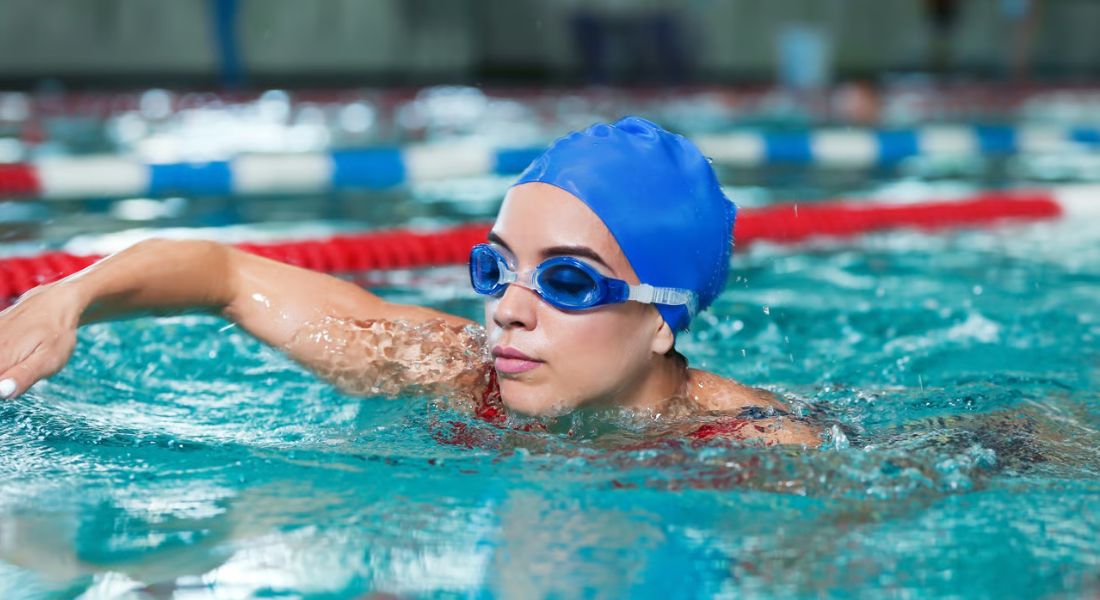
Your small Cellulaze entry points need time to heal before you return to swimming or soaking in water. You should avoid swimming pools, hot tubs, lakes and the sea while your sites are still open, draining or healing.
You may also need additional recovery time before returning to strenuous swimming or water-based workouts. You should wait until your skin has healed and your practitioner confirms that your treated area is ready for both water exposure and physical activity.
Should You Wear Your Compression Garment While Exercising?
Your practitioner may recommend a compression garment during your Cellulaze recovery, depending on your treatment and aftercare protocol. They can also advise whether you need to wear it during exercise, as recommendations can vary according to your treatment and recovery.
Your garment should feel supportive rather than painfully tight or restrictive. If you develop significant pain, numbness or discomfort while exercising, you should stop and ask your practitioner whether you are ready to exercise and whether you should continue wearing the garment.
UK Guidance Note
Before you leave the clinic, you should understand how long to use compression, when you can increase your activity, when swimming is permitted and which symptoms should prompt you to contact the clinic. You should also know what aftercare will be provided and who to contact if you have concerns during your recovery.
Your own recovery instructions should take priority over general online exercise timelines because the treatment area, extent of treatment and your healing response can all affect when you are ready for more strenuous activity.
Can Swelling and Bruising Affect When You Exercise?
Your swelling and bruising can help guide when you are ready to increase exercise, rather than relying only on a set number of days. Some bruising may be expected, but significant swelling, worsening tenderness or increased discomfort after activity may mean your tissues need more time to recover.
Your treated area should gradually become less swollen, bruised and painful as you heal. If exercise causes noticeably more swelling or pain later in the day, you should reduce your intensity and contact your practitioner if your symptoms continue to worsen.
Does the Treatment Area Change Your Exercise Timeline?
Your Cellulaze treatment area can affect which exercises feel comfortable during recovery. Your thighs or buttocks may feel more sensitive during running, squats, cycling, sitting or other lower-body movements, depending on where you were treated.
Your treatment size can also matter, as treating a larger or multiple areas may affect how much soreness or swelling you experience during recovery. You should therefore base your exercise timeline on your actual treatment area and recovery rather than following someone else’s schedule.
Clinical Tip
If your thighs or buttocks have been treated, an exercise can stress the area even when it does not seem particularly intense. Cycling, rowing, squats, lunges and some seated exercises can all involve pressure or repeated contraction through recently treated tissues.
Rather than deciding by the name of the workout, consider how much pressure, impact and movement it places through your specific treatment area.
What Happens If You Exercise Too Soon?
Exercising too soon may increase swelling or discomfort and may irritate healing entry points through repeated movement, sweating or friction. Cellulaze studies have not established how premature strenuous exercise affects the final cosmetic result, so you should follow your practitioner’s activity restrictions rather than assume that exercising early is harmless.
Your exercise should not be used to speed up your Cellulaze results, as your treated tissues need time to heal naturally. If you develop sharp or worsening pain, spreading redness, heat or discharge, you should stop exercising and contact your practitioner.
When Should You Stop Exercising and Contact Your Practitioner?
Some swelling, bruising and tenderness may occur during your early recovery, but you should pay attention to symptoms that are worsening rather than gradually settling.
Stop exercising and contact your practitioner if you develop increasing or severe pain, rapidly worsening swelling, spreading redness, increasing warmth around the treated area, unexpected discharge or bleeding from an entry point, or other symptoms that concern you.
You should also seek appropriate medical advice if you feel generally unwell or develop symptoms that seem unusual for your expected recovery. Your practitioner can assess whether you simply need more recovery time or whether your symptoms require further evaluation.
How Can You Return to Exercise Gradually After Cellulaze?
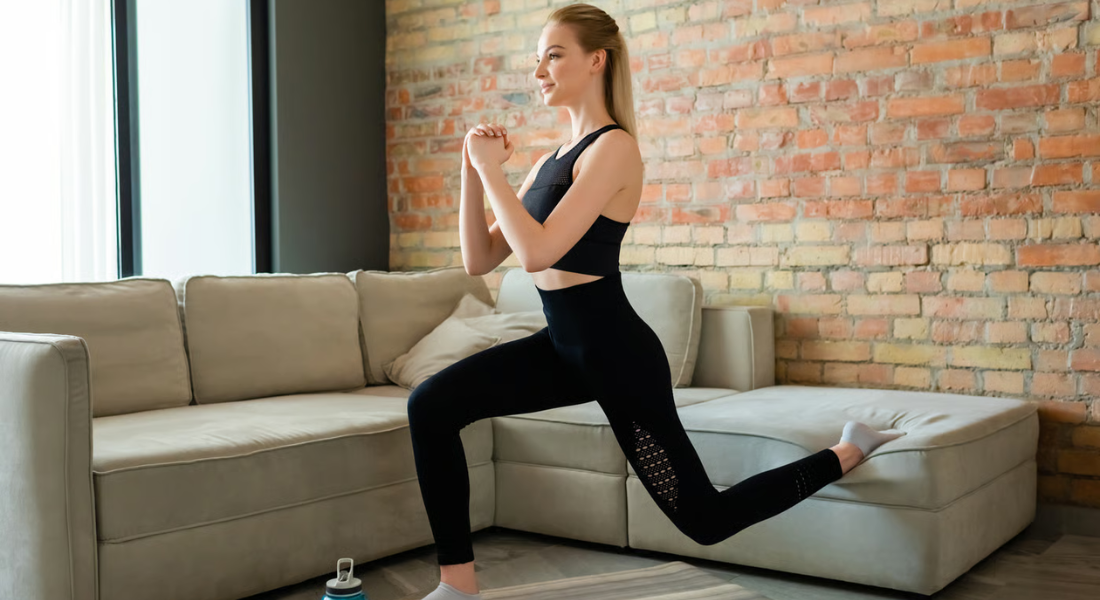
A gradual return to exercise may help you avoid placing unnecessary strain on the treated area while it is healing. Once your pain and swelling are settling and your practitioner has cleared you, you can slowly add lighter cardio or gym exercises.
Your running, heavy lower-body training and high-impact workouts should come later as your treated area continues to recover. You should ask your practitioner about exercise, compression, entry-point care and warning signs so you know exactly when and how to increase your activity.
Myth vs Fact
| Myth | Fact |
| You can return to every exercise after 48 hours. | Normal daily activity and strenuous exercise are not the same thing. |
| Everyone must wait exactly two weeks. | Exercise timing varies according to the treatment area, healing and practitioner protocol. |
| Upper-body exercise does not affect treated thighs or buttocks. | Standing, bracing, lifting and seated positions can still load treated areas. |
| Some bruising means you cannot move at all. | Gentle movement may resume early if comfortable and permitted by your practitioner. |
| You can swim as soon as you feel well. | Entry points need to heal before swimming or soaking, and you should follow your practitioner’s aftercare advice. |
Key Takeaways
1. Gentle walking can usually restart early after Cellulaze.
2. Light daily activities may resume relatively early, depending on your recovery and aftercare advice.
3. Strenuous exercise is commonly delayed for around one to two weeks in clinical aftercare, but there is no universal research-based return-to-exercise deadline.
4. Running, gym training and heavy lower-body exercise should be restarted gradually as swelling and tenderness settle.
5. Wait until treatment entry points have healed before swimming or soaking them.
6. Your treatment area, extent of treatment and individual recovery should guide your exercise plan.
Frequently Asked Questions
1. How soon can you exercise after Cellulaze?
Gentle walking can usually restart early, while strenuous exercise is commonly delayed for around one to two weeks. This is a practical aftercare range rather than a universal research-based deadline, so your exact timing should depend on your treatment area, symptoms, healing and practitioner’s advice.
2. When can you start walking after Cellulaze?
Gentle walking is usually one of the first activities you can resume. Start slowly and increase your activity if it does not worsen swelling or discomfort.
3. When can you return to the gym after Cellulaze?
You should wait until your early recovery has progressed sufficiently before returning to strenuous gym workouts. Your practitioner can advise when it is appropriate based on your treatment area, healing and planned exercise.
4. When can you start running after Cellulaze?
Running usually needs to wait longer than gentle walking because it involves impact and repeated muscle movement. You can gradually restart once swelling and tenderness have settled and your practitioner has advised it is appropriate.
5. When can you do squats and lunges after Cellulaze?
Squats, lunges and other lower-body exercises should usually be avoided during the early recovery period. You can gradually reintroduce them once your treated areas are comfortable and sufficiently healed.
6. Can you train your upper body after Cellulaze?
You may be able to restart gentle upper-body exercise earlier, but some exercises still involve your legs and core. Follow your practitioner’s guidance on overall activity levels.
7. Can you swim after Cellulaze?
You should wait until the small treatment entry points have healed before swimming. Your practitioner can advise when your entry points have healed sufficiently for you to return to pools, hot tubs or open water.
8. Should you wear your compression garment while exercising?
This depends on your practitioner’s instructions and the stage of your recovery. Do not remove your compression garment for exercise unless your clinician has advised that you can.
9. Can swelling and bruising affect when you exercise?
Yes. Significant swelling, tenderness or worsening discomfort may mean you need more recovery time before increasing exercise.
10. What happens if you exercise too soon after Cellulaze?
Exercising too soon may increase swelling, discomfort or irritation around the healing areas. If exercise causes worsening pain, swelling, redness or discharge, stop and contact your clinic.
Final Thoughts: Exercise After Cellulaze
After Cellulaze, gentle walking can usually resume early, but you should give your body time before returning to strenuous exercise. Your swelling, bruising and comfort should guide your progress.
If you’re considering Cellulaze treatment in London, your practitioner can advise when it may be appropriate to return to your usual workouts based on your treatment and recovery.
References:
1. DiBernardo, B.E. et al. (2016) ‘A multicenter study for cellulite treatment using a 1440-nm Nd:YAG wavelength laser with side-firing fiber’, Aesthetic Surgery Journal, 36(3), pp. 335–343. Available at: https://pubmed.ncbi.nlm.nih.gov/26879299/
2. Gabriel, A., Chan, V., Caldarella, M., Wayne, T. and O’Rorke, E. (2023) ‘Cellulite: Current Understanding and Treatment’, Aesthetic Surgery Journal Open Forum, 5, ojad050. Available at: https://pubmed.ncbi.nlm.nih.gov/37424836/
3. Bass, L.S. and Kaminer, M.S. (2020) ‘Insights into the pathophysiology of cellulite: a review’, Dermatologic Surgery, 46(Suppl 1), pp. S77–S85. Available at: https://pmc.ncbi.nlm.nih.gov/articles/PMC7515470/
4. Sadick, N. (2019) ‘Treatment for cellulite’, International Journal of Women’s Dermatology, 5(1), pp. 68–72. Available at: https://www.sciencedirect.com/science/article/pii/S2352647518300418
5. DiBernardo, B.E. (2011) ‘Treatment of cellulite using a 1440-nm pulsed laser with one-year follow-up’, Aesthetic Surgery Journal, 31(3), pp. 328–341. Available at: https://academic.oup.com/asj/article/31/3/328/2770604