



If you are considering injectable treatments, you may wonder whether Profhilo and dermal fillers work in the same way. Although both can contain hyaluronic acid, they are designed to address different concerns.
Your Profhilo treatment focuses mainly on improving your skin quality, such as hydration, elasticity and mild laxity. Dermal fillers are primarily used to restore volume, improve definition or soften specific areas such as your cheeks, lips or jawline. Depending on your concerns, you may benefit from one approach or a combination of both.
What Is the Main Difference Between Profhilo and Dermal Fillers?
The main difference is what you want to improve. Your Profhilo treatment focuses mainly on your skin quality, such as hydration, elasticity and mild laxity, while your dermal filler is mainly used to restore or add volume in specific areas.
Your dermal filler can help you enhance your lips, restore cheek volume, soften folds or define your chin and jawline. Both treatments can affect aspects of your skin quality, but your choice should depend on whether your main concern is the condition of your skin or a lack of volume and definition.
Profhilo vs Dermal Fillers at a Glance
| Feature | Profhilo | Conventional dermal filler |
| Main treatment goal | Improve aspects of skin quality | Restore or add targeted volume |
| Common concerns | Hydration, mild laxity, texture and elasticity | Volume loss, contour and structural definition |
| Facial shaping | Not primarily intended for targeted sculpting | Can be used for areas such as cheeks, lips, chin or jawline |
| Hyaluronic acid | Contains hybrid complexes of high- and low-molecular-weight HA | Many fillers contain formulated/cross-linked HA, although not all dermal fillers are HA based |
| Result | Usually gradual and skin-quality focused | Depends on product and area; structural change may be more immediately apparent |
| Longevity | Varies; maintenance may be discussed | Varies considerably by filler, anatomy and product characteristics |
| Common temporary effects | Redness, swelling, bruising and injection-point bumps | Redness, swelling, bruising and tenderness |
| Serious complications | Rare reports of vascular events, including vascular occlusion and embolism, have appeared in Profhilo post-marketing surveillance | Rare vascular occlusion can cause skin or tissue injury and, in very rare cases, visual loss |
What Is Profhilo Designed to Do?
Your Profhilo treatment is mainly designed to improve your skin quality rather than add noticeable volume. It may help your skin look more hydrated, elastic, smooth and refreshed, particularly if you are noticing fine lines, dryness or mild laxity.
Your Profhilo is not intended to reshape your face like a conventional dermal filler. You may therefore prefer it if your main concern is how the condition of your skin looks and feels rather than wanting more volume or definition.
Evidence Note
A 2026 systematic review examined nine studies involving 278 people treated with Profhilo or Profhilo Body. The studies reported improvements or trends towards improvement in measures including hydration, elasticity, skin density and laxity across several treatment areas.
The evidence should still be interpreted cautiously. The available studies are relatively small. The systematic review itself was funded by IBSA Farmaceutici, the manufacturer of Profhilo, and three of its five authors were IBSA employees. This means the findings support possible skin-quality benefits but should not be presented as guaranteed outcomes for every patient.
What Are Dermal Fillers Designed to Do?
Your dermal fillers are mainly designed to add or restore volume in specific areas of your face. Depending on what you want to improve, your filler may help enhance your lips, restore cheek volume, improve chin projection, define your jawline or soften certain folds.
Your practitioner can choose the filler and amount based on the area you want to change and the result you are looking for. This makes dermal filler a more targeted treatment for your facial volume and definition than Profhilo.
Is Profhilo a Dermal Filler?
Your Profhilo contains hyaluronic acid, just like many dermal fillers, but it is not used in the same way as a conventional volumising filler. Your Profhilo is mainly designed to improve skin quality, while your dermal filler is used to add or restore volume in specific areas.
So, although Profhilo and many conventional dermal fillers contain hyaluronic acid, they are designed for different goals. Your choice depends on whether you mainly want to improve your skin’s hydration and elasticity or add volume and definition.
Which Treatment Is Better for Skin Hydration?

If your main concern is dry, dull or crepey-looking skin, your Profhilo may be the more suitable option to discuss. Its hyaluronic acid can help improve your skin’s hydration and may make it look smoother and more supple over time.
Your dermal filler can also contain hyaluronic acid, but it is mainly used to restore or add volume in specific areas. If you want to improve your skin quality rather than add volume or change your facial shape, Profhilo may be more appropriate for you.
Which Treatment Is Better for Facial Volume?
If your main concern is lost facial volume, your dermal filler is usually the more direct option. It can help restore volume in areas such as your cheeks, lips, chin or jawline, depending on the changes you want.
Your Profhilo is mainly focused on improving your skin quality rather than replacing significant lost volume. If you want fuller cheeks or more facial definition, your practitioner can assess whether volume restoration or a skin-quality treatment is more suitable for you.
Can Profhilo Improve Fine Lines?
Your Profhilo may help soften the appearance of some fine lines, particularly when your skin is dry or has lost some elasticity. It works by improving your skin quality rather than physically filling a wrinkle.
If you have a deeper crease or significant volume loss, your dermal filler may be more suitable for you. Your practitioner can assess whether your lines are mainly related to skin quality, volume loss or facial movement before recommending the right treatment.
Can Dermal Fillers Improve Skin Quality Too?
Some hyaluronic-acid dermal fillers may improve aspects of skin hydration or texture as well as providing volume, depending on their formulation and how they are used. However, conventional dermal fillers are generally selected primarily for targeted volume restoration or contour rather than for the same treatment goals as Profhilo.
Your conventional dermal filler is usually chosen to address a specific area, such as restoring volume in your cheeks or lips. Your Profhilo is more focused on improving the overall quality of your skin across the treated area.
Which Treatment Gives More Contour?
If your main goal is to improve facial shape or definition, dermal filler is generally more suitable than Profhilo. The best option depends on the specific change you want to achieve.
1. Cheeks: Filler may help restore volume and improve cheek definition.
2. Chin: It can be used to add projection or improve facial balance.
3. Jawline: Filler may create greater definition along the jaw.
4. Skin quality: Profhilo is more focused on hydration, elasticity and texture than facial sculpting.
Your practitioner can assess whether your concern is mainly related to volume, contour or skin quality before recommending treatment.
How Do the Treatment Areas Differ?
Profhilo products can be used for skin-quality concerns in different treatment areas, but the formulation and treatment protocol depend on the area being treated. Profhilo Body has been studied specifically in body areas, including the arms and hands, so your practitioner should explain which product and approach are appropriate for you.
Your dermal filler is usually more targeted and can be used to address specific areas such as your lips, cheeks, chin, jawline or a particular hollow. Your practitioner should choose the treatment based on the area you want to improve and the result you want to achieve.
Which Treatment Looks More Natural?
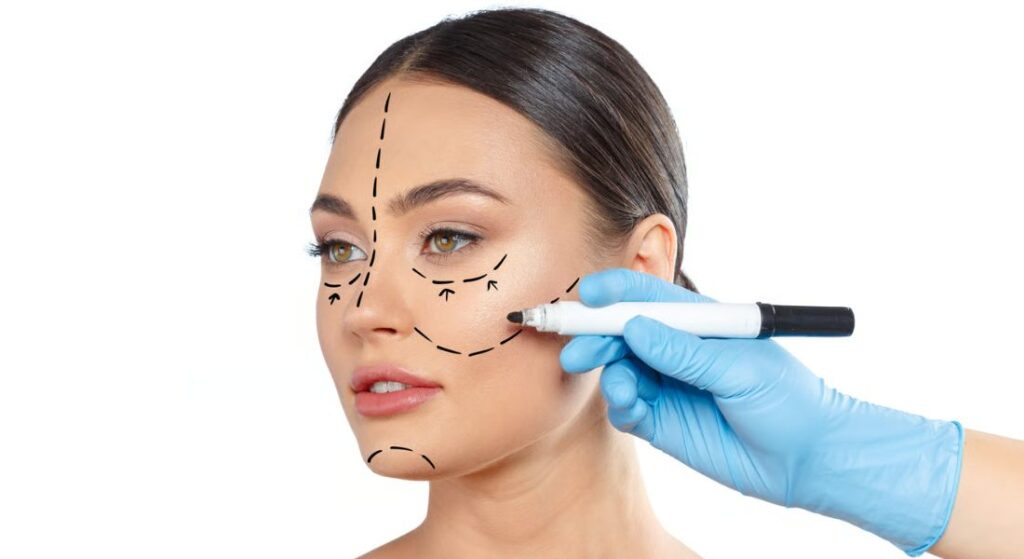
Neither treatment is automatically more natural-looking than the other. Profhilo generally produces a subtler type of change because it focuses on skin quality rather than targeted volume, while dermal filler can also be used conservatively when subtle volume restoration or definition is the goal.
Your dermal filler can also look natural when it is carefully planned to restore volume or definition without overfilling. The result depends more on the product, amount, placement and your practitioner’s technique than on which treatment you choose.
How Long Do Profhilo and Dermal Filler Results Last?
Your Profhilo results can develop gradually and may need maintenance treatments depending on your skin and the treatment plan. Because the evidence is still developing, you should be cautious about guaranteed timelines.
Dermal filler longevity varies considerably depending on the product, treatment area, amount used and individual tissue response. Because Profhilo and conventional fillers are designed for different treatment goals, a simple comparison of which treatment “lasts longer” can be misleading.
Research Insight
Longevity is particularly difficult to compare because hyaluronic acid injectables have different formulations and tissue behaviour. A 2026 systematic review of 24 studies involving 1,410 patients found substantial variation in the persistence of facial hyaluronic acid fillers according to the product and anatomical area.
Profhilo research has also followed patients over different periods and does not establish one universal duration of benefit. For this reason, advertised longevity figures should be treated as estimates rather than promises about how long your individual result will last.
Do Profhilo and Dermal Fillers Have the Same Downtime?
Your Profhilo and dermal filler can both cause temporary swelling, redness, bruising or tenderness after treatment. Profhilo may also leave small raised injection points for a short time, while your filler can sometimes cause more noticeable swelling depending on the area treated.
Your downtime will depend on your treatment and how your skin responds. If you have an important event coming up, give yourself enough time for any visible reactions to settle.
Are the Risks the Same?
Both Profhilo and dermal fillers involve injections, so temporary redness, swelling, bruising or tenderness can occur with either treatment. Your exact risks depend on the product, treatment area, injection technique and your individual circumstances.
Rare vascular complications are possible with injectable hyaluronic-acid treatments. Post-marketing data for Profhilo have included rare reports of vascular occlusion and embolism, while the wider dermal-filler literature documents vascular occlusion causing skin or tissue injury and, very rarely, visual loss. Severe or worsening pain, marked blanching or unusual skin colour changes after an injection require urgent medical assessment. Any new visual symptoms after an injectable treatment should be treated as a medical emergency.
UK Guidance Note
In England, the government remains committed to introducing a licensing scheme for lower-risk non-surgical cosmetic procedures. An earlier consultation proposed including semi-permanent facial dermal fillers and biorevitalisation or other hyaluronic-acid injections, but the final procedures and requirements have not yet been set in legislation and remain subject to further consultation and the parliamentary process.
The regulatory framework is still being developed, so you should not assume that every injector currently works under identical requirements. Ask about your practitioner’s qualifications, experience, consultation process, aftercare arrangements and how they would recognise and manage an injectable complication.
Can You Have Profhilo and Dermal Fillers Together?
Profhilo and dermal fillers may sometimes be included within the same overall treatment plan when you have different concerns. A dermal filler may be considered for targeted volume restoration, while Profhilo may be considered for skin-quality concerns. Your practitioner should decide whether you need both treatments and how their timing and treatment areas should be planned.
You do not necessarily need both treatments. Your practitioner should look at what you want to improve and recommend the simplest approach that is appropriate for you.
How Do You Choose Between Profhilo and Dermal Fillers?

Start with what you want to change rather than the product name. If you want your skin to look more hydrated, smoother and fresher, Profhilo may be worth discussing, while dermal filler may be more suitable if you want to restore volume or improve your facial definition.
Your practitioner should explain why they recommend one treatment for you, what results you can realistically expect and what the treatment cannot change. The right option should be based on your skin, facial structure and specific concerns rather than simply copying someone else’s results.
Clinical Tip
Before choosing a product, describe the change you want rather than asking for a particular injectable by name. For example, dry or mildly lax skin, loss of cheek volume and a desire for a more defined chin are different concerns and may require different approaches.
Ask your practitioner to explain what is causing the feature you want to change, what the proposed treatment can realistically improve and what it cannot correct. This can reduce the risk of receiving volume when your main concern is skin quality, or choosing a skin-quality treatment when structural volume loss is the main issue.
Myth vs Fact
| Myth | Fact |
| Profhilo and dermal fillers are basically the same because both can use hyaluronic acid. | Their HA formulation, physical properties, injection approach and treatment goals can differ considerably. |
| Profhilo will give you the same facial volume as conventional filler. | Profhilo is primarily used for skin-quality goals and is not normally selected to create targeted cheek, lip, chin or jaw projection. |
| Dermal filler only adds obvious or artificial-looking volume. | Filler can be used conservatively to restore lost volume or definition, and the result depends on product choice, amount and placement. |
| Profhilo is always better if you want natural-looking results. | Neither treatment is automatically more natural. The most appropriate option depends on your anatomy, concerns and treatment plan. |
| Profhilo and fillers are completely risk-free because hyaluronic acid occurs naturally in the body. | Both are injectable procedures and can cause complications. Rare vascular complications require prompt recognition and management. |
Key Takeaways
1. Profhilo is mainly used for skin-quality concerns rather than targeted facial volume.
2. Conventional dermal fillers are commonly used to restore volume or improve facial definition.
3. Neither treatment is automatically better or more natural than the other.
4. Results and longevity vary according to the product, treatment area and individual response.
5. You may not need both treatments simply because they address different concerns.
6. Severe pain or unusual skin colour changes after an injection require urgent assessment, while any new visual symptoms should be treated as a medical emergency.
Frequently Asked Questions
1. What is the main difference between Profhilo and dermal fillers?
Profhilo mainly focuses on improving your skin quality, hydration and elasticity. Dermal fillers are primarily used to restore or add volume in specific areas.
2. Is Profhilo a dermal filler?
Although Profhilo contains hyaluronic acid, it is not used like a conventional volumising filler. Profhilo is mainly designed to improve your skin quality rather than reshape your face.
3. Is Profhilo better for skin hydration than dermal fillers?
If your main concern is dry, dull or crepey skin, Profhilo may be more suitable for you. Dermal fillers are generally chosen for volume and definition.
4. Which treatment is better for restoring facial volume?
Dermal fillers are usually the more direct option if you want to restore volume in areas such as your cheeks, lips, chin or jawline.
5. Can Profhilo improve fine lines?
Profhilo may help soften some fine lines by improving your skin quality, hydration and elasticity. Deeper creases or lines related to volume loss may need a different approach.
6. Which treatment gives you more facial contour?
Dermal fillers are designed to add or restore volume and can help improve definition in areas such as your cheeks, chin and jawline. Profhilo is not intended to sculpt your facial shape in the same way.
7. Can dermal fillers improve your skin quality?
Yes, some dermal fillers may improve aspects of your skin quality, but they are generally used for more targeted volume restoration. Profhilo is more focused on overall skin quality in the treated area.
8. Do Profhilo and dermal fillers have the same downtime?
Both can cause temporary swelling, redness, bruising or tenderness. Profhilo may also leave small raised injection points, while filler swelling can be more noticeable depending on the area treated.
9. Can you have Profhilo and dermal fillers together?
Yes, they can sometimes be combined when you have both skin-quality and volume concerns. Your practitioner should assess whether you actually need both treatments.
10. How do you choose between Profhilo and dermal fillers?
Think about what you want to change. If you want more hydrated, smoother-looking skin, Profhilo may be worth discussing, while dermal fillers may be more suitable for restoring volume or improving definition.
Final Thoughts: Profhilo vs Dermal Fillers
Profhilo and dermal fillers can both contain hyaluronic acid, but they are designed for different treatment goals. Profhilo mainly focuses on improving hydration, elasticity and overall skin quality, while dermal fillers are more suitable for restoring volume or creating definition in specific areas.
If you’re considering Profhilo treatment in London, you can get in touch with us at the London Medical & Aesthetic Clinic.
References:
1. Sparavigna, A. et al. (2026) ‘A systematic review of the efficacy and safety of Profhilo® and Profhilo® Body’, Plastic and Aesthetic Nursing, 46(2), pp. 80–92. Available at: https://pubmed.ncbi.nlm.nih.gov/41920062/
2. de Castro Costa, M. et al. (2026) ‘Clinical durability of hyaluronic acid-based dermal fillers for facial application: A systematic review’, Aesthetic Plastic Surgery, 50(5), pp. 1971–1993. Available at: https://pubmed.ncbi.nlm.nih.gov/41261256/
3. Humzah, D. et al. (2024) ‘Intradermal injection of hybrid complexes of high- and low-molecular-weight hyaluronan: Where do we stand and where are we headed in regenerative medicine?’, International Journal of Molecular Sciences, 25(6), 3216. Available at: https://www.mdpi.com/1422-0067/25/6/3216
4. Salti, G. et al. (2025) ‘Hyaluronic acid hybrid cooperative complexes nearing 10 years of use: Update on safety assessment based on post-marketing surveillance data’, Journal of Cosmetic Dermatology, 24(7), e70197. Available at: https://pmc.ncbi.nlm.nih.gov/articles/PMC12257262/
5. Soares, D.J. et al. (2024) ‘Cosmetic filler-induced vascular occlusion: A rising threat presenting to emergency departments’, Annals of Emergency Medicine, 83(1), pp. 59–67. Available at: https://www.sciencedirect.com/science/article/pii/S0196064423005784