

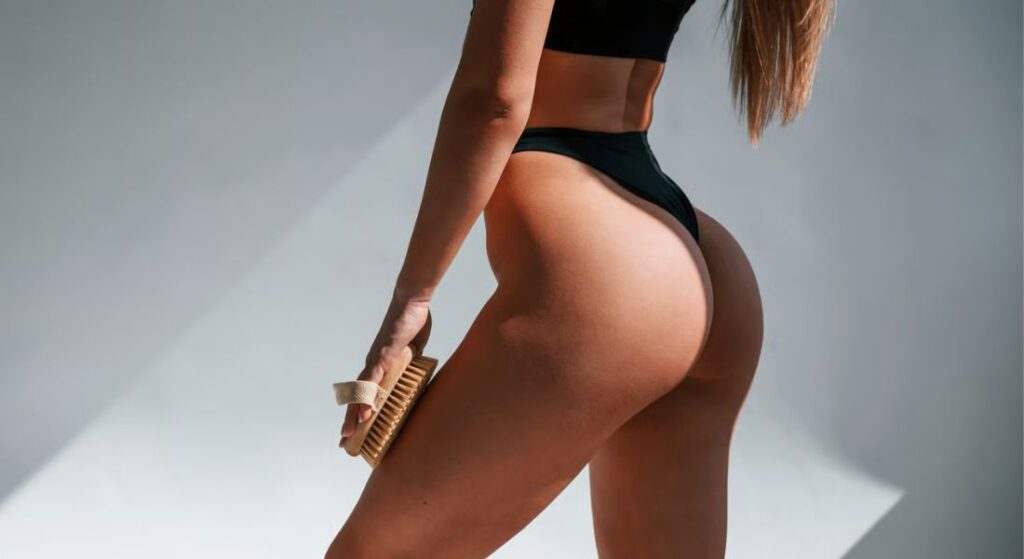
Pregnancy may change your weight, skin quality and buttock shape, and some changes can remain after childbirth. If you’re considering a Liquid BBL, you may want to restore some fullness or improve your hip-dip contours, but it’s important to give your body time to recover first.
Your recovery, breastfeeding plans and the product used all matter when considering treatment. The safety of Sculptra during breastfeeding has not been established, so you should discuss your circumstances with a qualified practitioner before deciding whether treatment is appropriate.
Can You Have a Liquid BBL After Pregnancy?
You may be able to have a Liquid BBL after pregnancy, but you need to give your body time to recover first. Your weight, skin and body shape can continue changing after childbirth, so the right time for treatment depends on your individual recovery and circumstances.
Your six-to-eight-week postnatal check isn’t automatic clearance for cosmetic treatment. If you’re experiencing pain, wound problems or other complications, address these with a healthcare professional before considering an injectable treatment.
Why Should You Wait for Your Body to Recover?
Your weight, body shape and pelvic-floor muscles can take time to recover after childbirth. If these changes are still ongoing, your current contours may differ from your shape a few months later.
You don’t need to reach a specific weight, but it helps if your body shape is reasonably stable before treatment. If you’re unsure whether you’re ready, speak to your GP or treating practitioner first.
How Long After Giving Birth Should You Wait?
There’s no single waiting period that suits everyone after childbirth. You need to consider your recovery, delivery type, breastfeeding plans and any ongoing health concerns before having a Liquid BBL.
Your six-to-eight-week postnatal check can help you review your recovery, but it doesn’t automatically mean you’re ready for treatment. If you had a caesarean or birth complications, you may need longer to recover before considering an elective procedure.
Factors That May Affect When You Consider Treatment
| Factor | Why it matters |
| Early postnatal recovery | Your body is still healing and blood-clot risk is higher soon after birth |
| Caesarean or birth complications | Wounds, infection, bleeding or pain should be resolved first |
| Breastfeeding | Sculptra safety during breastfeeding has not been established |
| Changing weight/body shape | Ongoing changes can make aesthetic planning less predictable |
| Anticoagulant treatment | Some people need postnatal blood-thinning medication |
| Ongoing medical symptoms | New one-sided leg pain or swelling needs urgent assessment. Call 999 for chest pain, sudden breathing difficulties or collapse. Wound problems require medical advice, while sudden very heavy bleeding requires emergency help. |
| Product being proposed | Sculptra and Lanluma have different product information and protocols |
What If You Are Still Breastfeeding?
If you’re breastfeeding, it’s important to discuss this before having a Liquid BBL. The safety of products such as Sculptra and Lanluma during breastfeeding has not been adequately established.
You may be advised to postpone treatment until you’ve finished breastfeeding. Tell your practitioner you’re breastfeeding so they can discuss the product-specific risks and appropriate timing with you.
Is a Liquid BBL Safe During Pregnancy?
You should avoid elective Liquid BBL treatment during pregnancy, as the safety of these cosmetic injectables has not been established. Your body is also changing throughout pregnancy, which can affect your shape and the results you hope to achieve.
If you think you may be pregnant, tell your practitioner before treatment. If you become pregnant after a previous treatment, speak to your healthcare professional for advice.
What Changes Can Pregnancy Cause to Your Buttocks?
After pregnancy, you may notice changes in your buttock volume, skin firmness, hips or overall body proportions. These changes vary from person to person as your weight and body composition adjust after childbirth.
A Liquid BBL may help address reduced volume or contour concerns, but it cannot reverse every pregnancy-related change. Understanding what you want to improve can help you discuss suitable options with your practitioner.
What Can a Liquid BBL Restore After Pregnancy?
A Liquid BBL may help improve selected changes in your buttock shape and contours after pregnancy. What it can achieve depends on your anatomy, concerns and the product used.
1. Lost volume: Treatment may help restore some buttock fullness.
2. Hip dips: Added volume may create a smoother outer contour.
3. Mild asymmetry: Selected areas can be treated to improve overall balance.
4. Skin firmness: Collagen stimulation may gradually improve mild loss of firmness.
A Liquid BBL cannot repair separated abdominal muscles, pelvic-floor problems or remove excess fat or significant loose skin, so your practitioner should assess which treatment best suits your concerns.
Can It Help With Loss of Buttock Volume After Pregnancy?
Yes, a Liquid BBL may help you restore some buttock fullness after pregnancy-related weight changes. Products such as Sculptra and Lanluma stimulate collagen production, gradually improving your contour without fat transfer.
However, the amount of volume you can gain is limited. Your practitioner can help you understand whether this treatment can achieve the results you want.
Can a Liquid BBL Improve Hip Dips After Pregnancy?
A Liquid BBL may help you soften the appearance of hip dips by adding volume around selected areas. Changes in body fat after pregnancy can make your natural indentations more noticeable.
Your practitioner can assess your proportions and help you achieve a smoother contour. The aim is to improve your natural shape, not necessarily eliminate every indentation.
Can It Improve Loose or Less Firm Skin After Pregnancy?
A collagen-stimulating Liquid BBL may help you improve skin quality and firmness gradually. It may suit you if you have mild skin laxity after pregnancy or weight loss.
However, it won’t remove significant excess skin, and your skin may continue changing during postpartum recovery. Your practitioner can help you understand whether this treatment is suitable for your concerns.
Evidence Note
PLLA has been studied for general buttock contouring. In a prospective multicentre study of 30 women, treatment was associated with improvement in buttock contour and objective measures including skin elasticity six months after the treatment course.
However, this was not a study specifically of women after pregnancy. The findings therefore support PLLA for gluteal contouring generally but do not establish a particular postpartum treatment protocol or guarantee restoration of pregnancy-related changes.
Can a Liquid BBL Remove Post-Pregnancy Fat?

No, a Liquid BBL doesn’t remove fat from your buttocks, hips or thighs. It uses injectable products to improve contour, so adding volume may not suit you if your main concern is excess fat.
Your body composition can continue changing after childbirth, so give yourself time to recover. Discuss your concerns with a qualified practitioner to understand which treatment, if any, may suit you.
Does Your Delivery Method Affect When You Can Have Treatment?
Yes, your recovery after a vaginal birth may differ from your recovery after a caesarean or complicated delivery. You need to be medically well before considering an elective Liquid BBL.
If you have ongoing pain, wound problems or other complications, speak to your GP or maternity team first. Your actual recovery, rather than your delivery method alone, should guide when you consider treatment.
UK Guidance Note
In England, CQC’s current published guidance generally excludes subcutaneous cosmetic filler injections from its regulated surgical-procedures category. However, certain large-volume buttock filler procedures may require separate consideration under the rules governing cosmetic surgery. You should therefore confirm which requirements apply to your proposed treatment and whether the clinic needs CQC registration.
On 21 October 2026, the Government also opened consultation on draft regulations that would classify fillers injected into non-facial body areas, including Liquid BBLs, as cosmetic surgical procedures restricted to doctors. These proposals are not yet in force, so check the requirements applying when you arrange treatment and confirm the clinic’s current regulatory status.
Should You Wait Until Your Weight Has Stabilised?
Waiting until your weight and body shape are reasonably stable can help you plan your Liquid BBL more predictably. If your weight is still changing, your buttock volume and contours may look different in the coming months.
You don’t need to reach a specific target weight. Give yourself time to recover, return to exercise gradually and see which changes improve naturally before deciding whether treatment is right for you.
How Many Liquid BBL Sessions Might You Need After Pregnancy?
You may need several Liquid BBL sessions, depending on your starting shape, goals and the product used. Some PLLA treatment protocols involve two to four sessions, although there is no established schedule specifically for patients after pregnancy. With collagen-stimulating treatments, your results develop gradually over several weeks and months.
Your practitioner should assess your progress and recommend an individual treatment plan based on the selected product and your response. You may need fewer or more sessions than someone else, and further treatment should only be considered after an appropriate assessment.
Research Insight
Session schedules depend on the product. Lanluma’s current manufacturer information describes a usual course of two to three sessions spaced four to six weeks apart. Current Sculptra instructions generally recommend a four-session cycle spaced at least four weeks apart, with reassessment after each session.
This is why a practitioner should not give every postpartum patient the same “two or three session” Liquid BBL plan without first identifying the exact product and treatment goal.
What Is Recovery Like After a Post-Pregnancy Liquid BBL?
You may experience temporary swelling, bruising, redness or tenderness after a Liquid BBL. Less common complications can include infection, persistent nodules, inflammatory reactions or problems affecting the blood supply to the treated tissue. Your results will develop gradually if you have a collagen-stimulating treatment, so don’t judge your final outcome immediately.
Follow your practitioner’s aftercare advice and consider how recovery fits around caring for your baby. Contact your practitioner promptly if you develop increasing pain, significant swelling, worsening redness or a persistent lump. Seek urgent medical assessment if you experience severe pain, fever with spreading redness, or pale, dusky or discoloured skin around the treatment area. Call 999 if you develop chest pain, sudden severe breathing difficulties or collapse.
Clinical Tip
Before arranging treatment, tell your practitioner about your delivery, any caesarean or birth complications, breastfeeding, medicines and any anticoagulant injections you have recently used. Ongoing bleeding, infection, wound problems or significant pain should be assessed by an appropriate healthcare professional before elective treatment. If you develop new one-sided leg pain or swelling, seek urgent medical advice rather than waiting for a cosmetic consultation. Call 999 if you experience sudden severe breathlessness, chest pain or collapse.
Plan the aftercare around caring for your baby. Ask whether you will need to avoid strenuous exercise, pressure on the treated area or particular activities, and arrange practical support if these restrictions could interfere with lifting or childcare.
What Should You Consider Before Booking a Liquid BBL After Pregnancy?
Before booking, consider whether your body has recovered and your weight has stabilised. If you are breastfeeding, discuss this with your doctor and practitioner, as safety data for products such as Sculptra are lacking in breastfeeding women. Be clear about whether you want to restore buttock volume, soften hip dips, improve symmetry or address loose skin, as these concerns may need different treatments.
You should also tell your practitioner about any previous allergic reactions to injectable products, active skin infections, problems with wound healing or medicines that could increase bleeding or bruising. If you have been prescribed blood-thinning medication after childbirth, do not stop taking it simply to undergo a cosmetic procedure. Your prescribing healthcare professional should advise you on any changes to your medicines, and elective treatment may need to be postponed.
Ask which injectable product will be used, how many sessions you may need and what results you can realistically expect. Check your practitioner’s qualifications and experience with gluteal injections, and confirm the regulatory requirements in force when you book, as proposed UK rules may change how liquid BBL treatments are regulated.
Myth vs Fact
| Myth | Fact |
| Your 6 to 8-week postnatal check means you are cleared for a Liquid BBL. | The check reviews your recovery; it is not automatic clearance for elective cosmetic treatment. |
| Everyone should wait the same number of months after giving birth. | There is no universal evidence-based Liquid BBL waiting interval. |
| Pumping and discarding breast milk makes Sculptra safe during breastfeeding. | Sculptra safety during breastfeeding has not been established; there is no validated short “pump and dump” interval. |
| A Liquid BBL can restore your body exactly to its pre-pregnancy shape. | It may improve selected contour or volume concerns, but pregnancy-related changes and results vary. |
| Sculptra and Lanluma always use the same number of sessions. | Their current product protocols differ, so treatment planning should be product-specific. |
Key Takeaways
1. There is no universal evidence-based waiting period for Liquid BBL after childbirth.
2. Your 6 to 8-week postnatal check does not automatically clear you for elective cosmetic treatment.
3. Sculptra’s current product information states that safety during pregnancy and breastfeeding has not been established.
4. Evidence supports PLLA for general gluteal contouring, but not specifically as a postpartum restoration treatment.
5. Sculptra and Lanluma have different treatment protocols, so session numbers should be product-specific.
6. Changes to Liquid BBL regulation in England are proposed but not yet in force, so check the current clinic and practitioner requirements before booking.
Frequently Asked Questions
1. Can you have a Liquid BBL after pregnancy?
You may be able to have a Liquid BBL after pregnancy, but you should give your body time to recover first. Your weight, skin and body shape should be reasonably stable, and any ongoing health concerns should be addressed before treatment.
2. How long after giving birth should you wait for a Liquid BBL?
There is no single waiting period that suits everyone, as timing depends on your recovery, delivery type, breastfeeding plans and health concerns. Your six-to-eight-week postnatal check can help you review your recovery, but it does not automatically mean you are ready for cosmetic treatment.
3. Is a Liquid BBL safe while breastfeeding?
The safety of products such as Sculptra and Lanluma during breastfeeding has not been adequately established. You may be advised to postpone treatment until you have finished breastfeeding, so discuss your circumstances with a qualified practitioner.
4. Can you have a Liquid BBL during pregnancy?
You should avoid elective Liquid BBL treatment during pregnancy because the safety of these cosmetic injectables has not been established. If you think you may be pregnant, tell your practitioner before treatment.
5. What changes can a Liquid BBL restore after pregnancy?
A Liquid BBL may help improve reduced buttock volume, hip dips, mild asymmetry and skin firmness after pregnancy. However, it cannot repair separated abdominal muscles, treat pelvic-floor problems or remove excess skin or fat.
6. Can a Liquid BBL restore lost buttock volume after pregnancy?
A Liquid BBL may help restore some buttock fullness following pregnancy-related weight changes. Products such as Sculptra and Lanluma stimulate collagen production gradually, but the amount of volume you can gain is limited.
7. Can a Liquid BBL improve hip dips after pregnancy?
A Liquid BBL may soften the appearance of hip dips by adding volume around selected areas of your hips and buttocks. Your practitioner can assess your proportions and help you understand what contour improvements are realistic.
8. Can a Liquid BBL remove post-pregnancy fat or loose skin?
No, a Liquid BBL does not remove fat from your buttocks, hips or thighs, and it cannot remove significant excess skin. It may help improve contour and mild skin laxity, but your practitioner should assess whether it suits your concerns.
9. How many Liquid BBL sessions might you need after pregnancy?
You may need several sessions depending on the product used, your starting shape and your goals. Different PLLA products have different treatment protocols, so your practitioner should assess your progress and recommend the number and spacing of sessions appropriate for you.
10. What should you consider before booking a Liquid BBL after pregnancy?
Make sure your body has recovered, your weight is reasonably stable and you have discussed breastfeeding and any ongoing health concerns with your healthcare professional. Ask about the product, potential risks, expected results and number of sessions, and check your practitioner’s qualifications and experience with gluteal injections.
Final Thoughts: Liquid BBL After Pregnancy
A Liquid BBL may help restore some buttock volume and improve hip dips or mild asymmetry after pregnancy. However, it’s important to allow your body time to recover, wait until your shape is reasonably stable and consider breastfeeding, as the safety of these treatments during breastfeeding has not been established.
If you’re looking for Liquid BBL in London, you can get in touch with us at the London Medical & Aesthetic Clinic.
References:
1.Kovacs, T. et al. (2026). ‘Cosmetic Dermatology in Pregnancy and Lactation: A Risk-Benefit Framework for Clinical Practice’. International Journal of Dermatology, published online ahead of print. Available at: https://pubmed.ncbi.nlm.nih.gov/42634996/
2. Nikolis, A. et al. (2022). ‘A Prospective, Multicenter Trial on the Efficacy and Safety of Poly-L-Lactic Acid for the Treatment of Contour Deformities of the Buttock Regions’. Journal of Drugs in Dermatology, 21(3), pp. 295–304. Available at: https://pubmed.ncbi.nlm.nih.gov/35254764/
3. Maughan, B.C. et al. (2022). ‘Venous Thromboembolism During Pregnancy and the Postpartum Period: Risk Factors, Diagnostic Testing, and Treatment’. Obstetrical & Gynecological Survey, 77(7), pp. 433–444. Available at: https://pmc.ncbi.nlm.nih.gov/articles/PMC10042329/
4. Haddad, A. et al. (2025). ‘Injectable Poly-l-Lactic Acid for Body Aesthetic Treatments: An International Consensus on Evidence Assessment and Practical Recommendations’. Aesthetic Plastic Surgery, 49(5), pp. 1507–1517. Available at: https://pmc.ncbi.nlm.nih.gov/articles/PMC11965205/
5. Durairaj, K.K. et al. (2026). ‘Nonfacial Use of Injectable Poly-L-lactic Acid: Safety Data From a Multicenter Observational Study in the United States’. Aesthetic Surgery Journal Open Forum, 8, article ojag053. Available at: https://academic.oup.com/asjopenforum/article/doi/10.1093/asjof/ojag053/8540492