


A Brazilian Butt Lift (BBL) uses fat removed from another part of your body, usually through liposuction, and transfers it to your buttocks to change their shape and volume. This can reshape the donor area and enhance your buttocks without using implants.
However, a BBL is major cosmetic surgery with significant risks, including potentially fatal fat embolism. Before deciding, you should understand the possible benefits, limitations and recovery involved, as well as the safety measures used by your surgical team.
What Is a Brazilian Butt Lift?
A Brazilian Butt Lift (BBL) is a surgical procedure that uses your own fat to increase or reshape your buttocks. Your surgeon removes fat from areas such as your abdomen, waist or thighs through liposuction, processes it and transfers it to selected areas of your buttocks.
This means you’re reshaping both the donor area and your buttocks, rather than simply adding volume. Your final contour depends on your anatomy, fat placement and treatment goals. UK safety guidance distinguishes traditional BBL techniques involving deeper fat injection from superficial gluteal fat grafting, where fat is placed only above the buttock muscles to reduce serious risks.
What Are the Main Benefits of a Brazilian Butt Lift?
A Brazilian Butt Lift uses your own fat rather than synthetic implants, which may help your buttocks feel and move naturally once the transferred fat establishes a blood supply. Liposuction can also reshape areas such as your waist, abdomen or thighs, helping improve your overall body proportions.
A BBL can create a more substantial change in buttock volume than some non-surgical treatments. However, a larger change involves more surgery, so you should weigh the potential results against the risks and your personal goals.
Can a BBL Improve Your Overall Body Proportions?
A BBL can improve your overall body proportions by removing fat from areas such as your waist, abdomen or thighs and transferring it to your buttocks. This may create a more defined waistline and a fuller silhouette, depending on your natural shape and the areas treated.
However, liposuction is not a weight-loss treatment, and your results will depend on your anatomy and how much fat can be safely transferred. Your surgeon should focus on a balanced result that suits your body rather than copying someone else’s shape.
Is Using Your Own Fat a Major Advantage?
Using your own fat means you don’t need a synthetic buttock implant, and the fat that survives can provide long-term volume with a natural feel. It can also allow your surgeon to reduce fullness in areas such as your abdomen, waist or thighs.
However, you need enough suitable donor fat to achieve your desired result. If you’re very lean, the amount available may limit your enhancement. Fat transfer may improve fullness but cannot reliably correct significant loose or sagging skin, so your surgeon should assess your anatomy and explain what is realistically achievable.
Can the Results of a BBL Last?

A BBL can provide long-lasting volume, but not all transferred fat cells survive. Your body gradually reabsorbs some of the fat during the first few months, and it can take up to six months to see the full results.
The surviving fat can change with weight gain or loss, while ageing may also affect your shape over time. Maintaining a stable weight can help you preserve your results, although your body will continue to change naturally.
Evidence Note
The NHS explains that further surgery may sometimes be needed after a Brazilian Butt Lift because a substantial proportion of transferred fat may not survive. This highlights why your initial postoperative volume should not be treated as your final result.
Fat survival varies according to individual circumstances and surgical factors. Your surgeon should explain the possibility of volume loss, asymmetry and revision surgery before treatment, rather than promising that a particular amount of fat will remain.
What Is the Biggest Concern With BBL Safety?
The main risk of a BBL is fat embolism, which can occur if fat enters a blood vessel and travels to your lungs. Safety guidance recommends placing fat above the gluteal muscle and using real-time ultrasound to check its position.
Other surgical risks include bleeding, scarring, poor wound healing and complications related to anaesthesia. Ask your surgeon how they perform the procedure and manage these risks.
Research Insight
A 2026 systematic review and meta-analysis published in Plastic and Reconstructive Surgery examined 38 studies involving 22,151 patients undergoing gluteal fat grafting. Researchers reported a pooled minor complication rate of 3.58%, with ultrasound-guided procedures associated with lower complication rates.
These findings suggest that surgical technique plays an important role in safety, although no approach eliminates every risk. Because the studies differed in their methods and patient populations, the findings cannot predict your individual outcome. Choosing a suitably qualified surgeon who follows recognised safety recommendations remains essential.
Why Does Real-Time Ultrasound Matter?
Real-time ultrasound helps your surgeon see where the cannula is positioned during fat injection. This helps them keep the fat in the layer beneath your skin and avoid injecting it into your gluteal muscles, where serious complications can occur.
Studies have associated ultrasound-guided fat grafting with lower complication rates, although the evidence is mainly observational and no technique removes every risk. Ask your surgeon whether they use real-time ultrasound throughout fat injection and how they confirm that fat remains above the gluteal muscle.
What Happens If Some of the Fat Does Not Survive?
Not all the fat transferred during your BBL will survive, so your final results may look less full than they do immediately after surgery. Swelling can also affect your initial appearance, and your buttock shape may take several months to settle.
Your surgeon should explain these changes so you know what to expect. If you’re considering further fat transfer, you’ll need to allow enough time for your tissues to heal and your results to stabilise.
What Are the Recovery Demands of a BBL?
Your surgeon may advise avoiding prolonged sitting for at least two weeks and limiting direct pressure on your buttocks for several further weeks. Restrictions vary, so follow your surgeon’s instructions. You may also need to sleep on your side or front.
You may need time off work and temporary restrictions on sitting, driving and exercise. Gentle walking is generally encouraged when safe to support recovery and reduce blood-clot risks. Strenuous exercise may need to wait several weeks, so follow your surgeon’s personalised aftercare instructions.
Clinical Tip
Some bruising, swelling and discomfort are expected after a Brazilian Butt Lift, but symptoms that worsen unexpectedly should not be ignored. Contact your surgical team promptly if you experience increasing redness, fever, unusual wound discharge or worsening pain, as these may indicate a complication requiring assessment.
A painful, swollen calf or leg may indicate a blood clot and requires urgent medical assessment. Sudden breathlessness, chest pain, a rapid heartbeat or fainting may indicate a life-threatening complication. Call 999 immediately if these occur. Following your surgeon’s recovery instructions and attending postoperative appointments can support safer healing.
How Does a BBL Affect Exercise and Everyday Life?

After your BBL, you’ll need to ease back into exercise and everyday activities as your body heals. Your surgeon will advise you when to increase activity and how to avoid direct pressure on your buttocks.
You may need to adjust your work routine, travel and childcare arrangements during recovery. Planning support in advance can make it easier for you to manage these temporary restrictions.
What Are the Advantages Compared With Buttock Implants?
A BBL uses your own fat instead of synthetic implants, potentially giving you a softer, more natural feel while reshaping areas such as your waist or thighs. Unlike implants, it doesn’t involve a device that can shift or need removal.
However, you need enough donor fat, and the final volume depends on how much transferred fat survives. Your surgeon can help you compare both options based on your anatomy, desired shape and safety considerations.
Brazilian Butt Lift vs Buttock Implants: Key Differences
| Feature | Brazilian Butt Lift | Buttock Implants |
| Material used | Your own transferred fat | Synthetic implants |
| Donor fat required | Yes, sufficient suitable fat is needed | No donor fat required |
| Body contouring | Can reshape donor areas through liposuction | Primarily changes buttock shape and projection |
| Volume predictability | Some transferred fat may be reabsorbed | Implant size is predetermined, although the final appearance varies |
| Main risks | Fat embolism, blood clots, infection, fat necrosis and contour irregularities | Infection, blood clots, implant displacement, wound complications and possible removal |
| Recovery | Recovery from both liposuction and fat transfer | Recovery from implant surgery and associated tissue healing |
| Long-term considerations | Surviving fat may change with weight fluctuations and ageing | Implants may require further surgery or replacement if problems develop |
Can a BBL Give You a Dramatic Result?
A BBL can create a noticeable change in buttock shape and volume, but the degree of enhancement varies. Your anatomy and the amount of fat that can be safely transferred will influence your result.
1. Donor fat: You need enough suitable fat available for transfer.
2. Natural anatomy: Your existing proportions affect the shape that can be achieved.
3. Safe fat transfer: The amount transferred should be guided by safety rather than maximum volume.
4. Realistic expectations: A specific size or dramatic result cannot be guaranteed.
Your surgeon should explain what level of change may be realistic for your body before you decide to proceed.
What Are the Psychological and Practical Considerations?
Before choosing a BBL, think about why you want to change your body shape and what you expect surgery to achieve. Your procedure may help you feel happier with your proportions, but it cannot guarantee improvements in your confidence, relationships or overall happiness.
You should choose a result that feels right for you rather than following social-media trends. Take your time, ask questions and avoid feeling pressured to book before you’re ready.
How Should You Choose a BBL Surgeon?
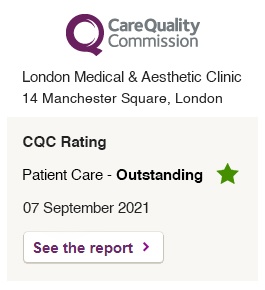
Before choosing your surgeon, check their qualifications, experience with BBL procedures and the clinic’s registration with the Care Quality Commission (CQC) in England. Ask whether they use real-time ultrasound, keep fat injections above the gluteal muscle and assess your risk of complications.
You should also understand what aftercare you’ll receive and who to contact if you develop unexpected symptoms. Don’t base your decision on attractive photographs or low prices alone; your safety should come first.
UK Guidance Note
The British Association of Aesthetic Plastic Surgeons (BAAPS) distinguishes traditional higher-risk Brazilian Butt Lift techniques from superficial gluteal fat grafting. Its safety recommendations emphasise injecting fat only into the subcutaneous tissue above the gluteal muscle and using real-time ultrasound guidance to help confirm the injection plane.
In England, providers carrying out cosmetic surgery must be registered with the Care Quality Commission (CQC). Before proceeding, check your surgeon’s General Medical Council (GMC) registration, relevant specialist qualifications and experience. You should also receive clear information about possible complications, emergency arrangements and postoperative care.
Is a Brazilian Butt Lift Right for You?

A BBL may suit you if you have enough donor fat, want more buttock volume and understand the surgical risks. Your surgeon should assess your general health, smoking status, medication, previous blood clots and any conditions affecting healing or anaesthesia. Surgery should not proceed during pregnancy or when significant medical risks have not been adequately addressed.
If you’re unsure about the risks or results, take time to consider your options and discuss alternatives. You should never feel pressured to book or pay a deposit before you’re ready.
Myth vs Fact
| Myth | Fact |
| A BBL is completely safe because it uses your own fat. | Using your own fat avoids implant-related complications but does not eliminate surgical risks, including fat embolism. |
| A Brazilian Butt Lift is an effective weight-loss procedure. | Liposuction removes fat from selected areas to improve contours, but it is not intended for weight loss. |
| Transferring more fat always produces better results. | Safe injection techniques, available tissue and individual anatomy are more important than maximising volume. |
| Ultrasound guidance guarantees a complication-free procedure. | Ultrasound helps monitor cannula positioning and supports safer fat placement, but complications can still occur. |
| Everyone achieves the same results after a BBL. | Fat survival, healing, body proportions and final volume vary between individuals. |
Key Takeaways
1. A Brazilian Butt Lift uses your own fat to enhance buttock shape and volume while contouring selected donor areas.
2. Potential benefits include improved body proportions and natural-feeling volume without synthetic implants.
3. Serious surgical risks include fat embolism, infection, blood clots and complications associated with liposuction.
4. Not all transferred fat survives, so your final volume and shape cannot be guaranteed.
5. Recovery may require temporary adjustments to sitting, exercise, work and everyday activities.
6. Choosing an appropriately qualified surgeon who follows recognised safety guidance is essential.
7. A detailed consultation can help you understand whether the potential benefits outweigh the risks for your circumstances.
Frequently Asked Questions
1. What are the main pros and cons of a Brazilian Butt Lift?
A Brazilian Butt Lift can increase your buttock volume using your own fat while reshaping areas such as your waist, abdomen or thighs. However, it is major cosmetic surgery with significant risks, including potentially fatal fat embolism, and requires a careful recovery period.
2. What are the benefits of using your own fat for a BBL?
Using your own fat means you do not need synthetic buttock implants, and the surviving transferred fat can provide long-lasting volume with a natural feel. Liposuction can also help reshape donor areas, improving your overall body proportions.
3. Can a Brazilian Butt Lift improve your overall body shape?
Yes, a BBL can reshape areas such as your waist, abdomen or thighs while adding volume to your buttocks. Your results depend on your natural anatomy, the amount of fat that can be safely transferred and your desired shape.
4. How long do Brazilian Butt Lift results last?
A BBL can provide long-lasting results, but not all transferred fat cells survive. Your body gradually reabsorbs some fat during the first few months, and maintaining a stable weight can help preserve your results over time.
5. What is the biggest risk of a Brazilian Butt Lift?
One of the main concerns is fat embolism, which can occur if injected fat enters a blood vessel and travels to your lungs. Safety measures include placing fat above the gluteal muscle and using real-time ultrasound to check the cannula’s position during injection.
6. Why is real-time ultrasound important during a BBL?
Real-time ultrasound helps your surgeon see where the cannula is positioned and keep fat injections in the layer beneath your skin. It can help reduce complications, although it cannot eliminate every risk.
7. What happens if some of the transferred fat does not survive?
Your body reabsorbs some of the transferred fat, so your final results may look less full than they do immediately after surgery. Swelling can also affect your initial appearance, and your buttock shape may take several months to settle.
8. How long is recovery after a Brazilian Butt Lift?
You may experience swelling, bruising and soreness for several days or weeks while recovering from liposuction and fat transfer. You may need a couple of weeks off work and must follow your surgeon’s advice about sitting, exercise and returning to everyday activities.
9. Is a Brazilian Butt Lift better than buttock implants?
A BBL uses your own fat rather than synthetic implants and can reshape donor areas such as your waist or thighs at the same time. However, you need enough suitable donor fat, and your final volume depends on how much transferred fat survives.
10. How do you know if a Brazilian Butt Lift is right for you?
A BBL may suit you if you have enough donor fat, want more buttock volume and are comfortable with surgery and recovery. Your surgeon should assess your health, medical history and expectations, explain the risks and discuss realistic results before you decide.
Final Thoughts: Brazilian Butt Lift Pros and Cons
A Brazilian Butt Lift can enhance your buttock shape and volume while reshaping areas such as your waist, abdomen or thighs. However, it is major cosmetic surgery with significant risks, including fat embolism, and your results depend on your anatomy, fat survival and recovery. Understanding the potential benefits, limitations and safety measures can help you make an informed decision.
If you’re considering a Brazilian Butt Lift in London, you can contact us at the London Medical & Aesthetic Clinic.
References:
1. Elsaftawy, A. et al. (2026) ‘Gluteal Augmentation with Fat Grafting: A Systematic Review and Meta-Analysis of Complications and Procedural Factors’, Plastic and Reconstructive Surgery, 157(3), pp. 381e-393e. Available at: https://pubmed.ncbi.nlm.nih.gov/41051287/
2. Tillo, O., Nassab, R. and Pacifico, M.D. (2023) ‘The British Association of Aesthetic Plastic Surgeons (BAAPS) Gluteal Fat Grafting Safety Review and Recommendations’, Aesthetic Surgery Journal, 43(6), pp. 675-682. Available at: https://academic.oup.com/asj/article/43/6/675/6887101
3. Reis, A.M. et al. (2026) ‘Ultrasound-Guided Gluteal Fat Grafting: What is the Evidence? A Systematic Review and Meta-Analysis’, Aesthetic Surgery Journal, 46(1), pp. 57-62. Available at: https://academic.oup.com/asj/article/46/1/57/8109477
4. Shauly, O., Gould, D.J. and Ghavami, A. (2022) ‘Fat Grafting: Basic Science, Techniques, and Patient Management’, Plastic and Reconstructive Surgery Global Open, 10(3), e3987. Available at: https://pmc.ncbi.nlm.nih.gov/articles/PMC8932485/
5. Wang, B., He, P. and Zhao, R. (2024) ‘B-ultrasound-assisted gluteal fat grafting in Asians: A prospective study of quantitative results from three-dimensional imaging and B-ultrasound analysis’, Journal of Plastic, Reconstructive & Aesthetic Surgery, 94, pp. 12-19. Available at: https://www.sciencedirect.com/science/article/pii/S1748681524002171