

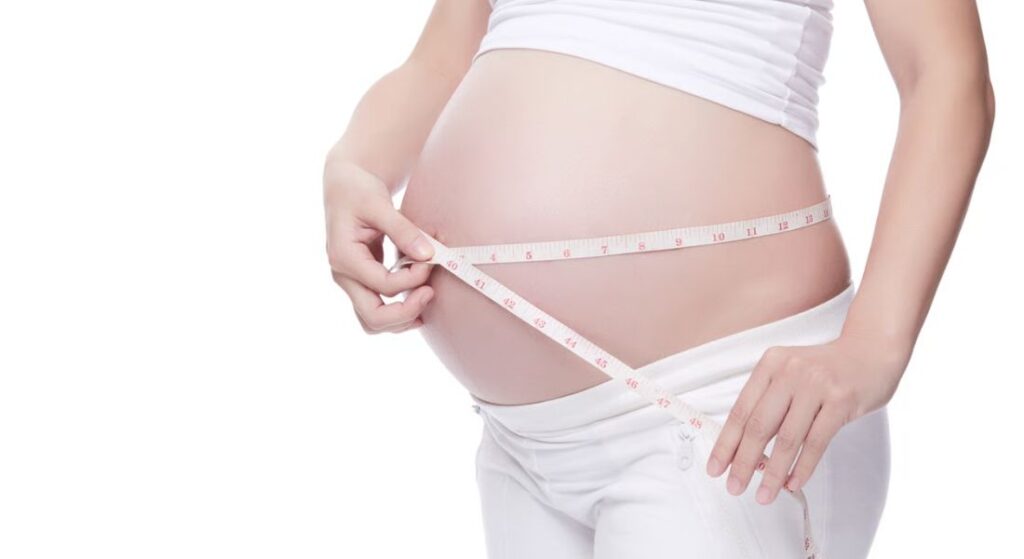
If you’ve had a Brazilian Butt Lift (BBL) and are planning a pregnancy, you may wonder whether your results will change. Pregnancy doesn’t automatically undo your BBL, but changes in your weight, fat distribution and skin can affect your buttock shape and overall proportions.
Because transferred fat responds to weight changes like other body fat, your BBL results may look different during and after pregnancy. If you are considering a BBL before having children, discuss the timing with your surgeon. Your health and your baby’s wellbeing should always come before maintaining a cosmetic result.
Can You Get Pregnant After a Brazilian Butt Lift?
You can become pregnant after a BBL because the procedure involves liposuction and fat transfer rather than your reproductive organs. However, research specifically examining pregnancy after BBL is limited, so you should discuss pregnancy plans with your doctors.
If you become pregnant after a BBL, tell your maternity team about the operation, particularly if you are still recovering or taking postoperative medication. Becoming pregnant after surgery is different from undergoing elective BBL surgery during pregnancy, which should not be performed.
Will Pregnancy Completely Ruin Your BBL Results?
Pregnancy won’t automatically undo your BBL, but changes in your weight and body composition can affect your results. Your transferred fat responds to weight changes like other fat, so your buttocks may become fuller during pregnancy or lose volume after childbirth.
Your overall shape may also look different as your abdomen and waist change. You can’t predict exactly how your results will look after pregnancy, as every body responds differently.
Research Insight
A 2024 prospective study published in the Journal of Plastic, Reconstructive & Aesthetic Surgery examined 35 women undergoing ultrasound-guided gluteal fat grafting. Researchers reported an average fat-retention rate of 64.7% at six months, demonstrating that some transferred fat remains while some volume is lost during healing.
The researchers excluded patients whose body weight changed by more than 5% during follow-up, and the study did not examine pregnancy. Its 64.7% retention figure therefore cannot predict fat survival or body-shape changes during pregnancy or after childbirth. More pregnancy-specific research is needed.
What Happens to Transferred Fat During Pregnancy?
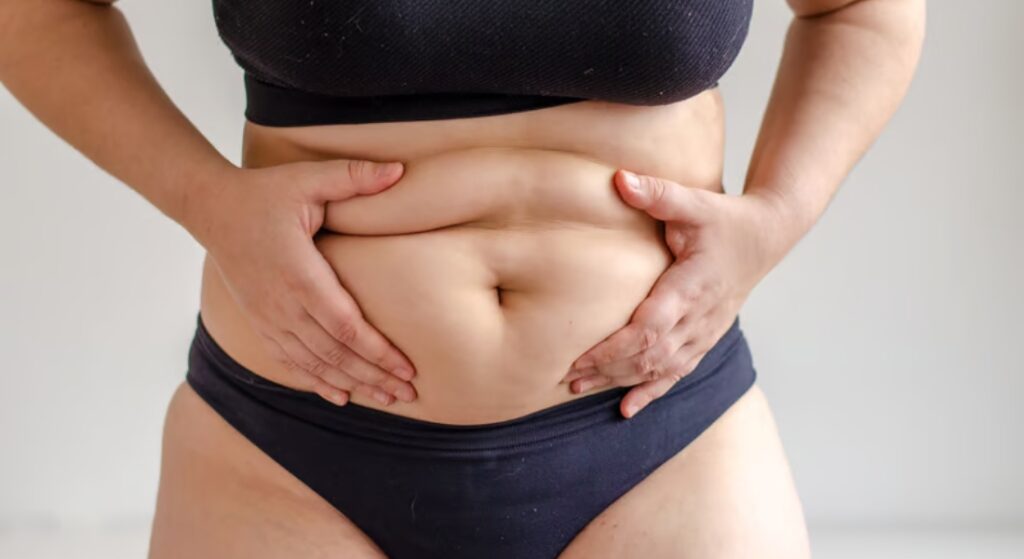
After your BBL, some transferred fat is naturally reabsorbed during the first few months, while the fat that survives becomes established in your buttocks. This fat can still respond to weight changes, becoming fuller during pregnancy or smaller if you lose weight afterwards.
Your BBL results can also look different as your skin stretches and your abdomen and body proportions change. Your transferred fat doesn’t simply disappear because you become pregnant, but your overall shape may change.
Evidence Note
The NHS explains that surgical fat transfer results can take up to six months to develop fully because some injected fat is naturally reabsorbed during the early healing period. The amount that survives varies, meaning the final volume cannot be predicted precisely.
However, there is limited clinical evidence specifically examining how pregnancy affects established BBL fat grafts. Although transferred fat can respond to weight changes, pregnancy-related changes should not be interpreted as definite graft loss. Your surgeon can help you understand what may influence your results.
Can Your Buttocks Get Bigger During Pregnancy?
Your buttocks may become fuller during pregnancy as your weight and body fat increase. If you’ve had a BBL, your transferred fat can also respond to these changes, although the amount of growth varies from person to person.
Some of this extra fullness may reduce after childbirth as your weight changes again. You shouldn’t restrict the weight gain needed for a healthy pregnancy to protect your BBL results; follow your maternity team’s advice about your individual needs.
Can You Lose Buttock Volume After Pregnancy?
You may lose some buttock volume after pregnancy, especially if you lose weight after giving birth. Your transferred fat can shrink with weight loss, but this doesn’t mean you’ve automatically lost your entire BBL result.
Your final shape will depend on your weight changes, fat distribution and skin elasticity. Give your body time to recover after childbirth before judging your results, and prioritise your health rather than rushing to change your shape.
How Can Pregnancy Affect Your Waist and Abdomen?
Your BBL results depend on more than your buttock volume. If your surgery included liposuction around your waist, flanks or abdomen, pregnancy-related stretching and changes in weight may affect your overall shape.
Although liposuction permanently removes fat cells from treated areas, the remaining cells can still enlarge with weight gain. If pregnancy changes your waistline, the contrast between your waist and buttocks may become less noticeable, even if your transferred fat remains largely unchanged.
Can Pregnancy Change Your Buttock Shape?
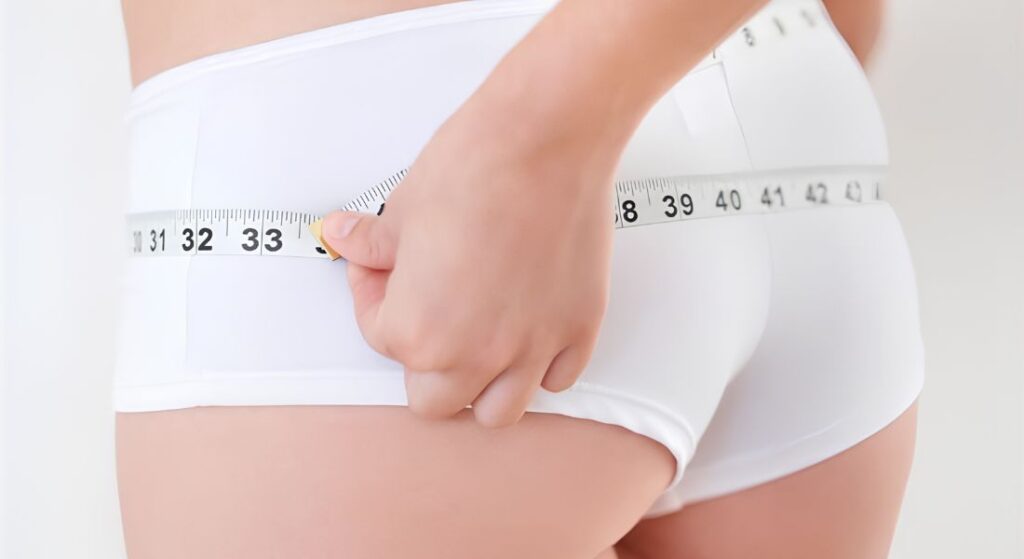
Yes, pregnancy can change your buttock shape through weight changes, fat distribution and stretching of your skin and soft tissues. You may notice less definition, some skin laxity or a different balance between your waist and buttocks, but this doesn’t automatically mean your BBL has failed.
Your left and right sides may also change differently, making existing asymmetry more noticeable. If you experience a sudden or significant change, especially with pain or swelling, speak to your doctor rather than assuming it is simply a cosmetic change.
How BBL Results May Change During and After Pregnancy
| Factor | During Pregnancy | After Childbirth |
| Buttock volume | May increase with weight gain | May decrease as body weight changes |
| Transferred fat | Can respond to changes in body fat | Surviving fat may change in volume |
| Waist and abdomen | Expand as pregnancy progresses | May gradually change during recovery |
| Skin elasticity | Skin stretches as your body changes | Some laxity may remain |
| Overall proportions | May become less defined | May change as tissues recover |
Do Hormonal Changes During Pregnancy Affect Your BBL?
Pregnancy causes significant hormonal changes, but there is no strong BBL-specific evidence that hormones alone destroy transferred fat or determine how much you retain. Your transferred fat behaves like other fat in your body and can change with weight gain or loss.
Your overall appearance may also change as your fat distribution, skin and abdominal tissues adapt during pregnancy. This means you shouldn’t assume pregnancy hormones will ruin your BBL, but you also can’t expect your results to look exactly the same after childbirth.
Does Breastfeeding Affect BBL Results?
Breastfeeding is not known to directly damage transferred buttock fat, but changes in your weight and body composition after childbirth can affect your overall shape. If you lose weight while breastfeeding, your transferred fat may also reduce in volume as part of normal weight loss.
Your health and your baby’s nutritional needs should come first, so avoid rushing into further cosmetic treatments. If you’re considering a BBL revision, allow your body time to recover and your weight to stabilise before discussing your options with your surgeon.
When Is Pregnancy After a BBL Most Appropriate?
There is no universally established waiting period for pregnancy after a BBL, as the timing depends on your recovery and individual circumstances. Ideally, you should allow your wounds to heal, swelling to settle and transferred fat to establish itself before becoming pregnant, if possible.
Your final results may take several months to develop, and getting pregnant too soon can make them harder to assess. If you’re planning a pregnancy after your BBL, discuss the timing with your surgeon and maternity or primary-care team rather than relying on a general online guideline.
UK Guidance Note
The British Association of Aesthetic Plastic Surgeons (BAAPS) identifies pregnancy as an absolute contraindication to gluteal fat grafting, meaning the procedure should not be performed while you are pregnant. Its guidance emphasises careful patient assessment and appropriate surgical planning to reduce avoidable complications.
There is no universally established UK guideline specifying exactly how long you must wait before becoming pregnant after a completed BBL. If you are planning a pregnancy, discuss your surgical recovery and reproductive plans with your surgeon and maternity or primary-care team. Individual advice is more appropriate than relying on a fixed waiting period.
Should You Have a BBL Before or After Having Children?
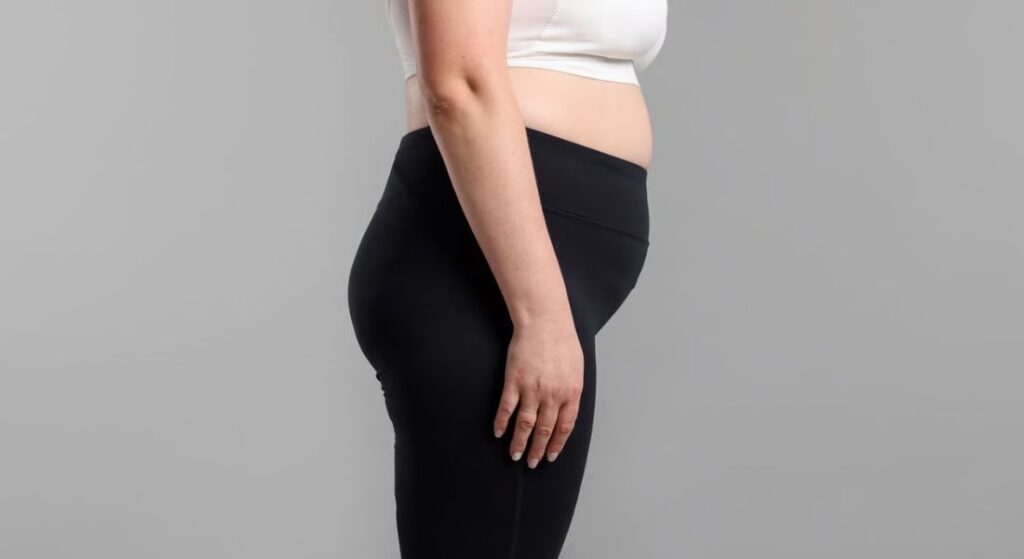
If you’re planning to become pregnant soon, delaying your BBL until after completing your family may help you plan surgery around a more stable body shape. Pregnancy can change your waistline, buttock volume and overall contours, which may affect your cosmetic results.
However, there is no single right choice for everyone. You may decide to have a BBL now and accept that pregnancy could change your results, or wait until afterwards to make your long-term outcome easier to assess. Discuss your plans and expectations with your surgeon before deciding.
Will You Need Another BBL After Pregnancy?
Not necessarily. You may remain happy with your BBL results after pregnancy, while others may notice changes they would like to address. Give your body time to recover, your weight to stabilise and your skin and soft tissues to settle before deciding whether you need further treatment.
If you’re considering revision surgery, avoid rushing into a decision soon after childbirth, as your body can continue changing during postnatal recovery. Your surgeon can assess your skin quality, available donor fat and areas of concern to help you understand your options.
Can You Maintain Your BBL Through a Healthy Pregnancy?
You cannot guarantee that your BBL results will remain unchanged during pregnancy. However, following healthy pregnancy and postnatal guidance may help support your overall wellbeing and longer-term results.
1. Healthy weight gain: Follow your maternity team’s advice rather than restricting normal pregnancy-related changes.
2. Balanced nutrition: Eat according to your individual pregnancy needs and clinical guidance.
3. Physical activity: Stay active as advised by your maternity team and according to your health.
4. Postnatal recovery: Return to exercise gradually and allow your body time to recover after birth.
Once you are medically ready, maintaining a stable weight and healthy lifestyle may help preserve your results, although some body-shape changes can still occur.
What Happens to Your BBL After You Lose the Pregnancy Weight?
As you lose pregnancy weight, your body will continue to change, and the transferred fat in your buttocks may also reduce in volume if you lose body fat. Maintaining a stable weight can help you preserve your BBL results, but your final shape will also depend on changes to your skin, waist, hips and muscle tone.
Your body may not return to exactly the same shape it had before pregnancy, and that’s normal. If you’re considering further treatment, your surgeon can assess your post-pregnancy body and discuss options based on your current shape and goals.
What If Your BBL Was Very Recent When You Became Pregnant?
If you discover you’re pregnant shortly after a BBL, contact your maternity team and surgeon so they can consider your recovery and surgical history. Pregnancy won’t automatically mean something is wrong, but your healthcare professionals should know when you had surgery, which areas were treated and whether you’re experiencing any complications.
Seek prompt medical assessment for worsening wound pain or swelling, redness, discharge or fever. Call 999 immediately if you develop sudden chest pain, breathlessness or fainting. Do not change prescribed medication or postoperative care to protect your cosmetic results without medical advice.
Clinical Tip
If you become pregnant while recovering from a BBL, inform your midwife, GP and surgical team as soon as possible. Pregnancy and recent surgery can both increase the risk of blood clots, so your healthcare professionals may need to review your mobility, medical history and any medication you are taking.
Seek urgent medical advice if you develop unexplained pain or swelling in one leg. Sudden breathlessness, chest pain or fainting requires an immediate call to 999. Do not change prescribed medication or postoperative care instructions without discussing them with your healthcare team.
What Should You Discuss With Your Surgeon Before a BBL?
If you’re considering a BBL and may want children in the future, discuss your plans with your surgeon before booking surgery. Ask how pregnancy-related changes to your weight, waist and abdomen could affect your results, whether waiting until after pregnancy makes sense and how long you’ll need to recover.
You should also understand the procedure’s risks and your surgeon’s safety practices. The NHS highlights the serious risk of pulmonary fat embolism, so ask about injection techniques, ultrasound guidance and your surgeon’s qualifications and experience before making your decision.
Myth vs Fact
| Myth | Fact |
| Pregnancy always destroys BBL results. | Pregnancy may change your body shape, but it does not automatically eliminate transferred fat. |
| Pregnancy hormones dissolve transferred fat. | There is no strong BBL-specific evidence that pregnancy hormones directly destroy established fat grafts. |
| Breastfeeding damages transferred buttock fat. | Breastfeeding is not known to directly damage grafted fat, although associated weight changes may affect volume. |
| You must maintain your pre-pregnancy weight to protect your BBL. | Healthy pregnancy-related weight gain is important and should not be restricted to preserve cosmetic results. |
| Everyone needs another BBL after childbirth. | Revision surgery is not automatically necessary and depends on your results, preferences and suitability. |
Key Takeaways
1. Pregnancy does not automatically undo your Brazilian Butt Lift results.
2. Transferred fat can change in volume with weight gain or loss.
3. Pregnancy may affect your waistline, skin and overall body proportions.
4. Breastfeeding is not known to directly damage transferred buttock fat.
5. Allow your body to recover after childbirth before considering revision surgery.
6. Discuss pregnancy timing and cosmetic concerns with your healthcare team.
7. A BBL should not be performed during pregnancy; discuss future pregnancy plans with your surgeon before booking.
Frequently Asked Questions
1. Can you get pregnant after a Brazilian Butt Lift?
Yes, you can become pregnant after a BBL because the procedure involves liposuction and fat transfer rather than your reproductive organs. However, research specifically examining pregnancy after BBL is limited, so discuss your plans with your surgeon and doctors.
2. Will pregnancy ruin your BBL results?
Pregnancy does not automatically undo your BBL, but changes in weight, fat distribution and skin elasticity can affect your results. Your buttock shape and overall proportions may look different after childbirth.
3. What happens to transferred fat during pregnancy?
Transferred fat that survives after surgery becomes established in your buttocks and responds to weight changes like other fat in your body. It may become fuller during pregnancy or reduce in volume if you lose weight afterwards.
4. Can your buttocks get bigger during pregnancy after a BBL?
Yes, your buttocks may become fuller as your weight and body fat increase during pregnancy. The amount of change varies, and you should follow your maternity team’s advice about healthy pregnancy weight gain rather than restricting it to protect your results.
5. Can you lose buttock volume after pregnancy?
You may lose some buttock volume if you lose weight after giving birth, as transferred fat can also shrink. Your final shape will depend on your weight changes, fat distribution and skin elasticity.
6. Does breastfeeding affect BBL results?
Breastfeeding is not known to directly damage transferred buttock fat, but changes in weight and body composition may affect your shape. Prioritise your health and your baby’s nutritional needs, and avoid rushing into further cosmetic treatments.
7. When is the best time to get pregnant after a BBL?
There is no universally established waiting period for pregnancy after a BBL. Ideally, allow your wounds to heal, swelling to settle and results to develop, and discuss the timing with your surgeon and maternity or primary-care team.
8. Should you have a BBL before or after having children?
If you’re planning a pregnancy soon, waiting until you’ve completed your family may make it easier to assess your long-term results. However, the right choice depends on your circumstances, expectations and willingness to accept possible changes after pregnancy.
9. Will you need another BBL after pregnancy?
Not necessarily, as you may remain happy with your results after childbirth. Allow your body to recover and your weight to stabilise before discussing revision surgery or other options with your surgeon.
10. How can you maintain your BBL results during and after pregnancy?
You cannot guarantee that your results will remain unchanged, but following your maternity team’s advice on nutrition, healthy weight gain and physical activity supports your wellbeing. After childbirth, return to exercise gradually and aim for a stable weight once you’re medically ready.
Final Thoughts: Pregnancy After a Brazilian Butt Lift
Pregnancy doesn’t automatically undo your Brazilian Butt Lift, but changes in weight, fat distribution and skin elasticity can affect your results. If you’re planning to have children, discuss the timing with your surgeon and remember that your health and your baby’s wellbeing should always come first.
If you’re looking for a Brazilian Butt Lift in London, you can get in touch with us at the London Medical & Aesthetic Clinic.
References:
1. Wang, B., He, P. and Zhao, R. (2024) ‘B-ultrasound-assisted gluteal fat grafting in Asians: A prospective study of quantitative results from three-dimensional imaging and B-ultrasound analysis’, Journal of Plastic, Reconstructive & Aesthetic Surgery, 94, pp. 12-19. Available at: https://www.sciencedirect.com/science/article/pii/S1748681524002171
2. Tillo, O., Nassab, R. and Pacifico, M.D. (2023) ‘The British Association of Aesthetic Plastic Surgeons (BAAPS) Gluteal Fat Grafting Safety Review and Recommendations’, Aesthetic Surgery Journal, 43(6), pp. 675-682. Available at: https://academic.oup.com/asj/article/43/6/675/6887101
3. Shauly, O., Gould, D.J. and Ghavami, A. (2022) ‘Fat Grafting: Basic Science, Techniques, and Patient Management’, Plastic and Reconstructive Surgery Global Open, 10(3), e3987. Available at: https://pmc.ncbi.nlm.nih.gov/articles/PMC8932485/
4. Anderson, L. et al. (2023) ‘Facial Hypertrophy as a Complication of Weight Gain in Autologous Fat Graft Patients: Considerations and Recommendations’, Aesthetic Surgery Journal, 43(10), pp. NP738-NP747. Available at: https://academic.oup.com/asj/article/43/10/NP738/7205614
5. Maughan, B.C. et al. (2022) ‘Venous Thromboembolism During Pregnancy and the Postpartum Period: Risk Factors, Diagnostic Testing, and Treatment’, Obstetrical & Gynecological Survey, 77(7), pp. 433-444. Available at: https://pubmed.ncbi.nlm.nih.gov/35792687/