


Your VASER consultation is your opportunity to meet your surgeon, explain your goals and find out whether the treatment is suitable for you. You can also ask about expected results, risks, anaesthesia, recovery and costs before making a decision.
A good consultation should feel like an open conversation, where you feel comfortable raising concerns and asking questions. The NHS and Royal College of Surgeons recommend discussing your surgeon’s experience, treatment options, potential complications, aftercare and costs so you can make an informed choice.
Why Is the VASER Consultation So Important?
Your consultation allows your surgeon to assess your body, understand your goals and decide whether VASER is suitable for you. You should also understand what the treatment can achieve, its limitations, possible risks and what your recovery may involve.
Be open about the areas you want to change and the results you hope to achieve. Whether you want subtle fat reduction or more defined contours, your surgeon should explain what’s realistic and give you time to make your decision without pressure.
Research Insight
A 2024 Cochrane systematic review examined 209 studies involving 107,698 adults making healthcare decisions. Researchers found that patient decision aids improved understanding of treatment options, potential benefits and risks, helping people make choices that reflected their personal priorities.
Although the review was not specific to VASER liposuction, it highlights the value of informed decision-making. Asking questions, reviewing written information and comparing treatment options can help you understand whether surgery is appropriate rather than making a decision based on photographs or promotional claims.
Will I Meet the Surgeon Who Will Perform My VASER?
Ask whether the surgeon you meet will personally perform your VASER liposuction. You should discuss your treatment directly with the clinician who examines you, understands your anatomy and plans your surgery, including their qualifications, experience and complication rates.
You should also find out who will oversee your care on the day, attend your follow-up appointments and respond if you have concerns after surgery, including outside normal hours. If you cannot meet your operating surgeon before committing to treatment, take time to reconsider and make sure you receive clear answers before giving consent.
Am I Actually Suitable for VASER Liposuction?
Ask your surgeon whether VASER is suitable for you and why. They should assess your weight, health, skin quality, fat distribution and treatment goals, as VASER is designed for body contouring rather than general weight loss.
Your skin’s elasticity also matters, as removing fat may not address significant loose skin. Ask whether your concern is caused by fat, excess skin or another factor, and whether an alternative treatment may be more suitable. Your surgeon should also discuss your expectations and emotional wellbeing, including whether the procedure is likely to address the concerns that matter most to you. If worries about your appearance are causing significant distress or affecting your daily life, mention this during your consultation so your surgeon can consider whether additional support would be helpful.
Which Areas Should I Have Treated?
Ask your surgeon which areas need treatment to achieve your desired shape. VASER can target areas such as your abdomen, waist, flanks, hips, thighs, arms and back, but treating more areas does not automatically mean a better result.
If your surgeon recommends treating several areas together, ask how this may affect your results, recovery, anaesthetic and total cost. Your treatment plan should focus on balanced results and your individual goals.
What Result Can I Realistically Expect?

Ask your surgeon what VASER can realistically improve and what may remain. You can also request before-and-after photos of patients with similar body shapes, while remembering that your results will depend on your anatomy, skin quality and healing.
Ask when you can expect to see the final outcome, as swelling may take months to settle. This helps you understand what to expect and avoid judging your results too early.
Could Another Treatment Be More Suitable for Me?
Ask whether VASER is the right option for your concerns. If you have significant loose skin rather than stubborn fat, removing fat alone may not give you the result you want. Your surgeon should discuss other suitable treatments and their benefits, risks and limitations.
You may also decide that no treatment is needed. Take time to compare your options, including recovery and costs, so you can choose what best suits your needs.
VASER Liposuction vs Other Body-Contouring Options
| Feature | VASER Liposuction | Standard Liposuction | Abdominoplasty |
| Main purpose | Removes localised fat | Removes localised fat | Removes excess abdominal skin and reshapes the abdomen |
| Technique | Uses ultrasound-assisted fat removal | Uses suction-assisted fat removal | Uses surgical skin removal and may involve muscle repair |
| Loose skin | Limited correction | Limited correction | Can address significant abdominal skin excess |
| Recovery | Surgical recovery required | Surgical recovery required | Usually more extensive recovery |
| Suitability | Depends on fat distribution and skin quality | Depends on fat distribution and skin quality | May suit selected patients with excess abdominal skin |
How Experienced Are You With VASER Liposuction?
Ask how often your surgeon performs VASER and how much experience they have treating your chosen areas. You can also check their surgical qualifications, training and GMC registration, including whether they hold relevant specialist registration.
Experience with VASER specifically matters, as your surgeon needs to understand how treating one area can affect your overall body contours.
What Type of Anaesthetic Will I Need?
Ask which anaesthetic is planned and why it is suitable for you. Depending on the treatment area and extent of surgery, VASER may involve local anaesthetic, sedation or general anaesthetic.
If sedation or general anaesthesia is planned, ask who will provide it and whether you need a pre-operative assessment. Also check whether you can go home the same day, if someone must accompany you and when you can drive again.
What Are the Risks and Possible Complications?
Ask your surgeon which risks are most relevant to you and where the small surgical incisions will be made. Liposuction can leave scars and may cause bruising, swelling, uneven contours, bleeding, infection, numbness, fluid collections called seromas or blood clots, as well as complications related to anaesthesia. Ultrasound-assisted techniques such as VASER can also cause heat-related injury, including burns, so ask what precautions your surgeon takes to reduce these risks.
Your medical history, medications, smoking status and previous surgery may affect your risk. Ask how complications would be managed and how often they occur in your surgeon’s practice.
Evidence Note
The NHS explains that liposuction can cause complications such as uneven contours, infection, persistent numbness and blood clots. Although serious complications are uncommon, the risks vary depending on your health, treatment areas and the extent of surgery.
Your consultation should therefore include a discussion of your individual risk factors rather than general reassurance about the procedure. Ask your surgeon how they reduce complications, what warning signs to recognise and what medical support would be available if a problem developed.
What Will My Recovery Actually Be Like?

Ask when you can walk comfortably, return to work, drive, exercise and resume daily activities. Your surgeon should explain expected swelling, bruising, pain and wound care based on the areas treated.
Also ask whether you need compression garments, how long you must wear them and whether they are included in the cost. Share your work and childcare responsibilities so your recovery plan fits your daily life.
How Much Will VASER Cost and What Is Included?
Ask for a written quotation so you understand the full cost of your VASER treatment. Different clinics may include different services within their advertised price.
1. Surgeon and anaesthesia fees: Check whether both are included in your quote.
2. Facility costs: Confirm whether theatre and recovery charges are covered.
3. Garments and follow-up: Ask whether compression garments and postoperative appointments are included.
4. Additional costs: Clarify charges for further treatment, corrective surgery or other unexpected care.
You should also ask about consultation fees, cancellation and refund terms, whether VAT is included in the total price, and what happens to your deposit if you decide not to proceed.
What Will My Aftercare Include?
Ask how many follow-up appointments are included and whether your operating surgeon or another clinician will review your healing. Find out when your wounds, swelling and results will be assessed, and whether additional reviews, dressings or compression garments could involve extra charges.
Your surgeon should explain the routine follow-up schedule and give you written instructions for recovery. Knowing what support is planned can help you prepare for treatment and understand how your progress will be monitored.
What Happens If Something Goes Wrong?
Ask who will treat you if you develop a complication and how to access urgent help, including outside normal hours. You should know whether a named doctor will be available and what support the clinic provides.
Also ask what happens if you are unhappy with your results, whether further treatment could cost extra and what your surgeon’s and the clinic’s insurance cover.
Clinical Tip
Before your VASER procedure, ask your surgeon for written instructions explaining which postoperative symptoms are expected and which require medical attention. You should have the contact details of a named clinician who can assess complications promptly, including outside normal clinic hours.
Worsening pain, fever, spreading redness or unusual wound discharge should be assessed promptly. Sudden breathlessness, chest pain or collapse may indicate a serious complication, including a pulmonary embolism, and require an immediate call to 999. Unexplained pain or swelling in one leg also needs urgent medical assessment.
Where Will My VASER Procedure Take Place?
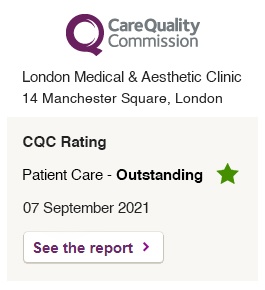
Ask whether your procedure will take place in a hospital, surgical centre or another medical facility. If you are having surgery in England, check that the provider is registered with the CQC.
You should also ask about anaesthetic monitoring, recovery facilities and access to medical support if complications arise. Your safety depends on the wider surgical team and facilities, not just your surgeon.
UK Guidance Note
In England, providers carrying out cosmetic liposuction must be registered with the Care Quality Commission (CQC). Before booking, check the facility’s registration and available inspection information. You should also verify your surgeon’s General Medical Council (GMC) registration, relevant specialist qualifications and experience.
The Royal College of Surgeons of England strongly advises allowing at least two weeks after consulting your operating surgeon before proceeding with cosmetic surgery. This gives you time to review the risks, costs and alternatives. You should never feel pressured to book immediately or proceed without understanding the proposed treatment.
What Medical Information Should I Tell My Surgeon?
Be honest about your medical history, including previous operations, health conditions, allergies, medications, supplements and herbal remedies. Also mention if you smoke or vape, have had problems with anaesthesia or have a history of blood clots or bleeding.
Tell your surgeon about previous procedures in the area you want treated, as well as any pregnancy, recent childbirth or future pregnancy plans. Do not stop prescribed medication without medical advice.
How Much Time Should I Take Before Deciding?

You should not feel pressured to book VASER straight after your consultation. Take time to consider the procedure, risks, alternatives, costs and recovery, and ask for more information if anything is unclear.
Be cautious of limited-time offers or pressure to book quickly. If you need more information, ask for written details, arrange another discussion with your operating surgeon or seek a second opinion. You can change your mind about proceeding, even if you have previously agreed to treatment.
Myth vs Fact
| Myth | Fact |
| VASER is completely risk-free. | It is surgery and can cause serious complications. |
| More fat removal always produces better results. | Safe, balanced contouring is more important than removing maximum fat. |
| VASER can remove significant loose skin. | Liposuction removes fat but cannot reliably correct substantial skin excess. |
| An expensive surgeon guarantees better results. | Qualifications, experience and safety practices matter more than price alone. |
| You must book surgery after your consultation. | You can take time to decide, seek another opinion or decline treatment. |
Key Takeaways
1. Meet the surgeon who will perform your VASER procedure.
2. Discuss your suitability, treatment goals and realistic results.
3. Ask about surgical risks, anaesthesia and possible complications.
4. Understand recovery, activity restrictions and aftercare arrangements.
5. Request a written quotation covering all potential costs.
6. Check surgeon qualifications and take time before deciding.
Frequently Asked Questions
1. Why is a consultation important before VASER liposuction?
Your consultation allows your surgeon to assess your body, understand your goals and decide whether VASER is suitable for you. You can also discuss expected results, possible risks, recovery and costs before making a decision.
2. Should I meet the surgeon who will perform my VASER treatment?
Yes, you should ask whether the surgeon you meet will personally perform your procedure. This gives you the opportunity to discuss their qualifications, experience and how they will plan your treatment.
3. How do I know if I’m suitable for VASER liposuction?
Your surgeon will assess your weight, health, skin quality, fat distribution and treatment goals. VASER is designed for body contouring rather than general weight loss, so you should also ask whether loose skin or another concern may affect your suitability.
4. Which areas can VASER liposuction treat?
VASER can target areas such as your abdomen, waist, flanks, hips, thighs, arms and back. Your surgeon should recommend areas based on your individual goals rather than assuming that treating more areas will produce better results.
5. What results can I realistically expect from VASER?
Your results will depend on your anatomy, skin quality and healing, so ask your surgeon what improvements are realistic and what may remain. You can also request before-and-after photos of patients with similar body shapes and discuss when your final results may become visible.
6. How can I check my surgeon’s experience with VASER?
Ask how often your surgeon performs VASER and how much experience they have treating your chosen areas. You can also check their qualifications, training, GMC registration and relevant specialist registration.
7. What type of anaesthetic will I need for VASER?
Depending on the treatment area and extent of surgery, VASER may involve local anaesthetic, sedation or general anaesthetic. Ask why a particular option is suitable for you and whether you’ll need a pre-operative assessment or someone to accompany you home.
8. What risks and complications should I discuss with my surgeon?
Possible complications include bruising, swelling, uneven contours, bleeding, infection, numbness, blood clots and anaesthesia-related risks. Your surgeon should explain which risks are relevant to your medical history and how complications would be managed.
9. What should I ask about VASER recovery and aftercare?
Ask when you can return to work, driving, exercise and everyday activities, and whether you’ll need compression garments. You should also clarify how many follow-up appointments are included and who you can contact if you have concerns after surgery.
10. How much time should I take before deciding to have VASER?
You should not feel pressured to book immediately after your consultation. The Royal College of Surgeons advises allowing at least two weeks to consider the risks, alternatives, costs and recovery before making your decision.
Final Thoughts: Make Your VASER Consultation Count
Your consultation should leave you feeling informed about what VASER could achieve, what it cannot promise and what recovery may involve. If you’re unsure about your surgeon’s answers, the risks or the full costs, ask for clarification and take more time before deciding. You should feel comfortable choosing what is right for you, including deciding not to proceed.
If you’re considering VASER lipo in London, you can speak with the team at the London Medical & Aesthetic Clinic to learn more about the procedure and ask any questions you may have.
References:
1. Stacey, D. et al. (2024) ‘Decision aids for people facing health treatment or screening decisions’, Cochrane Database of Systematic Reviews, 2024(1), CD001431. Available at: https://pubmed.ncbi.nlm.nih.gov/38284415/
2. Ribas, D.B.R. et al. (2026) ‘Uncovering the Complications of Liposuction-Assisted Technologies and the Need for Caution: A Literature Overview’, Aesthetic Plastic Surgery, 50(7), pp. 2608–2625. Available at: https://pubmed.ncbi.nlm.nih.gov/41495547/
3. Valentine, L. et al. (2024) ‘Liposuction Complications in the Outpatient Setting: A National Analysis of 246,119 Cases in Accredited Ambulatory Surgery Facilities’, Aesthetic Surgery Journal Open Forum, 6, ojad107. Available at: https://pmc.ncbi.nlm.nih.gov/articles/PMC10860384/
4. Kaleeny, J.D. and Janis, J.E. (2024) ‘Body Dysmorphic Disorder in Aesthetic and Reconstructive Plastic Surgery—A Systematic Review and Meta-Analysis’, Healthcare, 12(13), 1333. Available at: https://pmc.ncbi.nlm.nih.gov/articles/PMC11241264/
5. Hagopian, C.O. et al. (2020) ‘Attitudes, Beliefs, and Practices of Aesthetic Plastic Surgeons Regarding Informed Consent’, Aesthetic Surgery Journal, 40(4), pp. 437–447. Available at: https://academic.oup.com/asj/article-abstract/40/4/437/5541562