



The thought of having heat delivered to your skin may make you wonder how comfortable Exilis Ultra 360 really is. This non-invasive treatment is generally described as comfortable, with many people comparing the sensation to a warm massage rather than pain.
However, the level of warmth or discomfort can vary depending on your skin sensitivity, the treatment area and the settings used. Knowing what sensations to expect and how your practitioner manages the heat can help you feel more at ease during your appointment.
Does Exilis Ultra 360 Hurt During Treatment?
Most people describe Exilis Ultra 360 as a warm sensation rather than significant pain, similar to a hot-stone massage. You may feel the applicator moving across your skin as the treated area gradually warms up.
However, the heat can feel intense or uncomfortable, particularly on sensitive areas. If you experience sharp pain, burning or excessive warmth, tell your practitioner immediately so they can adjust or stop the treatment. You shouldn’t have to tolerate pain to achieve results.
Why Does Exilis Ultra 360 Feel Warm on Your Skin?
The warmth you feel during Exilis Ultra 360 comes from radiofrequency energy, which heats selected tissues beneath your skin. Combined with ultrasound technology, this controlled heating aims to support collagen remodelling and improve skin firmness.
As the temperature rises, you may notice deeper warmth than you’d experience during a regular massage. The larger body applicator has built-in cooling and temperature monitoring, while smaller facial applicators do not have the same built-in features. Whichever applicator is used, your practitioner should monitor your comfort and manage the heat carefully. Excessive warmth should not be treated as a sign of better results.
Evidence Note
The Exilis Ultra 360 manufacturer’s manual explains that treatment may produce an intense heating sensation or mild pain, which is generally expected to settle quickly. The device delivers controlled energy to selected tissues, but the level of warmth experienced can vary between patients.
This means Exilis Ultra 360 should be described as generally well tolerated rather than completely painless. You should tell your practitioner immediately if the heat becomes uncomfortable, as treatment settings and applicator technique must be managed carefully to reduce the risk of skin injury.
What Does Exilis Ultra 360 Actually Feel Like Step by Step?
At the start, your practitioner will prepare your skin before moving the applicator across the treatment area. You’ll usually feel gentle pressure followed by gradual warmth, which may become stronger as the session continues.
The sensation can vary across different parts of your skin, with some areas feeling more sensitive than others. Your practitioner should keep the applicator moving according to the treatment protocol and adjust the procedure if the heat becomes uncomfortable. Mild warmth, redness or tenderness may remain briefly after the appointment.
Exilis Ultra 360: Expected Sensations vs Warning Signs
| Stage | What You May Feel | What You Should Know |
| Before treatment | Little or no discomfort during preparation | Tell your practitioner about existing skin sensitivity |
| Initial applicator contact | Gentle pressure and increasing warmth | The sensation should remain manageable |
| During heating | Noticeable warmth or mild discomfort | Report excessive heat or pain immediately |
| Facial treatment | Warmth that varies across facial areas | Your practitioner should use suitable settings |
| Body treatment | Sustained warmth over the treated area | Cooling and temperature monitoring may assist with comfort |
| Immediately afterwards | Temporary redness, warmth or tenderness | These effects should gradually improve |
| During recovery | Mild sensitivity or dryness | Worsening pain, blisters or burns need medical assessment |
Is Exilis Ultra 360 Painful on Your Face?
Exilis Ultra 360 facial treatment usually feels warm rather than significantly painful. However, some areas of your face may feel more sensitive than others.
1. Cheeks: You may feel gentle pressure and gradually increasing warmth.
2. Bony areas: Heat may feel more noticeable around facial contours.
3. Temporary redness: Mild redness can appear after your treatment.
4. Treatment settings: Your practitioner should adjust the procedure to suit each facial area.
Tell your practitioner if the heat becomes uncomfortable, as stronger sensations do not necessarily mean better results.
Does Exilis Ultra 360 Hurt Around Your Neck and Jawline?
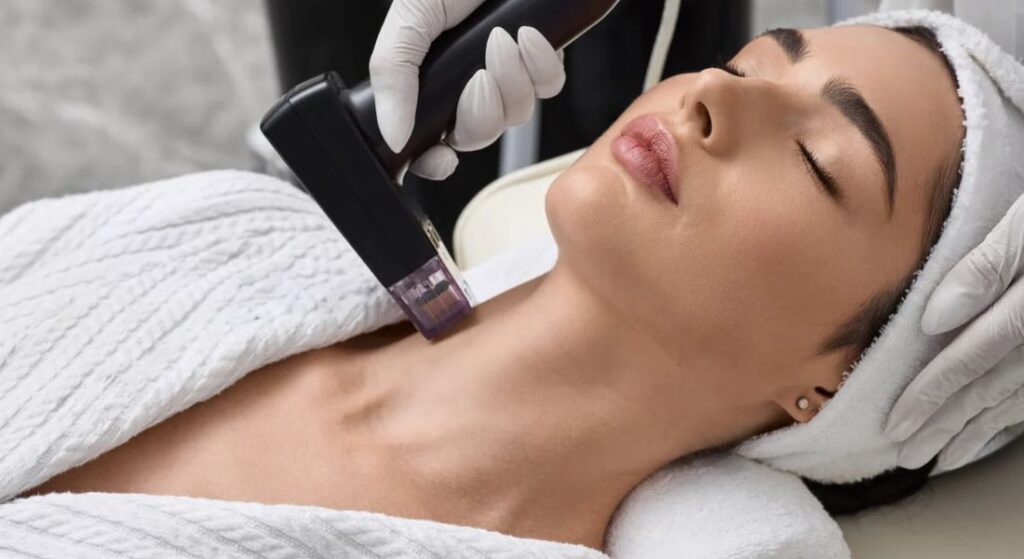
The thinner skin and varying tissue structure around your neck and jawline can make these areas feel more sensitive during treatment. You may notice stronger warmth as the applicator moves beneath your chin or along your lower face.
Your practitioner should adjust the treatment approach to suit your anatomy rather than using excessive heat to achieve better definition. Tell them immediately if you experience sharp pain, an unusual electrical sensation or uncomfortable warmth. Mild sensitivity may remain afterwards, but your clinic should explain which reactions are expected.
What Does Exilis Ultra 360 Feel Like on Your Abdomen, Arms and Thighs?
Body treatments often cover larger areas, so you may experience sustained warmth as the applicator moves across your abdomen, arms or thighs. The manufacturer compares the sensation to a hot-stone massage, although some areas may feel warmer than others depending on tissue depth and sensitivity.
Your abdomen may feel different from your upper arms because the underlying tissues vary. Previous procedures, scarring or existing skin conditions may also affect your comfort, so your practitioner should assess these before treatment.
Why Do Some People Find Exilis Ultra 360 More Uncomfortable Than Others?
Not everyone experiences heat in the same way. Your skin sensitivity, treatment area, existing irritation and previous experiences with aesthetic procedures can all influence how comfortable you feel.
The device settings and your practitioner’s technique may also affect the sensation. Discuss any concerns before starting, particularly if you have unusual skin sensitivity or altered sensation, so your practitioner can assess your needs and adjust the approach where appropriate.
Research Insight
A 2017 study published in the Journal of Cosmetic Dermatology assessed 34 participants receiving four weekly radiofrequency and ultrasound treatments. Participants rated treatment comfort an average of 4.06 out of 5. Researchers recorded no adverse events, although some participants experienced temporary redness or mild swelling that resolved within one to two hours after treatment.
Although these results are encouraging, the study was small and did not include an untreated comparison group. Comfort was assessed using participant ratings, so the findings cannot guarantee a painless experience or establish the frequency of uncommon complications.
How Does Your Practitioner Monitor Comfort During Treatment?
Your practitioner should monitor your comfort throughout treatment using your feedback, suitable settings and careful applicator movement. The larger body applicator has built-in cooling and temperature monitoring, while the smaller XP 2 applicator used for selected facial areas does not have those same features. Appropriate skin contact, applicator movement and your response to heat remain important throughout treatment.
If the warmth becomes uncomfortable or you experience pain, tell your practitioner straight away. They may need to stop the energy delivery, check your skin and adjust the settings before continuing. Although these safety features help manage treatment, they cannot eliminate every risk, so practitioner training, experience and careful assessment remain important.
Does the Cooling Technology Make Exilis Ultra 360 Painless?
Cooling can help manage your skin’s surface temperature when the larger Exilis Ultra 360 applicator is used. However, not every applicator has built-in cooling, and cooling cannot prevent every uncomfortable sensation or skin injury. You may still experience significant warmth, so tell your practitioner immediately if the treatment becomes painful or feels like burning.
Burns, discomfort and changes in skin colour remain possible risks of radiofrequency-based body-contouring procedures. Cooling and temperature monitoring can help manage these risks, but they cannot guarantee that complications won’t occur. Your practitioner’s technique and careful patient assessment remain essential.
UK Guidance Note
The UK’s Advertising Standards Authority requires providers to hold suitable evidence for objective claims about cosmetic treatments, including claims concerning discomfort and safety. Describing a procedure as non-surgical does not automatically mean it is painless or free from complications.
Before booking Exilis Ultra 360, ask your practitioner about the expected sensations, possible side effects and safety precautions. Your consultation should explain the treatment realistically rather than guarantee a completely painless experience.
Will You Need Numbing Cream or Anaesthetic Before Treatment?

Most Exilis Ultra 360 treatments are carried out without injected local anaesthetic or general anaesthesia, and you may not need numbing cream. However, your practitioner should assess your sensitivity and discuss any concerns about discomfort before starting.
Avoid applying numbing cream yourself, as reducing your ability to feel heat may make it harder to recognise excessive warmth during treatment. You should also disclose any medical condition that affects your ability to sense heat or pain, as this may influence whether the procedure is suitable for you.
How Can You Prepare for a More Comfortable Exilis Ultra 360 Session?
A consultation can help you feel more prepared before treatment. Your practitioner should review your medical history, assess your skin and discuss your expectations. Tell them about any skin sensitivity, irritation, previous cosmetic procedures, medicines or medical conditions that may affect your suitability.
Certain conditions, including pregnancy, IVF treatment, metal implants, implanted electronic devices and active skin infections, may make Exilis Ultra 360 unsuitable. Tell your practitioner about your medical history and recent procedures so they can check the manufacturer’s current contraindications.
Follow your clinic’s preparation advice about clean skin, products and comfortable clothing. Asking about the appointment length and expected sensations can also help you feel more at ease.
What Should You Do if Exilis Ultra 360 Becomes Too Hot?
Warmth is expected during Exilis Ultra 360, but you should tell your practitioner immediately if it becomes intense, painful or feels like burning. Sharp pain, unusual electrical sensations or unexpected changes in feeling should also be reported rather than dismissed as normal treatment sensations.
Your practitioner should stop or adjust the energy delivery and assess your skin before deciding whether to continue. Don’t feel embarrassed about speaking up or assume that higher temperatures will give you better results. If the discomfort cannot be managed safely, the session should be discontinued. Your safety is more important than completing the planned treatment time.
Clinical Tip
Before your session begins, agree with your practitioner on how to communicate if the heat becomes uncomfortable. You should feel comfortable asking them to pause or adjust the treatment at any point, particularly when sensitive areas are being treated.
If you experience sharp pain, burning or unusual sensations, report them immediately rather than waiting for the session to finish. Your practitioner should check your skin and decide whether it is safe to continue.
What Does Your Skin Feel Like Immediately After Exilis Ultra 360?
After treatment, you may notice mild warmth, redness or tenderness in the treated area. Some people experience very little sensitivity, while others notice more temporary discomfort.
These reactions usually settle without significant downtime. Your practitioner should explain what to expect and which symptoms need further attention. Immediate skin changes don’t indicate your final results, as tightening may develop gradually.
How Long Does Discomfort Last After Exilis Ultra 360?
Mild warmth or discomfort usually settles soon after Exilis Ultra 360 treatment. Temporary redness often improves within 24 hours, while dryness or sensitivity may occasionally last longer. Your recovery will depend on your skin and the area treated.
The area should gradually feel more comfortable, not increasingly painful. Contact your practitioner if discomfort persists or worsens, and mention any previous reactions before your next session.
Which Reactions Are Normal, and When Should You Seek Medical Advice?
Mild warmth, redness and tenderness can occur after Exilis Ultra 360 and should gradually improve. However, blistering, severe pain, increasing swelling or signs of burns need prompt medical attention.
Persistent numbness, spreading redness, pus or fever should also be assessed. Contact your practitioner if symptoms worsen, and seek urgent medical care for severe burns or rapidly worsening reactions.
How Can You Stay Comfortable After Treatment and Plan Your Next Session?

You can usually return to everyday activities soon after treatment, provided you feel comfortable. Follow your practitioner’s aftercare advice, avoid irritating products and reduce friction or excessive heat if your skin remains sensitive.
Before booking another session, discuss any ongoing discomfort with your practitioner. Although some protocols recommend two to four sessions spaced seven to ten days apart, your treatment schedule should depend on your skin’s response and individual goals.
Myth vs Fact
| Myth | Fact |
| Exilis Ultra 360 is completely painless for everyone. | Most people tolerate it well, but some experience intense warmth or mild discomfort. |
| Higher temperatures always produce better results. | Excessive heat can increase the risk of burns and does not guarantee better outcomes. |
| Cooling technology prevents all discomfort. | Cooling can help manage surface heating but cannot eliminate every risk. |
| You must tolerate pain to complete treatment. | Tell your practitioner immediately if you experience pain or burning. |
| Numbing cream is always necessary. | Treatment is generally performed without anaesthesia or numbing cream. |
| You cannot experience side effects after a non-surgical procedure. | Temporary redness, tenderness and dryness can occur, and more serious skin injury is possible. |
| Every treatment area feels the same. | Facial and body treatments may feel different because tissue characteristics and applicators vary. |
Key Takeaways
1. Exilis Ultra 360 usually feels like controlled warmth rather than significant pain.
2. Your comfort may vary depending on skin sensitivity and treatment area.
3. Cooling and monitoring features can help manage heat but cannot eliminate all risks.
4. Numbing cream is generally unnecessary unless your practitioner advises otherwise.
5. Mild redness, tenderness or dryness may occur after treatment.
6. Report burning, severe pain, blistering or worsening symptoms promptly.
Frequently Asked Questions
1. Does Exilis Ultra 360 hurt during treatment?
Exilis Ultra 360 is generally described as a warm sensation, similar to a hot-stone massage, rather than significant pain. However, if you experience sharp pain, burning or excessive warmth, tell your practitioner immediately.
2. Why does Exilis Ultra 360 feel hot on your skin?
The radiofrequency energy heats selected tissues beneath your skin, while ultrasound technology supports the treatment’s skin-firming aims. This can create a deeper sensation of warmth than a regular massage.
3. Does Exilis Ultra 360 feel different on your face and body?
Yes, facial skin and different body areas can respond differently to heat because skin thickness and tissue structure vary. Your practitioner should adjust the settings to suit the area being treated.
4. Is Exilis Ultra 360 painful around your neck and jawline?
You may notice stronger warmth around your neck and jawline because the skin can be thinner and more sensitive. Tell your practitioner if you experience sharp pain, unusual electrical sensations or uncomfortable heat.
5. Why do some people find Exilis Ultra 360 more uncomfortable than others?
Your skin sensitivity, treatment area, existing irritation and previous aesthetic procedures can affect your comfort. Device settings and your practitioner’s technique may also influence the sensation.
6. Does the cooling technology make Exilis Ultra 360 painless?
Cooling is available with the larger Exilis Ultra 360 applicator, but not every applicator has built-in cooling. It may help manage surface heat, but it cannot guarantee a painless treatment or prevent all complications. Tell your practitioner immediately if you experience burning or excessive warmth.
7. Do you need numbing cream before Exilis Ultra 360?
Most treatments are performed without injected anaesthetic or general anaesthesia, and you may not need numbing cream. Avoid applying it yourself, as reduced heat sensitivity can make it harder to recognise excessive warmth.
8. How long does discomfort last after Exilis Ultra 360?
Mild warmth or tenderness often settles within a few hours, although redness or sensitivity may last 24 to 48 hours. Contact your practitioner if discomfort persists or becomes worse.
9. Which side effects after Exilis Ultra 360 need medical attention?
Mild warmth, redness and tenderness can occur and should gradually improve. Blistering, severe pain, increasing swelling, persistent numbness, spreading redness, pus or fever should be assessed promptly.
10. What should you do if Exilis Ultra 360 becomes too hot?
Tell your practitioner immediately if the treatment feels painful, excessively hot or like burning. They should stop or adjust the energy delivery and assess your skin before deciding whether it is safe to continue.
Final Thoughts: Does Exilis Ultra 360 Hurt?
Exilis Ultra 360 is generally described as a comfortable treatment, with most people experiencing controlled warmth rather than significant pain. However, sensitivity varies between individuals and treatment areas, so your practitioner should monitor your comfort and adjust the procedure if the heat becomes uncomfortable.
If you’re thinking about Exilis Ultra 360 in London, the team at the London Medical & Aesthetic Clinic can discuss what the treatment involves and help you decide whether it feels like the right option for you.
References:
1. Chilukuri, S., Denjean, D. and Fouque, L. (2017) ‘Treating multiple body parts for skin laxity and fat deposits using a novel focused radiofrequency device with an ultrasound component: Safety and efficacy study’, Journal of Cosmetic Dermatology, 16(4), pp. 476–479. Available at: https://pubmed.ncbi.nlm.nih.gov/29125214/
2. Chilukuri, S. and Lupton, J. (2017) ‘“Deep Heating” Noninvasive Skin Tightening Devices: Review of Effectiveness and Patient Satisfaction’, Journal of Drugs in Dermatology, 16(12), pp. 1262–1266. Available at: https://pubmed.ncbi.nlm.nih.gov/29240862/
3. Kumar, N., Suh, D.H., Lee, S.J. and Ryu, H.J. (2025) ‘Radiofrequency-Based Treatments for Facial Rejuvenation: A Systematic Review of Efficacy, Safety, and Patient-Centered Outcomes’, Aesthetic Surgery Journal Open Forum, 7, article ojaf159. Available at: https://pmc.ncbi.nlm.nih.gov/articles/PMC12715571/
4. Zhao, B. et al. (2025) ‘Efficacy and Safety of Radiofrequency and Focused Ultrasound in Facial Rejuvenation: A Single-Center, Single-Blind, Non-Randomized Prospective Trial’, Journal of Cosmetic Dermatology, 24(8), article e70407. Available at: https://pmc.ncbi.nlm.nih.gov/articles/PMC12365734/
5. Sinagridi, I. and Andreou, E. (2026) ‘High-Intensity Focused Ultrasound and Radiofrequency in Non-Invasive Skin Rejuvenation: Mechanisms, Clinical Evidence, and Combined Therapeutic Approaches’, Applied Biosciences, 5(3), article 72. Available at: https://www.mdpi.com/2813-0464/5/3/72