



If you have loose skin or stubborn fat around your abdomen, arms or thighs, you may find that exercise and a healthy lifestyle don’t always give you the results you want. This can be particularly noticeable after pregnancy, weight changes or natural ageing.
BodyTite uses radiofrequency energy to heat underlying tissues and encourage your skin to tighten. It can also be combined with liposuction to remove unwanted fat and improve your body contours. However, results aren’t guaranteed, so understanding the benefits, limitations, recovery and possible risks can help you decide whether it’s right for you.
What Is BodyTite Radiofrequency Body Contouring?
BodyTite is a minimally invasive treatment that uses radiofrequency-assisted lipolysis (RFAL) to improve your body contours and tighten loose skin. It delivers controlled heat beneath your skin to warm underlying fat and connective tissues, encouraging them to contract.
You may consider BodyTite for areas such as your abdomen, upper arms, thighs or flanks, and it can be combined with liposuction to remove unwanted fat. However, it’s not completely non-invasive, as your surgeon inserts a probe through small incisions, so you should understand the potential risks before deciding if it’s suitable for you.
How Does BodyTite Work to Tighten Skin and Reduce Fat?
BodyTite uses bipolar radiofrequency energy delivered between a small probe inserted beneath your skin and an external electrode placed on the treatment area. The controlled heat affects your fat and collagen-rich tissues, encouraging them to contract and supporting longer-term tissue remodelling as you heal.
You may also have BodyTite alongside liposuction to remove unwanted fat and improve your contours. While you might notice some changes early on, skin-tightening results usually develop gradually as your swelling settles and your tissues recover.
Clinical Tip
Before your BodyTite consultation, identify the areas where loose skin or stubborn fat concerns you most. Ask your surgeon whether you need radiofrequency treatment alone or BodyTite combined with liposuction, as the procedures have different effects and recovery requirements. You should also discuss previous surgery, weight changes and your expectations so your treatment plan reflects what is realistically achievable.
Pros of BodyTite: Potential Improvement in Skin Tightening
One of the main benefits of BodyTite is its potential to improve mildly or moderately loose skin. If you’ve noticed reduced firmness after pregnancy, weight loss or ageing, controlled radiofrequency heating may help your tissues contract, provided your skin still has enough elasticity.
You may find this useful if you have both localised fat and mild skin laxity. However, your results depend on your age, skin quality and treatment area, so you shouldn’t expect guaranteed or dramatic tightening.
Pros of BodyTite: Fat Reduction and Improved Body Contours
If you have stubborn fat around your lower abdomen or waist, BodyTite combined with liposuction may help reduce these deposits while encouraging your skin to contract. This can be useful when removing fat alone might leave your skin looking loose, and you may notice better definition once the swelling settles.
However, BodyTite isn’t designed for significant weight loss, building muscle or changing your bone structure. Your surgeon will assess how much fat can safely be removed to help you achieve balanced, natural-looking contours.
Pros of BodyTite: Smaller Incisions and Less Extensive Surgery
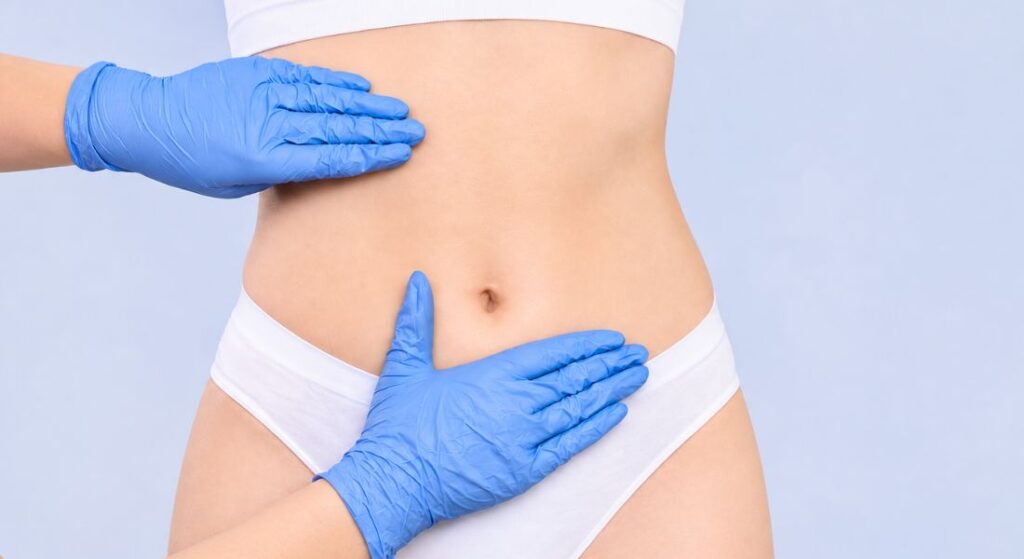
BodyTite may suit you if your skin laxity does not require a tummy tuck, arm lift or thigh lift. Unlike these procedures, BodyTite uses small incisions for the treatment probe rather than cutting away excess skin. It may be performed under local anaesthetic, sometimes with sedation.
Smaller incisions may mean less noticeable scars and a shorter recovery. However, you may still experience bruising, swelling and soreness, and you must follow proper aftercare as BodyTite is still an invasive procedure.
Evidence Note
A 2022 study published in Aesthetic Surgery Journal compared arm-contouring procedures in 176 patients. Of these, 53 received BodyTite radiofrequency treatment alongside VASER liposuction, while other participants received different treatments or liposuction alone. The study supports further consideration of energy-assisted contouring in selected patients, but because BodyTite was combined with liposuction, the results cannot establish what radiofrequency treatment alone would achieve for you.
Cons of BodyTite: It Cannot Correct Severe Loose Skin
BodyTite may not give you the results you want if you have significant loose skin after pregnancy or major weight loss. Although it can encourage some skin tightening, it cannot remove large folds of excess skin, and fat reduction may sometimes make existing laxity more noticeable.
If you have substantial loose skin, a tummy tuck, arm lift or thigh lift may be more suitable. Your surgeon should assess whether BodyTite can achieve meaningful improvement or whether surgical skin removal is a better option.
BodyTite vs Liposuction vs Tummy Tuck: Benefits and Limitations
| Feature | BodyTite | Liposuction | Tummy Tuck |
| Main purpose | Tightens mildly loose skin and improves contours. | Removes stubborn fat deposits. | Removes excess skin and may repair separated muscles. |
| Fat reduction | May be combined with liposuction. | Directly removes unwanted fat. | May include additional fat removal. |
| Skin tightening | May improve mild to moderate laxity. | Limited to natural skin retraction. | Removes significant loose skin. |
| Incisions | Small incisions for the RF probe. | Small incisions for fat removal. | Longer abdominal incision. |
| Recovery | Swelling and bruising; varies by treatment. | Swelling and activity restrictions. | Longer recovery and wound healing. |
| Main limitation | Cannot remove substantial excess skin. | Cannot correct severe skin laxity. | More extensive surgery and scarring. |
Cons of BodyTite: Results Can Be Subtle and Unpredictable
Your results depend on your skin thickness, collagen quality, fat distribution and healing response. You may notice some improvement, but the tightening can be subtle, and you should not expect complete cellulite removal, smooth skin or dramatic changes.
You may also experience uneven tightening or persistent skin irregularities. Before treatment, ask your surgeon what results you can realistically expect, as the degree of improvement can be difficult to predict.
Research Insight
A 2023 prospective study published in Aesthetic Plastic Surgery followed 120 patients who underwent BodyTite-assisted upper-arm contouring. Researchers reported an average reduction in arm circumference of 3.75 cm after six months, alongside improved patient satisfaction. However, the procedures included fat removal, and the study did not have a separate untreated control group. These results cannot predict the degree of skin tightening you would experience in another body area.
Cons of BodyTite: Swelling, Bruising and Recovery Time
Although the procedure involves smaller incisions, you should still expect some recovery time. You may experience swelling, bruising, tenderness, temporary firmness or altered sensation, which usually improve over the following days and weeks.
You may need several days off work, wear a compression garment and avoid strenuous exercise or heavy lifting during early recovery. Your healing time depends on the treatment area and extent of the procedure, so don’t assume there will be no downtime.
Cons of BodyTite: Possible Risks and Complications
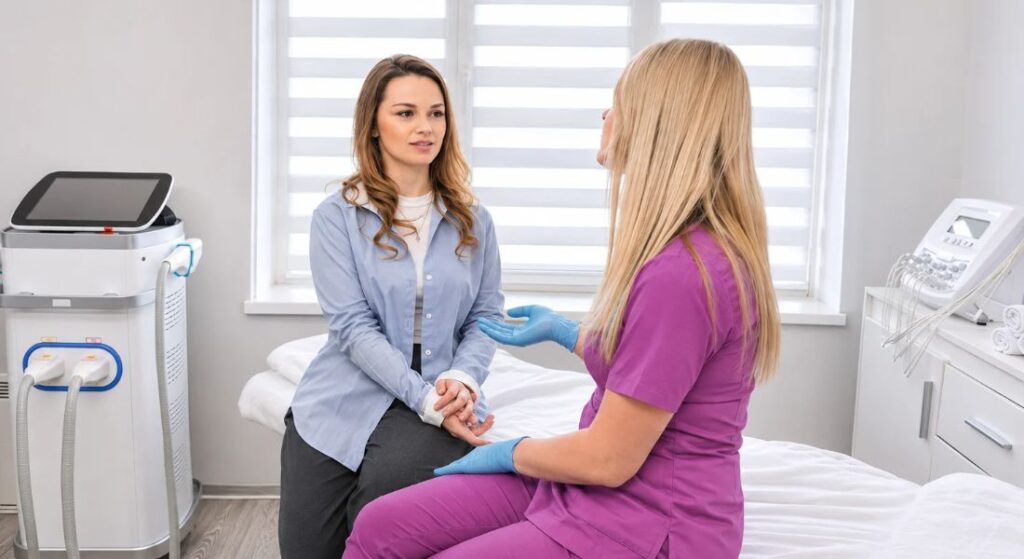
Like other cosmetic procedures, this treatment carries risks, including swelling, bruising, numbness, infection, bleeding and fluid collection. Excessive heat can also cause burns, scarring or tissue damage, while you could experience prolonged sensation changes or uneven contours.
If you combine BodyTite with liposuction, risks can also include blood clots and anaesthetic reactions. Contact your surgical team for worsening pain, fever, spreading redness or unusual swelling. Seek urgent medical assessment for a painful, swollen leg, and call 999 for chest pain or sudden breathlessness.
Which Body Areas Can Benefit From BodyTite?
BodyTite may be suitable for areas where you have localised fat alongside mild to moderate skin laxity. The amount of improvement you achieve depends on your skin quality, fat distribution and natural tissue elasticity. Your surgeon can assess each area individually to determine whether treatment is likely to be worthwhile.
1. Abdomen: BodyTite may help improve mild loose skin and localised fat around your stomach.
2. Upper arms: You may benefit if you have mild arm laxity but do not need extensive skin-removal surgery.
3. Thighs: Treatment may help improve selected areas of stubborn fat and mild skin looseness around your thighs.
4. Flanks: BodyTite may be used to improve contours around your waist and sides when localised fat is present.
BodyTite is less likely to give you enough improvement if you have significant folds of excess skin. In this situation, your surgeon may discuss procedures such as an arm lift, thigh lift or tummy tuck depending on the area that concerns you.
Who May Be a Good Candidate for BodyTite?
You may be suitable if you have localised fat deposits, mild to moderate skin laxity and realistic expectations. It may appeal to you if you want better body contours without extensive skin removal or long surgical scars.
Your general health, skin condition, medical history and weight stability will also influence your suitability. It’s important to understand that the aim is modest tightening and contour improvement rather than a dramatic change in your body shape.
Who Should Avoid or Postpone BodyTite Treatment?
BodyTite may not be suitable if you have an active infection, unhealed wounds or medical conditions that affect healing, circulation or anaesthetic safety. You should also tell your surgeon about pacemakers, metal implants, previous cosmetic surgery, pregnancy, breastfeeding and any medicines that may affect bleeding or recovery.
Your surgeon will review your medical history and decide whether treatment is safe or needs to be postponed. If you have significant excess skin or expect substantial weight loss, another body contouring option may be more suitable.
UK Guidance Note
In England, independent hospitals and clinics providing cosmetic surgery must be registered with the Care Quality Commission (CQC). You can check whether your surgeon is registered with the General Medical Council (GMC) and ask about their training and experience with BodyTite and liposuction. GMC guidance also requires doctors offering cosmetic interventions to explain potential benefits, risks and limitations and allow you time to make an informed decision.
What Happens During a BodyTite Procedure?
Your treatment starts with a consultation where your surgeon assesses your skin elasticity, body contours and suitability. The treatment area is then marked, and you receive an appropriate anaesthetic before small incisions are made to insert the BodyTite probe and deliver controlled radiofrequency energy beneath your skin.
If liposuction is included, your surgeon will also remove the agreed amount of fat to improve your contours. After treatment, you’ll receive dressings, a compression garment and aftercare instructions covering wound care, activity restrictions and follow-up appointments.
What Is Recovery Like After BodyTite?
Your recovery depends on the treated area, whether liposuction is included and how your body heals. During the first few days, you may experience swelling, bruising, soreness, tightness or temporary changes in sensation. Wearing compression garments can help support the treated area and manage swelling.
Follow your surgeon’s advice on wound care, gentle walking and avoiding heavy lifting or strenuous exercise. Any persistent lumps, worsening symptoms or unusual changes should be assessed before you return to demanding activities.
How Long Do BodyTite Results Take, and Are They Permanent?
Your results develop gradually as swelling settles and your skin heals. You may notice early changes after treatment, but more visible skin tightening and contour improvements can take several weeks or months.
If your treatment includes liposuction, the fat cells removed generally do not return, although remaining cells can enlarge with weight gain. Natural ageing and changes in skin elasticity can also affect your results, so maintaining a stable weight and healthy lifestyle may help preserve your contours.
BodyTite vs Liposuction and Tummy Tuck: Which Is Better?

The right option depends on your concerns and treatment goals. Liposuction removes unwanted fat, while BodyTite uses radiofrequency heating to encourage tissue contraction and may be combined with liposuction for fat removal. A tummy tuck is more suitable when you have significant loose abdominal skin or separated muscles requiring surgical correction.
BodyTite involves smaller incisions but cannot achieve the same results as extensive skin-removal surgery. Your surgeon can help you compare the costs, recovery time, potential scars and risks to decide which procedure is most suitable for you.
Myth vs Fact
| Myth | Fact |
| BodyTite is completely non-invasive. | Your surgeon inserts a probe through small incisions. |
| BodyTite removes large amounts of fat without liposuction. | Substantial fat removal generally requires liposuction. |
| BodyTite can replace a tummy tuck for everyone. | Significant excess skin may require surgical removal. |
| You will see your final result immediately. | Swelling must settle, and tissue remodelling takes time. |
| BodyTite has no downtime or complications. | You may experience swelling, bruising, burns, infection or other complications. |
| BodyTite permanently prevents loose skin. | Ageing, weight changes and skin elasticity can affect long-term results. |
Key Takeaways
1. BodyTite uses radiofrequency energy beneath your skin.
2. It may improve mild to moderate skin laxity.
3. Liposuction may be needed for substantial fat removal.
4. BodyTite cannot replace surgery for significant excess skin.
5. Swelling, bruising and other complications are possible.
6. Your suitability depends on your anatomy and expectations.
Frequently Asked Questions
1. What is BodyTite treatment, and how does it work?
BodyTite is a minimally invasive body contouring treatment that uses radiofrequency energy to heat underlying fat and connective tissues. This encourages tissue contraction and helps improve skin firmness and body contours.
2. What are the main benefits of BodyTite?
BodyTite may help tighten mildly or moderately loose skin and improve body contours. Your surgeon may combine it with liposuction to remove localised fat deposits. It also uses smaller incisions than extensive skin-removal surgery.
3. Can BodyTite tighten loose skin after pregnancy or weight loss?
Yes, BodyTite may improve mild to moderate skin laxity after pregnancy or weight loss. However, it cannot remove large folds of excess skin or guarantee dramatic tightening.
4. Which areas of the body can you treat with BodyTite?
BodyTite can target areas such as your abdomen, upper arms, thighs and flanks. It may help improve localised fat deposits and mild to moderate skin laxity.
5. What are the disadvantages of BodyTite treatment?
Results can be subtle and unpredictable, particularly if you have significant loose skin. You may also experience swelling, bruising, soreness, uneven tightening and temporary changes in sensation.
6. Is BodyTite a non-invasive treatment?
No, BodyTite is minimally invasive rather than completely non-invasive. Your surgeon makes small incisions to insert a probe beneath your skin and deliver controlled radiofrequency energy.
7. How long does recovery take after BodyTite?
You may need several days off work, depending on the treatment area and extent of the procedure. Swelling, bruising and tenderness can continue for days or weeks, and you’ll need to follow your surgeon’s aftercare advice.
8. Are BodyTite results permanent?
If your BodyTite treatment includes liposuction, the removed fat cells generally do not return, although remaining cells can enlarge with weight gain. Natural ageing and changes in skin elasticity may also affect your results.
9. Who is a suitable candidate for BodyTite treatment?
You may be suitable if you have localised fat deposits, mild to moderate skin laxity and realistic expectations. Your general health, skin condition, medical history and weight stability will also influence your suitability.
10. What are the possible risks and complications of BodyTite?
Possible risks include infection, bleeding, bruising, numbness, fluid collection, burns, scarring and uneven contours. Combining BodyTite with liposuction may also involve additional risks, such as blood clots and anaesthetic reactions.
Final Thoughts: Is BodyTite the Right Choice for You?
BodyTite may improve body contours and mild to moderate skin laxity, particularly when combined with liposuction for fat removal. However, it’s important to understand the limitations, recovery time and potential risks before deciding whether treatment is right for you.
If you’re looking into BodyTite in London, the team at London Medical & Aesthetic Clinic will be happy to talk you through the treatment and help you understand whether it’s right for you.
References:
1. Ibrahiem, S. M. S. (2022) ‘Aesthetic Nonexcisional Arm Contouring’, Aesthetic Surgery Journal. Available at: https://academic.oup.com/asj/article/42/7/NP463/6529268
2. Tettamanzi, M. et al. (2023) ‘Use of Radiofrequency-Assisted Liposuction (BodyTite) for Upper Arms Lifting’, Aesthetic Plastic Surgery. Available at: https://pmc.ncbi.nlm.nih.gov/articles/PMC10784384/
3. Swanson, E. (2022) ‘A Systematic Review of Subsurface Radiofrequency Treatments in Plastic Surgery’, Annals of Plastic Surgery. Available at: https://pmc.ncbi.nlm.nih.gov/articles/PMC9415206/
4. Theodorou, S. J. et al. (2012) ‘Radiofrequency-assisted liposuction device for body contouring: 97 patients under local anesthesia’, Aesthetic Plastic Surgery. Available at: https://pubmed.ncbi.nlm.nih.gov/22466060/
5. Faustino, L. D. et al. (2025) ‘Comparative Efficacy of Adjuvant Technologies for Skin Tightening in Liposuction: A Systematic Review and Quantitative Analysis’, Aesthetic Plastic Surgery. Available at: https://pubmed.ncbi.nlm.nih.gov/41152465/