



You may have questions about flying, dental appointments or vaccinations after Sculptra. Although you can usually return to normal activities quickly, temporary swelling, bruising and inflammation may affect when you schedule other appointments.
There is no universally established waiting period for these activities after Sculptra. Some practitioners recommend a precautionary gap, although not all recommendations are supported by strong clinical evidence. Understanding the relevant precautions can help you plan your appointments and recovery.
What Happens to Your Skin After Sculptra Treatment?
Sculptra contains poly-L-lactic acid (PLLA), which stimulates your body to produce collagen gradually. Unlike hyaluronic acid fillers, it works by encouraging natural collagen production rather than providing immediate volume replacement. You may experience temporary swelling, redness, tenderness or bruising after treatment.
Your face may initially look fuller due to swelling and treatment fluid, but these effects usually settle before longer-term improvements appear. Collagen develops over the following weeks and months, although occasional complications, such as inflammatory nodules or delayed swelling, can occur later. Understanding normal recovery helps you recognise unusual reactions.
Evidence Note
A 2025 publication in Cosmetics, based on expert recommendations for Sculptra, reported that common injection-related reactions, including temporary bleeding, discomfort and bruising, generally resolve within two to six days. However, lumps may develop weeks or months after treatment. Your individual recovery and access to medical care should therefore be considered when planning travel or other appointments.
Is There a Standard Waiting Period After Sculptra?
There is no clinically established Sculptra-specific waiting period for flying, dental work or vaccinations. Your practitioner may suggest allowing 24 to 48 hours before flying to monitor early reactions. Advice about leaving two to four weeks around routine dental work or approximately two weeks around vaccination is largely based on expert recommendations for other dermal fillers, particularly hyaluronic acid fillers.
These are precautionary recommendations rather than proven safety requirements. Your practitioner can help you decide what is appropriate based on your health, treatment area and planned activities. You should not delay essential dental care or recommended vaccinations without medical advice.
When Can You Fly After Sculptra?
You may be able to fly after Sculptra if your recovery is progressing normally and you have no concerning symptoms. Where practical, allowing 24 to 48 hours before flying gives you time to monitor early reactions and contact your practitioner if needed. This is a practical precaution rather than a scientifically established minimum waiting period.
If you have a flight booked, discuss it with your practitioner before treatment. You should also consider whether you can access medical care at your destination if you experience any delayed complications.
Are Long-Haul Flights Different From Short Flights?
Long-haul travel may need more planning than a short flight after Sculptra, particularly if you still have swelling, bruising or tenderness. The longer journey also means spending more time sitting, so your general travel health and comfort should be considered.
1. Swelling and tenderness: A long flight may feel less comfortable if your treated areas are still swollen or sensitive after Sculptra.
2. Prolonged sitting: Travelling for more than four hours can increase your general risk of deep vein thrombosis (DVT), a blood clot that usually forms in a deep vein in your leg. This is a recognised travel-related risk rather than an established consequence of Sculptra treatment.
3. Movement and hydration: Try to move regularly, perform gentle ankle exercises and stay adequately hydrated throughout your journey.
4. Individual risk factors: If you have a history of blood clots, reduced mobility or other relevant health concerns, seek personalised medical advice before flying.
If you develop unusual facial symptoms, postpone flying and seek medical assessment. After travel, seek urgent advice for pain or swelling in one leg. Call emergency services if you develop sudden breathlessness or chest pain.
Can Cabin Pressure Affect Sculptra Swelling or Results?
You may worry that cabin pressure could move Sculptra, increase swelling or affect collagen production. Direct research examining the effects of air travel on Sculptra is limited. However, there is currently no convincing evidence that normal commercial air travel causes the product to migrate or disrupts collagen production.
You may experience temporary puffiness after treatment. Seek prompt medical assessment if swelling increases or becomes significantly uneven. Unusual or severe pain, or skin that becomes pale, grey or mottled, requires immediate assessment rather than being dismissed as a normal effect of flying.
How Should You Manage Sculptra Aftercare While Travelling?
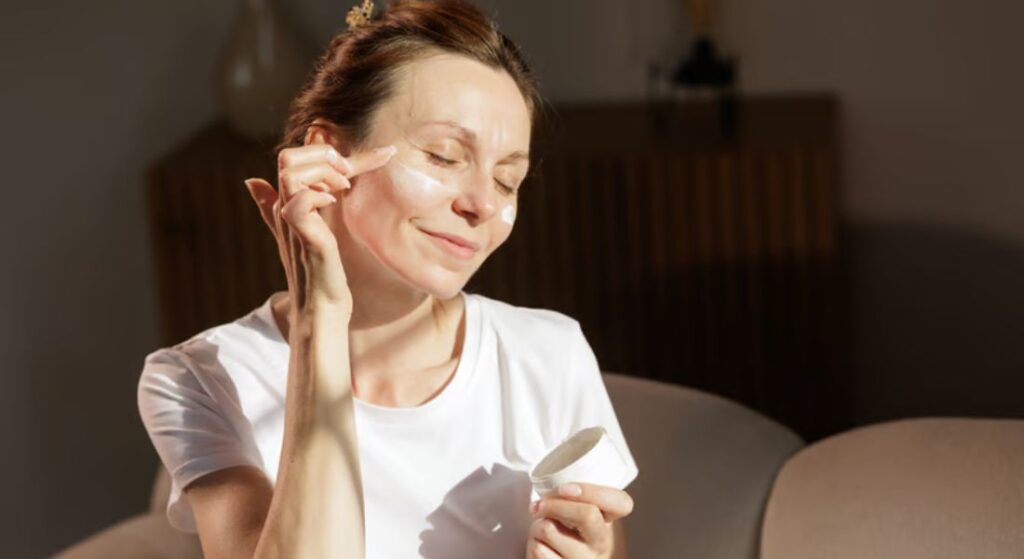
You should continue following your Sculptra aftercare instructions while travelling. For ordinary swelling, your practitioner may recommend applying a cloth-wrapped cold pack for a few minutes at a time during the first 24 hours. Some treatment protocols recommend gently massaging the area for five minutes, five times daily for five days. Follow the specific massage instructions provided for your treatment.
You should also protect your skin from excessive sunlight and keep your clinic’s contact details handy. If you notice unusual symptoms or your recovery is not progressing as expected, seek medical advice before travelling.
Suggested Appointment Timing After Sculptra: Precautions Rather Than Fixed Rules
| Activity | Suggested precautionary timing | Main consideration |
| Short-haul flights | Allow 24 to 48 hours where practical | Monitor early reactions and ensure access to medical care. |
| Long-haul flights | Individual assessment; consider a longer recovery period | Consider swelling, travel comfort and access to medical care. |
| Routine dental work | Around 2 to 4 weeks, if advised | Based mainly on expert guidance for other dermal fillers. |
| Urgent dental treatment | No intentional delay | Prioritise essential dental care. |
| Routine vaccinations | Around 2 weeks, where practical | Optional precaution, not a proven Sculptra requirement. |
| Time-sensitive vaccinations | No intentional delay solely because of Sculptra | Prioritise recommended protection. |
How Long Should You Wait Before Routine Dental Work?
Your practitioner may suggest leaving around two to four weeks before non-urgent dental work, such as routine cleaning or planned fillings. This advice is largely based on expert guidance for hyaluronic acid fillers, where inflammation and bacterial spread have been proposed as possible triggers for delayed complications. Whether the same waiting period reduces complications after Sculptra has not been established.
Your practitioner can advise you based on the dental procedure, injection area and medical history. You should also tell your dentist that you have recently received Sculptra before your appointment.
What About Tooth Extractions, Root Canals and Dental Infections?
If you are planning a tooth extraction or root canal, discuss the timing with your dentist and Sculptra practitioner. The underlying dental condition, presence of infection and urgency of treatment are more important than following a fixed cosmetic treatment interval. Your dentist can advise whether the procedure can safely be scheduled for a later date.
However, you should not delay essential dental treatment because of Sculptra. If you notice toothache, gum swelling or an abscess, contact your dentist promptly. You do not need preventative antibiotics solely because you have received cosmetic injections.
UK Guidance Note
If you suspect a dental abscess, arrange urgent dental care or contact NHS 111. Seek emergency care for difficulty breathing, swallowing or speaking, extensive mouth swelling or a painful or swollen eye. Call 999 for sudden vision changes or stroke-like symptoms following filler treatment.
Why Can Dental Treatment Be a Concern After Dermal Fillers?
You may be advised to space dental work and dermal filler treatments because some procedures can introduce bacteria into your bloodstream or cause local inflammation. Researchers have suggested these factors may contribute to delayed filler reactions, although the link is not fully understood.
Most available evidence involves hyaluronic acid fillers rather than Sculptra. If you notice unusual swelling or lumps after dental work, tell your practitioner so they can assess the cause rather than assuming the procedure triggered the reaction.
Can You Receive Vaccinations After Sculptra?

You can usually receive recommended vaccinations after Sculptra, including flu, COVID-19 and travel vaccines. Some clinics suggest leaving around two weeks between vaccination and filler treatment as a precaution against overlapping inflammatory reactions.
However, there is no proven Sculptra-specific waiting period. You should not delay an important vaccination because of cosmetic treatment. Speak with your healthcare professional if you need help arranging both appointments.
Can Vaccinations Trigger Swelling Around Sculptra?
Vaccinations can cause temporary redness, swelling or tenderness at the injection site. Delayed inflammation has also been reported around existing dermal fillers, mainly hyaluronic acid fillers. The available research cannot establish how often this occurs after Sculptra or whether the risk differs between vaccines.
You should not assume that vaccination is unsafe after Sculptra. If you notice unusual swelling around a treated area after vaccination, contact your practitioner for assessment rather than taking medication without medical advice.
Research Insight
A 2022 systematic review by Bachour and colleagues, published in the Journal of Cosmetic Dermatology, examined seven articles describing 19 patients with delayed inflammatory reactions after COVID-19 infection or vaccination. Three reactions followed infection and 16 followed vaccination, with most reports involving hyaluronic acid fillers. These reports suggest a possible inflammatory trigger but cannot establish how frequently reactions occur, prove causation or determine a Sculptra-specific vaccination interval.
How Should You Schedule Flu, COVID-19 and Travel Vaccinations?
You can plan your Sculptra treatment around flu, COVID-19 or travel vaccinations by leaving a short gap between appointments where practical. Some practitioners suggest around two weeks before or after filler treatment, although this is not an established Sculptra requirement. If you develop fever or feel unwell after vaccination, discuss postponing your cosmetic treatment until you have recovered.
You should prioritise recommended vaccinations, particularly when you need protection before travelling or have an underlying health condition. Tell your practitioner about any previous reactions to vaccines or fillers so they can advise you on suitable timing.
What Should You Do When Appointments Cannot Be Separated?
If you have a flight, dental appointment or vaccination booked soon after Sculptra, you do not automatically need to cancel everything. Tell your practitioner about your plans so they can advise you based on your treatment and recovery.
You should prioritise essential dental care and recommended vaccinations over cosmetic treatment. If you have an active dental infection, fever or another acute illness, discuss postponing Sculptra until you have recovered and your practitioner considers treatment suitable. Avoid taking preventative antibiotics or other medicines without medical advice.
Clinical Tip
If you are planning an overseas trip, arrange your travel health consultation early. The NHS advises arranging travel vaccinations at least four to six weeks before departure. Some vaccines require multiple doses, so plan Sculptra around your recommended vaccination schedule.
What Should You Avoid During the First Few Days After Sculptra?
Follow your practitioner’s aftercare instructions while swelling, bruising or tenderness settles. Avoid strenuous exercise for the first 24 hours and minimise excessive sunlight, UV exposure and extreme temperatures until swelling and redness resolve. Follow your recommended gentle massage routine, but seek immediate assessment rather than massaging areas of unusual pain or discolouration.
You should also avoid additional facial treatments or devices until your skin has recovered and your practitioner confirms they are suitable. Follow Sculptra-specific guidance rather than aftercare instructions intended for other fillers.
Which Symptoms Require Medical Attention After Sculptra?
You may experience mild swelling, redness or tenderness after Sculptra, but these should gradually improve. Seek prompt medical assessment if you develop increasing pain, spreading redness, fever, warmth or discharge from an injection site, as these may indicate an infection. Contact your practitioner about persistent swelling or new lumps, even if they develop several weeks or months after treatment.
Unusual or severe pain, or skin that becomes pale, grey or mottled, may indicate vascular occlusion, where blood flow becomes restricted. Seek immediate medical assessment and alert your treating practitioner without delaying emergency care. Call 999 if you experience sudden vision changes, stroke-like symptoms, breathing difficulties or chest pain. If you are travelling abroad, contact the local emergency services.
How Can You Plan Sculptra Around Your Travel and Healthcare Appointments?

You can make your Sculptra recovery easier by telling your practitioner about upcoming flights, dental work, vaccinations and important events before booking treatment. Share your medical history and any previous filler reactions so they can advise you on suitable timing.
You should also ask about follow-up appointments, aftercare instructions and warning signs to watch for while travelling. Keep a copy of your treatment record, including the product name, treatment date and injection areas. This information may help another healthcare professional assess you if complications develop while you are away from your usual clinic.
Myth vs Fact
| Myth | Fact |
| Cabin pressure can cause Sculptra to migrate. | There is no convincing clinical evidence supporting this claim. |
| You must avoid flying for two weeks. | No established Sculptra-specific waiting period exists. |
| Dental work always causes filler complications. | Dental procedures are a possible inflammatory trigger, but reactions are not inevitable. |
| Vaccinations are unsafe after Sculptra. | Recommended vaccinations should not be delayed solely because of cosmetic treatment. |
| You need antibiotics before every dental appointment. | Sculptra alone does not justify routine preventative antibiotics. |
| All swelling after Sculptra is harmless. | Persistent or worsening swelling requires medical assessment. |
Key Takeaways
1. There is no universal waiting period after Sculptra.
2. Direct research on flying after Sculptra is limited, but there is no convincing evidence that ordinary air travel interferes with collagen production.
3. Spacing routine dental appointments may be a reasonable precaution.
4. Recommended vaccinations should take priority over cosmetic treatment.
5. Follow your practitioner’s Sculptra-specific aftercare instructions.
6. Seek medical attention for unusual or worsening symptoms.
Frequently Asked Questions
1. How long should you wait before flying after Sculptra?
Where practical, allowing 24 to 48 hours after Sculptra may give you time to monitor early swelling, bruising or unexpected reactions. This is a precaution rather than an established medical requirement. Discuss your recovery and travel plans with your practitioner before flying.
2. Can flying affect your Sculptra results?
Direct research on flying after Sculptra is limited, but there is no convincing evidence that ordinary air travel causes product migration or disrupts collagen production. Seek immediate medical assessment if you experience unusual pain or pale, grey or mottled skin.
3. Are long-haul flights safe after Sculptra?
Long-haul flights may be less comfortable if you have swelling or tenderness, and prolonged sitting can increase your general risk of deep vein thrombosis (DVT). Move regularly, stay hydrated and seek individual advice if you have additional risk factors.
4. How long should you wait before having dental work after Sculptra?
Your practitioner may suggest waiting around two to four weeks before non-urgent dental work, such as cleaning or planned fillings. This precaution is largely based on guidance for hyaluronic acid fillers rather than direct Sculptra research. You should not delay essential dental care because of cosmetic treatment.
5. Can you have a tooth extraction or root canal after Sculptra?
You may need to discuss the timing of more involved dental procedures with your dentist and practitioner because they can cause additional inflammation. However, you should not delay essential dental treatment because of cosmetic injections.
6. Can you receive vaccinations after Sculptra?
You can usually receive recommended vaccinations, including flu, COVID-19 and travel vaccines, after Sculptra. Some practitioners suggest leaving around two weeks between appointments as a precaution, but there is no established Sculptra-specific waiting period.
7. Can vaccinations cause swelling around Sculptra injections?
Inflammatory reactions have been reported around existing dermal fillers after vaccination, but their frequency after Sculptra is unknown. Contact your practitioner if you develop new swelling, redness or tenderness around a treated area.
8. What should you avoid during the first few days after Sculptra?
Avoid strenuous exercise for the first 24 hours and minimise excessive sunlight, UV exposure and extreme temperatures until swelling and redness settle. Avoid aggressive massage and postpone additional facial treatments until your skin has recovered and your practitioner confirms suitability.
9. Which symptoms require medical attention after Sculptra?
Seek prompt medical assessment if you develop increasing pain, spreading redness, fever or discharge from an injection site. Contact your practitioner about persistent swelling or new lumps. Unusual pain or pale, grey or mottled skin requires immediate assessment. Call 999 for sudden vision changes, stroke-like symptoms, breathing difficulties or chest pain.
10. What should you do if you have travel or healthcare appointments soon after Sculptra?
Tell your practitioner about your upcoming flights, dental work and vaccinations so they can advise you on suitable timing. Prioritise essential dental care and recommended vaccinations, and consider postponing cosmetic treatment if appointments cannot be separated.
Final Thoughts: Planning Flights, Dental Work and Vaccinations After Sculptra
After Sculptra, you can usually return to your normal activities as your initial recovery progresses, but it is worth planning flights, dental appointments and vaccinations carefully. There is no universally established waiting period for these activities, so the timing should depend on your health, treatment area and recovery. Discuss upcoming appointments with your practitioner, follow your aftercare advice and prioritise essential dental treatment and recommended vaccinations over cosmetic procedures.
If you’re interested in Sculptra in London, speak to the team at London Medical & Aesthetic Clinic to discuss your treatment goals and arrange a consultation with one of our specialists.
References:
1. Innocenti, A. et al. (2025) ‘Injectable Poly-L-Lactic Acid (PLLA-SCA™) as a Versatile Treatment in Current Aesthetic Medicine: Expert Recommendations Based on Italian Clinical Experience’, Cosmetics, 12(6), article 264. Available at: https://www.mdpi.com/2079-9284/12/6/264
2. Johnson, I.M. et al. (2022) ‘Travel-Associated Venous Thromboembolism’, Wilderness & Environmental Medicine, 33(2), pp. 169–178. Available at: https://pmc.ncbi.nlm.nih.gov/articles/PMC9149067/
3. Corduff, N. et al. (2022) ‘Current Practices in Hyaluronic Acid Dermal Filler Treatment in Asia Pacific and Practical Approaches to Achieving Safe and Natural-Looking Results’, Clinical, Cosmetic and Investigational Dermatology, 15, pp. 1213–1223. Available at: https://pmc.ncbi.nlm.nih.gov/articles/PMC9255720/
4. Bachour, Y. et al. (2022) ‘Late inflammatory reactions in patients with soft tissue fillers after SARS-CoV-2 infection and vaccination: A systematic review of the literature’, Journal of Cosmetic Dermatology, 21(4), pp. 1361–1368. Available at: https://pubmed.ncbi.nlm.nih.gov/35150192/
5. Sansome, S. et al. (2026) ‘Consensus Guidelines for the Management of Tissue Filler–Induced Vision Loss in the United Kingdom’, Aesthetic Surgery Journal, 46(5), pp. 563–568. Available at: https://academic.oup.com/asj/article/46/5/563/8414170