

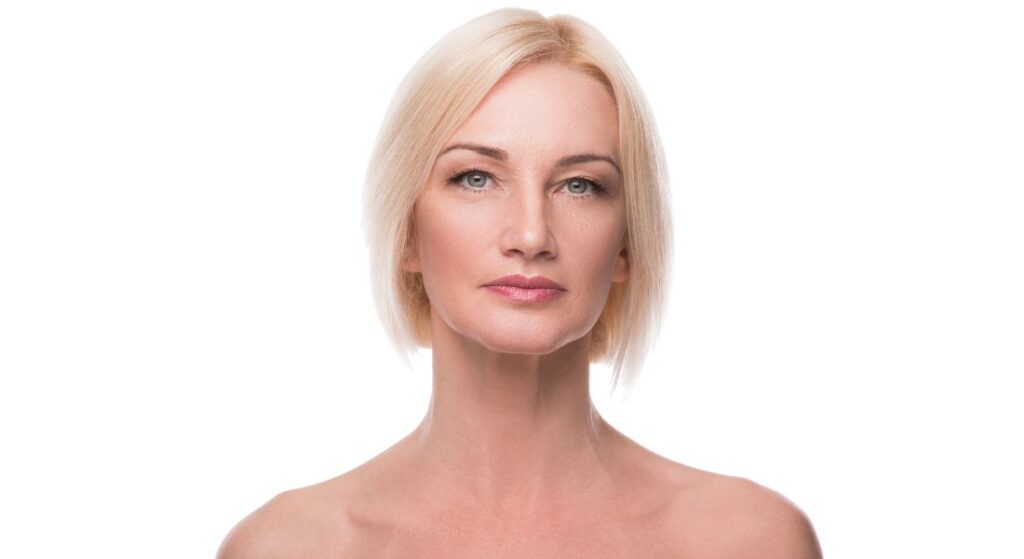
If you are considering skin tightening without surgery, you may be wondering whether there is an ideal age for HIFU. The truth is that there is no single perfect age, but there is an optimal stage of ageing when you are likely to see the best and most noticeable results. You tend to benefit most when early signs of skin laxity start to appear. At this point, your skin still has enough natural structure for the treatment to work effectively.
HIFU (High-Intensity Focused Ultrasound) works by targeting the deeper layers of your skin to stimulate new collagen production. This gradual process helps to lift, tighten, and improve firmness over time rather than giving an instant change. You may notice improvements developing over several weeks as your skin naturally responds. However, the strength of your results will depend on your skin quality, your age, and how much laxity is already present.
In this article, you will learn when HIFU tends to work best and why timing matters for your results. You will also understand how age influences the way your skin responds to treatment. This will help you set realistic expectations based on your stage of life. Ultimately, it gives you a clearer idea of what you can expect before deciding if HIFU is right for you.
Is There a “Perfect Age” for HIFU?
There is no strict age limit for HIFU, so you are not restricted to a specific number when considering treatment. However, you will usually see the best results when early signs of ageing start to appear. This is typically when skin laxity is mild to moderate rather than more advanced. At this stage, your skin still has enough strength and elasticity to respond well to the treatment.
If you have HIFU too early, you may find the changes are very subtle and not particularly noticeable. This is because your skin may not yet need that level of stimulation. On the other hand, if you wait until ageing is more pronounced, your skin may not respond as strongly to the ultrasound energy. This can mean the lifting and tightening effect is less significant than expected.
The best timing for you is when your skin still has enough natural structure to support collagen regeneration. At this point, the treatment can encourage your skin to rebuild firmness more effectively. You are more likely to notice a gradual but meaningful improvement in tone and lift. This is why many people see the most satisfying results when they treat early signs of ageing rather than waiting too long.
Why Age Matters in HIFU Results
Age plays an important role in how your skin responds to HIFU because it directly affects collagen production. HIFU works by triggering your body’s natural healing response, which then produces new collagen to lift and tighten the skin. As you get older, this regenerative process naturally slows down. This means the overall response to treatment can become less vigorous compared to younger skin.
If you have younger skin, you may notice that it responds more quickly and strongly to the treatment. Your collagen network is usually more active, so the lifting and tightening effect can appear more noticeable within a shorter period. In contrast, if your skin is older, it can still respond well, but the improvements are often more gradual and subtle. You may need a little more time to see the full effect develop.
This is why your age is an important part of treatment planning. It helps your practitioner set realistic expectations for your results and timeline. It also ensures the treatment is tailored to your skin’s natural ability to regenerate. When age is properly considered, you are more likely to achieve a result that looks natural and balanced for you.
Best Age Range for HIFU
If you are thinking about HIFU, you might be wondering when it actually works best. Most people tend to see the best results in their late 30s to mid-50s. During this stage, your skin is starting to lose firmness, but it still has enough collagen activity to respond well to treatment. At this point, you may begin to notice early signs of ageing, such as mild sagging or loss of definition. HIFU is often chosen because it helps support and lift the skin without surgery.
1. Early collagen decline, but still responsive skin: You may notice that your skin does not feel as firm as it once did. This is because collagen production naturally slows down with age. However, in your late 30s to mid-50s, your skin is still active enough to respond well to HIFU, which is why results tend to be more noticeable and effective during this period.
2. Mild sagging becomes more visible: You might start to see slight sagging around your jawline, cheeks, or neck. These changes are usually still in the early stages, which makes them easier to treat. HIFU works by targeting deeper layers of the skin to help lift and tighten these areas gradually.
3. Improvement in firmness and definition: If you are in this age range, you may notice a gradual improvement in skin tightness and facial definition after treatment. It does not change your appearance dramatically, but it helps restore a fresher, more lifted look over time.
4. Ideal balance between prevention and correction: This stage is often considered the “sweet spot” because you are not only treating existing sagging but also helping slow down further ageing. It gives you both corrective and preventative benefits in one treatment.
Overall, if you are in your late 30s to mid-50s, HIFU is often most effective because your skin is still responsive enough to produce natural tightening and lifting results.
Importance of Personalised Assessment
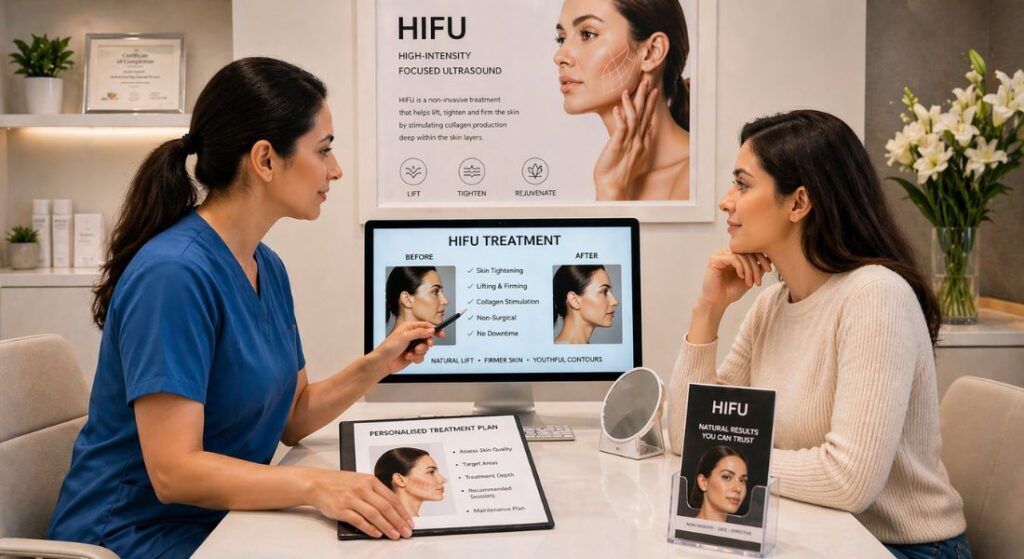
A personalised consultation is essential before you undergo HIFU treatment. You may think age alone is enough to decide suitability, but that is not the case. Your skin quality, level of laxity, and individual goals all need to be carefully assessed. This helps ensure the treatment is actually appropriate for your specific needs.
When your treatment is customised to you, the results are usually much more effective. You are more likely to achieve a natural-looking improvement that suits your facial structure. A tailored approach also helps avoid disappointment by setting clear and realistic expectations from the start. This way, you understand what HIFU can realistically achieve for your skin.
Professional assessment is key to getting the best outcome. A trained practitioner can evaluate how your skin will respond and recommend the right plan for you. You may also be advised on whether HIFU alone is enough or if other treatments would enhance your results. This personalised guidance ensures your treatment is both safe and effective.
HIFU in Your 30s
In your 30s, ageing changes are usually quite subtle, so you may only just start to notice early signs like a slight loss of firmness or mild skin laxity. You might also see small changes in definition around areas such as the jawline or cheeks. At this stage, your skin still has strong collagen support, which means it generally responds well to treatment. HIFU can be a good option if you are looking to stay ahead of these early changes.
HIFU in your 30s is often used in both a preventative and corrective way. It doesn’t dramatically change your appearance, but instead works to support your skin’s natural structure. You may notice a gentle tightening effect that helps your skin look fresher and more lifted over time. The results tend to look very natural, so you still look like yourself, just a bit more refreshed.
The main focus at this age is maintaining firmness and slowing down the visible signs of ageing. You are essentially supporting your skin before deeper laxity develops. Many people choose HIFU in their 30s to help delay more noticeable changes later on. This approach can make future ageing appear more gradual and easier to manage.
HIFU in Your 40s
Your 40s are often one of the most effective times to have HIFU because signs of skin laxity usually become more visible. You may notice changes such as softening in the jawline, mild sagging in the cheeks, or early looseness around the neck. At this stage, your skin is still responsive to non-surgical tightening treatments. This is why many people start to see more noticeable results compared to their 30s.
Collagen production naturally begins to slow down in your 40s, but it is still active enough to respond well to stimulation. HIFU helps to encourage this remaining collagen activity, which supports lifting and firming of the skin. You may notice gradual improvements as your skin rebuilds structure over the following weeks. The results often look natural but more defined than in younger age groups.
You may see visible lifting in areas such as the jawline, cheeks, and neck, which are commonly affected by ageing at this stage. This can help restore a more refreshed and contoured appearance without surgery. Many people find this age group ideal because the balance between ageing signs and skin responsiveness is still quite favourable. As a result, the 40s are a very popular time to start or continue HIFU treatment.
HIFU in Your 50s
In your 50s, HIFU can still be an effective treatment, but the results you see will depend more on your overall skin condition. You may still benefit if your skin has mild to moderate laxity and retains some elasticity. At this stage, your skin is still capable of responding to collagen stimulation, but the level of improvement can vary. This is why an assessment of your skin becomes especially important before treatment.
If your skin sagging is more advanced, you may find that the results are less dramatic compared to earlier years. HIFU can still provide some tightening and lifting, but it may not fully address deeper laxity on its own. In such cases, you might be advised that combining treatments could give you a more noticeable improvement. This helps ensure your results are more balanced and in line with your expectations.
Having realistic expectations becomes particularly important in your 50s. You are likely to see gradual enhancement rather than a major transformation. Understanding what HIFU can and cannot achieve at this stage helps you make a more informed decision. It also ensures you feel satisfied with results that suit your natural ageing process.
HIFU in Your 60s and Beyond
HIFU can still be performed in your 60s and beyond, but you will usually notice that the results are more subtle. At this stage, your skin is typically thinner and has reduced elasticity compared to earlier years. This means it does not respond as strongly to collagen stimulation. As a result, the amount of lifting and tightening you can achieve may be more limited.
You may still benefit from improvements in skin texture and a mild tightening effect. Some people also notice a slight improvement in firmness, which can help refresh their overall appearance. However, if there is more significant sagging, HIFU alone may not be enough to create the level of change you are looking for. In these cases, other treatment options may be more suitable.
Surgical procedures are sometimes recommended when there is advanced skin laxity, as they can provide more dramatic lifting. This does not mean HIFU has no value at this stage, but rather that it may work best as a supportive or maintenance treatment. A professional assessment is important to understand what is realistically achievable for your skin. This ensures you choose the most appropriate option for your needs and expectations.
Skin Elasticity Is More Important Than Age
While age can be a helpful guide, you’ll often find that your skin’s elasticity matters even more when it comes to HIFU results. You may come across people in their 50s who still have better skin quality than someone in their 40s. This is because factors like genetics, lifestyle, sun exposure, and skincare all influence how your skin behaves over time. So, age alone doesn’t always tell the full story.
If your skin is more elastic, it generally responds better to ultrasound energy. This is because your skin has a stronger ability to contract and produce new collagen when stimulated. As a result, you are more likely to see a firmer, more lifted appearance after treatment. You may also notice that results develop more clearly over the following weeks.
This is why suitability for HIFU is always assessed on an individual basis rather than age alone. A proper consultation looks at your skin quality, laxity, and overall condition before recommending treatment. This helps ensure you are getting the most appropriate option for your needs. It also gives you a more realistic idea of what kind of results you can expect.
Early Prevention vs Corrective Treatment
HIFU can be used in two different ways depending on where you are in your ageing journey. If you are younger and just starting to notice early changes, it can work as a preventative treatment. If you are older and already seeing more visible laxity, it becomes a corrective option to help restore firmness. In both cases, the treatment works by stimulating collagen, but your results will naturally differ depending on your skin’s condition.
1. Preventative use (younger patients): If you are in your 30s or early 40s, you may choose HIFU to help slow down early signs of ageing before they become more noticeable. At this stage, your results tend to be subtle. You are essentially helping to maintain firmness and delay more obvious sagging over time.
2. Corrective use (more mature skin): If you are in your 40s, 50s, or beyond, you may already notice more defined sagging or loss of elasticity. In this case, HIFU is used more as a corrective treatment. You are likely to see a more visible lifting and tightening effect as the skin responds to deeper collagen stimulation.
3. Different goals, same treatment: You might notice that the treatment feels the same, but the goal changes. In younger skin, it’s about maintaining what you already have. In older skin, it’s about improving what has changed over time.
4. Your stage of ageing matters: The best approach for you depends on your skin condition rather than just your age. Your practitioner will usually assess how much laxity you have and tailor the treatment accordingly, so you get results that suit your needs.
Overall, whether you use HIFU early or later in life, it can be adjusted to support your skin at different stages, helping you achieve either maintenance or noticeable rejuvenation.
Longevity of HIFU Results
If you are considering HIFU, you might be wondering how long the results actually last. On average, you can expect results to last around 12 to 18 months, although this can vary from person to person. Your age, lifestyle, and overall skin condition all play a part in how long the effects are maintained. In some cases, you may notice that results last longer, especially if your skin is in good condition and you take care of it well.
1. Age and skin condition matter: If you are younger, your skin usually responds more strongly to collagen stimulation. This means you may enjoy longer-lasting results compared to older patients, whose natural collagen production is lower.
2. Lifestyle has a big impact: Your daily habits can influence how long your results last. Factors such as sun exposure, smoking, hydration, and skincare routine all affect your skin’s ageing process. If you look after your skin well, you are more likely to maintain results for longer.
3. Maintenance treatments help: If you want to prolong the effects, you may be advised to have maintenance sessions. These help to boost collagen production again and support ongoing firmness and lift, keeping your results looking fresher for longer.
4. Consistency supports long-term results: You will usually get the best long-term outcome if you combine treatment with a consistent skincare and healthy lifestyle routine. This helps your skin stay firmer and slows down further ageing changes.
Overall, while HIFU results are not permanent, they are long-lasting, and with the right care and occasional maintenance, you can continue to enjoy a firmer, more lifted appearance over time.
How HIFU Works Beneath the Skin
HIFU works by delivering focused ultrasound energy into the deeper layers of your skin. This energy bypasses the surface and targets specific tissue depths where collagen is formed. As a result, you are able to stimulate tightening without damaging the outer layer of your skin. This makes the treatment non-invasive while still working at a deep structural level.
The ultrasound energy triggers your body’s natural healing response, which leads to increased collagen production. Over time, this helps tighten and strengthen the underlying tissue that supports your skin. You may not see an immediate change on the surface, but the improvement is happening beneath the skin. This gradual process is what creates a more lifted and firmer appearance.
New collagen continues to form for several weeks after your treatment. This means your results develop slowly and improve over time rather than all at once. You may start noticing subtle lifting and tightening as the weeks progress. The overall effect is a natural, progressive improvement that enhances your features without looking overdone.
Areas That Respond Best to HIFU
Certain areas of your face and neck tend to respond particularly well to HIFU. You’ll often see good results in the jawline, lower cheeks, and under-chin area, as these are common zones where early signs of ageing start to show. These areas usually experience mild to moderate skin laxity, which makes them more responsive to collagen stimulation. Because of this, you may notice a more defined and lifted appearance over time.
When these key areas tighten, it can have a noticeable impact on your overall facial shape. You may find that your jawline looks sharper and your lower face appears more contoured. Even subtle improvements can enhance facial definition and give you a fresher, more structured look. This is one of the reasons HIFU is often chosen for non-surgical facial lifting.
However, results are not the same for everyone and will depend on your individual skin condition. Factors such as age, elasticity, and degree of laxity all play a role in how well each area responds. Some areas may show stronger improvement than others, while certain concerns may require additional treatments. A tailored approach helps ensure your results look balanced and natural across the face and neck.
How Long Results Take to Appear
HIFU results are not immediate, so you should not expect a dramatic change straight away. You may notice a slight tightening effect right after treatment, but this is usually only the beginning. The real improvement develops gradually as your skin starts producing new collagen over time. This natural process cannot be rushed.
Collagen production continues for around 2 to 3 months after your treatment. During this period, your skin slowly becomes firmer and more lifted as the new collagen structures form. You may notice steady improvements week by week rather than all at once. This gradual change is an important part of how HIFU works.
The final outcome becomes clearer as this process completes. You will usually see your best results once the full collagen response has taken place. Because the improvement is slow and progressive, it may feel subtle at first. That’s why patience is important when evaluating your results, as the full effect takes time to fully develop.
Factors That Influence Results
Several factors can influence how well HIFU works for you. These include your age, skin thickness, natural collagen levels, and overall skin quality. Your lifestyle habits also play a big role in how your skin responds to treatment. Because of this, results can vary quite a bit from person to person.
Habits such as smoking and high sun exposure can reduce the effectiveness of HIFU. You may find that damaged or weakened skin does not respond as strongly to collagen stimulation. On the other hand, if you protect your skin from UV damage and avoid smoking, your results are likely to be better. Good hydration and a consistent skincare routine can also help support the treatment outcome.
Healthy, well-maintained skin generally responds more effectively to HIFU. If your skin is in good condition, you are more likely to see a firmer and more lifted result. However, it is important to remember that some level of variation is always expected. Your individual response will depend on a combination of internal and external factors unique to you.
Weight Changes and Skin Tightening
Significant weight changes can have a noticeable impact on your HIFU results. If you gain weight, your skin may stretch, which can reduce the visible tightening effect you achieved from treatment. This is because the added volume can place extra pressure on the skin’s structure. As a result, your results may not look as defined as they did initially.
If you lose a significant amount of weight, you may notice that some looseness in the skin becomes more visible. This is because the skin may not fully retract after changes in facial or body volume. Even though HIFU helps stimulate collagen, it cannot completely counteract large fluctuations in weight. This is why maintaining a stable weight is important for long-term results.
Keeping your weight consistent helps you preserve the tightening and lifting effects for longer. You are more likely to enjoy steady, natural-looking results when your body remains stable. This is especially important in the months following treatment while collagen is still developing. Overall, a consistent lifestyle supports better and more predictable outcomes from HIFU.
Combining HIFU with Other Treatments
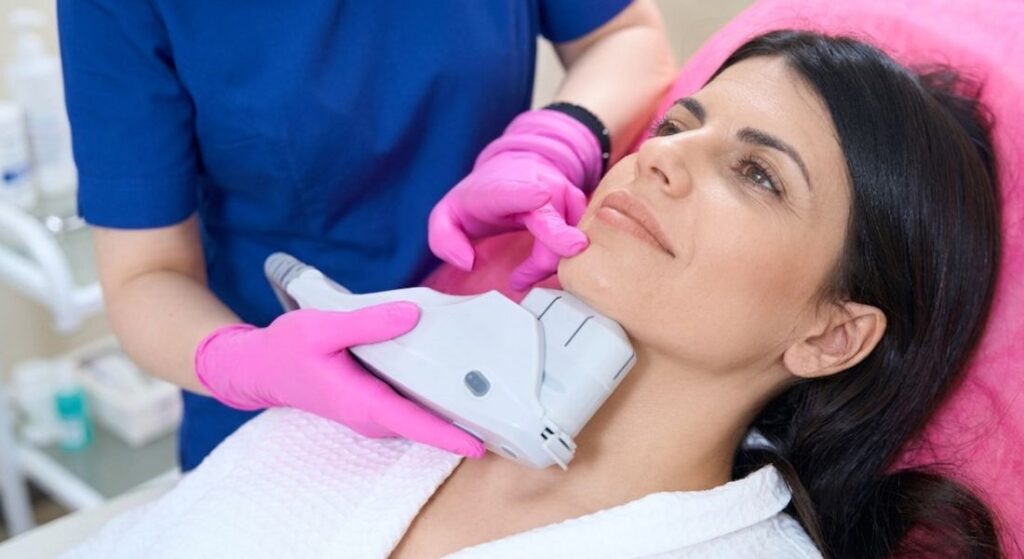
If you are looking for more comprehensive skin rejuvenation, you might be interested to know that HIFU is often combined with other non-surgical treatments. On its own, HIFU helps to lift and tighten, but when it is paired with other procedures, you can achieve a more balanced and refined overall result. This approach is commonly used when you want to target different signs of ageing at the same time.
1. Enhancing results with complementary treatments: You may choose to combine HIFU with treatments such as dermal fillers, skin boosters, or other energy-based procedures. While HIFU works on tightening deeper layers of the skin, these additional treatments can improve volume, hydration, and skin texture.
2. Addressing multiple signs of ageing: If you are noticing more than just skin laxity such as volume loss or dullness combination treatments can be more effective. Each treatment focuses on a different concern, helping you achieve a more complete rejuvenation.
3. More common in older patients: You will often find that combination approaches are recommended if you are in your 40s, 50s, or beyond. At this stage, ageing changes are usually more advanced, so using multiple treatments can give more noticeable and natural-looking improvement.
4. Personalised treatment planning: Your treatment plan will always be tailored to you. A practitioner will assess your skin condition and suggest the right combination based on your needs, rather than using a one-size-fits-all approach.
Overall, combining HIFU with other treatments allows you to target different layers and concerns of ageing at the same time, helping you achieve a smoother, more refreshed, and naturally youthful appearance.
Importance of Collagen Production
HIFU works entirely by stimulating your body’s natural collagen production. You don’t see an instant change because the treatment relies on your skin rebuilding itself over time. The stronger your collagen response, the more noticeable your lifting and tightening results are likely to be. This is why your individual skin condition plays such an important role in the final outcome.
Younger patients often respond more effectively because their collagen production is naturally more active. This means their skin can rebuild structure more quickly and efficiently after treatment. As you age, collagen levels gradually decrease, so the response becomes slower and more subtle. However, this doesn’t mean you won’t see improvement, just that it may develop more gradually.
Collagen is essentially the key mechanism behind how HIFU creates lifting effects. It strengthens the deeper layers of your skin, helping to improve firmness and support facial structure. Even at older ages, your skin can still produce new collagen with the right stimulation. This is why HIFU can be beneficial across different age groups, even though results may vary.
Differences Between Face and Neck Results
The face often responds more predictably to HIFU compared to the neck. This is because facial skin is usually thicker and has better structural support. You may notice clearer lifting and tightening in areas like the cheeks and jawline. As a result, improvements on the face can often look more defined and consistent.
The neck, on the other hand, has thinner and more delicate skin, which can make results appear more subtle. You may still see some tightening and smoothing, but the changes are usually less dramatic than on the face. Because of this, the neck can sometimes require additional care or even extra sessions to achieve your desired outcome. Your practitioner may adjust the treatment approach depending on how your skin responds.
One of the most noticeable benefits of HIFU is improved jawline definition, which can enhance your overall facial profile. Even small improvements in this area can make your face look more contoured and lifted. While the neck may take longer to respond, you can still achieve visible refinement over time. Ultimately, your results will depend on the condition of the skin in each specific area.
When HIFU May Not Be Suitable
HIFU may not be suitable for you if you have severe skin laxity or very thin, fragile skin. In these cases, the treatment may not provide enough lifting to meet your expectations. You might still notice some mild tightening, but the overall change can be quite limited. This is because HIFU works best when there is still some natural structure in the skin to support collagen regeneration.
If skin sagging is more advanced, you may find that surgical options offer more effective and longer-lasting results. Procedures such as a facelift can physically reposition deeper tissues, which HIFU cannot fully achieve. This doesn’t mean HIFU has no benefit, but it may not be the most suitable standalone option for significant laxity. Your practitioner may instead recommend alternative or combined approaches.
A proper consultation is essential to assess whether you are a good candidate for HIFU. You will be evaluated based on your skin quality, degree of ageing, and overall treatment goals. Not everyone will be an ideal candidate, and that’s completely normal. Understanding these limitations helps you make a more informed and realistic decision about your treatment.
Realistic Expectations by Age
Your expectations for HIFU should always match both your age and your skin condition. If you are younger, you are more likely to see subtle, prevention-focused results rather than dramatic changes. At this stage, the aim is usually to maintain firmness and slow down early signs of ageing. You may notice a fresher, slightly lifted appearance rather than a major transformation.
If you are in middle age, you will often see the most noticeable improvement from HIFU. This is because your skin typically has enough laxity to show visible lifting, but still enough collagen activity to respond well. You may see clearer definition in areas like the jawline, cheeks, and lower face. This balance often leads to more satisfying and visible results overall.
If you are older, the results are usually more subtle and focused on mild tightening rather than significant lifting. You may notice improvements in skin texture and a slightly firmer appearance. However, the changes tend to be more gentle and natural-looking rather than dramatic. Setting realistic expectations helps you feel more satisfied with results that suit your skin at every stage of life.
Psychological Impact of Treatment
Improved skin firmness often has a positive effect on how you feel about your appearance. You may notice a boost in confidence after treatment, even if the physical changes are quite subtle. Many patients describe feeling fresher, more rested, and more youthful in themselves. These small improvements can still feel meaningful in everyday life.
You might also find that you feel more comfortable in social or professional settings after treatment. When your skin looks slightly lifted or smoother, it can positively influence how you present yourself. This isn’t just about appearance alone, but also about how you feel internally. Feeling at ease with your reflection can make a noticeable difference to your overall wellbeing.
Confidence can also play a role in how you perceive your results. When you feel better about your appearance, you are more likely to view the changes positively. Even modest improvements can feel more significant when they align with your expectations. This is why emotional satisfaction is often just as important as the physical outcome.
Recovery and Downtime
One of the main advantages of HIFU is that you can get back to your normal routine almost straight away. If you are considering this treatment, you will be pleased to know that there is very little downtime involved. Most people find it easy to fit into a busy schedule because it does not require any recovery period. After your session, you might notice a few mild and temporary effects, but these usually settle quickly on their own.
1. Mild redness or warmth: You may see slight redness in the treated areas, similar to a light flush. This is completely normal and usually fades within a few hours.
2. Tingling or slight sensitivity: It is common to feel a mild tingling or tender sensation in the skin afterwards. This is a sign that the deeper layers have been stimulated and typically settles within a short time.
3. No real downtime required: You can usually return to your daily activities immediately after treatment. Whether it is work, errands, or social plans, you do not need to take time off for recovery.
4. No special aftercare needed: In most cases, you can carry on with your normal skincare routine, although you may be advised to avoid harsh treatments or excessive sun exposure for a short period.
Overall, if you are looking for a treatment that fits easily into your lifestyle, HIFU is a very convenient option. You can have the procedure done and continue with your day, while your skin gradually improves over the following weeks and months.
Choosing the Right Timing
The best time for HIFU is when you start to notice early to moderate signs of ageing. This is usually when you may see slight skin laxity, but your skin still has enough structure to respond well. At this stage, you are more likely to achieve a noticeable yet natural improvement. Treating at the right moment helps you get the most out of the procedure.
If you have HIFU too early, you may not see much visible change because your skin may not need that level of stimulation yet. If you wait too long, the skin may become less responsive, and the results may not be as effective as you hoped. This is why timing plays such an important role in how well the treatment works for you.
Your timing can directly influence both your results and your overall satisfaction. When treatment is done at the right stage, you are more likely to feel happy with the outcome and the level of improvement. This is also why a consultation is so important before you decide to go ahead. Proper planning ensures your treatment is carried out at the most suitable time for your skin.
FAQs:
1. What is the best age to start HIFU treatment?
There isn’t one fixed best age, but you’ll usually get the most noticeable results when early signs of ageing begin, typically in your late 30s to 50s. At this stage, your skin still has enough natural collagen activity to respond well to treatment.
2. Can you have HIFU in your 30s?
Yes, you can have HIFU in your 30s. In fact, many people use it as a preventative treatment to maintain firmness and slow down early ageing. The results are usually subtle and focused on preserving your skin’s structure.
3. Is HIFU effective in your 40s?
Yes, your 40s are often considered one of the best times for HIFU. At this stage, mild skin laxity becomes more visible, but your skin still responds well to collagen stimulation, which can lead to noticeable lifting and tightening.
4. Does HIFU work in your 50s?
HIFU can still work well in your 50s, especially if your skin has mild to moderate laxity. However, results may be more gradual compared to younger ages, and you might benefit from combination treatments for enhanced improvement.
5. Can you have HIFU in your 60s?
Yes, you can have HIFU in your 60s, but the results tend to be more subtle. This is because your skin produces less collagen and has reduced elasticity. In some cases, other treatments may be more suitable depending on your goals.
6. Why does age affect HIFU results?
Age affects how much collagen your skin can produce. Since HIFU works by stimulating collagen, younger skin usually responds more strongly, while older skin may show slower or softer improvement.
7. Is skin quality more important than age for HIFU?
Yes, skin quality is actually more important than age. You may find that someone in their 50s with good skin elasticity gets better results than someone younger with poorer skin condition.
8. How long does it take to see HIFU results?
You may notice some tightening shortly after treatment, but the full results usually develop over 2 to 3 months as new collagen forms beneath your skin. The improvement is gradual and natural-looking.
9. How long do HIFU results last?
HIFU results typically last around 12 to 18 months, depending on your age, lifestyle, and skin condition. Maintaining a healthy lifestyle and having follow-up treatments can help prolong the effects.
10. Can HIFU be combined with other treatments?
Yes, HIFU is often combined with treatments like dermal fillers or skin boosters to improve overall results. This is especially helpful if you’re looking for more comprehensive skin rejuvenation.
Final Thoughts: Choosing the Right Age for HIFU Results
When it comes to HIFU, there is no single “perfect age” that guarantees results. Instead, the most effective outcomes usually happen when you treat early to moderate signs of ageing, typically from your late 30s through to your 50s. At this stage, your skin still has enough natural collagen activity to respond well to ultrasound stimulation, which means you’re more likely to notice visible tightening and lifting.
That said, your individual skin quality matters more than age alone. If your skin still has good elasticity, you may see excellent results even outside the typical age range. On the other hand, if skin laxity is more advanced, HIFU can still help, but the improvements may be more subtle and gradual. The key is timing your treatment correctly and having a personalised assessment so your plan matches your skin’s condition and goals. This ensures you get realistic, natural-looking results that develop over time rather than expecting an immediate transformation. If you’re thinking about HIFU treatment in London, you can get in touch with us at the London Medical & Aesthetic Clinic.
References:
1. Kafkas, Ş., Kim, J.-H. and McEntyre, J.R. (2013) Database citation in full text biomedical articles. PLoS ONE, 8(5), e63184. https://pmc.ncbi.nlm.nih.gov/articles/PMC6333388/
2. Liu, Z., Meng, X. and Chen, R. (2025) Comparative analysis of clinical efficacy of high-intensity focused ultrasound ablation and radiofrequency ablation in patients with benign breast tumors. Technology in Cancer Research & Treatment, 24, 15330338251391894. https://pmc.ncbi.nlm.nih.gov/articles/PMC12553941/
3. Ko, E.J., Hong, J.Y., Kwon, T.-R., Choi, E.J., Jang, Y.-J., Choi, S.Y., Yoo, K.H., Kim, S.Y. and Kim, B.J. (2017) Efficacy and safety of non-invasive body tightening with high-intensity focused ultrasound (HIFU). Skin Research and Technology, 23(4), pp. 558-562. https://pubmed.ncbi.nlm.nih.gov/28543777/
4. Ayatollahi, A., Gholami, J., Saberi, M., Hosseini, H. and Firooz, A. (2020) Systematic review and meta-analysis of safety and efficacy of high-intensity focused ultrasound (HIFU) for face and neck rejuvenation. Lasers in Medical Science, 35(5), pp. 1007-1024. https://pubmed.ncbi.nlm.nih.gov/32026164/
5. Liu, Y., Chen, M., Li, L., Shen, Z. and Wu, B. (2025) High-intensity focused ultrasound (HIFU) in pancreatic cancer-related pain: Current evidence and future directions. Ultrasound in Medicine & Biology, 51(10), pp. 1639-1645. https://www.sciencedirect.com/science/article/abs/pii/S0301562925001863