

CO₂ laser is an ablative skin-resurfacing treatment that is mainly used to treat phymatous rosacea, particularly rhinophyma, where the skin of the nose becomes thickened, enlarged and uneven. By removing selected areas of excess tissue, CO₂ laser may improve the external contour of the nose. However, it is not usually the first treatment for common rosacea symptoms such as persistent redness, flushing or visible blood vessels.
If your rosacea mainly causes persistent facial redness or visible blood vessels, vascular lasers or intense pulsed light (IPL) may be more appropriate because they target vascular features rather than removing surface tissue. The most appropriate treatment depends on the specific rosacea features affecting you, skin type and medical history, so a detailed consultation is essential to determine whether CO₂ laser is the right option for you.
What Is Rosacea?
Rosacea is a long-term inflammatory skin condition that mainly affects the central part of your face, including your cheeks, nose, forehead and chin. You may experience persistent redness, frequent flushing, visible blood vessels, burning, stinging or acne-like bumps. Rosacea may also affect your eyes and eyelids, causing dryness, grittiness, redness, irritation or inflamed eyelid margins. These features are often described as ocular rosacea.
Rosacea affects everyone differently, so treatment should be based on your specific symptoms rather than a single diagnosis. A small number of people develop thickened skin, particularly on the nose, known as rhinophyma, which may require a different treatment approach. Identifying the features affecting you can help your clinician decide whether skincare, medication, vascular treatment, tissue-reduction treatment or a combination may be appropriate.
What Is a CO₂ Laser?
A CO₂ laser is an ablative skin-resurfacing laser that uses a wavelength of approximately 10,600 nanometres. Its energy is absorbed by water within the tissue, producing heat that allows selected tissue to be vaporised or ablated while also helping to control bleeding during treatment. In rhinophyma treatment, the principal aim is to reduce thickened tissue and reshape the nasal contour while preserving enough healthy tissue to support healing.
CO₂ lasers can be fully ablative or fractional, depending on the treatment plan. After treatment, the surface gradually re-epithelialises from preserved follicles, glands and surrounding skin structures. The initial wound may close before the final colour and texture have settled, which can take several weeks or longer depending on the treatment depth and your healing response. You should only consider CO₂ laser when its resurfacing effects are appropriate for your specific condition and treatment goals.
Is CO₂ Laser a Standard Treatment for All Rosacea?
CO₂ laser is not a first-line treatment for every form of rosacea. It is mainly used for established phymatous thickening, particularly rhinophyma. Persistent redness and visible vessels are generally treated with vascular laser or IPL, while papules and pustules usually require topical or oral treatment. Your practitioner should match treatment to the features affecting you.
When Can CO₂ Laser Help Rosacea?
CO₂ laser is mainly considered when rosacea has caused established skin thickening, particularly rhinophyma. Rhinophyma affects the nose and may cause progressive tissue thickening, increased width, a bulbous contour, enlarged pores or an uneven surface. In advanced cases, excess tissue around the nostrils may contribute to external nasal obstruction. Other internal causes of breathing difficulty must still be assessed separately.
During treatment, the clinician removes selected excess tissue in controlled layers while repeatedly assessing the developing nasal contour. The procedure is designed to remove enlarged tissue rather than simply improve the skin’s surface. If you have significant rhinophyma, CO₂ laser may improve nasal contour and, in selected patients with external obstruction caused by tissue overgrowth, may improve airflow.
What Is Rhinophyma?
Rhinophyma is a form of phymatous rosacea that causes the skin and soft tissue of your nose to become progressively thicker and more uneven. You may notice enlarged pores, an oily or red appearance, visible blood vessels and a gradual increase in the size or shape of your nose. Although it is more common in men, it can also affect women, and it is not caused by poor hygiene or excessive alcohol consumption.
In the early stages, you may only notice subtle changes such as persistent swelling or increasing oiliness. Once established tissue overgrowth has developed, creams or tablets alone are unlikely to reverse the structural thickening, and you may need a procedural treatment such as CO₂ laser, electrosurgery or surgical debulking. Your practitioner will recommend the most appropriate option based on the severity of your rhinophyma and your overall skin condition.
What Improvements Can CO₂ Laser Produce?
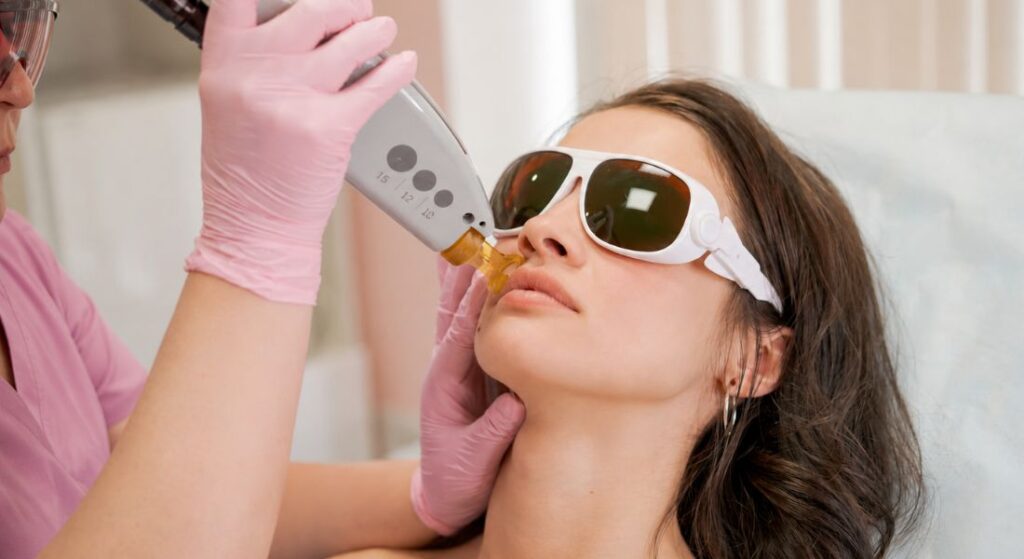
CO₂ laser may reduce excess tissue caused by rhinophyma and create a smoother, more proportionate nasal contour. If you have a bulbous nose, uneven surface or marked skin thickening, you may notice an improvement in nasal shape and proportion after healing. In some cases, removing tissue around the nostrils may also improve airflow when the overgrowth is causing external blockage.
The laser allows your practitioner to remove tissue gradually while controlling bleeding and carefully shaping the nose. As the area heals, the nasal surface may become smoother and more clearly contoured, although enlarged pores may still remain visible. You should remember that recurrence is possible over time, so CO₂ laser is an established tissue-reduction option for rhinophyma, but it does not cure the underlying tendency towards rosacea or guarantee that tissue thickening will never recur.
Evidence Note
Published studies suggest that CO₂ laser may improve nasal contour and patient satisfaction and, in selected cases, external airflow affected by rhinophyma. However, most studies are small retrospective series, often involving mainly men with lighter skin types. Results and complication rates should therefore not be treated as guaranteed outcomes for every patient.
What Rosacea Symptoms Will CO₂ Laser Not Reliably Treat?
CO₂ laser is mainly used to reduce thickened tissue caused by phymatous rosacea, particularly rhinophyma. It does not reliably treat every rosacea symptom, so you may need medication, skincare or another laser treatment alongside it.
1. Persistent redness: Vascular lasers or intense pulsed light are usually more suitable when facial redness is your main concern.
2. Visible blood vessels: CO₂ laser does not selectively target broken capillaries, so a vascular treatment may provide better results.
3. Inflammatory spots: Acne-like bumps and inflammation are generally managed with topical or oral medicines rather than resurfacing alone.
4. Eye symptoms: Dryness, irritation or inflamed eyelids require assessment and treatment specifically for ocular rosacea.
CO₂ laser may improve thickened nasal tissue without controlling the underlying inflammation or your usual rosacea triggers. Your practitioner may recommend a combined treatment plan to address the different symptoms affecting you.
Which Treatment Targets Which Rosacea Feature?
| Main concern | Treatment that may be considered | Important limitation |
| Persistent facial redness | Vascular laser, IPL or medical treatment | Improvement may be incomplete or temporary |
| Visible blood vessels | Vascular laser or IPL | Several sessions may be needed |
| Inflammatory bumps | Topical or oral treatment | CO₂ laser does not treat the underlying inflammation |
| Eye irritation | Ocular assessment and eye-specific treatment | Facial CO₂ laser does not treat ocular rosacea |
| Thickened nasal tissue | CO₂ laser, electrosurgery or surgical debulking | Requires specialist assessment and wound care |
| External blockage from rhinophyma | Tissue-reduction procedure | Other causes of breathing difficulty must be excluded |
Fully Ablative and Fractional CO₂ Are Not the Same
Fully ablative and fractional CO₂ lasers work in different ways. A fully ablative CO₂ laser removes a continuous layer of tissue and is often used when you have significant rhinophyma that requires excess tissue to be reduced and the nasal contour reshaped. Fractional CO₂ laser creates tiny treatment columns while leaving untreated skin between them, which can help your skin heal more quickly.
If you have milder skin thickening or need surface refinement after tissue removal, your practitioner may recommend fractional CO₂ treatment or combine both techniques during the same procedure. You should remember that fractional treatment is not free from downtime, as recovery depends on the settings used and the depth of treatment. Your practitioner will choose the most appropriate approach based on the severity of your rhinophyma and your treatment goals.
Who May Be a Suitable Candidate?
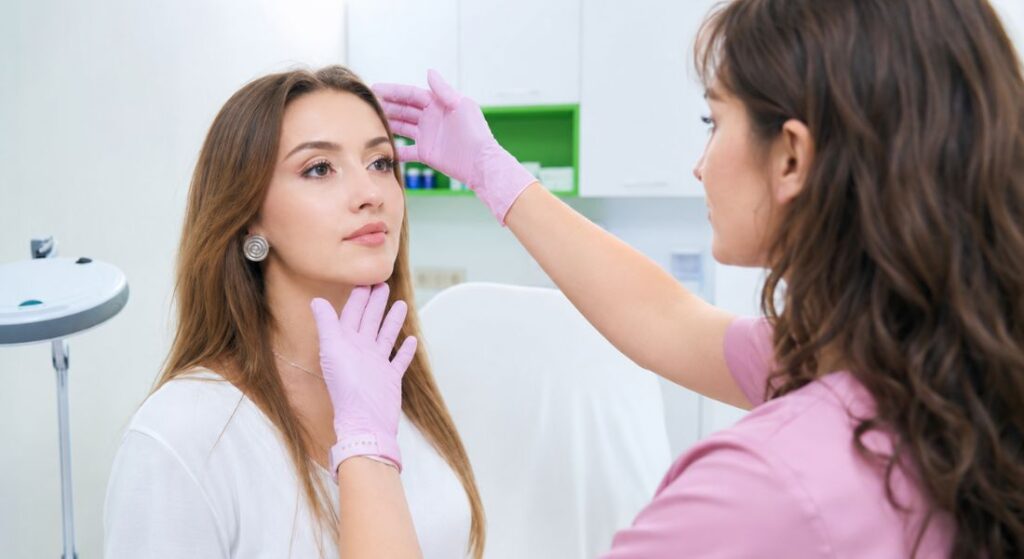
You may be a suitable candidate for CO₂ laser if rosacea has caused noticeable skin thickening, surface irregularity or rhinophyma. Before recommending treatment, your practitioner should confirm the diagnosis because other skin conditions can sometimes resemble rhinophyma. Your general health, healing ability and any medical conditions that could affect recovery will also need to be assessed.
Suspicious, rapidly changing or ulcerated tissue should be assessed before laser treatment and may require biopsy. Because CO₂ laser vaporises tissue, any need for histological sampling should be decided in advance.
Your skin tone, history of pigmentation changes and treatment expectations are equally important. While you may achieve a smoother contour and reduced excess tissue, you should not expect perfectly smooth skin or complete removal of redness. You must also be prepared to follow detailed aftercare instructions and attend follow-up appointments so your practitioner can monitor healing and address any concerns.
When Might CO₂ Laser Be Unsuitable?
CO₂ laser may not be suitable if you have an active skin infection, an open wound or an uncontrolled rosacea flare in the treatment area, as these conditions can increase the risk of delayed healing. You should also tell your practitioner if you have a history of abnormal scarring, are pregnant or breastfeeding, have recently taken isotretinoin, or have any medical condition or medication that could affect your recovery.
You may also be better suited to another treatment if your main concern is facial flushing or a few visible blood vessels rather than thickened skin. In these cases, vascular lasers, IPL or medical treatments are often more appropriate. Your practitioner should also advise against CO₂ laser if your expectations are unrealistic, such as expecting it to eliminate every rosacea symptom or permanently remove all redness.
What Happens During CO₂ Laser Treatment?
Your treatment should begin with a thorough consultation and examination so your practitioner can assess your skin and confirm that CO₂ laser is the right option for you. Standardised photographs may be taken, and the treatment areas will usually be marked before the procedure starts. Depending on the extent of treatment, you may receive local anaesthetic, and you will wear protective eye shields throughout the procedure.
During the treatment, your practitioner removes excess tissue gradually, checking the developing contour between laser passes to achieve a balanced result. If you are having rhinophyma treated, care is taken to preserve enough healthy tissue to support proper healing and reduce the risk of scarring. The length of your procedure will depend on the size and severity of the area being treated, so your appointment may vary considerably from one patient to another.
What Is Recovery Like?
Recovery after CO₂ laser treatment is usually longer than after vascular laser or IPL because the procedure removes the outer layers of your skin. You may experience redness, swelling, tenderness, oozing and crusting during the first stage of healing. Your practitioner will advise you on how to clean the treated area and which ointments or dressings you should use to support recovery.
As your skin heals, new surface tissue gradually forms, although redness may remain for several weeks or longer after deeper treatments. You should protect the treated area from sunlight and follow all aftercare instructions to reduce the risk of pigmentation changes or delayed healing. Before deciding on treatment, ask your practitioner to show you healing photographs as well as final results so you know what to expect throughout your recovery.
What Are the Risks and Side Effects?
After CO₂ laser treatment, you can expect temporary effects such as pain, swelling, redness, oozing, crusting and skin sensitivity while the treated area heals. Because the skin barrier is temporarily disrupted, you may also be at risk of infection, and your practitioner may recommend preventive medication if appropriate. You should follow your aftercare instructions carefully to support healing and reduce the chance of complications.
Less common risks include prolonged redness, pigmentation changes, rosacea flare-ups, acne-like spots, dermatitis and, in rare cases, scarring. Your individual risk depends on factors such as your skin tone, healing response and the depth of treatment. Before you proceed, your practitioner should explain these potential complications clearly so you understand both the expected recovery and the uncommon risks associated with CO₂ laser treatment.
How Long Do the Results Last?
CO₂ laser can provide long-lasting improvement by removing the excess tissue caused by rhinophyma. After healing, your nose may appear smoother and better shaped for many years. However, rosacea is a long-term condition, so the underlying tendency for skin changes remains.
Recurrence is possible, especially if your rhinophyma was severe before treatment. You can help maintain your results with good skincare, sun protection and appropriate rosacea treatment. If redness or visible blood vessels persist, your practitioner may recommend vascular laser treatment rather than another CO₂ laser procedure.
How Can You Decide Whether CO₂ Laser Is Right for You?

Start by identifying the symptom you want to treat and ask whether CO₂ laser is appropriate for that specific concern. Discuss the procedure, expected recovery, risks, practitioner experience, aftercare and management of complications. A responsible clinic should explain alternatives and provide clear follow-up arrangements before you decide.
Myth vs Fact
| Myth | Fact |
| CO₂ laser treats every form of rosacea. | It is mainly considered for thickened phymatous tissue. |
| It is the preferred treatment for facial redness. | Vascular laser or IPL is usually more appropriate for vascular redness. |
| Fractional and fully ablative CO₂ are interchangeable. | They remove different amounts and depths of tissue. |
| Rhinophyma is caused by alcohol. | Alcohol may trigger flushing but does not cause rhinophyma. |
| CO₂ laser cures rosacea permanently. | It can remove excess tissue, but rosacea remains a chronic condition. |
Key Takeaways
1. CO₂ laser is mainly considered for phymatous rosacea and rhinophyma.
2. It is not usually the preferred treatment for redness or visible vessels.
3. Fully ablative and fractional CO₂ treatments are not interchangeable.
4. Rosacea symptoms may continue after excess nasal tissue is removed.
5. Recovery and redness can last several weeks or longer.
6. Darker skin tones require careful pigmentation-risk assessment.
7. Suspicious, rapidly changing or ulcerated tissue may need biopsy.
8. Any need for histological sampling should be decided before laser treatment.
9. Results can be long-lasting, but recurrence is possible.
10. Treatment should be performed by an experienced healthcare practitioner.
Frequently Asked Questions
1. Can CO₂ laser cure rosacea permanently?
No, CO₂ laser cannot cure rosacea because it is a long-term skin condition. It can improve thickened skin caused by rhinophyma, but ongoing redness, flushing or other symptoms may still require skincare, medication or different laser treatments.
2. Is CO₂ laser suitable for facial redness caused by rosacea?
Not usually. Persistent redness and visible blood vessels are generally treated more effectively with vascular lasers or intense pulsed light (IPL), which specifically target blood vessels rather than removing the skin’s surface.
3. What is rhinophyma, and how does CO₂ laser help?
Rhinophyma is a form of rosacea that causes the skin on the nose to become thickened, enlarged and uneven. CO₂ laser can carefully remove excess tissue, improve the nose’s shape and create a smoother contour while helping to control bleeding during the procedure.
4. Is CO₂ laser treatment painful?
The treatment is usually performed with local anaesthetic, so discomfort during the procedure is reduced. Afterwards, you can expect some soreness, redness, swelling and tenderness while the treated skin heals.
5. How long does recovery take after CO₂ laser treatment?
Initial healing usually takes a couple of weeks, although this depends on the depth and size of the treated area. Redness may last for several weeks or longer, and careful aftercare is important to support healing and reduce the risk of complications.
6. Who is a good candidate for CO₂ laser treatment?
CO₂ laser is generally most suitable for people with phymatous rosacea, particularly rhinophyma, where the skin has become thickened or irregular. A consultation is needed to assess your skin, medical history and treatment goals before deciding if it is appropriate.
7. What are the possible side effects of CO₂ laser?
Common side effects include redness, swelling, crusting, oozing and temporary discomfort. Less common risks include infection, pigment changes, scarring and prolonged redness, so following your aftercare instructions is essential.
8. Can CO₂ laser be combined with other rosacea treatments?
Yes. Many people benefit from a combination approach, such as CO₂ laser for rhinophyma and vascular lasers, medication or skincare to manage redness, visible blood vessels or inflammatory spots.
9. How long do the results of CO₂ laser last?
The improvement in thickened tissue can be long-lasting, especially when rhinophyma has been successfully treated. However, rosacea itself is a chronic condition, so some people may require ongoing management or additional treatment in the future.
10. How do you know if CO₂ laser is the right treatment for your rosacea?
The best option depends on your specific symptoms rather than the diagnosis of rosacea alone. An experienced practitioner will assess whether your main concern is redness, visible blood vessels, inflammatory spots or tissue thickening before recommending the most appropriate treatment.
Final Thoughts: Is CO₂ Laser the Right Choice for Your Rosacea?
CO₂ laser can be an effective treatment for selected people with rosacea, but it is not the right solution for every symptom. It is most commonly used to treat rhinophyma and other forms of skin thickening, while persistent redness, flushing and visible blood vessels are usually managed with vascular lasers, IPL or medical treatments. Choosing the most appropriate option depends on your specific symptoms, skin type and overall health rather than the diagnosis of rosacea alone. If you’re considering C02 laser treatment in London, contact London Medical & Aesthetic Clinic to arrange a consultation.
References:
1. Szwach, J. et al. (2026) ‘Laser-based therapies in rosacea: a comprehensive review of mechanisms, clinical efficacy, and future directions’, Journal of Clinical Medicine, 15(5), article 1771. Available at: https://www.mdpi.com/2077-0383/15/5/1771
2. Chauhan, R., Loewenstein, S.N. and Hassanein, A.H. (2020) ‘Rhinophyma: prevalence, severity, impact and management’, Clinical, Cosmetic and Investigational Dermatology, 13, pp. 537–551. Available at: https://pmc.ncbi.nlm.nih.gov/articles/PMC7429105/
3. Zhai, Q. et al. (2024) ‘Meta-analysis of the efficacy of intense pulsed light and pulsed-dye laser therapy in the management of rosacea’, Journal of Cosmetic Dermatology, 23(12), pp. 3821–3827. Available at: https://pmc.ncbi.nlm.nih.gov/articles/PMC11626304/
4. Madan, V., Ferguson, J.E. and August, P.J. (2009) ‘Carbon dioxide laser treatment of rhinophyma: a review of 124 patients’, British Journal of Dermatology, 161(4), pp. 814–818. Available at: https://pubmed.ncbi.nlm.nih.gov/19624541/
5. Dugourd, P.-M., Guillot, P., Beylot-Barry, M. and Cogrel, O. (2021) ‘Surgical treatment of rhinophyma: retrospective monocentric study and literature review’, Annales de Dermatologie et de Vénéréologie, 148(3), pp. 172–176. Available at: https://www.sciencedirect.com/science/article/pii/S0151963821000326