



When you are considering an injectable aesthetic treatment, one of the first questions you are likely to ask is how long the results will actually last. With HArmonyCa, the answer is more nuanced than a single number of months because the treatment combines two different components that work in different ways.
HArmonyCa contains hyaluronic acid (HA) and calcium hydroxyapatite (CaHA). You may notice an early improvement from the volumising and supporting effects of the HA component, the CaHA component is thought to stimulate a longer-term tissue response, including collagen-related changes observed in clinical studies.
Clinical studies have reported measurable improvements at six months, while newer prospective research has observed effectiveness lasting up to 12 months in selected patients treated for midface volume deficit. However, your individual results may last for a shorter or longer period depending on factors such as your age, skin quality, facial anatomy, lifestyle and treatment plan.
Rather than thinking of HArmonyCa as a treatment that suddenly “wears off” on a specific date, it is more realistic to view the results as changing gradually over time. Understanding what influences this process can help you set realistic expectations and decide whether the treatment is right for you.
How Long Can HArmonyCa Results Last?
The effects of HArmonyCa can last for several months, but there is no single timeline that applies to everyone. How long you notice and remain happy with your results will depend on factors such as your anatomy, skin quality, lifestyle and individual response to treatment.
According to the official UK patient information, you may notice an immediate lifting effect that can last for up to six months. The information also describes continued changes associated with collagen support during the months after treatment, which means your results can continue to evolve over time.
More recent research provides encouraging longer-term data. A 2025 prospective, open-label post-marketing study of patients treated for midface volume deficit found that the HA-CaHA hybrid injectable was effective and well tolerated for up to one year. However, this should be viewed as a guide rather than a promise, as no practitioner can guarantee exactly how long your personal results will last.
HArmonyCa by the Numbers
| Research Finding | What It Means for Patients |
| Measurable lifting and tissue changes have been reported at 6 months. | Results may continue to evolve rather than disappearing quickly. |
| A 2025 prospective study reported effectiveness lasting for up to 12 months in patients treated for midface volume deficit. | Some patients may enjoy improvements for around a year, although individual results vary. |
| Collagen-related changes have been observed up to 180 days after treatment. | Improvements in firmness and tissue quality can continue to develop after the initial treatment. |
What does this mean for you in practical terms?
In practical terms, you may notice the immediate structural effects of HArmonyCa first, followed by more gradual improvements in firmness and skin quality over the following months. As time passes, the overall result can soften progressively while the treatment components are naturally metabolised and the ageing process continues.
This is why it is often more helpful to think about treatment longevity as a range rather than a fixed date. For many people, it is reasonable to discuss a treatment horizon of several months to around a year, depending on their individual circumstances and treatment goals.
However, no experienced practitioner should guarantee that your results will last for exactly six, nine or twelve months. Individual responses vary, and the way you experience the longevity of your results will always be influenced by your own anatomy, skin quality and biological response to treatment.
The immediate HA effect
The hyaluronic acid (HA) component of HArmonyCa provides the more immediate part of the result. After treatment, HA can contribute to volume restoration, structural support and a visible lifting effect in the treated area, so you may notice an improvement relatively soon after your procedure.
However, the appearance you see immediately after treatment is not always your final result. Temporary swelling, tenderness and minor inflammation can influence how the area looks during the first few days.
For this reason, it is sensible to allow the treated area time to settle before deciding how you feel about the outcome. Your appearance may continue to change as early swelling resolves and the longer-term tissue effects of the treatment gradually develop.
The gradual CaHA effect
The calcium hydroxyapatite (CaHA) component of HArmonyCa has a different role from the hyaluronic acid component. Research and official product information suggest that CaHA supports collagen production and contributes to gradual changes in tissue firmness, density and skin architecture over time.
In a 2023 study involving 15 patients, researchers used photography, three-dimensional imaging, ultrasound and elastography to assess treatment outcomes. They reported improvements in tissue density, firmness and viscoelasticity, with collagen-related changes still being observed at 180 days.
This helps explain why your results may continue to evolve after treatment rather than appearing immediately and remaining exactly the same over time. Some of the visible changes associated with HArmonyCa develop gradually, which is why the final outcome may look slightly different several months after treatment compared with the first few weeks. It also highlights that treatment longevity is not simply about how long the product remains present, but how the tissues respond and change over time.
A Typical HArmonyCa Results Timeline
Your personal experience will depend on how and where you are treated, but the following timeline can help you understand the general pattern.
| Time after treatment | What you may notice |
| Immediately after treatment | Early volume support and lifting may be noticeable, although temporary swelling can influence the initial appearance. |
| First few days | Mild redness, tenderness, swelling or itching may occur and usually begins to settle. |
| First few weeks | The initial treatment result becomes easier to assess as temporary swelling reduces. |
| Around 2-3 months | Gradual changes in tissue firmness and quality may become more noticeable as the biological response develops. |
| Around 6 months | Published HArmonyCa research has demonstrated measurable changes in volume, tissue characteristics and facial tension vectors at this stage. |
| Up to 12 months | Newer prospective evidence has reported effectiveness lasting up to one year in patients treated for midface volume deficit. |
| Beyond this period | Results may gradually soften, and you can discuss whether maintenance treatment is suitable rather than following a fixed automatic schedule. |
The timeline above should be treated as a guide rather than a guarantee. Your practitioner should assess your result individually rather than assuming that every patient needs the same retreatment interval.
Why HArmonyCa Has More Than One Phase of Results

To understand why HArmonyCa results do not follow one simple timeline, it helps to understand what is inside the treatment. HArmonyCa is a hybrid injectable that combines cross-linked hyaluronic acid (HA) with calcium hydroxyapatite (CaHA) microspheres and also contains lidocaine to help reduce discomfort during treatment.
These ingredients have different roles and work over different timescales. The HA component contributes to the more immediate effects, such as support, volume and lifting in the treated area, while the CaHA component is associated with gradual tissue changes that develop over time.
Because of this dual mechanism, HArmonyCa results tend to evolve rather than remain static. You may notice an early improvement after treatment, followed by more gradual changes in tissue quality and firmness over the following months, which helps explain why the treatment does not have a single, fixed timeline of results.
What Does the Research Tell Us About Longevity?
When you read claims about how long an aesthetic treatment lasts, it is worth asking what evidence those claims are based on. Marketing statements and individual experiences can be helpful, but they do not always reflect the full picture.
Research specifically looking at HArmonyCa is still developing, and the available studies continue to build our understanding of how the treatment performs over time. While the evidence is encouraging, it is important to remember that no study can predict exactly how long the results will last for every individual.
The most useful message from the research is that treatment longevity should be viewed as a range rather than a fixed promise. Your anatomy, skin quality, treatment goals and individual response all play a role in how long you notice and remain satisfied with your results.
Evidence Note
Published HArmonyCa research has shown measurable improvements in tissue characteristics, lifting and skin quality, with prospective studies reporting effectiveness through 12 months in patients treated for midface volume deficit. Although these findings are encouraging, the available evidence remains relatively limited compared with longer-established filler products, and individual outcomes vary according to anatomy, treatment planning and biological response.
For patients, this means published research supports gradual, natural-looking improvements, but no practitioner can accurately predict exactly how long results will last for one individual.
What Factors Can Affect How Long HArmonyCa Lasts?
Even when two people receive the same HArmonyCa treatment, their results may not develop or last in exactly the same way. Injectable treatments are influenced by many individual factors, which is why there is no single timeline that applies to everyone.
Your facial anatomy, skin quality, lifestyle and natural ageing process are all unique to you. These differences can affect both how noticeable your results are and how long you remain happy with the outcome.
Understanding these factors can help you set realistic expectations and avoid comparing your results directly with someone else’s experience. The duration of your results is influenced by a combination of treatment-related and personal factors, so a thoughtful assessment and individualised treatment plan are far more useful than relying on a fixed promise about how long HArmonyCa should last.
Your age and stage of facial ageing
Your age is only one part of treatment planning, but it can influence your starting point. If you have mild changes and good skin quality, your treatment goals may be very different from those of someone with more significant volume loss or skin laxity.
This does not mean that one age group will automatically achieve longer-lasting results than another. The extent of correction needed and the condition of the tissues being treated can vary considerably between individuals.
Ultimately, the way you perceive the longevity of your results is influenced by several factors, including your skin quality, the degree of ageing changes and your personal expectations of treatment.
Your baseline skin quality
Your skin quality before treatment can influence how your final results look and feel. Factors such as skin thickness, elasticity, sun damage and the degree of skin laxity may all affect the treatment approach recommended for you.
This is why a consultation should involve more than discussing your age or the number of syringes you might need. Your practitioner should assess the overall condition of your skin and tailor the treatment plan to your individual needs.
Research has shown improvements in tissue characteristics, including increased dermal thickness, after hybrid HA-CaHA treatment. However, individual responses vary, and no two people will experience exactly the same results.
The area being treated
The area being treated can influence both the treatment goals and how long you feel the results are lasting. Different parts of the face have different anatomical characteristics and may age or change in different ways over time.
When planning your treatment, your practitioner should consider the specific area being treated, the degree of volume change required and whether HArmonyCa is the right option for your concerns.
This is why you should avoid comparing your results directly with someone else who has been treated in a different facial area or for a different reason. Individual treatment plans and outcomes can vary considerably.
Your individual metabolism and biological response
Your body is constantly changing and remodelling its tissues, which means that injectable treatments are not permanent. The way your results change over time can vary from person to person.
Your individual biological response, tissue characteristics and natural ageing process can all influence how long the visible effects of HArmonyCa last. This is why two people treated in a similar way may not experience exactly the same longevity.
For this reason, no practitioner can realistically promise that your HArmonyCa results will last for an exact number of months. The duration of the treatment is always influenced by individual factors that cannot be predicted with complete certainty.
The amount of product and the treatment plan
The amount of HArmonyCa you receive should be based on your individual anatomy and treatment goals rather than a standard package offered to everyone. Your practitioner should consider factors such as your facial proportions, existing volume, tissue quality and the changes you would like to achieve.
Using more product does not automatically mean that your results will look better or last longer. More treatment is not always better, and unnecessary overcorrection can lead to results that do not look balanced or natural.
The aim should be to create an appropriate treatment plan that suits your needs and delivers a proportionate, well-considered result rather than simply trying to maximise longevity.
Practitioner technique and anatomical knowledge
The experience and anatomical knowledge of your practitioner are important because injectable treatments require careful assessment and precise technique. Choosing an appropriately qualified and experienced practitioner can help support both safety and treatment planning.
The NHS advises researching your practitioner carefully and checking their qualifications, experience, insurance and aftercare arrangements before proceeding with any cosmetic treatment.
Your consultation should also include an honest discussion about the limitations of treatment. No practitioner can guarantee an exact result or a fixed duration because individual responses and treatment longevity vary from person to person.
UK Clinical Note
Injectable cosmetic procedures are not currently subject to the same statutory regulation as many medical treatments. Before choosing a practitioner, the NHS recommends checking their qualifications, training, experience, insurance arrangements and aftercare provision. You should also ensure you understand the expected benefits, limitations, risks and possible complications before proceeding.
Smoking
Smoking affects skin health and contributes to visible signs of ageing. It can work against broader aesthetic goals by affecting the quality and appearance of your skin over time.
If you are investing in aesthetic treatment, reducing or stopping smoking may have benefits that extend beyond maintaining a single injectable result and can support your overall skin health.
You should discuss your smoking history openly during your consultation so that your practitioner has a complete picture of the factors that may influence treatment planning and healing.
Sun exposure
Sun exposure contributes to changes in skin quality over time, and injectable treatments cannot stop the natural ageing process or the effects of the environment on your skin.
This is why consistent sun protection remains an important part of long-term skincare after HArmonyCa treatment. Looking after your skin can help support your overall appearance and maintain healthier-looking skin.
However, sunscreen cannot make HArmonyCa results stay the same indefinitely. Instead, it helps protect the wider skin quality that contributes to your overall aesthetic outcome.
Major weight changes
Significant weight loss or weight gain can change facial volume and proportions. As your facial fat distribution changes, you may feel that your aesthetic results look different even though some of the treatment effect is still present.
If you are planning substantial weight loss, especially as part of a medically supervised weight management programme, it is worth discussing the timing with your practitioner before treatment.
Taking expected facial changes into account can help create a more appropriate treatment plan and set realistic expectations about how your results may evolve over time.
Your wider skincare and treatment programme
HArmonyCa may form just one part of your wider aesthetic plan rather than being expected to address every concern. Different issues, such as volume loss, pigmentation, expression lines and skin texture changes, often require different approaches.
No single injectable treatment can treat every aspect of facial ageing. Expecting one treatment to solve multiple concerns can lead to disappointment or unnecessary repeat procedures.
A thoughtful, personalised treatment plan can help you understand which concerns are changing over time and avoid assuming that a new issue means your original HArmonyCa results have completely worn off.
Why Results Do Not Suddenly Disappear
Many people assume that injectable treatments suddenly stop working overnight. In reality, HArmonyCa results usually change gradually rather than disappearing all at once.
The treatment combines hyaluronic acid (HA), which provides early structural support, with calcium hydroxyapatite (CaHA), which is associated with longer-term tissue responses. Over time, the visible effects may slowly soften while your natural ageing process continues.
Because you see your face every day, these small changes can be difficult to notice. Comparing standardised photographs during follow-up appointments can help you and your practitioner assess your results more objectively and decide whether any further treatment is appropriate.
Clinical Insight: Why Patients Often Think Their Filler Has Suddenly Worn Off
Many people adapt to their appearance over time and gradually become used to their improvements. Because the changes happen slowly, it can sometimes feel as though the treatment has disappeared overnight, even when some of the effect remains.
This is one reason why pretreatment photographs and follow-up assessments can be extremely helpful when deciding whether further treatment is genuinely needed.
Use appropriate sun protection
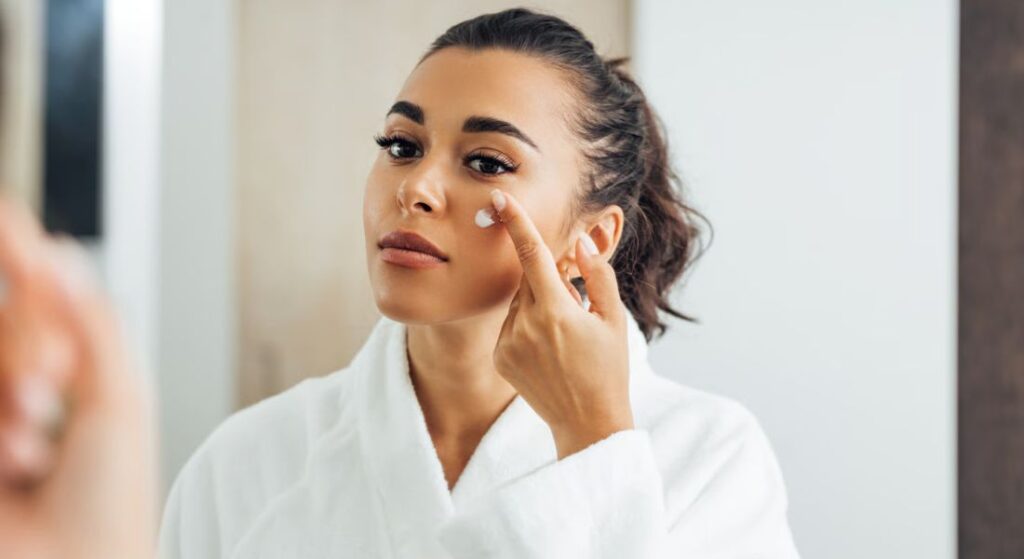
Using appropriate sun protection is an important part of looking after your skin. While skincare cannot stop an injectable treatment from naturally changing over time, protecting your skin from excessive ultraviolet exposure supports your overall skin health.
Choose sun protection that suits your skin type and lifestyle, and try to use it consistently rather than only after having an aesthetic treatment. Healthy skin habits cannot guarantee how long your HArmonyCa results will last, but they can help maintain a better foundation for your long-term skin quality and appearance.
Can You Make HArmonyCa Results Last Longer?
There is no scientifically proven trick that can guarantee your HArmonyCa results will last longer than their natural course. Every person responds differently, and the longevity of the treatment can vary from one individual to another.
However, there are sensible steps you can take to support your overall skin health. Healthy lifestyle habits and good skincare can help provide a better foundation for maintaining your results.
It is also important to make thoughtful decisions about maintenance treatment. Regular reviews with your practitioner can help determine whether further treatment is appropriate rather than relying on a fixed timetable.
Myth vs Fact: How Long Does HArmonyCa Last?
| Myth | Fact |
| HArmonyCa lasts exactly one year for everyone. | Longevity varies from person to person and no exact duration can be guaranteed. |
| If the lifting effect softens, the treatment has completely worn off. | Some tissue changes may still be present even when the initial effect becomes less noticeable. |
| More product automatically means longer-lasting results. | Treatment longevity depends on many factors, including anatomy and biological response. |
| Having treatment more frequently always produces better results. | Repeat treatment should be based on reassessment rather than a fixed schedule. |
| Lifestyle has no effect on results. | Factors such as smoking, sun exposure and major weight changes can influence your overall aesthetic outcome. |
Follow your aftercare instructions
Your practitioner should provide personalised aftercare instructions following your HArmonyCa treatment. Temporary redness, swelling, tenderness, pain and itching can occur, and you should seek advice if these reactions worsen or do not improve as expected.
Following the aftercare guidance you are given can help support your recovery and ensure that any concerns are identified promptly.
Avoid copying aftercare advice from social media or assuming that another person’s routine will be suitable for you. Your treatment, medical history and recovery may be different, so it is important to follow the advice given specifically for your situation.
Maintain a stable lifestyle where possible
Try to maintain a stable lifestyle where possible. Significant fluctuations in weight can change facial proportions and may alter the way your treatment results appear over time.
Smoking can also work against wider skin-quality goals and contribute to changes associated with skin ageing. Looking after your general health and skin can support a healthier foundation for your aesthetic outcomes.
No lifestyle routine can guarantee exactly how many months your HArmonyCa results will last. However, consistent healthy habits may help you maintain your results more effectively over time.
Do not retreat automatically because a date has arrived
You should not automatically arrange repeat treatment simply because a certain amount of time has passed. Maintenance treatment is best guided by reassessment rather than a calendar reminder.
At a follow-up appointment, your practitioner can assess how much of the treatment effect remains and whether your facial concerns have changed since your original treatment. This helps determine whether additional treatment is genuinely needed.
Sometimes maintenance treatment may be appropriate, while in other situations it may be better to wait longer or consider a different approach. The decision should be based on your individual results rather than a fixed schedule.
When Should You Consider Maintenance Treatment?
There is no set rule that HArmonyCa needs to be repeated every six or twelve months. The right time to consider maintenance treatment depends on your individual results and aesthetic goals.
You may want to arrange a review when you begin to notice a meaningful reduction in the improvement that mattered to you, such as less facial support, reduced firmness or lower satisfaction with the treated area.
However, a new ageing concern does not automatically mean that your previous treatment has completely worn off. Your face continues to change over time, and a reassessment can help determine whether you are noticing a reduction in the original result or a different concern that may need a different approach.
When Might It Be Time for a Review?
| Situation | Consider a Review? |
| You are still happy with your appearance. | Usually no immediate treatment is needed. |
| You notice reduced support or firmness. | A follow-up assessment may be helpful. |
| A new ageing concern has developed. | Reassessment can determine whether a different treatment is more appropriate. |
| You have reached six or twelve months after treatment. | Timing alone should not determine whether retreatment is needed. |
Is More Frequent HArmonyCa Treatment Better?
Not necessarily. Having HArmonyCa more often does not automatically lead to a better or more natural-looking result. Any repeat treatment should be based on your individual needs and a proper assessment rather than a fixed schedule.
Your practitioner should understand what treatments you have previously had, when they were performed, where the product was placed and whether you experienced any concerns or complications.
This is particularly important if you have received treatment at different clinics. Keeping a record of the products used and your treatment dates can help future practitioners make safe and well-informed decisions.
How Does HArmonyCa Longevity Compare With Ordinary HA Fillers?
It is tempting to compare treatments by asking which filler lasts the longest, but this can be misleading. Different products have different formulations, are used in different areas and are designed to achieve different aesthetic goals.
HArmonyCa combines hyaluronic acid (HA) and calcium hydroxyapatite (CaHA), providing both an immediate lifting effect and a gradual tissue response associated with the CaHA component. By contrast, a conventional HA filler may be chosen for a different concern or treatment area.
A more helpful question is not simply, “Which treatment lasts longer?” but rather, “Which treatment is most suitable for my concerns, anatomy and desired outcome?”
What Happens During a HArmonyCa Follow-Up Appointment?

A follow-up appointment should involve more than simply asking whether you like the result. Your practitioner may compare your current appearance with your pretreatment photographs, assess facial balance and review how the treated areas look both at rest and during facial expression.
You should also have the opportunity to discuss your experience honestly. You may be pleased with one improvement but feel that another concern has become more noticeable.
This does not automatically mean that you need more HArmonyCa. A good practitioner should explain your options clearly and help you decide on the most appropriate approach without putting you under pressure to have additional treatment.
What Side Effects Should You Know About?
After HArmonyCa treatment, you may notice temporary redness, swelling, tenderness, pain or itching around the treated area. These reactions are usually mild and often improve within a couple of days, although some swelling can take up to a week to settle.
Serious complications are rare, but they can happen with any filler treatment. This is one reason why it is important to choose an appropriately qualified practitioner and make sure you know how to access aftercare if you have any concerns.
You should seek urgent medical advice if you experience severe or unusual pain, significant changes in skin colour or any problems with your vision after treatment, as these symptoms need prompt assessment.
Who May Not Be Suitable for HArmonyCa?
HArmonyCa is not suitable for everyone. According to the official UK product information, treatment may not be appropriate during pregnancy or breastfeeding, for people under 18, or for those with certain allergies, active infections, healing disorders or medical conditions that affect healing or bleeding.
You should give your practitioner a full medical history and a complete list of any medicines and supplements you take so they can assess whether the treatment is suitable for you.
Do not stop any prescribed medication because you are planning an aesthetic treatment. Any changes to your medicines should be discussed with the healthcare professional responsible for your care.
Key Takeaways:
1. HArmonyCa results do not have one guaranteed lifespan that applies to everyone.
2. The HA component contributes to the immediate treatment effect, while the CaHA component is associated with gradual collagen-related tissue changes.
3. HArmonyCa-specific research has demonstrated measurable effects at six months.
4. A larger 2025 prospective study reported effectiveness lasting up to one year in patients treated for midface volume deficit.
5. Your age, facial anatomy, skin quality, treatment area, biological response and wider lifestyle can influence how you experience the longevity of your result.
6. Maintenance treatment should be based on individual reassessment rather than an automatic fixed schedule.
7. A qualified and experienced practitioner should explain realistic outcomes, limitations, risks and aftercare before treatment.
8. Any unusual or worsening symptoms after treatment should be assessed promptly.
Frequently Asked Questions:
1. How long does HArmonyCa usually last?
HArmonyCa results can last for several months, with published studies reporting effectiveness for up to one year in some patients treated for midface volume loss. However, outcomes differ between patients and there is no guaranteed timeframe that applies to everyone.
2. Does HArmonyCa work immediately?
Yes. The hyaluronic acid component provides an immediate lifting and volumising effect. Additional changes in firmness and skin quality may develop gradually over the following months as the calcium hydroxyapatite component supports collagen production.
3. Why do HArmonyCa results change over time?
HArmonyCa has two phases of action. The initial result comes from the hyaluronic acid component, while the calcium hydroxyapatite component is associated with longer-term tissue changes. As the product is gradually metabolised and natural ageing continues, the results can slowly soften.
4. What factors affect how long HArmonyCa lasts?
Several factors can influence longevity, including your age, skin quality, facial anatomy, treatment area, lifestyle, smoking status, sun exposure, significant weight changes and your individual biological response to treatment.
5. Does smoking affect HArmonyCa results?
Smoking can negatively affect skin health and contribute to visible ageing. While it does not determine exactly how long HArmonyCa lasts, it may influence the overall quality and appearance of your results over time.
6. Can I make HArmonyCa last longer?
There is no proven way to guarantee a specific duration of results. However, maintaining good skin health, protecting your skin from excessive sun exposure, avoiding smoking and following your practitioner’s aftercare advice may help support your overall aesthetic outcome.
7. When should I consider maintenance treatment?
Maintenance treatment should be considered when you notice a meaningful reduction in the improvement that originally concerned you. A follow-up assessment can help determine whether additional HArmonyCa or another treatment option is appropriate.
8. Is it better to have HArmonyCa more frequently?
Not necessarily. More frequent treatment does not automatically produce better or longer-lasting results. Treatment decisions should be based on individual assessment rather than a fixed schedule.
9. How does HArmonyCa compare with ordinary hyaluronic acid fillers?
HArmonyCa combines hyaluronic acid with calcium hydroxyapatite, providing both an immediate lifting effect and gradual collagen-related tissue changes. Traditional hyaluronic acid fillers may be used for different indications and are not directly comparable based on longevity alone.
10. What should I do if I have unusual symptoms after HArmonyCa treatment?
Seek prompt medical advice if you develop worsening pain, significant swelling, skin colour changes or any visual symptoms after treatment. Although serious complications are uncommon, they require urgent assessment and should not wait for a routine follow-up appointment.
Final Thoughts: Setting Realistic Expectations for HArmonyCa Results
HArmonyCa is intended to provide both an immediate lifting effect and more gradual tissue changes, which is why its results do not follow one simple timeline. While published studies have shown measurable improvements through six months and effectiveness lasting for up to one year in some patients, the longevity of your results will always depend on individual factors such as your skin quality, facial anatomy, lifestyle and treatment goals.
Rather than focusing on a specific number of months, it is more helpful to think about HArmonyCa as a treatment that evolves gradually over time. Regular review with an experienced practitioner can help determine whether maintenance treatment is appropriate and ensure that any future treatment plan remains tailored to your changing needs. If you are considering HArmonyCa treatment in London, you can contact us at the London Medical & Aesthetic Clinic to discuss your suitability and treatment options.
References:
1. Urdiales-Gálvez F, et al. (2023) Clinical evaluation of HArmonyCa using ultrasound, elastography and 3D imaging. Available at: https://pubmed.ncbi.nlm.nih.gov/37073433/
2. Proietti, I., et al. (2024) Real-world effectiveness and safety of HArmonyCa for facial rejuvenation: A multicentre retrospective study. Journal of Cosmetic Dermatology. Available at: https://pubmed.ncbi.nlm.nih.gov/39360597/
3. Cohen, J.L., et al. (2025) Prospective post-marketing evaluation of a hybrid hyaluronic acid calcium hydroxyapatite injectable for midface volume deficit. Plastic and Reconstructive Surgery Global Open. Available at: https://pmc.ncbi.nlm.nih.gov/articles/PMC12434560/
4. Ambrosio, L., Cecchini, A., Pellacani, G. and Conforti, C. (2025) ‘Exploratory Evaluation of a Hyper-Diluted Calcium Hydroxyapatite–Hyaluronic Acid Combination for Facial Rejuvenation: A Pilot Study’, Cosmetics, 12(5), 212. Available at: https://www.mdpi.com/2079-9284/12/5/212
5. Yag-Howard, C. and DeNigris, J. (2021) ‘Novel Filler Technique: Hyaluronic Acid and Calcium Hydroxylapatite Mixture Resulting in Favorable Esthetic and Longevity Outcomes’, International Journal of Women’s Dermatology, 7(5 Part B), pp. 817–819. Available at: https://www.sciencedirect.com/science/article/pii/S2352647521001167