

A plasma face lift may feel worth considering if you are looking for fresher, firmer-looking skin without undergoing traditional facelift surgery. Many patients are attracted to this treatment because it aims to improve skin appearance while avoiding the invasiveness, scars, and longer recovery associated with surgical lifting procedures.
Whether the treatment is “worth it” depends on several personal factors, including your specific skin concerns, expectations, age, skin quality, healing response, and how much downtime you are willing to accept. Some patients prioritise subtle improvement with minimal intervention, while others may expect more dramatic lifting, which plasma treatments may not be able to deliver.
It is important to understand that a plasma face lift is not the same as a surgical facelift. It does not reposition deeper facial structures or remove excess skin in the way surgery can. Instead, it focuses more on surface tightening and selected skin-quality improvements in appropriate candidates.
Overall, plasma treatment may improve certain early signs of ageing, but it is not suitable for every concern or every patient. A consultation is essential to assess whether the expected results realistically match your facial ageing pattern and treatment goals.
What Is a Plasma Face Lift?
A plasma face lift is a non-surgical skin treatment that uses plasma energy to create controlled micro-injuries on the surface of the skin. This controlled thermal effect is designed to trigger the body’s natural healing response, which may stimulate collagen production and gradual skin tightening over time.
The treatment is often used for concerns such as fine lines, crepey skin, and mild skin laxity. It may be considered in areas like the eyelids, lower face, neck, or other selected regions, depending on a clinical assessment of skin quality, anatomy, and suitability. The aim is usually to improve skin firmness and texture in carefully chosen patients rather than to replicate surgical lifting results.
However, it is important to understand that plasma treatment is not risk-free. Because it works by affecting the skin surface, it involves a healing period and requires proper aftercare and downtime. Redness, swelling, crusting, or sensitivity may occur during recovery, and results depend on appropriate patient selection and professional technique. A thorough consultation is essential to ensure the treatment is suitable and expectations remain realistic.
How Plasma Energy Works on the Skin
Plasma energy works by creating a controlled thermal effect on the skin surface. This targeted heat is designed to trigger a natural healing response, encouraging the skin to repair itself and gradually improve firmness and texture over time.
In simple terms, the treatment does not remove or cut away skin in the way surgical procedures do. Instead, it creates very small, controlled points on the skin’s surface. As these areas heal, the surrounding tissue may contract slightly, which can contribute to a tighter and smoother appearance in suitable patients.
Results are not immediate and continue to develop as the skin heals. Collagen remodelling takes place gradually over several weeks to months, meaning the final outcome may take time to fully appear. The degree of improvement depends on how each individual’s skin responds to the treatment, as healing and collagen production vary from person to person.
What Results Can You Realistically Expect?
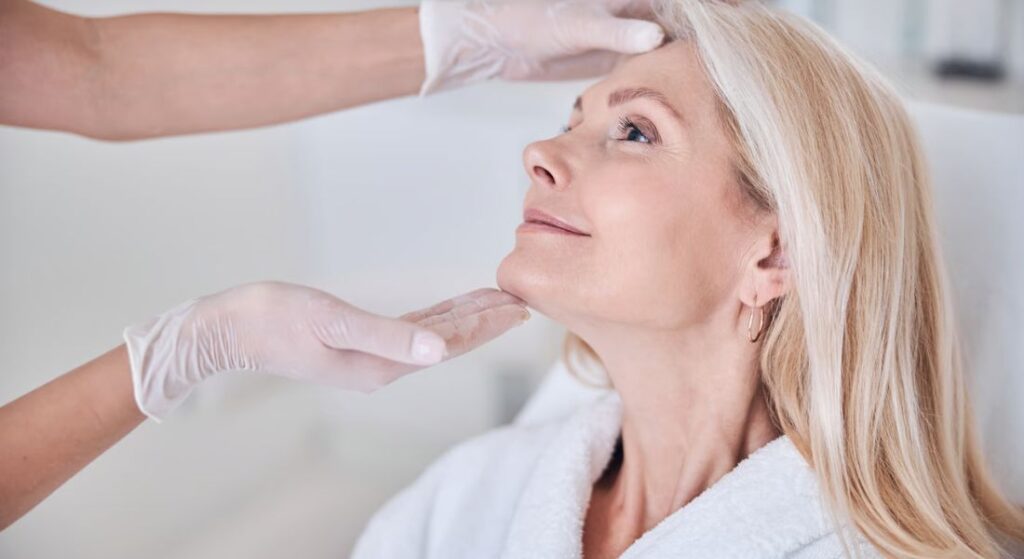
Plasma face lift treatment may help improve early signs of ageing, especially when the concerns are mild. Patients may notice improvement in fine lines, crepey texture, mild laxity, and overall skin firmness once healing has settled. The skin may appear tighter, smoother, or fresher, depending on the area treated and the individual healing response. However, results should be viewed as realistic improvement rather than a dramatic transformation.
1. Improvement in Mild Skin Laxity: Plasma face lift treatment may help tighten areas with mild looseness. This can be useful when the skin has started to soften but does not yet require surgical correction.
2. Smoother Texture and Fine Line Reduction: Some patients may notice that fine lines and crepey texture look softer after healing. The result can make the skin appear smoother and more refreshed, especially in suitable treatment areas.
3. Subtle Firmness and Freshness: The treatment may support a firmer look as the skin recovers and remodels. This improvement is usually gradual and should look natural rather than overly tightened or artificial.
4. Limits Compared With Surgery: Plasma face lift treatment cannot dramatically lift heavy sagging tissue or remove large amounts of loose skin. If the skin laxity is significant, surgery or another treatment approach may be more suitable.
A good result from plasma face lift treatment should look natural, balanced, and proportionate. The aim is usually to refresh and improve the skin rather than completely change your appearance. Results can vary depending on skin quality, age, treatment area, healing response, and aftercare. A proper consultation can help you understand whether the treatment is likely to match your goals or whether another option would give a more suitable result.
What Plasma Face Lift Cannot Do
A plasma face lift cannot replace surgical procedures such as a facelift, neck lift, or eyelid surgery in patients who have significant skin excess or more advanced facial sagging. It is not designed to remove large amounts of loose skin or correct deeper structural descent in the same way that surgery can achieve.
It also cannot restore lost facial volume in the way that treatments such as dermal fillers or fat transfer may be able to. Because of this, if the main concerns include deep jowling, heavy neck laxity, severe eyelid hooding, or marked facial descent, plasma treatment alone may be too limited to produce a meaningful improvement.
Understanding the underlying cause of facial ageing is important when choosing treatment. Loose skin, volume loss, wrinkles, pigmentation, and tissue sagging are different concerns, and they often require different approaches. A proper assessment helps ensure the treatment chosen is appropriate for the specific problem rather than expecting one method to address all aspects of ageing.
Is It Better for Skin Tightening or Lifting?
A plasma face lift is usually better described as a skin-tightening and skin-quality treatment rather than a true lifting procedure. It may create a noticeable tightening effect in suitable patients, but it does not reposition deeper facial tissues in the way a surgical facelift is designed to do.
It is important to understand the difference between tightening and lifting. Skin tightening mainly refers to improvements in the surface layer of the skin, where the texture may feel firmer and appear smoother as it heals and remodels. Lifting, on the other hand, involves repositioning deeper structures of the face, such as fat pads and supporting tissues, to address sagging and more significant descent.
Because of this distinction, the term “face lift” can sometimes be misleading when used for plasma-based treatments. While the treatment may offer improvement in selected cases of mild laxity or crepey skin, patients should have a clear understanding of the level of change that is realistically achievable before deciding to proceed.
Who May Be a Good Candidate?
A good candidate for a plasma face lift is usually someone with mild to moderate skin laxity, fine lines, and crepey or thinning skin, along with realistic expectations about what the treatment can achieve. It is also important that the patient is willing to follow aftercare instructions carefully and allow sufficient time for healing and recovery.
Suitability is not based on one factor alone. A practitioner will consider skin type, medical history, risk of pigmentation changes, natural healing ability, the specific treatment area, and the type of ageing concern being addressed. These factors all influence how the skin is likely to respond to plasma energy and what level of improvement may be achieved.
Patients with early signs of ageing tend to be more suitable for this type of treatment, particularly when the main concern is skin quality rather than significant sagging. Those with more advanced loose skin, heavy jowling, or deeper tissue descent may not achieve sufficient improvement and may be better suited to alternative treatments.
Who May Not Be Suitable?
Plasma face lift treatment may not be suitable for everyone. Patients with active skin infections, certain medical conditions, a history of poor wound healing, or a tendency to develop keloid or hypertrophic scarring may not be appropriate candidates for this type of procedure. It is also not usually recommended during pregnancy or where expectations are unrealistic about the level of improvement that can be achieved.
Skin type is an important consideration as well. Patients with darker skin tones or those who are prone to pigmentation changes may require extra caution, as heat-based skin treatments can carry a higher risk of post-inflammatory pigmentation. Careful assessment is needed to determine whether the benefits outweigh these potential risks in each individual case.
A responsible practitioner should always assess suitability on a case-by-case basis and clearly explain whether plasma treatment is safe and appropriate for the patient’s skin and concerns. The treatment should never be offered as a one-size-fits-all solution, and alternatives should be discussed where plasma energy is not the most suitable option.
Plasma Face Lift for Fine Lines
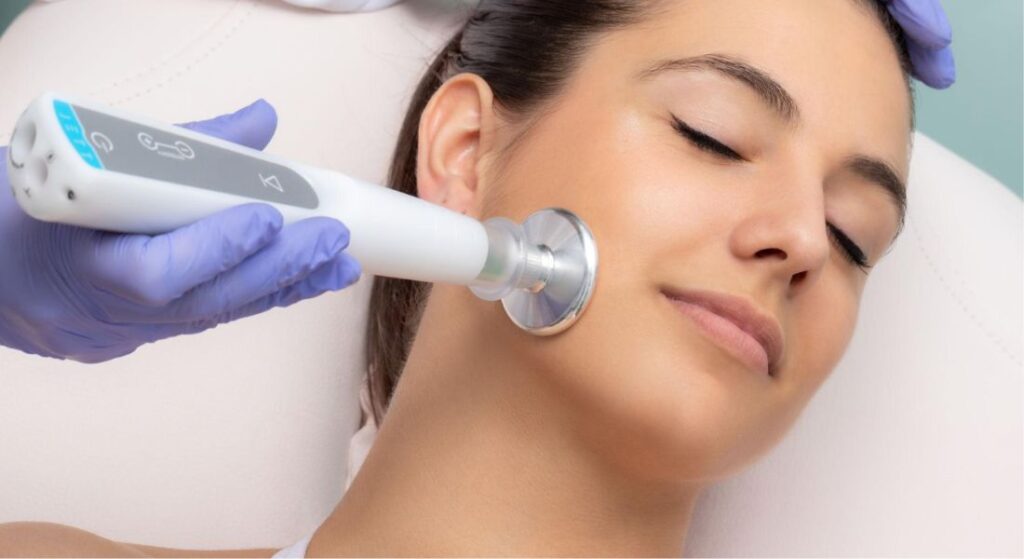
Plasma face lift treatment may help improve fine lines in suitable areas, especially where the skin is thin, delicate, or slightly crepey. As the skin heals and tightens, some patients may notice that small lines look softer and the treated area appears fresher. This improvement is usually gradual rather than immediate. Results can also vary depending on skin quality, age, treatment area, healing response, and aftercare.
1. Fine Lines May Respond Better Than Deep Folds: Fine lines are often more suitable for plasma treatment than deeper folds. This is because fine lines are usually closer to the skin surface, while deeper folds may involve muscle movement, volume loss, or stronger tissue laxity.
2. Thin or Crepey Skin May Improve: Plasma treatment may be useful in areas where the skin looks thin, loose, or crepey. The aim is to encourage tightening and skin renewal so the area appears smoother once healing is complete.
3. Deep Expression Lines May Need Other Treatments: Deep expression lines may respond better to anti-wrinkle injections if repeated muscle movement is the main cause. If the line is linked to volume loss, fillers or a combination approach may be more appropriate.
4. Results Develop Gradually: You should not expect fine lines to disappear overnight. The skin needs time to heal, settle, and remodel, so improvement usually becomes clearer gradually.
Plasma face lift treatment can be helpful for softening fine lines, but it is not designed to correct every type of wrinkle. Deeper folds, strong expression lines, and volume-related creases may need resurfacing, injectables, or a combined treatment plan. A realistic result should look natural and proportionate rather than completely line-free. A consultation can help identify whether your lines are mainly caused by skin texture, movement, volume loss, or laxity.
Plasma Face Lift for Loose Skin
Plasma face lift treatment may offer some improvement in cases of mild loose skin, particularly where the laxity is mainly superficial and the skin still has reasonable elasticity. It may be considered in delicate areas where early crepiness or very mild sagging is present, and where the goal is subtle tightening and improvement in skin texture rather than major lifting.
However, significant loose skin is unlikely to be fully corrected with plasma treatment alone. When the skin begins to hang, form deeper folds, or create more noticeable sagging, the limitation of surface-level tightening becomes more apparent. In these cases, plasma energy may not provide enough structural change to meet the patient’s expectations.
It is important to understand the difference between mild tightening and surgical skin removal. Plasma treatments work on the skin surface and may encourage gradual contraction and collagen response, whereas surgical procedures physically remove excess skin and reposition deeper tissues. This distinction helps patients choose a treatment that matches the severity of their skin laxity and overall ageing concerns.
Plasma Face Lift Around the Eyes
Plasma face lift treatment is often discussed for concerns around the eye area because the skin in this region is thin and can show early signs of ageing such as fine lines, crepiness, or mild laxity. It may be considered in carefully selected patients who have early changes and are looking for subtle improvement in skin quality around the eyelids.
However, treatment in this area requires particular care because the skin is delicate and the eyes must be fully protected during the procedure. Not all eyelid concerns are suitable for plasma treatment, and careful assessment is needed to determine whether it is safe and appropriate for the individual patient.
If there is significant eyelid hooding, excess skin, or visual obstruction caused by heavy upper eyelids, a surgical blepharoplasty may be more appropriate. This is because surgery can remove excess skin more effectively and address more advanced structural changes that non-surgical plasma treatment cannot fully correct.
Plasma Face Lift for the Neck and Jawline
Plasma face lift treatment may sometimes be considered for mild crepiness of the neck, early lower-face skin laxity, or subtle softening around the jawline. In suitable patients, it may help improve the surface tightness and overall appearance of the skin in these areas, particularly when changes are still relatively early and not severe.
However, it is important to understand that plasma treatment cannot produce the same effect as a surgical neck lift or facelift. It does not remove excess skin or reposition deeper structures, so it is unlikely to correct heavy jowls, deep neck bands, or significant tissue descent where structural lifting is required.
Because the neck and jawline are complex anatomical areas that show ageing in different ways, careful assessment is essential. Treatment choice should be based on the degree of laxity, skin quality, and underlying tissue changes to ensure expectations remain realistic and the most appropriate approach is selected.
How Long Results May Last
The longevity of plasma face lift results can vary from patient to patient and is influenced by several factors. These include age, skin quality, the area treated, aftercare, lifestyle habits, sun exposure, smoking, and the body’s natural ageing process.
It is important to understand that results are not permanent because the skin continues to age over time. While plasma treatment may encourage collagen response and gradual skin tightening, these changes can reduce as ageing progresses. For some patients, maintenance treatments or combination approaches may be considered to help sustain results over a longer period.
A fixed timeframe cannot be guaranteed, as individual responses differ significantly. After a proper assessment, a qualified practitioner can give a more personalised indication of likely longevity based on the patient’s skin condition, treatment goals, and overall suitability.
How Long It Takes to See Results
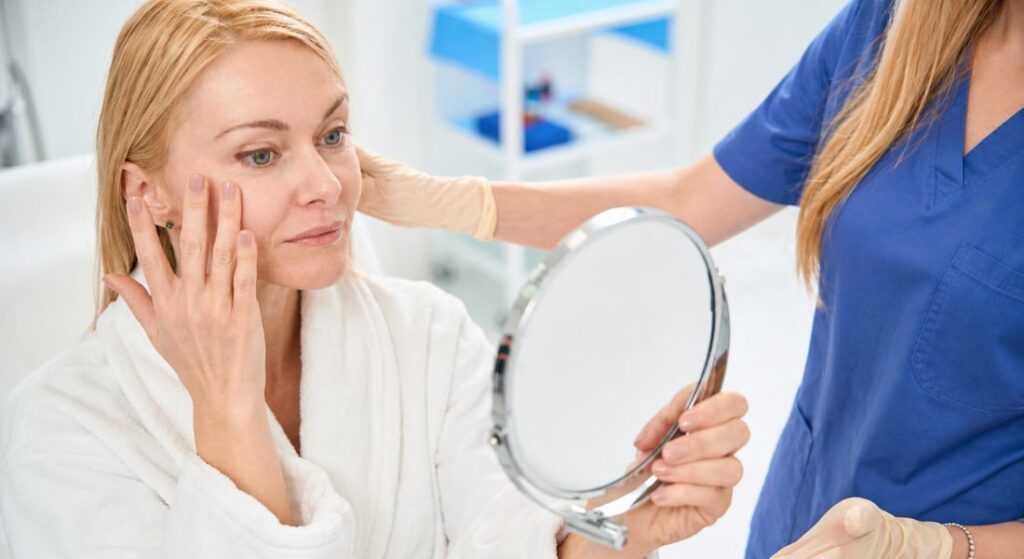
Some initial tightening may be noticeable after the skin has healed from the treatment, but collagen-related improvements usually develop more gradually over several weeks to months. The final result is not immediate, as the skin needs time to undergo repair and remodelling processes.
During the early healing phase, it is common to experience swelling, redness, crusting, or temporary texture changes. These normal recovery effects can temporarily alter the appearance of the skin, meaning the early look is not an accurate reflection of the final outcome. As healing progresses, these changes gradually settle and the true result becomes more visible.
Patients are generally advised not to judge the outcome too soon, as results continue to evolve during the healing period. Follow-up appointments may be useful to assess progress once the skin has fully settled and to ensure recovery is proceeding as expected.
Recovery and Downtime
Plasma face lift treatment usually involves visible downtime, so it is important to plan your recovery properly. After treatment, you may experience redness, swelling, tenderness, tiny crusts, dryness, and skin sensitivity. These effects are usually part of the healing process, but the level of downtime can vary from person to person. Recovery depends on the treatment area, treatment intensity, skin type, and your individual healing response.
1. Visible Skin Changes Are Expected: Redness, swelling, dryness, tenderness, and small crusts may appear after plasma treatment. These changes can be noticeable, so you may need to avoid important social or work plans while the skin heals.
2. Recovery Time Can Vary: Some patients may heal more quickly, while others may need longer for swelling, crusting, and sensitivity to settle. The treated area and the strength of treatment can both affect how much downtime you experience.
3. Eye-Area Swelling May Be More Noticeable: Plasma treatment around the eyes can sometimes cause more visible swelling for a period. This is because the skin in this area is thinner and more delicate, so it may react more strongly during early healing.
4. Aftercare Helps Reduce Complication Risk: You should avoid picking crusts, exposing the area to sun, using poor hygiene, or applying unsuitable skincare too early. These actions can interfere with healing and may increase the risk of irritation, infection, pigmentation changes, or scarring.
Recovery is an important part of plasma face lift treatment, not an afterthought. The skin needs time to repair, settle, and become less sensitive before the final result can be judged. Following your practitioner’s aftercare advice can help support safer healing and reduce avoidable problems. If swelling, pain, redness, discharge, or sensitivity seems to worsen rather than improve, you should contact your clinic for guidance.
Aftercare After Plasma Face Lift
Aftercare following a plasma face lift is an important part of the healing process and can influence both comfort and final results. Patients are usually advised to keep the treated area clean and dry, avoid picking or rubbing the skin, and protect it carefully while it heals. Only products specifically recommended by the practitioner should be used during the recovery period.
Depending on the treatment plan, patients may also need to temporarily avoid makeup, active skincare ingredients such as retinoids or acids, strenuous exercise, heat exposure (including saunas or steam rooms), swimming, and direct sun exposure. These precautions help reduce the risk of irritation, delayed healing, or pigmentation changes.
Aftercare instructions can vary depending on the device used, the treatment area, and the intensity of the procedure. For this reason, patients should always follow the specific guidance provided by their clinic and contact their practitioner if they are unsure about any part of their recovery.
Risks and Side Effects
Possible side effects of a plasma face lift may include redness, swelling, crusting, tenderness, pigmentation changes, infection, scarring, prolonged healing, uneven results, or dissatisfaction with the final outcome. These effects can vary in intensity depending on the individual’s skin type, treatment area, and how well aftercare instructions are followed.
Although plasma treatment is non-surgical, it is not risk-free. The procedure works by deliberately creating controlled injury to the skin surface to stimulate a healing response, which means the recovery phase must be managed carefully. Proper aftercare and professional guidance are important to support safe healing and reduce the likelihood of complications.
Patients should discuss all potential risks before treatment, particularly if they have darker skin tones, a history of pigmentation issues, a tendency to scar, active skin conditions, or previous poor healing responses. A thorough consultation helps ensure that the treatment is appropriate and that both benefits and risks are clearly understood before proceeding.
How It Compares With a Surgical Facelift
A surgical facelift is designed to reposition deeper facial tissues and remove excess skin, which allows it to address more advanced signs of facial ageing. In contrast, a plasma face lift works at the level of the skin surface and does not provide the same structural lifting or tissue repositioning.
Plasma treatment may be more suitable for early or mild skin laxity, where the main concerns are fine lines, crepey texture, or subtle tightening needs. Surgery, however, may be more appropriate for patients with advanced sagging, heavy jowls, deep facial folds, or significant neck laxity, where excess skin and deeper tissue descent need to be corrected.
Choosing plasma instead of surgery can be a reasonable option for some patients, particularly those seeking less invasive treatment or those not ready for surgery. However, it is important that expectations are realistic and aligned with what plasma treatment can actually achieve. A proper consultation helps ensure the chosen approach matches the degree of ageing and the patient’s overall treatment goals.
How It Compares With Other Non-Surgical Treatments
Plasma face lift treatment is often compared with other non-surgical procedures such as radiofrequency, ultrasound, laser treatments, microneedling, dermal fillers, skin boosters, and anti-wrinkle injections. Although they may all fall under the category of “non-surgical facial rejuvenation,” each treatment works in a different way and targets different aspects of ageing.
Plasma treatment is mainly focused on surface contraction and skin tightening by stimulating a controlled healing response in the outer layers of the skin. In contrast, dermal fillers are designed to restore lost volume, anti-wrinkle injections work by relaxing facial muscles, laser treatments primarily improve skin resurfacing and texture, and skin boosters aim to improve hydration and overall skin quality.
Because each treatment addresses different concerns, some patients may benefit from a combination approach rather than a single procedure. The most appropriate plan depends on whether the main issue is skin laxity, volume loss, expression lines, texture changes, pigmentation, or overall skin quality. A tailored consultation is essential to match the treatment to the specific ageing pattern and desired outcome.
Is Plasma Face Lift Worth It?
A plasma face lift may be worth it for patients who have suitable skin concerns, realistic expectations, and a willingness to accept a period of downtime for healing. It can be particularly appealing for those who want visible improvement in skin tightness and texture without undergoing surgical procedures or incisions.
However, it may not feel worth it if the expectation is for surgical-level lifting, as plasma treatment cannot reposition deeper tissues or remove excess skin. It may also be less suitable for patients with advanced sagging, heavy jowls, or significant neck laxity. Those who want immediate results or who are not comfortable with visible healing effects such as redness, crusting, or temporary skin changes may also find the recovery process challenging.
Ultimately, the value of plasma face lift treatment depends on choosing the right procedure for the right concern. When selected appropriately, it can offer meaningful improvement in skin quality and mild laxity, but its success relies on matching the treatment to the patient’s anatomy, expectations, and ageing pattern.
FAQs:
1. What is a plasma face lift?
A plasma face lift is a non-surgical treatment that uses plasma energy to create controlled micro-injuries on the skin. This stimulates a healing response that may encourage collagen production and gradual skin tightening over time.
2. Is a plasma face lift worth it?
It may be worth it for patients with mild skin laxity, fine lines, or crepey skin who want improvement without surgery. However, it is less suitable for advanced sagging or patients expecting dramatic lifting results.
3. How long do plasma face lift results last?
Results vary depending on age, skin quality, lifestyle, and aftercare. Improvements are not permanent, as the skin continues to age, and some patients may choose maintenance treatments over time.
4. Does a plasma face lift give instant results?
No. Some initial tightening may be seen after healing, but most improvement develops gradually over several weeks to months as collagen remodelling takes place.
5. What areas can be treated with a plasma face lift?
Common areas include the eyelids, lower face, neck, and areas with fine lines or mild laxity. Suitability depends on a clinical assessment of skin thickness, safety, and treatment goals.
6. Is plasma treatment better for tightening or lifting?
It is mainly a skin-tightening treatment rather than a true lifting procedure. It works on the skin surface and does not reposition deeper facial structures like a surgical facelift.
7. Can a plasma face lift remove loose skin?
No. It may improve mild laxity, but it cannot remove significant excess skin. Surgery is usually required for more advanced loose skin or heavy jowling.
8. What are the side effects of a plasma face lift?
Common side effects include redness, swelling, crusting, tenderness, and temporary skin sensitivity. Less commonly, pigmentation changes, infection, or uneven healing may occur.
9. Who is not suitable for plasma face lift treatment?
It may not be suitable for people with active skin infections, poor wound healing, keloid scarring tendency, certain medical conditions, or unrealistic expectations about results.
10. How does plasma face lift compare to other non-surgical treatments?
Plasma focuses on surface tightening and skin texture improvement, while treatments like fillers restore volume, anti-wrinkle injections relax muscles, and laser or radiofrequency treatments focus more on skin quality and collagen stimulation.
Final Thoughts: Is a Plasma Face Lift the Right Choice for You?
A plasma face lift may be a suitable option for patients who are looking to improve mild skin laxity, fine lines, and crepey texture without undergoing surgery. It works by stimulating a controlled healing response in the skin, which may lead to gradual tightening and improved skin quality over time. However, it is important to recognise its limitations, as it cannot remove excess skin, reposition deeper facial structures, or deliver the level of lifting achieved with surgical procedures.
The treatment tends to be most effective when used for early signs of ageing and in patients with realistic expectations about gradual, subtle improvement rather than dramatic change. Those with more advanced sagging, heavy jowls, or significant neck laxity may require alternative or more advanced treatment options to achieve their goals. A careful consultation remains essential to ensure the chosen approach matches your skin condition, facial anatomy, and desired outcome. If you’re thinking about plasma face lift in London, you can get in touch with us at the London Medical & Aesthetic Clinic.
References:
1. Tan, F., Wang, H. and Wang, Y. (2022)Plasma dermatology: skin therapy using cold atmospheric plasma.
Available at: https://www.ncbi.nlm.nih.gov/pmc/articles/PMC9314643/
2. Benedikt, J., et al. (2022) Cold atmospheric plasma in dermatology: mechanisms and clinical applications Available at: https://pubmed.ncbi.nlm.nih.gov/35903680/
3. Schmidt, A. et al. (2019) Short exposure to cold atmospheric plasma induces senescence in human skin fibroblasts and adipose mesenchymal stromal cells, Scientific Reports. Available at: https://pmc.ncbi.nlm.nih.gov/articles/PMC6572822/
4. Holcomb, J.D. et al. (2020) A prospective study evaluating the use of helium plasma for dermal resurfacing, Lasers in Surgery and Medicine, 52(10), pp. 940–951. Available at: https://pmc.ncbi.nlm.nih.gov/articles/PMC7754429/
5. Ruff, P.G. and Bharti, G. (2023) Safety and efficacy of Renuvion helium plasma to improve the appearance of loose skin in the neck and submental region. Aesthetic Surgery Journal. Oxford Academic. Available at: https://academic.oup.com/asj/article/43/10/1174/7072381