



Sculptra is often described as a collagen stimulator rather than a traditional dermal filler, and understanding this difference is key to knowing how it works. If you’re considering Sculptra, you may notice that the results aren’t immediate. That can feel confusing if you’re used to hyaluronic acid fillers, which create visible volume straight away. However, this slower response is exactly what makes Sculptra biologically different.
Rather than filling space instantly, Sculptra works by encouraging your skin to rebuild its own collagen. This process closely mirrors natural tissue repair instead of artificially replacing volume. When you understand this mechanism, it becomes easier to set realistic expectations and see why the results develop gradually and subtly over time.
In this article, you’ll explore the science behind Sculptra in depth. You’ll learn how poly-L-lactic acid interacts with your skin, which cellular processes are activated, and why collagen stimulation happens as a slow, biological response. With this knowledge, you can make a more informed decision about whether Sculptra truly aligns with your aesthetic goals.
Understanding Collagen and Why It Matters
Collagen is the main structural protein responsible for giving your skin strength, elasticity, and resilience. It forms a supportive scaffold within the dermis, helping your skin stay firm with smooth, well-defined contours. As collagen levels decline, your skin becomes thinner, looser, and more prone to visible volume loss.
From your mid-20s onwards, collagen production naturally slows down each year. Environmental factors such as UV exposure, pollution, and everyday lifestyle stress can speed up this process even further. Over time, this leads to hollowing, skin laxity, and a gradual loss of facial structure.
Sculptra targets this underlying process rather than simply masking the visible effects. By stimulating new collagen formation, it works to restore your skin’s structural support gradually. This approach focuses on improving long-term skin quality, rather than offering a short-term cosmetic fix.
What Is Poly-L-Lactic Acid?
Poly-L-lactic acid (PLLA) is a biocompatible, biodegradable synthetic polymer that has been used safely in medical treatments for decades, including dissolvable sutures. In aesthetic medicine, it’s valued because it stimulates tissue regeneration rather than simply acting as a traditional filler.
When PLLA is injected into your skin, it doesn’t create immediate volume. Instead, the particles act as a stimulus that triggers a controlled biological response. Your body recognises these particles and begins a natural repair process around them.
Over time, the PLLA particles are gradually broken down and absorbed by your body. What’s left behind is newly formed collagen that your skin has produced itself. This is why your results continue to improve even after the product itself has fully disappeared.
How Sculptra Is Different From Traditional Fillers

Traditional dermal fillers work by physically occupying space beneath your skin. They provide instant volume and contouring, which can be appealing if you want immediate results. However, this effect fades as the filler material is gradually absorbed by your body.
Sculptra works on a completely different principle. It doesn’t push tissues into place or create instant fullness. Instead, it encourages your skin to rebuild lost structural support from within, using your body’s own regenerative processes.
This key difference explains why Sculptra results tend to look more subtle and natural. The changes develop gradually, reflecting genuine tissue regeneration rather than artificial volume. For many patients, this leads to an outcome that feels more authentic and lasts longer over time.
What Happens in the Skin After Sculptra Injection
After Sculptra is injected, the PLLA particles are placed within the deep dermis or the subdermal layer of your skin. At first, you may notice some mild swelling, but this is due to the injection fluid rather than collagen production. This early fullness usually settles within a few days.
Once the swelling subsides, the real biological process begins. The presence of PLLA particles stimulates fibroblasts, the cells responsible for producing collagen. These cells start synthesising new collagen fibres around the injection areas.
This process happens slowly and progressively. Collagen formation takes weeks to months, which is why visible improvements appear gradually. Rather than being mechanically altered, your skin remodels itself naturally over time.
The Role of Fibroblasts in Collagen Stimulation
Fibroblasts are the key cells responsible for collagen production. They naturally respond to injury, inflammation, or foreign materials by creating structural proteins. Sculptra takes advantage of this natural repair mechanism, but in a controlled and safe way.
When your fibroblasts encounter the PLLA particles, they get activated without causing harmful inflammation. This triggers a gentle, sustained stimulation of collagen production. The response builds gradually rather than happening all at once.
Over several treatment sessions, fibroblast activity accumulates. This layered stimulation gradually improves your skin’s thickness and firmness, respecting its natural biology instead of forcing a rapid or artificial change.
Why Results Develop Gradually Rather Than Immediately
A question I often hear about Sculptra is why the results don’t appear right away. This isn’t a flaw it’s actually a sign of how collagen is naturally produced in your body. Collagen synthesis is a slow, energy-dependent process, and it takes time for your skin to rebuild itself from within.
New collagen fibres need to be created, organised, and integrated into your existing tissue, which can take weeks rather than days. If you saw immediate volume, it would actually go against the very mechanism that Sculptra is designed to activate.
The gradual improvement allows your skin to adapt naturally. Facial changes appear subtle and progressive, which lowers the risk of looking “overdone.” For anyone seeking a natural rejuvenation, this slow, steady process is exactly why Sculptra works so well.
The Timeline of Collagen Regeneration With Sculptra
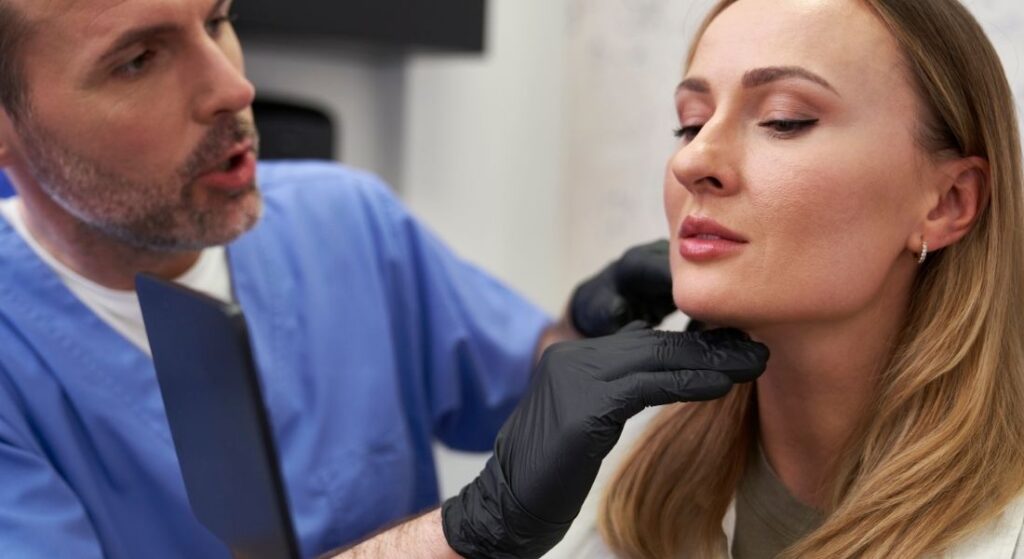
Sculptra works gradually, so changes appear over time rather than instantly. This slow progression is part of what makes the results look natural. Understanding the timeline can help you set realistic expectations and feel confident throughout the process.
1. Early changes in the first few weeks: Most people start noticing subtle improvements a few weeks after their first treatment. These early changes usually show up as smoother skin texture and a slight increase in firmness, rather than obvious volume. This reflects the initial activation of collagen production beneath your skin.
2. Progressive improvement with subsequent sessions: As you complete additional treatment sessions, collagen production continues to build. Structural support gradually improves, and volume restoration becomes more noticeable in a balanced, even way. Because the results develop in stages, there’s less risk of sudden or uneven changes.
3. Full results develop over several months: Final results usually appear a few months after your last session. By this point, collagen remodelling is well established and continues beneath the surface, even though visible changes have stabilised.
4. Long-lasting outcomes: Once collagen regeneration is complete, results can last up to two years or more for many patients. With good skin care and ongoing maintenance, improvements in firmness, texture, and volume are often long-lasting.
Because Sculptra works with your body’s natural processes, patience is key. The gradual improvement leads to results that look and feel natural, supporting healthier, more resilient skin over the long term.
Why Multiple Sessions Are Usually Needed
Sculptra is usually delivered over a series of treatment sessions rather than all at once. This staged approach allows gradual collagen stimulation without overwhelming your skin. Each session builds on the last, helping results develop naturally.
Spacing out the treatments gives your fibroblasts time to respond and produce new collagen. It also lets your clinician monitor how your skin is reacting, so adjustments can be made to optimise your results.
This method prioritises safety and predictability. It ensures that collagen stimulation stays controlled and balanced. Long-term improvements depend on the cumulative biological response, not just a single injection.
How Sculptra Improves Skin Quality Beyond Volume
While Sculptra is often talked about as a way to restore volume, its benefits go far beyond simply adding fullness. By stimulating your body’s natural collagen production, it strengthens the underlying structure of your skin. Over time, this leads to healthier, more resilient skin rather than just a temporary cosmetic change.
1. Improves skin thickness and strength: As new collagen forms, your skin gradually becomes thicker and more resilient. This added support helps it handle everyday movement and environmental stress more effectively.
2. Enhances elasticity and firmness: Increased collagen improves your skin’s ability to bounce back, giving it a firmer, more supple feel. Many people notice their skin feels stronger and less fragile.
3. Smooths texture and softens fine lines: As the dermal matrix strengthens, your skin texture often becomes smoother, and fine lines may appear less noticeable. These changes happen gradually, creating natural-looking improvement rather than an obvious correction.
4. Supports long-term skin health: Unlike treatments that work only on the surface, Sculptra enhances the quality of the skin itself. The results reflect genuine tissue regeneration rather than short-term enhancement.
This is why Sculptra is often described as a regenerative treatment. Instead of just changing how your face looks, it supports healthier skin from within. Over time, your skin tends to look more refreshed, resilient, and naturally youthful not just fuller.
Areas Commonly Treated With Sculptra
Sculptra is often used in areas where volume loss and structural ageing are most noticeable. This typically includes the cheeks, temples, jawline, and mid-face, though it can also be applied in certain off-face areas when appropriate.
The focus of treatment is on restoring support, not just filling lines. This approach helps create balanced, natural-looking results. Each area is assessed individually, taking into account your unique anatomy and needs.
Technique is key for safe and effective results. The depth of injection, dilution, and precise placement all influence how collagen responds. That’s why working with an experienced clinician is so important when using collagen-stimulating treatments like Sculptra.
Safety and Biocompatibility of Poly-L-Lactic Acid
Poly-L-lactic acid (PLLA) has a long and well-established safety record when used correctly. It’s fully biodegradable, gradually breaking down into lactic acid a substance your body naturally produces and metabolises. This breakdown happens slowly over several months, supporting a controlled and predictable treatment response.
1. Designed to work with your body: Rather than acting like a traditional filler, PLLA stimulates your skin to produce its own collagen over time. This gradual process reduces the risk of sudden or unnatural changes in volume.
2. Low risk of adverse reactions when used properly: Side effects are uncommon if the correct injection technique, dilution, and placement are followed. The safety of the treatment depends heavily on the skill and experience of your practitioner.
3. Gradual results improve safety and predictability: Because collagen stimulation develops slowly, results appear progressively rather than all at once. This helps avoid overcorrection and allows adjustments during later sessions if needed.
4. Careful patient selection matters: Not everyone is suitable for PLLA treatment. A thorough consultation ensures that you are a good candidate and that your goals align with what the treatment can realistically achieve.
When used appropriately and administered by an experienced clinician, Sculptra is a well-tolerated and safe option for long-term collagen stimulation. Clear expectations and expert technique are key to achieving natural-looking, reliable results.
Who Is an Ideal Candidate for Sculptra?

Sculptra is best suited for anyone experiencing gradual volume loss or thinning skin. It’s particularly beneficial if you’re looking for long-term improvement rather than an instant fix patience really is key with this treatment.
If you’re hoping for immediate volume for a specific event, Sculptra might not be the right choice. In those cases, other fillers could be more appropriate. The best treatment always aligns with your goals.
A personalised consultation helps determine whether Sculptra is suitable for you. Your skin quality, facial structure, and individual ageing patterns all play a role in treatment planning. This individualised approach ensures the most natural and effective results.
Long-Term Benefits of Collagen Stimulation
One of the biggest advantages of Sculptra is its longevity. Because the results come from your own collagen, improvements last much longer than with traditional fillers, making it a more sustainable option.
Collagen stimulation also supports ongoing skin health. As dermal density increases, your skin becomes more resilient against future signs of ageing, creating cumulative benefits over time.
Many patients describe their results as natural and subtle. Friends might notice that you look refreshed without being able to pinpoint a specific treatment. This understated, gradual improvement is one of the main reasons people love Sculptra.
FAQs:
1. How is Sculptra different from hyaluronic acid fillers?
Sculptra works by stimulating your skin to produce its own collagen, whereas hyaluronic acid fillers add volume directly by placing a gel under the skin. This means Sculptra does not provide instant results but instead creates gradual, natural-looking improvements over time. The end result reflects real tissue regeneration rather than temporary filling.
2. Why do Sculptra results take longer to appear?
The results take time because collagen production is a slow biological process. After treatment, your body needs weeks to activate fibroblasts, create new collagen fibres, and integrate them into the existing skin structure. This gradual timeline is essential for achieving natural and balanced outcomes.
3. Will I see any immediate changes after my Sculptra treatment?
You may notice some initial fullness right after treatment, but this is caused by the injection fluid rather than collagen stimulation. This temporary swelling typically settles within a few days. True results only begin to appear once your body starts producing new collagen.
4. How long do the results of Sculptra last?
Sculptra results can last up to two years or longer for many patients. Because the improvements come from your own collagen, they tend to be more durable than traditional fillers. Longevity depends on factors such as age, lifestyle, and how your skin responds biologically.
5. Is Sculptra safe for long-term use?
Sculptra has been used safely in medicine for decades and is fully biodegradable. The poly-L-lactic acid particles gradually break down and are naturally metabolised by the body. When administered by an experienced practitioner, long-term safety outcomes are well established.
6. Why are multiple Sculptra sessions usually recommended?
Multiple sessions allow collagen stimulation to occur in a controlled and gradual manner. Spacing treatments gives your skin time to respond biologically and helps avoid excessive or uneven volume changes. This staged approach improves predictability and overall safety.
7. Can Sculptra improve skin texture as well as volume?
Yes, Sculptra often improves skin texture, firmness, and elasticity in addition to restoring volume. Increased collagen strengthens the dermal structure, which can lead to smoother skin and softened fine lines. These changes reflect genuine improvements in skin quality.
8. Is Sculptra suitable for younger patients?
Sculptra can be suitable for younger patients who are beginning to notice early volume loss or skin thinning. In these cases, it is often used preventatively to support collagen levels before significant ageing occurs. Suitability is always determined during a personalised consultation.
9. Does Sculptra change facial expressions or movement?
Sculptra does not affect muscles or facial movement. It works within the skin to improve structural support rather than altering muscle activity. As a result, facial expressions remain natural throughout treatment and after results develop.
10. Who should avoid Sculptra treatment?
Sculptra may not be suitable for individuals seeking immediate results or those with certain medical conditions affecting healing or inflammation. It is also not ideal for treating superficial fine lines. A thorough consultation ensures the treatment is appropriate for your goals and skin health.
Final Thoughts: Understanding the Science Behind Sculptra Results
Sculptra stands apart from traditional injectable treatments because it works with your skin’s natural biology rather than against it. By stimulating your own collagen production, it delivers gradual, subtle improvements that enhance skin strength, firmness, and structure over time. This slower process is exactly what allows results to look natural and balanced, without sudden or artificial-looking changes.
Because collagen regeneration is a long-term biological response, patience and proper treatment planning are essential. Multiple sessions, correct technique, and realistic expectations all play a role in achieving the best outcome. When used appropriately, collagen stimulation not only restores lost support but also improves overall skin quality, helping your face age more gracefully.
If you are looking for sculptra treatment in London, you can get in touch with us at the London Medical & Aesthetic Clinic to arrange a personalised consultation. Our team will assess your skin, discuss your goals, and create a tailored treatment plan designed to achieve natural, long-lasting results with Sculptra-based collagen stimulation.
References:
1. Signori, R. (2024) Efficacy and safety of poly-L-lactic acid (PLLA) in facial aesthetics: A systematic review, Polymers 16(18), pp. 2564. Available at: https://www.mdpi.com/2073-4360/16/18/2564
2. Zhang, Z. and Qi, Y. (2022) Investigating the effect of biomaterials such as poly-(l-lactic acid) particles on collagen synthesis in vitro, Journal of Tissue Engineering and Regenerative Medicine 11(3), p. 51. Available at: https://www.mdpi.com/2079-4983/11/3/51
3. Anonymous (2025) Efficacy, durability, and safety of collagen biostimulators based on poly-L-lactic acid (PLLA) and calcium hydroxyapatite in the face: A systematic review, Available at: https://pubmed.ncbi.nlm.nih.gov/41184662/
4. Effectiveness and safety of Sculptra poly-L-lactic acid injectable implant in the correction of cheek wrinkles (2024) Journal of Drugs in Dermatology. Available at: https://pubmed.ncbi.nlm.nih.gov/38206151/
5. Chen, M.-C. et al. (2024) Augmenting dermal collagen synthesis through hyaluronic acid-based microneedle-mediated delivery of poly-(l-lactic acid) microspheres, International Journal of Biological Macromolecules, 281, p. 136311. Available at: https://www.sciencedirect.com/science/article/abs/pii/S0141813024071204?utm_source=chatgpt.com