


If you’ve started noticing subtle changes in your face, you’re not imagining things.
Early ageing rarely arrives dramatically. It creeps in through softer definition, reduced firmness, and skin that no longer looks as fresh as it once did.
You might still look “young” on paper, yet something feels different in the mirror.
This is where the conversation around collagen, structure, and long-term skin health really begins. Sculptra often comes up during this stage. Not as a quick fix, but as a treatment that works with your skin rather than replacing what’s been lost.
The real question isn’t just what Sculptra does. It’s when it should be used and whether it works better as a preventative approach or as a corrective solution once early ageing becomes visible. This guide walks you through both sides, so you can understand what actually makes sense for you.
Understanding Early Ageing: What’s Really Happening Beneath the Skin
Early ageing doesn’t begin with wrinkles it starts much deeper within the skin. From your mid-20s onwards, natural collagen production gradually slows, often before any visible changes appear on the surface.
Collagen is essential for skin structure, elasticity, and resilience. As levels decline, the skin becomes thinner and less supported over time, affecting the overall facial framework. You may notice subtle changes such as slight hollowing in the temples or cheeks, early loss of facial contour, skin that looks tired even when well rested, and subtle laxity around the jawline. Makeup may also sit differently than it used to.
These are not dramatic signs of ageing but structural shifts beneath the skin. Treatments that focus solely on lines and wrinkles often miss this early stage, leaving the underlying causes unaddressed.
What Makes Sculptra Different from Traditional Aesthetic Treatments
Sculptra is different from traditional dermal fillers because it doesn’t instantly add volume or fill lines. Instead, it addresses the underlying causes of early ageing by working with your skin’s natural biology.
Its active ingredient, poly-L-lactic acid, stimulates your own collagen production gradually. This encourages the skin to rebuild its internal framework over time, improving firmness, structure, and resilience from within.
Results appear slowly and naturally, with subtle initial changes that continue to develop over several months. Unlike fillers, which provide immediate but temporary volume, Sculptra supports long-term structural improvements.
Rather than “adding” something to your face, Sculptra restores what the skin has lost. This approach is especially important for early ageing, which is driven by gradual collagen decline rather than surface damage.
Prevention vs Correction: Why the Timing Matters
When people ask whether Sculptra is better for prevention or correction, they’re often asking the wrong question. A more accurate consideration is: at what stage of collagen loss are you currently? Understanding your skin’s current condition allows your practitioner to tailor the treatment for the best results.
Prevention and correction exist on the same spectrum, targeting different points along the journey of collagen decline. Preventative treatments aim to maintain existing collagen and slow visible ageing, while corrective treatments focus on rebuilding lost volume, improving crepiness, and restoring structural support to the skin.
Timing matters because starting earlier often requires fewer sessions and produces subtler, natural-looking results. Later-stage correction can achieve dramatic improvements but may need more product and multiple sessions to reach the desired outcome.
Using Sculptra as a Preventative Treatment
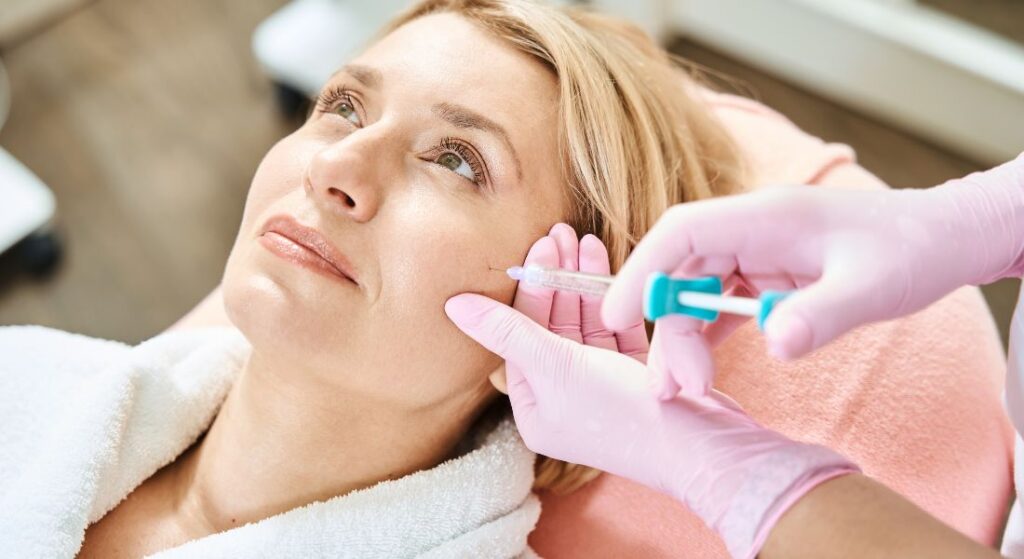
Preventative Sculptra focuses on maintaining skin structure before obvious signs of ageing appear. It’s usually considered by people in their late 20s to mid-30s, when subtle changes are starting but the overall facial shape and skin quality remain good.
At this stage, collagen loss has begun, but the goal isn’t to “fix” anything. Instead, Sculptra helps slow down future volume loss and maintains skin resilience, allowing you to preserve a youthful appearance over time with fewer treatments required later.
How Preventative Sculptra Works
Preventative Sculptra usually involves smaller, carefully measured amounts of the product, aiming for gentle and progressive collagen stimulation rather than dramatic volume changes.
This approach helps preserve facial contours, support skin thickness, delay hollowing and sagging, and maintain natural firmness over time. Because the skin is still responsive at this stage, collagen production tends to be efficient, and results integrate seamlessly into your natural facial structure. The outcome is subtle and natural nothing looks “done,” but you appear consistently refreshed and youthful.
Why Prevention Appeals to Many Younger Patients
Many younger patients are drawn to preventative treatments because they want to age gracefully rather than chase signs of ageing once they become more pronounced. These treatments help maintain your natural appearance without creating dramatic or artificial changes.
The concept is simple: you’re preserving the features you already enjoy and protecting your current look. Early interventions can slow visible ageing, maintain skin quality, and make future corrections less invasive or extensive.
Sculptra is particularly suited to this approach because it works with your body’s natural processes rather than against them. Its benefits include:
Doesn’t freeze expression: Your facial movements remain natural, so results are subtle, authentic, and maintain your personality in everyday interactions.
Avoids overfilling: Instead of adding large volumes all at once, Sculptra builds structure gradually. This reduces the risk of an overdone appearance and ensures that enhancements feel seamless.
Respects facial anatomy: Treatments are carefully tailored to your individual contours, enhancing your natural features rather than altering them unnaturally.
Works gradually and discreetly: Collagen stimulation develops over weeks to months, making changes gentle and largely unnoticeable to others, which many patients prefer for a more “lived-in” look.
Promotes long-term skin health: Beyond cosmetic improvements, Sculptra strengthens the dermis, improves skin thickness, and enhances resilience, supporting the skin’s structural integrity as you age.
For younger patients who value subtle, preventative care over immediate cosmetic fixes, Sculptra offers a gentle, long-term strategy that aligns with a natural ageing philosophy.
Using Sculptra for Early Correction
Correction with Sculptra is recommended when early signs of ageing start to appear, usually in people from their mid-30s to early 40s. At this stage, subtle changes in facial structure become noticeable, even if deep wrinkles are not yet present.
Flattening of the cheeks: Cheek volume naturally decreases with age, leading to a less lifted and youthful appearance. Sculptra helps restore fullness, improving contour and giving a gentle lift to the midface.
Reduced facial definition: Jawline and temple areas may lose definition over time. Sculptra rebuilds support in these regions, helping to enhance natural angles and create a more sculpted look.
Mild skin laxity: Skin may begin to feel looser or slightly sag. By stimulating collagen, Sculptra strengthens the dermis, improving firmness and elasticity gradually.
A tired or drawn appearance: Loss of volume can make the face look fatigued even when well rested. Sculptra restores subtle plumpness, refreshing the overall appearance naturally.
Early volume loss rather than deep wrinkles: At this stage, changes are more about declining support than lines. Sculptra rebuilds underlying structure, addressing the root cause of early ageing rather than just the surface.
Here, Sculptra focuses on rebuilding lost support rather than merely preserving existing structure, creating subtle, natural improvements over time.
How Corrective Sculptra Works
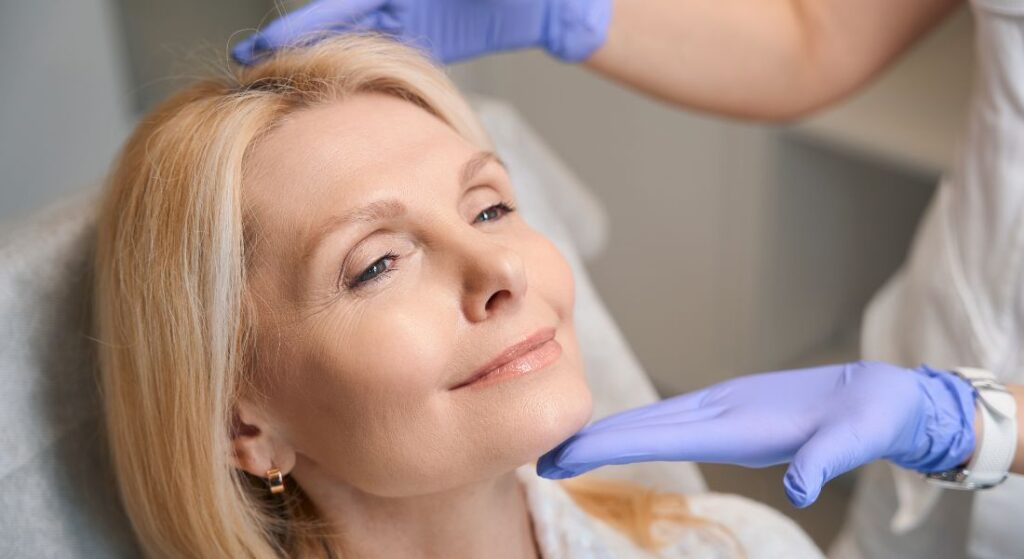
Corrective Sculptra treatments usually involve slightly higher volumes and a staged treatment plan. This approach allows your skin the time it needs to gradually rebuild support and achieve optimal results. Because more work is required, the overall process takes a bit longer compared to standard maintenance treatments.
The underlying collagen stimulation process remains the same as with regular Sculptra. What differs is how your skin responds. Instead of simply maintaining balance, your skin is focused on rebuilding structure that has already declined, restoring support to areas that have lost volume over time.
Results from corrective treatments tend to develop gradually. You won’t notice a sudden transformation overnight. Instead, the changes are subtle and become more apparent as your skin naturally strengthens and regenerates over the course of several weeks or months.
Many people describe the outcome as looking more rested, healthier, and less drawn. The overall effect is a subtle rejuvenation that enhances your natural appearance without looking artificial or overdone.
Comparing Prevention and Correction Side by Side
The results you get from Sculptra depend more on when you start treatment than on the product itself. Timing plays a crucial role in determining whether the focus is on prevention or correction.
Preventative use is designed to maintain your existing facial structure. It typically uses lower volumes, produces very subtle changes, and focuses on prolonging the youthful look of your skin over time.
Corrective use, on the other hand, targets areas where early volume loss has already occurred. It involves tailored treatment plans, uses slightly higher volumes, and delivers gradual but visible improvements, aiming to restore support and structure to your face.
Both preventative and corrective approaches work through the same collagen-stimulating process. The difference lies in meeting your skin exactly where it currently is, either preserving what you have or rebuilding what has declined.
Why Sculptra Is Particularly Suited to Early Ageing
Early ageing is structural, not superficial. This is where Sculptra excels, as it works beneath the surface to rebuild the skin’s support system naturally over time.
It targets:
Collagen depletion: Collagen production slows gradually with age, causing loss of firmness and resilience. Sculptra stimulates your body to produce new collagen, restoring structural support and a more youthful feel.
Dermal thinning: Thinning of the dermis makes skin fragile and less elastic. By thickening the skin from within, Sculptra improves texture, strength, and overall skin health.
Subtle volume loss: Early volume loss in areas like the cheeks and temples can create a tired or flattened appearance. Sculptra gradually rebuilds this volume, enhancing facial contours naturally.
Skin quality decline: Skin may appear dull, crepey, or uneven as support diminishes. Sculptra improves hydration, elasticity, and texture over time, giving the skin a smoother, fresher appearance.
Treatments that only address lines or wrinkles often fail at this stage because they don’t replace the underlying support system. Sculptra works beneath the surface, making it ideal when early ageing is about shape and quality, not lines alone. Understanding this distinction is key when planning long-term rejuvenation.
How Long Do Results Take to Appear?
Patience is essential when it comes to Sculptra. Unlike some treatments that give instant results, Sculptra works gradually, allowing your skin to rebuild naturally over time.
Initial changes may start to appear around 6 to 8 weeks after your treatment. As collagen production continues, results develop progressively over the following months, enhancing your appearance subtly and naturally.
Peak results are typically seen between 3 and 6 months post-treatment. Because the process is gradual, the improvements blend seamlessly with your existing features, making them appear completely natural.
This slow, steady timeline is especially well-suited for early signs of ageing. There’s no dramatic “before and after” effect instead, people notice you looking refreshed, healthier, and subtly rejuvenated without being able to pinpoint exactly why.
How Long Do Results Last?
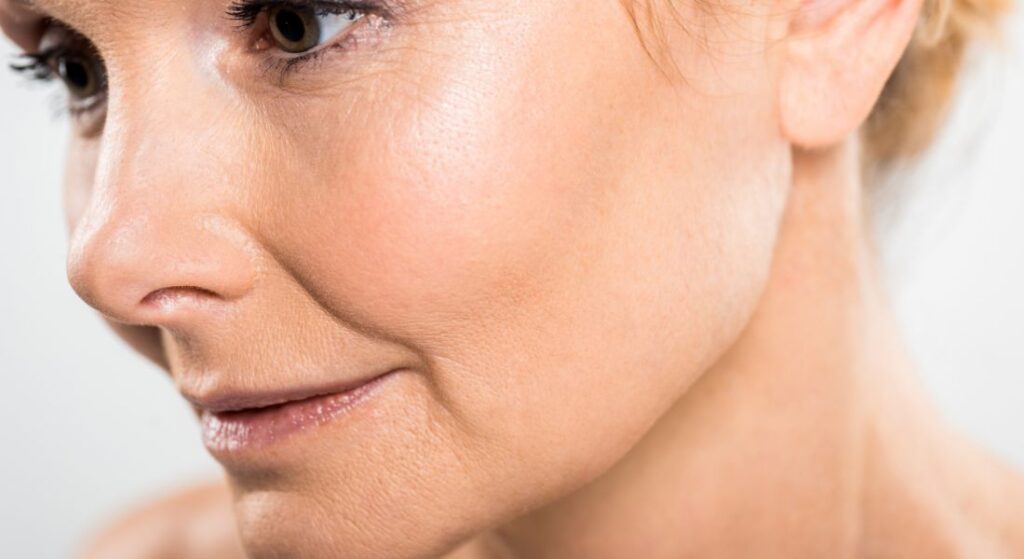
One of the reasons Sculptra is so popular for early ageing is its longevity. Unlike temporary fillers, the results last much longer, making it a worthwhile investment in your skin’s overall quality.
Results can last up to two years or more, depending on individual factors such as lifestyle, skin condition, and how your body responds to the treatment. With proper care and occasional maintenance, some patients enjoy even longer-lasting improvements.
Preventative patients usually require fewer touch-ups since the goal is to maintain existing structure and slow down early volume loss. Corrective patients may need staged sessions initially to rebuild support, followed by maintenance treatments to preserve the results.
Regardless of the approach, Sculptra focuses on improving your skin’s natural quality rather than providing temporary volume. The outcome is subtle, long-lasting, and enhances your appearance gradually over time.
Who Is an Ideal Candidate for Preventative Sculptra?
Preventative Sculptra is ideal for those who are beginning to notice subtle changes in their skin but have not yet experienced major signs of ageing. It works best when the skin still feels firm and resilient but could benefit from a little extra support.
This approach is perfect if you want to age gradually and naturally, maintaining your facial structure and overall appearance without dramatic changes. It focuses on long-term results rather than immediate fixes.
Preventative treatments typically involve lower volumes and less frequent touch-ups, helping your skin retain its youthful contours over time. The aim is to support and preserve what you already have rather than rebuild what has been lost.
Choosing preventative Sculptra is not about age alone. Your suitability depends on factors like skin condition, facial structure, and personal goals, making it a tailored approach that fits your individual needs.
Who Benefits Most from Corrective Sculptra
Corrective Sculptra may be ideal for women noticing subtle but meaningful changes in their facial structure. It focuses on rebuilding support rather than simply filling lines or wrinkles.
Early volume loss is visible – If the cheeks, temples, or midface appear flatter, Sculptra can gradually restore lost volume, lifting and supporting the face naturally over time.
Facial contours feel softer than before – Loss of definition in the jawline or cheekbones can make features look less sculpted. Sculptra helps restore shape and structure, enhancing overall facial harmony.
You look tired despite good health – Volume depletion and structural changes can give a fatigued appearance. Sculptra revitalises the face subtly, providing a refreshed, rested look without altering expression.
You want restoration without artificial fullness – Unlike traditional fillers, Sculptra builds natural volume gradually. This allows for gentle, long-lasting rejuvenation that maintains your individual features.
It’s particularly beneficial when ageing feels structural rather than surface-level, addressing the root causes and supporting the skin’s internal framework.
Common Misconceptions About Sculptra
Many people have misconceptions about how Sculptra works. It’s not designed to provide immediate volume or dramatic changes overnight.
Unlike traditional fillers used for contouring lines, Sculptra focuses on stimulating your skin’s natural collagen production rather than instantly reshaping or plumping specific areas. Another common misunderstanding is that Sculptra affects facial movement. In reality, it doesn’t freeze your expressions your natural movement remains intact, preserving a subtle, natural appearance.
The key with Sculptra is understanding its regenerative approach. By supporting your skin’s own ability to rebuild and strengthen, it delivers gradual, realistic results, which is why setting the right expectations is so important.
FAQs:
1. How soon will I notice results after Sculptra treatment?
Sculptra works gradually because it stimulates your own collagen production. Some early improvements, such as a subtle lift or firmer skin, may be noticeable around six to eight weeks after treatment. Full results usually develop over three to six months as collagen continues to build, creating natural, progressive rejuvenation without a sudden “filled” look.
2. Does Sculptra hurt during injection?
Most patients experience only mild discomfort during Sculptra injections. Clinicians typically apply a numbing cream beforehand, and any post-treatment tenderness, swelling, or bruising usually resolves within a few days. Overall, the procedure is well tolerated and does not require downtime.
3. How is Sculptra different from traditional dermal fillers?
Unlike fillers that instantly add volume to specific areas, Sculptra gradually encourages your skin to rebuild its own collagen. This improves firmness, thickness, and structure over time rather than simply plumping the skin. The result is a natural, subtle improvement rather than an immediate change in facial contours.
4. Can Sculptra treat early signs of facial volume loss?
Yes, Sculptra is particularly effective for addressing early volume loss. It helps restore structure in areas such as the cheeks, temples, and jawline, improving contour and firmness. Because the treatment works over time, it subtly refreshes your appearance without altering your natural expression.
5. How many sessions are usually needed for preventative or corrective treatment?
The number of sessions varies depending on your skin’s condition and treatment goals. Preventative treatments often require fewer sessions, usually one or two, while corrective treatments may involve two to three sessions to rebuild lost support. Your clinician will tailor the plan to achieve natural, long-lasting results.
6. How long do Sculptra results last?
Sculptra results typically last up to two years, with continued improvements possible if maintenance sessions are scheduled. Because it stimulates natural collagen production, the benefits persist even after the product itself is fully absorbed, supporting ongoing skin structure and quality.
7. Is Sculptra suitable for all skin types?
Sculptra is generally suitable for most skin types, including early signs of ageing in both lighter and darker skin tones. A thorough consultation is essential to ensure that your specific skin condition and aesthetic goals align with the treatment, and to confirm that no contraindications exist.
8. Can Sculptra be combined with other aesthetic treatments?
Yes, Sculptra can be safely combined with other treatments such as dermal fillers, anti-wrinkle injections, skin boosters, or radiofrequency procedures. Combination treatments allow for comprehensive skin support, addressing volume, firmness, hydration, and texture simultaneously while maintaining natural results.
9. Will Sculptra make my facial movements look unnatural?
No, Sculptra does not freeze facial expressions. Because it works gradually by stimulating collagen, your natural movement remains intact. This means the improvements are subtle, natural, and integrated with your existing features, avoiding the “overdone” look sometimes associated with other treatments.
10. Who should avoid Sculptra treatment?
Sculptra is not recommended for women who are pregnant, breastfeeding, or have active skin infections. People with certain autoimmune conditions or a history of keloid scarring should also approach the treatment with caution. A thorough consultation with a qualified clinician is essential to ensure safety and suitability for your individual circumstances.
Final Thought: Is Sculptra Right for You?
Sculptra offers a unique approach to early ageing by working with your skin’s natural processes rather than simply masking signs of change. Whether you are considering it for preventative care or early correction, the key is understanding your current skin condition and choosing a treatment plan tailored to your needs. Its gradual, collagen-stimulating effects make it particularly effective for maintaining or restoring subtle facial volume, improving firmness, and supporting long-term skin health. If you are thinking about Sculptra treatment, you can reach out to us at the London Medical & Aesthetic Clinic to discuss your options and determine the best plan for your individual goals.
References:
1. Duncan, D., 2025. Poly‑L‑Lactic Acid in Aesthetic Dermatology: Beyond Volume Restoration Toward Regenerative Biostimulation. https://academic.oup.com/asj/article-abstract/45/10/1065/8171359
2. Roca, R., Smith, J. and Lee, H., 2024. Efficacy and Safety of Poly‑l‑Lactic Acid in Facial Aesthetics: A Systematic Review. Polymers, 16(18), 2564. https://www.mdpi.com/2073-4360/16/18/2564
3. Bodokh, I. et al., 2005. Injectable poly‑L‑lactic acid for cosmetic enhancement: European experience and clinical outcomes. https://www.sciencedirect.com/science/article/abs/pii/S0190962208024018
4. Lee, S.H., Byun, K., Park, M. et al., 2023. Poly‑L‑lactic acid fillers improved dermal collagen synthesis by modulating macrophage‑mediated fibroblast activation in aged skin. https://pubmed.ncbi.nlm.nih.gov/37174720/
5. Oh, S., Shin, N., Lee, S.J., Son, K.H., Byun, K. and Son, K.H., 2025. Poly‑L‑Lactic Acid Filler Increases Adipogenesis and Adiponectin in Aged Subcutaneous Tissue. https://pmc.ncbi.nlm.nih.gov/articles/PMC12252205/