



Sculptra was one of the key regenerative aesthetics topics discussed around IMCAS World Congress 2026 in Paris. The conversation was not only about filling lines or restoring lost volume. It focused more on how injectable treatments can support gradual skin quality, structure and collagen renewal over time.
IMCAS 2026 brought together dermatology, plastic surgery and aesthetic medicine specialists from 29-31 January 2026. The programme focused on evidence-based techniques and new developments in medical aesthetics. For you, this matters because these discussions help shape how treatments like Sculptra are planned and used in real clinical practice.
Sculptra is different from a traditional filler because it is not designed to create an instant change. It uses poly-L-lactic acid to stimulate your skin’s own collagen response gradually. This means your results usually develop slowly, giving a more natural-looking improvement over time.
The main Sculptra discussions from IMCAS 2026 focused on regenerative aesthetics, body treatments, treatment planning and patient selection. Experts also discussed natural-looking outcomes and how collagen-stimulating injectables may fit into modern aesthetic care. For you, the key message is that Sculptra is becoming part of a more thoughtful, gradual and long-term approach to skin rejuvenation.
Sculptra Was Discussed as a Regenerative Biostimulator
Sculptra was discussed at IMCAS 2026 as part of the wider movement towards regenerative aesthetics. Unlike a traditional hyaluronic acid filler, it is not mainly used to place instant volume under your skin. Instead, it works by encouraging your skin to gradually rebuild its own collagen support.
This makes Sculptra more of a biostimulator than a simple filling treatment. Its purpose is to support skin structure, firmness and quality over time. For you, this means the result usually develops slowly rather than appearing immediately after treatment.
That gradual change is one reason many people choose Sculptra. It can suit you if you want a softer, less obvious improvement rather than a quick visible transformation. The focus is on long-term skin support and natural-looking rejuvenation.
Collagen Stimulation Remained the Main Clinical Focus
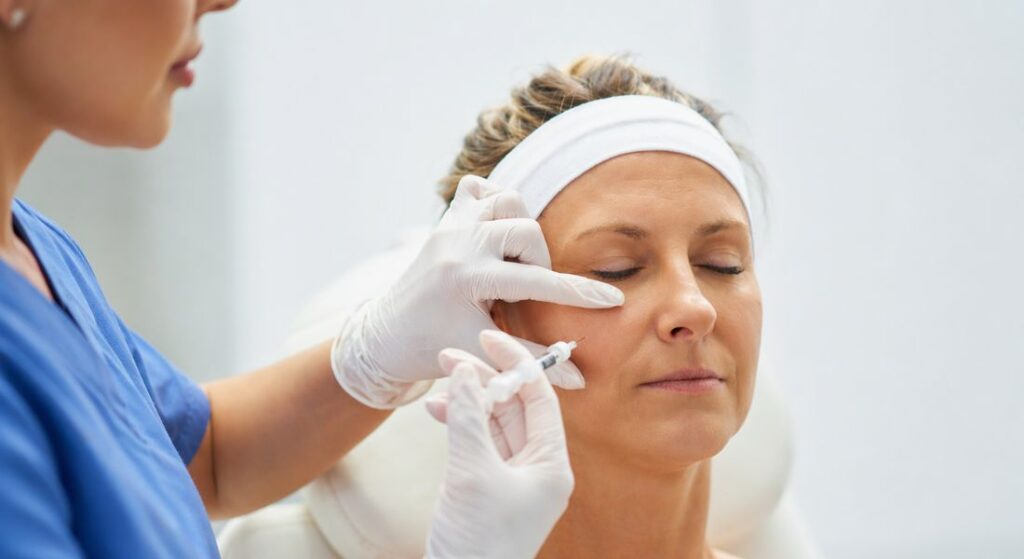
Collagen stimulation remained one of the main clinical focuses in Sculptra discussions. Sculptra is made with a poly-L-lactic acid formulation, often described as PLLA-SCA. Its purpose is to encourage your skin to gradually produce more collagen over time.
Collagen is one of the key proteins that helps your skin look firm, smooth and supported. As you age, your natural collagen levels reduce, which can lead to skin laxity, hollowing and changes in facial structure. This is why collagen support is such an important part of long-term skin rejuvenation.
Sculptra is often discussed differently from treatments that only target lines or wrinkles. Instead of simply softening one area, it works more gradually to rebuild support within your skin. For you, this can mean a more natural-looking improvement that develops over time.
The Conversation Moved Beyond the Face
The conversation around Sculptra is no longer focused only on the face. At IMCAS 2026, there was more attention on how Sculptra may support body concerns such as skin firmness, lift, contour, projection, and the appearance of cellulite. This reflects a wider shift in aesthetic medicine, where you may now hear more about treatments for body skin quality as well as facial rejuvenation. However, body treatment still needs careful planning because every area behaves differently.
1. Sculptra is being discussed for body areas too: Sculptra has traditionally been known for facial rejuvenation, especially where gradual collagen support is needed. Now, more discussions are exploring how it may be used on selected body areas. This means your consultation may include broader treatment possibilities than before.
2. Body concerns are becoming more common in aesthetic consultations: You may not only be concerned about facial volume, lines, or skin texture. Many people also want help with firmness, skin quality, contour, or areas where the skin looks less smooth. This is why body-focused collagen treatments are receiving more attention.
3. Cellulite appearance is part of the conversation: One area being discussed is the appearance of cellulite. Sculptra may be considered in selected cases where collagen support and skin firmness are part of the concern. However, cellulite is complex, so you should not expect one treatment to remove it completely.
4. Firmness and lift need realistic planning: If you are considering Sculptra for body firmness or lift, your practitioner should explain what level of improvement is realistic. Body skin may respond differently from facial skin, and results usually develop gradually. You may also need more than one session depending on the area and your goals.
5. Technique matters more on the body: Body areas often require different assessment, product placement, and treatment planning compared with the face. The practitioner needs to consider skin thickness, movement, tissue quality, and the size of the area. This is why experience and proper technique are especially important.
6. Your consultation should stay specific to you: Even though Sculptra is being discussed more broadly, your treatment plan should not be generic. Your practitioner should assess the exact area, your skin quality, your goals, and whether Sculptra is actually suitable. A personalised plan helps keep expectations realistic and treatment safer.
Overall, the shift beyond the face shows how aesthetic medicine is becoming more focused on full-body skin quality. For you, this may open up more treatment discussions, but it should not replace careful assessment. Sculptra body treatments need realistic goals, suitable technique, and proper patient selection. The best approach is always one that matches your skin, your concern, and what the treatment can genuinely achieve.
Body Rejuvenation Became a Stronger Theme
Body rejuvenation became a stronger theme in Sculptra discussions at IMCAS 2026. The focus was on how Sculptra may support firmness, contour and projection in selected body areas. For you, this means the treatment may be discussed beyond facial rejuvenation, depending on your concerns and suitability.
However, Sculptra is not a weight-loss treatment. It also cannot replace surgery if you have significant loose skin or a major body contouring concern. This is why your expectations need to be realistic before you decide whether it is right for you.
Instead, Sculptra may be considered when your goal is gradual improvement in skin quality, firmness or soft-tissue support. A good consultation should explain what is possible for your specific body area. You should understand both the potential benefits and the limits before starting treatment.
Natural-Looking Results Were a Central Trend

Natural-looking results were a central trend in Sculptra discussions at modern aesthetic conferences. The focus is now more on refined improvement rather than obvious or overdone changes. Sculptra fits this approach well because it works gradually over time.
If you want to avoid looking “overfilled”, collagen-stimulating treatments may feel more appealing. The aim is usually to restore support and improve skin quality without changing your face suddenly. This can help your results look softer, balanced and more natural.
However, natural-looking results still depend on good technique. Even gradual treatments need correct placement, dilution, spacing and a careful understanding of your facial structure. This is why choosing an experienced practitioner matters.
Treatment Planning Was Discussed as a Process
Sculptra is not usually a one-session treatment with instant results. It is normally planned as a series of sessions, with changes developing gradually as collagen stimulation takes place. This means you need to think of it as a process rather than a quick fix.
Your practitioner should assess your age, volume loss, skin quality, facial shape, previous treatments and expectations before creating your plan. These details help decide how many sessions may be suitable for you. A personalised plan is important because everyone’s skin responds differently.
You also need to understand the timeline before starting treatment. Sculptra results build slowly, so it is not the best choice if you want an immediate change for an event next week. It is better suited to you if you are looking for gradual, natural-looking improvement over time.
Patient Education Became More Important
Patient education became more important because Sculptra works differently from traditional fillers. You need to understand what the treatment does, how long results may take to appear and why the final effect is gradual. This helps you start treatment with realistic expectations.
Without this explanation, you may feel disappointed too early. Some patients expect instant volume, but Sculptra is designed to encourage collagen production over time. This means your improvement usually builds slowly rather than appearing straight away.
A good consultation should explain this difference clearly. You should understand whether Sculptra matches your goals, timeline and comfort level. When you know what to expect, you can feel more confident about the treatment process.
Sculptra Was Positioned Within Regenerative Aesthetics
Sculptra was positioned as part of the growing regenerative aesthetics conversation. It is often described as a biostimulator because it helps encourage your skin’s own collagen response over time. This makes it different from treatments that mainly focus on adding immediate volume.
This regenerative approach reflects a wider change in how ageing is being treated. Instead of only replacing lost volume, clinicians are now looking more closely at skin quality, firmness and tissue support. For you, this means the focus may be on improving how your skin behaves and feels over time.
This can be especially useful if your concerns include gradual facial hollowing, skin laxity or reduced firmness. Sculptra may help support a softer, more gradual improvement rather than a sudden change. The aim is to improve skin structure in a way that looks natural and develops steadily.
The Three-Layer Skin Discussion Became More Visible
Sculptra is increasingly being discussed as a treatment that works beyond the surface of the skin. You may hear it described in relation to the skin’s deeper layers, collagen support, and overall tissue quality. This matters because visible ageing is not only caused by fine lines or wrinkles. Changes beneath the surface can also affect how your face looks, moves, and ages over time.
1. Sculptra is not only about surface improvement: Sculptra is often discussed as a treatment that supports deeper skin quality rather than simply smoothing the top layer. This means it may be considered when your concern is not just one visible line, but a wider change in firmness, support, or facial structure. You should expect the consultation to look beyond quick surface correction.
2. Ageing affects more than fine lines: When you think about ageing, you may first notice wrinkles, folds, or changes in skin texture. However, deeper changes in collagen, soft tissue, and facial support can also affect your appearance. This is why treating only one wrinkle may not always give the most balanced result.
3. Collagen support is central to the discussion: Sculptra is commonly associated with stimulating collagen production over time. Because collagen helps support skin firmness and structure, the results are usually gradual rather than instant. You may need to think of it as a longer-term skin quality treatment rather than a quick filler-style change.
4. A full-face assessment is important: Your practitioner should not only focus on the single area that bothers you most. They should assess your face as a whole, including volume changes, skin quality, facial balance, and ageing patterns. This helps create a treatment plan that looks more natural and less isolated.
5. The treatment plan should match your ageing pattern: Everyone ages differently, so your Sculptra plan should be personal to you. Some people may need support in areas that have lost firmness, while others may need a more subtle collagen-building approach. A careful assessment helps decide where treatment may be useful and where it may not be needed.
6. Results should be planned gradually: Because Sculptra works over time, you should not expect an immediate dramatic change. The aim is often to support healthier-looking skin and improve structure gradually. Your practitioner should explain the likely timeline, number of sessions, and what kind of improvement you can realistically expect.
The growing three-layer skin discussion shows that Sculptra is being viewed as more than a simple surface treatment. For you, this means the consultation should explore your skin quality, collagen support, and facial ageing pattern in more detail. A good practitioner will look at the wider picture rather than chasing one wrinkle. This helps create results that feel more natural, balanced, and suited to your face over time.
Facial Volume Loss Was Still a Key Indication
Facial volume loss remains one of the main reasons you may consider Sculptra. Although body rejuvenation is becoming more widely discussed, Sculptra is still strongly linked with gradual facial support. It may be suitable when you want restoration that develops slowly rather than an immediate filler-like change.
Common treatment areas may include the temples, cheeks, jawline support or wider facial structure. However, the right area depends on your anatomy, skin quality and personal goals. Your practitioner should assess your face carefully before deciding where Sculptra may be useful.
You should not expect Sculptra to behave like a quick filler placed into one line. Its strength is usually in broader, gradual improvement rather than instant correction. For you, this means the treatment may be better suited to long-term facial support and natural-looking rejuvenation.
Technique and Placement Remained Critical
Sculptra is a technique-sensitive treatment, so the result depends heavily on how it is performed. Where it is placed, how it is prepared, how much is used and how sessions are spaced all matter. This is why careful planning is essential before treatment begins.
Conference discussions around injectables often place strong focus on anatomy and training. Even a good product can only perform well when it is used correctly. Poor placement or unsuitable technique can affect both your result and your safety.
For you, the key lesson is simple. Choose a qualified practitioner who understands facial anatomy and biostimulatory treatment planning. This gives you a better chance of achieving a natural-looking result that develops safely over time.
Safety Was Part of the Conversation
Safety was also an important part of the Sculptra conversation. Although Sculptra has a long clinical history, your result still depends on proper assessment, planning and technique. Your practitioner should first check whether the treatment is suitable for you.
They should ask about your medical history, skin conditions, previous injectable treatments, immune issues, scarring history and current medications. These details help reduce avoidable risks and guide a safer treatment plan. This step should never feel rushed or treated as a formality.
You should also receive clear aftercare advice before you leave the clinic. Sculptra may be minimally invasive, but it is still an injectable procedure. That means it should be handled professionally, with proper hygiene, technique and follow-up guidance.
Expectations Needed Careful Management
Expectations need careful management because Sculptra results are gradual. You may not see your final outcome immediately after treatment. This is why your practitioner should explain the timeline clearly before you begin.
Sculptra works by encouraging collagen stimulation, and that process takes time. The improvement develops slowly as your skin responds to the PLLA particles. For you, this means the changes may look subtle at first and become more noticeable gradually.
If you prefer subtle, progressive change, Sculptra may suit you well. However, if you want instant volume or a quick result for an upcoming event, another treatment may be more appropriate. A good consultation should help you decide whether Sculptra matches your goals and expectations.
Combination Treatments Were Part of the Wider Aesthetic Trend
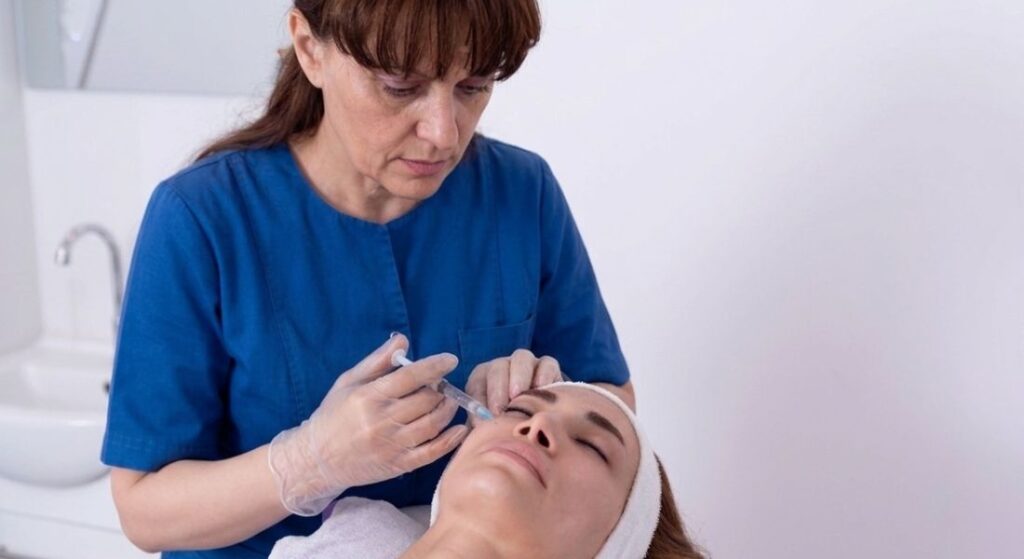
Combination treatment is becoming a bigger part of modern aesthetic planning. You may not need one treatment to solve every concern, because different concerns often need different approaches. Sculptra may help support collagen and structure, while other treatments may target movement lines, hydration, or sharper contouring. The important thing is that your plan should feel considered, not rushed.
1. Sculptra may support collagen and structure: Sculptra is often discussed as a biostimulatory treatment because it helps support gradual collagen renewal. This can make it useful when your concern is skin quality, firmness, or deeper structural support. However, it may not be the best option for every line, crease, or contour concern.
2. Other treatments may target different concerns: Hyaluronic acid fillers may be used for specific contouring or volume support, while neuromodulator treatments may help soften dynamic lines caused by facial movement. Skin boosters or other treatments may focus more on hydration and surface quality. This is why combination planning can sometimes give a more balanced result.
3. Combination treatment does not mean doing everything together: A good treatment plan should not feel like a long list of procedures done in one appointment. Your practitioner should decide what needs to be done first, what can wait, and what may not be necessary. Spacing treatments properly can help improve safety and make results easier to assess.
4. Timing matters for safer outcomes: Some treatments may need to be performed in stages so your skin and tissues have time to respond. This is especially important when collagen stimulation, fillers, or energy-based treatments are part of the same plan. Giving your skin time between sessions can help reduce unnecessary irritation or overcorrection.
5. Your goals should guide the plan: Combination treatment should always start with what you actually want to improve. You may want softer lines, better firmness, improved facial balance, or healthier-looking skin. Your practitioner should build the plan around your priorities rather than offering treatments simply because they are available.
6. A careful consultation prevents overtreatment: When several treatment options are available, it can be easy to do too much. A responsible practitioner should explain what each treatment is for, why it is being suggested, and whether it is truly needed. This helps you avoid unnecessary procedures and keeps the result more natural.
Overall, the wider trend towards combination aesthetics can be helpful when it is planned properly. For you, it means your treatment plan can be more personalised and better matched to your concerns. However, combination treatment should always prioritise safety, timing, and realistic goals. The best results usually come from a careful step-by-step approach, not from trying to do everything at once.
Sculptra and Skin Quality Became Closely Linked
Sculptra discussions are increasingly linked with skin quality, not only facial volume. The focus is often on firmness, radiance, smoother-looking skin and gradual improvement over time. This matters because many people want their skin to look healthier and more supported, not just fuller.
You may consider Sculptra if your concern is gradual loss of firmness rather than one single deep line. Because it works through collagen stimulation, the change usually develops slowly and subtly. This can make it suitable if you want improvement that looks natural rather than sudden.
Your practitioner should still explain what Sculptra can and cannot do. It may support skin structure and quality, but it will not replace every type of filler, skin treatment or surgical option. A clear consultation helps you understand whether it matches your skin concerns and expectations.
Body Cellulite and Firmness Were Discussed
Body cellulite and firmness were also discussed as part of the wider Sculptra conversation. The focus was on how Sculptra may support the appearance of firmness, lift, projection and contour in selected body areas. This shows that the treatment is being explored beyond traditional facial rejuvenation.
For you, this means Sculptra may be considered when the concern is not only volume loss, but also body skin quality and tissue support. It may help support gradual improvement in areas where the skin looks less firm or less smooth. However, the result usually develops over time and should not be expected immediately.
Body concerns such as cellulite, laxity and contour changes are complex. Sculptra may be one part of a broader treatment plan rather than a complete solution on its own. A good consultation should explain what is realistic for your body area, skin quality and goals.
The “Less Obvious” Aesthetic Trend Supported Sculptra’s Role
Aesthetic medicine is moving towards results that are harder to detect but easier to appreciate. Many patients now want to look fresher, healthier and more supported, without looking noticeably treated. This makes gradual treatments like Sculptra more relevant in modern aesthetic care.
Sculptra suits this trend because it builds results slowly over time. Instead of creating an immediate shape change, it helps support your skin’s structure through collagen stimulation. This can make the improvement feel softer and more natural as it develops.
This does not mean every result will be invisible. It means the best results should look balanced, proportionate and appropriate for your face or body. For you, the goal is usually to look refreshed rather than obviously changed.
Longer-Term Thinking Became More Important
Longer-term thinking became more important in Sculptra discussions because collagen loss happens gradually. This means treatment planning may also need to be gradual. Sculptra is often chosen when you want to support your skin over time rather than create a sudden change.
Some patients may consider Sculptra earlier to help maintain skin support before volume loss becomes more noticeable. Others may use it when facial hollowing, skin laxity or reduced firmness has already started to show. The right approach depends on what your skin needs at that stage.
Your timing should be based on your age, skin quality, goals and facial anatomy. A careful consultation can help you understand whether Sculptra is suitable for you now or whether another approach may be better. This makes the treatment plan more realistic, personalised and focused on long-term results.
Practitioner Experience Was a Repeated Underlying Theme
Practitioner experience is one of the most important parts of Sculptra treatment. The product itself matters, but the way it is assessed, prepared, placed, and monitored matters just as much. You should not think of Sculptra as a simple injection that works the same for everyone. Your result depends heavily on the skill and judgement of the person treating you.
1. Facial assessment comes first: A good practitioner should look at your face as a whole before suggesting treatment. They should assess your skin quality, facial structure, ageing pattern, and areas of volume or support loss. This helps create a plan that suits your face rather than treating isolated lines.
2. Injection depth and placement matter: Sculptra needs careful placement to work safely and effectively. If it is placed incorrectly, you may not get the result you want, and the risk of side effects may increase. This is why your practitioner needs proper training and experience with the product.
3. Dilution and preparation affect the treatment: Sculptra must be prepared correctly before it is injected. The dilution, timing, and handling of the product can influence comfort, spread, and overall treatment quality. These are technical details, but they can make a real difference to your outcome.
4. Session spacing should be planned carefully: Sculptra results develop gradually, so treatment is often planned over a series of sessions. Your practitioner should explain how many sessions you may need and why they are spaced out. This helps avoid rushing the process or overtreating too soon.
5. Aftercare advice should be clear: You should leave your appointment knowing exactly what to do after treatment. This may include massage guidance, activity advice, and signs to watch for. Clear aftercare helps support safer healing and better results.
6. You should feel comfortable asking questions: It is reasonable to ask your practitioner about their experience with Sculptra. You can ask how often they perform the treatment, how they plan placement, and what results you can realistically expect. A good clinician will explain things clearly and honestly without making you feel rushed.
Overall, practitioner skill plays a major role in Sculptra safety and results. You should choose someone who understands facial assessment, product preparation, injection technique, and follow-up care. A confident and experienced practitioner will not only perform the treatment, but also guide you through the full process. This helps you feel safer, better informed, and more comfortable with your treatment plan.
IMCAS 2026 Reinforced Sculptra’s Expanding Role
IMCAS 2026 reinforced that Sculptra is now being discussed as more than a facial volume treatment. It is part of a wider regenerative aesthetics movement focused on collagen stimulation, skin quality and body rejuvenation. This shows how aesthetic medicine is moving towards gradual support rather than quick, obvious change.
For you, this creates more treatment options, but it also makes proper guidance more important. Not every concern needs Sculptra, and not every patient is suitable for the same approach. Your practitioner should assess your skin quality, anatomy, goals and expectations before recommending it.
The main message is that Sculptra works best when it is planned carefully. It may support facial structure, firmness and selected body concerns over time, but it should not be treated as a one-size-fits-all solution. A good consultation helps you understand whether it fits your needs and what kind of result you can realistically expect.
FAQs:
1. What is Sculptra?
Sculptra is an injectable biostimulator that helps stimulate your skin’s natural collagen production over time. It is made with poly-L-lactic acid, often known as PLLA. Unlike traditional fillers, it works gradually rather than giving an instant volume change.
2. Why was Sculptra discussed at IMCAS 2026?
Sculptra was discussed at IMCAS 2026 because regenerative aesthetics is becoming a major topic in modern aesthetic medicine. Specialists focused on collagen stimulation, natural-looking results, skin quality and body rejuvenation. These discussions show how treatments are moving beyond simple volume replacement.
3. How does Sculptra work?
Sculptra works by stimulating collagen production in your skin. Collagen helps keep your skin firm, supported and smooth, but it naturally reduces as you age. Over time, Sculptra can help improve skin structure and restore a more refreshed appearance.
4. Is Sculptra the same as dermal filler?
No, Sculptra is different from a traditional dermal filler. A filler usually gives immediate volume by placing gel-like material under the skin. Sculptra works more gradually by encouraging your own collagen response, so results appear slowly over several weeks or months.
5. Can Sculptra be used on the body?
Yes, Sculptra is increasingly being discussed for selected body areas as well as the face. It may help improve the appearance of firmness, contour, projection and skin quality in suitable patients. However, it is not a weight-loss treatment or a replacement for surgery.
6. When will I see results from Sculptra?
Sculptra results develop gradually because collagen stimulation takes time. You may not see the final effect immediately after treatment. This makes it better suited to you if you want subtle, progressive improvement rather than a sudden visible change.
7. Who is suitable for Sculptra?
You may be suitable for Sculptra if you want gradual improvement in skin firmness, facial support or soft volume loss. Your practitioner should assess your skin quality, age, facial structure, medical history and expectations before treatment. Not every concern needs Sculptra, so a personalised consultation is important.
8. Can Sculptra help with natural-looking results?
Yes, Sculptra is often chosen by people who want natural-looking and less obvious results. Because the changes build gradually, the outcome can look softer and more balanced. However, natural results still depend on good technique, correct placement and careful treatment planning.
9. Can Sculptra be combined with other treatments?
Yes, Sculptra may be combined with other aesthetic treatments when appropriate. For example, it may support collagen and structure while other treatments address lines, hydration or specific contouring concerns. Your practitioner should plan combinations carefully rather than doing too much at once.
10. Is practitioner experience important for Sculptra?
Yes, practitioner experience is very important because Sculptra is technique-sensitive. The result depends on assessment, dilution, placement, injection depth, session spacing and aftercare advice. You should choose a qualified practitioner who understands facial anatomy and biostimulatory treatment planning.
Final Thoughts: Why Sculptra Is Becoming a Bigger Part of Regenerative Aesthetics
The discussions around Sculptra at IMCAS 2026 showed how strongly aesthetic medicine is moving towards regenerative and natural-looking treatment approaches. Instead of focusing only on instant volume correction, many clinicians are now paying more attention to collagen stimulation, skin quality and gradual structural support over time.
This matters because Sculptra works differently from traditional fillers. Your results develop progressively as your skin responds to collagen stimulation, which can create a softer and more balanced improvement rather than an obvious change overnight. However, successful treatment still depends on careful planning, realistic expectations and an experienced practitioner who understands facial anatomy and regenerative treatment techniques. If you’re thinking about sculptra treatment in London, you can get in touch with us at the London Medical & Aesthetic Clinic.
References:
1. Waibel, J., Beer, K., Narurkar, V., Gold, M.H. and Berman, B. (2006) ‘Prevention and treatment of acne scarring using the 1’, Dermatologic Surgery, 32(9), pp. 1150-1158. https://pubmed.ncbi.nlm.nih.gov/17055391/
2. Engelhard, P., Humble, G. and Mest, D. (2005) Safety of Sculptra: a review of clinical trial data. Journal of Cosmetic and Laser Therapy, 7(3-4), pp. 201-205. https://pubmed.ncbi.nlm.nih.gov/16414909/
3. Fabi, S.G., Haddad, A., Avelar, L., Somenek, M., Beleznay, K., Dayan, S., Taylor-Barnes, K., Huang, J. and Widgerow, A.D. (2026) Poly-L-lactic acid (Sculptra®): a regenerative aesthetic treatment. Cosmetics, 13(3), 103. https://pmc.ncbi.nlm.nih.gov/articles/PMC13194430/
4. Su, C.Y., Chang, Y.C., Fang, H.W., Lu, B.R., Fang, W.C., Hsu, H.Y., Lee, M.H. and Hsu, M.C. (2024) Comparative physicochemical characterization of poly-L-lactic acid-based dermal fillers. Polymers, 16(23), 3395. https://pmc.ncbi.nlm.nih.gov/articles/PMC12787764/
5. Medhekar, N., Hegadekatte, V. and Shenoy, V. (2006) Compositional patterning in coherent and dislocated alloy nanocrystals. Solid State Communications, 149(35-36), pp. 1395-1402. https://www.sciencedirect.com/science/article/abs/pii/S0094129806000794