



Regenerative aesthetics has become one of the most widely discussed topics at international aesthetic medicine conferences, and you will notice it shaping many of the key debates. Instead of focusing only on filling lines or restoring lost volume, specialists are increasingly interested in treatments that work with your body’s natural processes. The aim is to support tissue quality, encourage collagen production, and improve long-term skin health. This reflects a broader shift towards more natural and sustainable aesthetic outcomes.
As this field continues to grow, you will often hear Sculptra mentioned at the centre of these discussions. Experts are actively debating where collagen-stimulating treatments fit within modern aesthetic medicine and how they may influence future treatment strategies. The focus is not just on immediate results, but on how your skin can gradually rebuild and strengthen over time. This makes Sculptra a key example in conversations about regenerative approaches.
For you as a patient, these discussions are important because they are changing how ageing is understood and managed. The emphasis is slowly shifting away from short-term correction towards supporting your skin’s natural ability to maintain structure and resilience. This means treatments are increasingly designed to enhance how your skin functions rather than just how it looks at a single point in time. It is a more gradual and process-driven way of thinking about aesthetics.
One of the biggest themes you will see in conferences is the question of what regenerative aesthetics actually means. While definitions can vary between specialists, there is general agreement that treatments encouraging biological renewal and collagen production are becoming more important in modern care. You will notice that this approach is influencing how new treatments are developed and evaluated. Ultimately, it represents a shift towards improving your skin from within rather than only addressing surface-level concerns.
Regenerative Aesthetics Is Rapidly Expanding
Regenerative aesthetics has grown significantly over the past few years, and you will notice it becoming a major focus at international conferences. Entire sessions are now dedicated to treatments that encourage your body’s natural tissue response rather than simply adding volume. This shift reflects a growing interest in working with your biology instead of relying only on structural enhancement. As a result, regenerative approaches are becoming a key part of modern aesthetic discussions.
You will also see that this change is closely linked to evolving patient expectations. Many people, including you, are now looking for subtle and natural-looking improvements rather than dramatic cosmetic changes. The emphasis is increasingly on enhancing skin quality, firmness, and overall tissue health. This means treatments are often designed to support gradual and progressive change over time.
Because of this, regenerative treatments are receiving much more attention from both researchers and clinicians. Sculptra is frequently included in these discussions due to its ability to stimulate collagen production in your skin. Experts are particularly interested in how these effects may contribute to longer-term improvements in tissue quality. The field continues to evolve as new evidence emerges, shaping how future treatments are developed and used for you.
Sculptra Is Often Positioned as a Regenerative Treatment
One of the most common discussions at aesthetic conferences centres on whether Sculptra should be classified as a regenerative treatment rather than a traditional filler, and you will often see differing expert opinions on this. Unlike treatments that give you immediate volume, Sculptra works by gradually stimulating collagen production over time. This slower biological response is one of the main reasons it is frequently included in regenerative medicine sessions. It reflects a shift towards treatments that support your skin’s natural rebuilding processes.
You will also hear experts describe collagen stimulation as a key regenerative mechanism. The idea is that instead of simply filling or reshaping tissue, the treatment encourages your body to improve its own structural support. However, there is still ongoing debate about how exactly regenerative aesthetics should be defined. Some specialists focus strictly on biological repair processes, while others use a broader definition that includes collagen-boosting treatments.
Regardless of terminology, Sculptra is increasingly associated with longer-term tissue support rather than immediate or short-term correction. You will notice that the emphasis is less on instant visible change and more on gradual improvement in skin quality over time. This makes it an important part of conversations about how aesthetic treatments are evolving. Ultimately, it represents a growing preference for results that develop naturally and progressively for you.
Collagen Has Become a Central Topic
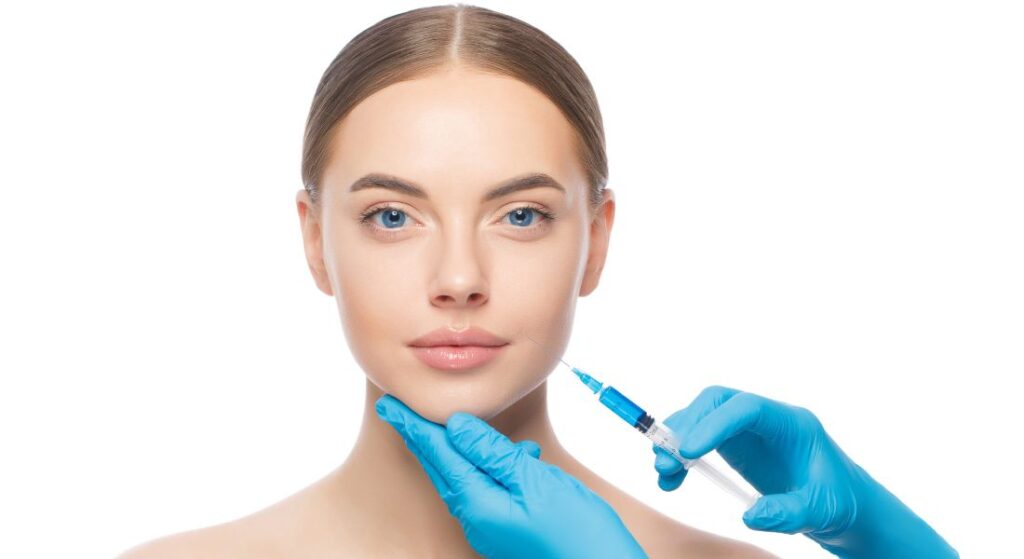
Collagen remains one of the most frequently discussed topics in regenerative aesthetics, and you will notice it appearing across almost every major conference. It plays a key role in your skin’s firmness, elasticity, and structural support. When your collagen levels naturally decline with age, your skin can gradually become thinner, looser, and less resilient. This is why so much attention is now placed on ways to support and stimulate collagen.
You will often hear conference presentations focusing on how different treatments can encourage your body to produce more collagen. The aim is not just to improve appearance on the surface, but to strengthen your skin from within. This approach is seen as more sustainable because it works with your body’s natural regenerative processes. As a result, collagen support has become a central goal in many modern aesthetic strategies.
Sculptra is frequently highlighted in these discussions because its main mechanism is based on stimulating collagen over time. You will see experts referring to it as a treatment that helps improve underlying tissue quality rather than providing instant volume. This gradual improvement is what links it strongly to regenerative aesthetics. Overall, the growing focus on collagen is shaping how many aesthetic treatments are now planned and delivered for you.
The Focus Is Shifting Away from Volume Alone
In modern aesthetic medicine, you will notice that discussions around Sculptra are increasingly focused on more than just restoring lost volume. While traditional treatments mainly aimed to “fill” areas of the face or body, current conference conversations are shifting towards a broader understanding of ageing and tissue health. This gives you a more complete approach to rejuvenation rather than simply adding volume.
1. Moving beyond simple volume replacement: You will often hear that ageing is no longer seen as just volume loss. Instead, it involves changes in collagen, skin elasticity, and overall tissue support. Because of this, simply adding volume may not fully address the underlying changes you are experiencing.
2. Understanding the complexity of ageing: Specialists now recognise that ageing affects multiple layers, not just the surface. This includes reduced collagen production, weakened structural support, and changes in skin quality. Treating only one aspect may lead to incomplete results.
3. Growing interest in regenerative treatments: This shift has led to more attention on regenerative options like Sculptra. Rather than instantly filling areas, it works by stimulating your own collagen production over time. This helps improve both structure and skin quality gradually.
4. Improving tissue quality as well as appearance: The goal is no longer just to change volume but to improve the overall condition of your skin and underlying tissue. This can lead to more natural-looking and longer-lasting results. You may notice improvements in firmness, texture, and overall skin health.
5. More comprehensive rejuvenation strategies: For you as a patient, this means treatment plans are becoming more personalised and holistic. Instead of focusing on a single concern, practitioners consider multiple factors affecting your appearance. This leads to more balanced and refined outcomes.
Overall, the focus in modern aesthetics is shifting towards restoring quality as well as volume. This allows for more natural, subtle, and comprehensive rejuvenation results that better reflect the complexity of ageing.
Long-Term Skin Quality Is Receiving More Attention
A major trend at international aesthetic meetings is the growing importance of long-term skin quality, and you will notice this becoming a central focus in many discussions. Instead of only aiming to reduce wrinkles or add volume, there is now more interest in helping your skin look healthier overall. This reflects a shift in what patients are asking for, with many prioritising natural, refreshed-looking skin. As a result, skin quality has become a key outcome in modern aesthetic planning.
You will often hear conference discussions exploring how regenerative treatments may improve your skin’s texture, firmness, and overall appearance over time. The emphasis is on gradual, meaningful improvements rather than quick, surface-level changes. Experts are increasingly looking at how treatments can support your skin’s structure from within. This approach is seen as more holistic because it focuses on how your skin functions as well as how it looks.
This shift is changing treatment priorities across aesthetic medicine. Skin quality is now considered just as important as volume restoration in many cases. You will see that clinicians are placing more emphasis on achieving balanced, natural results that age well over time. For you as a patient, improved skin quality can make a significant difference in achieving a fresher, more youthful overall appearance.
Natural-Looking Results Remain a Priority

One of the strongest themes in regenerative aesthetics is the ongoing preference for natural-looking results, and you will see this emphasised repeatedly at conferences. Instead of dramatic or obvious changes, most patients now prefer treatments that enhance your appearance in a subtle and balanced way. The focus is on helping you look refreshed rather than noticeably “done.” This shift has strongly influenced how modern aesthetic treatments are developed and discussed.
Sculptra fits well within this trend because your results develop gradually through collagen stimulation rather than appearing instantly. You will not typically see immediate dramatic change, as improvements build slowly over time. This gradual progression allows your skin to adapt in a more natural way. As a result, the overall outcome tends to look more subtle and in harmony with your existing features.
Because changes occur progressively, the improvement often blends more naturally with the ageing process. You may notice your skin gradually appearing firmer, smoother, and better supported without a sudden visible shift. This makes the treatment appealing if you prefer understated enhancement. Conference speakers frequently highlight this gradual, natural evolution as one of the key strengths of regenerative treatments like Sculptra.
Preventative Aesthetics Is Influencing Discussions
Preventative aesthetics is becoming an increasingly important topic at international conferences, and you will notice more experts discussing it as part of modern treatment planning. Instead of waiting for more obvious signs of ageing, some specialists are exploring whether regenerative treatments could play a role earlier on. The idea is that supporting your skin’s collagen production at the right stage may help maintain better tissue quality over time. This reflects a broader shift towards earlier, more proactive aesthetic care.
You will also hear that opinions still vary when it comes to timing and patient selection. While some clinicians see value in early intervention, others prefer a more conservative approach based on visible ageing changes. There is ongoing discussion about who may benefit most and when treatment should ideally begin. This makes preventative aesthetics a developing and evolving area within the field.
At international meetings, you will find that this remains an active topic of research and debate. Experts continue to explore how preventative treatments might fit into overall aesthetic care pathways in a safe and effective way. However, the key message is always that treatment decisions should be based on your individual needs rather than trends. This ensures that any approach taken is appropriate, personalised, and aligned with your long-term goals.
Personalisation Is Central to Modern Protocols
When you attend regenerative aesthetics conferences, one of the strongest themes you will notice is the importance of personalisation in treatment planning with Sculptra. Rather than using a fixed or standardised approach, practitioners are increasingly encouraged to tailor treatments based on your individual needs and ageing pattern. This shift reflects a more thoughtful and patient-centred approach to aesthetic care.
1. Recognising that every patient ages differently: You will often hear that no two people age in exactly the same way. Factors such as skin quality, bone structure, fat distribution, and collagen loss all vary from person to person. This means your treatment plan needs to reflect your unique facial or body characteristics.
2. Variation in skin and structural changes: Some patients may experience volume loss, while others notice changes in skin laxity or texture. Because these changes do not occur uniformly, a standard treatment approach may not deliver the best outcome. Your practitioner needs to assess these differences carefully before planning treatment.
3. Individualised Sculptra protocols: Sculptra is increasingly being used in customised protocols rather than fixed injection plans. The number of sessions, injection sites, and overall strategy can all be adjusted based on your specific goals. This helps ensure more precise and natural-looking results.
4. No single approach fits all patients: You should not expect the same treatment plan to be suitable for everyone. What works well for one person may not be appropriate for another. This is why careful assessment and planning are essential before starting treatment.
5. Personalisation as the key to better outcomes: Overall, personalisation is now seen as central to successful aesthetic care. When your treatment is tailored specifically to you, it is more likely to deliver balanced, natural, and satisfying results. This approach also helps improve safety and long-term effectiveness.
In summary, modern aesthetic practice is moving away from standardised protocols and towards fully individualised treatment planning. This ensures that your Sculptra treatment is designed around your unique needs, giving you more refined and natural outcomes.
Regenerative Treatments Are Being Combined More Strategically
Regenerative treatments are increasingly being discussed in terms of how they fit into a broader, more structured aesthetic plan, and you will notice this being highlighted at many conferences. Instead of viewing Sculptra as a standalone treatment, clinicians often consider how it may work alongside other procedures. This can include different injectable treatments, energy-based devices, or skin-focused therapies, depending on your individual needs. The goal is to create a more coordinated and thoughtful approach to treatment planning.
You will also hear a strong emphasis on treatment sequencing and balance. Rather than combining multiple procedures at the same time, specialists are now more likely to plan treatments in a specific order. This allows your skin and tissues to respond properly between sessions and can help improve overall results. It also reduces the risk of over-treating or creating an unnatural appearance.
This more strategic approach is designed to maximise outcomes while still maintaining natural-looking results for you. Each step in the plan is carefully considered to ensure treatments complement each other rather than compete. You will see that this level of planning is becoming a key part of modern aesthetic practice. As a result, regenerative treatments are being used more intelligently within overall treatment strategies.
Skin Ageing Is Being Viewed More Structurally
Modern conference discussions increasingly describe skin ageing as a structural process rather than just a surface-level concern, and you will notice this shift in how experts explain it. Ageing is now understood as involving changes in collagen, tissue support, and even the deeper architecture of your face and body. Wrinkles are still part of the picture, but they are no longer seen as the only or main factor. This broader understanding helps clinicians look at ageing in a more complete way.
You will also hear specialists explain that collagen loss and reduced structural support play a major role in how ageing appears over time. Instead of focusing only on visible lines, there is more attention on what is happening beneath your skin. This includes how your tissues shift, weaken, or lose firmness as you age. By understanding these deeper changes, treatments can be designed to address more than just surface symptoms.
This perspective supports the growing interest in regenerative treatments, which aim to improve underlying tissue quality rather than only treating visible signs. Sculptra is often mentioned in these discussions because it focuses on stimulating collagen and supporting structure over time. You will see that the goal is to improve how your skin behaves, not just how it looks on the surface. As a result, treatment approaches are becoming more comprehensive and structurally focused.
Full-Face Assessment Is Becoming More Important

Full-face assessment is becoming increasingly important in regenerative aesthetics, and you will notice this being emphasised at many international conferences. Rather than focusing on isolated lines or individual folds, clinicians are now encouraged to assess your face as a complete structure. This includes understanding proportions, support patterns, and overall tissue quality. The aim is to build a more complete picture of how your features work together.
You will also hear conference presentations highlighting that facial ageing does not happen in one small area alone. Instead, changes in volume, skin quality, and support tend to affect multiple regions at the same time. Because of this, a more holistic approach is often considered more effective for achieving balanced results. It helps ensure that improvements in one area do not create imbalance elsewhere in your face.
Sculptra is often discussed within this broader framework because it can be used across multiple areas rather than targeting a single wrinkle. This makes it suitable for treatment plans that focus on overall improvement rather than isolated correction. The goal is to support your skin and tissue more evenly for a natural-looking outcome. As a result, treatment planning is becoming more comprehensive and tailored to your overall facial structure.
Male Regenerative Aesthetics Is Growing
Male aesthetics continues to grow rapidly, and you will notice regenerative treatments becoming a bigger part of this development. Many men are now seeking subtle improvements that maintain their natural facial structure and masculine features rather than creating obvious changes. This makes regenerative approaches particularly relevant, as they focus on gradual enhancement rather than dramatic alteration. As a result, this area is gaining more attention at international conferences.
You will also hear discussions about how male patients often have different aesthetic goals compared to female patients. For example, the focus may be more on maintaining definition, improving skin quality, and supporting a refreshed but natural appearance. Because of these differences, treatment planning needs to be carefully adjusted to suit your individual anatomy and preferences. This ensures results remain balanced and appropriate for your features.
Conference speakers increasingly highlight that male regenerative aesthetics requires a more tailored approach. You will see that clinicians are placing greater importance on understanding your unique structure and desired outcome. This reflects a broader shift towards personalised treatment planning in aesthetic medicine. Ultimately, the goal is to ensure that treatments support your individuality while still delivering natural-looking improvements.
Patient Education Is Becoming Essential
Because regenerative treatments work differently from traditional fillers, you will notice that patient education is becoming a major focus at conferences. Unlike treatments that give you immediate volume or visible change, regenerative options often rely on gradual biological processes. This means your results may take time to develop as collagen stimulation builds slowly within your skin. Understanding this difference is key to having a clear and realistic treatment experience.
You will also hear experts emphasise that managing expectations plays a big role in patient satisfaction. When you understand that improvements happen progressively rather than instantly, it becomes easier for you to follow the treatment journey without confusion or concern. This helps reduce uncertainty and ensures you are not expecting immediate dramatic changes. Clear explanation before treatment is now considered an essential part of good clinical practice.
Conference speakers increasingly highlight that communication is just as important as the treatment itself. You will see that well-informed patients tend to feel more confident and comfortable throughout the process. When you know what to expect, you are more likely to appreciate gradual improvements as they appear over time. Ultimately, patient education is seen as a key factor in achieving successful and satisfying outcomes.
The Debate Around Regeneration Continues
When you attend regenerative aesthetics conferences, you will notice that there is still ongoing debate about what “regenerative” actually means, especially in relation to treatments like Sculptra. Different experts interpret the concept in slightly different ways, which makes it one of the most discussed topics in the field. This evolving definition continues to shape how treatments are described and understood.
1. Different definitions among specialists: You will find that some practitioners define regenerative aesthetics mainly as collagen stimulation. In this view, treatments that encourage your body to produce collagen are considered regenerative. Others take a broader perspective, expecting regeneration to involve deeper biological repair and tissue renewal.
2. Focus on collagen stimulation vs tissue repair: For some experts, improving collagen levels alone is the key goal of regenerative treatments. For others, true regeneration should go further, supporting overall tissue quality, structure, and function. This difference in opinion leads to varied interpretations of the same treatment.
3. Impact on treatment classification and communication: These differing views influence how treatments are grouped, described, and marketed. You may notice that the same procedure can be presented in slightly different ways depending on the practitioner’s philosophy. This is why terminology can sometimes feel inconsistent.
4. Importance of understanding outcomes over labels: From your perspective as a patient, the terminology is often less important than understanding what the treatment actually does. You are better served by focusing on expected results, limitations, and how the treatment works in practice. This helps you set realistic expectations.
5. Ongoing evolution of the field: As research continues, these definitions are likely to develop further. New studies may help clarify what should or should not be considered regenerative. This means the debate will continue to evolve alongside scientific progress.
Overall, the discussion around regeneration reflects how rapidly the field is advancing. While definitions may differ, what matters most for you is understanding the mechanism of treatment and the type of results you can realistically expect.
Body Applications Are Receiving More Attention
You will notice that regenerative aesthetics is increasingly moving beyond facial rejuvenation, with body treatments becoming a growing focus at international conferences. More experts are now exploring how collagen stimulation may help support firmness, contour, and overall tissue quality in selected areas of your body. This reflects a broader shift towards applying regenerative principles not just to the face, but to the body as well. As a result, you will see these topics being discussed much more frequently in modern aesthetic meetings.
You will also hear conference presentations looking at how these treatments might fit into wider body contouring plans. Sculptra is often included in these discussions because of its collagen-stimulating and regenerative properties. The interest mainly lies in whether gradual improvements in your skin quality can contribute to a smoother, more supported appearance. However, the emphasis is still on subtle enhancement rather than dramatic change.
At the same time, patient selection remains very important in this area. You will see experts repeatedly stressing that not every body concern is suitable for collagen-stimulating treatments. A careful assessment is needed to understand whether this approach is right for you and your individual goals. This helps ensure treatments are used safely, appropriately, and with realistic expectations.
Long-Term Outcomes Are a Major Focus
You will notice that international conferences are increasingly focusing on long-term treatment outcomes in aesthetic medicine. Specialists are particularly interested in how regenerative treatments perform over extended periods, rather than just the immediate results. This includes looking at how your skin quality, tissue support, and overall improvements hold up over time. The aim is to better understand how lasting and meaningful these changes really are.
You will also hear discussions that include patient satisfaction as a key measure of success. Experts don’t just look at visible improvements, but also consider how happy you feel with your results months or even years later. Alongside this, tissue quality and the durability of outcomes are carefully evaluated. This helps provide a clearer picture of how effective treatments are in real-world settings.
Sculptra often attracts particular interest in these conversations because its collagen stimulation process may continue even after your treatment sessions are completed. You will hear researchers discussing how these gradual changes develop and evolve over time. This makes long-term follow-up especially important in understanding its full effects. As a result, long-term data remains a major and ongoing area of study in regenerative aesthetics.
Safety Remains a Key Consideration
You will notice that, despite the growing enthusiasm for regenerative aesthetics, safety remains a central focus at every conference. Experts consistently emphasise that proper patient assessment, careful treatment planning, and correct injection technique are all essential for achieving good outcomes. Even though regenerative treatments are evolving, they still require experienced medical oversight. This ensures that your treatment is carried out safely and appropriately.
You will also hear specialists repeatedly highlight that natural-looking results always start with the right patient selection. If you are not an ideal candidate for a particular treatment, the safest decision may be to adjust or avoid it altogether. This careful approach helps reduce risks and improves overall satisfaction with results. It also ensures that treatments are tailored to your specific needs rather than applied in a generic way.
As regenerative applications continue to expand, safety discussions are becoming more detailed and sophisticated. You will see experts focusing on how techniques can be refined and how outcomes can be made more predictable and controlled. This ongoing attention to safety reflects the responsibility that comes with advancing aesthetic treatments. Ultimately, responsible practice remains the foundation of good aesthetic care for you.
The Future May Be More Biological
You will notice one emerging theme across aesthetic conferences is the idea that the future of aesthetics may become more biological rather than purely corrective. Instead of focusing only on masking or filling visible signs of ageing, researchers are increasingly interested in how your body naturally repairs, regenerates, and maintains tissue over time. This includes studying processes like collagen stimulation and broader biological responses to ageing. It reflects a shift towards working with your biology rather than simply altering appearance.
You will also hear ongoing research discussions about how tissue regeneration could influence future treatment strategies. Experts are exploring whether stimulating your body’s natural processes more effectively could lead to longer-lasting and more natural improvements. This may open the door to new regenerative approaches and expanded treatment options in the coming years. As a result, the field is constantly evolving as new evidence becomes available.
Sculptra is often mentioned within this broader movement because of its focus on collagen stimulation over time. You will see it used as an example of how treatments can encourage gradual, biological change rather than immediate correction. This makes it relevant to discussions about the future direction of aesthetic medicine. Overall, you will find that the field remains highly dynamic and continues to develop rapidly.
Patient Demand Is Driving Innovation
When you look at modern regenerative aesthetics conferences, you will notice that a lot of innovation is being shaped by what patients actually want. There is a clear shift towards treatments that support natural ageing rather than dramatically changing your appearance. This has become a key driver in how new techniques and protocols are developed, including treatments like Sculptra.
1. Growing preference for natural-looking results: You will often hear that patients now prefer subtle improvements rather than obvious or overdone changes. The focus is on enhancing what you already have, so your results still look like you, just refreshed. This has influenced how practitioners plan and deliver treatments.
2. Alignment with regenerative aesthetics: This demand fits closely with the principles of regenerative aesthetics. Instead of simply adding volume or altering features, the goal is to support your skin’s natural structure and quality. Treatments like Sculptra are often discussed in this context because they work gradually with your body’s own collagen production.
3. Shift towards subtle enhancement and support: Rather than dramatic transformation, the emphasis is now on improving skin health, firmness, and overall texture. You may notice that many modern treatment plans aim for gradual, refined changes. This approach tends to feel more natural over time.
4. Influence on future treatment development: Conference speakers often highlight how patient expectations are shaping the direction of future treatments. As more people ask for subtle and long-lasting results, practitioners and researchers are adapting their methods accordingly. This helps drive ongoing innovation in the field.
5. Evolving expectations continue to shape practice: As your expectations as a patient continue to change, treatment approaches will keep evolving too. Practitioners are increasingly designing protocols that reflect these preferences. This ensures that future aesthetic care remains aligned with what patients genuinely want.
Overall, patient demand is playing a major role in shaping modern aesthetic medicine. The move towards natural, subtle, and regenerative approaches is not just a trend it is actively influencing how treatments like Sculptra are developed and used in practice.
Conferences Are Shaping the Future of Regenerative Aesthetics
You will notice that international aesthetic conferences are playing a major role in shaping the direction of regenerative aesthetics. These events bring together experts who regularly discuss key themes such as collagen stimulation, tissue quality, long-term skin health, and more personalised treatment approaches. This ongoing exchange of ideas helps define how the field is evolving and where it is likely to go next. As a result, conferences have become a central platform for guiding modern aesthetic medicine.
You will also hear that Sculptra is one of the most frequently discussed treatments within these settings. This is mainly because of its connection to collagen production and its gradual, regenerative way of working. You will often see experts referring to it when explaining how treatments can support natural improvement over time. It continues to appear in discussions covering both facial and body applications.
At the same time, there is still active debate about how regenerative aesthetics should be defined and where different treatments fit within this category. You will notice ongoing discussions around classification, mechanisms, and how these treatments are used in clinical practice. This shows you that the field is still developing and refining itself. Ultimately, conferences are helping to shape not just current practice, but also the future direction of regenerative aesthetic medicine for you.
FAQs:
1. What is regenerative aesthetics in simple terms?
Regenerative aesthetics focuses on treatments that support your body’s natural ability to repair and renew tissue. Instead of only filling wrinkles or adding volume, it aims to improve collagen production and overall skin quality. The goal is longer-term improvement in skin health and structure.
2. How does Sculptra fit into regenerative aesthetics?
Sculptra is often discussed as a regenerative treatment because it stimulates your body to produce collagen over time. Unlike traditional fillers, it does not provide immediate volume. Instead, it gradually improves skin firmness and support.
3. Why is collagen so important in skin ageing?
Collagen is a key protein that keeps your skin firm, elastic and supported. As you age, collagen levels naturally decline, leading to sagging and wrinkles. Many regenerative treatments, including Sculptra, aim to address this loss.
4. Are Sculptra results immediate?
No, results are not immediate. Sculptra works gradually as your body produces new collagen over several weeks and months. This slow process is one reason results often look natural.
5. What areas can Sculptra be used for?
Sculptra is mainly used on the face but is also being explored for body areas such as the buttocks and other regions needing improved firmness. Its use depends on individual assessment and treatment goals.
6. Is regenerative aesthetics only about anti-ageing?
Not entirely. While it is commonly used for ageing concerns, regenerative aesthetics can also support skin quality and tissue health in younger patients. The focus is on prevention and maintenance as well as correction.
7. How is regenerative aesthetics different from traditional fillers?
Traditional fillers provide instant volume by physically filling areas under the skin. Regenerative treatments like Sculptra work by stimulating your body’s own collagen production, leading to gradual improvement rather than immediate change.
8. Is Sculptra suitable for everyone?
No, it is not suitable for everyone. Your skin condition, medical history, expectations and treatment goals all need to be assessed by a qualified practitioner before deciding if it is appropriate.
9. Why are conferences important for treatments like Sculptra?
Conferences allow experts to share research, clinical experience and new techniques. This helps shape how treatments are used and improves understanding of safety, effectiveness and best practices.
10. What is the future of regenerative aesthetics?
The future is expected to focus more on natural results, collagen stimulation and personalised treatment plans. Treatments like Sculptra are likely to remain important as research in tissue regeneration continues to develop.
Final Thoughts: The Future of Regenerative Aesthetics and Sculptra
Regenerative aesthetics is steadily shifting the focus of modern aesthetic medicine towards improving skin quality, collagen production and long-term structural support rather than relying only on volume replacement. Within this evolving landscape, Sculptra continues to attract significant attention at international conferences because of its collagen-stimulating properties. Experts are increasingly viewing it as part of a broader move towards treatments that work with your body’s natural regenerative processes.
As research continues to develop, discussions around Sculptra are becoming more refined, particularly in terms of patient selection, treatment planning and long-term outcomes. The emphasis is now on achieving natural-looking, gradual improvements that align with individual ageing patterns rather than delivering immediate but short-lived results. This approach reflects a wider preference in aesthetic medicine for subtle enhancement and biological support. If you’re thinking about sculptra treatment in London, you can get in touch with us at the London Medical & Aesthetic Clinic.
References:
1. Beer, K.R. and Rendon, M.I. (2006) Use of Sculptra® in aesthetic rejuvenation. Seminars in Cutaneous Medicine and Surgery, 25(3), pp. 127-131. https://pubmed.ncbi.nlm.nih.gov/17055391/
2. Engelhard, P., Humble, G. and Mest, D. (2005) Safety of Sculptra: a review of clinical trial data. Journal of Cosmetic and Laser Therapy, 7(3–4), pp. 201-205. https://pubmed.ncbi.nlm.nih.gov/16414909/
3. Widgerow, A.D., Huang, J., Dayan, S., M., Taylor-Barnes, K., Beleznay, K. and Somenek (2026) Sculptra: a regenerative aesthetic treatment. https://pmc.ncbi.nlm.nih.gov/articles/PMC13194430/
4. Palm, M.D., Weinkle, S.H., Cho, Y. et al. (2020) Randomized study on poly-L-lactic acid using higher dilution volume and immediate use following reconstitution, 20(7), pp. 760-766. https://pmc.ncbi.nlm.nih.gov/articles/PMC7564527/
5. Moy, R.L. and Fincher, E.F. (2005) Poly-L-lactic acid for the aesthetic correction of facial volume loss. Aesthetic Surgery Journal, 25(6), pp. 646-648. https://www.sciencedirect.com/science/article/abs/pii/S0094129806000794