

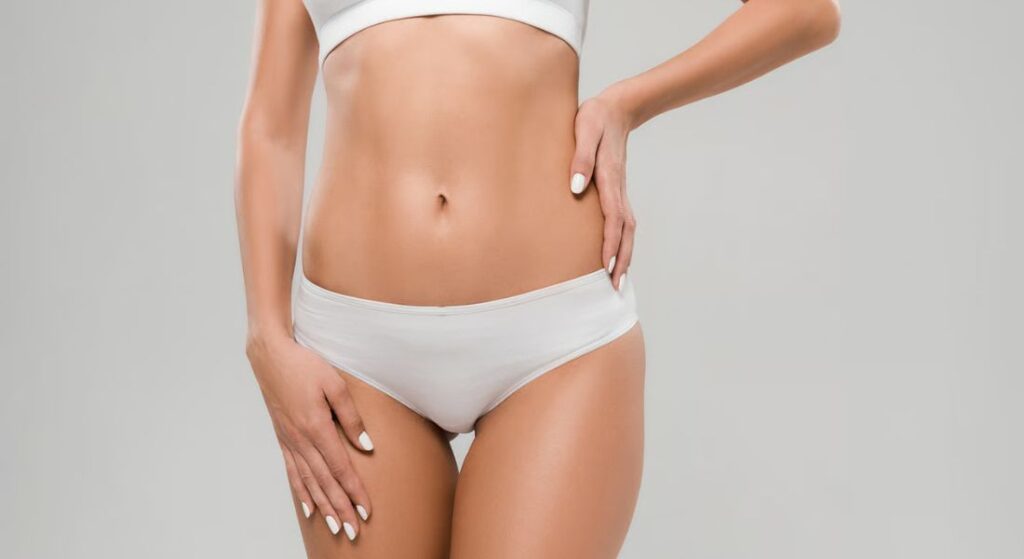
SmartLipo may suit you if your main concern is a localised pocket of abdominal fat and your skin still has good elasticity. A tummy tuck may be more appropriate if you have significant loose skin or rectus diastasis, as it can remove excess skin and may include abdominal-wall plication when this is appropriate.
You should choose based on what is causing the stomach shape you want to change. SmartLipo focuses mainly on localised fat reduction, while a tummy tuck primarily removes excess skin and may include abdominal-wall plication when rectus diastasis is present. Some fat may also be removed as part of the surgery.
What Is the Main Difference Between SmartLipo and a Tummy Tuck?
SmartLipo mainly removes localised fat, while a tummy tuck removes excess skin and may include abdominal-wall plication when rectus diastasis is present. SmartLipo may be considered if localised subcutaneous fat is your main concern and your skin quality is suitable for liposuction.
If you have significant loose skin or muscle separation, a tummy tuck may be more suitable for you. You should choose based on what is causing your abdominal shape.
SmartLipo vs Tummy Tuck at a Glance
| Factor | SmartLipo | Tummy tuck |
| Main purpose | Localised subcutaneous fat reduction | Excess skin removal; abdominal-wall correction when appropriate |
| Fat removal | Yes | Some fat may be removed |
| Significant loose skin | Cannot remove it | Can remove it |
| Rectus diastasis | Cannot repair it | Can be repaired when appropriate |
| Scarring | Small access-point scars | Longer lower-abdominal scar |
| Recovery | Generally shorter | Usually more extensive |
| Skin contraction | Some may occur | Excess skin physically removed |
What Exactly Does SmartLipo Do to the Abdomen?
SmartLipo targets the pinchable fat beneath your skin rather than deeper visceral fat around your organs. You may benefit if your main concern is a localised abdominal bulge and your skin has enough elasticity to adapt.
SmartLipo cannot remove visceral fat or repair separated abdominal muscles. If you have significant loose skin or clinically relevant rectus diastasis, SmartLipo alone may not address the main cause of your abdominal contour, and a tummy tuck or another approach may need to be considered.
What Exactly Does a Tummy Tuck Do?
A tummy tuck removes excess abdominal skin and may remove some subcutaneous fat. When rectus diastasis is present, abdominal-wall plication may also be performed where appropriate. You may benefit if you have significant loose skin or muscle separation.
It is more extensive than SmartLipo, so you should expect a larger scar and longer recovery. A tummy tuck may be considered when fat reduction alone would not address the excess skin or abdominal-wall laxity contributing to your contour.
Which Is Better for Stubborn Abdominal Fat?
SmartLipo may suit you if your main concern is a stubborn pocket of subcutaneous abdominal fat and your skin remains relatively firm. A tummy tuck is generally more relevant when excess skin or abdominal-wall laxity is also contributing to your stomach shape.
1. Localised Fat: SmartLipo can directly remove pinchable fat beneath your abdominal skin.
2. Skin Quality: Skin elasticity can influence how well your tissues adapt after fat removal, so your skin quality should be assessed before SmartLipo is recommended.
3. Loose Skin: A tummy tuck may be more suitable if significant excess or hanging skin is contributing to your abdominal contour.
4. Muscle Separation: If rectus diastasis is causing abdominal bulging, a tummy tuck can address the abdominal wall while SmartLipo cannot.
The right procedure depends on what is actually causing the shape you want to change. Your clinician should assess your fat, skin and abdominal wall separately before recommending SmartLipo or a tummy tuck.
Which Is Better for Mild Loose Skin?
Some studies suggest that laser-assisted liposuction may be associated with additional tissue contraction, which may be relevant when you have localised fat with mild skin laxity. However, the degree of tightening varies and should not be predicted or guaranteed.
A tummy tuck is more suitable for significant excess or hanging skin because it physically removes it. If you have mild skin laxity, your clinician should assess whether fat removal alone is likely to leave residual loose skin. A tummy tuck becomes more relevant when skin excision is required rather than fat reduction alone.
Evidence Note
Laser-assisted liposuction has been studied for possible additional skin retraction, but results vary and available comparative studies have limitations. SmartLipo should therefore not be expected to correct substantial loose abdominal skin.
Which Is Better for Significant Loose or Hanging Skin?
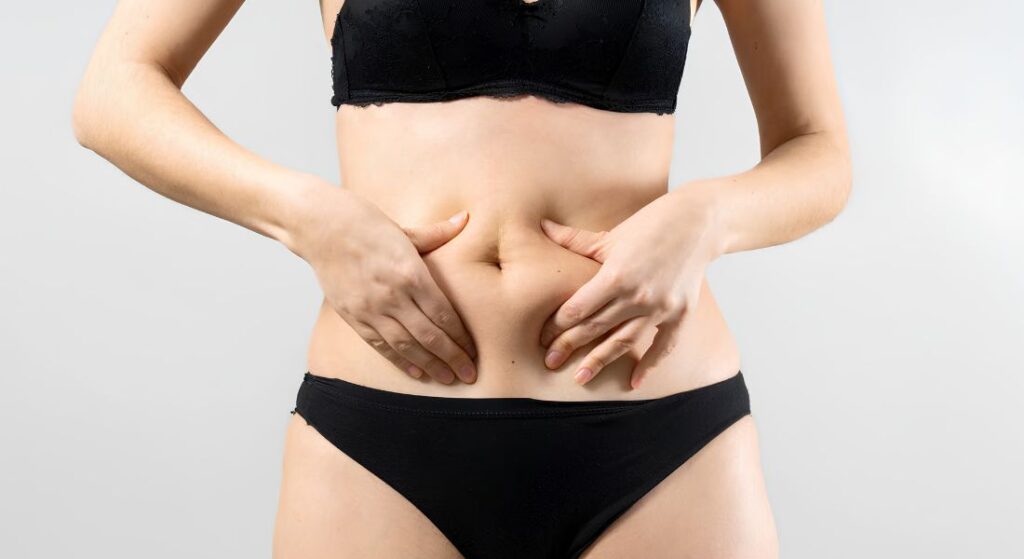
A tummy tuck may suit you better if you have significant loose or hanging abdominal skin, especially after pregnancy or major weight loss. SmartLipo can remove underlying fat, but it cannot physically remove the excess skin.
You may still have a hanging fold after SmartLipo if loose skin is your main concern. If you have substantial skin excess, a tummy tuck may be considered because fat removal alone cannot excise the redundant skin.
What If You Have Diastasis Recti?
SmartLipo cannot repair diastasis recti or tighten separated abdominal muscles. You may see some contour improvement from fat removal, but the muscle separation can remain.
Abdominoplasty may include plication of the abdominal wall when rectus diastasis requires surgical correction, while physiotherapy may be suitable for some people. If you have persistent abdominal bulging, you should have the cause assessed before choosing fat removal.
Research Insight
Rectus plication is commonly performed during abdominoplasty to narrow a widened linea alba and improve abdominal-wall contour. Research suggests that functional outcomes may improve after repair, although evidence on improvements in abdominal strength is less consistent and studies remain heterogeneous.
Can SmartLipo Tighten Separated Abdominal Muscles?
No. SmartLipo can reduce localised subcutaneous fat and may be associated with some tissue contraction, but it cannot repair rectus diastasis or reconstruct the widened linea alba.
If you have significant diastasis recti, removing subcutaneous fat may reduce superficial fullness without correcting a bulge caused by the underlying abdominal-wall separation. You may need muscle repair or physiotherapy, depending on your symptoms and anatomy.
What About Stretch Marks on Your Stomach?
SmartLipo is not a treatment for stretch marks and does not remove the affected skin, so existing abdominal stretch marks will generally remain after fat removal.
A tummy tuck can remove some stretch marks if they are on the skin being excised. You should not expect it to remove all your stretch marks, especially those outside the area being removed.
Which Procedure Leaves the Bigger Scar?
A tummy tuck leaves a substantially longer and more extensive scar than the small access-point scars associated with SmartLipo. SmartLipo uses small access points, while a full tummy tuck usually leaves a long lower-abdominal scar and a scar around your belly button.
You may prefer SmartLipo if minimising visible scarring matters to you. However, you should remember that tummy-tuck scars are permanent and may fade and flatten over time, although their final appearance varies between patients.
Clinical Tip
Before choosing treatment, identify whether your abdominal contour is mainly caused by subcutaneous fat, excess skin, rectus diastasis or deeper visceral fat. Treating the wrong component may leave the main concern unchanged.
How Does the Recovery Compare?
SmartLipo usually has a shorter recovery, although you may still experience swelling, bruising and tenderness. You can often return to normal activities sooner than after a tummy tuck.
A tummy tuck involves more extensive surgery, so you may need several weeks to recover. You should expect more swelling, discomfort and restricted movement while your abdominal tissues heal.
How Do the Risks Compare?

Temporary swelling, bruising and tenderness are expected after many liposuction procedures. Possible complications of SmartLipo include infection, fluid collections, bleeding or haematoma, persistent changes in sensation, contour irregularities, asymmetry and thermal injury or burns from the laser. Venous thromboembolism is uncommon but potentially serious.
A tummy tuck has its own surgical risks, including seroma, haematoma, infection, wound separation or delayed healing, skin or fat necrosis, persistent numbness, unfavourable scarring and venous thromboembolism. Your individual risk depends on factors including your health, smoking status, weight, medical history and the extent of surgery.
UK Guidance Note
UK expert guidance on aesthetic liposuction emphasises careful patient selection, appropriate technique and peri-operative management, and notes that no single liposuction technique is suitable for every patient. This guidance applies to liposuction procedures such as SmartLipo. A tummy tuck is a more extensive operation with a different risk profile, so it requires its own individual surgical assessment before treatment.
When Should You Contact Your Clinical Team After Treatment?
After SmartLipo, contact your clinical team if you develop increasing redness, worsening swelling, discharge from an incision, fever or pain that becomes more severe rather than gradually improving.
After a tummy tuck, contact your surgical team if you develop worsening wound redness, wound separation, discharge, fever, increasing abdominal swelling or severe pain. Seek urgent medical attention after either procedure if you develop sudden shortness of breath, chest pain, fainting, coughing up blood or new pain and swelling in one leg.
Which Is Better After Pregnancy?
SmartLipo may be considered if you have returned to a stable weight and your main concern is stubborn abdominal fat with mild skin looseness. You may need a tummy tuck if pregnancy has left you with significant loose skin or muscle separation.
You should remember that pregnancy can affect your fat, skin and abdominal muscles differently. If loose skin or diastasis is your main concern, SmartLipo may not give you the correction you want.
If you are considering another pregnancy, discuss the timing of abdominal surgery with your surgeon. Pregnancy after abdominoplasty is not considered automatically contraindicated, but pregnancy can affect the abdominal wall and aesthetic result, so your future pregnancy plans should form part of the decision.
What If You Have Lost a Large Amount of Weight?
You may have very little remaining fat but significant loose, hanging skin after major weight loss. SmartLipo can reduce small pockets of fat, but it cannot remove large amounts of excess skin.
A tummy tuck may suit you better if loose skin is your main concern. You should have your abdomen assessed to determine whether your shape is mainly caused by remaining fat, stretched skin or both.
Your surgeon should also assess whether your weight is stable and review your general health before body-contouring surgery. Smoking status, nutrition, medications and conditions that could affect wound healing should be considered as part of your surgical assessment.
Can You Have Liposuction with a Tummy Tuck?
Yes, you may be able to combine liposuction with a tummy tuck if you have both excess fat and loose skin. Liposuction targets fat, while a tummy tuck removes excess skin and may include abdominal-wall plication when this is appropriate.
Combining liposuction with a tummy tuck makes the surgical plan more extensive, but this does not mean complications will necessarily be higher in every patient. Your surgeon should assess your health, the amount of liposuction planned, the extent of skin removal and your individual risk factors before recommending a combined procedure.
You should also ask whether standard liposuction or a particular liposuction technology is being proposed, because combining a tummy tuck with liposuction does not automatically mean that SmartLipo will be used.
How Can You Decide Which Treatment Is Right for Your Stomach?
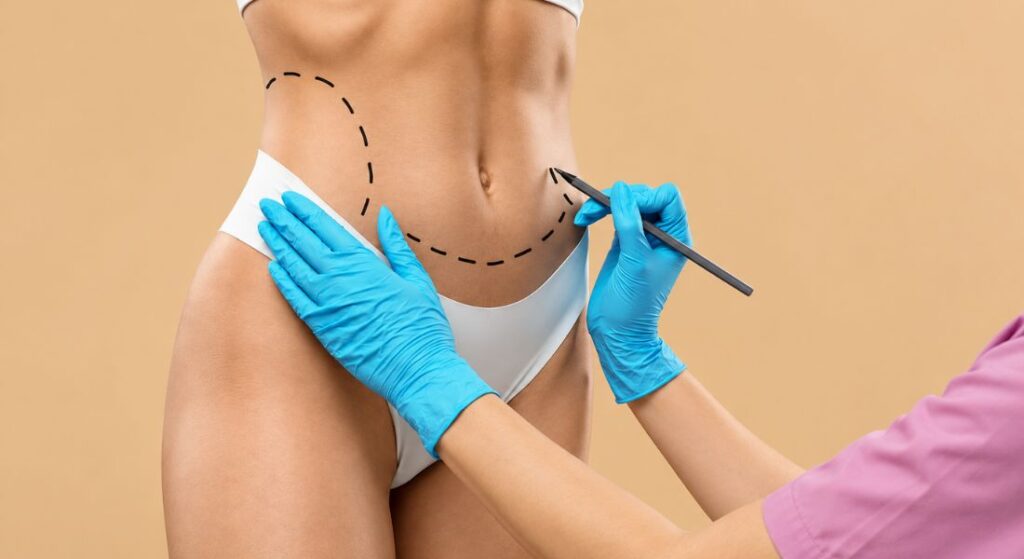
You should first consider whether your main concern is fat, loose skin or muscle separation. SmartLipo may suit you if you have localised fat and fairly firm skin, while a tummy tuck may be better for you if you have significant loose skin or diastasis.
You should also consider your desired recovery, scarring and future plans. The right treatment for you is usually the least extensive option that can realistically address the problem you want to change.
Your overall health also matters. Your clinician or surgeon should review factors such as smoking, current weight and weight stability, medicines, previous abdominal surgery, history of blood clots and future pregnancy plans before recommending treatment.
Myth vs Fact
| Myth | Fact |
| SmartLipo can fix muscle separation. | It cannot repair rectus diastasis. |
| A tummy tuck is mainly for fat removal. | Its main purpose is excess-skin removal, and abdominal-wall plication may be included when appropriate. |
| SmartLipo removes visceral fat. | It targets subcutaneous fat beneath the skin. |
| SmartLipo guarantees tighter skin. | Some contraction may occur, but results vary. |
| A tummy tuck removes every stretch mark. | Only marks on skin that is actually excised may be removed. |
| Both procedures have similar recovery. | Tummy tuck recovery is generally more extensive. |
Key Takeaways
1. SmartLipo mainly treats localised subcutaneous fat.
2. A tummy tuck can remove substantial excess abdominal skin.
3. SmartLipo cannot repair rectus diastasis.
4. Rectus-diastasis repair may be incorporated into an abdominoplasty when appropriate.
5. SmartLipo may provide some tissue contraction, but significant loose skin may remain.
6. Tummy tuck involves a larger scar and longer recovery than SmartLipo.
Frequently Asked Questions
1. What is the main difference between SmartLipo and a tummy tuck?
SmartLipo mainly targets localised subcutaneous fat, while a tummy tuck removes excess skin and may include abdominal-wall plication when rectus diastasis is present. SmartLipo may therefore be considered if stubborn localised fat is your main concern, while a tummy tuck may be more suitable if you have significant loose skin or rectus diastasis.
2. Can SmartLipo remove loose skin from the abdomen?
No, SmartLipo cannot physically remove excess or hanging skin. Some studies suggest that laser-assisted liposuction may be associated with additional tissue contraction, but the degree of tightening varies and cannot be guaranteed. Substantial loose skin generally requires a procedure that physically removes the excess skin.
3. When may SmartLipo be considered for stubborn abdominal fat?
SmartLipo may be considered when your main concern is a localised pocket of subcutaneous abdominal fat and your skin quality is suitable for liposuction. If significant skin excess or rectus diastasis is contributing to your abdominal shape, fat removal alone may not address the main concern.
4. Can a tummy tuck remove more abdominal fat than SmartLipo?
A tummy tuck can remove some abdominal fat along with excess skin, but its main purpose is excess-skin removal, with abdominal-wall correction performed when appropriate rather than as part of every procedure. If your main concern is stubborn fat, a liposuction-based procedure may be more appropriate.
5. Can SmartLipo fix diastasis recti?
No, SmartLipo does not repair rectus diastasis or reconstruct the widened linea alba. If clinically significant diastasis is present, abdominal-wall treatment may need to be considered separately and can sometimes be incorporated into a tummy tuck.
6. Which procedure leaves the bigger scar?
A tummy tuck leaves a much larger permanent scar across the lower abdomen, and a full procedure may also leave a scar around the belly button. SmartLipo usually involves much smaller access-point scars, although these can still be permanent.
7. Which has a shorter recovery, SmartLipo or a tummy tuck?
SmartLipo generally has a shorter and less demanding recovery because it does not involve extensive skin removal or abdominal-wall surgery. You may still experience swelling, bruising and tenderness, whereas a tummy tuck commonly requires several weeks of recovery.
8. Can you have SmartLipo after pregnancy?
You may be suitable for SmartLipo after pregnancy if your main concern is localised abdominal fat and you have relatively good skin elasticity without significant rectus diastasis. If pregnancy has left you with substantial loose skin or rectus diastasis, a tummy tuck may address more of the underlying changes.
9. Is a tummy tuck better after major weight loss?
A tummy tuck may be more suitable when major weight loss has left you with substantial redundant or hanging abdominal skin. SmartLipo can reduce remaining fat deposits, but it cannot remove large folds of loose skin.
10. How can you choose between SmartLipo and a tummy tuck?
You should consider whether your main concern is fat, loose skin, abdominal-wall separation or a combination of these problems. If you mainly have localised subcutaneous fat with suitable skin quality, SmartLipo may be considered. Significant skin excess or rectus diastasis may make a tummy tuck more appropriate because these problems cannot be corrected by fat removal alone.
Final Thoughts: SmartLipo vs Tummy Tuck for Your Stomach
SmartLipo and a tummy tuck can both improve your abdominal contour, but you need to consider whether your main concern is stubborn fat, loose skin or abdominal-wall separation. If your main concern is localised subcutaneous fat and your skin quality is suitable, SmartLipo may be considered and generally involves smaller access-point scars and a shorter recovery than a tummy tuck. If significant loose skin or rectus diastasis is contributing to your abdominal contour, a tummy tuck may be more appropriate because it can address problems that liposuction alone cannot correct.
If you’re thinking about Smartlipo in London, you can get in touch with our team at the London Medical & Aesthetic Clinic.
References:
1. Lee, K.W.A. et al. (2024) ‘Laser-Assisted Lipolysis Versus Surgical Fat Removal: A Review of Efficacy, Safety, and Patient Satisfaction’, Cosmetics, 11(5), article 164. Available at: https://www.mdpi.com/2079-9284/11/5/164
2. Gormley, J. et al. (2020) ‘Impact of Rectus Diastasis Repair on Abdominal Strength and Function: A Systematic Review’, Cureus, 12(12), article e12358. Available at: https://pmc.ncbi.nlm.nih.gov/articles/PMC7839807/
3. Camargo, C.P. et al. (2025) ‘Therapeutical Strategies to Prevent Abdominoplasty Complications: A Systematic Review’, Aesthetic Plastic Surgery, 49(5), pp. 1396–1407. Available at: https://pubmed.ncbi.nlm.nih.gov/39681686/
4. Karunaratne, Y.G. et al. (2023) ‘The Safety and Effects of Pregnancy after Abdominoplasty: A Systematic Review of the Literature’, Aesthetic Plastic Surgery, 47(4), pp. 1472–1479. Available at: https://pubmed.ncbi.nlm.nih.gov/37266593/
5. Pacifico, M. et al. (2022) ‘Summary document on safety and recommendations for aesthetic liposuction: Joint British Association of Aesthetic Plastic Surgeons (BAAPS)/British Association of Plastic Reconstructive and Aesthetic Surgeons (BAPRAS) expert liposuction group’, Journal of Plastic, Reconstructive & Aesthetic Surgery, 75(3), pp. 941–947. Available at: https://www.sciencedirect.com/science/article/pii/S174868152100499X