


VASER liposuction is designed to remove localised fat deposits and improve body contour rather than produce major weight loss. Many patients ask how much fat can be removed in a single procedure, but there is no fixed amount that is suitable for everyone. Safe fat removal depends on several factors, including the patient’s body shape, general health, skin quality, treatment areas, anaesthetic plan, and the surgeon’s clinical judgement.
The main goal of VASER liposuction is to improve proportion and definition while maintaining safety and smooth natural-looking results. Removing too much fat can increase the risk of complications such as fluid imbalance, contour irregularities, loose skin, or delayed recovery. For this reason, experienced surgeons focus on achieving balanced body contouring rather than simply removing the maximum possible volume of fat.
The British Association of Aesthetic Plastic Surgeons explains that liposuction is most effective for people who are close to their normal weight and have firm, elastic skin. It also states that liposuction is not a substitute for weight loss. Patients considering VASER liposuction should therefore view the procedure as a contouring treatment aimed at reshaping specific areas rather than dramatically reducing body weight.
What VASER Liposuction Is Designed to Do
VASER liposuction uses ultrasound-assisted technology to help break down fat before it is removed from the body. The ultrasound energy helps loosen targeted fat cells, which can allow more controlled and precise fat removal in suitable treatment areas. This technique is commonly used to improve body contour and definition while aiming to minimise damage to surrounding tissues.
The procedure is designed for shaping specific areas rather than producing overall weight reduction. Common treatment areas include the abdomen, waist, flanks, thighs, arms, chest, back, chin, and knees. Patients often choose VASER liposuction when certain areas of fat remain resistant to diet and exercise despite maintaining a stable weight.
The success of VASER liposuction is measured by improved contour, balance, and body proportion rather than simply the number of litres of fat removed. In many cases, a more conservative and carefully planned approach produces smoother and more natural-looking results than attempting very large-volume fat removal. The aim is to enhance body shape safely while maintaining good skin contour and overall harmony.
Why There Is No Single Fat Removal Limit for Everyone
There is no single amount of fat that is considered safe or appropriate for every patient undergoing VASER liposuction. One person may only need a small localised area treated, while another may be suitable for a more extensive contouring procedure involving several areas. The decision depends on the individual rather than a fixed numerical limit.
Before surgery, the surgeon carefully assesses factors such as body size, BMI, general health, medical history, skin quality, blood loss risk, fluid balance, anaesthetic safety, and the expected length of the procedure. These considerations help determine how much fat can be removed safely while still aiming for balanced and natural-looking results. The goal is always to prioritise patient safety rather than remove the highest possible volume of fat.
The American Society of Plastic Surgeons notes that special considerations are needed when large amounts of fat, usually more than five litres, are suctioned during liposuction procedures. Larger-volume treatments may involve increased risks and may require closer monitoring, longer recovery, or treatment in a more specialised surgical setting. This is why the surgical plan must be tailored carefully to each individual patient.
Understanding “Aspirate” Versus Pure Fat
Patients often ask how many litres of fat can be removed during VASER liposuction, but it is important to understand that the material removed is not always pure fat. During liposuction, the surgeon removes aspirate, which is a mixture that can include fat cells, fluid, blood, and local anaesthetic solution used during the procedure.
Because of this, the total volume collected during surgery does not directly equal the amount of pure body fat removed. For example, if several litres are removed, part of that volume may consist of fluid introduced during the treatment process rather than fat alone. This can sometimes lead patients to overestimate how much actual fat loss has occurred based only on the reported litre volume.
Surgeons therefore focus on much more than the final aspirate measurement. They assess the patient’s safety throughout the procedure, monitor fluid balance carefully, and aim for smooth, balanced body contouring rather than chasing the highest possible removal volume. In successful VASER liposuction, the quality of the contour and overall body proportion are more important than the number of litres removed.
Why VASER Liposuction Is Not a Weight-Loss Procedure
VASER liposuction can help change body shape, but it is not designed to replace weight loss. Its purpose is to remove stubborn pockets of fat that do not respond well to diet and exercise. This means it is usually more suitable for body contouring than for reducing overall body weight. If someone is significantly above their ideal weight, they may be advised to lose weight first before considering treatment.
1. VASER Is for Shaping, Not Weight Loss: VASER liposuction targets specific areas of stubborn fat rather than large amounts of body weight. It can help improve contour, but it should not be seen as a substitute for healthy weight management.
2. Weight Loss May Be Recommended First: If you are significantly above your ideal weight, your surgeon may recommend losing weight before surgery. This can help reduce surgical risk and make the final contour more predictable.
3. Better Body Contour Depends on Suitability: The best results are usually seen when the treatment is performed on someone with stable weight, suitable skin quality, and realistic expectations. If weight continues to fluctuate after treatment, the result may change over time.
4. Risks and Limits Should Be Understood: The NHS states that liposuction is not an alternative to losing weight and that results cannot be guaranteed. It also explains that the risks should be considered carefully before deciding to go ahead.
VASER liposuction can be helpful when the goal is to refine shape, not to achieve major weight loss. A responsible surgeon should assess your weight, health, skin quality, fat distribution, and expectations before recommending treatment. If losing weight first would make surgery safer or improve the outcome, that advice should be taken seriously. The aim should always be a safer procedure, a more realistic result, and a treatment plan that suits your body properly.
Small-Volume Fat Removal
Small-volume VASER liposuction is often used when the goal is subtle contour refinement rather than major fat reduction. This approach may be suitable for areas such as the chin, arms, knees, small waist areas, or mild localised fat deposits that affect body balance or definition. In these cases, the focus is on precision and proportion rather than removing large volumes of fat.
Even a relatively small amount of fat removal can create a noticeable improvement when the fat is located in a visible or structurally important area. For example, a small reduction under the chin or around the waist may help the body appear more balanced and better defined. The overall result depends on contour and shape rather than the amount of fat removed alone.
It is also important to remember that small-volume liposuction is still a surgical procedure. Patients may still experience swelling, bruising, tenderness, compression garment use, and a recovery period after treatment. Although the procedure may be more limited in size, proper aftercare and realistic expectations remain important for safe healing and good results.
Moderate Fat Removal for Body Contouring
Many VASER liposuction procedures involve moderate fat removal from one or more body areas to improve overall shape and proportion. Common goals include shaping the waist, reducing flank fullness, flattening a localised abdominal bulge, or improving body contour in areas that have not responded well to diet and exercise. These treatments are usually planned carefully to create balanced and natural-looking results.
Moderate fat removal is generally aimed at contour improvement rather than dramatic size reduction. The surgeon carefully sculpts the treated area while leaving an appropriate layer of fat beneath the skin. This helps maintain a smoother surface and supports a more natural body shape after healing.
Removing too much fat from one area can increase the risk of contour irregularities such as dents, waviness, unevenness, or skin looseness. For this reason, experienced surgeons focus on controlled and proportionate fat removal rather than trying to make an area as thin as possible. Good body contouring depends on balance, symmetry, and preserving healthy tissue support under the skin.
Large-Volume Liposuction and Safety Concerns
Large-volume liposuction requires additional caution because the risks can increase when larger amounts of fat and fluid are removed from the body. These procedures may involve longer surgical times, greater fluid shifts, and more intensive monitoring during and after surgery. Patient safety becomes even more important as the treatment volume increases.
Large-volume treatment is not simply a larger version of standard liposuction. It may require treatment in a hospital setting, an experienced surgical and anaesthetic team, careful patient selection, and detailed planning before surgery. In some cases, surgeons may recommend staging treatment across separate procedures rather than removing very large volumes at once. This approach can help reduce surgical stress and improve recovery safety.
The American Society of Plastic Surgeons describes more than five litres of aspirate as large-volume liposuction and notes that higher-volume removal may be associated with a greater risk of complications. Because of this, experienced surgeons focus on achieving safe and proportionate contouring rather than pursuing the maximum possible fat removal.
Why Some Patients Need Staged Treatment
Some patients may need staged treatment if they want several areas treated or need a larger amount of fat removed. Staged treatment means the procedure is divided across separate sessions instead of trying to complete everything at once. This approach can help improve safety, reduce strain on the body, and give the surgeon more control over contour quality. It is not a sign of poor planning, but often a more careful and responsible way to approach a larger goal.
1. Improving Patient Safety: Treating too many areas at once can increase surgical stress and recovery demands. Staging the treatment can help reduce risk by keeping each procedure more controlled and manageable.
2. Protecting Contour Quality: When the surgeon focuses on fewer areas at a time, they may be able to shape the body more carefully. This can be especially important when the aim is smooth, balanced, and natural-looking contour improvement.
3. Allowing Time for Healing: Your body needs time to recover after fat removal and tissue shaping. Staged treatment allows swelling to settle, tissues to heal, and the surgeon to assess the result before planning the next step.
4. Managing Larger Goals Responsibly: If your overall goal is large, doing everything in one session may not be the safest option. A staged plan can help balance your desired outcome with realistic safety limits and recovery needs.
Staged treatment should not be viewed as a setback or a lack of planning. In many cases, it shows that your surgeon is thinking carefully about safety, healing, and final contour quality. Larger body contouring goals often need patience and proper sequencing. When planned well, staged treatment can support a safer experience and a more balanced result.
How the Surgeon Decides the Safe Amount
The surgeon decides the safe amount of fat to remove by assessing the whole patient rather than focusing only on the fat itself. Important factors include general physical health, medical history, medications, smoking status, body weight, skin elasticity, treatment areas, and how well the patient is expected to recover after surgery. These assessments help the surgeon balance the desired contour change with overall safety.
A key part of the consultation is also determining whether the patient’s goals are realistic and achievable. If removing a larger amount of fat would create excessive risk, poor skin support, or an unnatural contour, the surgical plan may need to be adjusted. In some situations, a more conservative approach or staged treatment plan may produce safer and better-looking long-term results.
The British Association of Plastic, Reconstructive and Aesthetic Surgeons and the British Association of Aesthetic Plastic Surgeons highlight that liposuction safety depends heavily on careful patient selection and individual risk factors. These can include obesity, smoking history, heart disease, blood pressure problems, and kidney function. This is why a thorough pre-operative assessment is an essential part of planning safe VASER liposuction treatment.
The Role of Skin Elasticity

Skin elasticity is one of the most important factors in VASER liposuction results because the skin needs to adapt after fat is removed. Once the fat layer is reduced, the skin should ideally contract smoothly over the new shape. If your skin has good firmness and elasticity, the treated area may look smoother, tighter, and more naturally contoured. If the skin is loose, stretched, thin, or sun-damaged, the final result may be less predictable.
1. Good Elasticity Supports a Smoother Result: When the skin has good elasticity, it is more likely to shrink and settle neatly after fat removal. This can help the treated area look firmer and more balanced as swelling reduces.
2. Loose Skin Can Limit the Outcome: If the skin is already loose or stretched, removing fat may make sagging more noticeable. This is because the skin may not have enough strength to contract fully over the new contour.
3. Removing Too Much Fat Can Make Skin Laxity Worse: Safe fat removal is not only about how many litres can be taken out. If too much fat is removed under weak skin, the area may look deflated, uneven, or less smooth.
4. The Surgeon Must Judge Skin Response: A careful surgeon will assess how your skin is likely to behave after treatment. They may recommend removing less fat, treating the area differently, or considering another procedure if loose skin is the main concern.
Skin elasticity plays a major role in both safety and final appearance. Even when fat removal is technically possible, the skin’s ability to contract determines whether the result looks smooth or loose. This is why a responsible surgeon will not focus only on volume removal. They will plan treatment around your skin quality, body shape, and the most realistic contour your body can achieve.
Natural-Looking Results Versus Maximum Removal

Natural-looking VASER liposuction results depend on balance and proportion rather than maximum fat removal. Areas such as the waist, abdomen, arms, or thighs should look improved while still remaining in harmony with the rest of the body. The aim is to enhance shape and definition without creating an appearance that looks artificial or disproportionate.
Removing the maximum possible amount of fat can sometimes make a treated area look unnatural compared with surrounding body areas. For example, over-flattening the abdomen or waist may make nearby untreated areas appear heavier or less balanced. Similarly, overly aggressive fat removal from the arms or thighs can create sharp transitions, hollowness, or irregular contours that do not look natural during movement or in different lighting.
A careful surgeon therefore designs the treatment plan around the patient’s individual body shape, proportions, and skin quality rather than focusing on a fixed number of litres removed. The best outcomes usually come from controlled contouring that complements the body as a whole while preserving smooth transitions and natural definition.
Why Removing Too Much Fat Can Cause Problems
Removing too much fat during VASER liposuction can lead to problems with the final body contour. Over-aggressive fat removal may create hollowness, dents, unevenness, asymmetry, skin looseness, or an unnatural appearance. In some cases, these contour irregularities can be difficult to correct and may require further procedures.
Natural-looking body contouring requires careful judgement and restraint. A skilled surgeon aims to remove enough fat to improve shape and proportion while still preserving smooth transitions between treated and untreated areas. Maintaining a healthy layer of supportive tissue beneath the skin is important for achieving balanced and even results after healing.
The Mayo Clinic lists contour irregularities as a possible risk of liposuction and explains that the skin may sometimes appear bumpy, wavy, or uneven because of uneven fat removal, reduced skin elasticity, or scarring. This is why experienced surgeons focus on controlled contouring rather than simply removing the maximum amount of fat possible.
Why Leaving Some Fat Behind Is Important
Patients sometimes assume that the best liposuction result comes from removing as much fat as possible. In reality, leaving some fat beneath the skin is an important part of achieving a smooth, natural-looking contour. Liposuction is about reshaping the body carefully, not removing every layer of fat from the treated area.
The superficial fat layer helps support the skin and maintain softer transitions between body contours. If too much fat is removed, the skin may appear hollow, stuck down, rippled, or uneven after healing. Over-removal can also make certain areas look prematurely aged or unnatural, particularly if skin elasticity is limited.
Careful fat preservation is therefore considered part of good surgical planning rather than incomplete treatment. Experienced surgeons aim to create balance, proportion, and smooth contour lines while maintaining healthy tissue support under the skin. The goal is not emptiness, but a refined and natural body shape that still looks healthy and proportionate.
Treatment Areas and Fat Removal Amounts
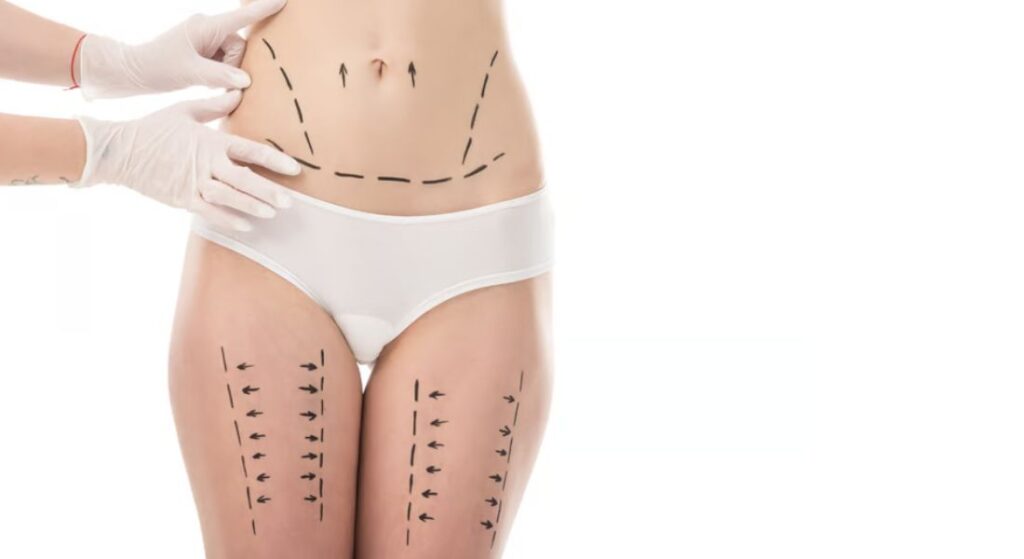
Different parts of the body allow different amounts of fat removal during VASER liposuction. Larger treatment areas such as the abdomen, flanks, or thighs may involve greater fat volume than smaller areas such as the chin, knees, or upper arms. The amount removed depends not only on the size of the area, but also on the patient’s anatomy, skin quality, and overall treatment goals.
The location and type of fat also matter. Some areas contain denser, more fibrous fat that can be more resistant to contouring, while other areas contain softer fat that may respond differently to treatment. For example, male chest or back fat can sometimes be more fibrous than abdominal fat, which may influence how the procedure is planned and performed.
Treating multiple areas during the same procedure does not automatically mean that more fat should be removed overall. The surgeon must balance the total aspirate volume with patient safety, fluid management, anaesthetic considerations, and healing capacity. A carefully controlled treatment plan is usually safer and more likely to produce smooth, balanced results than attempting excessive fat removal across several areas at once.
BMI, Body Shape and Suitability
BMI and overall body shape can influence VASER liposuction planning, but they are not the only factors that determine suitability. Two people with the same BMI may have very different fat distribution, skin elasticity, muscle structure, and overall surgical risk. This is why treatment planning is always based on an individual assessment rather than a single number alone.
VASER liposuction is generally more suitable for localised fat deposits that have not responded well to diet and exercise rather than for treating general obesity. Patients with a higher BMI may have increased risks related to anaesthesia, wound healing, blood clots, and contour irregularities. In some cases, a surgeon may advise weight loss before surgery to improve both safety and the quality of the final result.
Suitability is assessed individually during consultation and examination. A responsible surgeon will consider whether the treatment can be performed safely and whether the likely outcome matches the patient’s expectations. If the risks are too high or the expected contour improvement is unlikely to be satisfactory, the surgeon may recommend delaying treatment or may decline surgery altogether in the interest of patient safety.
Fat Removal and Weight on the Scale
Patients often expect a significant drop in body weight after VASER liposuction, but weight reduction is not the main purpose of the procedure. VASER liposuction is designed to improve body contour and proportion rather than create major changes on the scale. In many cases, the visible change in shape is more noticeable than the actual change in body weight.
It is also important to understand that swelling and fluid retention after surgery can temporarily affect weight measurements. Some patients may even weigh slightly more for a short period during the early recovery phase because of post-operative swelling, retained fluid, and the body’s healing response. This is a normal part of recovery and does not necessarily reflect the final result.
For this reason, patients are usually encouraged to focus more on body shape, contour, clothing fit, and overall proportion rather than scale weight alone. Improvements in waist definition, smoother body lines, and better clothing fit are often more meaningful indicators of successful VASER liposuction than the exact number of kilograms lost.
How Compression and Aftercare Affect Results
Aftercare plays an important role in healing after VASER liposuction and can influence how the final contour develops as swelling settles. Compression garments are commonly used to support the treated areas, reduce swelling, and help the skin adapt to the new body shape during recovery. Patients are usually advised to wear these garments for a specific period recommended by their surgeon.
Although aftercare does not change how much fat was removed during surgery, it can affect how smoothly and evenly the body heals afterwards. Patients may also be advised to attend follow-up appointments and follow guidance on walking, activity levels, positioning, hydration, and massage techniques if recommended. These measures are designed to support circulation, reduce fluid build-up, and encourage more even healing.
Good aftercare can help support comfort, recovery, and overall contour quality, while ignoring post-operative instructions may increase swelling, discomfort, or healing complications. Recovery is part of the overall treatment process, and following professional advice carefully can help improve both safety and final results.
Recovery After Different Fat Removal Volumes
Recovery after VASER liposuction can vary depending on how much fat is removed, how many body areas are treated, and how the individual patient heals. Larger treatments often involve more swelling, bruising, tenderness, stiffness, and temporary fatigue because the body has undergone a more extensive procedure. Recovery may also feel different depending on the location of the treated areas and the amount of movement involved in daily activities.
Even smaller-volume treatments still require proper recovery time. Patients may notice swelling and firmness during the early healing phase, and the body contour can look uneven or unclear before healing progresses. Because of this, it is important not to judge the final result too early. Early swelling can temporarily hide the true contour and may take time to settle fully.
Final VASER liposuction results often develop gradually over several weeks and months, particularly after larger or more detailed body contouring procedures. As swelling reduces and the tissues soften, the body shape usually becomes more defined and balanced. Patience during recovery is important because the final contour may continue improving long after the initial healing period.
Maintaining Results After VASER Liposuction
VASER liposuction removes fat cells from the treated areas, but it does not prevent future weight gain. Although the number of fat cells in those areas is reduced, the remaining fat cells can still enlarge if a person gains weight after surgery. This means body shape can still change over time depending on lifestyle and weight stability.
Maintaining a stable weight is therefore important for preserving long-term contour results. Regular exercise, balanced nutrition, good hydration, and realistic long-term lifestyle habits can all help support the outcome after surgery. Patients who maintain consistent habits are more likely to keep the improved body proportions achieved through treatment.
It is important to understand that surgery shapes the body, but lifestyle helps preserve the result. VASER liposuction can improve contour and definition, but long-term appearance still depends on overall health habits and weight management after recovery.
When VASER May Not Be Enough
VASER liposuction may not be enough if the main concern is loose skin, weak muscle tone, significant weight excess, or poor tissue quality rather than localised fat deposits. In these situations, removing fat alone may not create the smoother or tighter body contour the patient hopes to achieve. In some cases, fat removal without addressing skin or tissue support can even make looseness more noticeable.
Some patients may therefore be better suited to a different procedure or a combination approach. Depending on the individual problem, this could include skin tightening treatments, a tummy tuck, body lift surgery, or procedures that address both excess skin and underlying tissue structure. The most appropriate option depends on the patient’s anatomy, skin elasticity, and overall goals.
A thorough consultation is important because it helps identify the real source of the concern rather than assuming fat is the only issue. If the main problem is not primarily localised fat, VASER liposuction may not be the best solution on its own. A responsible surgeon should explain this clearly and recommend the treatment approach most likely to produce safe, balanced, and realistic results.
FAQs:
1. How much fat can be removed with VASER liposuction?
There is no fixed amount that is suitable for everyone. The safe amount depends on your body shape, health, skin quality, treatment areas, anaesthetic plan, and your surgeon’s clinical judgement.
2. Is VASER liposuction a weight-loss procedure?
No, VASER liposuction is not a weight-loss procedure. It is designed to remove localised fat deposits and improve body contour, shape, and proportion.
3. What is the difference between fat removed and aspirate?
Aspirate is the total material removed during liposuction. It can include fat, fluid, blood, and anaesthetic solution, so the total aspirate volume is not the same as pure fat removal.
4. Why can’t surgeons remove as much fat as possible?
Removing too much fat can increase the risk of fluid imbalance, loose skin, dents, unevenness, contour irregularities, delayed recovery, and unnatural-looking results.
5. What is considered large-volume liposuction?
Large-volume liposuction is often considered when more than five litres of aspirate are removed. This may require extra safety precautions, closer monitoring, and careful patient selection.
6. Why might VASER liposuction need to be staged?
Staged treatment may be recommended if several areas need treatment or a larger contouring goal is planned. Dividing treatment into separate sessions can improve safety, healing, and contour control.
7. How does the surgeon decide the safe amount to remove?
The surgeon assesses your health, BMI, medical history, medications, smoking status, skin elasticity, fat distribution, treatment areas, and expected recovery before deciding a safe removal amount.
8. Why is skin elasticity important in VASER liposuction?
Skin elasticity affects how well your skin contracts after fat removal. If your skin is loose or stretched, removing too much fat may make sagging, looseness, or unevenness more noticeable.
9. Will VASER liposuction reduce my weight on the scale?
You may notice some change, but VASER liposuction is not mainly about weight loss. The visible improvement is usually seen in body shape, contour, clothing fit, and proportion rather than a major drop on the scale.
10. How can I maintain my VASER liposuction results?
You can maintain results by keeping a stable weight, exercising regularly, eating a balanced diet, staying hydrated, and following your surgeon’s aftercare advice during recovery.
Final Thoughts: Safe Fat Removal Matters More Than Maximum Fat Removal
VASER liposuction is designed to improve body contour, balance, and definition rather than remove the maximum possible amount of fat. The best results usually come from careful treatment planning, controlled fat removal, and realistic goals that suit the patient’s body shape, skin quality, and overall health. Because every patient is different, there is no single fat removal limit that applies to everyone. Experienced surgeons focus on achieving smooth, natural-looking contours while prioritising safety, tissue support, and long-term results instead of simply chasing higher removal volumes.
It is also important to remember that VASER liposuction is not a substitute for weight loss or healthy lifestyle habits. Maintaining a stable weight, following proper aftercare, and having realistic expectations all help support long-term results after treatment. If you’re thinking about vaser liposuction in London, you can get in touch with us at the London Medical & Aesthetic Clinic.
References:
1. Hoyos, A.E. and Millard, J.A. (2007) VASER-assisted high-definition liposculpture, Aesthetic Surgery Journal, 27(6), pp. 594–604. Available at: https://academic.oup.com/asj/article-abstract/27/6/594/195504
2. Nagy, M.W. and Vanek, P.F. (2012) ‘A multicenter, prospective, randomized, single-blind, controlled clinical trial comparing VASER-assisted lipoplasty and suction-assisted lipoplasty, Plastic and Reconstructive Surgery, 129(4), pp. 681e–689e. Available at: https://pubmed.ncbi.nlm.nih.gov/22456382/
3. Lanzano, G. et al. (2024) Correlation between BMI, amount of aspirated fat and post-operative complications in VASER liposuction: A single centre experience, Journal of Plastic, Reconstructive & Aesthetic Surgery Open, 42, pp. 170–177. Available at: https://pmc.ncbi.nlm.nih.gov/articles/PMC11440265/
4. Ciudad, P. et al. (2020) Single-stage VASER-assisted liposuction and lymphatico-venous anastomoses for the treatment of extremity lymphedema: A case series and systematic review of the literature, Gland Surgery, 9(2), pp. 545–557. Available at: https://pubmed.ncbi.nlm.nih.gov/32420290/
5. Perez, M.E., Guarin, D.E. and Montenegro, A. (2018) A report of 736 high-definition lipoabdominoplasties performed in conjunction with circumferential VASER liposuction, Plastic and Reconstructive Surgery, 142(3), pp. 662–675. Available at: https://pubmed.ncbi.nlm.nih.gov/29878992/