

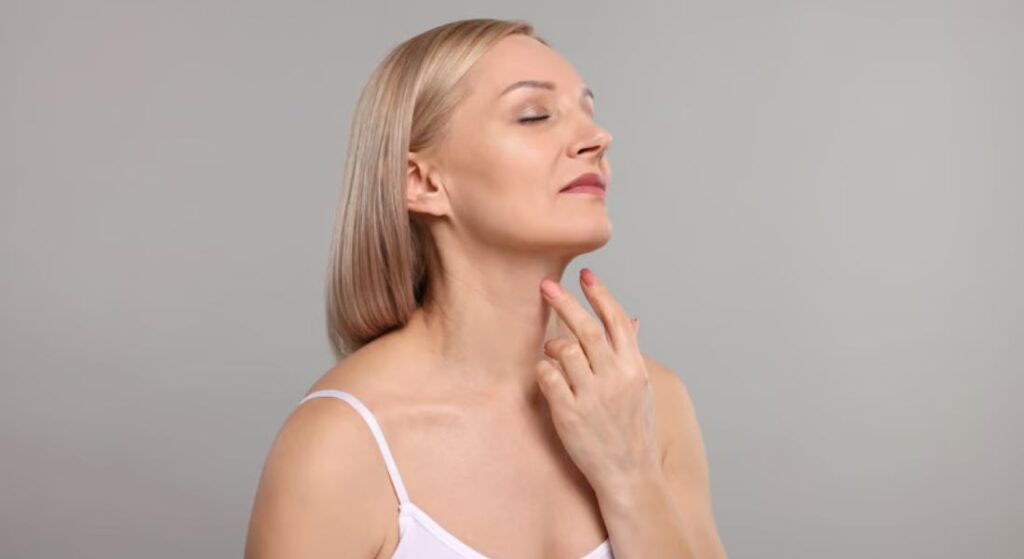
If you’ve started to notice that the skin on your neck looks looser, thinner or more creased, you may be wondering why it is happening. Changes in your skin, fat and deeper tissues can all affect how defined your neck and jawline look over time.
Ageing is only part of the picture. Your genetics, sun exposure and weight changes can also influence how your neck changes, which is why you may notice something very different from someone else.
Why Does Neck Skin Become Loose as You Age?
As you get older, your skin gradually loses some of its strength, elasticity and ability to repair itself. You may notice that your neck skin doesn’t bounce back as easily, making it look thinner, looser or more creased.
Your neck also changes beneath the skin as you age, including in the fat, muscles and deeper support structures. Your genetics, sun exposure, lifestyle and weight changes can all influence when and how noticeably these changes develop.
What Factors Can Contribute to Loose Neck Skin?
| Factor | How it can affect your neck | What you may notice |
| Natural ageing | Collagen, elasticity and deeper tissue support gradually change | Thinner skin, laxity and reduced definition |
| Sun exposure | UV radiation can damage collagen and elastic fibres over time | Wrinkles, pigmentation, rough texture and reduced firmness |
| Genetics and anatomy | Your skin characteristics, jaw structure and fat distribution are individual to you | You may notice sagging earlier or later than someone else |
| Weight changes | Changes in volume can alter how your skin sits over the tissues beneath it | Looseness, fullness or reduced jawline definition |
| Muscle and fat changes | Platysma activity and changes in submental fat can affect your neck contour | Vertical bands, fullness or reduced definition |
| Smoking | Smoking is associated with premature skin ageing and changes in skin quality | You may notice more wrinkling or reduced firmness over time |
What Happens to Collagen in Ageing Neck Skin?
As you get older, the amount, organisation and renewal of collagen in your skin gradually change. Because collagen helps support your skin, you may notice your neck becoming thinner, less firm or more lined over time.
Your lifetime sun exposure can also contribute to collagen damage and visible skin ageing. If you have protected your face more consistently than your neck, you may notice sun-related changes appearing more clearly on your neck over time.
How Does Elastin Affect Neck Sagging?
Elastin helps your skin stretch and return to its original shape, but this ability gradually reduces as you age. You may notice that your neck skin feels less firm and doesn’t bounce back as easily.
You can also help protect your neck from further UV-related damage by using regular sun protection. As collagen support and elastic-fibre function change, you may notice your neck becoming looser, thinner or more crepey.
Why Can the Neck Show Ageing Earlier Than the Face?
You may give your face plenty of skincare and sun protection while giving your neck much less attention. Your neck also experiences constant movement and sun exposure, which can make signs of ageing more noticeable over time.
Your neck also has different skin, fat and muscle structures from your face. This helps explain why you may notice fine lines, crepey skin or looseness on your neck even when your facial skin still looks relatively firm.
How Does Sun Exposure Contribute to Loose Neck Skin?
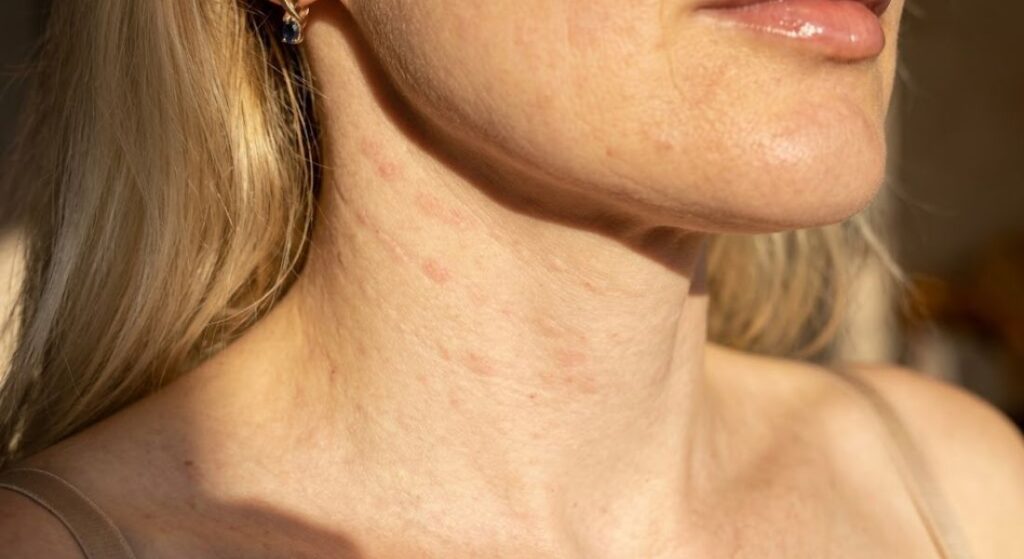
You may not realise how much sun exposure your neck receives over the years. UV rays can damage collagen and elastin, leading to wrinkles, uneven pigmentation, rough texture and reduced skin firmness.
You should make sun protection part of your daily neck skincare routine, just as you do for your face. While sunscreen can’t reverse existing ageing, protecting your neck can help reduce further UV-related damage.
Evidence Note
A systematic review and meta-analysis identified seven notable factors associated with different signs of skin ageing, including age, smoking and sun exposure. This supports the idea that the changes you see in your neck are usually influenced by a combination of natural ageing and environmental exposure.
In other words, there is rarely one single reason why your neck starts to look older.
Does Genetics Affect How Your Neck Ages?
Your genetics can influence how your skin ages and when you start noticing loose or sagging skin. You may even notice similarities between your neck and the way your parents or other relatives have aged.
Your genetics are only one part of the picture. How much sun exposure you have, whether you smoke and how your body composition changes can also influence how your neck looks over time.
Can Weight Loss Cause Loose Skin Around the Neck?
You may notice loose skin around your neck after significant weight loss because the volume beneath your skin has reduced. If your skin has lost some elasticity, it may not fully tighten around the new shape.
How much looseness you notice after weight loss can depend on your age, genetics, skin elasticity and the amount of volume you lose. You should not avoid medically appropriate or healthy weight loss because of concerns about your neck, but you may notice changes in how your skin sits afterwards.
Research Insight
A 2024 systematic review looking at facial and neck changes after massive weight loss found central neck skin laxity among the reported changes. It also found changes in facial fat volume, showing that the appearance you see after major weight loss may involve both your skin and the tissues beneath it.
This does not mean you will automatically develop a loose neck after losing a substantial amount of weight. Your age, genetics, skin elasticity and the amount of weight lost can all influence how your neck responds.
Can Weight Gain Change the Appearance of Your Neck?
You may notice more fullness around your chin and neck when you gain weight, as fat can build up beneath the chin and affect your jawline. Changes in body volume can also affect how your skin sits over the tissues beneath it, although the degree of visible change can vary considerably between people.
If your neck looks fuller, that does not necessarily mean you are overweight. Your genetics, natural anatomy and where your body tends to store fat can all affect how your neck looks.
How Do Repeated Weight Fluctuations Affect the Skin?
Repeated substantial weight changes can alter the volume beneath your neck skin and change how loose or full the area looks. However, evidence specifically showing that weight cycling itself directly causes neck skin laxity is limited.
How your neck changes can also depend on your age, genetics, skin elasticity, sun exposure and the amount of weight gained or lost.
What Happens to the Fat Beneath Your Neck as You Age?
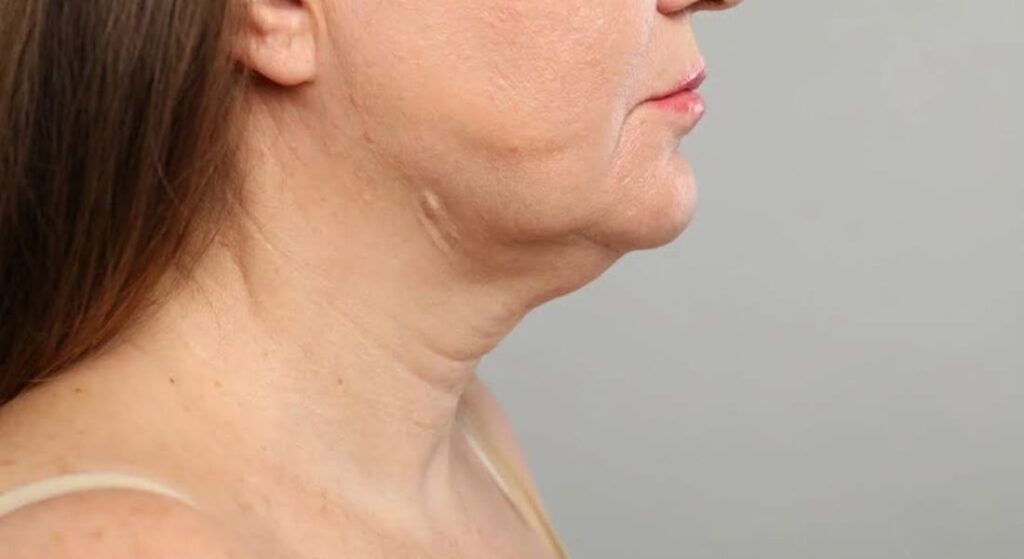
As you age, the fat beneath your neck can shift, decrease or build up in certain areas. You may notice more fullness beneath your chin, which can make your jawline look less defined.
What looks like loose skin is not always coming from your skin alone. Changes in the fat and other tissues underneath can also affect your neck contour, which is why a fuller or less defined neck may have more than one cause.
What Is the Platysma and How Does It Affect Neck Ageing?
The platysma is a thin muscle beneath your neck skin that can become more visible as you age. You may notice vertical bands appearing when you talk, move your neck or make certain facial expressions.
If you notice vertical neck bands, they are not necessarily the same as loose skin, although both can occur together. Understanding what is contributing to your neck changes can help you have a more informed discussion about suitable treatment options.
Clinical Tip
When you notice what looks like a “sagging neck”, more than one change may be involved. Your skin laxity, platysmal bands, fat distribution and the underlying shape of your chin and jaw can all affect how defined your neck looks.
A prospective study involving 77 people found age-related differences in neck skin elasticity, firmness and platysma muscle activity. This helps explain why identifying what is actually changing in your neck matters before you consider treatment.
Does Gravity Cause Sagging Neck Skin?
Gravity can contribute to the appearance of sagging as you age, but it isn’t the only reason your neck changes. As your collagen support, skin elasticity and deeper tissues change with age, you may notice gravity making existing laxity and loss of definition more apparent.
Your natural anatomy matters too. Your jaw shape, underlying support and fat distribution can all influence how defined your neck looks as you age.
Can Smoking Contribute to Premature Skin Ageing?
Smoking can contribute to premature skin ageing by affecting collagen, skin quality and blood circulation. If you already have factors such as sun exposure or natural ageing, smoking may add to visible wrinkles and reduced skin firmness.
If you smoke, stopping benefits your overall health as well as your skin. Quitting will not suddenly tighten existing loose neck skin, but it can help you reduce an important avoidable factor associated with premature skin ageing.
Do Hormonal Changes Influence Neck Skin?
Hormonal changes can affect your skin’s collagen, hydration and elasticity, particularly around and after menopause. You may notice your neck becoming drier, thinner or less firm as these changes develop.
Hormonal changes are only one part of how your neck may age. Your genetics, sun exposure, body composition and changes in deeper tissues can all contribute to the overall appearance of your neck.
Does Looking Down at Your Phone Cause a Sagging Neck?
There is limited evidence that looking down at your phone directly causes loose or sagging neck skin. Repeatedly bending your neck may make existing horizontal creases more noticeable, but natural ageing, UV exposure, genetics and changes in the tissues beneath your skin are much better established causes of neck ageing.
Taking regular screen breaks and adjusting your posture may help with neck comfort, but changing how you hold your phone will not reverse loose skin.
Can You Reduce Further Neck Skin Ageing?
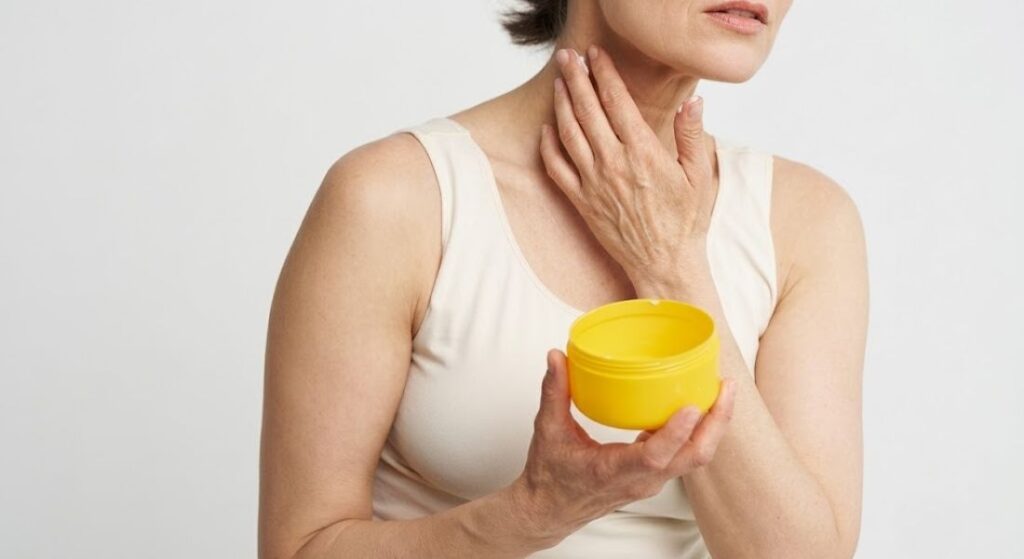
You cannot stop natural ageing or change your genetics, but you can take steps that may help protect your skin from avoidable damage. Using regular sun protection on your neck, avoiding smoking and looking after your general health can all support your skin as you age.
You may also find that keeping your weight relatively stable helps avoid large changes in the volume beneath your neck skin. However, no skincare or lifestyle measure can guarantee that you will not develop loose skin, because your anatomy, genetics and natural ageing also play important roles.
Myth vs Fact
| Myth | Fact |
| Loose neck skin is caused only by getting older. | Ageing is important, but your UV exposure, genetics, smoking, weight changes and deeper tissues can also influence how your neck ages. |
| Neck fullness always means you have loose skin. | Your neck may look fuller because of fat distribution or anatomy, while true skin laxity is a different change. |
| Looking down at your phone is the main cause of a sagging neck. | There is limited evidence that phone posture directly causes sagging neck skin. Natural ageing, UV exposure and changes in the tissues beneath your skin are much better established causes. |
| Significant weight loss always causes a sagging neck. | You may notice more laxity after significant weight loss, but the degree of change depends on factors such as your age, genetics and skin elasticity. |
| Everyone’s neck ages in the same way. | Your skin quality, muscle activity, fat distribution and underlying anatomy are individual to you, so your pattern of ageing can differ from someone else’s. |
Key Takeaways
1. Your neck skin can become looser for several reasons, including natural ageing, changes in collagen and elasticity, your genetics and changes in the tissues beneath your skin.
2. Long-term UV exposure can contribute to collagen and elastic-fibre damage, so protecting your neck from the sun is an important part of reducing further skin damage.
3. If you lose a substantial amount of weight or your fat distribution changes, you may notice more neck laxity, although the amount of change varies from person to person.
4. Platysmal bands, fullness beneath the chin and genuinely loose skin are different changes, even though they can occur together and affect your neck definition.
5. If you smoke, this can contribute to premature skin ageing, while hormonal changes around menopause may also affect your skin’s firmness, hydration and overall quality.
6. A professional assessment can help distinguish between skin laxity, muscle activity, fat distribution and anatomical factors if you are concerned about changes in your neck.
Frequently Asked Questions
1. What causes loose and sagging skin on the neck?
Loose neck skin can result from ageing, collagen and elastin loss, sun exposure, genetics, weight changes and changes in the underlying fat, muscles and supporting structures.
2. Why does neck skin become looser with age?
As you age, collagen and elastin become less effective, reducing your skin’s firmness and elasticity. Changes in deeper tissues can also contribute to sagging and reduced neck definition.
3. Can sun exposure cause loose neck skin?
Yes. Long-term UV exposure can damage collagen and elastic fibres, contributing to wrinkles, rough texture, pigmentation and reduced skin elasticity.
4. Can genetics affect how quickly your neck skin sags?
Yes. Genetics can influence skin structure, elasticity, pigmentation, fat distribution and your natural neck anatomy, which can affect how and when ageing becomes noticeable.
5. Can weight loss cause loose skin around the neck?
Significant weight loss can make loose neck skin more noticeable because the volume beneath the skin decreases. How much the skin contracts afterwards depends on factors such as age, genetics, weight lost and skin elasticity.
6. Can weight gain or repeated weight changes affect neck sagging?
Weight gain can increase fullness beneath your chin, while repeated substantial weight changes can alter how your skin sits over the tissues beneath it. However, evidence that weight cycling itself directly causes neck skin laxity is limited.
7. How does collagen loss affect the appearance of the neck?
Collagen provides structural support for the skin. As collagen production and organisation change with age, the skin can become thinner, less firm and more prone to fine lines and sagging.
8. What is the platysma, and how does it contribute to neck ageing?
The platysma is a thin muscle beneath the skin of the neck. Age-related changes can make it more visible, creating vertical neck bands and contributing to changes in jawline definition.
9. Can smoking and hormonal changes contribute to neck ageing?
Yes. Smoking can contribute to premature skin ageing by affecting processes involved in collagen and skin health. Hormonal changes, particularly around menopause, can also affect skin thickness, hydration and elasticity.
10. Does looking down at your phone cause a sagging neck?
There is limited evidence that looking down at your phone directly causes sagging neck skin. Repeated neck bending may make existing horizontal creases more noticeable, but ageing, UV exposure, genetics and changes in collagen, elastin and deeper tissues are much better established causes.
Final Thoughts: Loose Neck Skin
If you’ve noticed your neck becoming looser or less defined, understanding what is driving those changes can help you make sense of what you are seeing. Ageing, changes in collagen and elastin, sun exposure, genetics, weight changes and the tissues beneath your skin can all play a part.
You cannot prevent every age-related change, but protecting your neck from the sun, avoiding smoking and looking after your general health can support your skin over time. If the changes concern you, a qualified healthcare professional can help you understand what may be contributing and discuss suitable options.
References:
1. Wong, Q.Y.A. and Chew, F.T. (2021) ‘Defining skin aging and its risk factors: a systematic review and meta-analysis’, Scientific Reports, 11(1), 22075. Available at: https://pubmed.ncbi.nlm.nih.gov/34764376/
2. Jafar, A.B., Jacob, J., Kao, W.K. and Ho, T. (2024) ‘Soft tissue facial changes following massive weight loss secondary to medical and surgical bariatric interventions: A systematic review’, Aesthetic Surgery Journal Open Forum, 6, ojae069. Available at: https://academic.oup.com/asjopenforum/article/doi/10.1093/asjof/ojae069/7739023
3. Engerer, N. et al. (2022) ‘Aging of the neck decoded: New insights for minimally invasive treatments’, Aesthetic Plastic Surgery, 46(4), pp. 1698–1705. Available at: https://pubmed.ncbi.nlm.nih.gov/35701594/
4. Ricardo, D.P., Jalali, A. and Yi, K.-H. (2026) ‘Nonsurgical aesthetic improvement of the neck: A multimodal, experience-based algorithmic approach’, Journal of Cosmetic Dermatology, 25(7), e71012. Available at: https://pmc.ncbi.nlm.nih.gov/articles/PMC13332342/
5. Viscomi, B., Muniz, M. and Sattler, S. (2025) ‘Managing menopausal skin changes: A narrative review of skin quality changes, their aesthetic impact, and the actual role of hormone replacement therapy in improvement’, Journal of Cosmetic Dermatology, 24(Suppl4), e70393. Available at: https://pmc.ncbi.nlm.nih.gov/articles/PMC12374573/