



If you’re considering Lanluma treatment, one of the first questions that naturally comes to mind is how long the results will last. As a collagen stimulator, Lanluma works very differently from traditional fillers that simply add volume. The changes develop gradually rather than immediately, as your body begins to produce new collagen. This slower process can sometimes make the results feel harder to predict at first. Knowing what happens beneath the skin helps you understand the timeline more clearly.
Lanluma is designed to work with your body rather than against it, encouraging natural collagen regeneration over time. This is why the results tend to look subtle, natural, and long-lasting. Depending on the area treated, improvements can continue to develop for several months after your sessions. Areas such as the buttocks, hips, arms, or décolletage may respond slightly differently. Understanding these differences helps you know what to expect from your treatment journey.
Understanding What Makes Lanluma Different
Lanluma is a collagen-stimulating injectable made using poly-L-lactic acid (PLLA), a biostimulatory ingredient that has been safely used in medical treatments for decades. Unlike traditional dermal fillers, it does not create instant volume. Instead, it works by encouraging your body to produce its own collagen over time.
Once injected, the PLLA particles trigger your body’s natural healing response. This process activates fibroblasts, which are responsible for producing collagen. Because of this, results do not appear immediately but develop gradually as new collagen forms in the treated area.
As the collagen continues to build and mature, the treated area becomes smoother, firmer, and more contoured. The changes appear subtle and natural rather than overfilled. This gradual progression is a key reason many people prefer Lanluma over instant-volume treatments.
How Collagen Stimulation Works Overtime
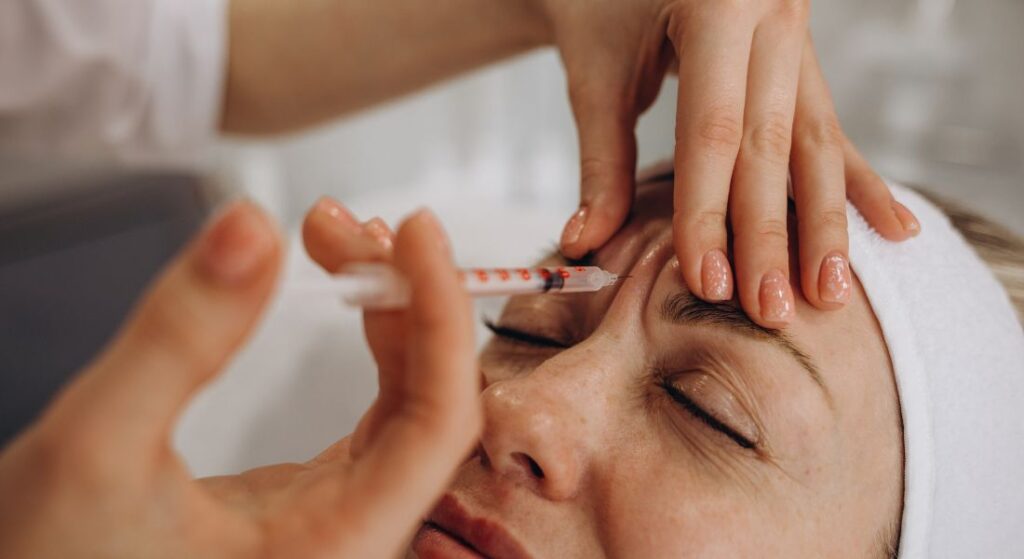
When Lanluma is injected, the PLLA particles begin stimulating collagen production in the surrounding tissue. However, collagen development does not happen instantly. It is a gradual, multi-stage biological process that unfolds over several months.
Immediately after treatment, any fullness you notice is usually due to the sterile water used to dilute the product. This initial plumpness settles within a few days and should not be mistaken for the final result. The true transformation happens later, as your body slowly produces new collagen around the PLLA particles.
You can think of the timeline like this:
Weeks 1–4: Your body enters the inflammatory phase, where fibroblasts (collagen-producing cells) are activated. Changes are subtle and mostly happening beneath the surface.
Weeks 4–12: Collagen production increases steadily. You may start to notice gradual improvements in firmness, texture, and early volume restoration.
Months 3–6: Newly formed collagen begins to mature and strengthen. This is when definition improves and treated areas start to feel more resilient and supported.
Months 6–12: Results stabilise, revealing the full effect of treatment. Skin appears firmer, smoother, and more structured, while still looking natural.
Years 1–2: Collagen remains relatively stable before slowly softening over time as part of the natural ageing process.
Lanluma delivers subtle, natural-looking results because it relies on your body’s own collagen-building mechanisms rather than instant volume. This is also why longevity varies between individuals your collagen response is unique to you, influenced by age, lifestyle, and overall skin health.
So How Long Do Lanluma Results Actually Last?
For most people, Lanluma results last around two years, with many patients enjoying visible benefits for even longer. Longevity varies because Lanluma works by stimulating your own collagen, and collagen behaviour differs from person to person.
How long results last depends on several factors, including your natural collagen metabolism, the area treated, the volume used, and whether results are maintained over time.
Typical longevity looks like this:
1. Body treatments: around 18–36 months: Larger body areas tend to hold results longer because collagen stimulation is spread across a wider surface. Once established, this new collagen provides sustained firmness and improved skin quality over time.
2. Face or smaller areas: approximately 12–24 months: Facial areas are more dynamic and subject to constant movement, which can affect how long results last. Even so, improvements remain natural-looking and can be maintained with occasional top-ups.
3. Buttocks and hips: often 2 years or more: These areas respond particularly well to collagen stimulation due to their thicker tissue structure. Many patients find results remain stable for longer with minimal maintenance.
4. Décolletage, arms, and thighs: usually 1.5–2.5 years: These regions often show visible improvements in skin texture and firmness as collagen rebuilds. Longevity can vary depending on sun exposure, skin quality, and lifestyle factors.
5. Cellulite smoothing: typically 1–2 years: Collagen helps support the skin structure and reduce the appearance of dimpling. Maintenance treatments may be recommended as natural collagen breakdown continues over time.
However, because collagen production varies by age, genetics, and lifestyle, your personal timeline may differ. Factors such as smoking, sun exposure, weight fluctuations, and intense physical training can influence how long your results last.
Longevity by Area: What You Can Expect Specifically

One of the most common questions patients ask is whether longevity varies by area of the body. The answer is yes. Each area behaves differently based on how much movement, pressure, or tissue support exists there.
Here’s what you can expect:
1. Buttocks: The buttocks are one of the most popular areas for Lanluma treatment because the results appear natural and subtle. Most patients experience results lasting 2–3 years, especially after completing a full treatment plan.
2. Hips and Hip Dips: Hip dips respond well to Lanluma because collagen provides smooth, natural contour. Longevity in this area typically ranges from 18–30 months.
If your hip dips are deep or structural, you may need additional sessions for long-lasting results.
3. Thighs (Front, Back, or Outer): For thigh contouring, volume enhancement, or cellulite smoothing, Lanluma usually lasts 1.5–2.5 years. Collagen softens dimples, thickens the skin, and improves texture.
4. Arms: The arms tend to show ageing earlier due to thin skin and reduced elasticity. Lanluma helps firm and thicken the area, with results lasting around 18–24 months.
5. Abdomen: Lanluma can help with skin laxity or post-pregnancy texture changes. Results typically last 1.5–2 years, depending on lifestyle and weight changes.
6. Décolletage: The chest area often has thinner skin, and sun exposure can weaken collagen faster. Results usually last 12–18 months, although some people experience longer-lasting improvement.
7. Face: While Lanluma is widely used on the body, some practitioners also use PLLA for facial volume. Facial collagen tends to break down faster due to movement and expression, so results typically last 1–2 years.
These ranges are general guidelines, but they show you how different areas respond differently based on their anatomy.
Why Some People Experience Longer Longevity Than Others
Lanluma results can vary from person to person because collagen production is influenced by both biological and lifestyle factors. While the treatment process is the same for everyone, the way your body builds and maintains collagen plays a major role in how long the results last.
People with strong natural collagen production often notice longer-lasting results. Avoiding smoking, protecting the skin from UV exposure, maintaining a stable weight, managing stress, and having no ongoing inflammatory conditions all help preserve the collagen created by the treatment.
In contrast, certain habits and lifestyle changes can cause results to fade more quickly. Significant weight loss, high-intensity workouts that lead to rapid fat reduction, frequent sun exposure, smoking or vaping, and a faster collagen turnover can all reduce longevity.
Understanding these influences allows you to take better care of your results over time. With the right lifestyle choices, you can support collagen health and help your Lanluma treatment deliver longer-lasting, natural-looking improvements.
How Many Sessions Impact Longevity
Lanluma is a progressive treatment, which means the number of sessions you complete has a direct impact on how long your results last. Each session builds on the previous one, allowing collagen production to increase and strengthen over time.
With just one session, you may notice visible improvement, but the longevity is usually shorter. This is because collagen stimulation is limited, and the collagen framework does not have enough time to fully develop and stabilise.
Completing two or more sessions typically leads to much longer-lasting results. A structured treatment plan allows the collagen network to mature properly, resulting in more noticeable and durable improvements.
Most practitioners recommend two to three sessions for buttock enhancement, two sessions for hip dips, and one to two sessions for areas such as the thighs, arms, or décolletage. Spacing sessions several weeks apart gives collagen time to build layer by layer, helping results last significantly longer.
When Should You Have a Maintenance Session?
Although Lanluma results can last for several years, many people choose to maintain their results proactively. Maintenance sessions are not essential, but they can help slow the natural decline of collagen over time and preserve the improvements for longer.
Most patients consider a maintenance session around 12 to 18 months after body treatments. For smaller areas, such as the décolletage or face, maintenance is often recommended slightly sooner, typically between 9 and 12 months.
It’s important to note that maintenance does not mean starting again from scratch. These sessions are designed to refresh collagen production and help maintain the shape, firmness, and smoothness already achieved.
When treatment is carried out by an experienced practitioner, your maintenance plan can be tailored to your individual needs. Factors such as your treatment area, metabolism, and long-term goals all play a role in deciding the ideal timing.
What Happens as Lanluma Fades?
One of the key benefits of Lanluma is that the results fade gradually and naturally over time. There is no sudden loss of volume or abrupt change in appearance. Instead, the collagen that was stimulated by the treatment slowly softens over months or even years.
Most people experience this as a very subtle transition back towards their baseline shape. If your weight and general health remain stable, the change is usually minimal rather than noticeable. Because the process is so gradual, many patients choose maintenance treatment before visible fading occurs.
Does the Body “Use Up” the Collagen?
A common question is whether the collagen created by Lanluma gets “used up” or removed quickly by the body. The collagen stimulated by Lanluma is real, structural collagen, the same type your body produces naturally throughout life. It strengthens the skin, improves elasticity, and increases overall thickness rather than acting as a temporary filler.
Your body does not break this collagen down suddenly. Instead, it is remodelled and degraded slowly over time as part of the normal ageing process. This gradual breakdown is why Lanluma results fade subtly rather than disappearing all at once.
The rate at which collagen breaks down varies between individuals and is influenced by factors such as:
1. Lifestyle – Smoking, poor nutrition, and ongoing stress can all reduce collagen production and speed up its natural breakdown.
2. Genetics – Your genetic makeup influences how quickly your body produces and degrades collagen over time.
3. Hormonal balance – Hormonal shifts can affect skin thickness and elasticity, altering how long collagen support lasts.
4. UV exposure – Excess sun exposure breaks down collagen fibres and weakens the skin’s structural framework.
5. Inflammation – Ongoing inflammation can interfere with healthy collagen formation and stability.
6. Weight fluctuations – Rapid weight gain or loss can stretch the skin and reduce the effectiveness of collagen support.
Because the collagen produced is biologically normal tissue, Lanluma results behave far more naturally than traditional fillers. This is why the improvements feel integrated into the skin and age gradually with you, rather than looking artificial or abrupt as they fade.
Why Gradual Results Improve Longevity
Lanluma’s gradual development is actually an advantage for longevity. The collagen fibres created over weeks and months form an organised network that gives strong, stable structural support.
Immediate fillers often dissolve or redistribute more quickly because they sit within the tissue rather than becoming part of it. Lanluma’s collagen becomes integrated with your natural structure, offering support that feels stable and enduring.
The slow build also allows your body to adapt more naturally, meaning results often last longer than typical hyaluronic acid fillers.
How to Make Your Lanluma Results Last Longer
There are several simple steps you can take to help your Lanluma results last as long as possible. Because the treatment relies on your body’s collagen, protecting and supporting that collagen is key to maintaining visible improvements.
Sun protection is essential, as UV exposure accelerates collagen breakdown. Avoiding smoking, staying well hydrated, eating a balanced diet, and keeping your weight stable all help preserve the collagen structure created by your treatment. These habits support skin strength, elasticity, and long-term firmness.
It’s also important to follow your practitioner’s post-treatment instructions carefully. Proper aftercare supports healing and allows collagen to develop evenly. Together, these lifestyle choices can make a noticeable difference in how long your Lanluma results remain visible.
Why Some Areas Respond More Dramatically Than Others
Collagen behaves differently depending on the structure of the tissue it’s supporting. Areas like the buttocks or thighs have significant tissue mass, so collagen adds volume and improves shape for a long time. Areas like the décolletage or upper arms have thinner skin and less volume, so the collagen network may not stay robust for as many years. This doesn’t mean the treatment is less effective; it simply reflects anatomical differences.
Are Lanluma Results Permanent?
Lanluma does not offer permanent results. No collagen stimulant is permanent because your body continually remodels tissue over time. However, the improvements are long-lasting and can span several years with good lifestyle habits. Many patients find that Lanluma results last significantly longer than traditional dermal fillers, making it a very cost-effective and natural-looking treatment option.
How Long Until You See Your Final Results?
Most people begin to notice subtle changes around four to six weeks after treatment, as collagen production starts to increase. Volume continues to build gradually over the following three to four months, creating smoother, firmer, and more contoured results.
The final outcome is usually visible at around six months, once the collagen has fully matured and stabilised. Understanding this timeline can help you plan treatment around special events, holidays, or longer-term body transformation goals with realistic expectations.
Does Age Influence Longevity?
Age does play a role, but not always in the way people expect. Younger patients often produce collagen more quickly, but they also tend to break it down at a faster rate. Older patients, on the other hand, usually produce collagen more slowly, yet they may retain it for longer.
As a result, longevity can be surprisingly balanced across different age groups. In many cases, lifestyle factors such as sun exposure, smoking, stress, and overall health have a greater influence on how long results last than age alone.
FAQs:
1. How long does it take to see results from Lanluma?
Most patients start noticing subtle changes about four to six weeks after treatment, as the body begins producing new collagen. Full results usually take around three to six months to appear, once the collagen has matured and the treated areas show firmer, smoother contours. The gradual nature of these changes is why Lanluma results feel very natural, rather than the immediate plumpness you might see with traditional fillers.
2. Are Lanluma results permanent?
Lanluma is not permanent because your body continually remodels collagen as part of the natural ageing process. However, the results can last significantly longer than traditional dermal fillers, often spanning one to three years depending on the treatment area and individual factors. With good lifestyle habits, the improvements can be maintained for years and even enhanced with occasional maintenance sessions.
3. Does the number of sessions affect how long results last?
Yes. Lanluma is a progressive treatment, and completing multiple sessions typically extends the longevity of results. Each session builds on the previous one, allowing collagen to mature more fully and giving the treated area firmer, longer-lasting improvements. Skipping sessions or doing only one may limit both the visible results and their duration.
4. Which body areas respond best to Lanluma?
Areas with thicker tissue, such as the buttocks and hips, tend to respond most dramatically and maintain results longer because collagen stimulation occurs across a larger volume of tissue. Thinner areas like the décolletage, upper arms, or face also improve in texture and firmness, but the collagen network may not stay as robust due to less tissue support. Understanding these differences helps set realistic expectations for each area of treatment.
5. How does age influence Lanluma results?
Age can affect collagen production, but not always in an obvious way. Younger patients may produce collagen more quickly but also break it down faster, while older patients generate collagen more slowly yet often retain it longer. Because of this balance, the overall longevity of results can be surprisingly consistent across age groups, and lifestyle factors often play a more important role than age alone.
6. Can lifestyle choices impact the longevity of Lanluma?
Absolutely. Sun exposure, smoking, weight fluctuations, poor nutrition, and overall skin health can all influence how long results last. Maintaining a balanced diet, staying hydrated, protecting skin from UV damage, and avoiding smoking can help preserve the collagen stimulated by Lanluma. Regular exercise and managing stress also contribute to maintaining skin quality and firmness over time.
7. Will my results fade suddenly or gradually?
Lanluma results fade gradually over time because the collagen created integrates naturally with your tissue. Any decrease in volume or firmness happens subtly rather than abruptly, giving a smooth transition back toward your baseline appearance. This slow fading is one reason many patients prefer Lanluma, as it avoids the sudden “deflation” effect sometimes seen with temporary fillers.
8. Is maintenance treatment necessary?
Maintenance is optional but recommended for longer-lasting results. Most patients consider a touch-up 12–18 months after body treatments, or slightly sooner for smaller areas such as the décolletage or face. These sessions help refresh collagen production and preserve the improvements already achieved without starting the process over from scratch. Your practitioner can tailor the schedule to your specific needs and treatment goals.
9. Can collagen stimulated by Lanluma be “used up”?
No. The collagen generated by Lanluma is the same structural collagen your body naturally produces. It strengthens the skin and supports tissue over time rather than acting as a temporary filler. The breakdown happens slowly as part of the normal ageing process, which is why results feel integrated and age gracefully along with your natural tissue.
10. How long does collagen continue to develop after treatment?
Collagen continues building for several months after your final session. Initial fullness from dilution fluid settles within days, but the true transformation occurs gradually as new collagen matures, improving firmness, texture, and contour over a period of three to six months. In some cases, results can stabilise for up to two years or more depending on the treated area, and lifestyle choices can further influence the duration and quality of these results.
Final Thought: Lanluma Longevity
Lanluma offers a subtle, natural, and long-lasting way to enhance body contours by stimulating your own collagen. Results develop gradually, integrate seamlessly with your tissue, and can last for several years depending on the area treated and your lifestyle habits. To maintain and optimise your outcomes, following post-treatment care and considering maintenance sessions can make a significant difference.
If you’re considering Lanluma treatment in London, you can contact us at the London Medical & Aesthetic Clinic to discuss your options and create a personalised treatment plan tailored to your goals.
References:
1. Sidle, D.A. et al. (2025) Efficacy, Durability, and Safety of Collagen Biostimulators Based on Poly‑L‑Lactic Acid (PLLA) and Calcium Hydroxyapatite (CaHA) in the Face: A Systematic Review. https://pubmed.ncbi.nlm.nih.gov/41184662/
2. Monheit, G.D. and Coleman, K.D. (2024) Efficacy and Safety of Poly‑L‑Lactic Acid in Facial Aesthetics: A Systematic Review. https://www.mdpi.com/2073-4360/16/18/2564
3. Klein, A.W., Carruthers, J.D. and Roberts, S. (2011) Investigator Global Evaluations of Efficacy of Injectable Poly‑L‑Lactic Acid Versus Human Collagen in the Correction of Nasolabial Fold Wrinkles. Aesthetic Surgery Journal, 31(5), pp. 521–529. https://academic.oup.com/asj/article-abstract/31/5/521/2802496
4. Rohrich, R.J. and Pessa, J.E. (2025) Poly‑L‑Lactic Acid in Aesthetic Dermatology: A Decade Beyond Volume Restoration Toward Regenerative Biostimulation. https://academic.oup.com/asj/article-abstract/45/10/1065/8171359
5. Sundaram, H. et al. (2024) Safety and Effectiveness Results of an Innovative Injectable Poly‑L‑Lactic Acid‑Based Collagen Stimulator (Lanluma®): Clinical Outcomes at 9 Months in a Post‑Market Study. https://pubmed.ncbi.nlm.nih.gov/39228358/