

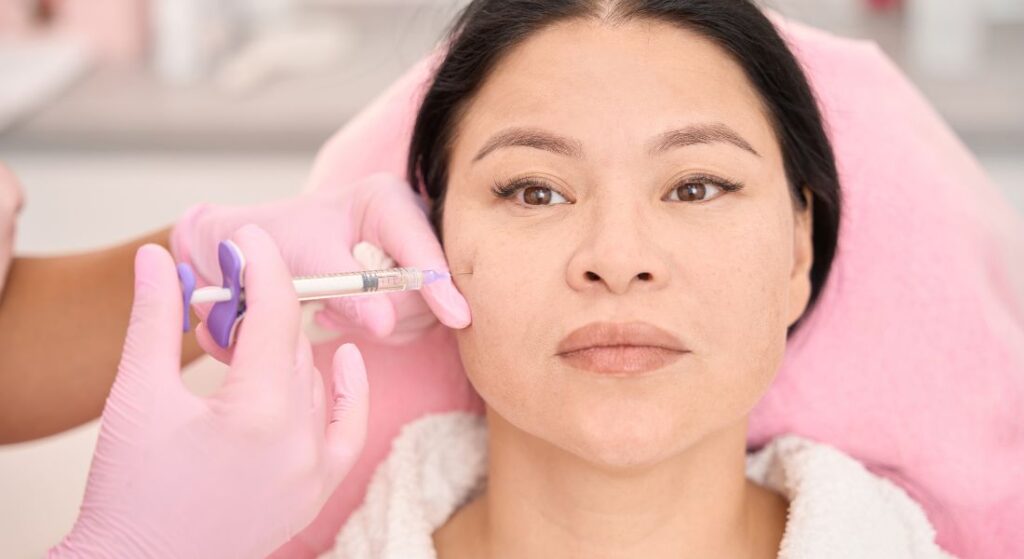
If you’ve used Sculptra before or you’re just beginning to explore it, you’ve probably wondered what happens when you eventually stop your treatments. You might have heard different opinions some saying the results stay for years, others saying they fade quickly, and even some people claiming you’ll look older than before. It’s completely normal to feel unsure, especially because Sculptra works very differently from typical fillers.
Unlike hyaluronic acid fillers, which fade when the product dissolves, Sculptra builds your own collagen. That makes the question of “what happens if I stop?” slightly more complex. You’re not losing a product; you’re losing the stimulation that helped you create new collagen. But how long does that collagen last? Does your face return to exactly how it was? Does it age faster, or does it simply age normally?
Understanding How Sculptra Works Before Thinking About Stopping
Sculptra is not a filler. It does not sit in your skin to create volume. Instead, it uses poly-L-lactic acid (PLLA) to stimulate your fibroblasts the cells responsible for producing collagen.
When Sculptra is injected, the PLLA particles trigger a controlled inflammatory response. This encourages your skin to gradually produce new strands of collagen over the following months. These collagen fibres provide structure, lift, and improved texture. The PLLA itself is metabolised by your body, leaving behind the collagen your skin has built.
This difference is important because it means your results are made of you, not the product. Once the PLLA has dissolved, only your natural collagen remains.
This is crucial to understand because it shapes what happens when you stop. You’re not losing filler; you’re simply no longer stimulating new collagen. The collagen you’ve already built stays until your body naturally breaks it down through the normal ageing process.
How Long Collagen From Sculptra Actually Lasts
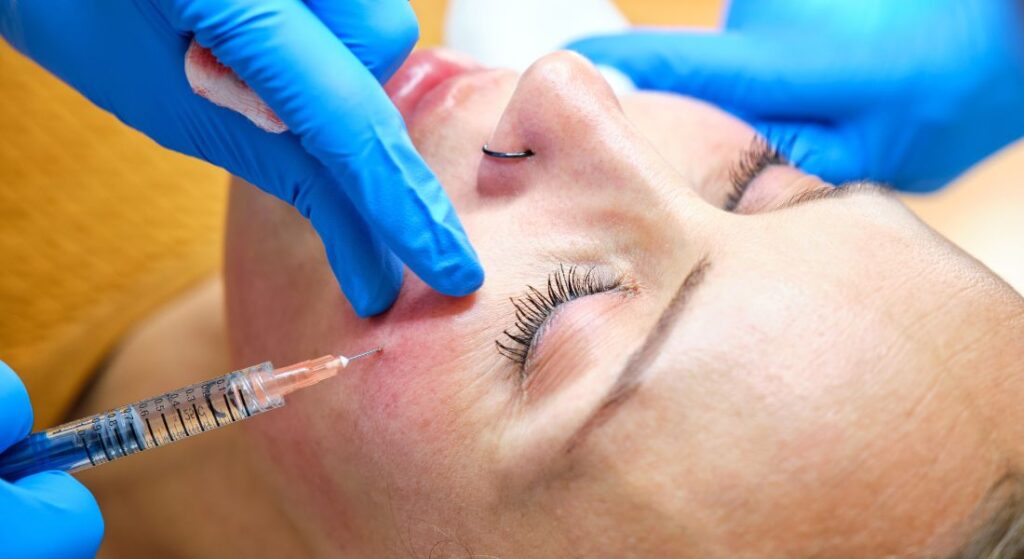
Collagen created through Sculptra is real collagen, so it behaves exactly the same way your natural collagen behaves. It strengthens your skin, improves elasticity, smooths contours, and enhances facial support.
Natural collagen has a lifecycle. It doesn’t last forever. On average, collagen lasts between 18 months and 2 years, sometimes longer depending on your genetics, lifestyle, and skincare routine. If you’ve built a strong foundation through several Sculptra sessions, you may find that your results remain visible for years even without maintenance.
This longevity explains why stopping Sculptra doesn’t lead to sudden changes. Your collagen fades slowly, in the same way it would naturally as part of normal ageing. You won’t wake up one morning looking dramatically different. The process is gradual and predictable.
Does Your Face Go Back to the Way It Looked Before?
This is one of the most common questions patients ask, and the honest answer is not exactly.
Your face does not suddenly “snap back” to how it looked before treatment. Instead, the collagen stimulated by Sculptra gradually decreases over time. Many people continue to see subtle benefits even three to four years after stopping treatment, particularly if they have completed multiple sessions. It is more accurate to think of the process as slowly returning to your natural ageing pathway rather than an abrupt reversal.
Over time, you may gradually notice:
Slight softening of facial contours – Definition reduces gently rather than disappearing suddenly.
Reduced firmness – The skin may feel less dense as collagen levels slowly decline.
Gradual loss of lift in the cheeks or jawline – These changes tend to occur evenly and progressively.
A subtle return of hollowness – Especially in areas that were affected by weight loss or natural ageing.
A general decrease in skin elasticity – Movement and texture change slowly as collagen support lessens.
Importantly, these changes happen gradually, not abruptly. Many patients feel that even years later, they still look better than they would have if they had never had Sculptra at all.
Do You Age Faster If You Stop Sculptra? Absolutely Not
Some people worry they’ll look older if they discontinue treatment, but this is a myth. Sculptra does not stretch your skin, thin your tissues, or create reliance. It simply encourages your body to produce more collagen.
If you stop, your skin continues ageing naturally. You won’t age faster. If anything, you’ve given your skin a head start by improving its collagen levels during the years you were treating it. Stopping Sculptra is more like pausing your gym routine. You don’t suddenly become unfit overnight; your muscles simply start to soften slowly. Your collagen behaves in the same way.
What Happens in the Months After You Stop Sculptra?

In the first few months after stopping Sculptra, there is usually no visible change at all. The collagen you have built is mature, well organised, and fully integrated into your skin. For most people, results remain stable for 12–24 months, and sometimes longer, depending on how much collagen was produced and individual ageing factors.
During this phase, many people notice:
1. Skin continues to feel strong and well supported: The collagen framework remains intact, giving the skin a firm, resilient feel rather than a soft or deflated one.
2. Facial contours stay defined and balanced: Areas such as the cheeks, jawline, and temples retain their shape without looking overfilled or artificial.
3. Lines and folds remain softened: Fine lines do not suddenly return, as collagen support continues to cushion the skin from within.
4. Skin texture stays smoother and more even: Many people report ongoing improvements in skin quality, including better tone and surface smoothness.
Importantly, there is no sudden drop in volume and no “product fade”, because Sculptra itself has already been absorbed by the body. What remains is your own collagen, which behaves just like natural tissue.
Over time, collagen levels will slowly reduce as part of the normal ageing process not because the treatment has stopped working, but because the body naturally breaks down collagen. This means changes occur gradually, often so subtly that patients only notice them when comparing photos taken years apart.
What Happens One to Two Years After Stopping Sculptra?
This is the stage where collagen begins its natural, gradual decline. Your results do not disappear suddenly; they simply become less pronounced over time. The volume and firmness that Sculptra helped you build reduce slowly, in line with the normal ageing process.
At this point, you may start to notice:
– Softening of the cheek contours: Definition reduces gently, rather than collapsing or dropping suddenly.
– A slight return of hollowing in the temples: This tends to happen gradually and remains subtle.
– Mild decrease in jawline definition: Edges appear a little softer, but overall facial balance is usually maintained.
– Less springiness in the skin: Skin may feel slightly less dense or resilient when touched.
– Fine lines slowly beginning to return: These changes appear progressively rather than all at once.
For most people, these changes are very subtle and often only noticeable when comparing photographs taken months or years apart. Because the shift is slow and even, patients typically feel comfortable and natural throughout this phase, with no abrupt changes in appearance.
What Happens Three to Four Years After Stopping?
By this stage, most of the collagen you built through Sculptra has completed its natural lifespan. You won’t look worse than before. You simply return to your natural ageing pattern.
Based on your genetics, lifestyle, sun exposure, and skincare habits, you may feel that certain areas need support again. But there is no structural damage or accelerated ageing. In fact, many people still look better than their pre-Sculptra baseline because the long-term foundation made their skin healthier overall.
Does Stopping Sculptra Make You Look Worse Than Before? No.
This is a rumour that often stems from confusion with filler treatments. Some fillers can make the skin appear deflated when they dissolve quickly, especially if too much was used. Sculptra is completely different.
Because Sculptra builds your collagen gradually, the fading also happens gradually. Your skin doesn’t lose anything suddenly. It simply returns to the natural ageing process.
You will never look worse because you stopped. You may just begin to see the signs of collagen decline again, the same way everyone does over time.
Does Your Skin Sag If You Stop Sculptra? Not Directly
Many people worry that stopping Sculptra will make their skin sag faster. The truth is that stopping treatment does not cause sagging. Skin sagging occurs naturally as collagen and elastin break down with age, and Sculptra works by supplementing your collagen reserves to slow this process.
When you stop treatment:
– Your collagen gradually declines: The extra support from Sculptra slowly reduces over time, following the body’s natural breakdown of collagen.
– Your skin continues to age at its normal pace: Sculptra does not change the underlying ageing process; it simply helps your skin age more gracefully while active.
– Sagging does not accelerate: There is no rebound effect or sudden drooping caused by stopping treatment.
In other words, ageing causes sagging, not stopping Sculptra. While on treatment, Sculptra temporarily delays visible signs of ageing. Once you stop, this delay simply ends, and your skin continues to follow its natural ageing pathway.
Does Your Skin Become Dependent on Sculptra?
No, Sculptra does not create any dependency. You don’t need it to maintain your skin, and skipping treatments won’t cause any sudden deterioration or “rebound” effect. Many patients worry that stopping Sculptra might make their skin sag faster, but this is not the case. Your skin simply continues ageing at its natural pace.
When you use Sculptra, it gradually stimulates collagen production, which helps slow visible signs of ageing. Over time, this can improve skin thickness, firmness, and overall texture, giving a more youthful, resilient appearance. Unlike some treatments that provide immediate but temporary results, Sculptra works gradually, supporting your skin’s structure over months.
Without Sculptra, your skin continues ageing naturally. There is no crash or reversal of benefits once treatment is paused. Your collagen levels may decline as part of normal ageing, but the progress you’ve made doesn’t suddenly disappear.
Can You Restart Sculptra After Stopping?
Absolutely. One of the biggest advantages of Sculptra is its flexibility you can pause and resume treatments at any time without penalty. Stopping doesn’t reduce its effectiveness, and your skin will respond just as it did during your initial sessions.
Many people choose to restart Sculptra after two to four years, following a major life change, after noticing new hollowing, after weight loss, or in preparation for an important event or milestone. The timing is entirely personal and based on your goals.
Restarting Sculptra simply begins a new cycle of collagen production, gradually restoring volume and improving skin texture. Because it works with your body’s natural processes, results are always additive and natural-looking.
How Your Practitioner Adjusts Your Plan After a Break
If you return for Sculptra after taking a break, your practitioner won’t simply continue where you left off. Even subtle changes in your face due to natural ageing or shifts in weight mean that your treatment plan must be reassessed and personalised.
Your practitioner may:
– Re-assess your facial volume: Understanding how much support remains and which areas need attention.
– Re-measure areas of hollowing: Identifying regions where loss of fat or collagen has created subtle dips or contours.
– Analyse changes in the mid-face and jawline: Ensuring that overall balance and harmony are maintained.
– Evaluate elasticity and skin thickness: Skin that has thinned or lost resilience may require a modified injection strategy.
– Determine how much collagen support you need now: Tailoring the plan to achieve natural, smooth, and lasting results.
Because Sculptra works cumulatively, restarting treatment is often easier than the initial round. Your skin “remembers” previous collagen stimulation, and many patients find they require fewer sessions than before to restore or enhance their results.
Does Stopping Sculptra Affect Future Anti-Ageing Treatments?
Absolutely not. Stopping Sculptra does not limit your options for future anti-ageing treatments. In fact, the collagen foundation you have built with Sculptra can sometimes enhance the results of other procedures, making them more effective and natural-looking.
Even after stopping, you can safely use a wide range of treatments, including:
Dermal fillers: For targeted volume restoration in specific areas, complementing the structural support Sculptra provided.
Skin boosters: To improve hydration, texture, and radiance, working well alongside the collagen framework already established.
Anti-wrinkle injections: Smooth dynamic lines without interference from previous Sculptra treatment.
Radiofrequency or ultrasound tightening: Non-invasive skin-lifting technologies remain fully compatible and can enhance firmness.
Chemical peels and laser rejuvenation: Surface treatments that improve tone, texture, and pigmentation continue to be effective.
Your skin is not altered in a way that restricts future choices. Stopping Sculptra simply pauses collagen stimulation it does not limit the treatments you can pursue later.
What Happens If You Stop Sculptra After Only One Session?
If you stop Sculptra after just one session, you simply won’t get the full results. Most patients need two to three sessions to build a strong collagen foundation and achieve the gradual, natural improvement Sculptra is known for.
After a single treatment, you may notice a mild enhancement in skin texture or subtle volume, but it won’t provide the complete transformation of a full course. Your initial collagen boost will still persist for several months, offering some benefit.
Importantly, there are no negative effects from stopping early. The only consequence is that the results will be less pronounced than if you had completed the recommended number of sessions. You can always resume treatment later to continue building collagen and achieve the fuller outcome you desire.
What Happens If You Stop After a Few Sessions?
If you’ve completed two or three sessions, you’ve already built a solid collagen foundation. Stopping at this point doesn’t undo your progress; it just means your results will gradually fade over time rather than continue to improve.
Even without further treatment, most people retain noticeable benefits for years. Your skin will continue to look fresher, firmer, and more defined than before you started Sculptra.
The gradual nature of Sculptra ensures that the changes are subtle and natural, so your appearance doesn’t suddenly revert. In essence, completing a partial course still gives you lasting, visible improvements. You can always restart treatment later if you wish to refresh or enhance your results, making Sculptra a flexible option for long-term facial rejuvenation.
How Lifestyle Influences What Happens After You Stop Sculptra
Your lifestyle plays a significant role in how long your Sculptra results last. Even after stopping treatment, maintaining healthy habits can support the collagen you’ve built and help your skin age more gracefully.
Good habits that can prolong your results include:
Daily use of SPF: Protects against UV damage, which breaks down collagen and accelerates ageing.
Topical retinoids: Encourage natural collagen production and improve skin texture over time.
Antioxidant-rich skincare: Products containing vitamins C or E help neutralise free radicals and support skin health.
Adequate sleep: Allows your body to repair and regenerate collagen naturally.
Healthy diet: A nutrient-rich diet with protein, healthy fats, and vitamins supports skin structure from within.
Limited alcohol consumption: Excessive alcohol can dehydrate skin and impair collagen quality.
Avoiding smoking: Smoking accelerates collagen breakdown and reduces skin elasticity.
Gentle skincare routine: Minimises irritation and preserves the integrity of your skin barrier, helping collagen stay healthy.
While these habits cannot replace Sculptra, they help maintain and extend the improvements achieved through treatment, supporting a more youthful, resilient appearance over time.
What If You Stop Because of Pregnancy or Breastfeeding?
Many people choose to pause all cosmetic treatments while pregnant or breastfeeding. Although Sculptra is not considered harmful, it is not recommended during these periods as a precaution.
If you stop for pregnancy or breastfeeding, any collagen already stimulated by previous sessions remains intact. Your skin will continue to age at its natural pace, without any sudden changes or reversals.
Once it’s safe to resume, you can continue your Sculptra treatments just as before. Pausing during this time has no negative impact on your results or long-term benefits. This flexibility makes Sculptra a convenient option for those planning pregnancy or nursing, allowing you to maintain your treatment schedule around life events.
Does Stopping Sculptra Affect Facial Asymmetry?
If Sculptra helped balance asymmetry, stopping may allow very subtle differences to return over time. But because collagen declines gradually, you won’t suddenly lose the symmetry you gained. If symmetry becomes a concern again, you can easily refresh treatment later. Many people find they only need one maintenance session to restore balance.
FAQs:
1. Can I stop Sculptra anytime without consequences?
Yes, you can pause or stop Sculptra at any point. There are no negative side effects from discontinuing, and your skin will continue to age naturally. The only difference is that you will no longer stimulate new collagen, so the gradual improvements you were building will eventually plateau and slowly diminish over time, following the normal ageing process.
2. Will my face look worse than before if I stop Sculptra?
No, stopping Sculptra will not make your face appear worse than it did prior to treatment. The collagen that has already been produced remains in place and continues to provide support. Over time, your skin will age at its normal rate, and the benefits you gained may persist for years even without further sessions.
3. Does stopping Sculptra accelerate ageing?
Absolutely not. Sculptra does not create dependence or accelerate the ageing process. Your skin continues to follow its natural ageing pathway, and any changes you see after stopping are part of the usual, gradual loss of collagen that everyone experiences over time.
4. How long do results last after stopping?
The collagen generated by Sculptra remains in your skin and can last between 18 months to two years on average, sometimes longer depending on genetics, lifestyle, and skincare habits. Results fade slowly and subtly, rather than disappearing suddenly, so most people retain a refreshed appearance long after discontinuing treatments.
5. Can I restart Sculptra after a break?
Yes, Sculptra is highly flexible. You can resume treatments at any point, and your skin will respond just as effectively as it did during your initial sessions. Many patients return after two to four years to address new signs of ageing, weight changes, or personal milestones. Restarting simply begins a new cycle of collagen production, enhancing your previous results naturally.
6. Does stopping Sculptra affect other anti-ageing treatments?
Stopping Sculptra does not interfere with future treatments. In fact, the collagen foundation you’ve built can complement fillers, skin boosters, or non-invasive technologies like radiofrequency or laser treatments. Your skin is not restricted in any way, so you can continue with other procedures as desired.
7. Will my skin sag faster if I stop Sculptra?
No, stopping Sculptra does not cause sagging. Any loss of firmness or elasticity occurs as part of normal ageing. Sculptra simply slows the visible signs of ageing while active. Once you stop, your skin will age naturally, but there is no rebound effect or sudden drooping caused by discontinuing the treatment.
8. What happens if I stop after only one session?
If you stop after a single session, you may notice a mild improvement in texture or subtle volume, but the full benefits of a complete course will not be achieved. There are no adverse effects, and you can resume treatments later to continue building collagen and achieve the gradual, natural improvement Sculptra is known for.
9. How does lifestyle influence results after stopping Sculptra?
Your lifestyle can significantly impact how long your results last. Maintaining sun protection, using skincare that supports collagen production, following a balanced diet, staying hydrated, and avoiding smoking or excessive alcohol can all help preserve the collagen you’ve built. Healthy habits allow your skin to age more gracefully even without ongoing treatments.
10. What if I stop Sculptra for pregnancy or breastfeeding?
Pausing Sculptra for pregnancy or breastfeeding is perfectly safe. Any collagen already produced will remain in your skin, and treatment can be resumed once it is safe to do so. Pausing during this period does not negatively impact your results or the effectiveness of future sessions, making Sculptra a flexible option for life changes.
Final Thought: Stopping Sculptra
Stopping Sculptra is a completely safe choice, and your skin will continue to age naturally without any sudden changes or accelerated ageing. The collagen you’ve built remains in place for months or even years, and the gradual nature of results means that your appearance will transition subtly over time. Many patients choose to pause or resume treatments based on personal milestones, lifestyle changes, or new areas they want to enhance, and the flexibility of Sculptra allows for this without compromising future results.
If you’re considering sculptra treatment in London, you can contact us at the London Medical & Aesthetic Clinic to discuss your goals, get personalised advice, and explore a treatment plan that suits your needs.
References:
1. Silva, H.A. et al. (2024) Efficacy and Safety of Poly‑L‑Lactic Acid in Facial Aesthetics: A Systematic Review, Polymers, 16(18), 2564. https://www.mdpi.com/2073-4360/16/18/2564
2. Rauso, R. et al. (2025) Efficacy, Durability, and Safety of Collagen Biostimulators Based on Poly‑L‑Lactic Acid (PLLA) and Calcium Hydroxyapatite (CaHA) in the Face: A Systematic Review, Aesthetic Plastic Surgery Journal. https://pubmed.ncbi.nlm.nih.gov/41184662/
3. Smith, J. and Jones, L. (2011) Nonsurgical Rejuvenation of the Aging Face with Injectable Poly‑L‑Lactic Acid for Restoration of Soft Tissue Volume, Aesthetic Surgery Journal. https://academic.oup.com/asj/article-abstract/31/1/95/274078
4. Byun, K. et al. (2023) Poly‑L‑Lactic Acid Fillers Improved Dermal Collagen Synthesis by Modulating M2 Macrophage Polarization in Aged Skin, Journal of Dermatological Science. https://pubmed.ncbi.nlm.nih.gov/37174720/
5. Tanaka, Y. et al. (2018) In vivo Inducing Collagen Regeneration of Biodegradable Polymer Microspheres, Journal of Tissue Engineering and Regenerative Medicine. https://pmc.ncbi.nlm.nih.gov/articles/PMC8364987/