


Thin, fragile skin is something many people become aware of far earlier than expected. You might start noticing crepey texture on your arms, wrinkling on your thighs, hollowness over the hips, or a papery feel around your face and neck. These changes can be unsettling because thin skin doesn’t just affect how you look it also affects how your skin behaves, responds to movement, and copes with the natural ageing process.
One of the most common questions people ask todays is whether Lanluma, a collagen-stimulating injectable, can help restore skin thickness in a natural and progressive way. Unlike fillers that simply increase volume, Lanluma works deeper within the skin to rebuild the collagen network that provides structure, elasticity, and resilience.
Understanding Thin Skin: Why It Happens and What It Means
Thin skin isn’t always about ageing. You may notice thin skin because of genetics, sudden weight loss, prolonged sun exposure, medical treatments, or simply the natural structure of your body. Some people naturally have very little fat under the skin, which makes thinning more visible. Others start noticing it in their 30s or 40s when collagen production begins to dip more noticeably.
Collagen is the protein that gives your skin strength and density. It acts like scaffolding that keeps your skin firm, elastic, and able to withstand stretching, movement, and everyday pressure. When collagen levels drop, your skin becomes weaker, looser, and more prone to creasing or wrinkling.
You might recognise thin skin if:
1. Your skin looks crepey or papery.
2. You see visible wrinkling even without expression.
3. You feel your skin has lost resilience.
4. Areas like your thighs, arms, or buttocks look less firm.
5. The skin dents or folds easily when you press it.
5. You notice more visible veins or underlying structures.
Thin skin can make you feel older than you are because it affects texture more than volume. Even if you’re not dealing with deep wrinkles, thin skin alone can create a prematurely aged effect.
This is where collagen stimulators like Lanluma come into focus, because they don’t simply mask thinness they target the underlying cause.
What Is Lanluma and Why Is It Used for Thin Skin?
Lanluma is an injectable biostimulator made from poly-L-lactic acid (PLLA), the same collagen-stimulating material used in treatments like Sculptra. It’s designed to trigger your body’s natural ability to create new collagen over time. Unlike fillers that remain in the tissue until absorbed, Lanluma works purely as a catalyst your own collagen becomes the result.
The treatment is gradually absorbed over a few months, but the collagen it stimulates continues developing well beyond that point. This makes it an ideal treatment for conditions like thin or fragile skin because it doesn’t rely on adding artificial bulk. Instead, it strengthens your skin from within, building density in a way that looks and feels natural.
You might choose Lanluma for thin skin if you’re hoping to:
– Improve skin thickness.
– Increase firmness and elasticity.
– Smooth crepey texture.
– Reduce wrinkling on the body or face.
– Restore healthy-looking structure.
– Rebuild lost collagen due to ageing or weight loss.
– Improve areas where the skin has become delicate or weak.
Lanluma is particularly well-known for improving areas like the buttocks, hips, thighs, chest, upper arms, and face all common places where thinning occurs.
How Lanluma Works Inside Your Skin
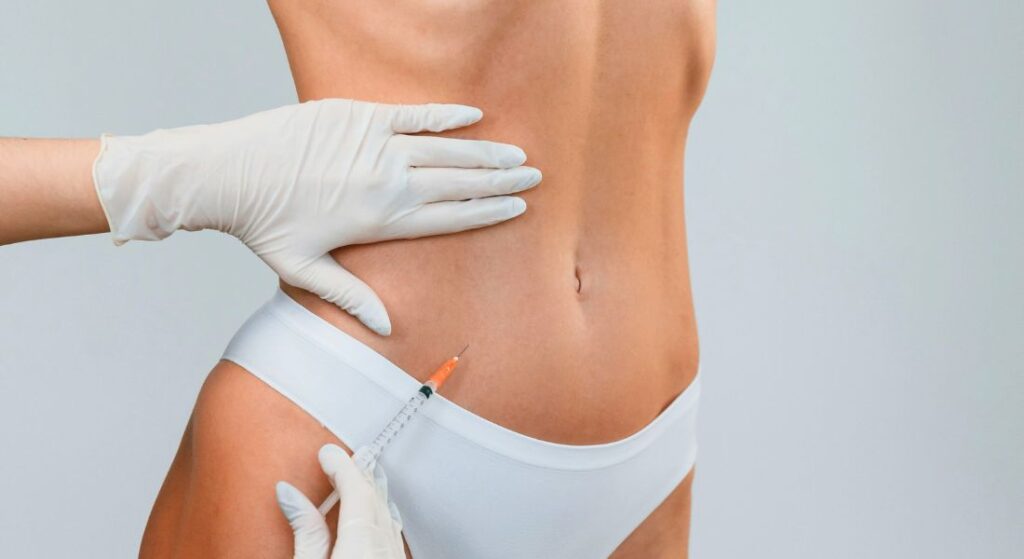
When Lanluma is injected, it doesn’t create immediate volume or instant plumpness. Instead, it disperses microscopic particles of PLLA through the deeper layers of your skin. These particles encourage your body to start producing new collagen fibres over the following weeks and months.
Your body recognises the particles as a gentle trigger and begins a natural repair process. This repair process involves fibroblast activity cells that create collagen. As fibroblasts produce new fibres, the skin becomes structurally stronger, thicker, and more elastic. The results are not sudden but accumulate over time.
Collagen stimulation is a biological process, and it works differently from filler-based enhancements. Filler results fade as the product dissolves, but collagen stimulation strengthens your actual skin, so the improvement tends to last significantly longer. Some people continue to see benefits a year or even two years after treatment.
Why Thin Skin Responds So Well to Lanluma
Thin skin responds particularly well to Lanluma because it contains fewer collagen fibres and lacks deeper structural support. This means the skin is more fragile, less firm, and more prone to laxity. When Lanluma stimulates collagen production, it works at a deeper level, helping to rebuild the skin’s internal framework rather than simply adding surface volume.
Because thin skin has less underlying structure to begin with, the improvements are often more noticeable. The newly stimulated collagen strengthens the skin from within, improving how it behaves, not just how it looks.
The collagen fibres produced after Lanluma treatment integrate naturally with your own tissue. This gradual process creates results that feel and look natural, while also improving tone and resilience. As the skin’s structure becomes stronger, it is better able to support itself, reducing the visible signs of thinning and ageing.
Which Areas of Thin Skin Respond Best to Lanluma?
Lanluma can be used in many areas where skin thinning is noticeable, but some parts of the body tend to respond better than others due to their structure and collagen needs. In these areas, collagen loss leads not only to laxity but also to changes in texture, making the skin look crepey or fragile. By stimulating deep collagen remodelling,
1. Thighs (Front and Inner Thighs): The thighs are one of the most common places to experience thin, crepey skin. Weight changes, hormonal shifts, and ageing all contribute. Lanluma thickens the skin and improves elasticity, making the area appear smoother and firmer.
2. Upper Arms: The upper arms are highly responsive because the skin is naturally thinner. Collagen stimulation helps the skin grip the underlying tissue better and reduces crinkling.
3. Buttocks and Hip Dips: Lanluma was originally popularised for reshaping and improving the buttocks. When used for thin skin, it enhances both volume and texture, creating a stronger, smoother skin surface.
4. Décolleté/Chest: The chest is prone to sun damage, which accelerates collagen loss. Lanluma improves the density of the skin, softens lines, and reduces the “paper” effect.
5. Abdomen: Pregnancy, weight changes, or ageing can cause thin skin across the stomach. Lanluma helps restore elasticity and thickness.
6. Face (Cheeks and Temples): Lanluma is sometimes used in smaller volumes to restore thickness of the mid-face, especially for people who feel their skin has become hollow or thin.
Each area has slightly different requirements in terms of volume and number of sessions, but they all benefit from the same underlying mechanism: deep collagen remodelling.
How Long Does It Take for Skin to Become Thicker?
One of the most important things to understand about Lanluma is that results develop gradually. Collagen regeneration is a slow biological process, which is why the outcomes look natural and improve over time rather than appearing suddenly.
Weeks 1–4: During the first few weeks, any changes are usually related to hydration and the skin’s initial response to treatment. True collagen production has not started yet. You may notice a very mild increase in firmness, but changes are subtle and easy to miss.
Weeks 6–12: This is when collagen stimulation becomes more active. Skin density begins to improve, texture feels smoother, and early thickening may be noticeable. Many patients also report less crepiness and a healthier overall skin quality. This stage often brings reassurance that the treatment is working.
Months 3–6: This is the most noticeable phase of improvement. The collagen network is actively rebuilding, and thin or crepey skin starts to look visibly stronger, smoother, and more resilient. If texture or fragility was your main concern, the difference becomes clearly apparent during this period.
Months 6–12: Results continue to strengthen and stabilise. Many people reach their peak outcome between months nine and twelve, particularly in body areas where collagen regeneration naturally takes longer.
Beyond 12 months: Collagen continues to mature and stabilise within the skin. With maintenance treatments, the skin becomes more resistant to thinning over time, helping preserve strength and quality for longer.
Lanluma is not designed for instant results. It is a long-term collagen-building treatment that delivers gradual, natural-looking improvements with lasting benefits.
How Many Sessions Do You Need for Thin Skin?
The number of Lanluma sessions needed for thin skin depends on how much collagen loss has occurred and the area being treated. During your consultation, your practitioner will assess skin thickness and quality to create a tailored treatment plan, but there are some general guidelines most patients fall into.
For mild thin skin, one to two sessions are often sufficient, typically spaced eight to twelve weeks apart. This is usually enough to stimulate collagen and restore a healthier level of skin support. Moderate thin skin usually requires two to three sessions to rebuild deeper collagen layers and improve firmness more noticeably.
Lanluma works cumulatively, meaning each session builds on the collagen formed from the previous one. Rather than creating a temporary effect, the treatment strengthens the skin’s structure over time. Maintenance treatments are generally advised every 18 to 24 months, although some people can go longer depending on factors such as genetics, lifestyle, and how their body naturally produces collagen.
How Realistic Are the Results?

Lanluma delivers genuine, visible improvement, but the results are best understood as restorative rather than transformative. How much thickening you see depends on several factors, including your natural collagen response, age and hormone balance, the area treated, the number of vials used, and the severity of thinning. Nutrition, hydration, lifestyle, and the skill of your practitioner also play an important role in the final outcome.
Most people notice their skin becoming visibly thicker, stronger, and healthier over time. However, Lanluma does not create an artificially plump or overfilled appearance. The changes are gradual and natural, with the focus on improving skin quality and support rather than dramatic volume.
Lanluma vs Other Treatments for Thin Skin
You might be wondering whether Lanluma is more effective than other treatments. Here’s how it compares to common alternatives:
1. Lanluma vs Fillers – Fillers create immediate volume but do not thicken the skin. Lanluma creates collagen that becomes part of your skin, improving thickness from within. For thin skin, Lanluma is almost always the better long-term option.
2. Lanluma vs Skin Boosters – Skin boosters improve hydration and glow but do not fix thinness. They enhance surface-level quality, while Lanluma builds deep structural support.
3. Lanluma vs Laser Treatments – Lasers can tighten and resurface, but they still don’t add collagen density the same way biostimulators do. They can be used together for optimal results.
4. Lanluma vs Radiofrequency (RF) – RF treatments stimulate collagen but generally produce milder results compared with injectable biostimulators. Using both together can be effective.
5. Lanluma vs Microneedling – Microneedling encourages collagen but tends to be more gradual and superficial. It can complement Lanluma but not replace it for deeper issues.
For thin, fragile skin, nothing currently matches the structural collagen improvement that biostimulators provide.
Why Collagen Stimulation Takes Time (and Why That’s Good)
Instant results might sound appealing, but long-lasting skin improvement takes time. Your collagen needs time to form, organise, and integrate into your skin’s architecture. This slow process creates a natural look that continues improving even when you’re not thinking about it.
Quick fixes tend to fade quickly. Structure takes time, and structure is what thin skin needs the most. This is also why Lanluma looks so natural compared to fillers. It enhances your natural features without making you look “done” or disproportionate.
How Long Lanluma Results Last for Thin Skin
Lanluma results can last a long time often up to two years or more. Some people maintain results even longer with good skincare, sun protection, and a healthy lifestyle.
Because collagen-maturing behaves gradually, you keep seeing improvement even after your last session. New collagen fibres continue forming, strengthening, and thickening your skin, which extends the longevity of results. With maintenance sessions every 18–24 months, you can maintain your skin’s improved thickness long-term.
The Role of Lifestyle in Supporting Your Collagen
Lanluma provides the stimulus for new collagen, but your lifestyle helps determine how well your body responds to that stimulus. Collagen production is a biological process, and like any repair mechanism, it works best when your body is well supported.
Staying well hydrated, eating enough protein, and getting good-quality sleep all give your skin the raw materials it needs to rebuild itself. Protecting your skin from sun damage, avoiding smoking, limiting excessive alcohol, and managing stress help prevent further collagen breakdown, allowing the newly formed fibres to last longer and function better.
Nutrients such as vitamin C are especially important because they play a direct role in collagen synthesis. When your lifestyle supports collagen health, Lanluma results tend to be stronger, more consistent, and longer-lasting, helping your skin maintain its improved strength and resilience over time.
Is Lanluma Safe for Thin Skin?

Yes, Lanluma is considered safe for thin skin when it is performed by an experienced and properly trained practitioner. The active ingredient, PLLA, has been used in medical applications for decades, and its safety is well established. The most important factors are correct dilution, precise placement, and an in-depth understanding of skin anatomy.
Most side effects are mild and temporary, including light swelling, redness, small bruises, or tenderness at the treatment site. These usually settle quickly, and most people can return to normal daily activities on the same day or shortly afterwards.
FAQs:
1. Can Lanluma genuinely thicken thin skin, or does it only improve appearance?
Lanluma genuinely improves skin thickness by stimulating your body to produce new collagen. This collagen becomes part of your skin’s structure, increasing density and strength rather than just improving how the skin looks on the surface. Over time, the skin feels firmer, more resilient, and less fragile.
2. Is Lanluma suitable if my skin is thin due to weight loss rather than ageing?
Yes, Lanluma is particularly effective for skin thinning caused by weight loss. When fat volume is lost quickly, the skin often struggles to adapt and becomes lax and fragile. Lanluma helps rebuild the collagen framework that supports the skin, allowing it to regain strength and elasticity.
3. Will Lanluma make thin skin look overfilled or unnatural?
No, Lanluma does not create an overfilled appearance because it does not act like a traditional filler. The collagen develops gradually and integrates naturally with your existing tissue. The result is healthier, stronger-looking skin rather than obvious volume or puffiness.
4. Can Lanluma be used on very delicate areas like the chest or inner thighs?
Yes, Lanluma can be used on delicate areas when performed by an experienced practitioner. These areas often respond very well because collagen loss is a major contributor to the fragile, crepey texture seen there. Proper dilution and technique are essential for safety and smooth results.
5. Does thin skin respond faster or slower to Lanluma compared to thicker skin?
Thin skin often shows noticeable improvement sooner because it has less existing collagen support. When new collagen forms, the change in texture and firmness can be more apparent. However, full results still take several months to develop, as collagen regeneration follows a natural biological timeline.
6. Can Lanluma help reduce the appearance of visible veins caused by thin skin?
Lanluma can help reduce the prominence of visible veins by increasing skin thickness and density. While it does not remove veins, the added collagen provides better coverage and support, making veins appear less noticeable over time.
7. Is Lanluma painful when used for thin skin?
Most people find Lanluma very tolerable. A local anaesthetic is typically used, and the product itself is often mixed with numbing solution. You may feel pressure or mild discomfort during treatment, but pain is usually minimal and short-lived.
8. Can Lanluma be combined with other treatments for thin skin?
Yes, Lanluma is often combined with treatments such as skin boosters, microneedling, laser therapy, or radiofrequency. These combinations can improve surface texture and tightening while Lanluma works deeper to rebuild collagen, leading to more comprehensive results.
9. What happens if I stop Lanluma treatments after completing my sessions?
If you stop treatments, your skin will not suddenly thin again. The collagen you have produced remains and will naturally break down over time as part of the ageing process. You simply continue ageing at your normal rate, which is why maintenance sessions are recommended rather than required.
10. How do I know if Lanluma is the right option for my thin skin?
The best way to know is through a detailed consultation with an experienced practitioner. They will assess your skin quality, thickness, elasticity, and overall goals to determine whether Lanluma alone or in combination with other treatments is the most appropriate approach for you.
Final Thoughts: Choosing the Right Treatment for You
When it comes to improving thin, fragile skin, the most important question isn’t whether a treatment can add volume, but whether it can restore strength and structure from within. Lanluma is designed specifically for this purpose. Rather than creating instant fullness, it works gradually to rebuild your skin’s collagen framework, leading to thicker, stronger, and more resilient skin over time.
At the London Medical & Aesthetic Clinic, treatments are led by Dr Ayham Al-Ayoubi, a world-leading expert in advanced injectables and collagen-stimulating treatments. His deep understanding of skin anatomy, dilution protocols, and placement techniques ensures that Lanluma is used safely and effectively, particularly in delicate areas where thin skin requires precision and experience. If you’re considering Lanluma treatment in London, you can book a consultation with us at the London Medical & Aesthetic Clinic to discuss your goals and suitability.
References:
1. da Silva et al. (2024) Efficacy and Safety of Poly-l-Lactic Acid in Facial Aesthetics: A Systematic Review. Polymers, 16(18), 2564. https://www.mdpi.com/2073-4360/16/18/2564
2. Byun et al. (2025) Poly-L-Lactic Acid Fillers Improved Dermal Collagen Synthesis by Modulating M2 Macrophage Polarization in Aged Animal Skin. https://pubmed.ncbi.nlm.nih.gov/37174720/
3. Biodegradable PLLA/PLGA microspheres/collagen composites for continuous soft tissue augmentation. https://www.sciencedirect.com/science/article/abs/pii/S1359836824004141
4. The biological basis for poly-l-lactic acid-induced augmentation. Journal of Cosmetic Dermatology. https://www.sciencedirect.com/science/article/abs/pii/S0923181115000377
5. Bravo et al. (2024) Exploring the Safety and Satisfaction of Patients Injected With Collagen Biostimulators: A Prospective Investigation Into Injectable Poly-l-Lactic Acid (PLLA). https://pubmed.ncbi.nlm.nih.gov/39663956/