



If you’re considering Sculptra, it’s completely normal to worry about how your face will move afterwards. Many people want subtle, natural-looking rejuvenation, but fear losing facial expression or ending up with a stiff, unnatural appearance.
These concerns often come from what people have seen or heard about traditional fillers. Overfilled cheeks, frozen smiles, or faces that no longer move naturally have made many patients cautious about injectable treatments.
This guide is designed to reassure you. I’ll explain whether Sculptra affects facial movement or expressions, how it works differently from traditional fillers, and why results remain natural when treatment is carefully planned by an experienced practitioner.
Why Facial Movement Is Such a Common Concern
Your face plays a central role in how you express emotion. Smiling, frowning, laughing, and even subtle micro-expressions shape how others perceive you and how you recognise yourself. The idea that a treatment might interfere with this natural movement can understandably feel worrying.
Many patients arrive at consultations saying they don’t want to “look done.” What they usually mean is that they want to look refreshed and well-rested without it being obvious they’ve had any treatment. Preserving natural facial movement is often just as important as improving lines or volume.
This concern is particularly common among people who have seen poor outcomes elsewhere. Overfilled faces, stiffness, or unnatural expressions can create anxiety about injectables in general, even though these results are not inevitable.
What Sculptra Actually Is (And What It Isn’t)
Sculptra is not a traditional dermal filler in the way many people commonly think of fillers. It doesn’t simply sit under the skin to add instant volume or create immediate fullness in a specific area.
Instead, Sculptra works by stimulating your body’s own collagen production over time. Its active ingredient encourages the skin to gradually rebuild strength and structure from within, leading to subtle, natural-looking improvement.
Because the results develop slowly, changes appear more organic and are less likely to look overdone. The face adapts as collagen builds, rather than being pushed into shape by artificial volume.
How Facial Movement Works in the First Place
Facial movement is driven by muscles, not by volume alone. Beneath the skin and fat layers lies a complex network of facial muscles that contract to create expressions such as smiling, frowning, and raising the eyebrows. Understanding this anatomy is essential when choosing injectable treatments, as the goal is to enhance appearance without disrupting natural movement.
1. Facial muscles create expression: Muscles such as the zygomaticus, orbicularis, and frontalis are responsible for dynamic facial movement. These muscles sit relatively close to the skin in certain areas, making precise treatment planning crucial.
2. Volume sits above and around muscles: Fat pads and soft tissue provide cushioning and shape, but they do not create movement. Treatments should support these structures without restricting the muscles beneath them.
3. How fillers can affect movement: Traditional fillers may interfere with expression if they are placed too superficially, injected in excessive amounts, or used in highly dynamic areas. This can lead to stiffness or an unnatural feel when the face moves.
4. Why placement matters more than product: Even high-quality fillers can impact movement if poorly positioned. Correct depth, quantity, and anatomical understanding are key to preserving natural expression.
5. How Sculptra behaves differently: When placed correctly, Sculptra works deeper and more diffusely. It stimulates collagen within the skin’s supporting framework rather than sitting as a discrete volume, allowing muscles to move freely.
By respecting facial anatomy and muscle dynamics, treatments can enhance structure and skin quality without compromising expression. This is why deeper, supportive approaches like Sculptra are often preferred when maintaining natural facial movement is a priority
Does Sculptra Affect Facial Expressions?
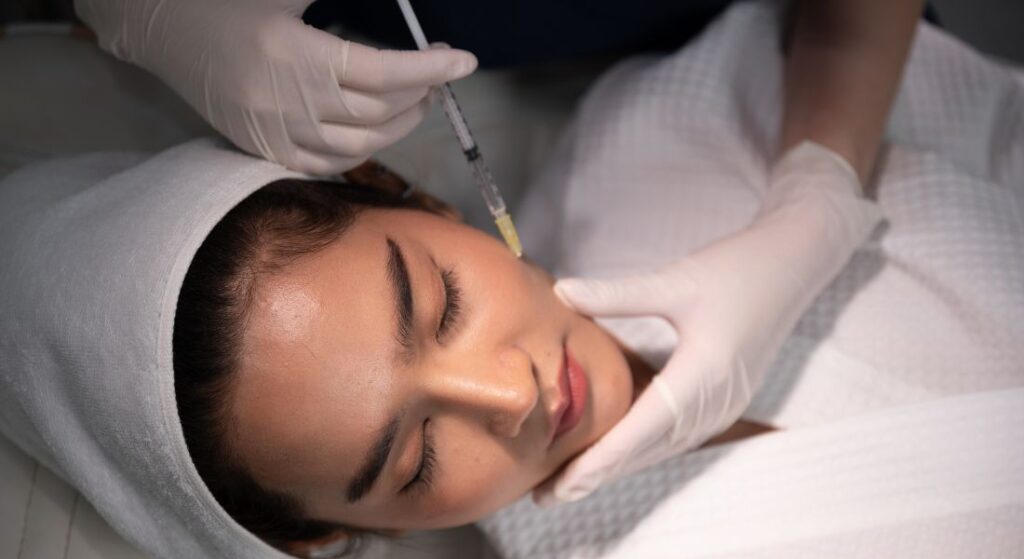
The short answer is no Sculptra does not affect facial expressions when treatment is properly planned and performed. Because it works by stimulating your own collagen rather than adding immediate volume, it supports the skin without interfering with the muscles responsible for expression.
1. Collagen stimulation, not bulk – Sculptra encourages gradual collagen production within the deeper layers of the skin. It does not sit as a heavy or fixed volume that could weigh down facial movement.
2. Preserves natural muscle function – When placed at the correct depth, Sculptra remains separate from the muscles that control facial expressions, allowing them to move freely and naturally.
3. Gradual, subtle change – Improvements develop slowly over time, which helps the face adapt naturally. There is no sudden alteration that can make expressions feel stiff or unnatural.
4. No “frozen” appearance – Unlike treatments that directly affect muscle activity, Sculptra does not limit movement. Smiling, laughing, and speaking all feel the same as before treatment.
5. Natural feedback from others – Most patients are told they look fresher, firmer, or more rested, rather than being asked if they have had work done.
When performed correctly, Sculptra enhances facial structure while preserving expression. The result is a refreshed appearance that still looks and feels completely natural because it is built on your own collagen, not artificial volume.
Why Sculptra Feels More Natural Than Traditional Fillers
One of the main reasons Sculptra feels more natural is the way results develop over time. Changes appear gradually across weeks and months rather than all at once, avoiding the sudden shifts that can sometimes look obvious.
This slow progression allows your face to adapt naturally as collagen builds. Because there’s no immediate volume change, facial expressions and movement remain fluid and unaffected.
The collagen produced is your own, which means the results integrate seamlessly with your existing facial structure. Instead of adding something foreign, Sculptra enhances what’s already there.
Common Myths About Sculptra and Facial Movement
There are several persistent myths about Sculptra that often cause unnecessary worry. These misconceptions usually stem from confusion between different injectable treatments. Understanding how Sculptra actually works makes decision-making far more straightforward and reassuring.
Myth: Sculptra freezes the face
Sculptra does not relax or block muscles. Unlike muscle-relaxing injections, it has no effect on muscle activity, so facial expressions remain completely natural.
Myth: Sculptra causes stiffness around the mouth or cheeks
When injected at the correct depth and in appropriate amounts, Sculptra does not create stiffness. It integrates gradually into the skin’s structure rather than forming rigid areas.
Myth: Results are immediate and dramatic
Sculptra works slowly by stimulating collagen over time. Changes appear gradually, which helps the face adjust naturally without sudden or unnatural-looking results.
Myth: Movement feels restricted after treatment
Because Sculptra supports the skin rather than sitting within dynamic muscle zones, facial movement feels the same before and after treatment.
Myth: People will notice you’ve “had work done”
Most feedback from others is subtle, with comments about looking refreshed or well-rested rather than altered.
In reality, Sculptra does none of the things these myths suggest. It does not affect muscle movement, it does not create stiffness when used correctly, and it produces gradual, natural-looking improvement that preserves your expressions and individuality.
How Treatment Planning Protects Natural Expression
Natural-looking results with Sculptra depend heavily on careful treatment planning. It’s not a one-size-fits-all approach, and it should never be treated as such. Every face ages differently and moves in its own unique way.
An experienced practitioner will assess your facial anatomy, skin quality, areas of volume loss, and natural movement patterns before recommending treatment. Zones with high dynamic movement are carefully considered and, when necessary, avoided to preserve expression.
Dosage plays a critical role, as does the depth at which Sculptra is placed. Treatment timing is equally important, allowing collagen to build gradually without overwhelming the tissue.
Which Areas of the Face Are Commonly Treated With Sculptra

Sculptra is most often used to restore underlying structure and support rather than to sculpt or reshape individual features. This structural approach is what allows results to remain subtle, balanced, and natural-looking. By focusing on collagen regeneration, Sculptra improves facial integrity without interfering with movement or expression.
1. Mid-face – Collagen loss in the mid-face contributes to sagging and a tired appearance. Sculptra helps rebuild support in this area, creating gentle lift and improved skin firmness without adding visible bulk.
2. Temples – Age-related hollowing in the temples can make the face appear gaunt. Sculptra restores volume gradually, smoothing transitions between the forehead and cheeks while maintaining natural contours.
3. Jawline – Rather than sharply defining the jaw, Sculptra supports overall facial balance by strengthening the underlying framework. This can improve firmness and reduce the appearance of jowling.
4. Lower face – In the lower face, Sculptra is used to enhance skin quality and structural support rather than to change shape. It helps improve firmness and texture while preserving natural movement around the mouth.
These areas respond particularly well to collagen stimulation because they benefit from improved support rather than precise sculpting. When used in this way, Sculptra enhances facial harmony while allowing expressions to remain completely natural.
Can Sculptra Make the Face Feel Stiff?
It’s common for patients to worry that their face might feel tight or unnatural after Sculptra, especially if they’ve heard about or experienced stiffness with other injectables. These concerns are understandable, but Sculptra behaves very differently from treatments that add immediate volume.
In the first few days after treatment, you may notice mild firmness, swelling, or tenderness in the treated areas. This is a normal response to the injections themselves and not a result of collagen stimulation. These early sensations are temporary and settle as the skin recovers.
As healing progresses and collagen production begins, changes happen gradually beneath the surface. Because this collagen is your own, it integrates naturally with the existing tissue rather than creating a rigid or artificial feel.
What About Smiling, Laughing, and Talking?
Your ability to smile, laugh, and speak normally should not change after Sculptra treatment. These expressions are driven by facial muscles, and Sculptra does not interfere with how those muscles function or move.
Because Sculptra works by stimulating collagen gradually beneath the skin, it acts in the background rather than directly affecting muscle activity. It doesn’t block, freeze, or dampen facial movement in any way.
As a result, expressions remain fluid, natural, and fully expressive, allowing your face to move and communicate exactly as it always has just with improved support and skin quality over time.
Why Practitioner Experience Matters So Much
Although Sculptra itself does not affect facial movement, poor technique can create issues with any injectable treatment. Even subtle errors in placement or dosing can impact results and patient satisfaction.
Inexperienced injectors may use incorrect dilution, injection depth, or volume, which can lead to uneven results, lumps, or unnatural facial contours. These complications are typically preventable with proper training and expertise.
Choosing a clinic with extensive experience in Sculptra treatment is essential. Skilled practitioners understand facial anatomy, movement patterns, and product behaviour, ensuring that results are both natural-looking and safe.
How Sculptra Differs From Muscle-Relaxing Treatments

It’s important to distinguish Sculptra from treatments designed to reduce muscle activity, such as muscle relaxants. These products work by temporarily limiting muscle contraction to smooth dynamic wrinkles.
Sculptra, on the other hand, does not act on muscles at all. It neither weakens nor freezes them, and it does not restrict natural movement in any way.
Its primary role is structural support through collagen regeneration. By strengthening the underlying tissue gradually, Sculptra enhances facial volume and skin quality while allowing expressions to remain fluid and natural.
Combining Sculptra With Other Treatments
Sculptra can be safely combined with other aesthetic treatments when done appropriately, but careful planning is essential. Proper sequencing and spacing ensure each product works effectively without compromising results.
When treatments are layered thoughtfully, facial movement remains completely natural. Stiffness or unnatural expressions are usually the result of over-treatment rather than Sculptra itself.
An experienced practitioner will prioritise balance, restraint, and natural outcomes. By respecting facial anatomy and movement patterns, they can integrate multiple treatments safely for subtle, harmonious enhancements.
What Reassures Most Patients After Treatment
Many patients find their greatest reassurance comes from noticing that their facial movement remains completely natural. Smiling, talking, and other expressions feel unchanged, which eases anxiety about looking “done” or unnatural.
As Sculptra results gradually develop, confidence often grows because the face looks refreshed and supported without feeling different. This sense of natural enhancement is a key reason why patients choose to return for maintenance treatments over time.
FAQs:
1. Will Sculptra make my face look stiff or frozen?
No, Sculptra does not make your face look stiff or frozen. It works by stimulating your own collagen gradually beneath the skin, which supports the facial structure without affecting the muscles responsible for expressions. Your movements, such as smiling, talking, or laughing, remain fluid and natural.
2. How soon will I see results after Sculptra treatment?
Results from Sculptra appear gradually over several weeks to months. Unlike traditional fillers that give immediate volume, Sculptra works by stimulating collagen production, so improvements develop slowly and naturally, allowing your face to adapt comfortably to the changes.
3. Can Sculptra affect my ability to express emotions?
Sculptra does not interfere with your ability to express emotions. Since it is not a muscle-relaxing treatment, it leaves facial muscles fully functional, so your expressions continue to be genuine and unrestricted.
4. Are there areas of the face where Sculptra should not be used?
While Sculptra can be used in many parts of the face, practitioners carefully avoid zones with high dynamic muscle activity when necessary. Proper treatment planning ensures the product enhances skin and structure without restricting natural movement or creating unnatural results.
5. Will people notice I’ve had Sculptra treatment?
Most patients find that Sculptra results are subtle and natural. Others typically comment that the face looks fresher, firmer, or more rested, rather than noticing any obvious cosmetic work. The gradual nature of collagen stimulation helps maintain a balanced and harmonious appearance.
6. How does Sculptra differ from traditional fillers?
Unlike traditional fillers, which add immediate volume to a specific area, Sculptra works by gradually stimulating your body’s own collagen. This means changes occur slowly, resulting in a natural lift and enhanced facial support without overfilling or affecting movement.
7. Can Sculptra be combined with other treatments safely?
Yes, Sculptra can be combined with other aesthetic treatments, provided there is careful planning and appropriate spacing. When done correctly, this ensures each treatment works effectively without compromising facial movement or producing unnatural stiffness.
8. Will Sculptra make my face feel tight?
Some patients may notice mild firmness, swelling, or tenderness immediately after injections, which is normal and temporary. These sensations are related to the injection process rather than the collagen stimulation itself, and as healing progresses, the face feels natural and supple.
9. How important is practitioner experience for Sculptra treatments?
Practitioner experience is crucial because Sculptra requires precise placement and dosing to achieve natural-looking results. Skilled practitioners understand facial anatomy and movement patterns, ensuring that the product enhances support while preserving facial expressions.
10. What is the main benefit of Sculptra over muscle-relaxing treatments?
The main benefit of Sculptra is that it enhances facial structure and skin quality without affecting muscle activity. Unlike muscle-relaxing treatments that temporarily limit muscle contraction, Sculptra allows expressions to remain fluid while providing gradual, long-lasting collagen-based support.
Final Thought: Why Sculptra Preserves Natural Expression
Sculptra offers a subtle, natural way to restore facial structure and support without affecting expressions or movement. By gradually stimulating your own collagen, it enhances skin quality and overall facial harmony while allowing your muscles to function normally. Careful treatment planning and experienced application are key to achieving results that look refreshed and balanced rather than overdone.
If you’re considering sculptra in London, you can contact us at the London Medical & Aesthetic Clinic to discuss a personalised treatment plan and learn how this collagen-stimulating approach can support your natural beauty.
References:
1. Poly‑L‑lactic acid in aesthetic dermatology: a decade beyond volume restoration toward regenerative biostimulation. https://academic.oup.com/asj/article-abstract/45/10/1065/8171359
2. Efficacy and safety of poly‑L‑lactic acid in facial aesthetics: a systematic review. MDPI Polymers, 16(18), p.2564 https://www.mdpi.com/2073-4360/16/18/2564
3. Poly‑L‑lactic acid for the aesthetic correction of facial volume loss. Aesthetic Surgery Journal, 25(6), pp.646‑648. https://www.sciencedirect.com/science/article/abs/pii/S1090820X05004711
4. Fabi, S., Hamilton, T., LaTowsky, B., Kazin, R., Marcus, K., Mayoral, F., Joseph, J., Hooper, D., Shridharani, S., Hicks, J. and Brasater, D., 2024. https://pubmed.ncbi.nlm.nih.gov/38206151/
5. Oh, S., Lee, J.H., Kim, H.M., Batsukh, S., Sung, M.J., Lim, T.H., Lee, M.H., Son, K.H. and Byun, K., 2023. https://www.mdpi.com/2073-4409/12/9/1320