



If you’ve noticed freckles, brown marks or an uneven skin tone, you may be wondering whether HydraFacial could make a difference. Sun exposure can leave your skin looking dull or rough and, over time, contribute to pigmentation changes and wrinkles.
HydraFacial may leave your complexion looking fresher through exfoliation and hydration, but brighter-looking skin is not the same as removing established pigment. If you have melasma, persistent sun spots or more significant sun damage, you may need a different assessment or treatment alongside regular sun protection.
What Is HydraFacial?
HydraFacial is a non-invasive facial treatment that combines cleansing, exfoliation, extraction and hydration. You can also have different tips and skincare boosters selected to suit your skin concerns.
If you want to improve pigmentation, HydraFacial may help you achieve a brighter, more even-looking complexion. However, HydraFacial primarily targets superficial skin concerns, so it should not be relied upon to remove deeper pigmentation or fully treat conditions such as melasma and established sun spots.
How Can HydraFacial Affect Pigmentation?
If your skin looks uneven because of dryness or dullness, HydraFacial’s exfoliation and hydration may make your complexion appear brighter. A small study of hydradermabrasion reported improvements in hyperpigmentation, but this doesn’t establish that modern HydraFacial treatments reliably fade freckles, sun spots or melasma.
Even when your skin looks more even, the underlying pigment may remain. Freckles and sun spots can become more noticeable with sun exposure, while melasma can also fluctuate with hormonal changes. Consistent sun protection remains important.
Can HydraFacial Improve Sun-Damaged Skin?
If sun exposure has left your skin looking dull, rough or uneven, HydraFacial may help you achieve a smoother, fresher appearance. Exfoliation and hydration can improve surface texture, while targeted skincare may help your complexion look more even.
HydraFacial is not a treatment for precancerous skin changes and has not been shown to prevent skin cancer. If you notice a new, changing, bleeding or persistently scaly patch, ask your GP to assess it rather than assuming it’s ordinary pigmentation.
Evidence Note
Long-term sun exposure can cause several skin changes, including uneven pigmentation, rough texture and actinic keratoses, which are areas of sun-damaged skin that may sometimes develop into skin cancer. While cosmetic exfoliation may improve the appearance of dull or rough skin, it does not treat the abnormal cells found in actinic keratoses or prevent skin cancer.
This distinction matters because not every brown, rough or scaly patch is a harmless sign of ageing. You should have new, changing, bleeding or persistently rough lesions assessed by a healthcare professional before considering HydraFacial. Cosmetic treatment should not delay the diagnosis of a potentially significant skin condition.
What Types of Pigmentation Might Respond Best?
HydraFacial is more likely to offer a noticeable cosmetic improvement when uneven tone is mainly caused by dryness, dullness or rough surface texture. This is different from fading pigment within a distinct brown patch.
If you have freckles, sun spots, melasma or marks left after acne, your response is less predictable. A small hydradermabrasion study reported reduced hyperpigmentation, but it did not establish which pigmentation conditions respond best or whether improvements last. Identifying the cause of your marks is more useful than choosing a treatment based on their appearance alone.
Can HydraFacial Treat Age Spots and Sun Spots?
If you have age spots or sun spots, HydraFacial may brighten the surrounding skin and improve your overall tone. However, established sun spots may persist because superficial exfoliation does not reliably remove the accumulated pigmentation responsible for these marks.
You may need a more targeted treatment, depending on the type of pigmentation you have. If a spot is new, changing, bleeding or crusting, have it medically assessed rather than assuming it’s harmless.
HydraFacial for Different Pigmentation Concerns
| Skin Concern | Potential HydraFacial Benefit | Main Limitation |
| Dullness and uneven surface tone | May improve radiance and smoothness | Results are temporary |
| Freckles | May improve surrounding skin appearance | Does not reliably remove freckles |
| Solar lentigines (sun spots) | May improve overall complexion | Established spots may persist |
| Melasma | May improve hydration and texture | Does not treat its underlying causes |
| Post-inflammatory hyperpigmentation | May improve surface texture; pigment reduction is unproven | Irritation can worsen dark marks |
How Should Your Pigmentation Be Assessed Before Treatment?
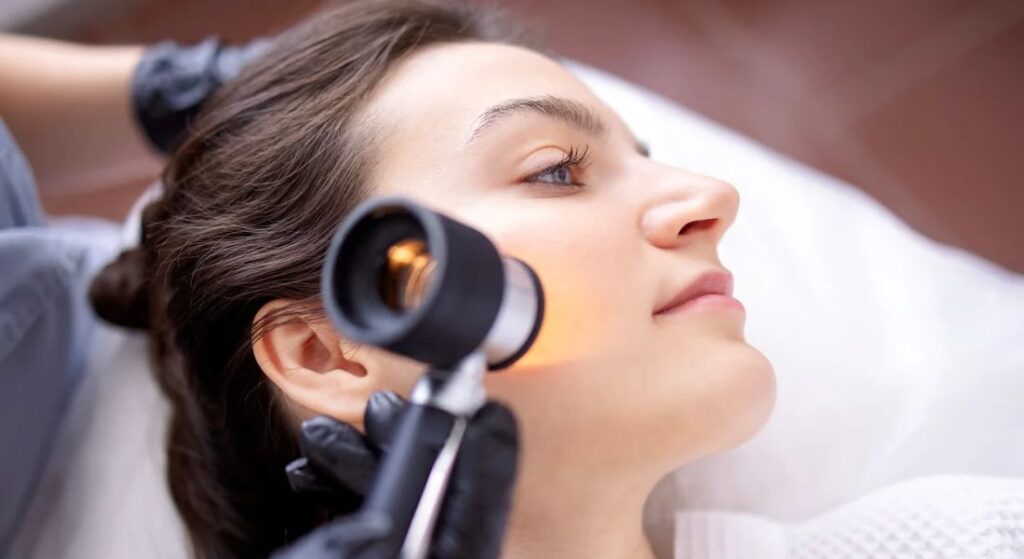
Before deciding whether HydraFacial is appropriate, your practitioner should ask when the pigmentation first appeared, whether it changes with sunlight and whether you have experienced acne, irritation or hormonal changes. These details may help distinguish uneven surface tone from conditions such as melasma or post-inflammatory hyperpigmentation. You should also mention previous treatments, any reactions to skincare products and whether you have used medicines that make your skin more sensitive.
A cosmetic practitioner should not assume that every dark patch is harmless or diagnose an unfamiliar lesion without suitable medical training. If a mark has changed in size, shape or colour, bleeds, crusts or looks different from your other marks, arrange an assessment with your GP or dermatologist before having a facial over the area.
If your pigmentation is stable and has already been assessed where necessary, your practitioner can discuss realistic goals, whether a gentler protocol is appropriate, and how to combine treatment with daily sun protection. This helps you avoid paying for repeated facials when a medical or more targeted approach may be better.
What About Melasma?
If you have melasma, HydraFacial may help your skin look smoother and more hydrated, but it isn’t a primary treatment for this condition. Sun exposure and hormonal changes can trigger recurring pigmentation, so you may need a more targeted approach.
You should also avoid assuming that stronger exfoliation will give you better results, as irritation can make pigmentation more noticeable. A dermatologist can help you choose suitable treatments alongside consistent sun protection.
Can HydraFacial Help Uneven Skin Tone?
HydraFacial may help your complexion look brighter and more even when dullness, dryness or mild surface pigmentation is involved. Your results will depend on what is causing the uneven tone.
1. Dryness: Hydration can help your skin look smoother and fresher.
2. Congestion: Exfoliation may improve dull or uneven surface texture.
3. Mild pigmentation: Targeted boosters may improve overall skin appearance.
4. Deeper concerns: Melasma or ongoing inflammation may respond less noticeably.
Your practitioner should assess the cause of your uneven skin tone before recommending treatment.
Does Exfoliation Remove Pigment?
Exfoliation may help you achieve a brighter complexion by removing some pigmented cells from the outer layers of your skin. However, it won’t remove all pigment, particularly when discolouration sits deeper within your skin.
If you have persistent pigmentation, stronger or more frequent exfoliation may irritate your skin and make dark patches more noticeable. Your practitioner should adjust the treatment intensity to suit your skin and avoid unnecessary irritation.
How Can You Tell Whether Your Pigmentation Has Improved?
Your skin can look brighter after hydration without any lasting change in a brown spot. If you’re having HydraFacial specifically for pigmentation, look at the individual marks you wanted to fade rather than just whether your complexion looks fresher.
You could take photographs in similar natural lighting before treatment and after your skin has settled. Photographs cannot diagnose a skin condition, but they may help you discuss whether you’ve noticed a meaningful improvement before paying for more appointments.
Can HydraFacial Reverse Established Sun Damage?
Seeing smoother, brighter-looking skin after HydraFacial doesn’t necessarily mean the deeper effects of sun exposure have been reversed. The small study below provides some evidence of cosmetic changes after hydradermabrasion, but it cannot establish lasting repair of sun-related skin damage or reliable clearance of established sun spots.
Research Insight
A 2008 randomised study published in the Journal of Cosmetic Dermatology examined hydradermabrasion in 20 women aged 34 to 56. Participants received six treatments using an antioxidant serum, either with hydradermabrasion or through manual application. Researchers reported improvements in fine lines, pore appearance and hyperpigmentation in the hydradermabrasion group.
However, this small study examined a particular hydradermabrasion technique rather than every modern HydraFacial protocol. It also did not establish long-term pigmentation clearance or whether improvements would persist after treatment stopped. Larger independent studies are needed to determine how reliably HydraFacial improves established sun spots or other pigmentation conditions.
Is HydraFacial Better Than a Chemical Peel for Pigmentation?
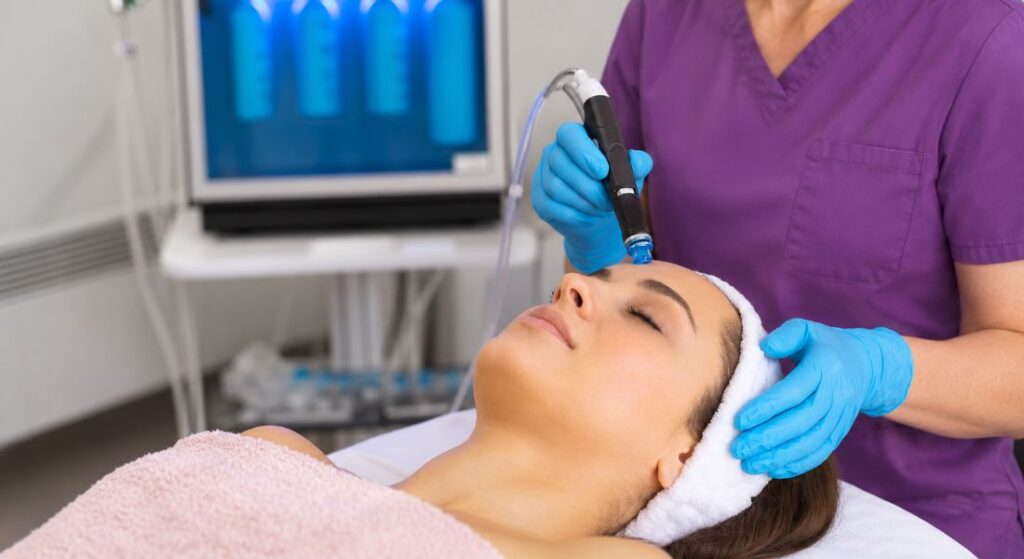
HydraFacial may suit you better if you want gentle exfoliation, hydration and minimal disruption to your routine. A chemical peel may be more suitable when you need a targeted approach to a specific pigmentation concern.
Neither treatment is automatically better for everyone. Your skin tone, sensitivity, type of pigmentation and previous treatments will help determine which option is more appropriate for you.
Is HydraFacial Suitable for Darker Skin?
HydraFacial may be suitable for you if you have darker skin, but your practitioner should consider your pigmentation history and sensitivity. Your skin may be more prone to dark marks after irritation, so a gentler treatment approach may be preferable.
Tell your practitioner if you’ve previously developed dark marks after acne, burns or cosmetic treatments, or if you have melasma. Stronger exfoliation or increased suction won’t necessarily give you better results and may cause unnecessary irritation.
Clinical Tip
If your skin is prone to dark marks after spots, irritation or cosmetic treatments, tell your practitioner before your appointment. You may benefit from gentler exfoliation and carefully adjusted suction, especially if you have previously developed post-inflammatory hyperpigmentation.
Avoid combining HydraFacial with strong home exfoliants, scrubs or other irritating treatments without professional advice. Tell your practitioner about prescription retinoids and recent procedures so they can recommend suitable preparation and aftercare. Do not stop prescribed medication without consulting the clinician responsible for your treatment.
What Are the Limitations and Possible Side Effects?
Although HydraFacial is generally gentle, you may experience temporary redness, dryness, tightness, tingling or sensitivity after treatment. Your reaction will depend on your skin and the intensity of exfoliation and suction used.
If your skin is prone to pigmentation, irritation may sometimes trigger further dark marks. Avoid having treatments too frequently, and seek medical advice if you develop severe swelling, blistering, persistent pain or noticeable changes in pigmentation.
What About Sun Protection After HydraFacial?
After HydraFacial, consistent sun protection remains important, especially if you’re prone to pigmentation. Choose broad-spectrum sunscreen with at least SPF 30 and four-star UVA protection. If you have melasma, a tinted sunscreen containing iron oxides may offer additional protection against visible light.
A 2014 trial enrolled 68 people with melasma, of whom 61 completed the eight-week study. Those using sunscreen with UV and visible-light protection showed greater improvement than those using UV-only sunscreen. Both groups also used 4% hydroquinone, so the findings don’t establish what tinted sunscreen would achieve on its own.
UK Guidance Note
In the UK, a new or changing pigmented skin lesion should be medically assessed if it has potentially suspicious features, such as changes in size, shape or colour, bleeding or an unusual appearance. Your GP can determine whether further assessment or an urgent specialist referral is appropriate. Do not assume that an unfamiliar or changing dark spot is simply cosmetic pigmentation.
Before having a cosmetic treatment, you should receive clear information about its expected benefits, possible risks, limitations and alternatives. If you are considering HydraFacial for pigmentation, ask whether your skin concern has been appropriately assessed and whether the proposed treatment is likely to meet your expectations.
How Many HydraFacial Treatments Might You Need?
You may notice a fresher-looking complexion after one HydraFacial, but that doesn’t necessarily mean established brown spots have faded. There is no well-established number of HydraFacial sessions needed to clear freckles, melasma or sun spots.
If you’re considering several appointments, agree on what you want to improve and how you’ll judge the results. If your pigmentation remains unchanged, discuss whether another treatment or medical assessment would be more useful than booking further sessions.
What Should You Consider Before Booking HydraFacial for Pigmentation?
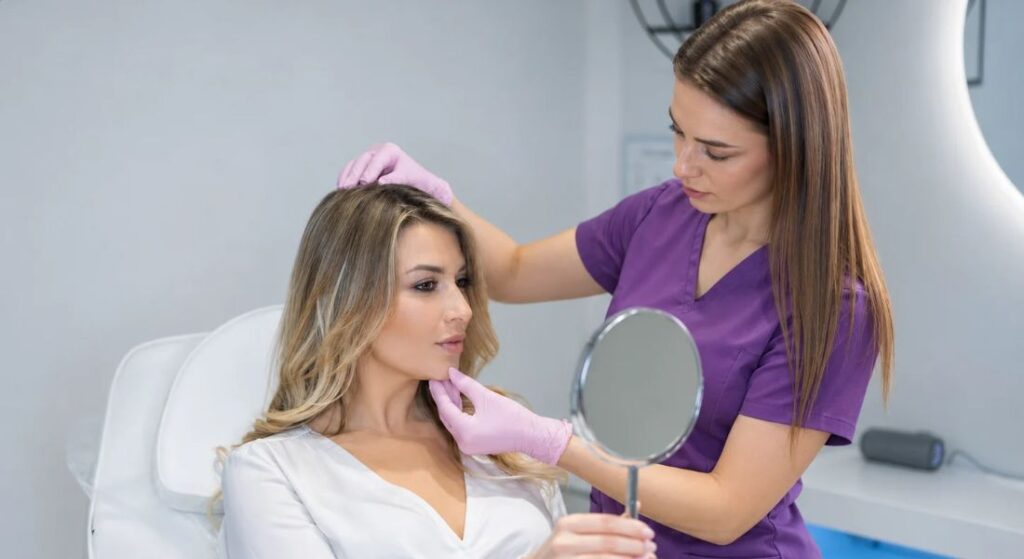
Before booking HydraFacial, make sure you understand what type of pigmentation you want to treat, as sun spots, melasma and post-inflammatory pigmentation may need different approaches. Tell your practitioner about your skin tone, previous pigmentation, current skincare products and any prescription treatments you use.
You should also ask which boosters will be used and what results you can realistically expect. If you have a new or changing pigmented mark, get it medically assessed before considering cosmetic treatment.
Myth vs Fact
| Myth | Fact |
| HydraFacial permanently removes pigmentation. | It may improve skin appearance, but lasting pigment clearance is not established. |
| All brown spots are caused by sun exposure. | Melasma, inflammation and other conditions can also cause pigmentation. |
| Stronger exfoliation always gives better results. | Excessive irritation can worsen pigmentation. |
| HydraFacial can reverse all sun damage. | It cannot remove precancerous lesions or reliably repair established photodamage. |
| Sunscreen is unnecessary after a facial. | Ongoing sun protection remains important for preventing pigmentation from worsening. |
Key Takeaways
1. HydraFacial may improve dullness, hydration and mild uneven skin tone.
2. Evidence for lasting pigmentation reduction remains limited.
3. Established sun spots and melasma may need targeted treatment.
4. Excessive exfoliation can worsen post-inflammatory pigmentation.
5. Sunscreen and gentle skincare help protect pigmentation-prone skin.
6. New or changing pigmented lesions require medical assessment.
Frequently Asked Questions
1. Can HydraFacial help with pigmentation?
HydraFacial may make your skin look brighter and more even by improving surface dryness and texture. However, evidence that it reliably fades freckles, sun spots or melasma is limited. If you want to treat specific brown marks, ask your practitioner whether another approach would be more appropriate.
2. Can HydraFacial remove sun spots and age spots?
HydraFacial may brighten the surrounding skin and improve your overall tone, but it may not remove established brown spots. This is because superficial exfoliation may not adequately treat the pigmentation responsible for established sun spots.
3. Is HydraFacial suitable for melasma?
HydraFacial may improve hydration and skin texture if you have melasma, but it is not a primary treatment for the condition. You may need a more targeted approach alongside consistent sun protection.
4. Can HydraFacial reverse sun damage?
HydraFacial may improve visible concerns such as dullness, rough texture and mild uneven tone. However, it cannot reverse deeper sun damage, restore damaged collagen or remove precancerous growths.
5. Does exfoliation remove pigmentation?
Exfoliation can remove some pigmented cells from the outer layers of your skin, helping your complexion look brighter. However, it cannot remove all pigment, particularly when discolouration sits deeper within your skin.
6. Is HydraFacial better than a chemical peel for pigmentation?
HydraFacial may suit you if you prefer gentle exfoliation and hydration with minimal disruption to your routine. A chemical peel may be more appropriate for certain pigmentation concerns, depending on your skin type, sensitivity and treatment needs.
7. Is HydraFacial safe for darker skin tones?
HydraFacial may be suitable for darker skin, but your practitioner should consider your pigmentation history and sensitivity. A gentler approach may help reduce the risk of irritation and further dark marks.
8. Can HydraFacial cause pigmentation or dark spots?
Although HydraFacial is generally gentle, irritation may sometimes trigger further pigmentation, particularly if your skin is prone to dark marks. You may also experience temporary redness, dryness, tightness or sensitivity after treatment.
9. Will several HydraFacial sessions remove my pigmentation?
Not necessarily. Repeat sessions may improve hydration or the appearance of your skin, but there is no established treatment course that reliably clears melasma, freckles or sun spots. Ask how your progress will be assessed before paying for a package.
10. How should you protect your skin after HydraFacial?
Use a broad-spectrum SPF 30 or higher daily to help prevent existing pigmentation from becoming darker or returning. Wearing a hat, choosing shade and covering exposed skin can also help protect your results.
Final Thoughts: HydraFacial for Pigmentation and Sun-Damaged Skin
If you’re hoping to fade brown marks, it’s important to distinguish a brighter complexion from a real change in pigmentation. HydraFacial may improve dullness and surface texture, but it hasn’t been shown to reliably clear melasma or established sun spots. Keep up daily sun protection, and have unfamiliar or changing marks medically assessed before choosing a cosmetic treatment.
If you’re thinking about booking a HydraFacial in London, the team at the London Medical & Aesthetic Clinic can help you understand whether it’s suitable for your skin and what results you can expect.
References:
1. Freedman, B.M. (2008) ‘Hydradermabrasion: an innovative modality for nonablative facial rejuvenation’, Journal of Cosmetic Dermatology. Available at: https://pubmed.ncbi.nlm.nih.gov/19146604/
2. Castanedo-Cazares, J.P. et al. (2014) ‘Near-visible light and UV photoprotection in the treatment of melasma: a double-blind randomized trial’, Photodermatology, Photoimmunology & Photomedicine. Available at: https://pubmed.ncbi.nlm.nih.gov/24313385/
3. Conforti, C. et al. (2024) ‘Clinical and Dermoscopic Diagnosis of Actinic Keratosis’, Dermatology Practical & Conceptual. Available at: https://pmc.ncbi.nlm.nih.gov/articles/PMC11566822/
4. Parać, E. and Bukvić Mokos, Z. (2024) ‘Unmasking Melasma: Confronting the Treatment Challenges’, Cosmetics. Available at: https://www.mdpi.com/2079-9284/11/4/143
5. Ko, D. et al. (2023) ‘Disorders of hyperpigmentation. Part II. Review of management and treatment options for hyperpigmentation’, Journal of the American Academy of Dermatology. Available at: https://www.sciencedirect.com/science/article/pii/S0190962222002523