

If you have been enjoying aesthetic treatments for some time, you may be wondering whether adding a CO₂ laser procedure to your skincare plan is safe and effective. Perhaps you have had Botox, dermal fillers, or radiofrequency (RF) treatments, and are now considering CO₂ laser to address fine lines, scarring, or overall skin rejuvenation. The good news is that, in most cases, CO₂ laser can be safely integrated into your existing aesthetic programme. However, careful timing, planning, and consultation with a qualified practitioner are essential to ensure optimal results.
It is important to understand how your skin reacts to the treatments you have already received. Each procedure works differently: Botox relaxes muscles, dermal fillers restore volume, and RF stimulates collagen production. These changes can influence how your skin responds to CO₂ laser, so knowing your treatment history allows your practitioner to adapt the laser settings safely. This personalised approach helps reduce the risk of irritation or complications.
Proper scheduling is key when combining CO₂ laser with other treatments. Giving your skin adequate time to heal between procedures ensures it can respond positively to each therapy. For example, if you recently had dermal fillers or RF treatments, your practitioner may recommend a specific waiting period before starting CO₂ laser. Following this guidance maximises both safety and the effectiveness of your results.
Ultimately, CO₂ laser can complement your existing aesthetic routine when approached thoughtfully. By combining therapies with the right timing and expert supervision, you can enhance overall skin texture, tone, and rejuvenation. With professional advice and careful planning, you can enjoy the benefits of CO₂ laser alongside your previous treatments, achieving smoother, healthier-looking skin without unnecessary risk.
Understanding CO₂ Laser and Its Effects on Skin
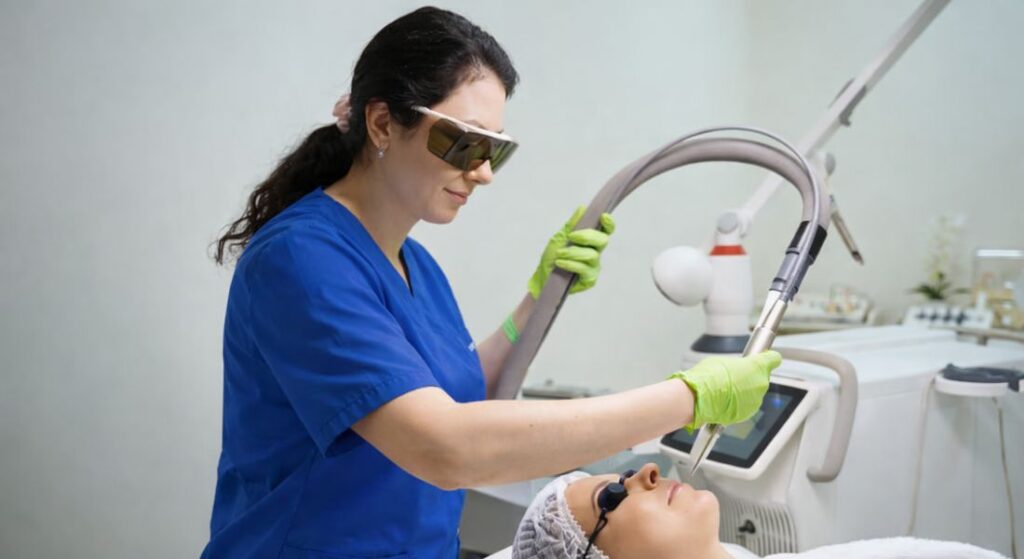
CO₂ laser treatment is a type of ablative laser therapy, which means it works by carefully removing layers of damaged skin. This process stimulates collagen production, smooths out wrinkles, improves skin texture, and can even reduce pigmentation or help with acne scars. By delivering precise heat to the skin, the laser triggers controlled resurfacing, allowing fresh, healthy skin to emerge over time.
Because CO₂ laser penetrates deeper than many other aesthetic treatments, it is more intensive and requires careful planning if you have already had procedures like Botox or dermal fillers. Your skin’s previous interventions can influence how it responds to the laser and may also affect how quickly it recovers. Understanding this interaction helps ensure that your skin heals properly and that results are both safe and effective.
Being aware of how CO₂ laser works alongside other treatments allows you to make informed decisions about timing and sequencing. Your practitioner can adjust settings, plan recovery periods, and tailor the treatment to your skin’s current condition. With the right guidance, you can achieve smoother, rejuvenated skin while minimising any risk of irritation or complications.
How Previous Aesthetic Treatments Affect CO₂ Laser Suitability
Your history of aesthetic treatments can affect how your skin responds to CO₂ laser resurfacing. The type of procedure you’ve had, how recently it was done, and how well your skin has healed all influence safety and results. Understanding these factors helps you and your practitioner plan the treatment effectively, minimising irritation and ensuring your skin recovers properly. Proper timing allows each procedure to complement the others and maximises rejuvenation.
Botox and dermal fillers require careful spacing before CO₂ laser. Botox relaxes facial muscles, so dermatologists usually recommend waiting at least two weeks before laser to allow your skin to stabilise. Fillers, often placed in the cheeks, lips, or under the eyes, may need two to four weeks before laser to prevent swelling or uneven results. Similarly, recent radiofrequency treatments leave your skin in a heightened regenerative state, so waiting a few weeks ensures CO₂ laser does not overstress the collagen network.
Other resurfacing procedures, like chemical peels or microneedling, also affect timing. Your skin must fully recover from these treatments before undergoing CO₂ laser to avoid excessive irritation. When scheduled properly, combining these therapies with CO₂ laser months later can enhance collagen production, improve texture, and achieve smoother, healthier skin. Careful planning with your dermatologist ensures each procedure works together safely and effectively.
Planning CO₂ Laser After Other Treatments
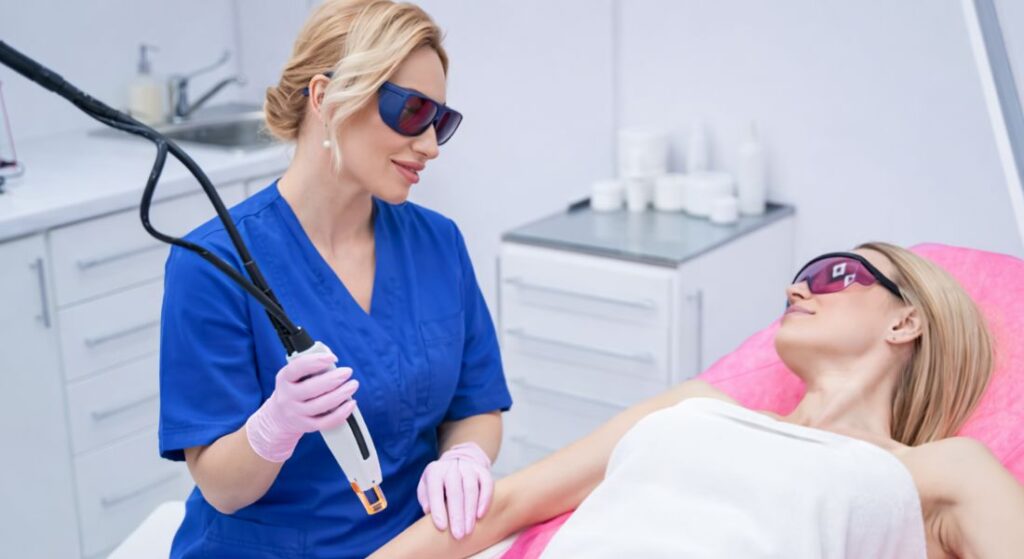
Proper planning is crucial when scheduling CO₂ laser after other aesthetic procedures. Thoughtful timing and careful assessment ensure your skin recovers well and minimises risks, while still achieving effective results.
1. Detailed Consultation: Your dermatologist will review your treatment history, skin type, and current concerns. This assessment identifies areas that require caution and helps plan a safe, personalised approach.
2. Timing Schedule: Staggering treatments allows your skin to heal between procedures, reducing the chance of cumulative irritation or adverse reactions. Careful spacing ensures each treatment works effectively without over-stressing the skin.
3. Targeted Treatment Zones: The CO₂ laser can be customised to avoid sensitive areas, such as recent filler sites or regions treated with RF or chemical peels. This targeted approach enhances safety while still delivering optimal rejuvenation.
In conclusion, planning your CO₂ laser with professional guidance is essential for achieving safe and effective outcomes. By consulting your dermatologist, timing treatments strategically, and targeting zones thoughtfully, you can minimise complications and maximise results.
Risks and Considerations
While CO₂ laser is highly effective, combining it with other recent treatments comes with some potential risks. Your skin may be more sensitive if it has been treated recently, which can lead to increased redness, swelling, or temporary discomfort. Understanding this helps you approach the procedure safely and set realistic expectations for recovery.
Timing is also important to avoid uneven results. If fillers or Botox were applied too recently, the laser may interact differently with treated areas, causing subtle variations in texture or skin tone. Proper spacing between treatments allows your skin to respond consistently and ensures the results look natural and balanced.
Layering treatments without adequate recovery time can also prolong downtime, delaying your return to normal activities. By discussing your full treatment history with a qualified practitioner and planning sessions strategically, you can minimise these risks. Careful scheduling ensures that each procedure complements the others, helping you achieve the best possible results safely.
Benefits of Combining CO₂ Laser with Other Aesthetic Treatments
When properly timed, CO₂ laser treatment can work beautifully alongside other aesthetic procedures. While Botox smooths dynamic lines and fillers restore volume, CO₂ laser targets surface irregularities, fine lines, and deeper scars. This combination allows you to address multiple concerns in a way that a single treatment alone cannot.
Combining CO₂ laser with other therapies can also enhance collagen stimulation. Treatments like radiofrequency or microneedling, when followed by CO₂ laser, can encourage collagen production more effectively than either procedure on its own. This synergistic effect helps improve skin firmness, texture, and overall resilience.
Taken together, this planned approach allows for comprehensive skin rejuvenation. By coordinating treatments strategically, you can tackle wrinkles, pigmentation, and texture issues in a safe and controlled manner. Essentially, CO₂ laser acts as the finishing touch in a broader aesthetic plan, leaving your skin looking refreshed, youthful, and revitalised.
Preparing Your Skin for CO₂ Laser After Previous Treatments
Preparation is key when planning CO₂ laser treatment, especially if you’ve had previous aesthetic procedures. Following post-treatment guidelines and ensuring your skin has fully recovered from Botox, fillers, RF, or chemical peels helps reduce the risk of complications. Proper timing allows your skin to stabilise and respond optimally to the laser.
Keeping your skin well-hydrated and healthy is also essential. Skin that is nourished and in good condition heals faster and tolerates CO₂ laser better. Avoiding sun exposure in the weeks before your treatment is equally important, as sun-damaged or tanned skin is more prone to irritation or pigmentation changes.
Finally, discuss any medications or topical treatments with your dermatologist before your procedure. Certain drugs can affect healing or increase sensitivity, so providing a complete list helps your practitioner plan safely. By taking these steps, you increase the chances of a smooth treatment and maximise your overall results.
Recovery After CO₂ Laser Following Other Treatments
Recovery after CO₂ laser depends on the intensity of your session and any previous aesthetic treatments you’ve had. In general, the first week involves redness, mild swelling, and peeling as your skin begins to heal. Understanding what to expect helps you prepare and follow care instructions properly, ensuring the best results.
During the first few days, your skin may feel warm, tight, or sunburned, and redness is most noticeable. By days four to seven, peeling and flaking usually start, so gentle moisturisation becomes crucial to support healing. Around the second to third week, your skin tone gradually evens out, and any residual redness fades as the new skin settles in.
If you’ve had previous treatments like Botox or fillers, your dermatologist may adapt post-laser care to suit your skin’s unique needs. This could include using gentle moisturisers, targeted serums, or specific sun protection routines. Following these personalised instructions ensures a smoother recovery and helps you achieve optimal, long-lasting results.
Tips for Safe and Effective Treatment Planning

Keeping track of all your previous aesthetic treatments is an important first step. Maintaining a treatment log that notes the dates of Botox, fillers, RF, or other procedures helps your dermatologist plan CO₂ laser safely and avoid overlapping effects. Accurate records make it easier to schedule sessions with the right timing, reducing the risk of irritation or uneven results.
Choosing an experienced practitioner is equally important. A dermatologist familiar with layered aesthetic protocols understands how different treatments interact and can tailor your CO₂ laser session for optimal outcomes. Avoid using over-the-counter peels or home devices before your laser, as these can irritate your skin and complicate recovery. Rushing into treatment without proper planning increases the likelihood of adverse effects.
Patience and meticulous aftercare are key to a safe and effective recovery. Following your dermatologist’s post-laser instructions carefully ensures your skin heals properly, especially if you’ve recently had other procedures. By scheduling strategically and adhering to aftercare, you can maximise results, minimise downtime, and enjoy smoother, healthier-looking skin.
Realistic Expectations
Having realistic expectations is key when combining CO₂ laser with other treatments. Understanding what the procedure can and cannot achieve helps you plan safely and appreciate gradual improvements.
1. Minimise Risk of Irritation or Uneven Healing: Considering prior treatments allows your dermatologist to avoid over-stressing the skin, reducing redness, swelling, or patchy results.
2. Maximise Overall Skin Rejuvenation: Strategic planning ensures each procedure complements the others, enhancing texture, tone, and overall skin health.
3. Achieve Gradual, Lasting Results: CO₂ laser improves deep wrinkles, scarring, and texture over time, providing smoother, more youthful skin rather than instant, dramatic changes.
In conclusion, setting realistic expectations helps you approach CO₂ laser treatment confidently. Working with your dermatologist ensures your plan respects previous procedures, optimises outcomes, and keeps your skin healthy throughout the process.
When to Avoid CO₂ Laser After Other Treatments
There are times when CO₂ laser may not be suitable, especially if you’ve had recent aesthetic treatments. For example, if you’ve had Botox or dermal fillers within the last two weeks, your skin may not be ready for laser resurfacing. Treating too soon can increase the risk of irritation or uneven results, so it’s important to allow enough recovery time.
Your skin’s condition also matters. CO₂ laser should be avoided if your skin is inflamed, recovering from aggressive resurfacing treatments, or showing signs of irritation. Active infections, cold sores, or other skin conditions in the treatment area can also increase complications and delay healing.
Certain medications can affect how your skin recovers, especially those that slow healing or increase sensitivity. In these situations, postponing CO₂ laser is the safest choice. By waiting until your skin is fully ready, you can reduce risks and ensure the treatment is both safe and effective.
Integrating CO₂ Laser Into a Long-Term Skin Plan
For lasting results, CO₂ laser works best when integrated into a long-term skin strategy rather than used as a single solution. The process usually begins with a thorough assessment and careful sequence planning with your dermatologist. This ensures that each procedure is timed appropriately and that your skin can recover fully between treatments.
A typical plan may involve staggered treatments, with fillers or Botox performed first and CO₂ laser scheduled afterwards. This approach allows each treatment to complement the others safely and effectively. Regular maintenance, including sun protection, hydration, and routine skin checks, helps preserve the results and keeps your skin healthy over time.
Periodic touch-ups, scheduled as advised by your practitioner, maintain improvements while balancing treatment intensity and downtime. By following a structured long-term plan, you allow your skin to improve gradually without being overwhelmed. This strategy delivers a natural, rejuvenated appearance that lasts.
Enhancing Results With Complementary Skincare
Your at-home skincare routine is just as important as professional treatments in achieving long-lasting results. Thoughtful daily care supports healing, maintains skin health, and amplifies the benefits of procedures like CO₂ laser.
1. Hydration: Moisturisers and serums help maintain skin elasticity and support recovery after resurfacing treatments. Well-hydrated skin also responds better to active ingredients and procedures.
2. Sun Protection: Broad-spectrum SPF shields your skin from UV damage, prevents pigmentation, and prolongs the results of professional treatments.
3. Gentle Cleansing: Avoid harsh scrubs, strong acids, or aggressive exfoliation during recovery, as they can compromise the healing skin barrier.
4. Targeted Serums: Ingredients such as vitamin C, peptides, or hyaluronic acid can enhance collagen stimulation, brighten skin tone, and improve texture.
In conclusion, consistent, mindful at-home care complements professional treatments. By combining hydration, protection, and targeted skincare, you can maximise your results and maintain a radiant, healthy complexion over time.
Choosing the Right Clinic and Practitioner

Choosing the right clinic and practitioner is crucial when combining CO₂ laser with other aesthetic treatments. You want someone who has experience with layered treatments and understands how different procedures interact. This ensures your treatment is planned safely and effectively, minimising risks while maximising results.
Check that your practitioner has proper licensing and certification for laser procedures. A qualified professional will follow safety standards, use the right equipment, and know how to adjust treatments for your unique skin type and history. Transparency is also important your practitioner should clearly explain the risks, expected recovery, and realistic outcomes of the procedure.
Look for a practitioner who creates a customised treatment plan tailored to your needs. By considering your past treatments, skin condition, and long-term goals, they can sequence therapies safely and strategically. Working with an experienced and qualified professional gives you confidence that your CO₂ laser treatment will be both safe and effective.
FAQs:
1. Can I have CO₂ laser if I’ve had Botox or dermal fillers?
Yes, CO₂ laser is generally safe after Botox or fillers, but timing is essential. Botox usually requires a 2-week wait, while fillers may need 2–4 weeks to prevent swelling, uneven results, or over-stressing the skin.
2. How do previous aesthetic treatments affect CO₂ laser results?
Botox relaxes muscles, fillers restore volume, and RF treatments stimulate collagen. These changes influence how your skin responds to CO₂ laser, so your practitioner may adjust settings or treatment zones to ensure safety and effectiveness.
3. Is CO₂ laser safe after radiofrequency (RF) treatments or microneedling?
Yes, but your skin needs time to recover first. Recent RF or microneedling leaves your skin in a heightened regenerative state, so waiting a few weeks before CO₂ laser reduces the risk of irritation and ensures optimal healing.
4. What should I do to prepare my skin for CO₂ laser?
Ensure your skin has fully recovered from previous treatments. Keep it hydrated, avoid sun exposure, and discuss any medications or topical products with your dermatologist to minimise sensitivity or complications.
5. How is CO₂ laser different from other treatments like Botox, fillers, or chemical peels?
CO₂ laser is ablative and penetrates deeper, removing damaged skin layers to stimulate collagen and improve texture, fine lines, and scarring. Botox smooths dynamic lines, fillers restore volume, and chemical peels or RF target more superficial concerns.
6. Can CO₂ laser be combined safely with other aesthetic treatments?
Yes. When scheduled and planned properly, CO₂ laser complements other treatments by enhancing collagen stimulation, improving texture, and addressing deeper skin concerns, giving more comprehensive rejuvenation.
7. What are the risks of having CO₂ laser after other treatments?
Potential risks include increased redness, swelling, temporary discomfort, uneven results, or prolonged downtime if treatments are too close together. Proper spacing and planning minimise these risks.
8. What is the recommended recovery after CO₂ laser?
Initial redness, mild swelling, and peeling occur in the first week. By weeks two to three, skin tone evens out. Recovery may be adapted based on previous treatments, with moisturisers, targeted serums, and sun protection as essential components.
9. How can I maximise CO₂ laser results?
Keep a detailed record of all past treatments, follow your practitioner’s pre- and post-care instructions, use gentle, hydrating skincare, apply broad-spectrum SPF, and allow adequate spacing between procedures.
10. When should I avoid CO₂ laser?
Avoid if you’ve had recent Botox, fillers, or aggressive resurfacing treatments within the last 2–4 weeks, if your skin is inflamed or irritated, or if you’re taking medications that affect healing or increase sensitivity.
Final Thoughts: Safely Integrating CO₂ Laser Into Your Aesthetic Plan
CO₂ laser treatment can be a highly effective addition to your existing aesthetic routine when approached thoughtfully. Understanding your treatment history, spacing procedures correctly, and following professional guidance ensures your skin heals well and achieves optimal results. By combining CO₂ laser with other therapies like Botox, dermal fillers, or RF treatments in a safe and planned sequence, you can enhance texture, tone, and overall skin rejuvenation without unnecessary risk.
If you’re thinking about CO₂ laser treatment in London, you can get in touch with us at the London Medical & Aesthetic Clinic. Consulting a qualified practitioner allows you to create a personalised plan, maximise results, and maintain healthy, revitalised skin over time.
References
1. Zhu et al. The efficacy and safety of fractional CO₂ laser combined with topical Botulinum Toxin Type A for facial rejuvenation https://pubmed.ncbi.nlm.nih.gov/26998485/
2. Urdiales‑Gálvez, F. et al., 2019. Concomitant use of hyaluronic acid and laser in facial rejuvenation, Aesthetic Plastic Surgery https://pmc.ncbi.nlm.nih.gov/articles/PMC6742610/
3. Clementi, A. et al., 2025. Sequential fractional CO₂ and 1540/1570 nm lasers for facial skin rejuvenation, https://www.mdpi.com/2077-0383/14/11/3867
4. Belletti, S., 2023. Laser impacts on skin rejuvenation: the use of fractional ablative CO₂ lasershttps://www.mdpi.com/1648-9144/59/10/1857
5. Mendes, N., Alves, P.J., Barros, M. & Machado, J., 2022. Fractional CO₂ laser versus fractional radiofrequency for skin striae treatment: study protocol for a randomized controlled trial, https://www.mdpi.com/2227-9032/10/12/2372