


When you think about fat removal, it is easy to picture dramatic change. You might imagine large volumes being removed, obvious transformations, and a visible shift from one body type to another. In reality, that level of change is rarely what people are looking for. Most concerns are far more specific and far more contained.
What tends to cause frustration is not overall size, but detail. You may notice small bulges that refuse to shift despite consistent effort. These pockets stand out precisely because everything else already feels balanced. When the rest of your body responds as expected, these remaining areas become harder to ignore.
This is where precision starts to matter. Laser liposuction is not about weight loss or sweeping change. It is about control, accuracy, and selective correction. When you are dealing with small, localised fat pockets, that distinction becomes critical to achieving a natural result.
In this article, you are guided through how precise laser liposuction really is. You will learn what differentiates it from traditional fat removal, why accuracy is so important in subtle areas, and where its limitations still exist. Most importantly, it will help you decide whether this approach is the right tool when refinement, rather than reduction, is the true goal.
Why Small Fat Pockets Are So Hard to Treat
Small fat pockets are often the most emotionally exhausting to deal with. They tend to sit in areas you see every day, such as the lower abdomen that never quite flattens, the fullness under the bra line, or the soft area beneath the chin. Because these areas are constantly visible, they can feel disproportionate to the rest of your body. You are not imagining them, and you are not failing.
These pockets persist because fat distribution is not evenly shared across the body. Your body follows a genetic blueprint shaped by hormones, biological sex, age, and inherited traits. Once fat cells establish themselves in certain regions, they become more metabolically resistant. They are slower to release stored energy, tend to shrink last during weight loss, and often return first with weight gain.
This is why you can be slim, active, and healthy yet still feel visually unbalanced. When the issue is this localised, broad or aggressive solutions often fall short. Blunt approaches risk overcorrection, while general treatments ignore the nuance of small areas. In these situations, precision becomes the difference between meaningful improvement and disappointment.
What Precision Actually Means in Body Contouring
Precision in body contouring has very little to do with how advanced or impressive the equipment looks. It is about how accurately fat can be targeted, disrupted, and removed while preserving natural shape and surrounding tissue. In small treatment areas, even a few millimetres can determine whether a result looks refined or obviously altered.
1. Controlled Fat Disruption: Precision begins with how fat cells are broken down. Laser energy allows fat to be disrupted in a controlled, uniform manner rather than torn or aggressively suctioned. This reduces unintended damage and allows the surgeon to work methodically within defined boundaries.
2. Predictable Removal Volumes: True precision means knowing exactly how much fat is being removed and from where. Small, calculated volume changes can create visible improvements without overcorrection. This predictability is essential for symmetry and balanced results.
3. Minimal Trauma to Surrounding Tissue: Preserving blood vessels, nerves, and connective tissue is a key part of precision. Reduced trauma means less swelling, less bruising, and a smoother healing process. It also supports better skin retraction and more natural contours.
4. Fine Contour Shaping Rather Than Bulk Reduction: Precision contouring focuses on refining lines and transitions, not removing large amounts of fat. The goal is subtle sculpting that enhances existing proportions rather than reshaping the body dramatically. This is what separates aesthetic refinement from crude volume loss.
In conclusion, precision in body contouring is about control, restraint, and accuracy. Laser liposuction was developed to offer this higher level of refinement, making it possible to shape small areas carefully while maintaining natural-looking results.
How Laser Liposuction Works at a Technical Level
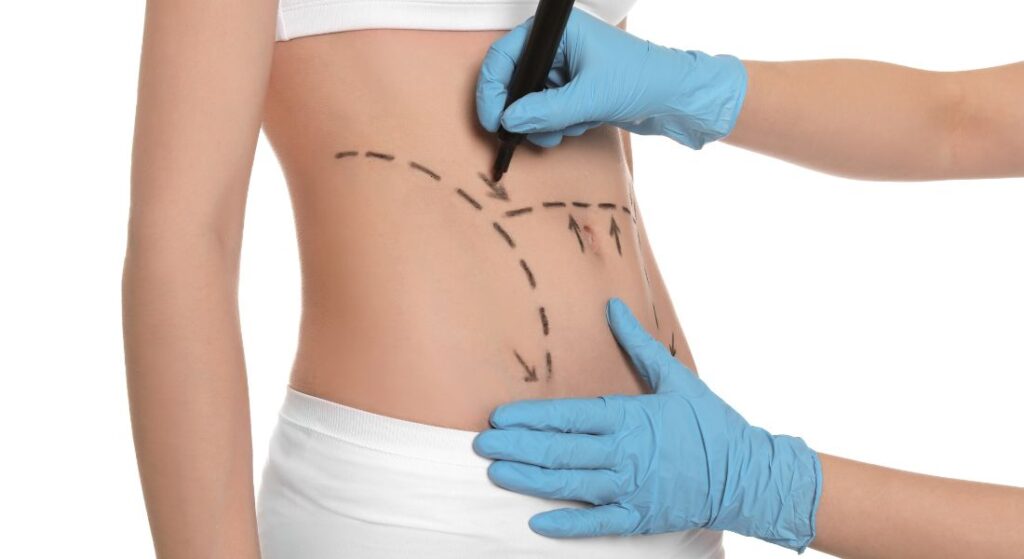
Laser liposuction uses a very thin fibre-optic laser that is delivered beneath your skin through a small, discreet incision. The laser emits controlled energy that selectively targets fat cells rather than surrounding structures. This energy heats the fat, causing the cell membranes to rupture and the fat to soften or liquefy. Once disrupted, the fat can be removed more smoothly and with greater control.
What matters most in this process is selectivity. Fat absorbs laser energy differently from blood vessels, nerves, and connective tissue, which allows the surgeon to work precisely within a confined area. This selective interaction reduces collateral disruption and improves accuracy. For you, this means targeted change rather than broad tissue trauma.
The cannulas used in laser liposuction are also much smaller than those used in traditional liposuction. Smaller instruments allow for finer manoeuvrability and more detailed sculpting. Entry points are reduced, and control is increased. When treating small fat pockets, this combination is crucial for achieving subtle, balanced results.
Why Smaller Cannulas Matter for Accuracy
Traditional liposuction cannulas are designed to remove volume efficiently. They work well for larger areas such as the abdomen, flanks, or thighs. In smaller zones, however, they can feel imprecise and difficult to control. That lack of finesse becomes more noticeable when detail matters.
Laser liposuction cannulas are thinner and more refined, which allows for greater accuracy. This gives the practitioner more control over movement and depth when working within narrow layers of fat. The approach is more deliberate and measured. For you, this means shaping rather than sweeping removal.
In practical terms, this level of control allows fat to be removed from a very precise depth. It also helps smooth transitions between treated and untreated areas. Structural support beneath the skin is better preserved. When refining a jawline or smoothing a small abdominal bulge, this accuracy creates a visibly more natural result.
Heat as a Tool, Not a Risk
Heat can sound alarming when you first hear about laser-based treatments. In laser liposuction, however, controlled thermal energy is a deliberate tool rather than a hazard. The heat weakens fat cell membranes, helps seal small blood vessels, and stimulates collagen contraction in the skin. Used correctly, it supports precision rather than compromising safety.
This controlled heat makes fat removal smoother and more predictable. By reducing bleeding during the procedure, it limits visual distortion in the treated area. Less swelling at the time of treatment allows clearer assessment of shape as work progresses. For you, this means more accurate contouring in real time.
In small fat pockets, this level of control becomes especially important. Reduced bleeding and swelling help preserve symmetry and proportion. The practitioner can judge transitions more reliably as the area is being shaped. In regions where the margin for error is small, that advantage makes a visible difference.
Skin Retraction and Precision Go Hand in Hand
One of the main challenges when treating small fat pockets is how your skin behaves afterwards. Removing fat alone does not automatically guarantee a smooth or refined result. In small areas, even minor skin laxity can become more visible once volume is reduced. This makes skin response a critical part of the outcome.
Laser liposuction provides a mild skin-tightening effect through heat-induced collagen contraction. While it is not a replacement for surgical skin tightening, it does help your skin adapt more evenly to the new contour. This support can make the difference between a flat result and a softly contoured one. The benefit is subtle but meaningful.
This effect is especially relevant in areas such as under the chin, the upper arms, the bra line, and the inner knees. In these zones, the margin for error is small and changes are easy to spot. Precision is not only about how fat is removed. It is also about how well your skin responds once that fat is gone.
Comparing Laser Liposuction to Traditional Liposuction for Small Areas
Traditional liposuction is an effective and well-established procedure. It has decades of clinical evidence supporting its use. However, effectiveness does not always mean suitability for every situation. When the goal is subtle change, the technique matters.
For small, localised fat pockets, traditional liposuction can be less forgiving. It relies more heavily on mechanical force, which is harder to control at a very fine level. In confined areas, this can increase the risk of unevenness or overcorrection. The margin for error is smaller when working with detail.
Laser liposuction offers clear advantages in these scenarios. It involves less mechanical trauma, allows for finer sculpting, and is typically associated with reduced swelling. Skin adaptation is often better supported as well. This does not mean traditional liposuction is inferior, but rather that it was not designed primarily for subtle refinement. Precision outcomes require precision tools.
Areas Where Laser Liposuction Excels in Precision
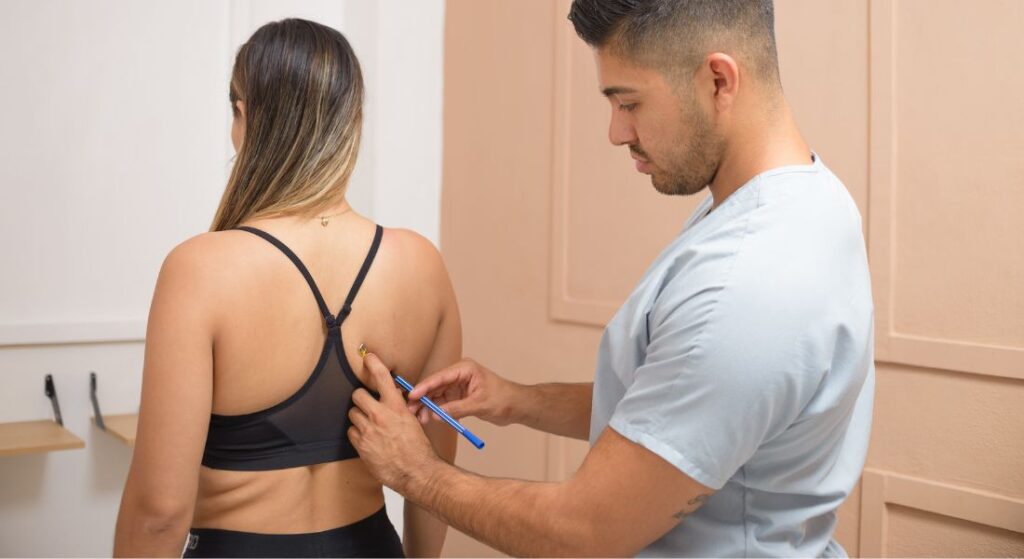
Certain areas of the body demand a much higher level of accuracy because even small changes can significantly affect overall appearance. In these zones, traditional fat removal can easily look heavy-handed. Laser liposuction is particularly effective here because it allows controlled, measured refinement rather than broad volume reduction.
1. The Chin and Jawline: This region requires millimetre-level precision. Removing too much fat can create hollows or exaggerate ageing, while removing too little produces no visible change. The use of small cannulas and controlled fat disruption allows careful sculpting that enhances jaw definition without compromising natural contours.
2. Bra Line and Upper Back: Fat in this area often presents as narrow rolls that interfere with clothing fit rather than contributing to overall weight. Laser liposuction can smooth these pockets selectively, preserving the natural curvature of the back instead of flattening it. This creates a cleaner silhouette without making the area look over-treated.
3. Lower Abdomen Pouches: This refers to the small, persistent pouch that remains even in individuals with otherwise low body fat. Precision is critical here because overcorrection can lead to irregularities or an unnatural hollow. Laser liposuction allows subtle volume reduction that blends smoothly with the surrounding abdomen.
4. Inner Knees: The inner knee area demonstrates how small fat deposits can disproportionately affect leg shape. Aggressive treatment risks disrupting the natural muscle outline. Laser liposuction enables fine refinement, improving leg proportions while maintaining normal anatomical definition.
In conclusion, these areas highlight where precision truly matters in body contouring. Laser liposuction excels not because it removes more fat, but because it allows careful, restrained changes in anatomically sensitive zones. When accuracy is prioritised over volume, results look more natural and balanced.
Why Practitioner Skill Matters More Than the Technology
Technology can enable precision, but it does not guarantee it on its own. The accuracy of laser liposuction depends heavily on your practitioner’s understanding of anatomy, fat layers, and aesthetic balance. Devices provide capability, but judgement determines outcome. Without skilled application, even advanced tools fall short.
Small fat pockets demand a conservative and thoughtful approach. Your practitioner needs an eye for symmetry, restraint during removal, and experience with subtle contouring. These areas do not tolerate aggressive correction. Success often comes from removing less rather than more.
Over-treatment is one of the biggest risks in small-area liposuction. Precision is not just about what can be removed, but knowing when to stop. No device can replace clinical judgement and experience. In refined contouring, skill remains the decisive factor.
The Role of Planning in Achieving Accurate Results
Precision begins before the procedure even starts. Careful assessment helps determine whether the fat pocket you are concerned about is truly isolated. It also establishes how much fat can be safely removed without disrupting balance. Planning sets the boundaries for what should, and should not, be changed.
A thorough plan also considers how the surrounding area is likely to respond. Skin quality, underlying structure, and neighbouring contours all influence the final result. Laser liposuction works best when the goal is refinement rather than correction of laxity or weight-related fat accumulation. This clarity ensures the treatment is being used for the right reason.
If the plan is flawed, even the most precise tool will fall short. Technology cannot compensate for poor judgement or unrealistic targets. Accurate outcomes depend on aligning anatomy, expectations, and technique from the outset. Good planning is what turns precision into a visible, satisfying result.
Why Laser Liposuction Is Not a “Spot Weight Loss” Tool
This distinction is important to understand from the outset. Laser liposuction targets fat cells directly in specific areas, but it does not alter your metabolism. It does not prevent future fat gain or override your genetic fat distribution. The treatment addresses shape, not how your body manages weight over time.
The precision of laser liposuction lies in removal rather than long-term control. Once fat cells are removed from a treated area, that change is structural. However, if your weight fluctuates significantly, fat can accumulate in untreated areas. This can alter overall proportions and affect the balance of the result.
For this reason, laser liposuction works best when your weight is stable. Realistic expectations are just as important as technical accuracy. When you understand what the procedure can and cannot do, outcomes are more predictable. This clarity helps ensure satisfaction with the final contour.
Recovery and How It Affects Perceived Precision
Swelling can distort how results appear in the early stages after treatment. One advantage of laser liposuction is that it typically causes less post-procedure inflammation than traditional methods. Reduced swelling allows you to see earlier indications of symmetry and contour. Even so, these early impressions are not the final result.
True outcomes take time to settle as your body heals. In small treatment areas, even minor swelling can temporarily exaggerate unevenness or irregularities. This can make results seem less precise than they actually are. With time, these distortions usually resolve.
Patience is an essential part of the recovery process. Precision outcomes do not appear instantly. As swelling subsides and tissues adapt, the refined contour becomes clearer. The most accurate results reveal themselves gradually rather than immediately.
Common Misconceptions About Laser Liposuction Accuracy
There are a few persistent myths about laser liposuction that are worth addressing. One common belief is that the laser simply melts fat away without any need for removal. In reality, the disrupted fat still has to be removed or gradually processed by your body. The laser assists the process, but it does not replace it.
Another misconception is that laser liposuction guarantees skin tightening. While the heat can encourage some collagen contraction, the effect is modest. How much tightening you see depends largely on your skin quality and elasticity. It should not be viewed as a substitute for surgical skin tightening.
Precision also does not mean perfection. Laser liposuction is designed to deliver controlled and predictable improvement. Small refinements can make a meaningful difference without aiming for an unrealistic ideal. Understanding these limits helps set expectations and avoid disappointment.
How Much Fat Can Be Removed Safely in Small Areas
When it comes to small fat pockets, less is often more. Even a modest reduction can create a noticeable improvement in contour. Aggressive removal, by contrast, increases the risk of irregularities or unevenness, particularly in areas with limited tissue. Subtlety is key to achieving a natural result.
Laser liposuction allows fat to be removed in controlled layers. This approach supports gradual shaping rather than abrupt changes, giving the practitioner more precision. Each pass can be tailored to the area’s anatomy and surrounding contours.
This layered technique is one of the reasons laser liposuction is so effective for refinement. It enables careful sculpting without overcorrection. For small, stubborn pockets, this method maximises accuracy and enhances the visual outcome.
The Psychological Side of Precision Treatments
People seeking treatment for small fat pockets are often disciplined and highly body-aware. You may notice details that others would easily overlook. Because of this, precision becomes especially important minor imbalances can feel far more significant when you are already close to your ideal shape.
Laser liposuction is particularly suited to this mindset because it focuses on specific concerns rather than attempting a full-body transformation. The procedure allows targeted refinement, addressing the areas that truly matter to you. It provides control and subtle improvement rather than dramatic change.
When expectations are realistic and aligned with what the treatment can achieve, satisfaction tends to be high. Knowing that precision, not volume, is the goal helps you appreciate even small improvements. The psychological reward often comes from resolving these lingering concerns rather than seeing large-scale change.
Why Accuracy Matters More Than Speed
Some procedures prioritise efficiency and the removal of volume as quickly as possible. Precision treatments, by contrast, prioritise the quality of the outcome over speed. When working on small areas, laser liposuction is typically slower and more deliberate, allowing each movement to be carefully controlled.
Adjustments are made incrementally, rather than attempting large changes all at once. This method helps maintain symmetry and ensures smooth transitions between treated and untreated areas. The focus is on refinement rather than rapid reduction.
Rushing the process can easily undermine accuracy. Even minor misjudgements are magnified in small, detailed areas. Taking the time to proceed thoughtfully ensures that results are both natural and balanced.
Is Laser Liposuction Always the Best Option for Small Fat Pockets?
The answer is: not always. In some cases, non-invasive treatments may be enough to achieve the improvement you want. In other situations, skin laxity or elasticity may limit what fat removal alone can accomplish. Understanding the interplay between fat, skin, and contour is key to selecting the most appropriate approach.
Precision is not just about technique it also means choosing the right solution for your specific concern. Forcing a procedure to fit a problem it cannot fully address can compromise results. A thorough consultation should explore all available options honestly, highlighting both strengths and limitations.
If you are considering laser liposuction as a refinement tool, having a clear understanding of what it can realistically achieve helps you make a grounded decision. Approaching treatment with knowledge rather than emotion ensures expectations are realistic and outcomes are satisfying.
Longevity of Results and Precision Maintenance
Laser liposuction offers long-lasting improvements because removed fat cells do not grow back. However, maintaining the refined contours depends on both lifestyle and realistic expectations. Understanding how to preserve results helps ensure that precision work continues to look natural over time.
1. Stable Weight: The contour achieved through laser liposuction is most durable when your overall weight remains consistent. Significant weight fluctuations can expand remaining fat cells, altering the treated area and diminishing precision results.
2. Consistent Lifestyle Habits: Regular exercise, balanced nutrition, and healthy routines support long-term maintenance. These habits help prevent new fat accumulation and reinforce the subtle sculpting achieved through the procedure.
3. Realistic Expectations: Results that are subtle and proportionate age more gracefully. Over-aggressive removal can look unnatural as the body changes over time, whereas carefully planned precision maintains harmony with surrounding anatomy.
In conclusion, the longevity of laser liposuction results depends on a combination of precise technique and patient habits. When approached thoughtfully, treated areas remain refined, natural, and balanced for years, highlighting the importance of both procedure planning and ongoing lifestyle care.
Subtle Change, Strong Impact
Small fat pockets can have a surprisingly disproportionate effect on how you perceive your body. Even minor bulges can affect how clothes fit, how you move, and how confident you feel. Removing them does not change who you are it simply removes a source of frustration and imbalance.
Laser liposuction’s precision makes it particularly powerful when used thoughtfully. It allows for targeted refinement without disturbing the broader balance of your body. This focused approach preserves natural proportions while addressing the areas that matter most.
That is where the real value of the treatment lies. Even subtle improvements can have a strong visual and psychological impact. The result is a body that feels more harmonious and aligned with your efforts.
FAQs:
1. How precise is laser liposuction for treating small fat pockets?
Laser liposuction is highly precise, particularly for small, localised fat deposits. It allows controlled fat disruption and removal in narrow areas where even minor changes can significantly affect overall contour.
2. Is laser liposuction suitable for weight loss?
No. Laser liposuction is not a weight-loss procedure. It is designed for contour refinement, targeting stubborn fat pockets that do not respond to diet or exercise.
3. Why are small fat pockets harder to remove than larger areas?
Small fat pockets are often genetically determined and more resistant to metabolic change. Because they are localised, aggressive or broad treatments risk uneven results, making precision essential.
4. How does laser liposuction differ from traditional liposuction in small areas?
Laser liposuction uses smaller cannulas and controlled laser energy, allowing finer sculpting with less trauma. Traditional liposuction is effective for larger volumes but can be less forgiving in delicate or detailed areas.
5. Which areas benefit most from laser liposuction precision?
Laser liposuction is particularly effective for the chin and jawline, bra line, lower abdomen pouches, inner knees, and other areas where subtle shaping matters more than volume reduction.
6. Does laser liposuction tighten the skin as well as remove fat?
Laser liposuction can encourage mild skin tightening through heat-induced collagen contraction, but this effect is modest. It should not be considered a replacement for surgical skin tightening.
7. How much fat can safely be removed from small areas?
Only small, carefully measured volumes are removed. Subtle reduction often produces the best visual improvement, while aggressive fat removal increases the risk of irregularities.
8. How important is practitioner skill for achieving precise results?
Practitioner experience is critical. Precision outcomes depend more on anatomical knowledge, judgement, and restraint than on the technology itself.
9. How long does it take to see final results after laser liposuction?
Early changes may be visible once swelling settles, but final results develop gradually over several months as tissues heal and contours stabilise.
10. Are laser liposuction results permanent in small fat pockets?
Removed fat cells do not return, making results long-lasting. However, maintaining stable weight and healthy habits is important to preserve the refined contour over time.
Final Thoughts: Precision Over Volume
Laser liposuction demonstrates that when it comes to small fat pockets, precision matters far more than the amount of fat removed. Subtle refinements in detail-sensitive areas like the chin, upper arms, bra line, or lower abdomen can dramatically enhance proportion, balance, and confidence, even without significant changes on the scale. The success of the procedure relies on careful planning, practitioner skill, and realistic expectations, rather than simply relying on technology or aggressive fat removal.
Maintaining stable weight and healthy lifestyle habits supports the longevity of results, ensuring that these precise contouring improvements remain natural and harmonious over time. Laser liposuction is not a shortcut for weight loss but a targeted refinement tool, allowing for controlled reshaping where it matters most.
If you’re thinking about laser liposuction treatment in London, you can get in touch with us at the London Medical & Aesthetic Clinic. You can also explore more about the procedure, suitability, and approach on our dedicated laser liposuction page.
References:
1. Lee, K.W.A., Chan, L.K.W., Lee, A.W.K., Lee, C.H., Wan, J. & Yi, K.-H. (2024) Laser‑Assisted Lipolysis Versus Surgical Fat Removal: A Review of Efficacy, Safety, and Patient Satisfaction. Cosmetics, https://www.mdpi.com/2079-9284/11/5/164
2. Ardeleanu, V. (2020) Treatment of Lipomas and Diffuse Lipomatosis with Nd:YAG Laser and Liposuction. Journal of Surgery, https://www.mdpi.com/2392-7674/7/1/3
3. Shin, J. et al. (2025) Impact of Laser‑Assisted Lipolysis With and Without Liposuction on Arm Circumference: A Systematic Review and Meta‑Analysis. Aesthetic Surgery Journal Open Forum, https://academic.oup.com/asjopenforum/article/doi/10.1093/asjof/ojaf097/8249084
4. DeLuca, F. et al. (2014) Evaluation of Skin Tightening After Laser‑Assisted Liposuction. Aesthetic Surgery Journal, https://www.sciencedirect.com/science/article/abs/pii/S1090820X0900315X
5. Dziabas, D.C., Kasai, M.M.S. & Chicone, G. (2026)Pilot Study: Lipolifting A Minimally Invasive Facial and Body Contouring Technique. Plastic and Reconstructive Surgery Global Open, e7208. https://pmc.ncbi.nlm.nih.gov/articles/PMC12834455/