

After laser hair removal, you may notice redness, warmth or mild sensitivity in the treated area. These reactions are often temporary, but following the right aftercare can help you stay comfortable while your skin recovers.
Whether you’ve treated your face, legs, underarms or bikini area, you may need to avoid hot showers, intense exercise, certain skincare products and direct sunlight. Knowing what to expect and when to seek advice can help you care for your skin after each session.
Why Is Laser Hair Removal Aftercare Important?
Laser hair removal uses concentrated light energy to target hair follicles and reduce unwanted hair. You may experience temporary redness, mild swelling or a sunburn-like sensation because the surrounding skin also reacts to the heat.
Following proper aftercare helps you avoid further irritation while your skin recovers. You should also protect treated areas from excessive heat, friction and sunlight to reduce avoidable reactions and pigmentation changes.
What Should Your Skin Look and Feel Like Immediately After Treatment?
After laser hair removal, you may notice mild redness, swelling around hair follicles or a warm, sunburn-like sensation. These temporary reactions are common and can vary depending on your skin, hair type and laser settings.
Your skin may settle within several hours, although redness can last a day or two. However, if you experience severe pain, extensive blistering or worsening swelling, contact your practitioner rather than treating it as a normal reaction.
How Can You Soothe Redness, Warmth and Mild Swelling?
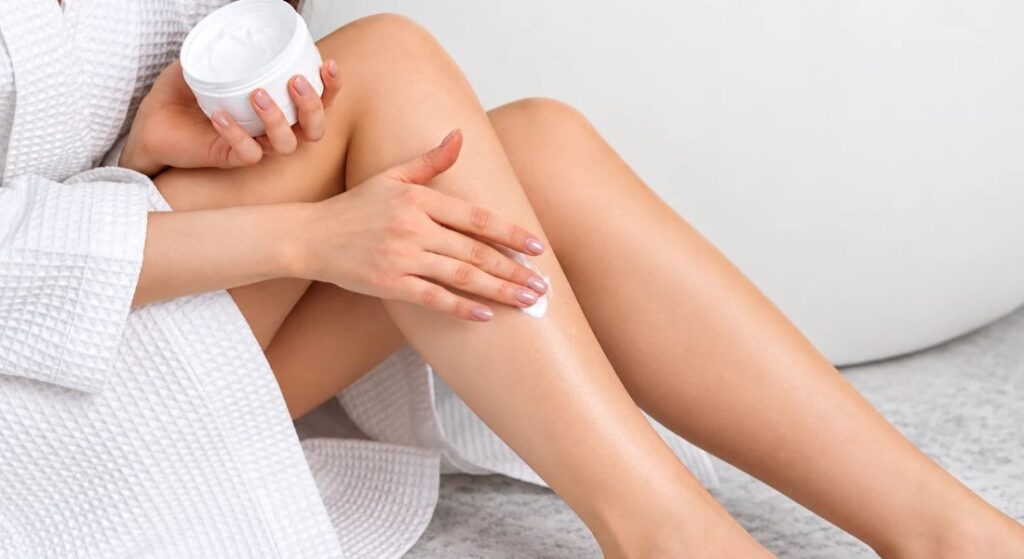
If your skin feels warm or uncomfortable, you can use a cool, damp cloth to soothe the treated area. Apply it gently for short periods and avoid placing ice or frozen packs directly on your skin.
You can also use a soothing product, such as aloe vera gel, if recommended by your practitioner. Avoid rubbing, scratching or applying unfamiliar products, and contact your clinic if redness or swelling worsens.
Evidence Note
Dermatology guidance identifies discomfort, redness and swelling as common temporary reactions after laser hair removal, usually lasting one to three days. However, your recovery may vary depending on your skin sensitivity, treatment area and laser settings.
However, not every reaction is part of normal recovery. Blisters, increasing pain, worsening swelling or unexpected changes in skin colour may indicate a complication. If your symptoms are getting worse rather than improving, contact your practitioner for advice rather than continuing to treat the area yourself.
What Should You Do During the First 24 to 48 Hours?
During the first 24 to 48 hours, keep your skincare routine simple and avoid unnecessary irritation. Follow your clinic’s advice about cleansing, skincare products and physical activity, particularly if your skin remains red or tender.
You can usually return to everyday activities, but you may need to avoid vigorous exercise, hot baths and swimming temporarily. Even if your skin looks normal, continue following your practitioner’s aftercare instructions.
Can You Shower or Wash After Laser Hair Removal?
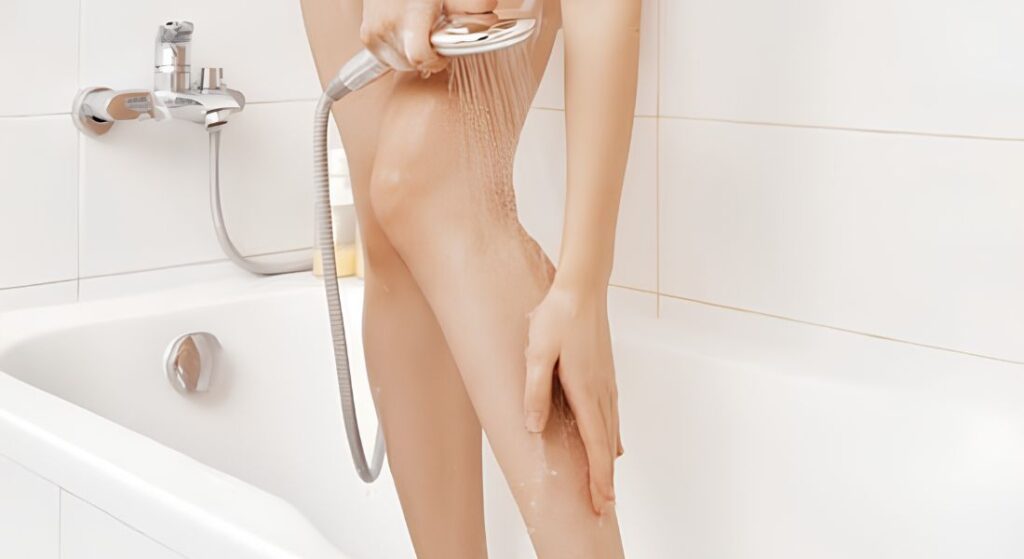
You can usually wash gently once your practitioner confirms it’s safe, but use cool or lukewarm water and keep showers brief. Avoid hot water, harsh soaps, fragranced products and exfoliating tools, as these may irritate sensitive skin.
After washing, pat the area dry with a soft towel rather than rubbing. Follow your clinic’s cleansing advice, and seek professional guidance if you notice blisters, broken skin or an unexpected reaction.
Why Should You Avoid Hot Baths, Saunas and Intense Exercise?
Hot baths, saunas, steam rooms and vigorous exercise can increase warmth, sweating and irritation after laser hair removal. LMA Clinic recommends avoiding rigorous exercise and swimming for two days, as sweat, friction and pool chemicals may aggravate sensitive skin.
You can usually continue gentle everyday movement, provided it doesn’t cause excessive sweating or discomfort. If your skin remains red or sore after the recommended waiting period, contact your clinic before returning to intense exercise or swimming.
Normal Reactions vs Warning Signs After Laser Hair Removal
| Skin Reaction | What You Might Notice | What You Should Do |
| Mild redness or warmth | Temporary pinkness or heat in the treated area | Use a cool compress and follow aftercare instructions |
| Small bumps around follicles | Mild swelling shortly after treatment | Avoid scratching and allow your skin to settle |
| Hair shedding | Treated hairs appearing to grow before falling out | Leave the hairs alone and avoid pulling them out |
| Darker or lighter skin patches | Changes in pigmentation after treatment | Contact your practitioner for assessment |
| Blistering or worsening pain | Fluid-filled blisters, increasing tenderness or damaged skin | Seek prompt professional advice |
How Important Is Sun Protection After Laser Hair Removal?
Sun protection is essential because treated skin can be more vulnerable to irritation and pigmentation changes. Avoid direct sunlight, tanning and sunbeds, and use SPF 30 or higher with at least four-star UVA protection once your practitioner confirms it’s suitable.
You can also protect your skin with clothing, shade or a wide-brimmed hat. Continue taking precautions between sessions, and discuss upcoming holidays or extended outdoor activities with your practitioner.
Which Skincare Products Should You Avoid After Treatment?
Your skin may be more sensitive after treatment, so avoid strong exfoliants such as glycolic acid, salicylic acid and retinol until your practitioner advises you to restart them. Physical scrubs, fragranced products and alcohol-based toners may also cause irritation.
Keep your routine gentle and avoid trying to speed up hair shedding with aggressive exfoliation or chemical peels. If you use prescribed skincare, speak to your prescribing clinician or laser practitioner before stopping or restarting it.
Clinical Tip
Before leaving your appointment, ask your practitioner for written aftercare instructions covering the first few days. Check when you can shower, exercise, shave and restart products such as retinol or exfoliating acids. These timings may differ according to the area treated and how your skin responds.
If you develop an unexpected reaction, take a clear photograph to help you explain what’s happening to your practitioner. Tell them when the symptoms started and whether they’re improving or getting worse. Don’t apply new skincare products or attempt to treat blisters yourself while you’re waiting for professional advice.
When Can You Use Moisturiser, Aloe Vera, Make-up and Deodorant?
You can usually reintroduce gentle, fragrance-free moisturiser or aloe vera once your practitioner confirms it’s suitable. After facial treatment, you may need to avoid make-up and moisturiser for a short period, while underarm treatment may require a temporary break from deodorant.
Avoid heavily fragranced products or anything that causes stinging or irritation. The right time to restart your usual products depends on how your skin responds and your clinic’s aftercare instructions.
Can You Shave, Wax or Pluck Between Laser Hair Removal Sessions?

Shaving is generally the preferred way to manage hair between sessions because it removes hair at the surface without disturbing the follicle. However, wait until redness, swelling or tenderness has settled, and follow your clinic’s advice about when to shave.
Avoid waxing, plucking and threading throughout your treatment course, as these methods pull hair out from the root and reduce the pigmented hair available for subsequent laser treatments. Check with your practitioner before using depilatory creams, as they may irritate sensitive skin.
Why Does Hair Appear to Grow After Laser Hair Removal?
You may notice hairs appearing after your treatment because laser-damaged hair shafts don’t disappear immediately. Instead, you may see treated hairs gradually shedding over several days or weeks, which can look like new growth.
You might also notice patchy shedding, with some areas looking smoother than others. Avoid pulling or scrubbing the hairs out, and follow your clinic’s advice on when you can shave again. With further sessions, you may notice slower hair growth and reduced density.
Research Insight
A 2023 review published in the Journal of Cutaneous Medicine and Surgery examined complications reported after laser and intense pulsed light hair removal. Researchers screened 358 references and included 104 publications. The reported complications included burns, folliculitis, pigmentation changes and other skin reactions. The review also identified associations involving skin type, treatment area, device and treatment settings.
However, these publications did not provide a reliable overall complication rate for everyone having laser hair removal. The review cannot establish your individual risk or prove that particular aftercare measures prevent every reaction. It does highlight the importance of appropriate treatment settings, recognising unexpected symptoms and seeking advice when your skin isn’t recovering as expected.
How Should You Manage Itching, Small Bumps and Ingrown Hairs?
You may notice mild itching or small bumps as your skin responds to laser treatment and treated hairs begin to shed. Try not to scratch or squeeze the area, as this can cause further irritation or damage your skin.
You can use a cool compress or a soothing product recommended by your practitioner to ease discomfort. Avoid aggressive exfoliation or digging out ingrown hairs, and seek medical advice if you notice increasing pain, pus or spreading redness.
Does Aftercare Differ for Your Face, Underarms, Bikini Area and Legs?
Your aftercare may vary depending on the area treated and how sensitive your skin feels. Keeping the area cool, comfortable and free from irritation can support recovery.
1. Face: Avoid make-up, active skincare and unnecessary rubbing until your skin settles.
2. Underarms: Temporarily avoid irritating deodorants and tight clothing.
3. Bikini area: Wear comfortable clothing and reduce friction while your skin recovers.
4. Legs: Avoid aggressive exfoliation and protect exposed skin from sunlight.
Follow your practitioner’s advice if any treated area remains red, sore or unusually sensitive.
How Long Does Your Skin Take to Recover After Each Session?
You may notice warmth, redness or slight swelling during the first few hours after treatment. These effects usually begin to settle over the next one or two days, although your skin may remain sensitive for longer.
Your recovery time depends on the area treated, laser settings and how your skin responds. Continue avoiding heat, friction and irritating products while your skin settles, and contact your clinic if your reaction lasts longer than expected.
Which Symptoms After Laser Hair Removal Need Professional Advice?
Although mild redness or swelling can occur after treatment, increasing pain, blisters or spreading redness need prompt professional advice. Don’t burst any blisters. Pus, weeping, an unpleasant smell or fever may indicate an infection or another complication and should be assessed medically.
You should also report persistent changes in skin colour or any signs of scarring to your practitioner. Avoid another laser session until any significant reaction has been assessed and your clinic confirms it’s safe to continue.
UK Guidance Note
In the UK, your laser practitioner should provide clear aftercare instructions explaining how to protect treated skin and recognise possible complications. You should avoid unnecessary friction, use lukewarm rather than hot water, protect your skin from strong sunlight and wait until irritation has settled before shaving.
LMA Clinic advises avoiding vigorous exercise and swimming for two days after laser hair removal. Recovery times and aftercare instructions may vary according to the laser used, treatment area and your skin’s response. Follow your practitioner’s recommendations and contact the clinic if your symptoms persist or worsen.
How Can You Protect Your Results Between Laser Hair Removal Sessions?

You can help maintain suitable treatment conditions by protecting your skin from sunlight, avoiding tanning and keeping your skincare routine gentle. Avoid waxing, plucking and threading between appointments, and only shave once your skin has recovered and your clinic says it’s suitable.
You should also let your practitioner know about any new skin irritation or cosmetic treatments before your next session. Follow your personalised appointment schedule and remember that you may need occasional maintenance sessions to maintain long-lasting hair reduction.
Myth vs Fact
| Myth | Fact |
| Redness always means your skin has been burnt. | Mild redness and warmth can be normal temporary reactions after treatment. |
| You can return to intense exercise immediately. | Heat, sweat and friction may irritate your skin, so follow your clinic’s advice. |
| Hair appearing after treatment means the laser hasn’t worked. | Treated hair shafts often shed gradually over the following days or weeks. |
| A successful previous session means you cannot develop side effects. | Unexpected reactions can still occur during later treatments. |
| You can wax between laser hair removal sessions. | Waxing pulls hairs out from the root and can interfere with subsequent laser treatments. |
Key Takeaways
1. Mild redness, warmth and swelling are common after laser hair removal.
2. Cool compresses and gentle skincare may help you stay comfortable.
3. Avoid excessive heat, friction and strenuous exercise during early recovery.
4. Protect treated skin from sunlight and follow your clinic’s sunscreen advice.
5. Allow treated hairs to shed naturally rather than pulling them out.
6. Seek medical advice for blistering, worsening pain or signs of infection.
Frequently Asked Questions
1. What is normal after laser hair removal?
You may notice mild redness, warmth, swelling around hair follicles or a sunburn-like sensation. These reactions are usually temporary and often settle within several hours to a day or two.
2. How can you soothe redness and swelling after laser hair removal?
Apply a cool, damp cloth gently for short periods to ease warmth and discomfort. You can also use aloe vera gel if your practitioner recommends it, but avoid applying ice directly to your skin.
3. Can you shower after laser hair removal?
Yes, you can usually wash gently once your practitioner confirms it’s safe. Use cool or lukewarm water, avoid harsh or fragranced products, and pat your skin dry rather than rubbing it.
4. How long should you avoid exercise and swimming after laser hair removal?
LMA Clinic recommends avoiding vigorous exercise and swimming for two days after treatment. Sweat, friction and pool chemicals may aggravate sensitive skin, so wait longer if your skin remains sore or irritated.
5. Can you go out in the sun after laser hair removal?
You should avoid direct sunlight, tanning and sunbeds because treated skin may be more vulnerable to irritation and pigmentation changes. Use broad-spectrum SPF 30 or higher once your practitioner confirms it’s suitable.
6. Which skincare products should you avoid after laser hair removal?
Avoid strong exfoliants such as retinol, glycolic acid and salicylic acid until your practitioner advises you to restart them. Physical scrubs, fragranced products and alcohol-based toners may also irritate your skin.
7. When can you wear make-up or use deodorant after laser hair removal?
You may need to avoid make-up and moisturiser briefly after facial treatment, while underarm treatment may require a temporary break from deodorant. Follow your clinic’s advice and only restart products when your skin is comfortable.
8. Can you shave between laser hair removal sessions?
Yes, shaving is generally the preferred way to manage regrowth because it doesn’t disturb the hair follicle. However, wait until redness, swelling or tenderness has settled and follow your practitioner’s instructions.
9. Why does hair appear to grow after laser hair removal?
Treated hair shafts don’t disappear immediately and may gradually shed over several days or weeks. Avoid pulling or scrubbing them out, as this can irritate your skin.
10. Which symptoms after laser hair removal need medical attention?
Blistering, increasing pain, spreading redness, pus or weeping may indicate a complication that needs professional assessment. You should also report persistent skin colour changes, signs of scarring or fever rather than treating them as normal recovery symptoms.
Final Thoughts: Laser Hair Removal Aftercare
Looking after your skin after laser hair removal involves soothing temporary redness, avoiding heat and irritation, and protecting treated areas from sunlight. Following your practitioner’s advice between sessions can help your skin recover comfortably and reduce the risk of avoidable reactions.
If you’re considering laser hair removal in London, the team at the London Medical & Aesthetic Clinic can guide you through the treatment process, explain the aftercare involved and help you understand what results to expect.
References:
1. Mallat, F., Chaaya, C., Aoun, M., Soutou, B. and Helou, J. (2023) ‘Adverse Events of Light-Assisted Hair Removal: An Updated Review’, Journal of Cutaneous Medicine and Surgery, 27(4), pp. 375–387. Available at: https://pubmed.ncbi.nlm.nih.gov/37272371/
2. Casey, A.S. and Goldberg, D.J. (2008) ‘Guidelines for laser hair removal’, Journal of Cosmetic and Laser Therapy, 10(1), pp. 24–33. Available at: https://pubmed.ncbi.nlm.nih.gov/18330795/
3. Goel, A. and Rai, K. (2022) ‘Methods to Overcome Poor Response and Challenges of Facial Laser Hair Reduction’, Journal of Clinical and Aesthetic Dermatology, 15(6), pp. 38–41. Available at: https://pmc.ncbi.nlm.nih.gov/articles/PMC9239120/
4. Mysore, V. et al. (2024) ‘Standard operating protocol for utilizing energy-based devices in aesthetic practice’, Journal of Cosmetic Dermatology, 23(12), pp. 3809–3820. Available at: https://pmc.ncbi.nlm.nih.gov/articles/PMC11626368/
5. Gold, M.H. (2007) ‘Lasers and light sources for the removal of unwanted hair’, Clinics in Dermatology, 25(5), pp. 443–453. Available at: https://www.sciencedirect.com/science/article/pii/S0738081X07000983