

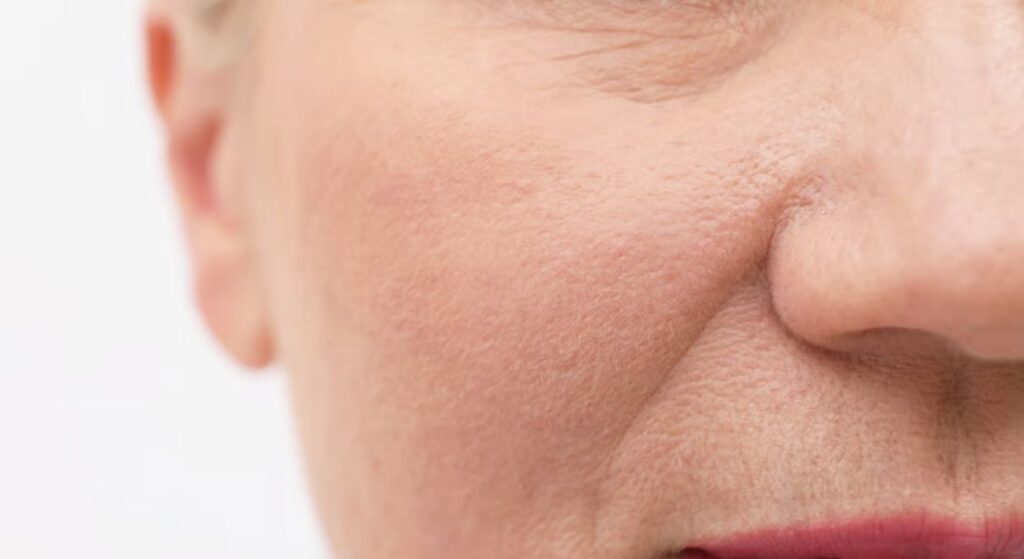
If enlarged pores bother you, you are not alone. Many people notice them most across the cheeks, nose, or central forehead. You might find that make-up settles into them or that certain lighting makes them look more obvious than you would like. These small frustrations can affect how confident you feel about your skin.
You may have already tried a variety of over-the-counter products, such as cleansers, toners, acids, or retinoids. Some of these may have offered slight improvement, but the changes are usually subtle. Often, topical treatments are limited because they work mainly on the skin’s surface rather than addressing deeper structural issues. This can leave you wishing for a more noticeable effect.
That is why you might be considering a more advanced approach, such as CO₂ laser resurfacing. This treatment works differently by targeting the outer layers of the skin while stimulating collagen in the deeper layers. It can improve overall skin texture and may help reduce the appearance of enlarged pores. However, results depend on your individual skin type and the severity of your pores.
Understanding what CO₂ laser can and cannot do is essential before committing. While it can offer meaningful improvements, it is not a complete cure for pore size. Combining laser resurfacing with other treatments or a good skincare routine may be necessary for optimal results. Exploring these details helps you make an informed decision about whether it is the right step for you.
First, What Actually Causes Enlarged Pores?
Before we talk about lasers, it’s important to understand what pores really are. They do not randomly “open” or “close.” Pores are structural openings in your skin that allow oil, or sebum, to reach the surface. You cannot permanently shut them, but you can influence how visible they appear. Factors such as oil production, genetics, collagen support, skin thickness, sun damage, ageing, and acne scarring all play a role in their appearance.
Collagen support is especially important for pore visibility. When collagen levels are strong and evenly distributed, the skin around each pore stays firm. This firmness helps the pore opening appear tighter and less noticeable.
As collagen declines with age or damage, the skin loses tension. The pore openings stretch slightly, which makes them look larger. This is why treatments that rebuild collagen or improve skin structure can help reduce the appearance of enlarged pores over time.
The Role of Collagen in Pore Size
Collagen is not just about wrinkles; it acts like scaffolding beneath your skin. When this support weakens, your skin loses structure, which can lead to fine lines, thinning, and pores that appear wider. The loss of collagen affects the firmness around each pore, making them more noticeable over time.
By improving collagen density, you strengthen the skin’s underlying framework. This added support helps the skin around pores remain firm, which can reduce their visible size. It is important to understand that this does not erase pores entirely.
Instead, you are improving their appearance. Pores may look smaller and less obvious because the surrounding skin is healthier and more supported. Treatments that target collagen can therefore make a meaningful difference without altering your natural skin structure.
What Is CO₂ Laser Resurfacing?
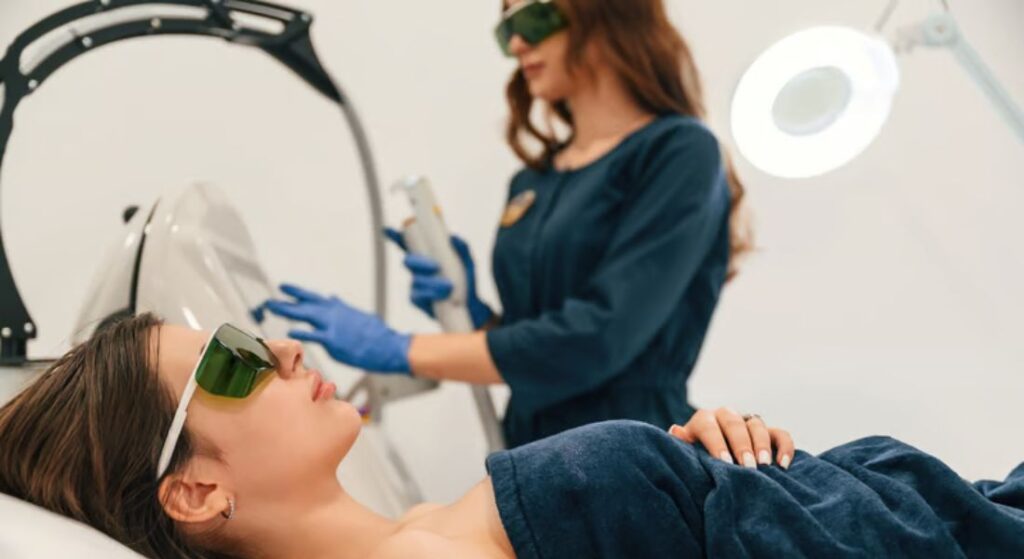
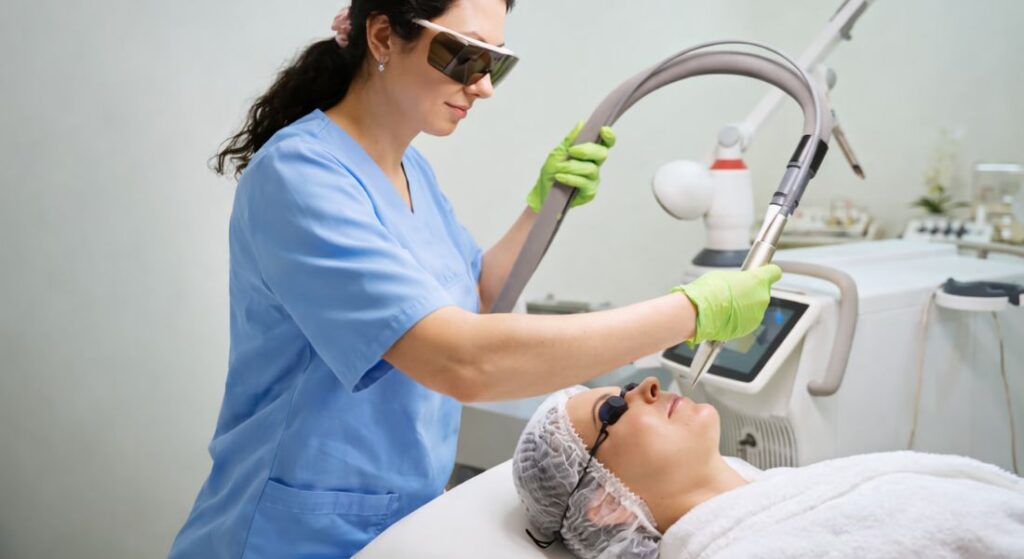
CO₂ laser resurfacing is a powerful skin treatment designed to remodel your skin at a deeper level. It works by delivering controlled thermal energy into the skin, creating tiny microscopic columns of injury. Your body recognises these micro-injuries and responds by producing new collagen and elastin during the healing process. Over time, this helps strengthen the skin’s internal structure, improving firmness and resilience.
The surface layer of your skin is also renewed during treatment. Damaged cells are removed, allowing fresh, healthier skin to form. This dual action resurfacing the outer layer while stimulating deeper collagen is why CO₂ laser can make pores appear smaller and skin texture smoother. You may also notice other benefits, such as reduced fine lines, improved tone, and an overall refreshed appearance.
For now, it is useful to focus specifically on how this treatment can influence pore size and texture. Understanding this helps you decide whether it is the right step for your skin goals.
How CO₂ Laser Can Improve Enlarged Pores
Enlarged pores are a common texture concern that can make the skin appear uneven or aged. CO₂ laser treatments offer a targeted approach by addressing both the underlying structural support and the surface irregularities that make pores more noticeable. By stimulating collagen and resurfacing the skin, this method can refine pore appearance over time. The results are gradual but meaningful, improving both how the skin feels and how it reflects light.
1. Collagen Remodelling: CO₂ laser stimulates collagen production in the deeper layers of the skin. As the dermal structure strengthens, the skin tightens around pore openings, making them appear smaller. This improvement develops gradually over several months as new collagen matures.
2. Surface Refinement: The laser also works on the outer layer of the skin to smooth texture and reduce superficial irregularities. Uneven texture or shallow scarring can exaggerate pore size, so resurfacing helps create a more uniform surface.
3. Combined Effect: By addressing both structural support and surface quality, CO₂ laser treatments provide a comprehensive improvement in pore appearance. Patients often notice that pores look more refined, and the overall skin texture feels smoother and firmer.
In essence, CO₂ laser tackles enlarged pores from two angles strengthening the skin beneath and smoothing the surface above. The combination of collagen remodelling and resurfacing creates results that are both subtle and long-lasting. Over time, pores appear smaller, and skin texture is noticeably improved, contributing to a healthier, more polished look.
Is the Improvement Dramatic?
This is where having realistic expectations is essential. CO₂ laser can meaningfully reduce the appearance of enlarged pores, but it will not make them disappear completely. The treatment works by improving skin texture and stimulating collagen, so the results are noticeable but subtle rather than total.
If your pores are mild to moderate in size, the improvement can be impressive. You may see a smoother, more even skin surface that looks refined and refreshed. However, if your pores are very large due to genetics or severe acne scarring, the results may be more moderate.
It is also important to remember that lighting, skin oil levels, and make-up habits will still affect how visible pores appear. You should think of CO₂ laser as a refinement tool rather than a permanent solution for complete elimination. With the right expectations, the subtle improvement can still be highly satisfying.
Who Benefits Most from CO₂ Laser for Pores?
You are most likely to benefit from CO₂ laser treatment if your visible pores are linked to collagen loss or skin laxity. It is also helpful if you have mild acne scarring or uneven skin texture. Sun damage that has contributed to thinning or sagging skin can also make you a good candidate. The treatment works best when structural support needs to be strengthened rather than simply removing surface oil.
It is important to be comfortable with some downtime, as healing and recovery are part of the process. Your skin may be red or sensitive for several days following treatment, but this is temporary. Proper aftercare and following your practitioner’s instructions are key to achieving the best results.
However, if your enlarged pores are mainly caused by excessive oil production, improvement may be more subtle. Sebum production is largely hormonal, and CO₂ laser does not switch this off. In such cases, combining the laser with a good skincare routine or other treatments may give more noticeable results.
What About Acne Scars and Pores?
Many patients confuse acne scars with enlarged pores, and the two can sometimes appear very similar. Rolling or boxcar scars create small depressions in the skin that mimic the look of large pores. This can make it tricky to know whether you are trying to treat pores, scars, or both.
CO₂ laser is particularly effective for these types of textural issues. By resurfacing the skin and stimulating collagen production, it helps soften the edges of scars and smooth the surrounding area. This dual effect improves overall skin texture and can make the surface look more even.
As scarring improves, the appearance of pores often improves as well. The skin looks firmer, and the depressions that exaggerate pore size are reduced. For many patients, treating acne scars with CO₂ laser provides noticeable refinement across the entire treated area.
How Many Sessions Are Needed?
In some cases, a single CO₂ laser treatment can produce noticeable improvement. You may see smoother skin and a reduction in pore visibility after just one session. However, deeper concerns, such as pronounced pores or significant acne scarring, often require a course of treatments for optimal results.
The number of sessions needed depends on your skin type, healing capacity, and individual goals. Fractional CO₂ technology allows your practitioner to customise the treatment for your needs. Settings can be adjusted to provide either a more conservative approach or a more intensive result, depending on what you are aiming to achieve.
Because of these variables, a personalised consultation is essential. During this consultation, your practitioner can assess your skin, discuss realistic expectations, and create a plan tailored specifically for you. This ensures you achieve the best possible outcome safely.
What Is the Downtime Like?
CO₂ laser is a powerful treatment, but it is not a quick “lunchtime” procedure. Recovery involves a visible healing process, and patients should be prepared for temporary redness, swelling, and peeling. The intensity of the laser and the depth of treatment determine how long this downtime lasts, which can range from several days up to two weeks. While immediate results are limited, the skin continues to remodel and improve over the following months.
1. Visible Healing Effects: After treatment, redness and swelling are common and indicate that your skin is actively regenerating. Peeling or flaking may occur as the outer layers shed, revealing smoother skin beneath. These effects are temporary but can be noticeable.
2. Duration of Downtime: The length of recovery depends on the intensity of the laser used. Mild treatments may require only a few days, whereas deeper resurfacing can take up to two weeks for visible healing. Planning around social or professional commitments is essential.
3. Ongoing Remodelling: Even after the initial healing phase, collagen production continues beneath the surface for several months. This gradual regeneration improves firmness, texture, and pore appearance over time.
4. Consider Alternative Options: If you cannot accommodate downtime, less intensive procedures like microneedling, skin boosters, or non-ablative lasers may be more suitable. These options provide gradual improvements with minimal disruption to daily life.
In short, CO₂ laser is a commitment rather than an instant solution. While it offers significant and lasting results, the treatment requires patience and proper aftercare. Understanding the downtime helps set realistic expectations and ensures the recovery process supports the best possible outcome.
How Long Do Results Last?
Collagen remodelling from CO₂ laser resurfacing is long-lasting. Many patients enjoy smoother skin and reduced pore appearance for several years, especially when they take care to protect their skin from sun damage. The improvements are gradual and natural, reflecting stronger underlying skin structure.
However, it is important to remember that ageing continues. Over time, pores may become more noticeable again as collagen naturally declines. To maintain results, your practitioner may recommend occasional maintenance treatments or complementary procedures.
Good skincare also plays a significant role in how long results last. Using sun protection, moisturisers, and gentle exfoliation helps preserve the benefits of treatment. Combined with ongoing care, CO₂ laser can provide enduring improvements in both texture and pore appearance.
Are There Risks?
As with any advanced laser treatment, there are some risks to be aware of. These can include temporary changes in pigmentation, prolonged redness, or, in rare cases, infection. Scarring is very uncommon when the procedure is performed by an experienced practitioner. Understanding these possibilities helps you make a more informed decision.
A thorough assessment of your skin type is crucial before treatment. Darker skin tones require especially cautious planning, as they can be more prone to pigmentation changes. This makes personalised evaluation an important step in reducing potential complications.
CO₂ laser resurfacing is not a treatment to have casually. Experience, careful technique, and proper planning directly influence safety and results. Choosing a skilled practitioner ensures that the benefits outweigh the risks and that your outcome is as smooth and refined as possible.
Can CO₂ Laser Replace Skincare for Pores?
No, CO₂ laser cannot replace a good skincare routine. Medical-grade products still play a vital role in maintaining and enhancing your results. Retinoids help support collagen production, while salicylic acid can manage excess oil. Sun protection is essential to prevent further collagen breakdown and protect your investment in treatment.
Think of CO₂ laser as a form of structural renovation for your skin. It strengthens the framework and smooths texture, but it does not control daily factors like oil production or sun exposure. Skincare acts as ongoing maintenance, keeping the improvements visible for longer.
Both laser treatment and consistent skincare are important. Combining them gives you the best chance of achieving lasting improvement in pore appearance and overall skin quality. Together, they support healthier, firmer, and more refined skin.
Comparing CO₂ Laser to Other Pore Treatments
You may be considering other options for improving pore appearance, such as microneedling, radiofrequency microneedling, chemical peels, or skin boosters. These treatments can help with mild pore concerns and improve overall skin texture. They are often less invasive and involve minimal downtime, making them convenient for many patients.
However, CO₂ laser remains one of the most powerful collagen-remodelling treatments available. Its ability to resurface the skin while stimulating deep collagen makes it particularly effective for significantly enlarged pores or those linked to acne scarring. In such cases, the improvement is often more noticeable than with lighter treatments.
That said, CO₂ laser also involves more downtime and a longer recovery period. Balancing the potential results with your tolerance for healing is important. Choosing the right treatment depends on the severity of your pores, your skin type, and your personal goals.
Psychological Impact of Enlarged Pores
Enlarged pores are often seen as a minor cosmetic concern, but their effect on self-perception can be significant. Daily frustration with visible texture can impact confidence and how you feel in your own skin. Even subtle changes in skin quality can influence the way light reflects off your face, affecting overall appearance. Addressing these concerns is not always about dramatic transformation it’s often about reducing visual distractions and feeling more comfortable in your own skin.
1. Confidence and Self-Perception: Skin texture plays a key role in how we perceive ourselves. Enlarged pores or uneven surfaces can make you self-conscious, even if others barely notice. Improving texture can provide a subtle boost in confidence.
2. Visual Appearance and Light Reflection: Texture affects how light interacts with the skin, influencing radiance and perceived smoothness. Refining pores can help the skin appear more polished and evenly lit, which often enhances overall facial aesthetics.
3. Subtle, Meaningful Improvements: The goal is not necessarily dramatic change but reducing distraction. Small improvements in pore size or surface smoothness can make a noticeable difference in how you feel about your complexion.
4. Psychological Benefits of Skin Care: Taking proactive steps to improve texture can empower you and provide emotional satisfaction. The sense of control and self-care often translates into a more positive mindset.
Even minor refinements in pore appearance and skin texture can have a surprisingly meaningful impact on confidence. By addressing these issues thoughtfully, you can enjoy both aesthetic improvement and psychological reassurance. Over time, the benefits extend beyond looks to how you feel in everyday interactions.
What Should You Ask at Consultation?
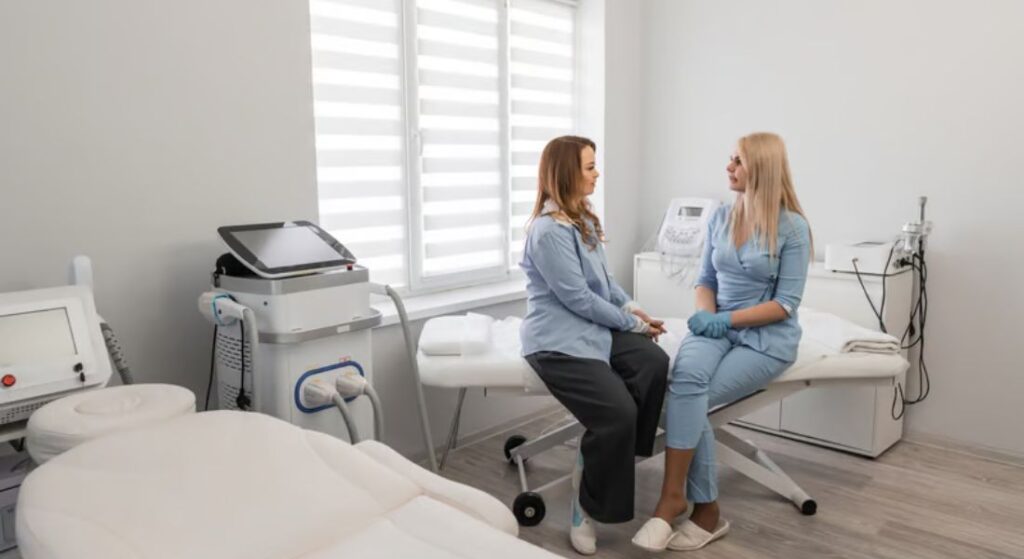
Before proceeding with CO₂ laser treatment, it’s important to ask the right questions. You should find out whether your enlarged pores are primarily structural, due to collagen loss, or related to oil production. Understanding the root cause helps determine if laser treatment is likely to be effective for your specific concern.
Ask whether CO₂ laser can meaningfully improve your particular skin issues and what level of downtime you should realistically expect. You should also discuss how many sessions might be needed to achieve the desired result. In some cases, combination treatments may be recommended for optimal improvement.
Clarity at this stage prevents unrealistic expectations. Knowing exactly what the treatment can and cannot achieve helps you make an informed decision and ensures satisfaction with the outcome. A thorough consultation is always the first step toward effective and safe results.
Is It Worth It?
If your enlarged pores are caused by collagen loss or acne scarring, CO₂ laser can be highly effective. It targets both the surface and deeper layers of the skin, improving texture and reducing the visible size of pores. The results can be meaningful and long-lasting when the treatment is suited to your skin’s needs.
However, if your primary concern is excessive oil production, the improvement may be more modest. CO₂ laser cannot control sebum levels, so results in this case are limited to structural refinement rather than addressing the root cause of shine or congestion.
The best outcomes occur when the treatment is carefully matched to the underlying cause of your pores. When used appropriately, CO₂ laser can refine skin texture in a way that topical treatments alone cannot achieve, offering a more significant and lasting improvement.
FAQs
1. Can CO₂ laser treatment reduce the appearance of enlarged pores?
Yes, CO₂ laser can meaningfully reduce the appearance of enlarged pores by stimulating collagen production and resurfacing the skin, which tightens pore openings and refines overall texture. However, it does not permanently close pores.
2. How does collagen affect the visibility of pores?
Collagen acts as the skin’s structural support. When collagen levels decline, the skin loses firmness, causing pores to stretch and appear larger. Stimulating collagen helps tighten the skin around pores, making them less noticeable.
3. What makes CO₂ laser effective for pore reduction compared to topical treatments?
Unlike creams or serums, CO₂ laser works on both the surface and deeper dermal layers. It removes damaged skin cells while stimulating collagen below, addressing structural issues that topical treatments cannot reach.
4. How many sessions of CO₂ laser are typically needed to see improvement?
Some patients notice results after a single session, but most require a course of treatments depending on pore size, acne scarring, and skin type. A personalised plan ensures optimal and safe results.
5. What areas of the face respond best to CO₂ laser for pore improvement?
Enlarged pores are often most noticeable on the cheeks, nose, and central forehead. These areas typically respond well because CO₂ laser strengthens collagen support and smooths surface texture.
6. Is CO₂ laser treatment suitable for all causes of enlarged pores?
CO₂ laser works best when pores appear large due to collagen loss, thinning skin, or acne scarring. It is less effective for pores enlarged primarily by excessive oil production, which may require complementary skincare.
7. What is the downtime after CO₂ laser resurfacing?
Downtime varies by treatment intensity. Patients may experience redness, swelling, peeling, or flaking for several days to two weeks. Collagen remodelling continues for months, gradually improving pore appearance and texture.
8. How long do results from CO₂ laser last?
With proper skincare and sun protection, results can last several years. Ageing continues naturally, so occasional maintenance or complementary treatments may be recommended to preserve improvement.
9. Are there any risks associated with CO₂ laser treatment?
Risks include temporary redness, pigmentation changes, prolonged healing, or, rarely, infection. Choosing an experienced practitioner and receiving a personalised assessment helps minimise complications.
10. Can CO₂ laser replace a good skincare routine for pore management?
No, CO₂ laser does not control oil production or prevent future pore changes. A consistent skincare routine with sun protection, retinoids, and exfoliation helps maintain results and prolongs the benefits of laser treatment.
Final Thoughts: Refining Skin and Pores with CO₂ Laser
CO₂ laser resurfacing offers a powerful way to improve the appearance of enlarged pores by targeting both the skin’s surface and underlying collagen structure. While it will not permanently close pores, it strengthens the dermal framework, tightens the skin around pore openings, and smooths texture over time. The results are gradual and natural-looking, providing a refreshed and more refined complexion rather than an artificial or sudden change.
If your goal is meaningful improvement in pore visibility and overall skin quality, CO₂ laser treatment in London can be an effective option, particularly for those with collagen loss, mild acne scarring, or texture irregularities. For the best outcomes, treatment is often combined with good skincare and a personalised plan tailored to your skin. If you’re thinking about CO₂ laser treatment in London, you can get in touch with us at the London Medical & Aesthetic Clinic.
References
1. Kwon, H.H., Choi, S.C., Lee, W.-Y., Jung, J.Y. and Park, G., 2018. Clinical and histological evaluations of enlarged facial skin pores after low energy level treatments with fractional carbon dioxide laser in Korean patients. Dermatologic Surgery, https://pubmed.ncbi.nlm.nih.gov/28902036/
2. Petrov, A., 2016. Efficiency of fractional carbon dioxide laser in skin resurfacing and rejuvenation. Journal of Cutaneous and Aesthetic Surgery https://pmc.ncbi.nlm.nih.gov/articles/PMC4908744/
3. Rodriguez, L. and Monteiro, F., 2024. Fractional CO₂ laser resurfacing and other skin rejuvenation techniques: a systematic analysis. Polymers https://www.mdpi.com/1648-9144/58/11/1668
4. Alster, T.S. and West, T., 2008. CO₂ laser resurfacing: still a good treatment. Aesthetic Surgery Journal, https://www.sciencedirect.com/science/article/abs/pii/S1090820X08001660
5. Sartori, J.d.F., Osaki, T.H., Osaki, M.H., Souza, R.B. and Allemann, N., 2022. “Split‑Face” evaluation of collagen changes induced by periorbital fractional CO₂ laser resurfacing. Aesthetic Surgery Journal, https://academic.oup.com/asj/article/42/3/239/6383190