

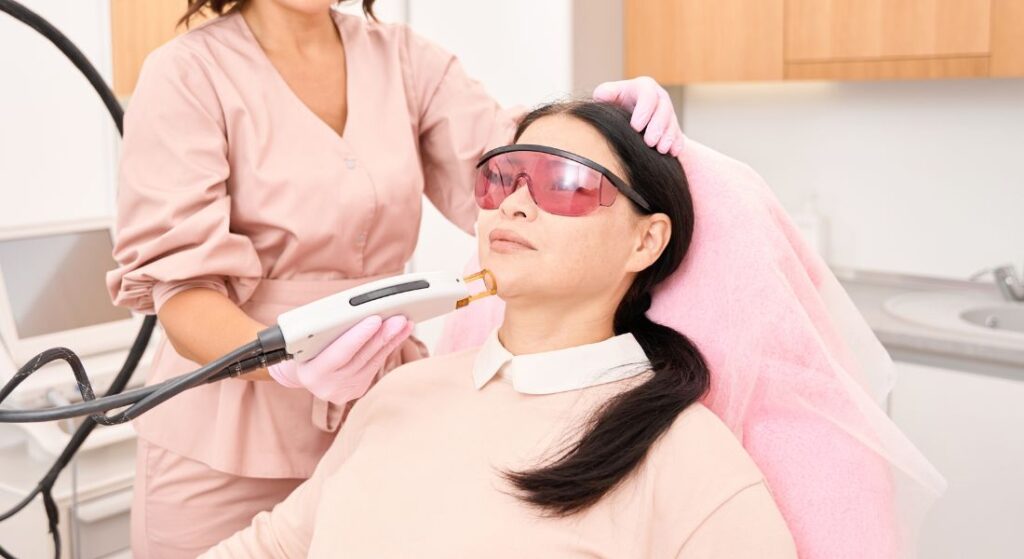
When you hear about CO₂ laser resurfacing, you probably picture someone trying to correct deep wrinkles, acne scars, or sun damage. Traditionally, it has been viewed as a solution for visible, established skin concerns. In other words, it has been associated with correction rather than prevention.
However, CO₂ laser can also be used earlier in the ageing process in selected patients. By stimulating collagen production before lines become deeply set and before pigmentation becomes widespread, it may help slow the progression of visible ageing. This preventative approach focuses on maintaining skin quality rather than dramatically reversing damage.
That said, preventative CO₂ laser must be approached carefully. Because it is a powerful treatment, energy settings and depth need to be adjusted appropriately. In many cases, lighter or fractional approaches are used to encourage collagen stimulation without aggressive resurfacing.
Ultimately, whether preventative CO₂ laser makes sense depends on your skin type, early concerns, lifestyle, and tolerance for downtime. A thorough consultation with a qualified dermatologist helps determine if early intervention is beneficial or if alternative, less intensive treatments may be more appropriate at your stage.
What We Traditionally Think CO₂ Laser Is For
CO₂ laser resurfacing has traditionally been viewed as a corrective treatment. It removes controlled layers of damaged skin while stimulating collagen production beneath the surface, making it effective for concerns that are already well established.
It is most commonly used for deep wrinkles, acne scarring, and significant sun damage. In these cases, treatment is often more intensive, involving visible peeling, downtime, and a noticeable transformation in skin texture and tone.
Because of its strength and ability to deliver dramatic results, CO₂ laser is widely respected as a powerful procedure. However, that power does not always have to be reserved solely for aggressive correction.
The Shift Towards Prevention

Over the past decade, aesthetic medicine has evolved significantly. Instead of waiting for visible signs of ageing to become pronounced, many people now focus on slowing the process earlier and more strategically. The goal is not to freeze ageing or erase every line, but to manage it intelligently and proactively.
You may already wear SPF daily or use retinoids and antioxidants as part of your skincare routine. Perhaps you schedule professional facials or non-invasive treatments to maintain skin quality. Preventative laser fits within that same philosophy of ongoing maintenance rather than dramatic repair.
In this context, laser treatment becomes less about fixing severe damage and more about preserving collagen, improving skin resilience, and supporting long-term skin health. It shifts the mindset from correction to careful, planned maintenance.
What Does “Preventative” Actually Mean?
When we talk about preventative CO₂ laser, it does not mean using aggressive resurfacing settings on younger skin. That approach would be excessive and unnecessary. Preventative treatment is lighter, more controlled, and carefully timed to support the skin before visible ageing becomes advanced. The goal is to stimulate collagen early, helping to maintain structure and texture before significant decline sets in.
1. Lower Intensity, Strategic Timing: Preventative treatments use gentler settings compared to corrective resurfacing. The focus is on subtle collagen stimulation rather than dramatic resurfacing. This makes the approach safer and more proportionate for younger or mildly ageing skin.
2. Addressing Early Collagen Slowdown: Collagen production begins to slow in your mid-20s and becomes more noticeable in your 30s. Even if deep wrinkles are not present, structural support may already be gradually declining. Early intervention aims to maintain rather than rebuild.
3. Targeting Subtle Changes: You may notice faint expression lines, mild dullness, or early uneven texture. These changes are often subtle but signal the beginning of collagen loss. Preventative resurfacing can refine texture and support long-term skin quality.
4. Maintenance Rather Than Repair: The purpose is not correction of severe damage but preservation of skin health. By stimulating collagen early, the treatment works as part of a broader maintenance strategy.
Preventative CO₂ laser is about foresight, not over-treatment. It supports your skin before ageing becomes deeply etched, allowing for gradual and natural-looking maintenance. Rather than chasing dramatic change later, it focuses on preserving smoothness, resilience, and structural integrity over time.
Why Collagen Matters So Much
If you want to understand preventative CO₂ laser, you first need to understand collagen. Collagen is the protein that keeps your skin firm, smooth, and resilient. It acts as the structural support network beneath the surface, giving your skin strength and elasticity.
As collagen production naturally declines with age, the skin gradually becomes thinner and less elastic. Fine lines deepen not just because the surface changes, but because the underlying foundation weakens. When that support structure diminishes, wrinkles, laxity, and uneven texture become more visible.
CO₂ laser works by creating controlled micro-injuries in the skin. In response, your body produces new collagen as part of the healing process. That regeneration is what improves texture, firmness, and overall skin quality. When used preventatively, the principle is straightforward: stimulate collagen before significant decline becomes obvious, helping to maintain strength and structure for longer.
The Difference in Settings and Depth
Preventative CO₂ laser does not mean undergoing full, aggressive resurfacing every year. In most cases, it involves lighter, fractional passes rather than deep ablative treatment. Only a percentage of the skin surface is treated at one time, which makes the approach more conservative and controlled.
Because less surface area and depth are targeted, downtime is reduced and overall risk is lower. Despite the gentler settings, collagen production is still stimulated, supporting skin firmness and resilience over time. The goal is subtle maintenance rather than dramatic change.
Corrective treatment, by contrast, often reaches deeper dermal layers to address established wrinkles, scars, or significant sun damage. It aims to reverse visible ageing. Preventative treatment focuses on slowing progression before those changes become pronounced. The intention and therefore the strategy is entirely different.
Who Is a Good Candidate?
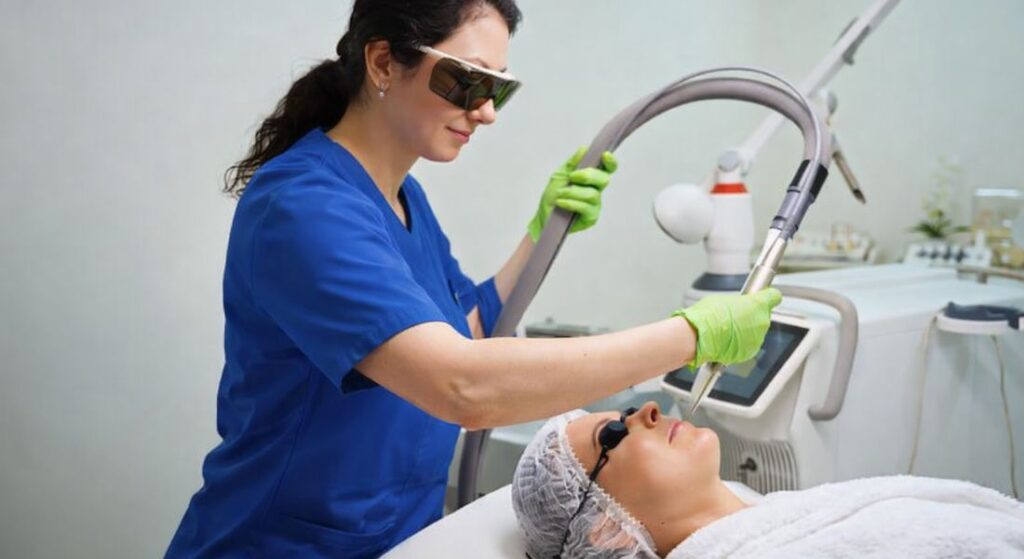
Not everyone needs preventative CO₂ laser, and it isn’t automatically the right choice for every age group. However, some people benefit more than others. You may be a strong candidate if you are in your late 20s to early 40s, have early fine lines, mild sun damage, and are thinking about long-term maintenance rather than dramatic correction.
Preventative treatment works best when structural collagen decline has begun but before deep wrinkles and significant laxity are established. At this stage, lighter fractional settings can stimulate collagen and help maintain firmness without requiring aggressive resurfacing.
If you are already noticing moderate to severe wrinkles or advanced texture changes, preventative settings may not be sufficient. In those cases, a more corrective approach might be appropriate. Prevention is most effective when introduced before structural changes become advanced.
Is It Too Early in Your 20s?
This is one of the most common questions I hear when preventative CO₂ laser is discussed. Age plays a role, but it is not the only deciding factor. Your natural collagen production, lifestyle habits, and visible skin changes all matter more than the number on your birthday cake. Preventative treatment should always be proportionate to what your skin actually needs.
1. Early 20s: Usually Unnecessary: If you are 23 and your skin is smooth, firm, and resilient, CO₂ laser is typically unnecessary. Collagen production at this stage is still strong, and your skin has excellent natural repair capacity. In most cases, consistent sun protection and medical-grade skincare are more appropriate.
2. Late 20s with High UV Exposure: If you are approaching your late 20s and have experienced significant UV exposure, early intervention may be reasonable. Sun damage accelerates collagen breakdown and can trigger subtle textural changes earlier than expected. In these cases, a lighter preventative approach could support long-term skin quality.
3. Visible Early Changes Matter More Than Age: Faint expression lines, dullness, or early uneven texture may signal the beginning of collagen slowdown. These signs are more relevant than chronological age alone. Treatment decisions should be based on skin condition, not assumptions.
4. Lifestyle and Risk Factors: Smoking, frequent sun exposure, and inconsistent skincare can all influence collagen health. If these factors are present, preventative strategies may be worth discussing with your practitioner.
Ultimately, preventative CO₂ laser is not about starting as early as possible. It is about timing treatment appropriately based on your skin’s condition and risk profile. When used thoughtfully, it supports maintenance rather than unnecessary intervention.
Environmental Stress Changes the Equation
Environmental stress changes the equation because your skin does not age in isolation. If you live in a city with pollution, travel frequently in strong sun, or have had tanning habits in the past, all of that accelerates ageing beneath the surface. Pollution increases oxidative stress, while UV exposure breaks down collagen and elastin over time. Even if the damage is not immediately visible, it gradually weakens the skin’s structure.
As these external stressors accumulate, you may notice earlier fine lines, uneven pigmentation, and a loss of firmness. The skin’s barrier can also become less resilient, making it more reactive and slower to recover. This is why two people of the same age can have very different visible ageing patterns depending on lifestyle and environment.
Preventative resurfacing can help counteract some of these effects by stimulating collagen renewal and encouraging healthier skin turnover. It does not undo years of careless sun exposure, but it supports repair and strengthens the skin’s resilience moving forward. When combined with consistent sun protection and good skincare habits, it becomes part of a proactive maintenance strategy rather than a corrective solution.
What Results Should You Expect?
This is where expectations matter. Preventative CO₂ laser will not dramatically change your face, and it shouldn’t. The goal is not transformation but preservation. You are maintaining skin quality before deeper structural ageing sets in.
Instead, you may notice smoother texture, subtle softening of fine lines, a more even tone, and improved overall radiance. Makeup may sit better. Skin may feel firmer and look fresher under natural light. The changes are refined rather than obvious.
It’s cumulative. Results build gradually as collagen production is stimulated over time. This is maintenance, not transformation. If you are looking for dramatic before-and-after changes, you are thinking about corrective resurfacing rather than preventative treatment.
How Often Would You Need It?
This depends on your skin quality, age, and lifestyle factors such as sun exposure and skincare habits. Some patients benefit from light preventative resurfacing once a year to maintain collagen stimulation. Others may only need treatment every 18–24 months, especially if their skin is already in good condition and well protected.
More frequent sessions are rarely necessary. Collagen remodelling is a gradual biological process, and your skin needs time to rebuild and strengthen after each treatment. Over-treating does not accelerate ageing prevention and can increase the risk of unnecessary irritation.
Consistency matters more than intensity. A well-spaced, long-term plan combined with daily sun protection and good skincare will support better outcomes than aggressive, repeated procedures. Preventative treatment works best when it is measured and strategic rather than excessive.
Downtime with Preventative Treatment
Because the laser settings are lighter with preventative CO₂ resurfacing, recovery is usually shorter and more manageable. The treatment is designed to stimulate collagen without aggressively removing deep layers of skin. That makes a noticeable difference in healing time.
You may experience redness for a few days, similar to a moderate sunburn. There can also be mild swelling and light peeling as the skin renews itself. Most patients return to work within a week, and some feel comfortable resuming normal activities within just a few days, depending on how their skin responds.
Compared to deep corrective resurfacing, the recovery is significantly easier. There is less crusting, less prolonged redness, and typically lower overall discomfort. That balance between visible improvement and manageable downtime is one reason preventative laser is becoming more popular among patients who want maintenance without major disruption to their routine.
Does It Increase Long-Term Sensitivity?
This concern comes up often, especially among patients who worry that repeated laser treatments might thin or weaken the skin over time. The answer, when performed correctly and conservatively, is no. Light fractional CO₂ laser used preventatively does not permanently damage or weaken the skin barrier.
Temporary sensitivity is completely normal during the healing phase. Your skin may feel more reactive, slightly tight, or more prone to redness for a short period after treatment. That is part of the controlled inflammatory response that triggers collagen renewal.
Once healing is complete, your skin typically returns to its baseline function. In many cases, it feels stronger, smoother, and more resilient because collagen structure has been reinforced. The key difference lies in technique. Aggressive, poorly performed treatments increase risk and can prolong sensitivity. Appropriate preventative protocols, spaced correctly and performed by experienced practitioners, do not.
How It Fits Into a Broader Skin Plan

Preventative laser is not a standalone miracle, and it should never be positioned as one. It works best as part of a comprehensive, long-term approach to skin health. Without supportive habits, even the most advanced treatment will have limited impact.
You still need daily SPF, and it must be consistent rather than occasional. You still need appropriate skincare tailored to your skin type and concerns. Many people also benefit from antioxidants to combat oxidative stress and retinoids to support cellular turnover and collagen stimulation between treatments.
Think of laser as structural support. It helps reinforce collagen and improve overall skin quality at a deeper level. Skincare is daily maintenance, preserving and protecting what you build. Lifestyle is the foundation, influencing how quickly your skin ages in the first place. All three matter, and the best results come when they work together rather than in isolation.
What About Skin Tone?
Skin tone plays an important role in how preventative CO₂ laser is planned and delivered. Darker skin types naturally have more active melanocytes, which means they are more prone to post-inflammatory hyperpigmentation if the skin is overly irritated. Because of this, treatment must be approached with greater caution and precision.
Fractional approaches are often preferred in these cases because they treat microscopic columns of skin while leaving surrounding tissue intact. This supports faster healing and reduces overall inflammatory load. An experienced practitioner can tailor energy levels, density, and treatment intervals to suit the individual rather than using a one-size-fits-all protocol.
Preventative treatment is absolutely possible across many skin types, but expertise matters significantly. Incorrect parameters increase the risk of pigmentation changes. Correct settings, careful patient selection, and proper aftercare minimise that risk and allow safe collagen stimulation without unnecessary complications.
How It Feels to Age With Maintenance
Patients who choose preventative laser treatments often describe the ageing process in a very different way. Rather than feeling surprised by sudden changes, they experience a gradual and steady evolution of their appearance. There is rarely a dramatic “before and after” moment. Instead, the changes feel subtle, controlled, and quietly supportive over time.
1. Gradual, Predictable Change: With maintenance-based treatments, ageing feels more progressive than abrupt. Small refinements accumulate slowly, reducing the shock of noticeable shifts in texture or firmness. This creates a smoother transition through different life stages.
2. No Dramatic Contrast: Preventative approaches avoid extreme transformation. There is no obvious correction phase because the focus is on preserving quality rather than repairing advanced damage. The result feels natural and understated.
3. A Sense of Control: Many patients appreciate feeling proactive rather than reactive. Instead of responding to deep wrinkles or significant laxity, they are supporting collagen before major decline. That mindset often brings reassurance.
4. Aligned With Long-Term Planning: Maintenance treatments fit into a broader lifestyle approach that includes sun protection and consistent skincare. The goal is steady support rather than periodic rescue interventions.
Ageing with maintenance feels guided rather than chased. You are not trying to reverse time; you are managing change thoughtfully. For many people, that sense of continuity and subtle refinement is more satisfying than dramatic correction later on.
Does It Replace Skincare?
No. And it shouldn’t. Preventative CO₂ laser is a supportive intervention, not a substitute for consistent daily care. If you remove the foundations, even the best in-clinic treatment cannot carry the full load.
Topical retinoids stimulate collagen at a more superficial level and help regulate cell turnover. Antioxidants combat oxidative stress caused by UV exposure and pollution, both of which accelerate collagen breakdown. These products work continuously in the background, protecting and supporting your skin between treatments.
Laser works deeper within the dermis, triggering controlled thermal stimulation that promotes structural remodelling. They complement each other rather than compete. If you abandon skincare and rely only on laser, results will plateau because you are neglecting daily protection and renewal. Balance creates synergy, and synergy creates longer-lasting outcomes.
A Realistic Perspective
Preventative CO₂ laser is not necessary for everyone. Many people age beautifully with consistent skincare, diligent sun protection, and healthy lifestyle habits alone. Genetics, environment, and personal priorities all influence what approach feels right.
However, if you value structural maintenance and long-term resilience, it can be a powerful addition to your plan. By stimulating collagen before significant breakdown occurs, it supports skin strength rather than trying to reverse advanced damage later. In that sense, it is proactive rather than reactive.
The key word is tool. It is not magic, and it is not compulsory. It will not stop ageing, and it will not replace healthy habits. It is simply an option one that can be used thoughtfully, strategically, and in alignment with your individual goals.
Weighing Whether It’s Worth It
Before deciding on preventative CO₂ laser, it helps to reflect honestly on your preferences and habits. Do you prefer gradual maintenance over waiting for visible damage that later requires more intensive correction? Are you comfortable with periodic downtime, even if it is relatively mild compared to deep resurfacing? And are you truly committed to protecting your skin daily with consistent SPF and supportive skincare?
If the answer to those questions is yes, preventative laser may align well with your long-term goals. It suits people who think in terms of structural preservation rather than quick fixes. The mindset matters as much as the treatment itself.
If not, simpler approaches may suit you better, and that is perfectly valid. There is no universal answer. The right choice is the one that fits your lifestyle, tolerance for recovery, and personal priorities rather than external pressure or trends.
FAQs:
1. At what age should someone start considering preventative CO₂ laser?
There is no fixed age. Most suitable candidates are in their late 20s to early 40s when early collagen decline begins but before deep wrinkles form. The decision should be based on visible skin changes and lifestyle factors rather than age alone.
2. Is preventative CO₂ laser safer than corrective resurfacing?
Preventative treatments typically use lighter, fractional settings, which generally reduce downtime and risk compared to deep corrective resurfacing. However, safety still depends heavily on practitioner expertise and appropriate patient selection.
3. Can preventative CO₂ laser delay the need for more aggressive treatments later?
It may help slow collagen decline and reduce the severity of future ageing changes. While it cannot eliminate the need for corrective procedures entirely, it can potentially reduce how intensive those treatments need to be later.
4. Will I look noticeably different after preventative treatment?
No dramatic transformation should occur. The goal is subtle refinement smoother texture, mild line softening, improved tone, and increased radiance. If results look drastic, the treatment was likely more corrective than preventative.
5. Can preventative CO₂ laser help with early pigmentation?
It can improve mild uneven tone and early sun-related pigmentation. However, pigmentation-focused treatments such as specific pigment lasers or topical therapies may sometimes be more appropriate depending on your skin type.
6. How long do preventative results last?
Collagen stimulation develops gradually over several months and can last a year or longer. Maintenance intervals vary, but many patients repeat lighter treatments every 12–24 months depending on lifestyle and skin quality.
7. Is there a risk of over-treating with preventative laser?
Yes. More frequent or unnecessarily aggressive sessions do not enhance prevention and may increase irritation or pigmentation risk. Strategic spacing is essential for safe collagen remodelling.
8. Can preventative CO₂ laser be combined with injectables?
Yes. Many patients combine laser with neuromodulators or dermal fillers as part of a comprehensive anti-ageing plan. Laser improves skin quality, while injectables address movement lines or volume changes.
9. Does preventative CO₂ laser hurt?
Discomfort is usually manageable. Topical anaesthetic is applied before treatment, and lighter preventative settings tend to be more tolerable than deep resurfacing procedures.
10. How soon will I see results?
Initial improvements in brightness and smoothness may appear once peeling subsides. Collagen remodelling, however, continues for several months, meaning results gradually improve over time.
Final Thoughts: Prevention Is About Strategy, Not Over-Treatment
Preventative CO₂ laser is not about chasing youth or intervening unnecessarily early. It is about making thoughtful, proportionate decisions that support collagen before significant decline occurs. When used conservatively and strategically, it can help maintain skin structure, refine texture, and slow visible ageing without the intensity of corrective resurfacing.
The key is balance. Preventative laser should complement daily SPF, targeted skincare, and healthy lifestyle habits rather than replace them. When integrated into a long-term plan, C02 laser treatment as part of a preventative skin strategy can reinforce resilience and help you age in a gradual, controlled way rather than reacting to sudden changes later.
If you’re thinking about C02 laser treatment in London, you can get in touch with us at the London Medical & Aesthetic Clinic. A personalised consultation ensures the treatment approach, depth, and timing are aligned with your skin’s current condition and long-term goals.
References:
1. Tierney, E.P., Hanke, C.W. and Petersen, J., 2012. Ablative fractionated CO₂ laser treatment of photoaging: a clinical and histologic study. Journal of Drugs in Dermatology, https://pubmed.ncbi.nlm.nih.gov/22828269/
2. Wang, H., Guo, B., Hui, Q., Lin, F. & Tao, K., 2020. CO₂ lattice laser reverses skin aging caused by UVB. Aging (Albany NY), https://pubmed.ncbi.nlm.nih.gov/32312940/
3. Manusaki, K. et al., 2023.Laser Impacts on Skin Rejuvenation: The Use of a Synergistic Emission of CO₂ and 1540 nm Wavelengths. Clinics (MDPI), https://www.mdpi.com/1648-9144/59/10/1857
4. Li, Z., Huang, W. & Zhou, F., 2023. Dynamic panoramic presentation of skin function after fractional CO₂ laser treatment https://www.sciencedirect.com/science/article/pii/S258900422301636X
5. Christiansen, K. & Bjerring, P., 2008.Low density, non‑ablative fractional CO₂ laser rejuvenation. Lasers in Surgery and Medicine, https://pmc.ncbi.nlm.nih.gov/articles/PMC10608664/