


If you’ve ever considered CO₂ laser resurfacing, you’ve likely heard concerns about lasting skin sensitivity. Many patients ask whether this treatment can make their skin permanently more sensitive. It’s a valid question, especially when you’re investing time, money, and trust in a procedure that promises smoother, healthier-looking skin.
CO₂ laser works by creating controlled micro-injuries in the skin, which trigger collagen remodelling and surface renewal. During the recovery period, your skin naturally feels more sensitive to touch, temperature, and sunlight. This heightened sensitivity is temporary and part of the normal healing process. Most patients notice it gradually improves over a few weeks as the skin repairs itself.
In the long term, when performed correctly by an experienced dermatologist, CO₂ laser does not make your skin permanently more sensitive. The treatment actually strengthens the skin by increasing collagen and improving its structural support. Many patients report that their skin feels firmer, smoother, and more resilient after full healing, with sensitivity returning to normal levels.
Proper post-treatment care is essential to avoid prolonged irritation. Consistent sun protection, moisturisation, and gentle skincare help the skin maintain its barrier function while maximising the benefits of resurfacing. By following these guidelines, CO₂ laser can deliver lasting improvements in texture, tone, and overall skin health without increasing long-term sensitivity.
Understanding CO₂ Laser Resurfacing
CO₂ laser resurfacing is a procedure that uses targeted light energy to remove layers of damaged skin. Essentially, it vaporises the outer layers while stimulating the underlying skin to produce new collagen. This process helps reduce wrinkles, scars, pigmentation, and other surface imperfections, leaving skin smoother and more even in tone.
Unlike gentler treatments such as chemical peels or IPL, CO₂ laser is considered more aggressive. It is often recommended for people with significant sun damage, deep wrinkles, or scarring. Because of its intensity, temporary reactions such as redness, peeling, and increased sensitivity are common during the healing process.
It’s important to differentiate between temporary sensitivity, which is normal and expected, and long-term changes in skin reactivity, which are much rarer. With proper technique, experienced practitioners, and careful post-treatment care, most patients experience only short-term sensitivity while achieving lasting improvements in skin texture and appearance.
Temporary Sensitivity After CO₂ Laser
Heightened skin sensitivity is a normal part of recovery immediately following a CO₂ laser session. The treated area often feels similar to a mild or moderate sunburn, with redness, swelling, warmth, and sometimes tingling or tightness. This temporary phase reflects your skin’s natural repair process and usually lasts from a few days up to a couple of weeks, depending on the depth and intensity of treatment.
1. Sunburn-Like Sensation: Many patients experience warmth, redness, and mild swelling, which are typical signs of skin regeneration. These sensations indicate that your skin is actively repairing damaged tissue and stimulating collagen.
2. Increased Reactivity: During this period, your skin barrier is compromised, making it more sensitive to environmental factors such as heat, cold, sunlight, and even certain skincare products. Extra care is needed to prevent irritation or damage.
3. Duration of Sensitivity: Temporary sensitivity usually diminishes gradually as the skin heals. Deeper treatments may extend this phase, but it is generally short-lived and part of normal recovery.
4. Healing and Collagen Formation: This sensitivity signals that new collagen is forming and the skin barrier is being restored. Once fully healed, your skin typically returns to its normal tolerance, often with improved texture and firmness as a result.
Temporary sensitivity is an expected and positive sign of healing after CO₂ laser treatment. With careful protection and adherence to post-care instructions, this phase resolves naturally, paving the way for smoother, healthier, and more resilient skin.
Factors That Influence Short-Term Sensitivity
Several factors determine how sensitive your skin may feel immediately after a CO₂ laser session. The intensity of the treatment is a major factor deeper, more aggressive sessions naturally cause more initial sensitivity. Skin type also plays a role, as fairer or thinner skin may react more strongly to the laser’s effects.
Pre-existing conditions such as eczema, rosacea, or acne scarring can prolong redness and irritation, making the healing process feel more uncomfortable. Proper aftercare is equally important. Avoiding direct sunlight, using gentle moisturisers, and applying any prescribed ointments can significantly reduce the duration and severity of sensitivity.
Even if your reactions seem mild, it’s important to avoid harsh over-the-counter products, including acids or retinoids, until your skin barrier has fully recovered. Following these precautions supports smoother healing and helps your skin regain normal comfort more quickly.
Can CO₂ Laser Cause Long-Term Sensitivity?
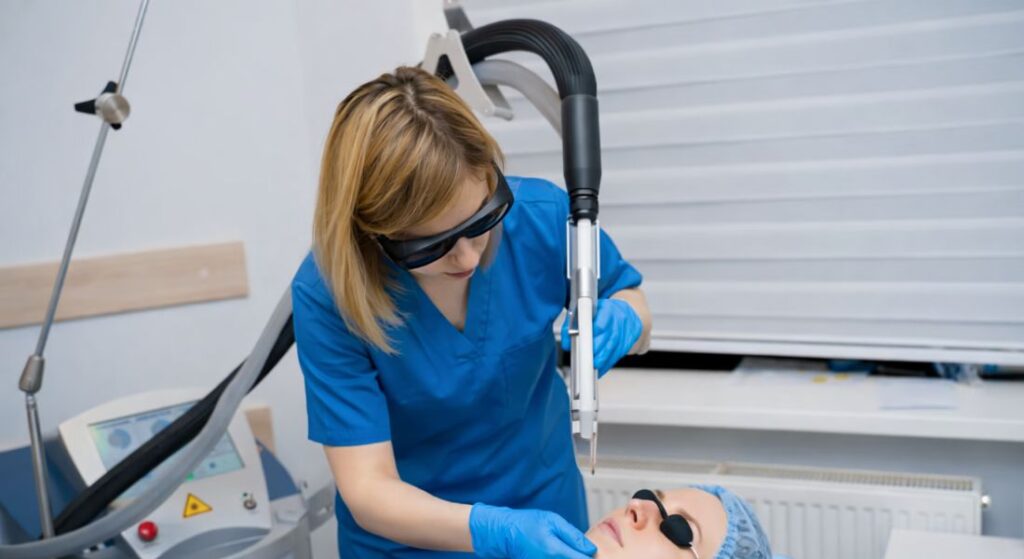
The big question is whether CO₂ laser can make your skin more sensitive in the long term. The short answer is: rarely. Most patients find that once healing is complete, their skin’s reactivity returns to normal, and any temporary sensitivity resolves completely.
However, there are exceptions. Overly aggressive treatments, insufficient healing time between sessions, or pre-existing skin conditions can sometimes lead to slightly prolonged sensitivity. In these cases, the skin may react more noticeably to environmental factors like UV exposure, wind, or temperature changes.
Even when long-term sensitivity occurs, it is usually mild and manageable. It doesn’t prevent you from enjoying sun exposure, wearing makeup, or using moisturisers, but your skin may benefit from a bit more attentive care, such as consistent sunscreen, gentle cleansers, and hydrating serums to maintain comfort and protection.
How Skin Barrier Recovery Matters
A healthy skin barrier is essential for long-term comfort and resilience after CO₂ laser treatment. The barrier acts as the body’s first line of defence against irritants, microbes, and moisture loss. Since CO₂ laser temporarily disrupts this protective layer to stimulate regeneration, supporting its recovery is crucial. Proper care ensures your skin heals effectively, reducing the risk of prolonged sensitivity and optimising overall results.
1. Gentle Cleansing: Avoid scrubs or harsh cleansers for at least two weeks. Using mild, non-irritating cleansers protects the healing barrier while keeping the skin clean.
2. Hydration: Moisturisers containing ceramides, hyaluronic acid, or panthenol help restore the skin’s protective layer. Adequate hydration supports regeneration and maintains elasticity during recovery.
3. Sun Protection: Broad-spectrum SPF 30+ is essential to shield newly regenerated skin from UV damage. Protecting the barrier prevents pigment changes, irritation, and delayed healing.
4. Avoiding Irritants: Retinoids, acids, and strong exfoliants should be paused until the skin fully recovers. Minimising exposure to potential irritants allows the barrier to rebuild without unnecessary stress.
Effective skin barrier recovery significantly reduces the risk of long-term sensitivity. Think of it like repairing a wall: a well-restored barrier protects your skin as efficiently as ever, while also supporting lasting improvements in texture and resilience.
The Role of Age and Skin Type
Your age and skin type can influence how your skin responds to CO₂ laser treatment. Older patients may experience slower healing, which can extend the period of short-term sensitivity, but this does not usually result in permanent changes.
Thinner or fairer skin tends to show more visible redness and temporary sensitivity immediately after treatment. In contrast, thicker or oilier skin may tolerate the procedure more easily, though careful management during healing is still essential.
Understanding these factors helps dermatologists customise treatment settings and aftercare instructions, reducing the risk of prolonged discomfort and ensuring the best possible results for your individual skin.
Choosing the Right Practitioner
One of the most important ways to minimise the risk of long-term skin sensitivity is to choose an experienced and qualified practitioner. CO₂ laser resurfacing requires precise technique to avoid over-treatment or uneven penetration, both of which can increase the likelihood of prolonged redness, irritation, or other complications. Selecting someone with extensive training and hands-on experience ensures your treatment is safe and effective.
A skilled dermatologist or laser specialist will carefully assess your skin type, pre-existing conditions, and individual treatment goals before recommending a personalised approach. They will also provide a comprehensive aftercare plan, including guidance on moisturisers, sun protection, and activity restrictions, to reduce both short-term and long-term sensitivity. Regular follow-up appointments allow them to monitor healing and adjust care instructions as needed.
For instance, seeking CO₂ laser treatment in London from a reputable clinic gives you access not only to state-of-the-art equipment but also to trained professionals who can manage your recovery meticulously. This combination of expertise, personalised planning, and ongoing support greatly increases the likelihood of safe, lasting results while minimising the risk of long-term sensitivity.
Recovery Timeline: What to Expect

Knowing the typical recovery timeline after CO₂ laser treatment helps you plan and sets realistic expectations for your skin’s healing process. The procedure triggers both visible and microscopic changes, including redness, peeling, and collagen remodelling. Understanding what happens at each stage ensures you provide the right care and appreciate gradual improvements. Patience is key, as the most significant benefits appear over weeks to months.
1. Days 1–3: Redness and Swelling: Skin may appear red, swollen, and feel sunburnt. Tiny crusts or flakes can form, especially in areas treated with higher energy. Gentle cleansing and moisturisation help protect and soothe the skin.
2. Days 4–7: Peeling and Flaking: Peeling or flaking typically begins, signalling the shedding of damaged skin and revealing smoother layers beneath. Continued hydration and avoidance of harsh products are essential during this phase.
3. Weeks 2–4: Redness Subsides: Redness gradually diminishes, and the newly formed skin starts to feel smoother. The skin may still have a slightly pink hue as collagen continues to remodel.
4. Weeks 4–12: Ongoing Collagen Remodelling: Skin tone evens out, firmness improves, and sensitivity gradually returns to baseline. Most patients report normal skin tolerance by the three-month mark, though any prolonged irritation should be reviewed with a practitioner.
Recovery after CO₂ laser is a structured process rather than instant gratification. By following proper care at each stage, you support your skin’s natural regeneration, resulting in smoother texture, improved tone, and long-lasting resilience.
Lifestyle Factors Affecting Long-Term Sensitivity
Even after your skin has fully healed from CO₂ laser treatment, lifestyle choices can influence how sensitive it feels over time. Sun exposure, smoking, diet, and daily skincare habits all play a role in maintaining skin resilience and overall health.
For instance, frequent sunburn or inconsistent use of SPF can make your skin react more strongly than it did before treatment. Similarly, harsh chemical peels, strong exfoliants, or aggressive skincare routines may trigger temporary irritation, which some people mistakenly interpret as long-term sensitivity caused by the laser itself.
Maintaining a consistent, gentle skincare routine, staying well hydrated, and protecting your skin from UV damage are key to preserving the benefits of CO₂ laser resurfacing. These healthy habits help your skin remain resilient, support long-term results, and minimise the risk of prolonged sensitivity.
Potential Complications
While complications from CO₂ laser resurfacing are uncommon, they can sometimes contribute to longer-term skin sensitivity. One potential issue is hyperpigmentation or hypopigmentation, where uneven skin tone may make certain areas feel more reactive or prone to irritation.
Scarring is another rare complication, usually resulting from over-treatment or delayed healing, which can cause minor textural changes in the skin. Persistent redness may also occur, particularly in patients with pre-existing conditions like rosacea or naturally sensitive skin, making some areas more noticeable for longer than expected.
Fortunately, these outcomes are rare when CO₂ laser is performed by an experienced clinician who follows proper technique and provides thorough aftercare guidance. Careful planning, customised treatment settings, and attentive post-procedure care significantly reduce the likelihood of long-term sensitivity or other adverse effects.
Tips to Minimise Long-Term Sensitivity
If you’re considering CO₂ laser resurfacing, there are several steps you can take to protect your skin and reduce the risk of long-term sensitivity. First, choose the right treatment depth deeper isn’t always better, and multiple gentle sessions may be safer and more effective over time.
Follow your dermatologist’s aftercare instructions precisely, as these protocols are specifically designed to support your skin barrier and promote proper healing. Monitor your skin’s reactions during the first few weeks and report any prolonged redness, irritation, or unusual sensitivity to your practitioner.
Gradually reintroduce stronger skincare products such as retinoids, acids, or exfoliants only once your skin barrier is fully restored. Sun protection is essential sunscreen should be used consistently, even months after treatment. By taking these precautions, you not only reduce immediate discomfort but also safeguard your skin against long-term sensitivity and maintain the full benefits of CO₂ laser resurfacing.
Psychological Benefits of CO₂ Laser
Many patients notice a significant boost in confidence after CO₂ laser resurfacing. Smoother, clearer skin can improve self-esteem, making you feel more comfortable and positive about your appearance in social and professional situations. This boost in confidence often motivates people to take better care of their skin overall.
Feeling good about your skin can encourage consistent, healthy skincare routines, including proper moisturisation, gentle cleansing, and diligent sun protection. These habits not only maintain the results of your laser treatment but also help strengthen the skin barrier and reduce the risk of irritation or long-term sensitivity.
In addition, the psychological uplift can create a positive feedback loop: as your skin looks and feels healthier, you’re more likely to continue protective behaviours and lifestyle choices, such as staying hydrated, avoiding harsh products, and protecting your skin from UV exposure. Over time, this combination of improved skin appearance and proactive care supports both long-term results and overall skin resilience.
Comparing CO₂ Laser to Other Treatments
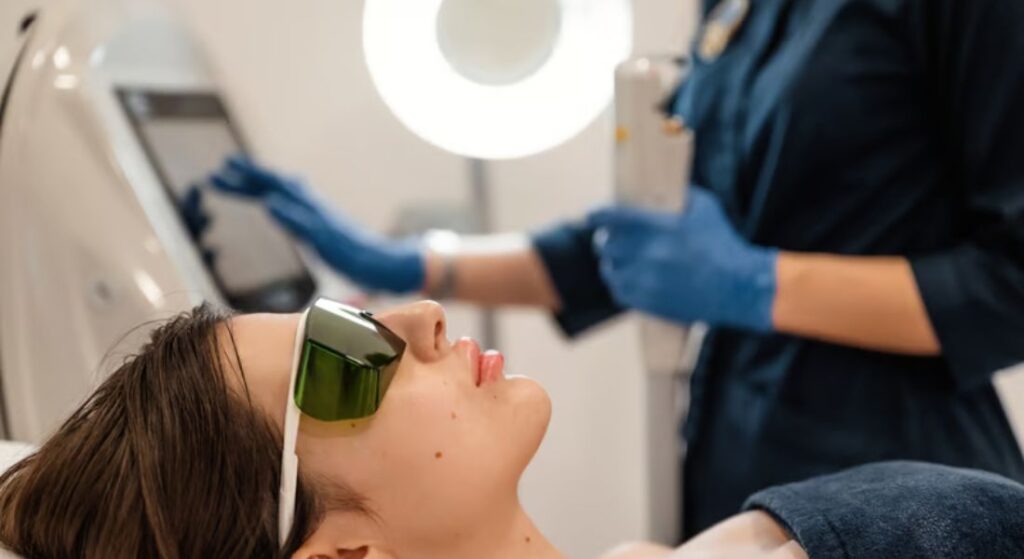
Some people worry about sensitivity after less invasive treatments such as IPL or fractional lasers. Generally, these procedures carry a lower risk of long-term sensitivity because they are less aggressive and primarily target the surface layers of the skin. Recovery tends to be quicker, and side effects like redness or peeling are usually milder.
CO₂ laser, however, is unique in its ability to treat deeper wrinkles, significant scarring, and extensive sun damage. Its deeper penetration and stronger collagen-stimulating effect allow for more dramatic improvements, but this also comes with a slightly longer recovery period and a higher though still manageable risk of temporary sensitivity.
Ultimately, the choice between CO₂ laser and other treatments should balance your skin goals with your tolerance for short-term recovery. A qualified dermatologist can help you weigh the benefits and risks, ensuring the selected approach aligns with both your desired results and lifestyle considerations.
Summary: What Science and Experience Show
Research and patient outcomes consistently indicate that CO₂ laser resurfacing rarely causes permanent skin sensitivity. Temporary reactions, such as redness, peeling, or mild irritation, are expected during the healing process, but with proper care, your skin’s resilience generally returns to normal.
Several factors influence both short- and long-term results, including treatment depth, your skin type, age, and adherence to post-procedure care. Following all aftercare instructions carefully helps minimise complications and supports optimal healing.
Choosing a skilled, experienced practitioner especially for CO₂ laser treatment in London further reduces risk and ensures the procedure is tailored to your individual needs. With expert guidance and proper precautions, you can achieve lasting improvements in texture, tone, and overall skin health without increasing long-term sensitivity.
FAQs:
1. Does CO₂ laser make skin permanently more sensitive?
No. When performed by an experienced dermatologist, CO₂ laser does not cause permanent sensitivity. Temporary sensitivity occurs during healing but usually resolves as collagen remodelling strengthens the skin.
2. What is temporary sensitivity after CO₂ laser?
Immediately after treatment, skin may feel warm, tight, or sunburned, with redness, swelling, and mild tingling. This phase lasts a few days to a couple of weeks and is a normal part of healing.
3. How long does short-term sensitivity last?
Most patients notice gradual improvement within 1–2 weeks, though deeper treatments may extend this slightly. By 2–3 months, skin usually returns to normal tolerance.
4. Why does CO₂ laser cause temporary sensitivity?
The laser creates controlled micro-injuries, which temporarily compromise the skin barrier. This allows collagen formation and tissue renewal, leading to heightened reactivity to touch, temperature, and sunlight during recovery.
5. Can CO₂ laser ever cause long-term sensitivity?
It’s rare. Overly aggressive treatments, insufficient healing time, or pre-existing conditions can sometimes prolong mild sensitivity. Even then, it is usually manageable with proper care.
6. How does skin barrier recovery affect sensitivity?
A healthy barrier is crucial. Gentle cleansing, moisturisation, and sun protection help the skin heal efficiently, reducing prolonged sensitivity and maintaining skin resilience.
7. What lifestyle factors affect long-term skin sensitivity?
Sun exposure, smoking, diet, hydration, and skincare routines influence skin resilience. Consistent sunscreen, gentle skincare, and healthy habits help maintain results and minimise sensitivity.
8. How does age or skin type influence sensitivity?
Older skin may heal slower, extending short-term sensitivity. Fairer or thinner skin often shows more redness initially, while thicker or oilier skin may tolerate the procedure better.
9. How important is choosing the right practitioner?
Extremely. An experienced dermatologist ensures proper laser technique, treatment depth, and customised aftercare, which significantly reduces the risk of long-term sensitivity and complications.
10. Can complications affect sensitivity?
Rare complications like hyperpigmentation, hypopigmentation, or scarring may make skin feel more reactive temporarily. These risks are minimized when the procedure is performed by an experienced clinician with proper aftercare.
Final Thoughts: Confidence in CO₂ Laser Without Long-Term Sensitivity
It’s completely natural to worry about whether CO₂ laser resurfacing could leave your skin permanently more sensitive. The reassuring reality is that, when performed correctly and followed by proper aftercare, long-term sensitivity is rare. Temporary redness, warmth, and reactivity are part of the healing process, not a permanent change in how your skin behaves.
In fact, once healing is complete and collagen remodelling has progressed, many patients find their skin feels stronger, smoother, and more resilient than before. The key lies in choosing an experienced practitioner, following barrier-repair focused aftercare, and maintaining consistent sun protection to preserve your results.
If you’re thinking about C02 laser treatment in London, you can get in touch with us at the London Medical & Aesthetic Clinic. A personalised consultation ensures the treatment depth, technique, and recovery plan are tailored to your skin helping you achieve long-term rejuvenation without unwanted sensitivity.
References:
1. Walia, S. and Alster, T.S., 1999. Prolonged clinical and histologic effects from CO₂ laser resurfacing of atrophic acne scars.Dermatologic Surgery https://pubmed.ncbi.nlm.nih.gov/10594623/
2. Wang, H., Yang, F., Wang, H., Qin, T., He, J. and Zhao, C., 2024. Effect of CO₂ fractional laser combined with recombinant human epidermal growth factor gel on skin barrier. https://pmc.ncbi.nlm.nih.gov/articles/PMC10939677/
3. Schwartz, R.J., Burns, A.J., Rohrich, R.J., Barton, F.E. Jr., Byrd, H.S., 1999. Long-term assessment of CO₂ facial laser resurfacing: aesthetic results and complications.Plastic and Reconstructive Surgery, https://pubmed.ncbi.nlm.nih.gov/9950552/
4. Majid, I. and Imran, S., 2015. Efficacy and safety of fractional CO₂ laser resurfacing in non-hypertrophic traumatic and burn scars.Journal of Cutaneous and Aesthetic Surgery, https://pubmed.ncbi.nlm.nih.gov/26644740/
5. Lee, M.W. and Lee, S.Y., 2023. Dynamic panoramic presentation of skin function after fractional CO₂ laser treatment.https://www.sciencedirect.com/science/article/pii/S258900422301636X