

Stretch marks can feel incredibly frustrating to live with. Whether they appeared after pregnancy, rapid weight gain, or during adolescence, these lines can leave you feeling self-conscious about your skin. You may notice them on your abdomen, thighs, hips, or breasts and find yourself trying to cover them. It is completely natural to want a treatment that genuinely improves their appearance.
If you have been researching options, you have probably come across CO2 laser treatment. You might be asking yourself how effective it truly is and whether it is the right choice for you. It is sensible to want clear information before committing to any procedure. Understanding the facts can help you feel more confident about your decision.
CO2 laser treatment works by creating controlled micro-injuries in the skin to stimulate collagen production. As your skin heals, it becomes firmer and smoother, which can improve the appearance of stretch marks over time. You should know that results are gradual rather than instant. Most people require multiple sessions to achieve noticeable improvement.
In this guide, you will learn what results you can realistically expect and how many sessions you may need. You will also understand how CO2 laser compares with other stretch mark treatments. Most importantly, you will gain a clear picture of what the process involves from start to finish. This will help you decide whether it aligns with your expectations and skin goals.
Understanding Stretch Marks
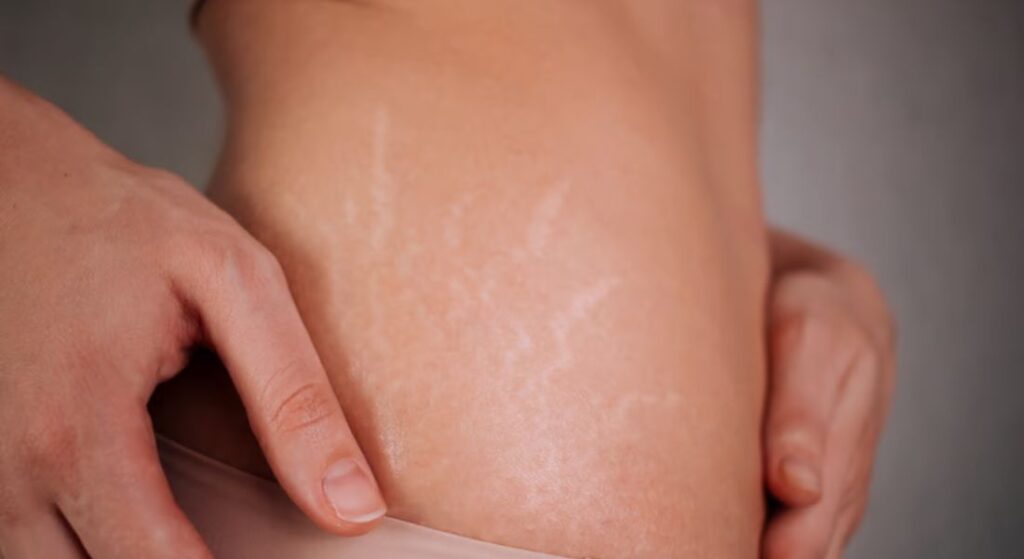
Before exploring treatment options, it’s important to understand what stretch marks actually are and why they develop. Medically known as striae, stretch marks form when the skin is stretched beyond its natural elasticity. This commonly occurs during periods of rapid growth, pregnancy, hormonal changes, or significant weight fluctuations. Having a clear understanding of how they form helps you set realistic expectations for treatment outcomes.
1. Stages of Stretch Marks: Stretch marks typically begin as red, purple, or pink streaks because blood vessels are more visible through the stretched skin. At this stage, they may feel slightly raised or textured. Over time, as collagen production decreases and the skin heals, they fade into a lighter silvery-white colour and become flatter.
2. Skin Layers Involved: Stretch marks primarily affect the dermis, which is the middle layer of your skin. This layer contains collagen and elastin fibres that provide strength and flexibility. When these fibres tear due to rapid stretching, structural damage occurs, leading to visible lines on the surface.
3. Common Locations: Stretch marks most often appear in areas that experience significant expansion, such as the abdomen, thighs, hips, breasts, and upper arms. Hormonal factors can also influence where they develop. Genetics play an important role, meaning if your parents had noticeable stretch marks, you may be more predisposed to them.
Understanding these fundamentals helps you approach treatment options with clarity and realistic expectations. While no treatment can completely erase stretch marks, many modern procedures can significantly improve their texture and colour. The key lies in selecting the right intervention based on the stage and severity of the marks. With proper guidance, noticeable improvement is achievable.
How CO2 Laser Works on Stretch Marks
Fractional CO2 laser treatment is widely used for skin resurfacing, including the treatment of stretch marks. It works by delivering controlled laser energy into microscopic areas of your skin to stimulate natural healing. The laser creates tiny columns in the skin while leaving the surrounding tissue intact. This approach allows your skin to recover more quickly while encouraging collagen remodelling beneath the surface.
By targeting the dermal layer where stretch marks develop, the treatment stimulates the production of new collagen and elastin. These essential proteins help improve your skin’s firmness and elasticity over time. As fresh collagen forms, you may notice gradual improvement in the texture and overall appearance of the treated area. The changes develop progressively rather than instantly.
If your stretch marks are red or purple, you may also see gradual fading with repeated sessions. Improved skin regeneration and circulation can help reduce visible colour differences. However, it is important to understand that CO2 laser treatment is not a one-time solution. You will usually need multiple sessions to achieve noticeable and lasting results.
What Results Can You Expect?
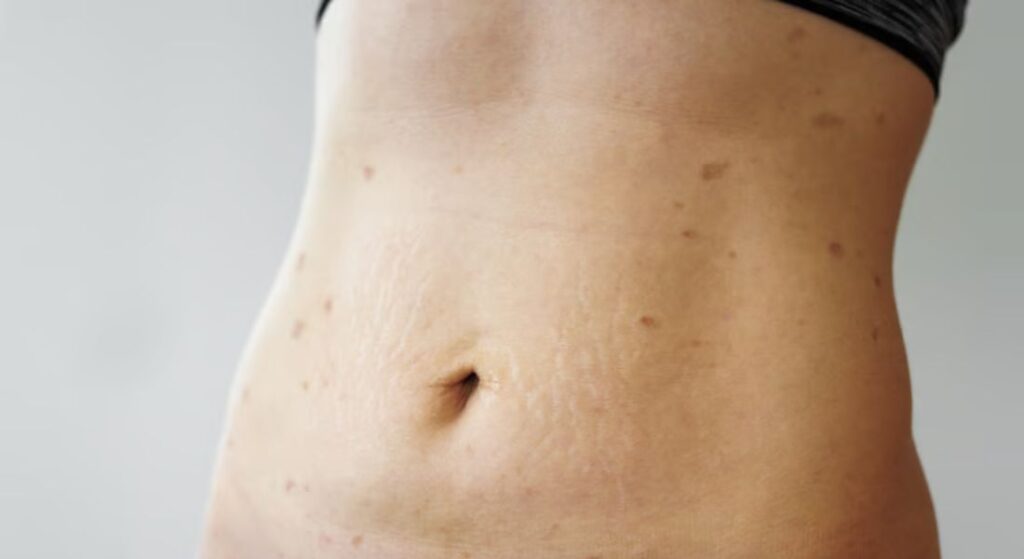
If you are considering CO2 laser treatment for stretch marks, you naturally want to understand what kind of results you might see. While every person responds slightly differently, there are some consistent patterns. After a few sessions, you will often notice that your stretch marks feel smoother and less indented. Your skin may regain some elasticity, which can make the marks less noticeable both visually and to the touch.
In terms of colour, newer red or purple stretch marks usually respond more dramatically. You may see gradual fading as your skin regenerates over multiple sessions. Older white stretch marks can still improve in texture and blend better with surrounding skin, but they rarely disappear completely. Overall, many people experience around 50–70% improvement after completing a full course of treatment.
The results are generally long-lasting, especially if your weight remains stable. However, you may need additional treatments in the future if new stretch marks develop due to pregnancy or weight changes. It is important to keep your expectations realistic throughout the process. CO2 laser can significantly improve the appearance of stretch marks, but it will not completely erase them or make your skin look untouched overnight.
How Many Sessions Are Needed?
The number of sessions you will need depends on several factors, including the severity of your stretch marks, your skin type, and the results you hope to achieve. If your stretch marks are mild and in the early stages, you may see good improvement with just two to three sessions. These finer marks tend to respond more quickly because the skin structure is less disrupted. However, individual results can still vary.
If your stretch marks are more noticeable or deeply indented, you will usually require a longer course of treatment. Moderate to severe stretch marks often need four to six sessions, typically spaced six to eight weeks apart. This spacing allows your skin enough time to heal properly between treatments. It also gives collagen the opportunity to remodel and strengthen gradually.
Your personal healing response also plays an important role in determining how many sessions are necessary. Some people produce collagen more efficiently and see quicker improvement, while others may need additional sessions for optimal results. It is important not to schedule treatments too close together, as this can increase the risk of side effects. Giving your skin adequate recovery time helps ensure safer and more effective outcomes.
Comparing CO2 Laser with Other Treatments
While CO2 laser treatment is widely regarded as one of the most effective options for improving stretch marks, it is not the only solution available. Different technologies target collagen stimulation in different ways, and each comes with its own benefits and limitations. Choosing the right treatment depends on the age, depth, and severity of your stretch marks, as well as your tolerance for downtime. Understanding how these options compare helps you make a more informed and realistic decision.
1. Microneedling: Microneedling works by creating controlled micro-injuries in the skin using fine needles to stimulate natural collagen production. It is less invasive than CO2 laser and typically involves shorter recovery time, making it appealing for those seeking minimal disruption. However, results are usually more gradual and subtle, particularly for older or deeper stretch marks.
2. Radiofrequency (RF) Therapy: Radiofrequency treatments use targeted heat energy to stimulate collagen without breaking the surface of the skin. The procedure is generally comfortable, with little to no downtime, which makes it convenient for busy individuals. That said, RF is often less effective for long-standing, deep, or white stretch marks compared with more intensive treatments.
3. CO2 Laser: CO2 laser therapy works by resurfacing the skin and triggering significant collagen remodelling. It can produce more noticeable improvements in both texture and pigmentation, especially for older, stubborn stretch marks. Because it is an ablative treatment, it requires more recovery time, but the results tend to be more dramatic.
In many cases, the most effective approach is not choosing one treatment over another but combining them strategically. For example, starting with CO2 laser to achieve substantial improvement and then maintaining results with microneedling or RF sessions can enhance long-term outcomes. A tailored treatment plan based on your skin type and stretch mark characteristics often delivers the best overall improvement.
Preparing for CO2 Laser Treatment
Preparing properly for your CO2 laser session plays an important role in achieving the best possible results. When you take the right steps beforehand, you also reduce the risk of unwanted side effects. One of the most important things you should do is avoid sun exposure for at least two weeks before treatment. Tanned or sunburnt skin increases your risk of pigmentation changes after the procedure.
You should also adjust your skincare routine a few days before your appointment. Stop using retinoids, exfoliating acids, or any harsh active ingredients that could make your skin more sensitive. Keeping your skin calm and balanced helps it respond better to the laser. At the same time, focus on maintaining good hydration by drinking plenty of water and using a gentle moisturiser regularly.
A thorough consultation before treatment is equally important. This allows your practitioner to assess your skin type, evaluate the severity of your stretch marks, and understand your personal goals. When your treatment plan is properly tailored, you are more likely to achieve satisfying and safe results. Careful preparation significantly lowers the risk of complications such as hyperpigmentation, infection, or prolonged redness.
What to Expect During the Procedure
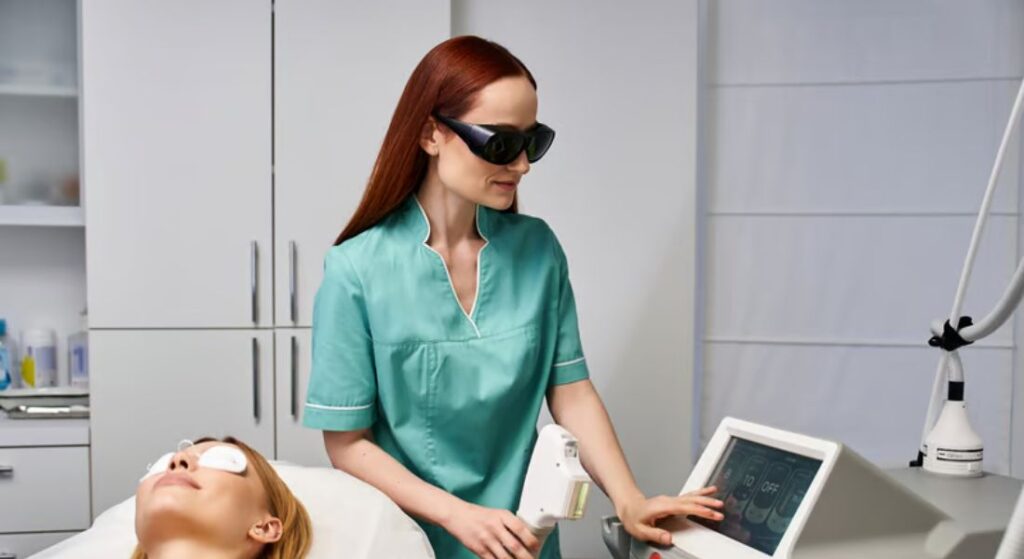
Understanding what happens during your CO2 laser session can help ease any anxiety and allow you to plan your recovery properly. Most treatments begin with the application of a topical anaesthetic cream to minimise discomfort. You will usually wait around 30 to 45 minutes for the numbing cream to take full effect. This step makes the procedure far more comfortable and manageable.
Once your skin is numb, the practitioner will pass the fractional CO2 laser over the area with stretch marks. The laser targets microscopic columns within your skin to stimulate collagen production. You may feel a warm prickling or tingling sensation during the treatment, but it is generally well tolerated. Sessions typically last between 30 and 60 minutes, depending on the size and number of areas being treated.
Immediately afterwards, your skin may look red and feel warm, similar to mild sunburn. Some swelling and light peeling are common during the first few days as your skin begins to heal. It is normal to experience mild tenderness, but most people manage this comfortably with over-the-counter pain relief and gentle skincare. Following aftercare advice carefully will help support smooth healing and better results.
Recovery and Aftercare
Recovery after CO2 laser treatment is gradual, but you can manage it comfortably with the right care. During the first week, you should expect redness, mild swelling, and possibly some light scabbing. It is very important that you do not pick, scratch, or peel the area, as this can increase the risk of scarring or pigmentation changes. Keeping the area clean and protected will support healthy healing.
Moisturising regularly is essential while your skin repairs itself. You should use the recommended moisturisers provided by your practitioner and apply a broad-spectrum sunscreen daily to protect the treated skin. Sun protection is especially important because newly healed skin is more sensitive to UV damage. Consistent care during this stage helps prevent complications and supports better long-term results.
Your skin may begin to look smoother within two to three weeks, but improvement continues over several months as collagen remodels beneath the surface. During this time, avoid wearing tight clothing that could rub against the treated area. You should also avoid heavy makeup on treated zones until your skin has fully healed. Carefully following aftercare instructions plays a key role in achieving the best possible outcome.
Who Is a Good Candidate for CO2 Laser?

CO2 laser treatment is not suitable for everyone, so it is important to understand whether you are a good candidate. People with mature, white stretch marks or moderate scarring often respond particularly well to this treatment. If your stretch marks are stable and not newly forming, you may see more predictable improvement. Your overall skin condition also plays an important role in how well you respond.
Your skin type is another key consideration. Lighter skin tones often experience more noticeable improvement with a lower risk of pigmentation changes. If you have a darker skin tone, you may still be suitable, but there can be a higher risk of post-inflammatory hyperpigmentation. In this case, careful assessment and an experienced practitioner are especially important.
Certain medical factors can also affect your suitability for treatment. If you have an active skin infection, specific chronic health conditions, or are currently taking isotretinoin, you may need to delay treatment until cleared by your doctor. Your lifestyle habits matter as well, as non-smokers and those with generally healthy skin tend to heal more efficiently. A detailed consultation ensures the treatment plan is safely tailored to your individual needs and risk profile.
Common Myths About CO2 Laser and Stretch Marks
There is a great deal of misinformation online about CO2 laser treatment, so it is important that you understand the facts. One common myth is that CO2 laser completely removes stretch marks. In reality, no laser treatment can fully erase them. What it can do is significantly improve texture and colour, helping the marks blend more naturally with your surrounding skin.
Another myth is that results appear immediately after treatment. In truth, improvements develop gradually as your collagen remodels beneath the surface, which can take several months. You may begin to notice smoother skin within a few weeks, but full results require patience. It is also a misconception that the procedure is extremely painful, as topical anaesthetics usually make the experience very tolerable.
Some people also believe that only young skin responds well to laser treatment. While younger skin may heal slightly faster, even older stretch marks can show noticeable improvement. The results for long-standing marks may be more subtle, but they can still be meaningful. Understanding these realities helps you manage your expectations and feel more satisfied with your overall outcome.
Cost and Value Considerations
CO2 laser treatment is often viewed as an investment in your skin rather than a simple cosmetic expense. Because it is a more advanced and intensive procedure, it typically comes at a higher price point than non-ablative treatments. It’s completely natural to weigh the financial commitment against the expected results. Understanding what you’re paying for helps you assess whether the treatment aligns with your goals and expectations.
1. Average Cost: The price of CO2 laser treatment varies depending on the size of the area being treated and the number of sessions required. Larger areas or multiple sessions naturally increase the overall cost. In general, it is more expensive than treatments such as microneedling or radiofrequency due to its ablative technology and the level of clinical expertise required.
2. Value Proposition: Although the upfront cost is higher, CO2 laser often delivers more visible and longer-lasting improvements in texture and pigmentation. This can reduce the need for repeated lower-intensity treatments over time. For individuals seeking substantial change rather than subtle enhancement, it can prove more cost-effective in the long term.
3. Combination Treatments: In some cases, combining CO2 laser with other therapies may enhance overall outcomes. While this approach can increase the total financial investment, it may optimise collagen stimulation and improve maintenance results. A personalised treatment plan ensures you are spending strategically rather than unnecessarily.
Ultimately, cost should be considered alongside safety, expertise, and the quality of results achieved. Skin health and improved confidence are long-term benefits that often outweigh the initial monetary investment. When approached thoughtfully, CO2 laser treatment can represent both clinical value and personal satisfaction.
Integrating CO2 Laser With Other Therapies
For the best possible results, you may find that CO2 laser treatment is combined with other complementary therapies. Using a multi-modal approach can enhance collagen production and improve overall skin quality. This strategy allows you to target stretch marks from different angles rather than relying on a single method. When treatments are carefully planned, you can often achieve more noticeable and balanced improvements.
Microneedling is sometimes introduced after your initial laser sessions to further stimulate collagen remodelling. This can help refine skin texture and support continued improvement. Radiofrequency treatments may also be recommended to maintain skin tightness and elasticity over time. These options can work alongside your laser results to enhance firmness and smoothness.
Topical skincare also plays an important supporting role in your treatment journey. Under professional guidance, products such as retinoids and vitamin C serums can help promote skin repair and collagen support. However, you should only introduce active ingredients when your skin has fully healed and your practitioner advises it. Combining these treatments thoughtfully can improve both texture and colour, giving your skin a more uniform appearance.
Internal Resources and Next Steps
If you would like to explore CO2 laser treatment further, you can visit our dedicated CO2 laser treatment page for more detailed information. There, you will find a clear explanation of how the procedure works, what recovery involves, and how to arrange a consultation. Reviewing this information beforehand can help you feel more informed and reassured. It also gives you the opportunity to prepare any questions you may have.
Understanding what to expect before your first session can make a real difference to your overall experience. When you feel prepared, you are more likely to approach treatment with confidence rather than uncertainty. A professional consultation allows your skin type, stretch mark severity, and personal goals to be carefully assessed. This ensures your treatment plan is tailored specifically to you.
Taking the next step is simply about gathering the right information and seeking expert guidance. With the correct advice, you can decide whether CO2 laser treatment aligns with your expectations. Feeling informed helps you make a decision that suits both your skin and your lifestyle. Careful planning sets the foundation for safer treatment and better long-term results.
FAQs
1. Can CO2 laser completely remove stretch marks?
No treatment can completely remove stretch marks, including CO2 laser. However, fractional CO2 laser can significantly improve their texture, depth, and overall visibility. Most patients notice that the marks blend more naturally with the surrounding skin after completing a course of sessions.
2. How effective is CO2 laser for older white stretch marks?
Older white (striae alba) stretch marks can improve in texture and smoothness, but colour correction is usually more limited compared to newer red or purple marks. The laser works by stimulating collagen in the dermis, which helps reduce indentation and roughness. While they rarely disappear entirely, they often become less noticeable.
3. Does CO2 laser work better on newer red or purple stretch marks?
Yes, newer stretch marks (striae rubra) tend to respond more dramatically. Because blood vessels are still active and collagen disruption is more recent, the skin often regenerates more effectively. You may see better colour fading alongside texture improvement with repeated treatments.
4. How many CO2 laser sessions are typically needed for stretch marks?
Most individuals require between two and six sessions, depending on the severity, size of the area, and how deeply indented the stretch marks are. Sessions are usually spaced six to eight weeks apart to allow proper healing and collagen remodelling. Your practitioner will adjust the plan based on your skin response.
5. Is CO2 laser treatment painful?
A topical anaesthetic cream is applied before treatment to minimise discomfort. During the session, you may feel a warm, prickling, or tingling sensation, but it is generally well tolerated. After the procedure, the treated area may feel similar to mild sunburn for a few days.
6. How long does it take to see visible results?
You may begin to notice smoother texture within two to three weeks. However, full results develop gradually over several months as new collagen forms beneath the surface. Improvement is progressive rather than immediate.
7. What is the downtime after CO2 laser for stretch marks?
Most people experience redness, swelling, and mild peeling for five to seven days. Some light scabbing may occur, particularly with more intensive settings. Following aftercare instructions carefully is essential to reduce the risk of pigmentation changes and support smooth healing.
8. Is CO2 laser safe for darker skin tones?
It can be suitable for darker skin types, but there is a higher risk of post-inflammatory hyperpigmentation. Careful assessment, conservative laser settings, and strict sun protection are essential. Choosing an experienced practitioner significantly reduces the risk of complications.
9. How does CO2 laser compare to microneedling and radiofrequency?
CO2 laser is an ablative treatment, meaning it resurfaces the skin and produces more dramatic collagen remodelling. Microneedling and radiofrequency are less invasive with shorter downtime, but results are typically more gradual and subtle. For deeper or older stretch marks, CO2 laser often provides more noticeable improvement.
10. Are the results permanent, or will stretch marks return?
The improvement achieved in treated stretch marks is long-lasting because new collagen has formed in the area. However, new stretch marks can develop if you experience pregnancy, rapid weight changes, or hormonal shifts. Maintaining stable weight and good skin health helps preserve your results.
Final Thoughts: Is CO2 Laser the Right Choice for Your Stretch Marks?
Deciding to treat stretch marks is often about more than appearance. It is about feeling more confident and comfortable in your own skin. If you have been living with stretch marks for years, you may simply want smoother texture and better blending rather than perfection.
CO2 laser treatment remains one of the most effective clinical options available for improving both texture and colour. While it will not completely remove stretch marks, it can significantly reduce their depth and help them blend more naturally with surrounding skin. With the right number of sessions and realistic expectations, the improvement can be meaningful and long-lasting.
The key is understanding that results develop gradually. Collagen remodelling takes time, and patience is part of the process. When performed by an experienced practitioner and supported with proper aftercare, outcomes are both safe and rewarding.
If you would like to explore whether advanced C02 laser treatment for stretch mark improvement is suitable for you, a personalised consultation is the best next step. If you’re thinking about C02 laser treatmentt in London,you can get in touch with us at the London Medical & Aesthetic Clinic.
References
1. Yuli Kurniawati et al. (2024) ‘Effectiveness of Fractional CO₂ Laser and Topical Centella asiatica Combination Therapy in Striae Distensae (Stretch Marks)’, Journal of Lasers in Medical Sciences https://pubmed.ncbi.nlm.nih.gov/39650780/
2. Mendes, N., Alves, P.J., Barros, M. & Machado, J. (2022) Fractional CO₂ Laser versus Fractional Radiofrequency for Skin Striae Treatment: Study Protocol for a Randomized Controlled Trial, Healthcare, https://www.mdpi.com/2227-9032/10/12/2372
3. Abdallah, M.A.R., Mostafa, A.E. & Hameed, S.M.A.M. (2021) Efficacy of Fractional CO₂ Laser and Human Lyophilized Growth Factors in the Treatment of Stretch Marks: A Clinical and Histopathological Study, QJM: An International Journal of Medicine, https://academic.oup.com/qjmed/article/114/Supplement_1/hcab093.043/6379505
4. Kurniawati, Y. et al. (2024) Effectiveness of Fractional CO₂ Laser and Topical Centella asiatica Combination Therapy in Striae Distensae (Stretch Marks), Journal of Lasers in Medical Sciences https://pmc.ncbi.nlm.nih.gov/articles/PMC11625387/
5. Soliman, M.S. et al. (2019) Efficacy of fractional carbon dioxide laser versus microneedling in the treatment of striae distensae, Journal of Cosmetic and Laser Therapy https://pubmed.ncbi.nlm.nih.gov/40131559/