

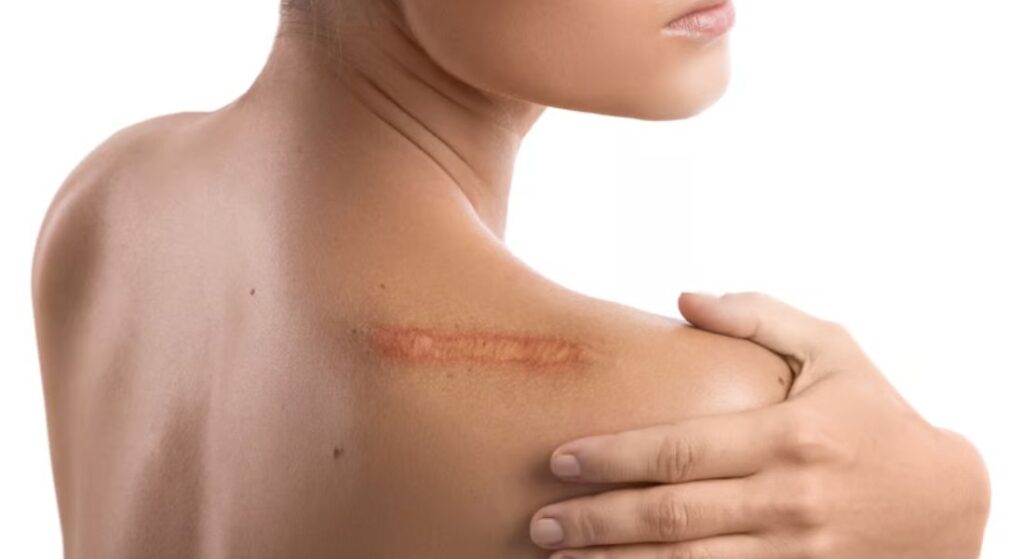
Scars tell a story. Sometimes that story represents healing, survival, or an important chapter in your life. However, if you are reading this, your scar may be something you would prefer to soften or make less visible. It is completely understandable to want your skin to appear smoother and more even.
Whether your scar developed after surgery, an injury, or even chickenpox during childhood, you are probably wondering if CO2 laser treatment can genuinely help. You may have seen promising images or read conflicting information online. This can make it difficult to know what is realistic and what is simply marketing. Clear, honest guidance is essential before you consider any procedure.
CO2 laser resurfacing works by stimulating collagen production deep within your skin. By creating controlled micro-injuries, it encourages your body to repair and remodel scar tissue over time. This process can help improve texture, reduce thickness, and soften the overall appearance of the scar. However, results develop gradually and require patience.
In this detailed 2026 guide, you will learn when it is safe to begin treatment after surgery and how many sessions you may need. You will also understand what level of improvement you can realistically expect and when another treatment might be more appropriate. By the end, you should feel more confident about whether CO2 laser is the right choice for your scar.
Understanding What a Scar Really Is
Before we talk about lasers or advanced treatments, it’s important that you understand what’s actually happening beneath your skin. A scar forms when your body repairs a wound, whether from surgery, injury, acne, or infection. Instead of rebuilding perfectly organised collagen like untouched skin, your body produces collagen quickly and in a less structured way. That difference in collagen arrangement is why scars can look thicker, raised, indented, or a different colour compared with the surrounding skin.
1. Flat Surgical Scars: These typically appear as straight lines that follow a surgical incision. In many cases, they gradually fade and soften over time, becoming less noticeable. However, some may remain slightly red, raised, or mildly indented depending on how the skin healed.
2. Hypertrophic Scars: Hypertrophic scars are raised and firm but remain within the boundary of the original wound. They develop due to excess collagen production during healing. While they may improve naturally over time, they can remain thick or prominent without targeted treatment.
3. Atrophic Scars: Atrophic scars appear indented or sunken because there has been a loss of underlying tissue. They are commonly seen after conditions like chickenpox or certain injuries. The skin in these areas lacks sufficient collagen support, creating a visible depression.
4. Traumatic Scars: These scars result from injuries that may have caused irregular tissue damage. Their edges and texture can be uneven, depending on the severity of the wound and how it healed. They often require more tailored treatment approaches due to their unpredictable structure.
Each scar type behaves differently because the underlying collagen pattern is not the same. That’s why treatment cannot be one-size-fits-all. Personalised assessment ensures the correct technology and technique are chosen for your specific scar type. When treatment is tailored properly, outcomes are significantly more predictable and effective.
How CO2 Laser Resurfacing Works for Scars
Now let us look at what CO2 laser treatment actually does to your scar tissue. Fractional CO2 laser delivers controlled micro-columns of thermal energy into your skin, creating microscopic channels. These channels trigger a natural wound-healing response without damaging the entire surface area. As your skin repairs itself, it begins to remodel and strengthen from within.
The laser helps break down abnormal, rigid scar collagen, making the tissue softer and more flexible over time. At the same time, it stimulates the production of new collagen in a more organised structure. This fresh collagen gradually improves the texture and thickness of the scar. You may notice that the area starts to feel smoother and less raised or tight.
The resurfacing effect also smooths the outer layer of your skin, helping the scar blend more evenly with the surrounding tissue. This is why modern fractional CO2 laser is considered one of the most effective options for scar revision. Results develop progressively and usually require multiple sessions for meaningful improvement. A personalised consultation ensures the treatment is tailored to your scar type and skin condition.
Does CO2 Laser Really Work for Surgical Scars?
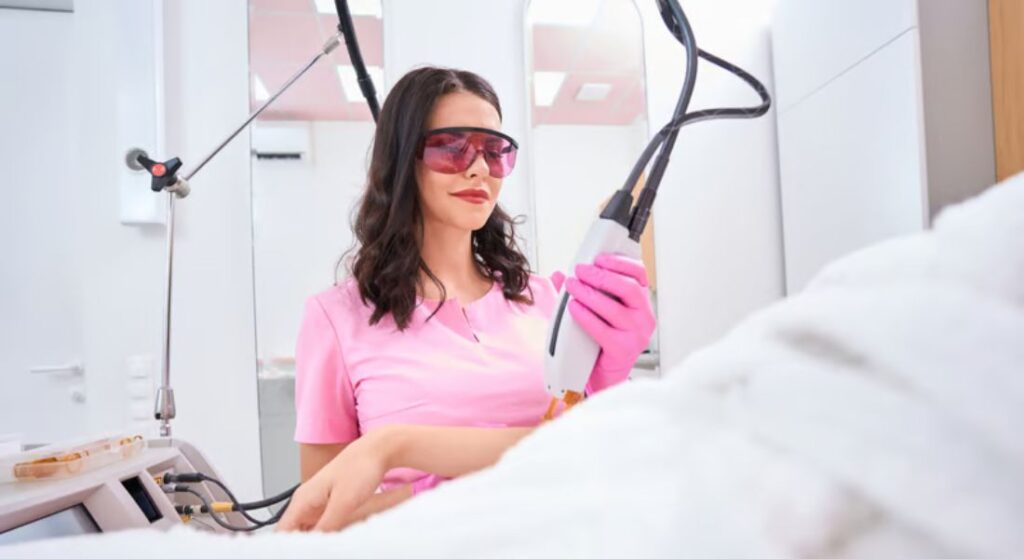
Let me give you the honest answer. Yes, in many cases, CO2 laser treatment works extremely well for surgical scars. However, the level of improvement you achieve depends on the type of scar, its age, and your individual skin characteristics. These factors influence how your skin responds to collagen stimulation and resurfacing.
For surgical scars, CO2 laser can reduce persistent redness and improve thickness or firmness in raised areas. It can also smooth uneven edges and help improve areas of indentation. As the skin remodels, the scar often blends more naturally with the surrounding tissue. You may notice that it looks softer, flatter, and less defined over time.
It is important to understand that most people see noticeable improvement rather than complete removal. That distinction matters when setting realistic expectations. Your goal should not be perfection or invisible skin. Instead, you should focus on achieving significant softening and refinement that makes the scar far less noticeable in everyday life.
Ideal Timing: When Should You Treat a Surgical Scar?
Timing matters more than you might realise when it comes to treating a surgical scar. If you have recently had surgery, you may feel eager to begin treatment straight away. However, your body needs time to complete its initial healing phase before any resurfacing procedure is considered. Allowing the wound to fully close and stabilise is essential for safe and effective results.
If your scar is still fresh, usually under six weeks old, it is generally too early for ablative CO2 laser treatment. During this stage, your skin is still actively healing and forming new tissue. In some cases, early intervention between six and twelve weeks may be considered to help reduce redness or excessive scar formation. This decision should always be made following careful professional assessment.
For mature scars, typically three to six months and beyond, this is often the ideal window for resurfacing treatment. By this stage, the scar has stabilised, making collagen remodelling more predictable. Starting too early can interfere with healing, while starting later is not necessarily a problem, as even older scars can improve. However, treating at the right time may help you achieve better blending and refinement results.
What About Traumatic Injury Scars?
Traumatic injury scars are often more complex than surgical scars. Unlike clean surgical incisions, injuries may involve irregular wound edges, areas of tissue loss, and uneven healing patterns. You might also notice changes in pigmentation, with darker or lighter patches around the scar. These factors can make the scar appear more noticeable and harder to treat.
CO2 laser treatment can help by smoothing surface irregularities and stimulating dermal remodelling beneath the skin. As collagen production increases, you may see gradual improvement in texture and a reduction in the depth of indentations. Rigid or tight scar tissue often becomes softer and more flexible over time. You may also notice a more even overall skin tone as resurfacing progresses.
However, if your scar involves significant tissue loss or deep structural changes, laser alone may not be enough. In such cases, additional treatments such as fillers or subcision might be recommended alongside CO2 laser. Combining therapies can provide better structural support and enhance overall blending. A personalised assessment ensures the most effective approach for your specific scar type.
Can CO2 Laser Treat Chickenpox Scars?
Yes, and this is an area where CO2 laser treatment often performs particularly well. Chickenpox scars are usually atrophic, which means they sit below the surface of your skin. These indented scars tend to respond well to fractional resurfacing techniques. Because the issue is loss of collagen beneath the surface, stimulating new collagen can make a meaningful difference.
CO2 laser works by breaking down the sharp edges around indented scars and encouraging collagen production at the base. As new collagen forms, it can gradually lift and support the depressed area. You may also notice improved overall skin smoothness as the outer layer becomes more even. This combined effect helps the scars blend better with surrounding skin.
You will usually need multiple sessions to achieve noticeable improvement. Results develop progressively over several months as collagen remodels beneath the surface. While older chickenpox scars do not disappear completely, they often become far less visible in normal lighting. With the right treatment plan, you can achieve significant softening and refinement.
How Many Sessions Will You Need?
This is one of the most common questions you are likely to ask before starting treatment. The honest answer is that the number of sessions depends on several factors. These include the depth and age of your scar, its location on the body, your skin type, and how well your skin heals. Each of these elements influences how effectively collagen remodels after treatment.
As a general guideline, mild surgical scars may improve with one to three sessions. Moderate scars often require three to four sessions to achieve noticeable refinement. Deeper or older scars typically need four to six sessions for more significant softening and blending. Your treatment plan should always be tailored to your specific scar characteristics.
Sessions are usually spaced six to eight weeks apart to allow full collagen remodelling between treatments. This spacing gives your skin adequate time to heal and strengthen. Results develop progressively, so you should not expect to walk out scar-free after a single appointment. Patience and consistency are key to achieving meaningful improvement.
What Results Should You Realistically Expect?
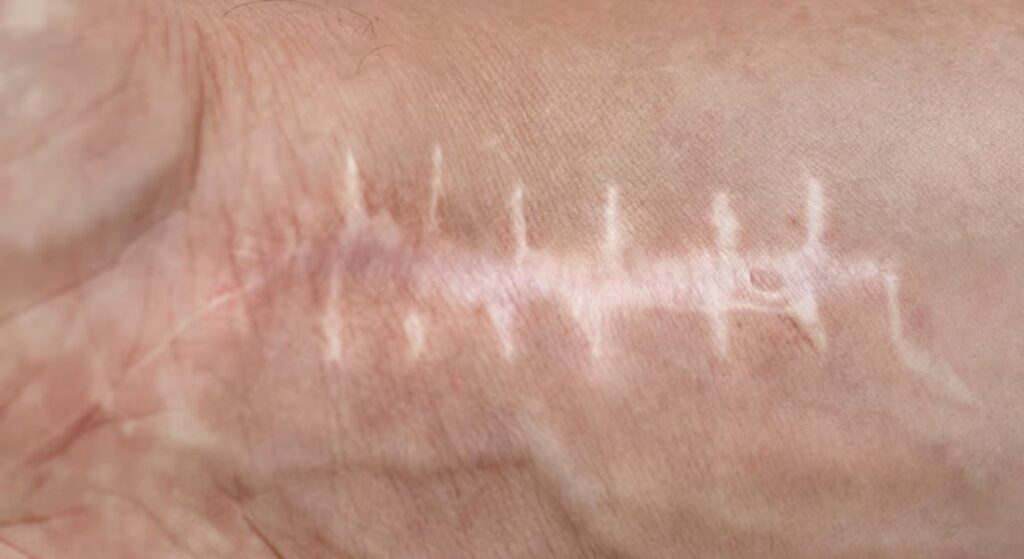
It is important that you approach treatment with realistic expectations. CO2 laser can produce meaningful improvement, but it is not a magic solution. Most patients experience between 40–70% improvement in overall texture after completing their sessions. The degree of change depends on your scar type, skin quality, and healing response.
You may notice a visible reduction in redness, particularly in newer scars. Raised areas often become softer and flatter as collagen remodels beneath the surface. Indented scars can appear shallower, and the overall area tends to blend better with the surrounding skin. These gradual refinements can make the scar far less noticeable in everyday situations.
It is very rare for a scar to disappear completely. However, complete removal is not usually necessary to feel satisfied with the result. When your scar no longer immediately draws attention, that can make a significant difference to your confidence. For many people, that level of improvement is more than enough.
What Is the Downtime Like?
Because CO2 laser treatment is ablative, it works by removing controlled layers of skin to stimulate significant collagen remodelling. This makes it more intensive than non-ablative treatments such as microneedling or radiofrequency. As a result, downtime is longer, and proper aftercare becomes especially important. Understanding the typical recovery process helps you plan realistically and avoid unnecessary anxiety during healing.
1. Redness for 5–10 Days: It’s normal for the treated area to appear red immediately after the procedure. This redness gradually settles over the course of a week or slightly longer, depending on treatment intensity and your skin type. In some cases, mild residual pinkness can persist beyond this period before fully fading.
2. Swelling for 2–4 Days: Swelling is a common early response as the skin begins its healing process. It usually peaks within the first 48 hours and then steadily improves. Keeping the area elevated (where possible) and following aftercare advice helps minimise discomfort.
3. Mild Crusting or Peeling: As the skin renews itself, you may notice light crusting or flaking. This is part of the resurfacing process and should not be picked or scrubbed. Gentle cleansing and appropriate moisturisation support proper healing.
4. Pinkness That Gradually Fades: After the initial redness settles, the skin may remain pink for a short period. This reflects ongoing collagen remodelling beneath the surface. Over time, the skin tone continues to normalise as healing progresses.
Most people are able to return to work within a week, depending on the size and location of the treated area. However, strict sun protection is essential during the recovery period to prevent pigmentation changes and protect newly treated skin. When aftercare is followed carefully, downtime is manageable and well worth the improvement achieved.
Does It Hurt?
It is natural to wonder whether CO2 laser treatment will be painful. The honest answer is that it can feel uncomfortable, but it is generally very manageable. Before the procedure begins, a topical anaesthetic is applied to numb the area. This significantly reduces the level of discomfort during treatment.
While the laser is being applied, you may feel warmth, prickling, or a light snapping sensation against your skin. Most people describe it as tolerable rather than painful. The intensity can vary depending on the treatment area and your personal sensitivity. Your practitioner will also monitor your comfort throughout the session.
After treatment, your skin often feels similar to a moderate sunburn for a few days. You may experience redness, warmth, and mild tenderness as your skin begins to heal. Pain tolerance differs from person to person, but most patients cope very well. Following aftercare advice carefully will help keep you comfortable during recovery.
When Might Alternative Treatments Be Better?
CO2 laser is a powerful treatment, but it is not always the best first option for every scar or skin type. If you have very dark skin that is prone to pigmentation changes, the risk of post-inflammatory hyperpigmentation may be higher. It may also not be suitable if you have keloid scars that grow beyond the original wound boundary. In addition, very thin or fragile skin, or an inability to tolerate downtime, can make alternative treatments more appropriate.
In these situations, other therapies may offer safer or more targeted results. Options such as microneedling or radiofrequency microneedling can stimulate collagen with less surface disruption. For raised hypertrophic scars, steroid injections may help reduce thickness and firmness. Silicone gel sheeting is another non-invasive option that can support scar maturation over time.
For deeper, tethered scars, subcision may be recommended to release fibrous bands beneath the skin. In some cases, surgical scar revision may provide better structural correction before laser resurfacing is considered. Often, a combination approach delivers the most balanced and effective outcome. A personalised assessment ensures you receive the treatment plan best suited to your skin and scar type.
Is CO2 Laser Safe for All Skin Tones?
Safety largely depends on the experience and skill of your practitioner. CO2 laser can be used on a range of skin tones, but it requires careful assessment and precise technique. The settings must be adjusted appropriately for your individual skin type. Choosing an experienced professional significantly reduces potential risks.
If you have a darker skin tone, there is a higher risk of post-inflammatory hyperpigmentation. This means you could develop temporary darkening in the treated area if the skin reacts strongly. However, with careful parameter adjustment and strict aftercare, treatment can still be performed safely. Pre-treatment skin preparation may also be recommended to lower this risk.
A thorough consultation is absolutely essential before proceeding. Your practitioner should assess your skin type, medical history, and scar characteristics in detail. This ensures the treatment plan is tailored specifically to you. Proper planning is the key to achieving safe and effective results.
Long-Term Results: Are They Permanent?
Yes, the collagen remodelling stimulated by CO2 laser treatment is permanent. Once your scar tissue has softened and new collagen has formed, that structural improvement remains. The changes achieved through proper treatment do not simply reverse. This means that the refinement you see after completing your sessions is long lasting.
However, it is important to remember that your skin continues to age naturally. Over time, collagen levels gradually decline, and skin may lose some firmness. This ageing process affects all skin, not just treated areas. As a result, subtle changes can still occur years after your treatment.
For this reason, some people choose occasional maintenance sessions later on. These are not always necessary, but they can help support ongoing collagen production. If you notice changes over time, a review consultation can help you decide whether further treatment would be beneficial.
Emotional Impact of Scar Treatment
Scars can affect far more than just your skin. They can influence how confident you feel in your body and how comfortable you are in everyday situations. You may find yourself adjusting your clothing choices to keep certain areas covered. In some cases, scars can even affect intimacy or how relaxed you feel socially.
When a scar begins to soften and blend more naturally with your surrounding skin, the emotional shift can be significant. You may notice that you think about it less often when getting dressed or looking in the mirror. The constant awareness that once felt overwhelming can gradually fade. That reduction in self-consciousness can have a powerful impact on your overall wellbeing.
The goal of treatment is not perfection, but relief from constant focus and frustration. When your scar no longer draws your attention every day, it creates space for greater confidence. You can move through social situations without that underlying worry. That sense of mental freedom is often just as valuable as the physical improvement itself.
Preparing for Treatment
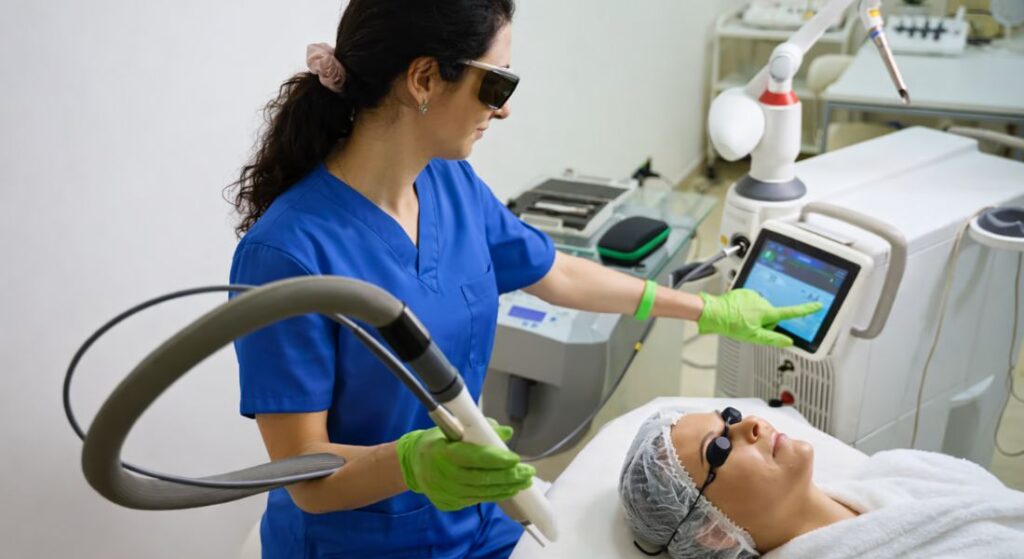
Proper preparation plays an important role in both safety and results. When you prepare your skin correctly, you reduce the risk of complications and support better healing. Small steps taken before your appointment can make a noticeable difference to your outcome. Giving your skin the best possible starting point helps it respond more effectively to treatment.
Before your session, you should avoid sun exposure to reduce the risk of pigmentation changes. It is also advisable to stop using retinoids and other strong active ingredients temporarily, as they can increase skin sensitivity. Staying well hydrated supports your skin’s natural repair processes. Carefully following all pre-treatment instructions provided by your practitioner is essential.
Healthy, balanced skin heals more efficiently after laser treatment. When your skin barrier is strong, recovery tends to be smoother and more predictable. Taking preparation seriously is part of achieving the best possible improvement. A little care beforehand can lead to better long-term results.
Aftercare Is Critical
After your treatment, proper aftercare becomes just as important as the procedure itself. Using the recommended moisturisers helps keep your skin hydrated and supports healthy healing. You must avoid picking at any crusting or peeling, as this can increase the risk of scarring or pigmentation changes. Gentle care during this phase protects the results you have worked towards.
Applying a broad-spectrum SPF daily is essential while your skin recovers. Newly treated skin is more sensitive to ultraviolet damage, and sun exposure can lead to unwanted darkening. You should also avoid excessive heat, hot showers, and activities that cause heavy sweating in the initial days. Keeping the area cool and calm allows your skin to repair more effectively.
The quality of your healing directly influences your final outcome. When you follow aftercare instructions carefully, collagen remodelling can occur more smoothly and predictably. Small mistakes during recovery can compromise results. Consistent, attentive care gives you the best chance of achieving optimal improvement.
Cost Considerations
CO2 laser treatment is generally more expensive than procedures such as microneedling. The higher cost reflects the advanced technology, the ablative nature of the treatment, and the level of clinical expertise required to perform it safely. While the upfront investment may seem significant, it’s important to consider the depth of improvement you are aiming to achieve. Looking at cost alone without considering effectiveness can sometimes be misleading.
1. Higher Initial Cost: CO2 laser sessions typically cost more per treatment compared with microneedling. This is because the procedure is more intensive and involves greater collagen remodelling. The equipment, clinical setting, and recovery support also contribute to the overall pricing.
2. Fewer Sessions for Deeper Scars: One key advantage is that CO2 laser often requires fewer sessions when treating deeper or more stubborn scars. While microneedling may need multiple repeat treatments to achieve gradual improvement, CO2 laser can produce more noticeable changes in a shorter course. This can balance the higher per-session cost.
3. Long-Term Cost Efficiency: Investing in a treatment that delivers stronger and longer-lasting results may reduce the need for ongoing maintenance procedures. Over time, this can make CO2 laser a more cost-effective option for certain scar types. Choosing the most appropriate treatment from the outset can prevent unnecessary spending on less effective alternatives.
Ultimately, the right decision depends on the severity of your scars, your budget, and your expectations. While CO2 laser involves a higher financial commitment initially, its ability to deliver meaningful improvement can make it a worthwhile long-term investment. A personalised consultation ensures you are selecting a treatment that aligns with both your clinical needs and financial considerations.
2026 Advancements in CO2 Laser Technology
CO2 laser technology has advanced significantly, making treatments more precise and effective. Modern fractional devices can target specific layers of skin with exceptional accuracy, which improves results while protecting surrounding tissue. This precision also helps minimise discomfort and recovery time.
Adjustable depth control allows practitioners to customise each session based on scar type, skin thickness, and individual healing response. By fine-tuning the treatment, results are more predictable and tailored to your needs. Reduced downtime is another key benefit, making the procedure more convenient for patients with busy lifestyles.
These technological improvements have enhanced both safety and outcomes compared with older ablative laser systems. Treatments are now more efficient, with fewer side effects and a smoother recovery process. Overall, modern CO2 lasers provide better results and a more comfortable experience for those seeking scar improvement.
FAQs
1. Can CO2 laser completely remove surgical or traumatic scars?
No laser can make scars disappear entirely. CO2 laser significantly improves texture, thickness, and colour, softening raised or indented scars and helping them blend more naturally with surrounding skin. Most patients see meaningful improvement rather than complete removal.
2. When is the best time to treat a surgical scar with CO2 laser?
Fresh scars (under six weeks old) are usually too early for ablative CO2 treatment. The ideal window is typically three to six months after surgery when the scar has stabilised. Early intervention between six and twelve weeks may sometimes help reduce redness but requires careful professional assessment.
3. Can CO2 laser improve atrophic scars, like chickenpox or injury scars?
Yes. Fractional CO2 laser stimulates collagen in depressed scars, lifting indented areas and improving overall smoothness. Multiple sessions are often needed, and while scars rarely disappear completely, they can become much less noticeable.
4. How many sessions are usually required for scar improvement?
Mild scars may improve with 1–3 sessions, moderate scars with 3–4, and deeper or older scars may require 4–6 sessions. Treatments are spaced six to eight weeks apart to allow collagen remodelling and proper healing.
5. What kind of results can patients realistically expect?
Patients can generally expect 40–70% improvement in scar texture and appearance. Raised scars often become softer and flatter, indented scars less deep, and overall blending with surrounding skin is enhanced. Redness in newer scars may also fade over time.
6. What is the downtime after CO2 laser for scars?
Redness lasts about 5–10 days, swelling peaks within 2–4 days, and mild crusting or peeling is common. Pinkness may persist as collagen remodels. Most people return to work within a week, but strict sun protection and careful aftercare are essential.
7. Is CO2 laser treatment painful?
Topical anaesthetic is applied before the procedure, making discomfort manageable. During treatment, you may feel warmth, tingling, or light snapping sensations. Post-treatment, the area may feel similar to mild sunburn for a few days.
8. Is CO2 laser safe for all skin tones?
CO2 laser can be used on a range of skin tones but carries a higher risk of post-inflammatory hyperpigmentation in darker skin. Experienced practitioners adjust settings carefully, and pre- and post-treatment care is crucial for safe outcomes.
9. When might alternative treatments be more suitable than CO2 laser?
For keloid scars, very fragile skin, dark skin prone to pigmentation changes, or patients who cannot tolerate downtime, alternatives like microneedling, radiofrequency, subcision, silicone sheets, or steroid injections may be more appropriate. Sometimes, combination treatments deliver the best results.
10. Are the results of CO2 laser permanent?
Yes, collagen remodelling from CO2 laser provides long-lasting improvement. While the treated scar structure remains, natural ageing may gradually affect skin firmness. Occasional maintenance sessions can help support collagen production over time if desired.
Final Thoughts: Making CO2 Laser Work for Your Scars
Treating surgical, traumatic, or chickenpox scars is often about restoring confidence as much as improving appearance. CO2 laser treatment can significantly enhance texture, soften raised scars, and help indented areas blend more naturally with surrounding skin. While complete removal isn’t possible, the gradual, collagen-driven improvements can make a meaningful difference in everyday life.
The key to success lies in personalised treatment planning, realistic expectations, and careful aftercare. Multiple sessions are usually needed, and results develop over weeks to months as your skin remodels. Modern fractional CO2 laser technology allows precise targeting of scar tissue, improving safety and outcomes while minimising downtime.
If you are considering advanced C02 laser treatment for scar improvement, a consultation with an experienced practitioner is essential to ensure the approach is tailored to your scar type, skin tone, and healing potential. If you’re looking for C02 laser treatment in London, you can get in touch with us at the London Medical & Aesthetic Clinic.
References
1. Mendes, N., Alves, P.J., Barros, M. and Machado, J. (2022) Fractional CO₂ Laser versus Fractional Radiofrequency for Skin Striae Treatment: Study Protocol for a Randomized Controlled Trial, Healthcare, https://pmc.ncbi.nlm.nih.gov/articles/PMC9778507/
2. Peng, W., Zhang, X. and Kong, X. (2021) The efficacy and safety of fractional CO₂ laser therapy in the treatment of burn scars: A meta‑analysis, Burns https://www.sciencedirect.com/science/article/abs/pii/S0305417921002291
3. Hunzeker, C.M. and et al. (2009) Fractionated CO₂ Laser Resurfacing: Clinical Outcomes for Scar Treatment, Aesthetic Surgery Journal. https://academic.oup.com/asj/article-abstract/29/4/317/191937
4. Shen, S., Cai, Y., Song, X. et al. (2023) The Efficacy of Fractional Carbon Dioxide Laser in Surgical Scar Treatment: A Systematic Review and Meta‑Analysis, Aesthetic Plastic Surgery, https://pubmed.ncbi.nlm.nih.gov/35666282/
5. Ji, Q., Luo, L., Ni, J. et al. (2025) Fractional CO₂ Laser to Treat Surgical Scars: A Systematic Review and Meta‑Analysis on Optimal Timing, Journal of Cosmetic Dermatology. https://pmc.ncbi.nlm.nih.gov/articles/PMC11711943/