


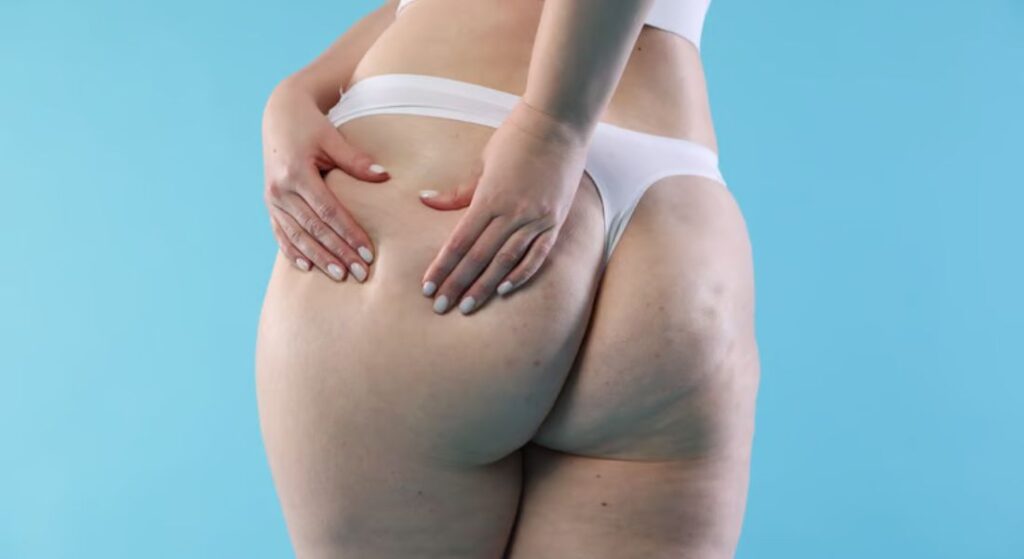
Cellulite is one of the most common cosmetic concerns affecting both women and men. Many people notice dimpling or uneven skin texture on areas such as the thighs, hips, and buttocks. Although cellulite is harmless medically, it can affect confidence and body image.
Traditional treatments often focus only on surface smoothing. However, cellulite actually develops deeper beneath the skin due to structural changes in connective tissue and fat distribution. Because of this, effective treatment must address the underlying causes rather than just the visible symptoms.
Dr Ayham Al Ayoubi’s approach to Cellulaze focuses on long-term structural improvement. By targeting the fibrous bands responsible for skin dimpling, the treatment aims to smooth the skin and restore a more even texture. Understanding this approach helps patients make informed decisions about cellulite treatment.
Understanding Cellulite
Cellulite develops when fat deposits beneath your skin push upward while fibrous connective bands pull the skin downward. This combination creates the uneven, dimpled texture often described as an “orange peel” appearance. You will most commonly notice cellulite on areas such as the thighs and buttocks.
Hormones also play an important role in how cellulite forms. Oestrogen influences the way fat is distributed in the body and how connective tissue is structured. Because of these biological differences, you are more likely to see cellulite in women than in men.
Lifestyle factors may affect how noticeable cellulite appears, but they are rarely the only cause. Even if you maintain a healthy weight and stay physically active, cellulite can still develop. Your natural skin structure and connective tissue play the biggest role in how it forms.
Why Traditional Treatments Often Fall Short
Many traditional cellulite treatments focus mainly on improving how the skin looks on the surface. Creams, massages and certain energy-based devices may temporarily tighten your skin or smooth its appearance. However, these methods often do not address the fibrous bands beneath the skin that actually cause the dimpling.
Because the underlying connective tissue remains unchanged, the results can be short-lived. You might notice smoother skin for a while, but the dimples may gradually return after a few months. This cycle can be frustrating, especially if treatments need to be repeated frequently.
For longer-lasting improvement, the structural cause of cellulite usually needs to be addressed. This means targeting the connective bands that pull the skin downward and create the uneven texture. Treatments that focus only on the surface are less likely to provide lasting change.
This is where newer technologies, such as Cellulaze, take a different approach. Instead of working only on the skin’s surface, they aim to treat the deeper tissue involved in cellulite formation. By targeting these structures, the goal is to produce more meaningful and longer-lasting improvements.
What Is Cellulaze?
Cellulaze is a minimally invasive laser treatment designed to reduce the appearance of cellulite. During the procedure, your doctor inserts a very small laser fibre beneath the skin through a tiny incision. This allows the treatment to reach the deeper layers where the fibrous bands responsible for cellulite are located.
The laser energy works in several ways at once. It helps release the tight fibrous septae that pull your skin downward and create dimpling. At the same time, it stimulates collagen production and can improve the thickness and strength of the skin over time.
Because the treatment targets the underlying structural cause of cellulite, the results can be more lasting than treatments that only work on the skin’s surface. By addressing deeper tissue and encouraging collagen development, Cellulaze aims to smooth your skin and improve overall texture.
Dr Ayham Al Ayoubi’s Philosophy in Cellulite Treatment
If you’re considering cellulite treatment, understanding the philosophy behind the approach can be just as important as the procedure itself. Dr Ayham Al Ayoubi focuses on addressing the structural causes of cellulite rather than simply improving its appearance. By targeting the underlying architecture of the skin, the goal is to create results that appear natural and last longer.
1. Treating the structural causes of cellulite: Cellulite develops because of changes within the skin’s internal support structure, including fibrous bands and connective tissue. Instead of focusing only on surface improvement, treatment aims to support and strengthen these underlying structures. For you, this approach may lead to more stable and longer-lasting results.
2. Individual assessment guides the treatment plan: Every patient’s skin behaves differently, which is why careful evaluation is essential before beginning treatment. Factors such as skin elasticity, the severity of cellulite, and your natural body contours are all considered. For you, this personalised assessment helps ensure that the chosen treatment aligns with your anatomy and aesthetic goals.
3. Personalised planning improves outcomes: Once your individual characteristics are understood, a treatment plan can be tailored specifically to your needs. This allows adjustments based on how your skin may respond to certain procedures. For you, this customised strategy increases the likelihood of balanced and natural-looking results.
4. Patient education supports realistic expectations: Understanding how cellulite forms can help you approach treatment with realistic goals. Clear explanations about the process, expected improvements, and treatment timeline are part of the consultation. For you, this open communication helps you make informed decisions and feel confident about your treatment journey.
In the end, this philosophy focuses on structural improvement, personalised planning, and patient understanding. For you, that means treatments designed not only to enhance appearance but also to support long-term satisfaction with the results.
Candidate Selection for Cellulaze
Not everyone with cellulite will need the same type of treatment. Ideal candidates for Cellulaze usually have moderate cellulite with visible dimpling but still maintain fairly good skin elasticity. If you are generally healthy and looking to address the structural cause of cellulite, you may benefit most from this approach.
If your skin has more significant laxity, additional treatments might be considered. In these situations, your doctor may discuss combining cellulite therapy with procedures that focus on skin tightening. A thorough consultation helps determine which options are most suitable for your individual needs.
Careful candidate selection is important for achieving safe and effective results. By evaluating your skin condition, overall health and treatment goals, doctors can recommend the most appropriate approach. This personalised assessment helps avoid unnecessary procedures and supports better outcomes.
The Consultation Process
The consultation is an important first step in the treatment process. During this stage, your doctor will carefully assess your skin and examine the pattern of cellulite in the areas that concern you. Your medical history and lifestyle factors are also reviewed to ensure the treatment is suitable for you.
A visual examination helps identify where fibrous bands are creating the most noticeable dimpling. This allows the treatment to be directed more precisely at the underlying structural causes. In many cases, photographs may be taken to record your baseline appearance and help track progress later.
The consultation is also your opportunity to talk openly about your goals. You can discuss what changes you hope to see and ask any questions about the procedure. This helps your doctor understand your expectations and provide clear guidance.
By working together, you and your doctor can develop a treatment plan that is both realistic and personalised. This collaborative approach helps ensure the procedure is tailored to your needs and supports the best possible outcome.
How the Cellulaze Procedure Works
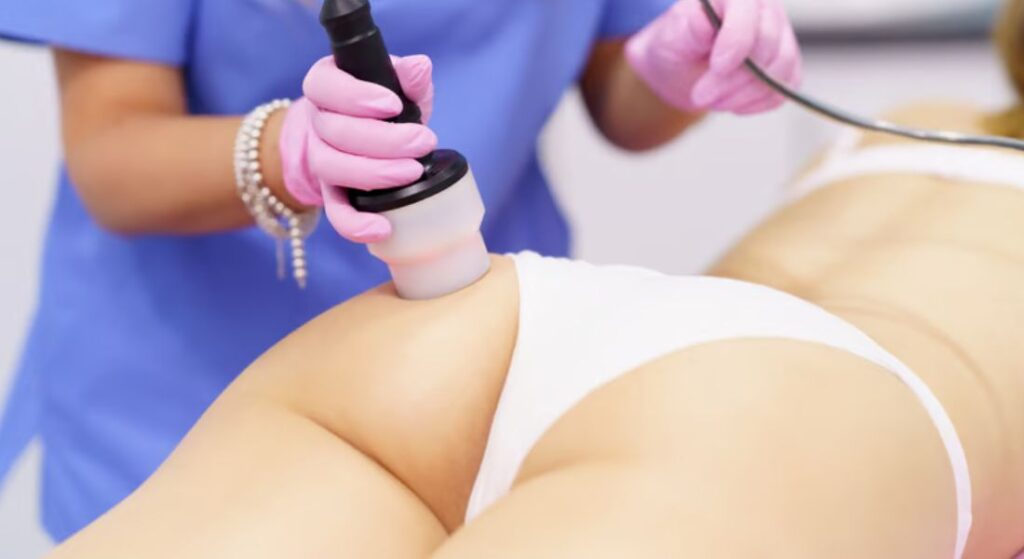
The Cellulaze procedure is typically performed under local anaesthesia, which helps keep you comfortable during the treatment. Your doctor makes a very small incision and inserts a thin laser fibre just beneath the skin. This fibre delivers carefully controlled laser energy to the areas affected by cellulite.
During the procedure, the laser works to release the fibrous bands that pull your skin downward and create dimpling. At the same time, the laser energy stimulates collagen production in the surrounding tissue. This process helps strengthen the skin and improve its thickness and elasticity.
Because the treatment works below the skin’s surface, the improvements develop gradually. As your body produces new collagen during the healing process, the skin can become smoother and firmer. You may notice changes appearing over time as the tissue continues to remodel.
Addressing Fibrous Bands
One of the main goals of Cellulaze is to release the fibrous bands, known as septae, that pull your skin downward and create the visible dimpling associated with cellulite. By carefully separating these bands with a laser fibre beneath the skin, the tension causing the uneven surface can be reduced. This allows the skin to relax and appear smoother.
Treating these fibrous structures directly is what sets Cellulaze apart from many surface-level treatments. Instead of focusing only on the outer layer of your skin, the procedure targets the deeper tissue responsible for the dimpling. By addressing the structural cause, the treatment aims to produce longer-lasting improvements.
Stimulating Collagen Production
Another important part of Cellulaze treatment is its ability to stimulate collagen production. The laser energy used during the procedure encourages your skin to produce new collagen fibres. Collagen plays a vital role in maintaining skin strength, structure and elasticity.
As collagen levels gradually increase, your skin can become thicker and firmer. This added support helps reduce the visibility of the fat deposits beneath the surface that contribute to cellulite. Over time, the treated area may begin to look smoother and more even.
Collagen remodelling continues for several months after the procedure. Because of this, improvements usually develop gradually rather than appearing immediately. You may notice progressive changes as your skin heals and strengthens during the recovery period.
Improving Skin Thickness
Thin skin can make cellulite appear more noticeable. When the skin lacks thickness and strength, the underlying fat deposits and connective bands may become more visible. Cellulaze helps address this by strengthening the dermal layer of your skin.
The treatment stimulates collagen production, which gradually increases skin thickness. As your skin becomes stronger and more supportive, it can hold the underlying tissue more evenly. This additional support helps reduce the appearance of dimpling on the surface.
Thicker skin also distributes pressure more evenly across the treated area. As a result, the surface of your skin may begin to look smoother and more resilient over time. These structural improvements help enhance overall skin texture.
By strengthening the skin’s foundation, the treatment focuses on longer-term improvement rather than temporary smoothing. Supporting the skin structure helps maintain results and contributes to a more lasting change in appearance.
Treatment Areas Commonly Addressed
Cellulaze is most commonly used to treat cellulite on the thighs and buttocks. These areas tend to develop dimpling more frequently because of natural fat distribution patterns. If you are concerned about cellulite in these regions, they are often the primary areas doctors assess for treatment.
In some cases, the procedure may also be used on other parts of the body where cellulite appears. However, each area needs to be evaluated individually to determine whether the treatment is suitable. Your doctor will assess your skin structure and the severity of the cellulite before recommending a plan.
By targeting specific areas, the treatment can focus on releasing the fibrous bands that are causing the dimpling. This precise approach allows doctors to treat only the areas that need correction. As a result, the improvement tends to look more balanced and natural.
Recovery After Cellulaze
If you’re considering treatment with Cellulaze, you might naturally want to know what recovery looks like. In most cases, the recovery process is manageable and relatively straightforward. While mild swelling or bruising can occur after the procedure, these effects usually settle within a few days as your body begins to heal.
1. Mild swelling and bruising are common: After treatment, you may notice some swelling, tenderness, or light bruising in the treated area. These reactions are part of your body’s natural healing response to the procedure. For you, this typically means temporary changes that gradually improve over the first several days.
2. Compression garments may be recommended: Your practitioner might advise wearing compression garments for a short period following treatment. These garments provide gentle support to the treated area and can help reduce swelling. For you, this step can contribute to smoother healing and more comfortable recovery.
3. Following aftercare guidance is important: Post-treatment instructions are designed to support the healing process and protect the treated tissues. This may include caring for small incision points and avoiding certain activities initially. For you, carefully following these recommendations helps ensure the best possible outcome.
4. Most patients resume normal routines quickly: Many people are able to return to everyday activities fairly soon after the procedure. However, strenuous exercise or intense physical activity may need to be avoided for a short period. For you, allowing your body a gradual recovery period supports both comfort and long-term results.
In the end, recovery after Cellulaze is typically smooth when proper aftercare is followed. For you, giving your body time to heal and adhering to professional guidance can help maximise the benefits of the treatment.
Expected Results

Results from Cellulaze usually develop gradually as your body produces new collagen. You may notice some initial smoothing within a few weeks, but improvements often continue to appear over several months. As the skin strengthens and remodels, the treated areas can start to look smoother and more even.
Many patients observe a noticeable reduction in dimpling along with improved skin texture. Because the procedure addresses the structural causes of cellulite beneath the skin, the results often last longer than surface treatments. With healthy lifestyle habits and stable weight, you may be able to maintain these improvements for several years.
Longevity of Results
Unlike many surface treatments, Cellulaze works on the deeper connective tissue structures beneath your skin. By releasing fibrous bands and stimulating collagen production, the procedure helps create structural changes rather than temporary surface improvements. This approach is one reason the results can last longer.
However, it is important to remember that natural ageing still affects your skin over time. Changes in elasticity and skin quality may gradually occur as the years pass. Lifestyle factors, such as weight fluctuations, can also influence how your skin appears.
Maintaining healthy habits can help support longer-lasting results. Stable weight, regular physical activity and good skincare all contribute to maintaining the improvements achieved through treatment.
Periodic check-ups may also help monitor how your skin changes over time. Some people choose to have additional treatments in the future, depending on their goals and skin condition. As with any cosmetic procedure, individual results can vary from person to person.
Combining Cellulaze With Other Treatments
Some patients may benefit from combining Cellulaze with other complementary treatments. For example, skin-tightening procedures can help improve overall firmness, while certain fat-reduction technologies may assist with body contouring. When used together carefully, these treatments can enhance the overall result.
The right combination depends on your individual goals and the condition of your skin. Your doctor will consider factors such as skin elasticity, the severity of cellulite and the areas you would like to improve. Careful planning ensures that each treatment works effectively alongside the others.
A personalised approach is important when combining procedures. Rather than applying the same solution to everyone, the treatment plan is designed around your specific needs. This helps create more balanced and natural-looking results.
Discussing your options during the consultation allows you to explore what may work best for you. Your doctor can explain how different treatments might complement one another and support your overall aesthetic goals. Maintaining balance and proportion is always an important part of the planning process.
Safety and Clinical Expertise
Cellulaze should always be performed by experienced medical professionals. Having the right expertise ensures the laser targets the connective tissue accurately, which minimises risks and helps you get the best possible results. Proper technique is key to both safety and effectiveness.
Dr Ayham Al Ayoubi focuses on clinical precision and patient safety throughout the process. Every procedure is guided by careful evaluation and planning, so you can feel confident that the treatment is tailored to your needs. Professional oversight ensures that the approach remains safe and controlled.
Your wellbeing is always the top priority. Thorough consultations and follow-up appointments help monitor progress and address any concerns. With responsible care, you can enjoy smoother, firmer skin while knowing safety comes first.
Understanding Treatment Goals
Cellulaze is designed to improve the structure of your skin rather than create unrealistic perfection. You should expect smoother skin and less noticeable dimpling, rather than complete elimination of cellulite. Having realistic expectations helps you feel more satisfied with the results.
The treatment focuses on long-term improvement instead of temporary fixes. Structural changes take time to develop, so patience during the healing process is important. Gradual progress is part of how lasting results are achieved.
Being clear about what to expect makes the process much easier to navigate. When you understand how the treatment works and what results are realistic, you can feel more confident in your decision. Knowing what’s ahead enhances your overall experience.
Lifestyle Factors After Treatment
If you’ve recently undergone Cellulaze, adopting healthy lifestyle habits can make a big difference in maintaining your results. How you care for your body after treatment can support skin quality, prolong improvements, and help you enjoy the benefits for longer.
1. Balanced nutrition supports skin and collagen: Eating a diet rich in vitamins, minerals, and protein helps your body produce collagen and maintain healthy skin. For you, this means the right nutrients can support the structural improvements achieved by treatment and keep your skin looking firmer and smoother.
2. Regular physical activity improves circulation: Exercise promotes blood flow and overall tissue health, which can enhance healing and maintain skin quality. For you, staying active helps preserve the contours achieved through treatment while supporting overall well-being.
3. Stable body weight protects long-term results: Significant weight fluctuations can stretch or compress skin, potentially affecting the outcome of your procedure. For you, maintaining a stable, healthy weight helps ensure that your results remain consistent over time.
4. Skincare routines enhance treatment benefits: Daily hydration, sun protection, and gentle skin care help preserve elasticity and overall skin health. For you, these preventive measures complement your treatment, supporting longer-lasting and more natural-looking results.
In the end, the results of Cellulaze can be optimised when combined with healthy habits. For you, a balanced lifestyle, active routine, and thoughtful skincare can help maintain your improvements and protect your investment in your body.
The Role of Modern Aesthetic Dermatology
Modern aesthetic dermatology has really expanded what’s possible when it comes to cosmetic treatments. Procedures like Cellulaze show how technology can tackle the structural issues beneath your skin, not just the surface. These modern approaches are designed with both safety and effectiveness in mind.
You now have access to therapies that weren’t available even a decade ago. Continuous research is refining these techniques, making them more precise and predictable. Innovation keeps pushing the field forward.
Being aware of the options available puts you in control. When you understand what each treatment can and cannot do, you can make choices that suit your goals. Knowledge helps you set realistic expectations.
Ultimately, informed decisions lead to better experiences and outcomes. Understanding modern dermatology empowers you to navigate treatments confidently, knowing you’re making choices that align with your needs.
FAQs:
1. What is Cellulaze?
Cellulaze is a minimally invasive laser treatment designed to reduce the appearance of cellulite. It targets the fibrous bands beneath your skin that cause dimpling while stimulating collagen production. For you, this means smoother, firmer skin with longer-lasting results compared to surface treatments.
2. How does Cellulaze work?
During the procedure, a thin laser fibre is inserted beneath the skin to release fibrous bands and stimulate collagen. This improves skin thickness and elasticity over time. For you, the treatment addresses the underlying cause of cellulite rather than just masking it.
3. Who is a good candidate for Cellulaze?
Ideal candidates usually have moderate cellulite with visible dimpling and fairly good skin elasticity. If you’re healthy and want long-term structural improvement, you may benefit most. Your doctor will assess your skin and goals to ensure the treatment suits you.
4. What areas can be treated with Cellulaze?
Cellulaze is most commonly used on the thighs and buttocks, where dimpling frequently appears. In some cases, other areas may also be treated if suitable. For you, the treatment is customised to target the specific areas that need correction.
5. What can I expect during recovery?
Mild swelling, bruising, or tenderness is common after treatment and usually settles within a few days. You may be advised to wear compression garments and avoid strenuous exercise briefly. For you, following aftercare guidance supports smooth healing and optimal results.
6. How soon will I see results?
Some initial smoothing may be noticeable within a few weeks, but improvements continue over several months as collagen remodels. For you, this gradual change means the skin becomes firmer and more even over time.
7. How long do results last?
Cellulaze targets the deeper connective tissue, so results tend to last longer than surface treatments. Natural ageing and lifestyle factors like weight changes can affect longevity. For you, maintaining healthy habits helps preserve your results.
8. Can Cellulaze be combined with other treatments?
Yes, it can be combined with procedures like skin tightening or fat reduction to enhance overall results. Your doctor will tailor the combination to your skin condition and aesthetic goals. For you, this personalised approach helps create balanced and natural-looking outcomes.
9. Is Cellulaze safe?
When performed by an experienced professional, Cellulaze is considered safe. Dr Ayham Al Ayoubi focuses on precision and patient safety, using careful planning and monitoring. For you, this ensures the procedure is controlled and effective.
10. What lifestyle steps support results after Cellulaze?
Eating a balanced diet, staying active, maintaining stable weight, and following a consistent skincare routine all help support your skin. For you, these habits complement the treatment and help maintain firmer, smoother skin over time.
Final Thoughts: Gradual Smoothing with a Structural Focus
Cellulaze represents a shift toward treatments that target the underlying causes of cellulite rather than only addressing surface appearance. By releasing fibrous bands and stimulating collagen production, this approach gradually improves skin texture, firmness, and thickness. For you, this means results develop over time, helping the skin appear smoother and more natural while strengthening the tissue beneath.
This method also emphasises personalised planning and long-term balance. Instead of relying on temporary fixes, Cellulaze works with your body’s own regenerative processes, promoting gradual, stable, and lasting improvement. Over time, the treated areas can look more even and resilient, supporting a natural contour. If you’re thinking about cellulaze treatment in London, you can get in touch with us at the London Medical & Aesthetic Clinic.
References:
1. DiBernardo, B.E., et al. (2016) A multicenter study for cellulite treatment using a 1440‑nm Nd:YAG wavelength laser with side‑firing fiber. https://pubmed.ncbi.nlm.nih.gov/26879299/
2. DiBernardo, B.E. (2011) Treatment of cellulite using a 1440‑nm pulsed laser with one‑year follow‑up, Aesthetic Surgery Journal, 31(3), pp. 328–341. https://pubmed.ncbi.nlm.nih.gov/21385743/
3. Sadick, N.S. (2019) Treatment for cellulite, Lasers in Surgery and Medicine, (Source: ScienceDirect). https://www.sciencedirect.com/science/article/pii/S2352647518300418
4. (Related review on laser & energy‑based cellulite treatments) Green, J.B., Cohen, J.L., Kaufman, J., et al. (2015) Therapeutic approaches to cellulite. https://pubmed.ncbi.nlm.nih.gov/26566570/
5. Kaufman, J., Green, J.B. & Sadick, N.S., 2019. Laser and light‑based device technologies for cellulite treatment. Journal of Cosmetic and Laser Therapy, 21(5), pp.283–291. https://www.sciencedirect.com/science/chapter/edited-volume/abs/pii/B978081551572250021X