



When you’re thinking about any aesthetic treatment, one of the first things you’ll probably wonder is whether it’s going to hurt. With Juläine, you’re looking at an advanced injectable designed to improve your skin’s quality, boost hydration, and enhance your overall appearance. Even though it’s minimally invasive, it’s completely normal if you feel a bit unsure about how comfortable it will be. You want to know what you’re signing up for, and that’s fair.
The way you experience the treatment can vary, as everyone’s pain tolerance is different. You might find certain areas feel more sensitive than others, and your overall comfort can also depend on the practitioner’s technique. The good news is that modern aesthetic treatments are developed with your comfort in mind. In most cases, you’ll find that any discomfort is mild and manageable.
In this article, you’ll get a clear idea of what Juläine treatment actually feels like, along with how any discomfort is handled. You’ll also know what to expect during the procedure and afterwards, so there are no surprises. Once you understand the process, you’ll likely feel much more at ease about going ahead. It’s all about helping you feel informed and confident before you decide.
What Is Juläine Treatment?
Juläine is a regenerative injectable treatment that’s designed to improve your skin’s hydration, texture, and elasticity. It works by delivering active ingredients directly into your skin, helping to stimulate your body’s natural repair processes. Over time, you’ll start to notice a gradual improvement in your overall skin quality. It’s not about instant change, but steady, natural-looking results.
Unlike traditional fillers, Juläine focuses more on enhancing your skin rather than adding volume. If you’re after subtle rejuvenation, you’ll likely find this approach suits you better. The aim is to give you a fresher, more refined appearance without making it obvious you’ve had anything done. You still look like yourself just a bit more refreshed.
Because the treatment involves injections, you can expect to feel some level of sensation. That said, most people find it quite manageable and well tolerated. Once you understand how the treatment works, you’ll probably feel a lot more at ease about the process. Knowing what to expect can make the whole experience feel far less daunting.
How Pain Is Perceived During Treatment
When you have Juläine treatment, you’ll usually find that any discomfort is mild to moderate. Most people describe it as a series of small pinpricks as the injections are given. The sensation is brief and tends to fade quickly, so while you may notice it, it’s generally easy to manage.
1. Quick, mild sensations: You might feel a light pricking or stinging feeling as each injection is placed. These sensations are very short-lived and pass almost immediately.
2. Varies from person to person: Your experience will depend on your individual sensitivity. You may hardly feel anything, or you might be slightly more aware of each injection. Both responses are completely normal.
3. Different areas feel different: Some parts of your face or body can be a bit more sensitive than others. Your practitioner will adjust their technique depending on the area being treated to keep you as comfortable as possible.
4. Comfort-focused techniques: Practitioners use gentle, precise methods and specialised tools to minimise discomfort. Your comfort is always a priority, and you’ll be guided throughout the procedure.
Knowing what the treatment feels like can help you feel more relaxed before your appointment. When you understand that the sensations are brief and manageable, it often takes away much of the worry and makes the experience feel far more straightforward.
Areas of Treatment and Sensitivity
You’ll notice that different areas of your face and body can feel more or less sensitive during treatment. For example, areas with thinner skin, like under your eyes, may feel slightly more delicate compared to others. In contrast, you might find that areas with thicker skin feel more comfortable. It really depends on where you’re having the treatment.
You should also keep in mind that the number of injections can affect how the treatment feels overall. If you’re having more injections, you may be more aware of the sensations simply because the process takes a bit longer. That said, each injection is very quick, so any discomfort doesn’t last. Most people find it manageable from start to finish.
When you understand these differences, you’ll feel better prepared for what’s to come. Your practitioner will usually talk you through what to expect based on the area you’re having treated. This personalised approach helps ensure you feel as comfortable as possible. It’s all about making the experience smoother and more reassuring for you.
Use of Numbing Cream
If you’re a bit concerned about discomfort during your treatment, you’ll be glad to know that numbing cream is commonly used to make the process much more comfortable. It’s a simple step, but it can make a noticeable difference in how the procedure feels. Most patients find that with proper numbing, the experience is very manageable.
1. Numbing cream helps reduce sensitivity: Before your treatment begins, a topical numbing cream is applied to the area being treated. This helps dull sensation in your skin, so the injections feel far less noticeable. For example, instead of sharp discomfort, you may only feel light pressure or a slight pinch.
2. It’s applied in advance for best results: The cream is usually left on for about 20 to 30 minutes before your procedure. This gives it enough time to fully take effect. By the time your treatment starts, the area should feel significantly less sensitive.
3. Most patients feel much more at ease: With numbing in place, many patients are pleasantly surprised by how comfortable the procedure is. It can help reduce anxiety as well, knowing that steps have been taken to minimise discomfort.
4. Extra comfort measures can be used if needed: If you’re particularly sensitive or nervous, your practitioner may use additional techniques to keep you comfortable. This could include gentle injection methods or extra numbing support, ensuring a smoother experience overall.
Overall, numbing cream plays an important role in making your treatment feel more relaxed and manageable. With the right preparation, you can go into your procedure feeling confident, comfortable, and well cared for.
Injection Technique and Comfort

The technique your practitioner uses plays a big part in how comfortable the treatment feels for you. When you’re in the hands of someone experienced, you’ll notice that the injections are carried out with precision and care. This helps to reduce any unnecessary discomfort and makes the whole process feel much smoother. You’re likely to feel more at ease when the approach is gentle and controlled.
You’ll also benefit from the tools being used during the procedure. Fine needles or cannulas are often chosen to help minimise pain and reduce trauma to the skin. Because they’re designed to be less invasive, you may find the treatment feels more manageable. It’s one of the reasons why modern techniques tend to be much more comfortable than people expect.
Your overall experience can depend a lot on the practitioner’s skill and expertise. When you choose someone qualified, you’re giving yourself a better chance of a comfortable and well-handled treatment. You’ll likely feel more confident knowing you’re in capable hands. In the end, technique really does make all the difference.
What the Treatment Feels Like
During your Juläine treatment, you may notice a slight pressure or a mild stinging sensation as each injection is given. These feelings are usually very brief and tend to settle almost straight away. Most people find the procedure easy to tolerate from start to finish. You’re unlikely to experience anything overwhelming.
You might find that some areas feel a bit more sensitive than others, depending on where you’re being treated. Even so, the overall experience is generally quite manageable. The procedure itself doesn’t take long, which also helps keep any discomfort to a minimum. Before you know it, it’s usually over.
Many patients say it feels more like mild discomfort rather than actual pain. When you know what to expect, it can make the whole experience feel much less daunting. Your mindset does play a part in how comfortable you feel. Going in informed often helps you stay more relaxed throughout.
Duration of the Procedure
Juläine treatment is usually completed quite quickly, which tends to put you at ease straight away. Depending on the area you’re having treated, you can expect the procedure to take around 20 to 40 minutes. This typically includes the preparation time as well, so you’re not in the clinic for long. It’s a fairly straightforward process from start to finish.
Because the treatment doesn’t take much time, any discomfort you feel is limited to a short window. You’re only experiencing the sensations during the procedure itself, which helps make it more manageable. Many people find this reassuring, especially if they’re feeling a bit nervous beforehand. Knowing it will be over quickly can make a big difference.
You’ll likely feel more comfortable once you have a clear idea of the timeline. When you know what to expect, it’s easier to relax and go into the treatment with confidence. Shorter procedures are generally easier for you to tolerate, both physically and mentally. It helps take away some of the uncertainty.
Overall, the efficiency of the treatment plays a big role in your experience. You’re able to have the procedure done without it taking up too much of your day. This makes it easier to fit into your routine without much disruption. It’s designed to be convenient as well as effective.
Immediate Sensations After Treatment
After your treatment, you may notice a bit of mild swelling or tenderness in the area that’s been treated. This is a completely normal response to the injections and nothing to worry about. You’ll usually find that these sensations settle down on their own fairly quickly. It’s all part of how your skin responds and begins to recover.
You might also see a slight redness in the treated areas. This tends to fade within a few hours, so it’s usually short-lived. In most cases, you won’t need to do much other than give your skin a bit of time to calm down. You’ll likely see things returning to normal sooner than you expect.
Most people are able to get back to their usual routine not long after the procedure. You can carry on with your day, although it’s always best to follow any aftercare advice you’re given. Taking a little care helps your skin recover more smoothly. Any temporary effects you notice are just part of the process.
Bruising and Sensitivity
After your treatment, you might notice a bit of bruising around the injection sites. This can happen with any injectable and is usually quite mild. You’ll typically see it fade within a few days without needing any special treatment. How much bruising you experience can vary, as everyone’s skin reacts a little differently.
You may also find that the treated area feels slightly sensitive when you touch it. This is a normal part of the healing process and nothing to be concerned about. The sensitivity tends to ease fairly quickly as your skin settles. In most cases, you’ll notice improvement day by day.
If you follow the aftercare advice you’re given, you’ll help minimise these effects. Being gentle with your skin can make a noticeable difference to how quickly you recover. You don’t need to do anything complicated just a bit of care goes a long way. Most of what you experience at this stage is temporary and settles on its own.
Pain Compared to Other Treatments
If you’re worried about pain, you’re definitely not alone but the good news is that Juläine is generally considered quite comfortable compared to many other aesthetic treatments. Thanks to fine injections and the use of numbing cream, most patients find the experience much easier than they expected. Understanding how it compares can help you feel more at ease before your appointment.
1. Discomfort is usually minimal: Juläine uses very fine needles, which helps reduce how much you feel during the procedure. Combined with numbing cream, the sensation is often described as a light pinch or mild pressure rather than actual pain.
2. More comfortable than many traditional treatments: Compared to standard fillers or more invasive procedures, Juläine tends to feel gentler. Since it focuses on improving skin quality rather than adding deep volume, the injections are typically less intense.
3. The technique supports a smoother experience: The way the treatment is administered along with careful technique helps keep discomfort low. For example, smaller, more superficial injections can feel easier to tolerate than deeper ones used in some other treatments.
4. Knowing what to expect can ease anxiety: When you understand that the treatment is generally mild, it can help reduce any nervousness beforehand. Many patients go in feeling unsure and come out surprised at how manageable it was.
Overall, comfort is one of the key advantages of Juläine. With minimal discomfort and a gentle approach, it’s a reassuring option if you’re looking for effective results without a stressful treatment experience.
Recovery Experience
After your Juläine treatment, you’ll usually find that recovery is quite straightforward. Most people experience very little downtime, which means you can get back to your routine without much disruption. You might notice a bit of mild swelling or redness, but this tends to settle quickly on its own. It’s all part of the normal healing process.
You’ll likely be advised to avoid strenuous activities for a short time after your treatment. This helps reduce the risk of any unnecessary irritation or complications. Taking it easy, even for a day or two, can make a real difference to how smoothly your skin recovers. Following the aftercare guidance you’re given will support better results.
Overall, you can expect the recovery process to feel comfortable and manageable. As your skin begins to heal, you’ll gradually notice improvements in its texture and appearance. The results develop over time rather than all at once. You’ll continue to feel comfortable as your skin settles and improves.
Managing Discomfort After Treatment
If you notice a bit of mild discomfort after your treatment, there are a few simple things you can do to ease it. You might find that applying a cold compress helps reduce any swelling and soothes the area. It’s also a good idea to avoid putting pressure on the treated skin for a short time. Giving your skin a bit of space can really help it settle.
You’ll probably find that you don’t need any pain relief at all, as most symptoms are quite mild. However, if your practitioner or doctor recommends it, you can consider over-the-counter options. In most cases, you won’t need to take anything extra. Your body usually handles the recovery process on its own.
If you follow the aftercare advice you’re given, you’ll be supporting a smoother and more comfortable recovery. Small steps can make a noticeable difference in how your skin feels afterwards. You’ll likely see any discomfort ease off fairly quickly. Before long, everything should feel back to normal.
Advances in Comfort Techniques
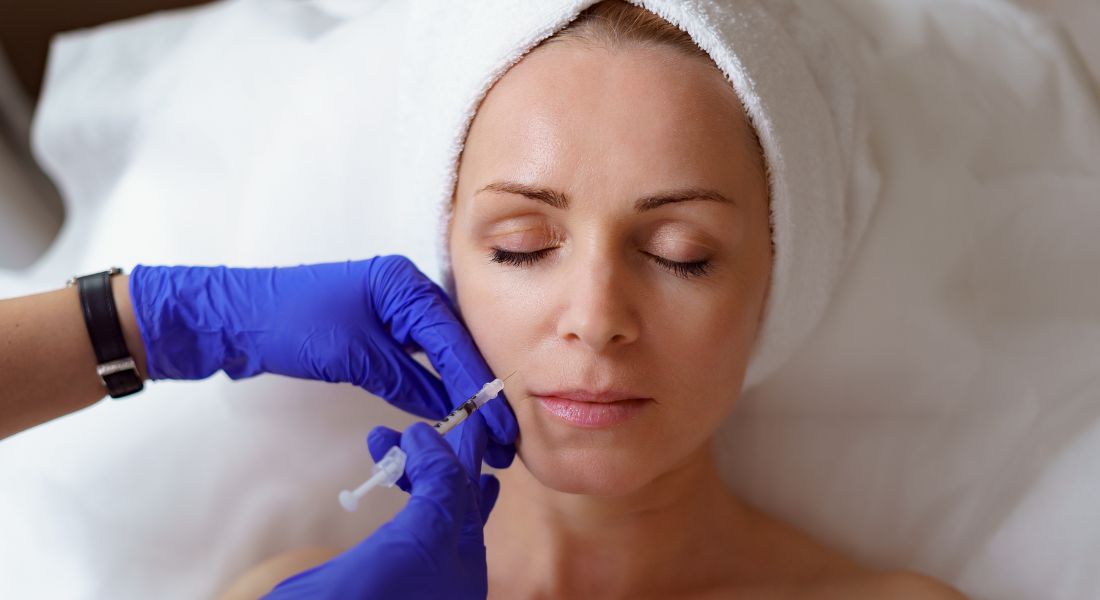
You’ll notice that modern aesthetic treatments have come a long way when it comes to comfort. With advanced tools and more refined techniques, procedures are now designed to minimise discomfort as much as possible. This means you can go into your treatment feeling more at ease than you might expect. These improvements are all focused on making your experience smoother.
You’ll also benefit from newer products that are developed to work more naturally with your skin. Because they integrate more smoothly, you may feel less irritation during the injection process. This makes the treatment feel more manageable overall. It’s a small detail, but it can make a noticeable difference to how comfortable you feel.
As technology continues to evolve, you can expect treatments to become even more refined. Ongoing advancements are always aimed at improving your comfort and overall experience. You’re not just getting the treatment you’re benefiting from years of progress in the field. It all adds up to a more reassuring and comfortable process.
Psychological Factors and Pain Perception
Your mindset can play a bigger role than you might expect when it comes to how you experience discomfort. If you go into the treatment feeling informed and prepared, you’ll likely feel much less anxious. That sense of calm can make the whole procedure feel more manageable. When you know what’s coming, it’s easier to stay relaxed.
It can really help to talk through any concerns you have with your practitioner beforehand. When you ask questions and get clear answers, you’ll feel more reassured about the process. This builds your confidence and helps you feel more in control. Good communication makes a noticeable difference to your overall experience.
You’ll often find that when you’re relaxed, the treatment feels less uncomfortable. Tension can make sensations feel more intense, whereas staying calm can help soften them. It’s not just physical your emotional state plays a part too. Feeling at ease can change how your body responds.
Taking a bit of time to prepare yourself can go a long way. Even simple things like understanding the steps or setting your expectations can help. You’ll likely feel more comfortable throughout the procedure when you’re mentally ready. A calm approach can make the experience feel much smoother.
Who May Feel More Sensitivity?
When it comes to treatments involving injections, everyone’s experience can be slightly different. You might find the procedure very comfortable, while someone else feels a bit more sensitivity and that’s completely normal. Factors like your skin type, pain tolerance, and even how you’re feeling on the day can all play a role.
1. Your skin sensitivity can affect how it feels: If your skin is naturally more sensitive, you may notice the injections slightly more than others. For example, areas with thinner skin can feel a bit more reactive during treatment.
2. Anxiety can heighten sensation: Feeling nervous before a procedure can make you more aware of discomfort. Even mild sensations may feel stronger if you’re tense. Taking time to relax and knowing what to expect can really help.
3. Past experiences can influence perception: If you’ve had previous treatments good or bad they can shape how you expect this one to feel. For instance, a comfortable past experience may make you feel more at ease, while a negative one might increase sensitivity.
4. Your practitioner can adjust for your comfort: The good thing is that your practitioner can tailor the approach to suit you. This might include using extra numbing cream, applying a gentler technique, or taking things more slowly to keep you comfortable.
Understanding your own comfort level helps you prepare mentally and physically for the treatment. When you communicate openly with your practitioner, they can adapt the process to suit your needs, making the experience as smooth and comfortable as possible.
Expectations for First-Time Patients
If you’re having Juläine treatment for the first time, it’s completely normal to feel a bit unsure. You might not know exactly what to expect, and that can make you slightly anxious. The good news is that once you understand how the process works, you’ll likely feel much more at ease. Most people find the experience far easier than they imagined.
Your practitioner will guide you through each step of the treatment, so you’re never left guessing. You’ll be told what’s happening and what you might feel along the way, which helps you stay relaxed. Having that support makes a big difference to your comfort levels. You’re not going through it alone.
After the procedure, many first-time patients feel reassured by how manageable the whole experience is. You’ll probably realise it wasn’t as daunting as it seemed beforehand. As you become more familiar with the treatment, your confidence naturally grows. Understanding what to expect can make future sessions feel even easier.
Importance of Choosing an Experienced Practitioner
The skill of your practitioner plays a big part in how comfortable your treatment feels. When you’re with someone experienced, you’ll notice that they use precise and gentle techniques to minimise any discomfort. This can make the whole process feel much smoother and more manageable for you. You’re far more likely to have a positive experience overall.
When you choose a qualified and reputable clinic, you’re also prioritising your safety. An experienced practitioner knows how to carry out the treatment effectively while reducing the risk of complications. This gives you peace of mind before, during, and after the procedure. You can feel more confident knowing you’re in safe hands.
You’ll also benefit from the guidance and reassurance that comes with experience. A skilled practitioner will talk you through the process and tailor the treatment to suit your needs. This personalised approach can make you feel more relaxed and comfortable. It’s not just about the treatment it’s about how you’re looked after.
Building trust with your practitioner is just as important as the procedure itself. When you feel confident in their expertise, you’ll naturally feel more at ease. This can have a real impact on how you experience the treatment. In the end, choosing the right professional makes all the difference.
Long-Term Comfort and Results

Once your initial recovery is complete, you’ll usually find there’s no ongoing discomfort from Juläine treatment. The results develop gradually, without causing any pain as your skin improves over time. This makes it a comfortable option if you’re looking for longer-term skin enhancement. You’re not dealing with continuous sensations just steady, natural progress.
You’ll likely appreciate how the results build subtly rather than all at once. As time goes on, you may notice your skin looking healthier, smoother, and more refreshed. This gradual improvement often feels more natural and less obvious to others. It’s a change that happens quietly but effectively.
When you understand what to expect in the long term, you’ll feel more confident about the treatment. You know that it’s designed to be gentle not just during the procedure, but afterwards as well. Most people find the experience positive from start to finish. That sense of comfort continues well beyond the treatment itself.
Why Understanding the Experience Matters
When you understand what Juläine treatment actually feels like, you can prepare yourself both mentally and physically. This makes a real difference to how comfortable you feel on the day. When you’re not dealing with uncertainty, your anxiety tends to settle on its own, and you’re able to approach the appointment with a clearer mindset.
1. Reduces anxiety: When you know what to expect, the unknown becomes far less intimidating. This helps you feel calmer and more in control before and during your treatment.
2. Builds confidence: Understanding each step of the process allows you to approach the treatment with reassurance. You’ll feel more confident in your decision and more comfortable throughout the experience.
3. Improves overall comfort: Being mentally prepared often translates into a smoother physical experience. You’re less likely to feel tense, which can make the procedure feel easier.
4. Supports better decision-making: When you’re well informed, you can make choices that suit your goals and preferences. This ensures the treatment plan feels right for you from the start.
Taking the time to understand the experience can have a lasting impact. You’re more likely to feel satisfied afterwards because you knew what to expect and felt prepared every step of the way. In the end, that sense of confidence can make the entire process feel more positive and reassuring.
Is Juläine Worth It Despite Mild Discomfort?
For most people, you’ll find that the mild and temporary discomfort of Juläine treatment is far outweighed by the benefits. You’re getting improvements in skin quality, better hydration, and natural-looking results that develop over time. The procedure itself is quick and generally easy to manage, which makes the whole experience feel less daunting. When you look at the bigger picture, the trade-off tends to feel worthwhile.
You might also be pleasantly surprised by how manageable the treatment feels in reality. Many patients say it’s much easier than they expected going in. As your results develop gradually, you’ll start to notice steady improvements without any ongoing discomfort. That balance between comfort and visible results is a big part of why people choose it.
When you understand both the slight discomfort and the long-term benefits, it becomes easier for you to decide if it’s right for you. You’re able to weigh things up with a clear perspective rather than uncertainty. For many, the results speak for themselves and make the experience feel worthwhile. In the end, it’s about feeling confident in your decision and satisfied with the outcome.
FAQs:
1. Is Juläine treatment painful?
You’ll usually find that Juläine treatment isn’t particularly painful. Most people describe the sensation as mild and manageable, often feeling like small pinpricks during the injections. It’s not completely sensation-free, but it’s generally far more comfortable than you might expect.
2. What does Juläine feel like during the procedure?
During the treatment, you may feel slight pressure or a mild stinging sensation as the injections are given. These feelings are very brief and settle almost immediately, so the overall experience tends to feel quick and easy to tolerate.
3. Does numbing cream make a difference?
Yes, you’ll likely notice a big difference with numbing cream. It helps reduce sensitivity in the treated area, so instead of sharp sensations, you may only feel a light pinch or pressure. This makes the procedure much more comfortable for you.
4. Are some areas more sensitive than others?
You might find that certain areas, especially those with thinner skin like under your eyes, feel slightly more sensitive. Other areas with thicker skin tend to feel more comfortable, so your experience can vary depending on where you’re being treated.
5. How long does the Juläine procedure take?
You can expect the treatment to take around 20 to 40 minutes, including preparation time. Because it’s relatively quick, any discomfort you feel is limited to a short period, which makes the whole process easier to manage.
6. What can you expect immediately after treatment?
After your treatment, you may notice some mild swelling, redness, or tenderness in the area. These effects are completely normal and usually settle within a few hours, allowing you to get back to your day fairly quickly.
7. Will you experience bruising after Juläine?
You might notice slight bruising around the injection sites, which is common with injectable treatments. It’s usually mild and fades within a few days, so there’s generally no need for concern.
8. Is Juläine more comfortable than other aesthetic treatments?
You’ll likely find that Juläine is more comfortable than many traditional treatments. Thanks to fine needles and modern techniques, the sensation is often milder compared to more invasive or deeper injectable procedures.
9. How can you manage any discomfort after the treatment?
If you feel any mild discomfort afterwards, you can ease it by applying a cold compress and avoiding pressure on the treated area. In most cases, you won’t need any pain relief, as the symptoms tend to settle on their own.
10. Does your mindset affect how the treatment feels?
Yes, your mindset can make a noticeable difference. If you go into the treatment feeling informed and relaxed, you’ll likely find it much more manageable. Being prepared helps reduce anxiety and makes the whole experience feel smoother for you.
Final Thoughts: What to Expect from Juläine Treatment
Juläine is designed to offer a gentle and reassuring treatment experience, even if you’re initially concerned about discomfort. While you may feel a few brief pinpricks during the procedure, most people find it far more manageable than expected. With the use of numbing cream, modern techniques, and a personalised approach, you’re likely to feel comfortable throughout, with any sensations being mild and short-lived.
What really stands out is how the treatment balances comfort with gradual, natural-looking results. Rather than anything dramatic or overwhelming, you’ll notice subtle improvements in your skin’s texture, hydration, and overall appearance over time. It’s a process that works with your skin, helping you look refreshed without it feeling obvious. If you’re considering an juläine treatment in London, you can contact us at the London Medical & Aesthetic Clinic.
References:
1. Urdiales-Gálvez, F., Benítez, P.A. & Díaz, I. (2025) ‘Facial rejuvenation with an innovative poly-L-lactic acid (Juläine) for nasolabial folds: interim data analysis of a prospective, non-randomized, multicenter, open-label Spanish study’, Journal of Cosmetic Dermatology, 24(4), e70137. https://pmc.ncbi.nlm.nih.gov/articles/PMC11938402/
2. F., Benítez, P.A. and Díaz, I. ‘Facial rejuvenation with an innovative poly-L-lactic acid (Juläine) for nasolabial folds: interim data analysis of a prospective, non-randomized, multicenter, open-label Spanish study’, Journal of Cosmetic Dermatology. https://pubmed.ncbi.nlm.nih.gov/40135677/
3. Serrano-Coronado, M., Catena Rallo, P., Rubio Toral, F., Chantada Tirado, C., Ribé Subirà, A. & Páez Ruiz, V. (2025) ‘Clinical perspectives on the safety profile of poly-L-lactic acid (Juläine): results from a national survey’, Journal of Cosmetic Dermatology. https://pmc.ncbi.nlm.nih.gov/articles/PMC12415935/
4. Clinical perspectives on the safety profile of poly-L-lactic acid (Juläine), Journal of Cosmetic Dermatology, 24(9), e70439. https://pubmed.ncbi.nlm.nih.gov/40917005/
5. Kubik, P., Gruszczyński, W. & Filipowska, M. (2025) ‘Comparative analysis of reconstitution and solubility of two poly‑L‑lactic acid fillers for medical applications’, Polymers, 17(13), p.1778. https://www.mdpi.com/2073-4360/17/13/1778