


CO₂ laser resurfacing is a well-established skin rejuvenation treatment used to improve texture, tone, and signs of ageing. However, not all treatments are performed at the same intensity. You may come across terms like low-density and high-density settings, which refer to how much energy is delivered to the skin during each session. Understanding this difference is important when deciding on the most suitable approach for your skin goals.
Recent clinical studies suggest that treatment density plays a significant role in both results and recovery time. High-density CO₂ laser treatments deliver more intensive energy, which can lead to stronger and more noticeable improvements in skin quality. However, this also means the skin requires a longer healing period afterwards. In contrast, low-density treatments are more gentle on the skin, making recovery quicker and downtime shorter.
Both approaches have their advantages depending on your individual needs. High-density treatment may be more suitable if you are looking for more dramatic improvement in skin texture or deeper concerns. Low-density treatment, on the other hand, is often preferred for gradual rejuvenation with less disruption to daily life. Understanding these differences can help you make a more informed decision about which option aligns best with your expectations and lifestyle.
What CO₂ Laser Treatment Does
CO₂ laser resurfacing works by creating controlled micro-injuries in the skin. These tiny areas of damage trigger your body’s natural healing response, which stimulates collagen production. As the skin repairs itself, it gradually becomes smoother, firmer, and more even in texture over time.
This treatment is commonly used to improve concerns such as fine lines, wrinkles, acne scars, and uneven skin texture. It works by targeting the deeper layers of the skin rather than just the surface. This deeper action is what helps produce longer-lasting and more noticeable improvements. Over time, the skin’s overall quality and structure can significantly improve.
One important aspect of this treatment is that its intensity can be adjusted depending on your needs. This is where density settings become important in clinical practice. By controlling how much energy is delivered to the skin, practitioners can tailor the treatment to achieve either a gentler or more intensive result. This flexibility allows the procedure to be adapted to different skin types and goals.
Understanding Laser Density
Laser density refers to how closely the laser beams are applied across the skin during treatment. It describes how much of the skin’s surface is targeted in a single session. The spacing between laser points plays an important role in determining how intense the treatment feels and how the skin responds. Understanding laser density helps explain why treatment settings can vary depending on your skin type and goals.
1. High-density laser treatment: In high-density settings, the laser beams are applied closer together, covering more of the skin’s surface area. This leads to a more intensive resurfacing effect, as a larger portion of the skin is treated during the session.
2. Low-density laser treatment: In low-density settings, there is more space between each laser point. This means less of the skin is treated in one session, resulting in a gentler approach with a lighter overall effect on the skin.
3. Difference in treatment intensity: Higher density treatments are generally more intensive and may lead to stronger skin renewal effects. Lower density treatments are milder and are often chosen when a more gradual improvement is preferred.
4. Shared treatment goal: Despite the difference in intensity, both high and low-density laser treatments aim to stimulate the skin’s natural healing and regeneration process. The main variation is how strongly the skin is stimulated during the procedure.
Overall, laser density is a key factor in tailoring treatment to individual needs, allowing practitioners to balance effectiveness with comfort and recovery.
Low-Density CO₂ Laser Explained
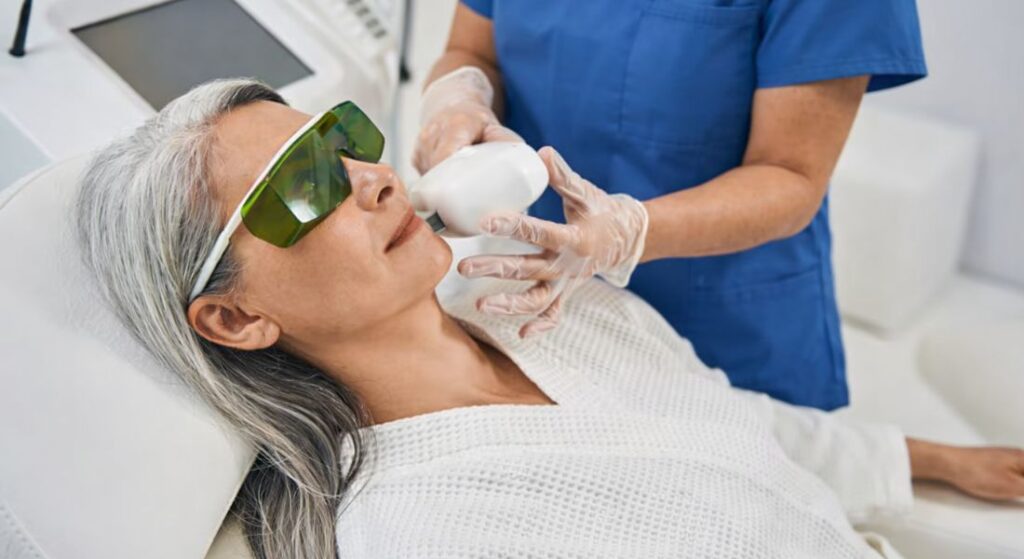
CO₂ laser resurfacing in a low-density setting delivers energy in a more spaced-out pattern across the skin. This means only a portion of the skin is treated at one time, which helps reduce overall trauma. Because of this lighter approach, the procedure is generally more gentle on the skin. It is often chosen when a softer treatment option is preferred.
Recovery time with low-density CO₂ laser is usually quicker compared to more intensive settings. Most patients experience less redness, swelling, and overall downtime. This makes it a more convenient option for people who want gradual improvement without significant interruption to daily life. It is commonly used for mild skin concerns or early signs of ageing.
However, because the treatment is less intensive, results may take longer to become visible. Improvements tend to build gradually over a series of sessions. This means multiple treatments are often needed to achieve the desired outcome. Over time, consistent sessions can still lead to noticeable improvements in skin quality.
High-Density CO₂ Laser Explained
CO₂ laser resurfacing in a high-density setting delivers more concentrated energy to the skin. This means a larger portion of the skin is treated more intensively in a single session. As a result, it creates a stronger healing response and more powerful collagen stimulation. This makes it a more intensive form of treatment compared to low-density settings.
Because more of the skin is treated at once, the results can be more noticeable and faster to develop. Concerns such as deeper wrinkles, acne scars, and significant texture irregularities may improve more quickly. However, this increased intensity also means the skin needs more time to heal afterwards. Downtime is generally longer, with more noticeable redness and recovery symptoms.
This approach is usually recommended for more advanced skin concerns where stronger correction is needed. Careful assessment and planning are essential before proceeding. Your practitioner will consider your skin type, concerns, and tolerance for downtime. This ensures the treatment is both safe and appropriately tailored to your needs.
Key Differences in Skin Impact
The main difference between low-density and high-density CO₂ laser resurfacing lies in how much of the skin is treated at one time and how deeply the overall impact feels. High-density treatments affect a larger surface area in a single session, creating a more intense level of skin stimulation. This stronger impact leads to a more powerful collagen response, which can result in more noticeable improvement in skin texture and firmness.
Low-density treatments, on the other hand, work in a more gradual and controlled way. They treat the skin in smaller portions, which helps reduce stress on the tissue. Because of this gentler approach, the skin experiences less trauma and generally recovers more comfortably. This makes it a preferred option when safety and minimal downtime are priorities.
Both methods ultimately rely on the same healing principle. They both stimulate the skin’s natural repair process and encourage collagen production. The key difference is not whether they work, but how intensely they work. The level of energy delivered simply determines how strong the response and recovery process will be.
Healing Time Differences
Healing time can vary quite significantly depending on whether a low-density or high-density CO₂ laser resurfacing setting is used. Low-density treatments generally heal faster because the skin is treated in a more gradual and less intensive way. This usually results in milder redness, reduced sensitivity, and a quicker return to normal activities. It is often preferred by patients who want minimal disruption to their routine.
High-density treatments, on the other hand, involve a more intensive level of skin resurfacing. Because a larger area is treated more aggressively, the skin typically becomes more inflamed in the early stages of recovery. This means that healing takes longer, and visible downtime such as redness and peeling may be more noticeable. However, this extended healing period is part of the deeper regeneration process.
Your lifestyle and availability play an important role in deciding which approach is more suitable for you. If you cannot accommodate longer downtime, a low-density option may be more practical. If you are comfortable with a longer recovery in exchange for stronger results, high-density treatment may be preferred. Ultimately, downtime is a key factor when choosing the right treatment approach.
Results Timeline
With low-density CO₂ laser resurfacing, results tend to appear gradually over time. Improvements build slowly as the skin responds to each session. This means you may not see dramatic changes immediately, and patience is an important part of the process. The final outcome develops through a series of treatments rather than a single session.
High-density treatments, on the other hand, often produce faster visible improvements. Because the skin receives a more intensive level of stimulation, changes in texture and tone may become noticeable sooner. However, this quicker visual improvement comes with a longer recovery period. Even after initial healing, the skin continues to improve as collagen production develops.
Both approaches are effective in improving skin quality, but the timing of results is different. Low-density focuses on gradual enhancement, while high-density delivers more immediate visible change. Ultimately, the choice depends on whether you prefer a slower, steady improvement or a faster but more intensive result.
Collagen Production Response
Both laser density settings are designed to stimulate collagen production within the skin. Collagen is essential for maintaining firmness, elasticity, and overall skin structure. However, the intensity of the treatment plays a key role in how strongly the skin responds and how quickly changes become visible. Different density levels allow the treatment to be adjusted based on individual skin needs and tolerance.
1. Stronger stimulation with high-density treatment: High-density laser settings deliver a more concentrated level of energy to the skin. This creates a stronger healing response, which can lead to more noticeable collagen stimulation and faster visible improvement in skin texture and firmness.
2. Gentle stimulation with low-density treatment: Low-density settings work more gradually by delivering less concentrated energy. This encourages a slower, more controlled collagen response, making it suitable for patients who prefer a gentler treatment approach or need a more cautious plan.
3. Controlled skin regeneration: Lower density treatments allow the skin to rebuild in a more measured way. This supports steady improvement over time and can be beneficial for maintaining comfort during the healing process.
4. Ongoing collagen production after treatment: Regardless of density level, collagen production continues for several months after the procedure. This extended healing phase helps enhance results gradually, leading to continued improvement in skin quality.
Overall, both approaches are effective, with the main difference being the intensity and speed of the collagen response.
Risk of Side Effects
Higher density CO₂ laser resurfacing treatments carry a slightly increased risk of side effects because the skin is treated more intensively. This may lead to more noticeable redness, swelling, or a longer healing period. In some cases, sensitivity can also last a bit longer after the procedure. Careful aftercare is important to support proper healing and reduce complications.
Low-density treatments are generally considered gentler and more suitable for sensitive skin types. Because the energy is delivered in a more controlled and spaced-out way, the skin experiences less stress. This typically results in a smoother recovery with a lower risk of prolonged side effects. It is often chosen when safety and comfort are a priority.
Both approaches are safe when performed correctly by a qualified practitioner. The key difference lies in how the skin responds based on intensity. Proper technique, assessment, and aftercare all play an important role in minimising risks. Ultimately, expertise is one of the most important factors in achieving safe and effective results.
Skin Type Considerations
Not all skin types respond in the same way to CO₂ laser resurfacing, so choosing the right density is an important part of treatment planning. Sensitive skin types often respond better to low-density settings because they are gentler and reduce the likelihood of irritation. This approach helps the skin recover more comfortably while still encouraging gradual improvement in texture and tone.
For thicker or more resilient skin, or in cases where there is more significant damage, high-density treatment may be more suitable. This is because it delivers a stronger level of stimulation, which can provide more noticeable correction in a shorter time. However, it also requires more downtime, so suitability must always be carefully assessed.
A personalised approach is essential when deciding between low and high density options. Your practitioner will evaluate your skin type, condition, and tolerance for downtime before recommending a plan. This ensures that the treatment is both safe and effective for your individual needs. Ultimately, skin type plays a key role in guiding the final decision.
Treatment Comfort Levels
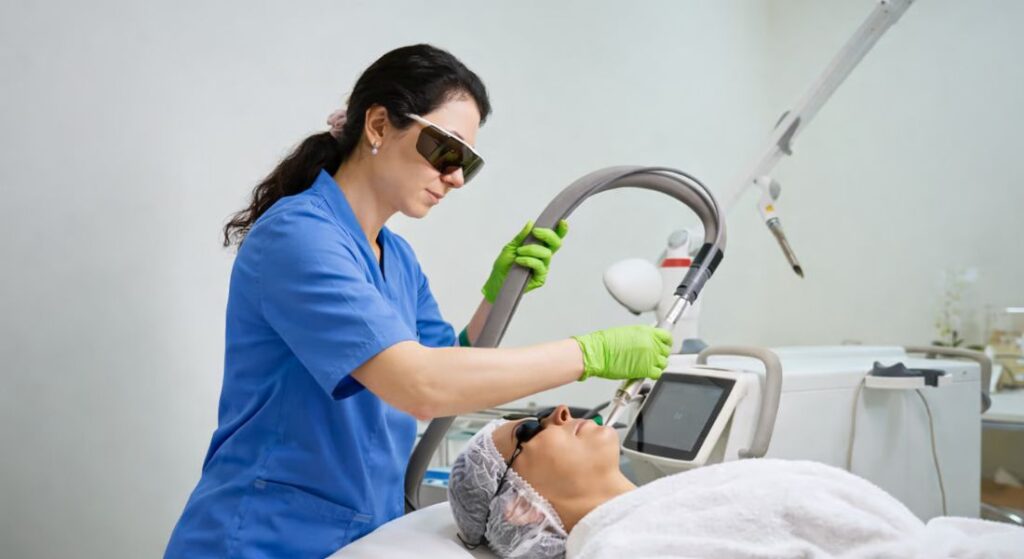
CO₂ laser resurfacing in a low-density setting is generally more comfortable because it delivers less heat and energy to the skin. The treatment is more gradual, which helps minimise discomfort during the procedure. Most patients describe only mild sensations such as warmth or light tingling. Overall, it is usually well tolerated with minimal irritation afterwards.
High-density treatments can feel more intense both during and after the procedure. Because a higher level of energy is used, the skin may feel hotter and more sensitive immediately afterwards. Temporary discomfort such as stinging, tightness, or redness is more common in the early healing phase. However, cooling techniques and proper aftercare help manage these sensations effectively.
Comfort levels can vary significantly from person to person. Individual pain tolerance, skin type, and treatment depth all play a role in how the experience feels. Some patients may find high-density treatment very manageable, while others may prefer a gentler approach. Ultimately, the right choice depends on balancing results with personal comfort expectations.
Downtime Comparison
CO₂ laser resurfacing involves different levels of downtime depending on whether a low-density or high-density approach is used. With low-density treatments, downtime is significantly shorter because the skin is treated more gently. Most patients are able to return to normal daily activities relatively quickly, although mild redness or sensitivity may still be present for a short period.
High-density treatments, however, require a longer recovery period due to the more intensive level of skin resurfacing. The skin needs additional time to heal because a greater portion of the surface has been treated. During this phase, redness, swelling, and peeling may last for several days or even longer, depending on the depth of treatment. This makes the recovery process more noticeable compared to low-density options.
Because of these differences, planning plays an important role when choosing the right treatment. Your lifestyle, work commitments, and availability for downtime should all be considered. Some patients may prefer the quicker recovery of low-density treatment, while others may choose high-density for stronger results despite longer healing. Ultimately, the decision should balance results with how much downtime you can comfortably manage.
Safety in Clinical Studies
Recent clinical studies show that both high-density and low-density laser treatments are generally safe when performed correctly by a qualified practitioner. Overall complication rates are low, and most patients tolerate both approaches well. The most important factor in achieving safe outcomes is proper technique and correct patient selection. While both methods are widely used in clinical practice, their safety profiles can differ slightly depending on intensity.
1. Overall safety in studies: Research indicates that both treatment types have a strong safety record when performed according to established clinical protocols. Serious complications are uncommon, especially in experienced hands.
2. Lower immediate side effects with low-density treatments: Low-density settings tend to produce milder immediate reactions, such as redness or swelling. Because the skin is treated more gently, recovery may feel more comfortable for some patients.
3. Greater monitoring needs with high-density treatments: High-density treatments involve more intensive skin resurfacing, which may require closer follow-up during healing. This helps ensure the skin is responding appropriately and reduces the risk of complications.
4. Importance of practitioner expertise: Safety is highly dependent on the skill and experience of the practitioner. Proper technique, correct settings, and adherence to clinical protocols are essential for achieving safe and predictable results.
Overall, both high-density and low-density laser treatments are considered safe when performed correctly, with practitioner experience playing a key role in ensuring optimal outcomes.
Treatment Precision
CO₂ laser resurfacing technology allows highly precise control over how energy is delivered to the skin. This means that both low-density and high-density settings can be carefully adjusted to suit different skin types and concerns. Your practitioner can fine-tune the intensity, depth, and coverage of the treatment based on your individual needs. This level of control makes the procedure highly customisable.
This precision is important because it helps ensure both safety and effectiveness. By targeting only the necessary areas of the skin, it reduces the risk of unnecessary damage to surrounding tissue. It also allows for more controlled healing and more predictable results. This contributes to a better overall treatment experience.
Modern CO₂ laser devices are designed with advanced technology that enhances accuracy and consistency. This helps practitioners deliver more uniform results across different treatment sessions. The improved control also supports better long-term outcomes. Overall, precision is one of the key advantages of modern laser resurfacing systems.
Patient Suitability
CO₂ laser resurfacing can be tailored using either low-density or high-density settings depending on your individual skin concerns. Low-density treatments are generally suitable for mild issues such as early signs of ageing, fine lines, or minor texture irregularities. Because it is gentler, it is often chosen when you want gradual improvement with minimal downtime.
High-density treatments, on the other hand, are typically recommended for more advanced concerns. These may include deeper wrinkles, acne scars, or more significant skin damage. This approach provides stronger and more noticeable correction, but it also involves a more intensive recovery period. It is often selected when more dramatic improvement is needed.
Suitability is always assessed on a case-by-case basis. Your practitioner will carefully evaluate your skin condition, goals, and tolerance for downtime before recommending a treatment plan. This ensures the approach is both safe and effective for you. Ultimately, there is no one-size-fits-all option when it comes to laser resurfacing.
Treatment Goals
CO₂ laser resurfacing can be adjusted based on your individual treatment goals, which play a key role in deciding between low-density and high-density settings. If your goal is gradual, natural-looking improvement, low-density treatment is often the better choice. It works gently over time, helping to refine skin texture and tone in a subtle way. This approach is ideal if you prefer minimal downtime and steady progress.
If you are aiming for more noticeable or dramatic results, high-density treatment may be more appropriate. It targets the skin more intensively, working on deeper layers to improve concerns such as wrinkles, scars, or significant texture issues. Because of this stronger effect, improvements may be more visible in a shorter period. However, it also involves longer recovery time.
Having realistic expectations is very important when choosing your treatment plan. Understanding what each density level can achieve helps you make an informed decision. Your practitioner will guide you in aligning your goals with the most suitable approach. This ensures your expectations match achievable and safe outcomes.
Long-Term Skin Improvement
CO₂ laser resurfacing provides long-term improvements in skin quality, regardless of whether low-density or high-density settings are used. In both approaches, collagen production continues to develop over time even after the initial healing phase. This ongoing regeneration helps improve skin texture, firmness, and overall appearance in the months following treatment.
Low-density treatments tend to build results more gradually, as the skin is stimulated in a gentler and more progressive way. High-density treatments, on the other hand, often produce faster initial improvements due to their more intensive nature. However, both methods ultimately aim to achieve long-lasting enhancement of skin quality. The difference lies mainly in how quickly the results become visible.
Over time, maintenance treatments may be recommended to help sustain the results. This is because natural ageing continues even after laser resurfacing. Regular follow-up care can help preserve improvements and support ongoing collagen activity. Ultimately, both approaches can deliver lasting benefits when properly maintained.
Combination Approaches
CO₂ laser resurfacing can sometimes be planned using a combination of both low-density and high-density settings to achieve balanced results. This approach helps combine the safety and gentleness of low-density treatment with the stronger corrective effects of high-density treatment. It is often fully customised based on your skin condition, goals, and tolerance for downtime.
In many cases, low-density sessions may be used first to gradually prepare and improve the skin’s overall quality. Once the skin has responded and healed, a high-density treatment may be introduced to target deeper concerns more intensively. This staged approach allows the skin to adapt progressively while still achieving more significant results over time. It also helps reduce the risk of overwhelming the skin with a single aggressive treatment.
Combination strategies are becoming increasingly popular in modern aesthetic practice. They offer greater flexibility for both practitioners and patients, allowing treatment to be adjusted as the skin responds. This tailored approach can help optimise both safety and outcomes. Overall, it provides a more personalised and adaptable way to achieve skin rejuvenation goals.
Recovery Skin Care

After laser treatment, proper skincare plays an important role in supporting healing and improving overall results. The skin may be more sensitive during the recovery period, so a gentle and consistent routine is essential. Taking care of your skin correctly helps it recover smoothly and respond better to the treatment. A simple aftercare approach is usually recommended.
1. Gentle cleansing and hydration: You should use mild, non-irritating cleansers to keep the skin clean without causing dryness or discomfort. Regular hydration with suitable moisturisers helps soothe the skin and supports the natural healing process.
2. Sun protection is essential: The skin becomes more sensitive to sunlight after laser treatment. Daily use of a broad-spectrum SPF is very important to protect the skin from UV damage and prevent pigmentation or irritation during recovery.
3. Supporting the healing process: A calm and consistent skincare routine helps the skin repair itself more effectively. Avoiding harsh products or active ingredients during this time allows the skin to recover without unnecessary stress.
4. Reducing risk of complications: Following proper aftercare instructions lowers the chance of side effects such as irritation or prolonged redness. Good skincare helps ensure a smoother recovery and more predictable results.
Overall, careful post-treatment skincare is essential for achieving the best possible outcome. By keeping the skin protected, hydrated, and gently cared for, you support both healing and long-term results.
Role of Technology
CO₂ laser resurfacing benefits greatly from modern technology, which now allows highly adjustable density settings. This means practitioners can precisely control how much energy is delivered to the skin and how intensively each area is treated. This level of control helps tailor the procedure more accurately to individual skin needs. It also makes treatments more predictable and refined.
Advanced laser systems improve both safety and effectiveness by ensuring energy is delivered in a controlled and uniform way. This reduces the likelihood of overheating or unnecessary damage to surrounding tissue. As a result, the skin can heal more comfortably and with fewer complications. Better control also supports more consistent results across different treatment sessions.
Modern devices also offer a higher degree of customisation than earlier technologies. Practitioners can adjust settings in real time based on how the skin is responding. This flexibility allows treatments to be adapted for different skin types, concerns, and goals. Overall, advanced technology plays a key role in improving both patient outcomes and treatment experience.
Clinical Research Insights
Recent clinical research on CO₂ laser resurfacing highlights the importance of finding the right balance between treatment density and safety. Studies show that higher-intensity settings can produce more noticeable improvements in skin texture and ageing concerns, but they are also associated with increased downtime and a longer recovery period. Lower-intensity settings, on the other hand, tend to prioritise comfort and faster healing, although results may develop more gradually.
Evidence suggests that personalised treatment settings deliver the best overall outcomes. Rather than applying a one-size-fits-all approach, practitioners are encouraged to tailor density levels based on individual skin type, concerns, and lifestyle factors. This customised planning helps optimise both safety and effectiveness. It also allows treatment to be adjusted more precisely to patient needs.
Overall, research supports the use of both low-density and high-density approaches when appropriately selected. Each has its own advantages depending on the clinical goal. The most important factor is aligning the treatment choice with the patient’s expectations and desired results. In this way, both methods can be highly effective when used correctly.
Scar Treatment Differences
CO₂ laser resurfacing is commonly used for improving different types of scars, but the treatment approach depends on the severity and depth of the scarring. High-density settings are often preferred for more pronounced or deeper scars because they provide stronger resurfacing and more intensive collagen stimulation. This can lead to more significant improvement in skin texture and a smoother appearance over time.
Low-density treatments, on the other hand, are less aggressive and focus on gradual skin improvement. They work more gently on the skin, which means results tend to build slowly over a series of sessions. While this approach may take longer to show visible changes, it can still be effective for mild scarring or patients who prefer minimal downtime.
The type and severity of the scar play a major role in determining the most suitable treatment plan. Deeper or more established scars often require higher-density settings, while superficial concerns may respond well to lower-density options. Ultimately, careful assessment ensures that the treatment is matched appropriately to the individual’s skin needs.
Anti-Ageing Applications
CO₂ laser resurfacing is widely used for anti-ageing purposes, and both low-density and high-density settings can play an important role depending on your skin concerns. Low-density treatments are often used to improve overall skin texture, brightness, and natural glow. They work gently over time, making the skin appear fresher and more rejuvenated with minimal downtime.
High-density treatments are typically used when deeper signs of ageing are present, such as more pronounced wrinkles or significant loss of skin elasticity. Because they penetrate and stimulate the skin more intensively, they can produce more noticeable tightening and smoothing effects. However, they also require a longer recovery period compared to lighter settings.
In many cases, combination approaches are used to achieve a balanced outcome. This allows practitioners to address both superficial and deeper ageing concerns while managing recovery time effectively. Since ageing affects each person differently, treatment is always tailored to individual needs. Customisation ensures that results are natural-looking, safe, and aligned with your goals.
Patient Expectations
Understanding laser density is important for setting realistic expectations before treatment. It helps you understand how your skin may respond, how quickly changes will appear, and what the recovery process may feel like. Both low-density and high-density treatments are effective, but they deliver results in different ways. Clear expectations lead to a better overall experience.
1. Gradual results with low-density treatments: Low-density laser settings typically produce more subtle, gradual changes in the skin. Because the treatment is gentler, improvements develop slowly over time, which many patients find easier to manage.
2. Stronger results with high-density treatments: High-density treatments often create more noticeable improvements in skin texture and tone. However, they may also involve a longer or more noticeable recovery period due to the increased intensity of the treatment.
3. Variation between individuals: Every patient responds differently to laser treatment. Factors such as skin type, age, and healing ability can all influence results and recovery time. This means outcomes may vary from person to person.
4. Importance of clear communication: Discussing your goals and concerns with your practitioner helps ensure the treatment plan is suitable for you. Good communication supports better understanding and more predictable results.
Overall, having realistic expectations based on laser density helps improve satisfaction. When you understand the process clearly, you are more likely to feel confident and positive about your results.
Cost Differences
CO₂ laser resurfacing can vary in cost depending on whether low-density or high-density settings are used. High-density treatments are often more expensive per session because they involve more intensive energy delivery and deeper skin resurfacing. However, because the results can be more dramatic, fewer sessions may sometimes be needed, which can help balance the overall cost of treatment.
Low-density treatments, on the other hand, are usually less expensive per session but often require multiple visits to achieve the desired outcome. This means the total cost is spread out over a longer period. For some patients, this can make treatment feel more flexible and easier to manage financially, even if more appointments are needed.
Ultimately, the overall cost depends on your individual treatment plan. Factors such as skin condition, goals, and the recommended number of sessions all play a role. Both options can vary significantly from person to person. Your practitioner will usually provide a personalised estimate based on your needs.
Downtime Planning
CO₂ laser resurfacing requires careful downtime planning, especially when choosing between low-density and high-density settings. High-density treatments typically involve a longer recovery period because the skin undergoes more intensive resurfacing. This means redness, sensitivity, and peeling may last longer, so it is important to schedule enough time for proper healing before returning to normal activities.
Low-density treatments are much easier to fit into a busy routine because recovery is quicker and less noticeable. Most patients can resume daily activities sooner, with only mild redness or sensitivity that settles relatively quickly. This makes low-density options more suitable for individuals with limited time for downtime or demanding schedules.
Lifestyle plays a key role in deciding the most appropriate treatment approach. If you can accommodate longer recovery time, high-density treatment may be suitable for stronger results. However, if convenience and minimal disruption are priorities, low-density treatment may be a better fit. Proper planning ensures the treatment aligns well with your personal and professional commitments.
Practitioner Experience
CO₂ laser resurfacing requires a high level of practitioner experience because correct adjustment of density settings plays a major role in both safety and results. An experienced practitioner understands how to tailor low-density and high-density treatments based on your skin type, concerns, and tolerance. This careful control helps ensure the skin responds in a predictable and effective way.
If settings are not chosen correctly, it can affect healing and increase the risk of side effects such as prolonged redness or uneven recovery. This is why expertise is so important when performing laser resurfacing. Skilled practitioners are able to balance treatment intensity with skin safety, reducing unnecessary risks while still achieving good results.
Choosing a properly trained and experienced professional is essential for achieving the best outcome. Their knowledge of skin behaviour and laser settings ensures more precise and consistent treatment. Ultimately, practitioner skill has a direct impact on both the quality of results and overall patient safety.
Maintenance Treatments
Maintenance treatments may be recommended after both low-density and high-density laser procedures to help maintain results over time. As the skin continues its natural ageing process, ongoing care can support the improvements achieved from treatment and keep the skin looking healthier for longer. The frequency and type of maintenance can vary depending on the intensity of the original treatment.
1. Need for ongoing care: Regardless of density level, the skin continues to age naturally after treatment. Maintenance sessions help support collagen activity and preserve improvements in texture, tone, and overall skin quality.
2. More frequent maintenance with low-density treatments: Low-density treatments often produce gentler, more gradual results, which may fade sooner. As a result, patients may benefit from more regular maintenance sessions to sustain their improvements.
3. Longer-lasting results with high-density treatments: High-density treatments typically create more intensive skin renewal, which can lead to longer-lasting results. This may reduce the need for frequent follow-up sessions, although maintenance is still important.
4. Personalised maintenance plans: Maintenance schedules are tailored to each individual. Your practitioner will consider your skin type, treatment response, and goals when recommending follow-up care.
Overall, maintenance treatments play an important role in preserving results. A personalised approach helps ensure long-term skin improvement and consistent outcomes over time.
Choosing the Right Density
CO₂ laser resurfacing offers both low-density and high-density options, and choosing between them depends on your individual skin condition and treatment goals. Both approaches are effective when used appropriately, but the key difference lies in how intensively the skin is treated and how quickly results develop. Personalisation is essential to ensure the treatment matches what your skin actually needs.
A professional consultation plays an important role in deciding the most suitable density. During this assessment, your practitioner will carefully evaluate your skin type, concerns, and lifestyle factors. This helps ensure the chosen treatment is both safe and realistic in terms of results and downtime. A thorough skin assessment allows for more accurate planning and better outcomes.
There is no single “best” option that applies to everyone. Each person responds differently based on their skin’s condition and healing ability. This is why individualised planning is so important in CO₂ laser treatments. Ultimately, the right choice is the one that is tailored specifically to you.
FAQs:
1. What is CO₂ laser density?
CO₂ laser density refers to how closely laser energy is delivered across the skin during treatment. Higher density means more concentrated energy, while lower density leaves more untreated areas between pulses. This affects how intense the treatment is and how deeply the skin is stimulated. It plays a key role in both results and recovery time.
2. Is low-density CO₂ laser safer?
Low-density CO₂ laser is generally considered gentler because it causes less overall skin trauma. This usually results in fewer side effects and a smoother recovery. It is often preferred for sensitive skin or mild skin concerns. However, safety also depends on correct clinical use.
3. Which gives better results: low or high density CO₂ laser?
High-density CO₂ laser typically delivers more dramatic results because it creates a stronger collagen response. It is often used for deeper wrinkles, scars, or advanced skin ageing. Low-density treatments improve skin gradually and may require multiple sessions. Both are effective, but results depend on treatment intensity and goals.
4. How long does recovery take after CO₂ laser treatment?
Low-density CO₂ laser usually involves shorter downtime, often a few days to about a week. High-density treatments require longer healing, sometimes up to two weeks or more depending on intensity. Redness and sensitivity are more noticeable with higher density settings. Recovery also depends on individual skin response.
5. Is CO₂ laser treatment painful?
Most patients experience some discomfort during CO₂ laser treatment, but numbing cream is usually applied beforehand. Low-density treatments tend to feel more tolerable with mild warmth or tingling. High-density treatments can feel more intense both during and after the procedure. Any discomfort is temporary and manageable with aftercare.
6. How many sessions will I need?
Low-density CO₂ laser usually requires multiple sessions to achieve gradual improvement in skin texture and tone. High-density treatments may produce visible results in fewer sessions due to stronger skin stimulation. The exact number depends on your skin condition and goals. Your practitioner will tailor the plan for you.
7. Can CO₂ laser help with acne scars?
Yes, CO₂ laser is commonly used to improve acne scars, especially deeper or more textured scarring. High-density settings are often more effective because they remodel deeper layers of the skin. Low-density treatments can also help but usually require more sessions. Results improve gradually as collagen builds over time.
8. Will I need downtime after treatment?
Yes, some downtime is expected after CO₂ laser treatment. Low-density settings usually allow quicker return to daily activities with mild redness. High-density treatments require more recovery time due to stronger skin resurfacing. Proper aftercare is important for healing and results.
9. Are results from CO₂ laser permanent?
Results from CO₂ laser are long-lasting but not completely permanent because skin continues to age naturally. Collagen improvements can last for years with good skincare and sun protection. Maintenance treatments may be recommended to sustain results. Lifestyle factors also influence longevity.
10. How do I know which CO₂ laser density is right for me?
The right density depends on your skin type, concerns, and tolerance for downtime. Low-density is usually chosen for mild issues and faster recovery, while high-density suits more advanced skin concerns. A professional consultation is essential for safe selection. Your practitioner will recommend the most suitable approach.
Final Thoughts: CO₂ Laser Density Settings Explained
Understanding CO₂ laser density settings is essential when deciding on the right treatment approach for your skin. Low-density settings offer a gentler experience with quicker recovery, making them suitable for mild concerns and busy lifestyles. High-density treatments, on the other hand, deliver more intensive skin resurfacing and stronger collagen stimulation, but require longer downtime and careful recovery.
Ultimately, both options are effective, and neither is universally better than the other. The right choice depends on your skin type, treatment goals, and how much downtime you can allow. A personalised consultation is the best way to determine the most suitable setting for safe, balanced, and long-lasting results. If you’re thinking about CO2 laser treatment London, you can get in touch with us at the London Medical & Aesthetic Clinic.
References:
1. Tan, K.L., Kurniawati, C. and Gold, M.H. (2008) ‘Low risk of postinflammatory hyperpigmentation in skin types IV and V after treatment with fractional CO₂ laser device’, Journal of Drugs in Dermatology, 7(8), pp. 774-777. https://pubmed.ncbi.nlm.nih.gov/18720695/
2. Hang, X. and Lim, D.S. (2025) ‘A novel peel to prevent post-inflammatory hyperpigmentation after CO₂ resurfacing for acne scars’, Journal of Cosmetic Dermatology, 24(8), e70366. https://pmc.ncbi.nlm.nih.gov/articles/PMC12309148/
3. Gomez-Gil, J., Ruiz-Gonzalez, R., Alonso-Garcia, S. and Gomez-Gil, F.J. (2013) ‘A Kalman filter implementation for precision improvement in low-cost GPS positioning of tractors’, Sensors, 13(4), pp. 4067-4084. https://www.mdpi.com/1424-8220/13/4/4067
4. Alster, T.S. and Tanzi, E.L. (2009) ‘Laser scar revision: a review’, Journal of the American Academy of Dermatology, 60(3), pp. 395-407. https://www.sciencedirect.com/science/article/abs/pii/S0190962209012079
5. Christen, M.-O. (1997) ‘Biostimulation with poly-L-lactic acid: clinical applications and outcomes’, Aesthetic Surgery Journal, 17(5), pp. 293-299. https://academic.oup.com/asj/article-abstract/17/5/293/177559