

CO₂ laser resurfacing is often associated with visible improvements such as smoother texture and reduced wrinkles, but recent research is beginning to explore its deeper biological effects. Scientists are now looking at how this treatment influences the skin barrier, which is essential for maintaining hydration and protecting against environmental stressors. This broader perspective highlights that the benefits may extend beyond surface-level changes.
The skin barrier acts as a protective shield, helping to prevent moisture loss while defending against irritants, bacteria, and pollution. At first glance, it may seem counterintuitive that a treatment which deliberately creates controlled injury could support barrier function. However, this controlled disruption triggers the body’s natural repair processes, which can lead to regeneration of healthier, more resilient skin over time.
Emerging evidence suggests that as the skin heals after treatment, improvements in structure and function may occur. This includes better organisation of skin cells, enhanced collagen production, and a more effective barrier against external damage. As a result, CO₂ laser treatment may contribute not only to cosmetic enhancement but also to improved long-term skin health and function.
What the Skin Barrier Does
Skin barrier refers to the outermost layer of your skin, often called the stratum corneum, which acts as a protective shield. It defends against environmental damage such as pollution, bacteria, and irritants while also helping to maintain internal balance. One of its key roles is preventing excessive water loss from the skin.
A healthy skin barrier keeps harmful substances out and essential moisture in, which is crucial for maintaining smooth, resilient, and well-hydrated skin. When this barrier is functioning properly, the skin is better able to repair itself and resist external stressors. This makes it a central component of overall skin health.
When the skin barrier becomes compromised, a range of issues can develop. Common problems include dryness, increased sensitivity, redness, and inflammation. In more severe cases, the skin may become more reactive and prone to irritation, highlighting the importance of maintaining a strong and balanced barrier.
Why Skin Barrier Health Matters
Skin barrier plays a key role in determining how your skin looks and feels on a daily basis. When the barrier is strong and functioning well, the skin tends to appear smooth, hydrated, and more even in tone. In contrast, a weakened barrier can lead to dullness, rough texture, and visible irritation.
When the barrier is compromised, the skin becomes more sensitive and reactive. Products that were once well tolerated may start to cause stinging, redness, or discomfort. This increased sensitivity can make it difficult to maintain a consistent skincare routine and may limit the use of active ingredients.
Maintaining a healthy skin barrier is essential for long-term skin quality and resilience. A well-functioning barrier supports hydration, protects against environmental damage, and helps the skin recover more effectively. Over time, this contributes to healthier, more balanced skin.
How CO₂ Laser Works
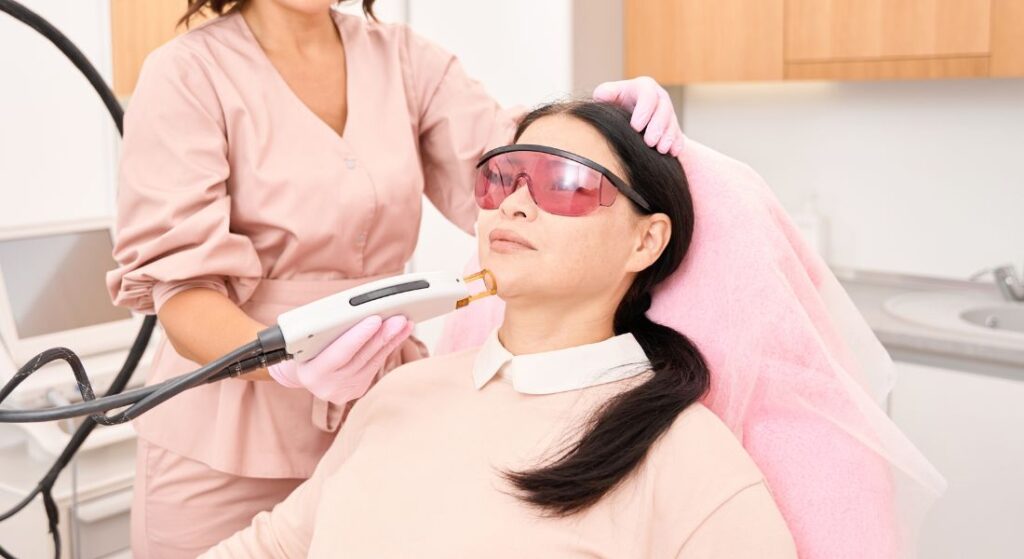
CO₂ laser treatment works by creating controlled micro-injuries in the skin. This may sound intense, but it is a carefully designed process that encourages your skin to repair and renew itself. By triggering the body’s natural healing response, the treatment helps improve both the appearance and structure of the skin over time. As your skin heals, new collagen and fresh skin cells are produced, leading to gradual but noticeable improvement.
1. Controlled micro-injuries to stimulate repair: The laser delivers precise energy into the skin, creating tiny, controlled areas of damage. This signals your body to begin its natural repair process.
2. Collagen and cell renewal: As healing begins, your skin produces new collagen and skin cells. This helps improve firmness, elasticity, and overall skin quality.
3. Partial removal of the outer layer: The laser also removes a portion of the outer skin layer. This allows newer, healthier skin to come through and supports the regeneration process.
4. Improved skin structure and function: Over time, the skin becomes smoother, firmer, and more even in tone. These changes are both visible and functional, improving how the skin looks and behaves.
Overall, CO₂ laser works by encouraging your skin to rebuild itself. This natural regeneration process is what leads to long-lasting improvements in texture, tone, and strength.
Initial Barrier Disruption
CO₂ laser resurfacing intentionally creates controlled micro-injury in the skin, which means the barrier is temporarily weakened immediately after treatment. This is a normal and expected part of the process, as the outermost layer of the skin has been disrupted to stimulate repair and regeneration. Although it may seem concerning, this step is essential for triggering deeper healing responses.
During this early recovery phase, the skin becomes more sensitive and vulnerable to external factors. Increased moisture loss (transepidermal water loss) can occur, and the skin may feel dry, tight, or irritated. Because of this, gentle care and protection are especially important to support proper healing.
This stage is temporary and forms a key part of the overall treatment effect. With appropriate aftercare such as hydration, barrier-supporting products, and sun protection the skin gradually recovers and begins to rebuild a stronger, healthier barrier over time.
Repair and Regeneration Phase
CO₂ laser resurfacing is followed by a crucial healing phase where the skin begins to repair itself after the initial controlled disruption. During this stage, new skin cells are generated, and the outer barrier gradually rebuilds. This natural regeneration process is driven by the body’s own healing mechanisms.
As the skin repairs, the newly formed barrier can become more organised and structurally improved. This may lead to better moisture retention, stronger protection against irritants, and overall enhanced skin resilience. Over time, the barrier may function more effectively than it did before treatment.
This healing phase is where many of the long-term benefits develop. While the early recovery period may involve sensitivity, the regeneration process supports healthier, more balanced skin. With proper care, this phase contributes to both improved appearance and stronger skin function.
Collagen and Barrier Support
Collagen plays a fundamental role in maintaining the skin’s strength and structure. CO₂ laser resurfacing stimulates collagen production by triggering the skin’s natural healing response. This increase in collagen helps improve firmness, elasticity, and overall skin quality over time.
A stronger underlying skin structure provides better support for the outer barrier. When the skin is more resilient internally, it is better able to maintain its protective function and resist external stressors. This structural support helps the barrier remain intact and function more efficiently.
Collagen and barrier health are closely connected, as both contribute to overall skin integrity. As collagen levels improve, the skin becomes more stable and better equipped to retain moisture and protect against irritation. This combined effect supports healthier, more balanced skin in the long term.
Improved Skin Organisation
CO₂ laser resurfacing can lead to improvements not only in appearance but also in how the skin is structured at a microscopic level. Research suggests that as the skin regenerates after treatment, the layers may become more evenly arranged and better organised. This improved structure supports more efficient skin function.
A well-organised Skin barrier is more effective at maintaining hydration and defending against environmental stressors. When the layers are uniform, the barrier can reduce transepidermal water loss more efficiently and provide stronger protection against irritants and pollutants. This contributes to healthier, more resilient skin.
Overall, improved organisation plays a key role in long-term skin health. As the barrier becomes more structured and balanced, it functions more effectively, helping the skin look and feel smoother, stronger, and better protected.
Hydration Improvements
After the skin has healed from CO₂ laser treatment, many patients notice that their skin feels more hydrated and comfortable. This improvement is linked to a stronger skin barrier, which helps the skin retain moisture more effectively. As a result, the skin becomes better at maintaining its natural balance. These changes contribute to both how the skin feels and how it looks.
1. Improved moisture retention: The treated skin often holds onto moisture more efficiently after healing. This is a sign that the skin barrier has become stronger and more functional.
2. Reduced water loss: A healthier barrier helps prevent excessive water loss from the skin. This keeps the skin feeling softer and less prone to dryness.
3. Support for elasticity: Well-hydrated skin is more flexible and resilient. Improved hydration works alongside collagen production to enhance elasticity and overall skin quality.
4. Enhanced overall appearance: Better hydration gives the skin a smoother, more refreshed look. It can also improve texture and help the skin reflect light more evenly.
Overall, improved hydration is a key benefit of CO₂ laser treatment, contributing to healthier, softer, and more balanced skin over time.
Reduced Sensitivity Over Time
CO₂ laser resurfacing initially makes the skin more sensitive due to temporary barrier disruption, but this effect is usually short-lived. As the skin heals and regenerates, the barrier becomes stronger and more resilient. Over time, this can lead to a noticeable reduction in overall skin sensitivity.
A healthier and more intact Skin barrier helps reduce reactivity to external triggers. This means the skin is less likely to react to skincare products, environmental irritants, or changes in weather. As a result, irritation, redness, and discomfort may occur less frequently.
This improvement in tolerance and comfort is an important long-term benefit. With a stronger barrier, the skin becomes more stable and easier to manage, allowing for a more consistent skincare routine and better overall skin health.
Protection Against Irritants
Skin barrier acts as the skin’s first line of defence against external irritants such as pollution, allergens, and harsh environmental conditions. When this barrier is healthy and intact, it prevents these substances from penetrating deeper into the skin. This helps reduce the risk of irritation, inflammation, and sensitivity.
After healing from CO₂ laser resurfacing, the regenerated barrier may become more effective and resilient. As the skin rebuilds, its protective function can improve, making it better able to withstand daily environmental stress. This can result in skin that feels stronger and less reactive.
With improved barrier function, environmental factors tend to have less impact over time. Exposure to pollutants and allergens is better managed, and the skin is more capable of maintaining balance. Overall, this enhanced protection contributes to healthier, more stable skin in the long term.
Role of Fractional CO₂ Laser
Fractional CO₂ laser works by treating only small, targeted areas of the skin while leaving the surrounding tissue intact. Instead of removing the entire surface layer, it creates microscopic columns of controlled injury. This selective approach allows untreated skin to support faster healing and regeneration.
Because some of the Skin barrier remains intact, overall disruption is reduced compared to traditional fully ablative methods. This helps preserve partial barrier function during recovery, which can minimise excessive moisture loss and reduce sensitivity. As a result, patients often experience a smoother and more manageable healing process.
Fractional technology has significantly improved the safety and tolerability of CO₂ laser treatments. By balancing effectiveness with reduced downtime, it allows for controlled skin renewal with lower risk of complications. This makes it a preferred option in modern skin resurfacing approaches.
Balance Between Damage and Repair
CO₂ laser treatment is based on a careful balance between controlled skin damage and the body’s natural repair response. The goal is to create just enough stimulation to trigger healing and regeneration, without overwhelming the skin. When this balance is achieved, the result is healthier, stronger, and more refined skin. This balance is one of the most important factors in determining treatment success.
1. Controlled damage triggers repair: The laser creates precise micro-injuries that activate the skin’s healing process. This leads to collagen production and renewal of skin cells.
2. Avoiding excessive damage: If the treatment is too aggressive, it can disrupt the skin barrier and increase the risk of complications such as prolonged redness or pigmentation changes. This is why careful control is essential.
3. Precision in treatment settings: Adjusting the laser settings to suit your skin type and condition ensures that the treatment remains within a safe and effective range. Experienced practitioners play a key role in maintaining this balance.
4. Optimising healing and results: When the balance between damage and repair is well managed, the skin heals more efficiently. This leads to improved texture, better hydration, and stronger overall skin structure.
Overall, successful CO₂ laser treatment depends on delivering the right level of stimulation. Precision and control ensure that the skin benefits from regeneration without unnecessary risk.
Clinical Research Insights
CO₂ laser resurfacing is increasingly being studied for its effects beyond cosmetic improvement, including its impact on the Skin barrier. Emerging research suggests that after the healing phase, the skin may show improved barrier function, with better hydration retention and increased resilience to external stress. These findings indicate that controlled skin injury may lead to more effective long-term repair.
However, outcomes can vary depending on how the treatment is performed. Factors such as laser settings, depth of treatment, and individual skin type all influence results. Using appropriate techniques is essential to achieve benefits while minimising the risk of complications.
Although the current evidence is encouraging, research in this area is still evolving. More long-term and large-scale studies are needed to fully understand the extent of barrier improvement. For now, the data is promising, but it should be interpreted as part of an ongoing scientific development.
Importance of Proper Settings
CO₂ laser resurfacing outcomes are highly dependent on the laser settings used during treatment. Factors such as energy level, density, and depth determine how much of the skin is affected. Using lower, controlled energy levels can support more balanced healing and reduce excessive disruption to the Skin barrier.
If the treatment is too aggressive, it can delay recovery and increase the risk of irritation, prolonged redness, or barrier dysfunction. Over-treatment may lead to excessive inflammation, which can interfere with proper regeneration. This is why careful control of settings is essential for both safety and effectiveness.
Customised settings tailored to the individual’s skin type, concerns, and tolerance help achieve optimal results. Precision in treatment planning allows for effective stimulation of repair while minimising risk. Overall, well-adjusted settings play a key role in supporting healthy barrier regeneration and long-term skin improvement.
Skin Type Considerations
CO₂ laser resurfacing must always be adapted to the individual’s skin type, as different skin types respond differently to treatment. Factors such as sensitivity, thickness, and pigmentation influence how the skin heals and how the Skin barrier reacts. This makes personalised planning essential for safe and effective outcomes.
For sensitive or reactive skin, gentler settings are typically used to minimise irritation and protect the barrier during recovery. This helps reduce the risk of excessive inflammation or prolonged healing. Careful adjustment ensures that the skin can repair itself without unnecessary stress.
Thicker or more resilient skin may tolerate stronger treatment, allowing for deeper stimulation of collagen and regeneration. However, even in these cases, caution is always required to avoid over-treatment. Ultimately, skin type guides every aspect of the procedure, ensuring a balanced approach that supports both safety and optimal results.
Role of Aftercare
CO₂ laser resurfacing results depend heavily on proper aftercare, particularly when it comes to supporting and restoring the skin barrier. After treatment, the skin is temporarily more sensitive and vulnerable, so a gentle and consistent skincare routine is essential to promote safe and effective healing. Careful aftercare helps the skin recover in a controlled and healthy way.
1. Gentle skincare for barrier recovery: During the healing phase, it is important to use soothing, non-irritating products. These help minimise stress on the skin and support the natural rebuilding of the barrier function.
2. Importance of hydration: The skin may lose moisture more easily after CO₂ laser treatment. Regular use of suitable moisturisers helps restore hydration levels, reduce dryness, and support barrier repair.
3. Avoiding harsh ingredients: Strong active ingredients such as exfoliating acids, retinoids, or abrasive products should be avoided during early recovery. These can irritate the skin and interfere with healing.
4. Essential sun protection: The skin is more sensitive to UV exposure after treatment. Consistent use of a broad-spectrum sunscreen helps protect the healing skin and reduces the risk of pigmentation changes and complications.
Overall, proper aftercare plays a key role in supporting barrier repair and enhancing results. When followed correctly, it helps ensure smoother healing and contributes to healthier, more resilient skin in the long term.
Moisturisation After Treatment
CO₂ laser resurfacing recovery relies heavily on maintaining proper hydration, as the skin is temporarily compromised after treatment. Moisturising helps restore the Skin barrier by reducing transepidermal water loss and maintaining a balanced moisture level in the skin. This creates a more stable environment for healing and regeneration.
Barrier-repair creams are often recommended during the recovery phase because they contain ingredients designed to support lipid replenishment and strengthen the skin’s protective layer. These formulations help calm irritation, reduce dryness, and improve overall comfort. As a result, the skin can recover more efficiently with fewer signs of discomfort.
Consistent hydration is essential for optimal healing, as it supports cellular repair and regeneration processes. Well-moisturised skin is more resilient and better able to rebuild its structure after treatment. Overall, effective moisturisation plays a key role in improving recovery outcomes and supporting long-term barrier health.
Short-Term vs Long-Term Effects
CO₂ laser resurfacing produces both immediate and longer-term effects on the skin, which occur at different stages of the healing process. In the short term, the treatment temporarily disrupts the Skin barrier because controlled injury is created to stimulate regeneration. This can lead to redness, sensitivity, dryness, and increased moisture loss, but these effects are expected and temporary.
Healing begins soon after treatment, as the skin activates its natural repair mechanisms. During this phase, new cells are formed and the barrier gradually starts to rebuild itself. Although the initial recovery period may involve visible and physical discomfort, it is an essential part of the regeneration process.
In the long term, the skin may experience improved barrier function once healing is complete. This can result in stronger, more resilient skin with better hydration retention and overall structural improvement. Understanding the difference between short-term disruption and long-term benefits is important for setting realistic expectations and appreciating the full treatment process.
Role of Skin Renewal
CO₂ laser resurfacing works by accelerating the natural skin renewal process, encouraging the replacement of older, damaged cells with new, healthier ones. This controlled stimulation of turnover helps reset the skin’s structure and supports overall regeneration. As a result, the skin gradually becomes fresher and more refined over time.
This renewal process has a direct impact on the Skin barrier, as newly formed skin cells contribute to a more efficient and better-organised barrier. With healthier cells in place, the skin is able to perform its protective and hydrating functions more effectively. This can lead to improved resilience against environmental stress and reduced moisture loss.
Over time, enhanced skin renewal supports long-term improvements in both appearance and function. The skin becomes more balanced, stronger, and better equipped to maintain its health. Overall, this regenerative effect is a key reason why CO₂ laser treatment can contribute to lasting skin quality improvements.
Comparison with Other Treatments
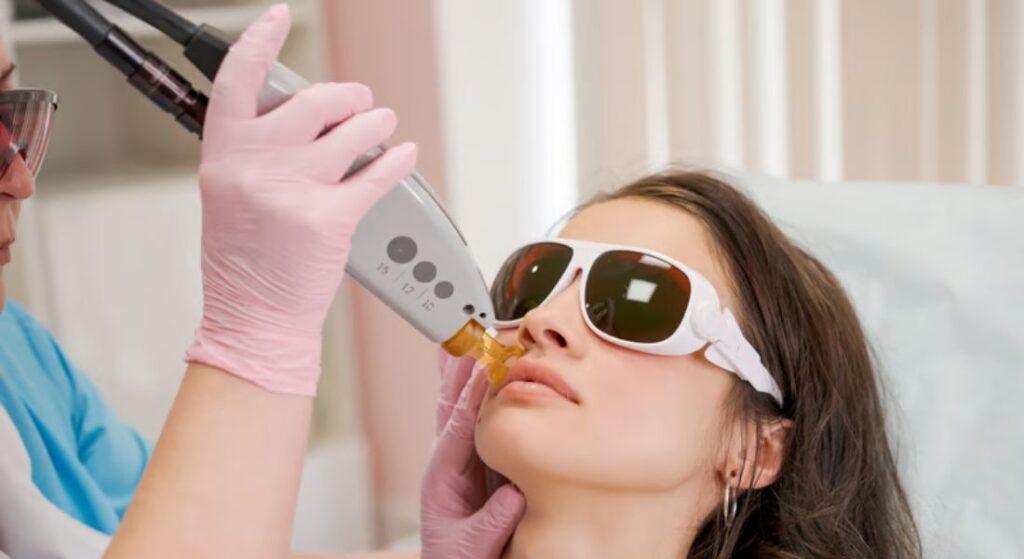
CO₂ laser resurfacing differs from many superficial skin treatments because it works at a deeper structural level rather than only targeting surface appearance. While some procedures primarily focus on temporary glow or surface smoothing, CO₂ laser creates controlled micro-injuries that stimulate regeneration in deeper layers of the skin. This leads to more structural remodelling over time.
Because of this deeper action, it may also have a more meaningful effect on the Skin barrier during the healing and regeneration process. As new skin is formed, both structure and barrier function may improve, leading to more durable and long-lasting changes compared to purely surface-level treatments.
This combination of structural remodelling and regenerative response makes CO₂ laser a more comprehensive option in certain cases. It goes beyond cosmetic improvement by supporting overall skin quality, resilience, and function. This deeper mechanism is what makes it distinct from many other aesthetic treatments.
Setting Realistic Expectations
CO₂ laser treatment can improve overall skin quality and support barrier function, but it is important to understand that results vary from person to person. It is not an instant solution, and the skin needs time to heal and regenerate after treatment. Managing expectations properly is an important part of the treatment process.
1. Not an immediate result: Improvements from CO₂ laser develop gradually as the skin heals and produces new collagen. You will not see full results straight away.
2. Gradual improvement over time: Skin texture, tone, and barrier function continue to improve in the weeks and months following treatment. This slow progression is a normal part of the healing process.
3. Variation in results: Outcomes can differ depending on skin type, age, lifestyle, and how the skin responds to treatment. Some people may notice faster or more noticeable changes than others.
4. Importance of patience: Allowing the skin adequate time to heal is essential. Rushing expectations can lead to unnecessary concern, even when the skin is progressing normally.
5. Improved satisfaction with understanding: When you understand that results are gradual and variable, it becomes easier to appreciate the long-term benefits of the treatment.
Overall, realistic expectations are key to a positive experience. CO₂ laser works through slow biological regeneration, and patience is essential to achieving the best outcome.
Long-Term Skin Health Benefits
CO₂ laser resurfacing may contribute to long-term improvements in overall skin health by stimulating regeneration and supporting the rebuilding of the skin’s structure. As healing progresses, the skin can become stronger and better organised, which may enhance its ability to perform protective and repair functions over time.
A healthier Skin barrier plays a key role in maintaining long-term skin resilience. When the barrier functions more effectively, the skin is better able to retain moisture, resist environmental stressors, and recover from daily exposure to irritants. This leads to improved hydration stability and reduced reactivity.
Over time, these changes can result in lower sensitivity and overall improvement in skin quality. The skin may feel more balanced, comfortable, and durable in response to external factors. This long-term strengthening effect is one of the important potential benefits associated with regenerative skin treatments.
Advances in Laser Technology
CO₂ laser resurfacing has significantly improved with modern technological advancements, particularly in terms of precision and control. Newer devices allow clinicians to adjust energy delivery more accurately, targeting only specific areas of the skin while minimising unnecessary impact on surrounding tissue. This level of control helps create more predictable and refined results.
Because the treatment can now be delivered in a more controlled and fractional manner, the effect on the Skin barrier can be better managed during the healing process. Reduced overall disruption supports more efficient recovery and may help preserve barrier integrity while still stimulating regeneration.
These technological improvements have also contributed to enhanced safety profiles and more consistent outcomes. By reducing collateral damage and improving precision, modern CO₂ laser systems allow for effective skin renewal with a lower risk of complications. Overall, these advancements play an important role in achieving better clinical and functional results.
FAQs:
1. Can CO₂ laser actually improve the skin barrier?
Yes, emerging research suggests that CO₂ laser may improve the skin barrier over time. Although it initially disrupts the surface, the healing process can lead to a stronger, more organised barrier. This may help the skin retain moisture better and resist irritation. Results depend on proper treatment and aftercare.
2. Does CO₂ laser damage the skin barrier permanently?
No, the disruption caused by CO₂ laser is temporary. It is a controlled process designed to stimulate repair. With proper care, the barrier typically rebuilds and may even become stronger. Long-term damage is uncommon when treatment is done correctly.
3. How long does the skin barrier take to recover after CO₂ laser?
Initial recovery usually occurs within 1 to 2 weeks. However, full barrier restoration and improvement can take several weeks to months. The deeper healing process continues beneath the surface. Gradual improvement is expected over time.
4. Why does the skin feel dry after CO₂ laser treatment?
Dryness occurs because the outer layer of the skin has been disrupted. This temporarily increases water loss. As the skin heals, hydration levels improve. Proper moisturisation helps manage this phase effectively.
5. Can CO₂ laser reduce skin sensitivity in the long term?
Yes, many patients notice reduced sensitivity after healing. A stronger skin barrier is less reactive to irritants and skincare products. This leads to improved comfort over time. However, short-term sensitivity is normal immediately after treatment.
6. Is fractional CO₂ laser better for preserving the skin barrier?
Fractional CO₂ laser is designed to treat only portions of the skin, leaving surrounding areas intact. This supports faster healing and reduces overall barrier disruption. It is often considered safer and more controlled. This approach helps maintain some barrier function during recovery.
7. What role does aftercare play in skin barrier recovery?
Aftercare is essential for proper healing. Gentle skincare, hydration, and sun protection support barrier repair. Avoiding harsh products helps prevent irritation. Good aftercare can significantly improve both recovery and results.
8. Can CO₂ laser help with chronically damaged skin barriers?
In some cases, yes. By stimulating regeneration, CO₂ laser may help rebuild a compromised barrier. However, treatment must be carefully planned. Patients with sensitive or damaged skin require customised settings and close monitoring.
9. Are the barrier benefits of CO₂ laser immediate?
No, barrier improvements are not immediate. In fact, the barrier is temporarily weakened after treatment. Benefits develop gradually as the skin heals. Long-term improvement is the goal.
10. What factors affect how well the skin barrier improves after CO₂ laser?
Several factors influence outcomes, including skin type, treatment settings, and aftercare. The skill of the practitioner is also important. Individual healing response varies. Personalised treatment leads to better results.
Final Thoughts: Strengthening Skin from Within
CO₂ laser treatment offers more than just visible skin improvements it has the potential to support deeper structural and functional changes within your skin. While the procedure temporarily disrupts the skin barrier, this controlled process stimulates natural repair mechanisms that can lead to stronger, more organised, and resilient skin over time. Understanding this balance between disruption and regeneration helps you see the treatment as part of a longer-term skin health strategy rather than a quick cosmetic fix.
It’s important to recognise that results develop gradually. Your skin needs time to rebuild, reorganise, and strengthen its barrier function after treatment. Factors such as your skin type, the precision of the laser settings, and how well you follow aftercare guidance all play a key role in determining your outcome. With expert care and proper preparation, many patients experience improved hydration, reduced sensitivity, and better overall skin performance. If you’re thinking about CO2 laser treatment London, you can get in touch with us at the London Medical & Aesthetic Clinic.
References:
1. Jain, V.K., Ghiya, B.C., Gupta, D. and Singhi, M.K. (2008) ‘CO₂ laser resurfacing for facial rhytides’, Journal of Cutaneous and Aesthetic Surgery, 1(1), pp. 19-20. https://pmc.ncbi.nlm.nih.gov/articles/PMC2840888/
2. Belletti, S., Madeddu, F., Brando, A., Provenzano, E., Nisticò, S.P., Fusco, I. and Bennardo, L. (2023) ‘Laser impacts on skin rejuvenation: the use of a synergistic emission of CO₂ and 1540 nm wavelengths’, Medicina, 59(10), 1857. https://www.mdpi.com/1648-9144/59/10/1857
3. Jerjes, W., Hamdoon, Z. and Hopper, C. (2012) ‘CO₂ lasers in the management of potentially malignant and malignant oral disorders’, Head & Face Medicine, 4, 17. https://pmc.ncbi.nlm.nih.gov/articles/PMC3448505/
4. Zhang, Y., Li, X., Chen, H., Wang, J., Liu, Y. and Zhao, L. (2024) ‘Evaluating CO₂ laser and microneedling therapies for striae distensae: a comprehensive meta-analysis and systematic review’, Lasers in Medical Science. https://pubmed.ncbi.nlm.nih.gov/40131559/
5. Neaman, K.C., Baca, M.E., Piazza, R.C., VanderWoude, D.L. and Renucci, J.D. (2010) ‘Outcomes of fractional CO₂ laser application in aesthetic surgery: a retrospective review’, Aesthetic Surgery Journal, 30(6), pp. 845-852. https://pubmed.ncbi.nlm.nih.gov/21131460/