


CO₂ laser resurfacing has traditionally been used with more caution in darker skin types, particularly Fitzpatrick skin types IV-VI. This is because higher melanin levels can increase the risk of post-inflammatory hyperpigmentation (PIH), where the skin temporarily becomes darker after treatment. In earlier years, this made practitioners more conservative when recommending the procedure for darker skin tones.
However, newer clinical evidence and advancements in technology show that safety outcomes have improved significantly. Modern CO₂ laser systems allow much more precise control over energy delivery, depth, and density settings. This means treatments can now be carefully adjusted to match individual skin characteristics, reducing unnecessary thermal damage and lowering the risk of pigmentation issues. When performed correctly, outcomes can be both safe and effective even in darker skin types.
Updated treatment protocols also play an important role in improving safety. Practitioners now often use more conservative settings, lower densities, and staged treatment approaches to minimise complications. Pre and post-treatment skincare, including pigment control and sun protection, further helps reduce risks. These combined strategies have made CO₂ laser resurfacing a more accessible option for a broader range of skin tones.
If you have darker skin and are considering this treatment, it is important to understand that success depends heavily on technique and experience. A thorough consultation with a qualified practitioner is essential to assess suitability and customise settings appropriately. With the right approach, CO₂ laser resurfacing can be performed safely while maintaining a strong focus on reducing pigmentation risk.
Understanding Fitzpatrick Skin Types
Fitzpatrick scale is a system used to classify skin based on how it responds to sun exposure and tanning. It ranges from Type I, which is very fair skin that burns easily, to Type VI, which is deeply pigmented skin that rarely burns. This classification is widely used in dermatology and aesthetic medicine to help guide safe and appropriate treatment choices.
Darker skin types, typically Fitzpatrick Types IV to VI, contain higher levels of melanin. This melanin provides natural protection against sun damage, but it also means the skin is more reactive to certain procedures. In particular, there is a higher risk of post-inflammatory pigmentation changes after treatments that involve heat or controlled skin injury. This is an important consideration when planning laser-based procedures.
Understanding your Fitzpatrick skin type is essential for safe and effective treatment planning. It allows practitioners to adjust settings, select appropriate techniques, and reduce the risk of complications. By tailoring treatment based on skin type, outcomes can be made safer and more predictable. This makes the Fitzpatrick scale a key tool in modern aesthetic practice.
Why CO₂ Laser Requires Caution
CO₂ laser works by creating controlled micro-injuries in the skin. This triggers the body’s natural healing response, leading to collagen production and overall skin renewal. While this process is highly effective for improving texture, lines, and scarring, it also temporarily affects the skin’s pigment-producing cells. Because of this, careful treatment planning is essential, especially in certain skin types.
1. Controlled skin injury for renewal: CO₂ laser creates precise, controlled damage in the skin. This stimulates healing and encourages new collagen formation, which helps improve skin quality over time.
2. Impact on pigmentation cells: Along with collagen stimulation, the laser can also affect melanocytes, which are responsible for skin pigmentation. This makes pigmentation control an important consideration during treatment.
3. Increased sensitivity in darker skin tones: In darker skin types, melanocytes tend to be more reactive. This means there is a higher risk of post-inflammatory hyperpigmentation (PIH), where treated areas may become darker after healing.
4. Need for careful settings and technique: To reduce risks, laser settings must be carefully adjusted based on skin type and condition. Practitioner experience plays a major role in ensuring safe and balanced results.
Overall, CO₂ laser can deliver excellent results, but it requires careful handling. Technique, settings, and proper patient selection are just as important as the technology itself in achieving safe and effective outcomes.
What Recent Research Shows
CO₂ laser resurfacing has been studied more extensively in recent years, and current evidence suggests it can be safely used in darker skin types when performed with the correct technique and settings. Modern studies show that complication rates, particularly post-inflammatory hyperpigmentation, are significantly lower when updated protocols and advanced devices are used. This highlights how much safety has improved compared to earlier approaches.
Research also emphasises the importance of using lower energy settings and more conservative treatment parameters in higher Fitzpatrick skin types. Fractional delivery methods, where only a fraction of the skin is treated at a time, have been shown to reduce overall thermal damage. This helps the skin heal more predictably and lowers the risk of unwanted pigmentation changes. These refinements play a key role in improving overall safety.
Overall, the evidence supports the idea that careful patient selection and customised treatment planning are essential. When the procedure is tailored appropriately, outcomes in darker skin types can be very positive. The latest research is encouraging, showing that with the right approach, CO₂ laser resurfacing can deliver effective results while maintaining a strong focus on safety.
Fractional CO₂ Laser Advantage
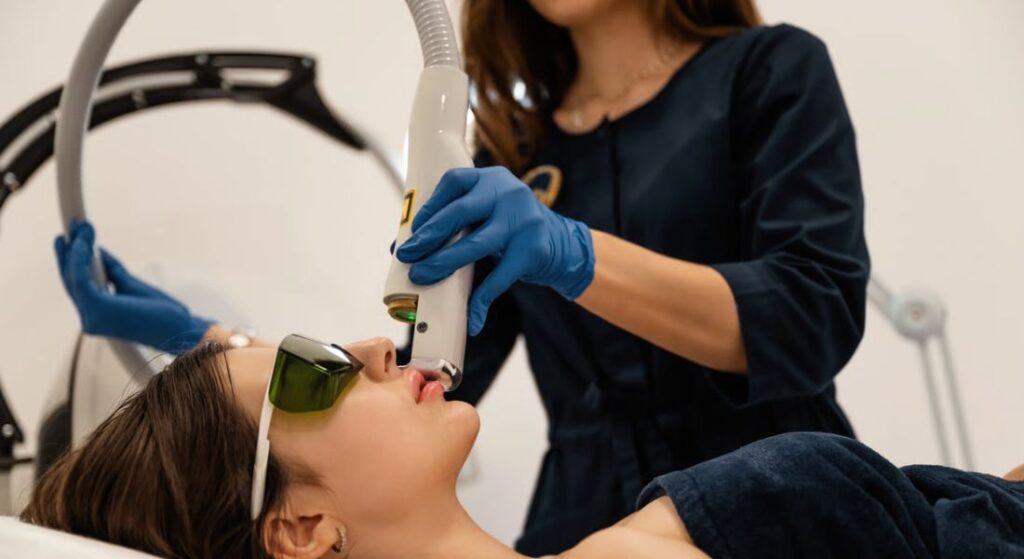
CO₂ laser resurfacing in a fractional mode works by treating only a portion of the skin at a time rather than the entire surface. This leaves surrounding healthy tissue intact, which helps speed up the healing process. Because of this targeted approach, recovery tends to be smoother and more controlled compared to fully ablative treatments.
One of the key advantages of fractional delivery is that it helps reduce the risk of pigmentation changes, especially in darker skin types. By limiting the amount of skin that is directly affected in a single session, it reduces overall thermal stress on the tissue. This makes it a safer and more manageable option for a wider range of skin tones. Recovery is also generally quicker and more comfortable.
As a result of these benefits, fractional CO₂ laser technology is now widely preferred in modern aesthetic practice. It offers a balance between effective skin rejuvenation and improved safety. Many practitioners choose this approach because it allows for predictable results while minimising downtime and complications.
Importance of Energy Control
CO₂ laser resurfacing requires very careful energy control when used on darker skin types. Lower energy settings are often preferred because they reduce the risk of overheating the skin. This is particularly important in higher Fitzpatrick skin types, where excess heat can trigger post-inflammatory pigmentation changes.
Controlled energy delivery allows practitioners to treat the skin more safely and predictably. By carefully adjusting settings, they can avoid over-treatment and minimise unnecessary damage to surrounding tissue. This precision helps maintain a better balance between effectiveness and safety, especially in more sensitive skin types.
Advances in laser technology have made this level of control much more accurate and reliable. Modern devices allow fine adjustments in energy, density, and depth of penetration. This improvement is a major step forward in ensuring safer outcomes for a wider range of skin tones, particularly in patients who were previously considered higher risk.
Risk of Hyperpigmentation
CO₂ laser resurfacing can carry a risk of post-inflammatory hyperpigmentation (PIH), which is one of the main concerns in darker skin types. PIH appears as darkened patches after the skin has healed, and it occurs when the skin produces excess pigment in response to inflammation or trauma. This risk is generally higher in Fitzpatrick skin types IV-VI due to increased melanin activity.
However, modern treatment protocols have significantly reduced the likelihood of PIH. By using lower energy settings, fractional delivery techniques, and careful patient selection, practitioners can minimise inflammation and reduce pigment-related complications. Advances in technology and technique have made outcomes more predictable and safer than in earlier years.
Proper aftercare is also a crucial part of prevention. This includes strict sun protection, appropriate skincare, and following all post-treatment instructions provided by the practitioner. When planning is done carefully and protocols are followed correctly, the risk of hyperpigmentation can be greatly reduced.
Pre-Treatment Skin Preparation
CO₂ laser resurfacing requires careful pre-treatment skin preparation to improve safety and optimise results, especially in darker skin types. This preparation may include the use of topical treatments such as pigment-regulating or skin-strengthening products. These help to stabilise melanin activity and prepare the skin for controlled resurfacing.
Proper preparation also helps reduce the risk of excessive inflammation during and after the procedure. When the skin is in a more balanced and stable state before treatment, it tends to respond more predictably. This can lower the likelihood of complications such as post-inflammatory hyperpigmentation and support a smoother healing process.
Overall, good pre-treatment preparation plays an important role in achieving better outcomes. It strengthens the skin’s ability to tolerate laser energy and recover effectively. When combined with correct laser settings and aftercare, it significantly contributes to safer and more consistent results.
Role of Experienced Practitioners
Experience plays a crucial role when performing laser treatments, especially on darker skin tones. Skilled practitioners understand how to tailor settings and techniques to suit different skin types, which helps reduce the risk of complications and ensures more consistent results. Because darker skin can be more reactive to laser energy, correct technique is particularly important.
1. Adjusting settings for safety: Experienced practitioners know how to modify laser intensity, density, and depth based on individual skin characteristics. This careful adjustment helps minimise the risk of side effects such as pigmentation changes.
2. Reducing risk of complications: Proper technique significantly lowers the chances of issues like post-inflammatory hyperpigmentation or uneven healing. Experience allows practitioners to anticipate and prevent potential problems.
3. Importance of training and expertise: Laser treatments require a strong understanding of skin biology and device settings. Well-trained professionals are better equipped to deliver safe, controlled, and effective treatments.
4. Choosing a qualified provider: Selecting an experienced and qualified practitioner is essential for achieving the best possible outcome. Expertise ensures that treatment is both safe and appropriately tailored to your skin.
Overall, practitioner experience is one of the most important factors in laser treatment safety and success, particularly when treating more sensitive or higher-risk skin types.
Individual Skin Assessment
CO₂ laser resurfacing always requires a detailed individual assessment before treatment is planned, especially in darker skin types. During this evaluation, a practitioner reviews your skin type, tone, and overall skin history to understand how your skin is likely to respond to laser energy. This helps ensure that the treatment is tailored safely and effectively to your specific needs.
A history of pigmentation issues is particularly important, as it can influence your risk of post-inflammatory hyperpigmentation and other side effects. If you have previously experienced pigmentation changes, your practitioner may adjust the settings, recommend pre-treatment preparation, or suggest a more conservative approach. This careful review helps reduce risks and improve healing outcomes.
Because every individual’s skin is different, no two treatment plans are exactly the same. Personalisation is essential in laser resurfacing to balance safety, effectiveness, and recovery. A thorough assessment ensures that the chosen approach is appropriate for your skin and supports the best possible results.
Cooling Techniques During Treatment
CO₂ laser resurfacing procedures often incorporate cooling techniques to help protect the skin during and after energy delivery. These methods reduce excess heat buildup in the tissue, which helps minimise the risk of thermal damage. By controlling temperature, cooling also improves patient comfort throughout the procedure.
In addition to improving comfort, cooling plays an important role in reducing inflammation. Lower levels of heat stress on the skin help limit the body’s inflammatory response, which is especially important for reducing the risk of complications such as post-inflammatory hyperpigmentation in darker skin types. This contributes to a more stable and predictable healing process.
Overall, the use of cooling techniques is a key part of modern laser safety protocols. It enhances treatment control, supports healthier recovery, and improves overall outcomes. When combined with appropriate settings and experienced technique, it significantly increases the safety profile of the procedure.
Post-Treatment Pigment Care
CO₂ laser resurfacing requires careful post-treatment care, especially in darker skin types, to minimise the risk of pigmentation changes. One of the most important steps is strict sun protection, as UV exposure can trigger or worsen post-inflammatory hyperpigmentation during the healing phase. Using a high-SPF sunscreen and avoiding direct sun exposure helps protect the skin as it recovers.
In some cases, your practitioner may also recommend brightening or pigment-regulating creams as part of your aftercare routine. These products help support the skin’s healing process and maintain an even skin tone. They work by reducing excess melanin activity and calming inflammation, which can help lower the risk of dark patches developing after treatment.
Overall, consistent and proper aftercare plays a major role in achieving good results. When combined with correct laser settings and professional treatment planning, it significantly improves safety and outcomes. Good aftercare ensures the skin heals more evenly and helps maintain long-term improvements.
Healing Differences in Skin Types

Different skin types can heal in slightly different ways after laser treatment. Darker skin, in particular, may show a more reactive healing response, which means it needs careful attention during the recovery phase. Because of this, close monitoring and appropriate aftercare are important to ensure safe and even results. Understanding these differences helps guide treatment planning and follow-up care.
1. More reactive healing response in darker skin: In some darker skin types, the healing process can be more reactive. This means the skin may respond more strongly to treatment, especially in the early stages of recovery.
2. Slight variation in healing time: Healing time can vary from person to person. While most patients recover within a similar timeframe, some skin types may take slightly longer for redness or inflammation to fully settle.
3. Need to control inflammation carefully: Managing inflammation is an important part of recovery. If the skin becomes too inflamed, it can increase the risk of pigmentation changes. Careful aftercare helps keep the healing process balanced.
4. Importance of follow-up care and monitoring: Regular follow-up allows your practitioner to check how your skin is healing and make adjustments if needed. This helps ensure any early signs of complications are managed quickly.
Overall, while healing differences are normal across skin types, careful monitoring and proper aftercare help ensure safe recovery and consistent results for everyone.
Role of Sun Protection
CO₂ laser resurfacing requires strict sun protection after treatment, as the skin becomes more sensitive during the healing phase. UV exposure can significantly increase the risk of post-inflammatory hyperpigmentation, particularly in darker skin types. This makes sun avoidance and protection a critical part of recovery.
Daily use of a broad-spectrum SPF is essential to protect the newly treated skin. In addition to sunscreen, wearing hats, seeking shade, and avoiding direct sunlight during peak hours can further reduce risk. These protective measures help ensure that the skin heals evenly and safely.
Consistent sun protection not only prevents complications but also helps maintain and protect the results of the treatment. By reducing UV exposure, you support healthier healing and more stable long-term outcomes. This step is one of the most important parts of post-treatment care.
Combining Lower Settings for Safety
CO₂ laser resurfacing is often performed using lower energy settings in darker skin types to prioritise safety. Reducing the intensity of the laser helps minimise trauma to the skin and lowers the risk of complications such as post-inflammatory hyperpigmentation. This careful adjustment is especially important in higher Fitzpatrick skin types where the skin is more reactive.
Although results with lower settings may develop more gradually, this slower approach is often safer and more predictable. The skin is given more time to heal between levels of stimulation, which supports a more controlled recovery process. Many practitioners prefer this method because it reduces the likelihood of irritation while still promoting collagen production and skin improvement over time.
Ultimately, safety is always the primary consideration when treating darker skin with laser technology. Balancing effectiveness with gentle energy delivery helps ensure better long-term outcomes. Gradual improvement is often preferred because it supports both skin health and treatment stability.
Treatment Customisation
CO₂ laser resurfacing is highly customisable, which is one of its key strengths, especially when treating different skin tones and conditions. Practitioners can adjust energy levels, density, depth, and overall treatment intensity based on each individual patient. This flexibility allows the procedure to be tailored precisely to the skin’s needs.
In darker skin types, factors such as skin tone, texture, and previous pigmentation history are carefully considered before selecting the appropriate settings. This personalised approach helps reduce the risk of complications such as post-inflammatory hyperpigmentation while still aiming for effective skin improvement. Every adjustment is made to balance safety with visible results.
Because no two patients have the same skin characteristics or goals, customisation is essential for achieving optimal outcomes. By adapting the treatment to the individual rather than using a fixed approach, practitioners can improve both safety and effectiveness. This personalised planning ultimately leads to higher success rates and more predictable results.
Risk Reduction Strategies
CO₂ laser resurfacing now benefits from several modern risk reduction strategies designed to improve safety and minimise complications, especially in darker skin types. These techniques work together to reduce the likelihood of post-inflammatory hyperpigmentation and support more predictable healing.
Key strategies include the use of fractional delivery, where only a portion of the skin is treated at one time, and the use of lower energy settings to reduce thermal stress on the skin. Cooling techniques are also commonly applied during and after treatment to help control inflammation and protect surrounding tissue.
In addition to these procedural methods, proper aftercare plays a crucial role in reducing risks. This includes sun protection, appropriate skincare, and following all post-treatment instructions carefully. When these approaches are combined, they significantly improve overall safety and contribute to better healing outcomes.
Clinical Study Findings
Recent clinical studies on CO₂ laser resurfacing show that safety outcomes have improved significantly compared to older techniques. Advances in laser technology, particularly fractional delivery systems and more precise energy control, have made treatments more predictable and easier to tailor to individual skin types, including darker skin tones.
Research also indicates that complication rates, such as post-inflammatory hyperpigmentation and prolonged healing, are lower when modern protocols are followed. These improvements are largely due to better understanding of skin biology, more refined device settings, and the use of structured pre- and post-treatment care plans. As a result, outcomes are now more consistent and controlled than in earlier generations of laser resurfacing.
Overall, current evidence supports the careful and customised use of CO₂ laser technology. While risks still exist, especially in higher Fitzpatrick skin types, they can be significantly reduced with appropriate technique. Ongoing research continues to refine best practices, further improving both safety and effectiveness over time.
Suitability for Different Concerns
CO₂ laser is commonly used to treat a range of skin concerns, including fine lines, wrinkles, acne scars, and uneven skin texture. It is a powerful resurfacing treatment, but its suitability depends on both the individual skin type and the specific concern being addressed. Careful assessment is especially important for darker skin tones, where a more cautious approach is often required. Treatment outcomes can vary depending on the severity of the concern.
1. Effective for wrinkles and texture issues: CO₂ laser is well suited for improving skin texture and reducing the appearance of fine lines and wrinkles. It works by stimulating collagen production and resurfacing the outer layers of the skin.
2. Use in acne and surgical scars: The treatment can also be effective for certain types of scarring. By promoting skin renewal, it helps to smooth uneven areas and improve overall skin appearance.
3. Caution with darker skin types: In darker skin tones, treatment must be carefully adjusted to reduce the risk of pigmentation changes. Lower settings or alternative approaches may be recommended depending on the individual case.
4. Variation in treatment approach: Mild to moderate concerns often respond well to standard treatment protocols, while more severe cases require detailed planning and customised settings to achieve safe and effective results.
Overall, CO₂ laser is a versatile treatment, but not all cases are the same. A tailored approach based on skin type and concern is essential to achieve the best and safest outcome.
Scar Treatment in Darker Skin
CO₂ laser resurfacing can be effective for improving the appearance of scars in darker skin types, but it requires a cautious and highly individualised approach. Because higher Fitzpatrick skin types are more prone to post-inflammatory hyperpigmentation (PIH), treatment settings must be carefully adjusted to minimise excess skin trauma while still achieving meaningful improvement.
Fractional CO₂ laser techniques are often preferred in these cases. By treating only a fraction of the skin at a time, fractional delivery reduces overall heat exposure and helps preserve surrounding healthy tissue. This not only supports faster healing but also significantly lowers the risk of pigmentation changes, which is a key consideration in darker skin.
Even with these safety modifications, results can still be very effective when treatment is properly planned. The goal is to strike a careful balance between achieving visible scar improvement and maintaining skin safety. With appropriate settings, technique, and aftercare, CO₂ laser resurfacing can offer good outcomes while minimising risks.
Anti-Ageing in Darker Skin
CO₂ laser resurfacing can be used effectively for anti-ageing in darker skin types when performed with appropriate caution and technique. It can help improve common signs of ageing such as fine lines, uneven texture, and dullness, leading to a smoother and more refreshed appearance over time.
In higher Fitzpatrick skin types, lower energy and more conservative settings are typically used to prioritise safety. This approach helps reduce the risk of post-inflammatory hyperpigmentation while still stimulating collagen production. As a result, improvements tend to develop gradually rather than suddenly, creating a more natural-looking enhancement.
When properly tailored, anti-ageing CO₂ laser treatments can deliver noticeable yet subtle results in darker skin. The focus is on improving skin quality while maintaining an even and healthy skin tone. With the right settings, technique, and aftercare, effective and safe anti-ageing outcomes are achievable.
Importance of Patch Testing
CO₂ laser resurfacing may sometimes involve a patch testing step, especially in darker skin types or in patients with a history of pigmentation issues. Patch testing involves treating a small, controlled area of skin first to observe how it responds before proceeding with full treatment. This helps the practitioner assess the skin’s reaction to laser energy in a safe and limited way.
This step is useful for identifying how likely the skin is to develop side effects such as post-inflammatory hyperpigmentation. By observing the healing response, practitioners can better adjust energy levels, density settings, and overall treatment planning. This makes the procedure more personalised and reduces uncertainty.
Patch testing is a precautionary measure that enhances overall safety. It allows for better prediction of outcomes and helps ensure that the full treatment is carried out with the most appropriate settings. While not always required, it can be an important step in improving both safety and confidence in treatment planning.
Patient History Considerations
CO₂ laser resurfacing planning always takes into account a patient’s previous skin history, especially any history of pigmentation changes. Past issues such as post-inflammatory hyperpigmentation (PIH) are important indicators, as they can help predict how the skin may respond to laser energy. This information is a key part of assessing overall risk before treatment.
If a patient has previously experienced pigmentation problems, extra caution is required. Practitioners may adjust settings, use lower energy levels, or recommend a more conservative or staged approach. In some cases, additional pre-treatment preparation may also be advised to help stabilise the skin and reduce the likelihood of further pigmentation issues.
Patient history plays a central role in treatment planning because it directly influences safety decisions. By carefully reviewing past reactions, practitioners can tailor the procedure more precisely to each individual. This helps prioritise safety while still aiming for effective and controlled skin improvement.
Recovery Expectations

After CO₂ laser treatment, it is normal to experience some redness, sensitivity, and mild swelling in the treated areas. These effects are expected and usually form part of the body’s natural healing response. Over time, the skin gradually settles as regeneration and repair take place. Recovery experiences can vary slightly depending on skin type, but the overall healing process is generally predictable when proper aftercare is followed.
1. Normal post-treatment reactions: Redness, warmth, and sensitivity are common in the early recovery phase. These symptoms are temporary and typically improve as the skin heals.
2. Variation in darker skin types: In darker skin tones, closer monitoring may be recommended due to a higher tendency for pigmentary changes. However, with appropriate settings and care, healing remains safe and predictable.
3. Role of aftercare in recovery: Following post-treatment instructions carefully helps support healing, reduce irritation, and lower the risk of complications. Gentle skincare and sun protection are especially important.
4. Importance of patience during healing: Recovery takes time, and improvements develop gradually. Allowing the skin to heal fully without rushing the process is essential for achieving the best results.
Overall, recovery is usually smooth when managed correctly. With proper care and patience, the skin continues to improve as it heals and regenerates.
Importance of Follow-Up
CO₂ laser resurfacing requires structured follow-up appointments to ensure the skin is healing properly after treatment, especially in darker skin types. These reviews allow the practitioner to monitor recovery closely and check for early signs of pigmentation changes, inflammation, or delayed healing. This ongoing observation is an important part of maintaining treatment safety.
Follow-up visits also help in preventing complications. If any early signs of post-inflammatory hyperpigmentation or irritation are detected, timely intervention can be provided. This may include adjusting skincare routines, recommending topical treatments, or modifying aftercare advice to support better healing. Early management often leads to improved outcomes and reduces the risk of long-term issues.
Overall, follow-up care is an essential part of the treatment process. It ensures that healing is progressing as expected and allows for adjustments when necessary. This continued supervision helps maintain safety, improve results, and provide reassurance throughout the recovery period.
Long-Term Results
CO₂ laser resurfacing can deliver strong long-term improvements when performed with appropriate settings and aftercare, even in darker skin types. Over time, the skin’s texture becomes smoother and more refined as collagen production continues to develop following treatment. This ongoing regenerative process contributes to gradual but lasting enhancement in overall skin quality.
When modern techniques and proper care are followed, the risk of long-term pigmentation issues is generally low. Careful use of fractional delivery, controlled energy settings, and strict sun protection all help maintain more stable and even results. These factors are especially important in higher Fitzpatrick skin types, where pigment regulation is more sensitive.
Although results can be long-lasting, natural ageing continues over time. This means that maintenance sessions may occasionally be recommended to preserve improvements and support ongoing collagen activity. Overall, outcomes are typically very positive when treatment is well-planned and supported with consistent aftercare.
Patient Education Importance
CO₂ laser resurfacing outcomes are strongly influenced by how well patients understand the procedure, including its risks, benefits, and aftercare requirements. When patients are well-informed, they are able to make more confident and realistic decisions about treatment, particularly in relation to skin type and pigmentation risk.
Patient education also plays an important role in reducing anxiety. Understanding what to expect before, during, and after treatment helps patients feel more prepared and reassured. It also improves compliance with pre- and post-treatment instructions, such as sun protection and skincare routines, which are essential for safe healing.
Overall, informed patients tend to experience better outcomes because they are more engaged in their care and more consistent with aftercare guidance. Education supports both safety and effectiveness, making it a key part of the overall treatment process.
Technological Advancements
Modern CO₂ laser systems have significantly improved in terms of precision, safety, and overall control. These advancements allow practitioners to target the skin more accurately while adjusting settings to suit individual needs. As a result, treatments are now more refined and predictable than earlier generations of laser technology. These improvements have made a noticeable difference in both safety and outcomes.
1. Improved precision and control: Newer CO₂ laser devices offer enhanced accuracy, allowing practitioners to treat specific areas of the skin with greater control. This helps protect surrounding tissue while effectively targeting concerns.
2. Better safety profile: Advancements in technology have helped reduce the risk of complications such as excessive damage or uneven healing. Modern systems are designed to deliver energy more consistently and safely.
3. Personalised treatment options: Updated laser platforms allow for highly customised settings based on skin type, condition, and treatment goals. This makes it easier to tailor procedures for different patients and concerns.
4. Reduced complication rates: With improved control and precision, the likelihood of side effects has decreased compared to older laser systems. This has made CO₂ laser treatments safer overall.
5. Enhanced patient outcomes: These technological improvements allow for more effective skin resurfacing with better healing and more consistent results, benefiting patients in both safety and effectiveness.
Overall, advancements in CO₂ laser technology have made treatments more precise, safer, and better suited to individual patient needs.
Comparison with Older Methods
CO₂ laser resurfacing has evolved significantly over time, with modern techniques offering much improved safety and precision compared to older methods. In earlier generations of CO₂ laser technology, treatments were more aggressive and less controlled, which often led to higher rates of side effects such as prolonged healing and post-inflammatory hyperpigmentation, particularly in darker skin types.
Today’s systems are far more advanced, allowing much finer control over energy delivery, depth, and density. One of the most important developments has been fractional technology, which treats only a portion of the skin at a time while leaving surrounding tissue intact. This greatly reduces overall skin trauma and supports faster, more predictable healing.
As a result of these advancements, outcomes are now more consistent, safer, and better tailored to individual skin types. Modern CO₂ laser resurfacing benefits from improved precision and customisation, making it a more reliable option than older techniques. Overall, progress in technology and technique has significantly enhanced both safety and effectiveness.
Importance of Realistic Expectations
CO₂ laser resurfacing outcomes can vary significantly from person to person, which is why having realistic expectations is essential before starting treatment. Factors such as skin type, skin tone, and individual healing response all play a role in determining final results. This is particularly important in darker skin types, where settings must be more conservative to ensure safety.
While darker skin can still achieve excellent improvements in texture, tone, and overall skin quality, a more cautious approach is often required. This means results may develop more gradually compared to lighter skin types. Patience is therefore an important part of the process, as the skin continues to improve over time through collagen regeneration.
Clear and realistic expectations help improve overall satisfaction with treatment. When patients understand both the benefits and limitations of the procedure, they are more likely to feel confident and positive about their results. Proper education and planning ensure that outcomes are aligned with what is safely achievable.
FAQs:
1. Can CO₂ laser be safely used in darker skin types?
Yes, CO₂ laser can be safely used in darker skin when performed with modern fractional devices and conservative settings. Recent studies show that safety has improved significantly compared to older techniques. However, careful planning and practitioner expertise are essential to reduce risks. Individual skin assessment is always required before treatment.
2. What is the main risk of CO₂ laser in darker skin?
The main risk is post-inflammatory hyperpigmentation (PIH), which can appear as dark patches after treatment. This happens because melanocytes in darker skin are more reactive to inflammation. While the risk cannot be eliminated completely, it can be greatly reduced with correct settings and aftercare. Sun protection plays a major role in prevention.
3. Why is fractional CO₂ laser preferred for darker skin?
Fractional CO₂ laser treats only a portion of the skin at a time, leaving surrounding tissue intact. This reduces overall trauma and lowers the risk of pigmentation changes. It also promotes faster healing compared to fully ablative methods. Because of this, it is widely considered safer for higher Fitzpatrick skin types.
4. Do darker skin types need lower laser settings?
Yes, lower energy settings are usually recommended for darker skin types to reduce inflammation and overheating. This helps minimise the risk of pigmentation issues and scarring. Although results may develop more gradually, safety is significantly improved. Settings are always customised based on individual skin assessment.
5. How important is practitioner experience for darker skin treatments?
Practitioner experience is extremely important when treating darker skin with CO₂ laser. Skilled clinicians understand how to adjust energy levels and density safely. Poor technique increases the risk of complications like PIH. Choosing an experienced provider is one of the most important safety factors.
6. Is CO₂ laser more painful for darker skin?
Pain levels are not directly related to skin colour but to the intensity of the treatment settings used. Lower settings used in darker skin often make the procedure more tolerable. Numbing creams and cooling techniques are also used to improve comfort. Any discomfort is usually temporary.
7. How long does healing take in darker skin after CO₂ laser?
Healing time varies, but fractional low-energy treatments typically heal within 5-10 days. Deeper or higher-intensity treatments may take longer. Darker skin may require closer monitoring during healing to prevent pigmentation changes. Proper aftercare helps ensure smoother recovery.
8. Can CO₂ laser improve acne scars in darker skin?
Yes, CO₂ laser can effectively improve acne scars in darker skin, especially when using fractional settings. It stimulates collagen remodeling and smooths uneven texture over time. However, treatment must be carefully adjusted to avoid pigmentation risks. Multiple sessions may be needed for best results.
9. Are results from CO₂ laser permanent in darker skin?
Results are long-lasting but not completely permanent, as natural skin ageing continues. Improvements in texture and collagen can last for years with good skincare. Maintenance treatments may be recommended depending on individual response. Sun protection helps prolong results significantly.
10. What should darker skin patients do before CO₂ laser treatment?
Pre-treatment preparation may include skincare to stabilise pigmentation and reduce inflammation risk. A detailed consultation is essential to assess suitability and past pigmentation history. In some cases, patch testing may be recommended. Proper preparation significantly improves safety and outcomes.
Final Thoughts: CO₂ Laser Safety in Darker Skin Types
CO₂ laser can be a highly effective treatment for skin rejuvenation in darker skin types, but it must always be approached with caution and precision. Recent clinical evidence shows that modern fractional technology, lower energy settings, and improved protocols have significantly reduced the risk of complications such as post-inflammatory hyperpigmentation. This means that with the right technique and experienced practitioner, safe and predictable results are now more achievable than ever.
However, success depends heavily on individual assessment, correct parameter selection, and strong aftercare. Skin type, history of pigmentation, and treatment goals all play an important role in designing a safe plan. When these factors are carefully considered, CO₂ laser can improve texture, scars, and overall skin quality while maintaining safety in higher Fitzpatrick skin tones. If you’re thinking about CO2 laser treatment London, you can get in touch with us at the London Medical & Aesthetic Clinic.
References:
1. Galal, O., Tawfik, A.A., Abdalla, N. and Soliman, M. (2019) ‘Fractional CO₂ laser versus combined platelet-rich plasma and fractional CO₂ laser in treatment of acne scars: image analysis system evaluation’, Journal of Cosmetic Dermatology. https://pubmed.ncbi.nlm.nih.gov/30964227/
2. Gold, M.H., Biron, J.A. and Kircik, L.H. (2024) ‘Biostimulatory effects of poly-L-lactic acid in aesthetic dermatology: mechanisms and clinical applications’, Cosmetics, 11(3), 81. https://www.mdpi.com/2079-9284/11/3/81
3. Wu, N., Sun, H., Sun, Q., Cong, L., Liu, C., Zheng, Y., Ma, L. and Cong, X. (2020) ‘A meta-analysis of fractional CO₂ laser combined with platelet-rich plasma in the treatment of acne scars’, Lasers in Medical Science, 36(1), pp. 1-12. https://pubmed.ncbi.nlm.nih.gov/32827074/
4. Arsiwala, N.Z., Inamadar, A.C. and Adya, K.A. (2020) ‘A comparative study to assess the efficacy of fractional carbon dioxide laser and combination of fractional carbon dioxide laser with topical autologous platelet-rich plasma in post-acne atrophic scars’, Journal of Cutaneous and Aesthetic Surgery, 13(1), pp. 11-17. https://pmc.ncbi.nlm.nih.gov/articles/PMC7335475/
5. Xie, Z., Wang, Z., Liu, Y., Wang, G., Hou, Y., Hu, L., Ke, C., Li, Z. and Tan, R. (2025) ‘High-pressure CO₂ amplifier pumped by all-solid-state 2.76 μm laser’, Infrared Physics and Technology, 151, 106105. https://www.sciencedirect.com/science/article/abs/pii/S1350449525003986