


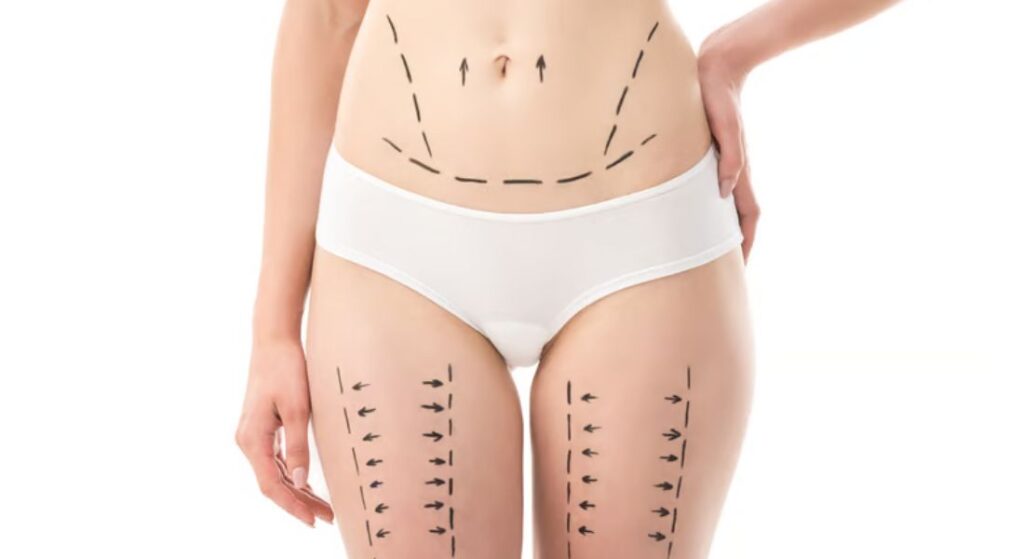
You may already notice that even with consistent diet and regular exercise, certain areas of fat do not seem to change. This is completely normal and is largely related to how the body naturally stores and mobilises fat. Some fat deposits are biologically more resistant to breakdown than others.
These “stubborn” areas are influenced by genetics, hormones, and the way fat cells are distributed across the body. Your body does not reduce fat evenly; instead, it tends to lose it from certain regions first while holding onto others for longer. This is why areas such as the abdomen, flanks, thighs, or lower back can feel particularly resistant to change.
Understanding this pattern helps explain why targeted approaches are sometimes considered. Procedures like VASER liposuction are designed to address these specific fat deposits more directly, offering an option when lifestyle measures alone are not enough to achieve the desired contouring.
The Role of Fat Cell Distribution
You might assume fat is evenly distributed across the body, but in reality, it is not. Fat cell distribution varies from person to person, and certain areas naturally contain a higher concentration of fat cells that are more resistant to change.
Regions such as the abdomen, thighs, hips, and flanks are particularly prone to storing this type of stubborn fat. These fat cells are often less responsive to calorie deficit and exercise alone, which means they can remain even when overall body weight decreases and other areas become leaner.
This uneven pattern of fat storage is a key reason why body contouring approaches are sometimes considered. For example, procedures like VASER liposuction are designed to target and remove specific fat deposits in areas that are harder to change naturally, helping to refine body shape when lifestyle measures reach their limits.
Hormones and Fat Storage Patterns
You should know that hormones play a significant role in determining where your body stores fat. Hormonal fluctuations can influence fat accumulation in specific regions, particularly around the lower abdomen, hips, and thighs.
Even with a consistent healthy lifestyle, these hormonal effects can make certain fat deposits more resistant to reduction. This is especially noticeable as both men and women age, when natural shifts in hormone levels can alter how and where fat is stored.
Because of this, hormonal influence is considered one of the key reasons some fat areas remain “stubborn,” even when overall body composition improves through diet and exercise.
Why Stubborn Fat Is Resistant to Exercise
You may be wondering why regular exercise doesn’t always reduce certain fat pockets, even when you’re consistent with your routine. The reason comes down to how different fat cells behave in different areas of your body. Some fat deposits are simply more resistant to being broken down, even when you’re in a calorie deficit and exercising regularly.
1. Different fat cells respond differently: Stubborn fat cells have fewer receptors that respond to fat-burning signals. This makes them less responsive to exercise and calorie restriction compared to other areas.
2. Slower response during weight loss: Even when you’re losing weight overall, these resistant areas may shrink more slowly. That’s why you might notice uneven changes across your body.
3. Common areas of resistance: Certain regions naturally hold onto fat more strongly, which is why they often look unchanged even when other areas become leaner.
4. Plateaus despite good progress: You can still see strong improvements in fitness and overall body composition, but specific areas may stop responding at the same rate, creating a plateau effect.
This is why you may feel like progress slows down in certain areas even when you’re doing everything right. In some cases, when lifestyle measures don’t achieve the desired change, targeted body contouring approaches may be considered as an additional option to refine results.
What Makes VASER Liposuction Different
You might be curious how VASER liposuction addresses stubborn fat differently from traditional methods. This technique uses ultrasound energy to gently break down fat cells before they are removed from the body.
By liquefying fat first, it allows for more precise targeting of resistant fat deposits while helping to preserve surrounding tissues such as nerves, blood vessels, and connective structures. This controlled approach can contribute to smoother results and more refined body contouring.
Compared to traditional liposuction, VASER technology is often considered a more refined method because it focuses on selective fat removal and improved sculpting potential, particularly in areas where fat is harder to shift through diet and exercise alone.
Targeting Specific Problem Areas
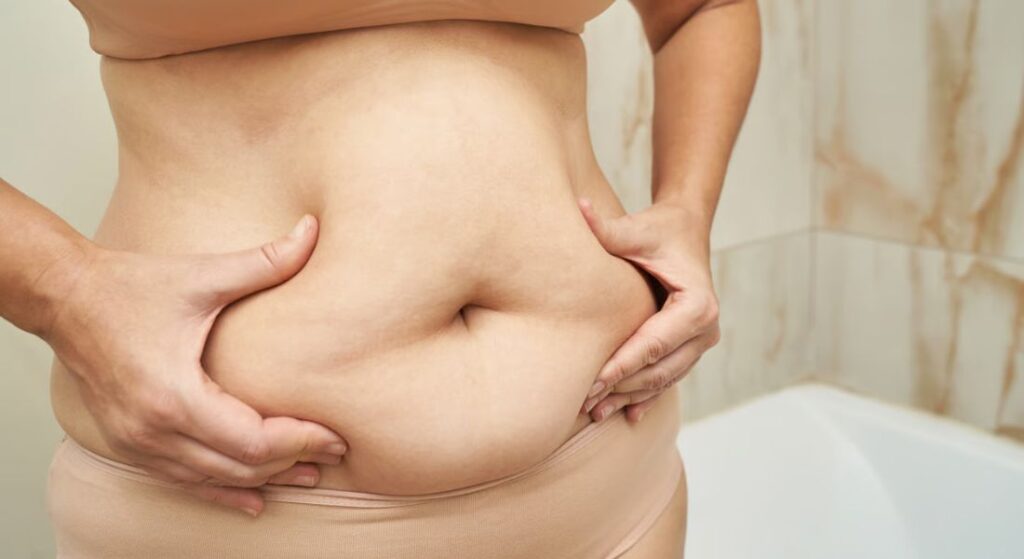
You may have noticed that some areas of your body remain unchanged despite overall fat loss. VASER liposuction is designed to directly target these specific zones where fat is more resistant to diet and exercise.
Common treatment areas include the abdomen, flanks (often referred to as love handles), thighs, upper arms, and chest. These regions tend to hold onto fat more stubbornly due to genetics, hormones, and fat cell distribution, making them harder to change through lifestyle methods alone.
By selectively addressing these areas, VASER liposuction can help refine body contours and create more balanced proportions. The goal is not overall weight loss, but rather targeted sculpting to improve shape and definition in areas that are difficult to tone naturally.
How Ultrasound Energy Works
You should understand that VASER liposuction works by using ultrasound energy to gently loosen fat cells before removal. These ultrasound waves help break the bonds between fat cells while largely preserving surrounding structures such as blood vessels, nerves, and connective tissue.
Once the fat is loosened and partially liquefied, it can be removed more easily and with greater precision. This controlled process reduces mechanical trauma to the treated area compared to more traditional methods, which can involve more forceful disruption of tissue.
Because of this approach, the technique is designed to be both effective and tissue-friendly. It allows for more refined contouring, smoother results, and a more targeted reduction of fat in specific areas of the body.
Why Precision Matters in Fat Removal
You might think fat removal is simply about reducing volume, but precision plays just as important a role in achieving good aesthetic outcomes. If fat is removed unevenly, it can affect the overall shape of the area, leading to irregular contours, dimpling, or asymmetry that becomes noticeable once healing is complete.
1. Even fat removal supports smoother results: When fat is not removed consistently, it can leave behind uneven surfaces. Careful, controlled removal helps maintain a more natural-looking contour.
2. Controlled sculpting improves definition: Techniques like VASER liposuction allow fat to be targeted more selectively, which helps refine body shape rather than simply reducing size.
3. Protects surrounding tissues: Precision techniques aim to preserve nearby structures while removing fat, which supports a smoother healing process and better skin retraction.
4. Creates more natural transitions: Careful sculpting helps ensure that treated and untreated areas blend seamlessly, avoiding harsh lines or overcorrected appearances.
Precision is a key part of modern body contouring because it directly influences the quality of the final result. When fat removal is done with control and attention to detail, the outcome is more balanced, proportional, and natural-looking, rather than simply being smaller.
The Importance of Body Contouring
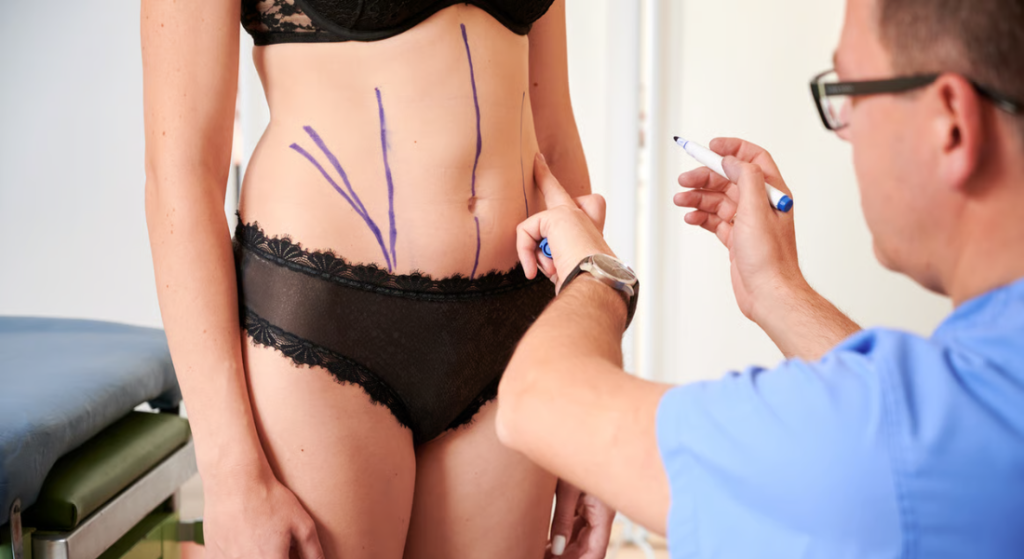
You may not just want fat reduction, but also improved body shape and definition. Body contouring focuses on enhancing natural proportions rather than simply reducing overall fat volume, which makes it different from general weight loss approaches.
VASER liposuction supports this goal by allowing selective removal of fat in specific areas. This precision makes it possible to enhance definition in regions such as the waistline, abdomen, or flanks, where shaping and contouring are often more important than simple reduction.
The aim of this approach is to create a more balanced and naturally sculpted appearance. Instead of changing your overall size dramatically, the focus is on refining body lines so proportions look smoother, more defined, and more in harmony with your natural frame.
Recovery After VASER Liposuction
You should expect a recovery period after VASER liposuction, although it is generally considered manageable compared to more invasive procedures. In the early stages, swelling, bruising, and mild discomfort are common as the body begins to heal, and these effects gradually reduce over time.
Most patients are able to return to light daily activities within a few days, depending on the extent of the treatment and individual healing response. Compression garments are typically recommended to help reduce swelling, support the treated areas, and encourage smoother contouring as the body recovers.
Following aftercare instructions closely is essential for achieving optimal results. This includes attending follow-up appointments, wearing compression garments as advised, and avoiding strenuous activity until cleared by your specialist.
Long-Term Results and Maintenance
You might wonder whether results are permanent after VASER liposuction. In general, once fat cells are removed during the procedure, they do not regenerate in the treated areas. This means the contour improvements achieved are long-lasting.
However, maintaining those results depends on your overall lifestyle. If significant weight gain occurs, remaining fat cells in both treated and untreated areas can still expand, which may alter your body shape over time. This is why stability in weight is important after the procedure.
A balanced diet and regular exercise help support long-term outcomes by preventing new fat accumulation and preserving the sculpted appearance. With consistent habits, the results of treatment can remain stable and well-maintained for many years.
Who Is a Good Candidate
You should consider whether stubborn fat is your main concern rather than overall weight when thinking about VASER liposuction. This procedure is typically best suited for individuals who are already close to their ideal body weight but still have specific areas that don’t respond well to diet and exercise.
1. Best suited for stubborn fat, not weight loss: This treatment is designed to refine shape rather than reduce body weight. It targets localised fat pockets that persist despite a healthy lifestyle.
2. Ideal if you are near your target weight: You may be a better candidate if your overall body weight is stable, but certain areas remain resistant to change. This helps ensure more predictable and balanced results.
3. Skin elasticity plays an important role: Good skin elasticity helps your skin adapt smoothly to the new contours after fat removal. This supports a more even and natural-looking outcome.
4. Requires a personalised consultation: A full assessment with a qualified specialist is essential. Your body composition, goals, and expectations are reviewed to determine whether this approach is suitable for you.
VASER liposuction is ultimately about refinement rather than transformation. When used in the right candidate, it can enhance body definition in a controlled and natural-looking way, rather than acting as a weight-loss solution.
Combining Treatments for Better Results
You may benefit from combining VASER liposuction with other complementary treatments in some cases. While VASER focuses on removing and sculpting fat, additional procedures may be recommended to further enhance overall results.
For example, skin tightening treatments can help improve firmness and support the skin’s ability to adapt to new contours. Other contouring or regenerative techniques may also be used to refine texture and smoothness, depending on individual needs.
This combined approach can create a more comprehensive aesthetic outcome by addressing both fat reduction and skin quality. Treatment plans are always tailored to the individual, ensuring that the chosen combination aligns with body goals, skin condition, and desired level of refinement.
Why Personalised Assessment Is Important

You should understand that every individual’s body responds differently, which is why personalised assessment is so important before procedures such as VASER liposuction. Factors like fat distribution, skin quality, muscle structure, and healing response can vary significantly from person to person.
A tailored assessment allows the specialist to design a treatment plan that matches your specific goals and anatomy. This helps ensure that fat is removed in a balanced and controlled way, while also considering how well your skin will adapt to the new contours after treatment.
This level of customisation improves both safety and results. By adapting the approach to the individual rather than using a one-size-fits-all method, modern body contouring achieves more natural, predictable, and satisfying outcomes.
Emotional Impact of Body Contouring
You might not expect it, but body contouring can also have a meaningful emotional impact. Many people feel a boost in confidence after addressing stubborn fat areas that have been resistant to diet and exercise.
Procedures like VASER liposuction can help improve body shape and definition, which often makes individuals feel more comfortable in clothing and more aligned with their desired appearance. These physical changes can reduce long-standing frustration and self-consciousness for some patients.
As a result, improved body contours may contribute to a more positive self-image and overall emotional wellbeing. While the physical outcomes are the primary goal, the psychological benefits are often an important secondary outcome for many individuals.
FAQs:
1. Why does stubborn fat not go away with diet and exercise?
You may notice that certain areas of fat don’t change even when you eat well and exercise regularly. This is because some fat cells are more resistant to breakdown due to genetics, hormones, and distribution patterns. Your body also loses fat unevenly, so some areas shrink faster than others. That’s why pockets of fat can remain even when you’re otherwise in good shape.
2. Which areas of the body are most prone to stubborn fat?
You’ll often find stubborn fat in areas like the abdomen, flanks, thighs, hips, and lower back. These regions naturally store more resistant fat cells. Even with weight loss, they tend to be the last areas to change. This is a common and completely normal fat distribution pattern.
3. Why is stubborn fat harder to lose in some people?
You may find that your body is genetically programmed to store fat in certain areas. Hormones and age can also influence where fat builds up and how easily it is lost. These factors vary from person to person. That’s why results from diet and exercise can look uneven.
4. Can exercise completely remove stubborn fat?
You might improve your overall body composition with exercise, but it doesn’t always eliminate resistant fat pockets. These fat cells respond more slowly to calorie deficits and training. Even when you’re progressing well, some areas may stop changing. This creates what feels like a plateau.
5. How does VASER liposuction target stubborn fat?
VASER liposuction uses ultrasound energy to break down fat cells before removing them. This allows for more precise targeting of resistant fat deposits. It also helps preserve surrounding tissues, leading to smoother results. The goal is sculpting, not general weight loss.
6. Is VASER liposuction a weight-loss treatment?
No, it is not designed for weight loss. You may be a better candidate if you are already close to your ideal weight. The procedure focuses on refining shape and improving contour. It targets specific fat pockets that don’t respond to lifestyle changes.
7. What areas can be treated with VASER liposuction?
You can treat common areas such as the abdomen, flanks, thighs, arms, and chest. These are typically the regions where stubborn fat collects. The treatment is highly targeted and customised to your body. This helps improve overall proportions and definition.
8. What is recovery like after VASER liposuction?
You should expect swelling, bruising, and mild discomfort in the early stages. Most people return to light activities within a few days. Compression garments are usually recommended to support healing and contouring. Full recovery and final results develop gradually over time.
9. Are VASER liposuction results permanent?
Yes, the fat cells removed during the procedure do not come back. However, you still need to maintain a stable weight to preserve your results. Remaining fat cells can expand if significant weight gain occurs. A healthy lifestyle helps keep your results long-lasting.
10. Who is the best candidate for VASER liposuction?
You’re usually a good candidate if you’re near your ideal weight but have stubborn fat areas. Good skin elasticity also helps achieve smoother results. It’s not suitable for overall weight loss or obesity treatment. A consultation is needed to assess your suitability properly.
Final Thoughts: Refining Body Shape When Stubborn Fat Won’t Respond
Stubborn fat is often less about effort and more about biology. Genetics, hormones, and natural fat distribution patterns can make certain areas resistant to even the most disciplined diet and exercise routines. This is where understanding targeted body contouring becomes important, as it focuses on refining specific areas rather than overall weight loss. VASER liposuction offers a more precise approach by using ultrasound energy to selectively address these resistant fat deposits, helping to enhance natural body proportions in a controlled and structured way.
While the procedure can create long-lasting improvements, the best outcomes always come from the right combination of realistic expectations, good skin quality, and stable lifestyle habits. It is designed for shaping and definition, not as a substitute for weight management. If you’re thinking about vaser lipo in London, you can get in touch with us at the London Medical & Aesthetic Clinic.
References:
1. Jørgensen, M.G. et al. (2018) Imaging findings of liposuction with an emphasis on postsurgical complications, Insights into Imaging, 9(5), pp. 709–720. Available at: https://pmc.ncbi.nlm.nih.gov/articles/PMC5889454/
2. Sharma, A. et al. (2024) Ultrasound-assisted liposuction and body contouring outcomes: a clinical review, Journal of Cosmetic Dermatology, 23(2), pp. 145–153. Available at: https://pmc.ncbi.nlm.nih.gov/articles/PMC11440265/
3. Hoyos, A. and Millard, J.A. (2008) VASER-assisted high-definition liposculpture, Aesthetic Surgery Journal, 28(6), pp. 685–695. Available at: https://pubmed.ncbi.nlm.nih.gov/19331963/
4. Goldberg, D.J. (2024) Advances in energy-based body contouring and ultrasound-assisted lipoplasty, Plastic and Reconstructive Surgery, 153(4), pp. 1120–1132. Available at: https://pubmed.ncbi.nlm.nih.gov/39351309/
5. Sciencedirect (2002) Clinical application of VASER-assisted lipoplasty: a pilot clinical study, Aesthetic Surgery Journal, 22(2), pp. 131–146. Available at: https://www.sciencedirect.com/science/article/pii/S1090820X02579954